The Grand Tour was once the finishing school of the Western elite: months moving through the ruins, museums, salons, and capitals of Europe. Rome for antiquity. Paris for conversation. Venice for pleasure. Travel was how a person learned to see, and how a class learned to recognize itself.

For a generation raised between continents, educated in Western institutions, and fluent in Asian design, cuisine, wealth, and soft power, the old map feels incomplete. Not wrong. Incomplete. Taste no longer finishes where the Mediterranean ends.
The Asian Grand Tour is not a replacement for Europe. It is an expansion of the canon: a route through cities where luxury, culture, appetite, inheritance, and power are now central to how sophisticated travelers learn to see.
What Counts as a Stop
A stop on this route is not a checklist item. It is a discipline.
Each city teaches a different standard: how much to remove, how precisely to execute, how fast to move, how generously to eat, how cleanly to govern, how fully to surrender to heat, how boldly to ornament, how loudly to compete, how carefully to remember.
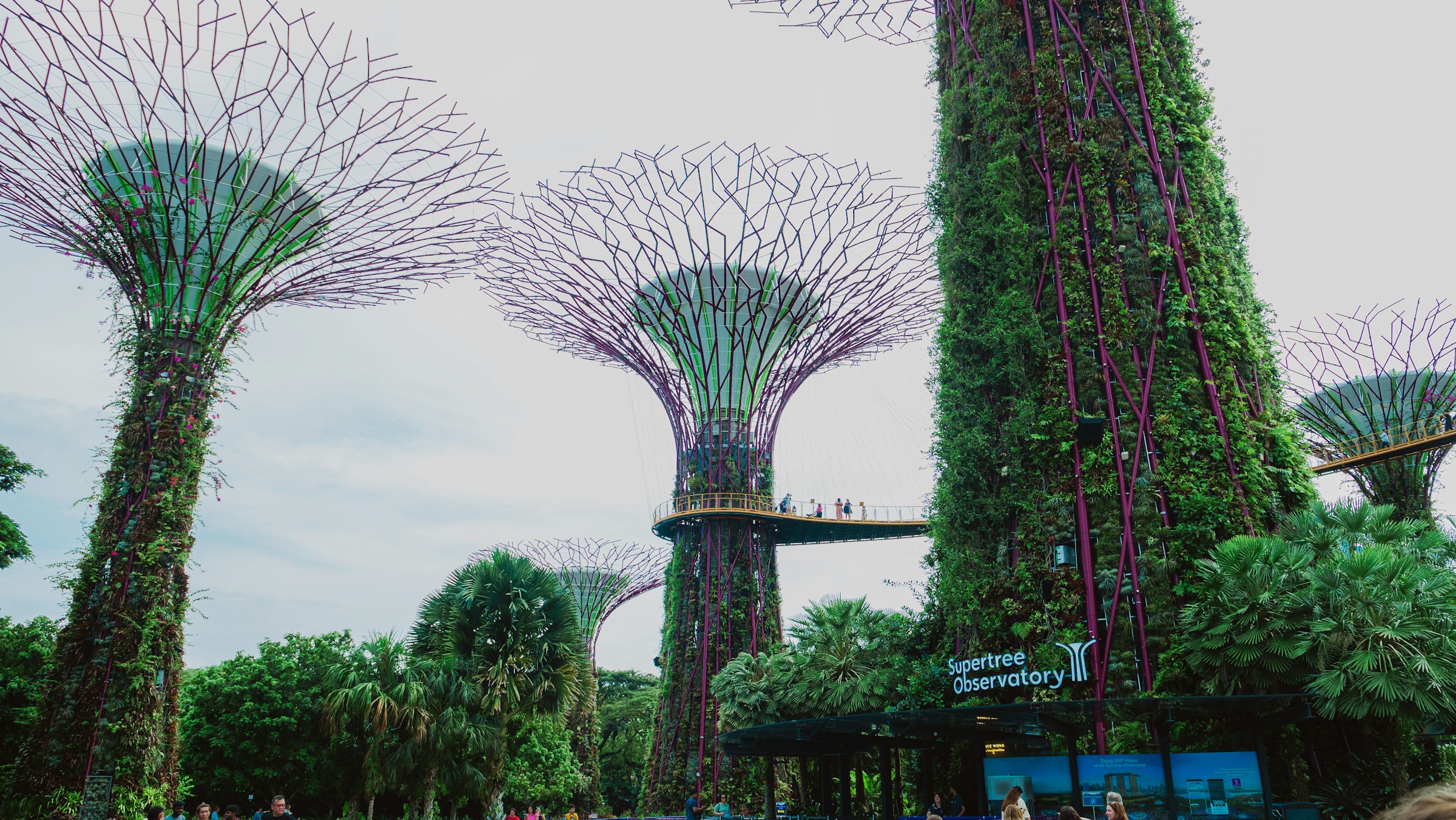
Kyoto teaches restraint. Seoul teaches velocity. Tokyo teaches precision. Hong Kong teaches appetite. Singapore teaches power. Bangkok teaches sensuality. Jaipur teaches splendor. Mumbai teaches ambition. Shanghai teaches memory, and the future that grows out of it.
You do not need all nine in one journey. The classical Grand Tour was never comprehensive. It was succession: one city sharpening your appetite for the next, one pleasure altering your standards for what follows.
The Diaspora Question
For diaspora Asians, travel in Asia is rarely simple tourism. You can feel insider and outsider in the same afternoon. You may look like you belong and still reach for the wrong word. You may arrive carrying inherited images from parents, films, food, or the quiet distance of emigration.
The Asian Grand Tour assumes that complexity without turning it into performance. These cities are not props for identity work. They are places with their own arguments about craft, class, memory, and ambition. The diaspora traveler reads them with double vision: as destinations and as partial mirrors.
"The journey is lateral as much as outward: toward places we may not fully belong to, but which have always belonged somewhere in us."
Luxury here is not apology. It is the freedom to look closely, stay long enough, and leave without demanding that any city explain itself on Western terms.
The Route
Nine stops. Nine temperaments. Move in order, or begin where your hunger points: restraint in Kyoto, precision in Tokyo, appetite in Hong Kong, memory in Shanghai.
Confirm hotel availability, restaurant reservations, and guide listings before booking. Stars, keys, and hours change. The route is editorial, not a contract.
Kyoto: The Education of Restraint

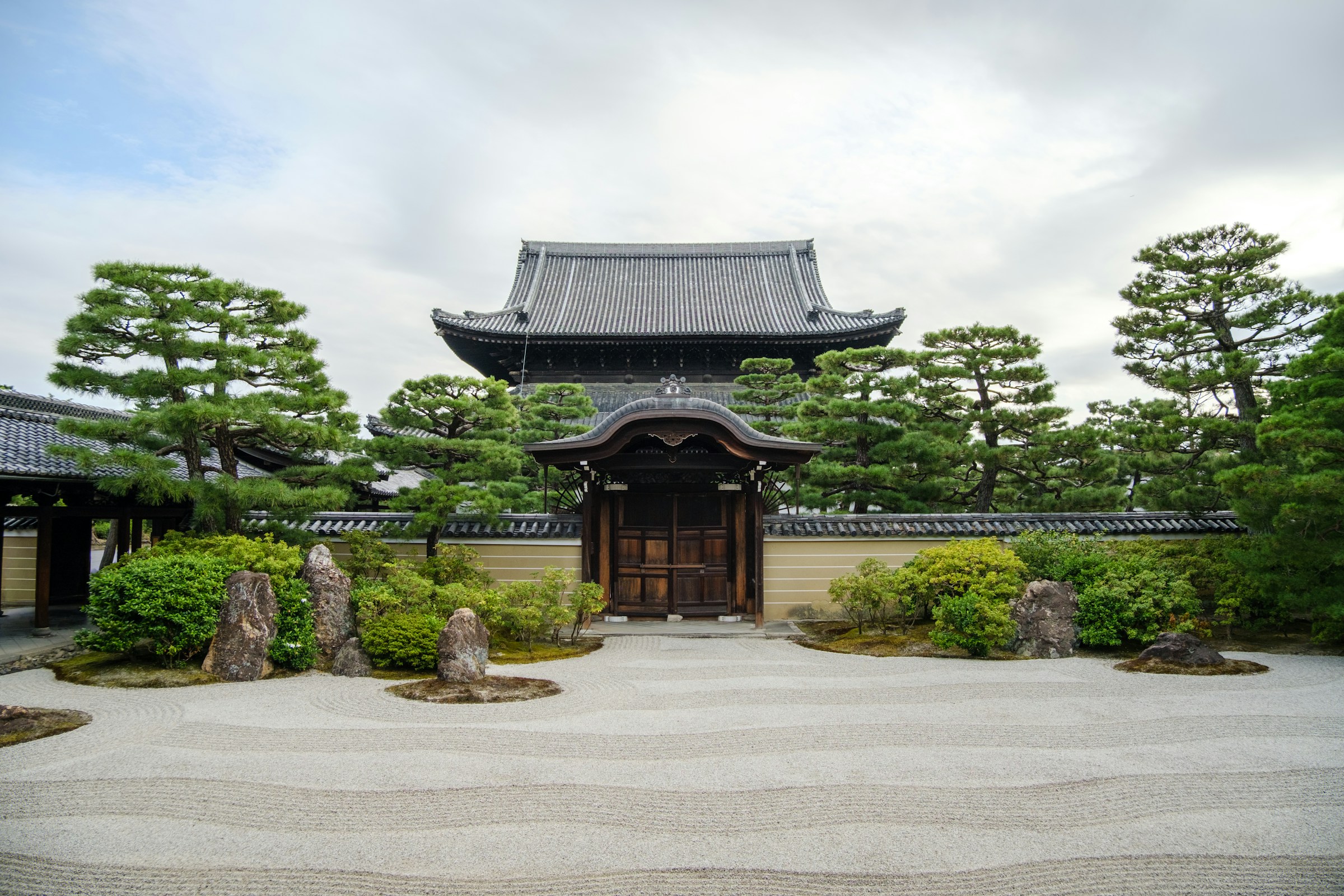
Kyoto is where the route should begin, or where the weary traveler returns when the rest of the continent has been too loud. Restraint here is not deprivation. It is attention paid to small things until they become large: moss after rain, the weight of a tea bowl, the interval between bow and first sip.
Tawaraya, the ryokan on Fuyacho in Nakagyo, still takes reservations by telephone. That fact alone tells you how the city values pace. Park Hyatt Kyoto at Kodai-ji, opened in 2019 on the slope above Higashiyama, offers a contemporary counterpoint: low-rise rooms, Tony Chi interiors, and a base for dawn walks to Kiyomizu-dera before the buses arrive.
For kaiseki, Kikunoi Honten in Higashiyama under Yoshihiro Murata remains the reference for seasonal Kyoto cuisine at the highest level. At Kennin-ji, the oldest Zen temple in the city, the dry garden and the ceiling's twin dragons make restraint visible rather than theoretical. In Nishijin, textile ateliers still weave obi on looms you can visit by appointment.
What Kyoto teaches: that luxury can be quiet, repetitive, and almost stubbornly unphotogenic until you learn to stay.
Banquet Notes: Kyoto
Stay: Tawaraya (telephone reservations) or Park Hyatt Kyoto in Higashiyama
Taste: Kikunoi Honten for kaiseki, matcha at Ippodo on Teramachi, seasonal wagashi from a serious shop
See: Kennin-ji at opening, Nishijin weaving by appointment, Philosopher's Path before 8 a.m.
Bring home: Kiyomizu-yaki ceramics, Shoyeido incense, linen from a Nishijin maker
Best for: First stop after a long flight, couples, solo reset, travelers who want silence with service
Tokyo: The Education of Precision

If Kyoto is subtraction, Tokyo is calibration. Nothing serious here is approximate. The omakase counter holds eight seats because eight is what the fish and the chef can honor that evening. The department store basement is not a food court; it is a curriculum in packaging, seasonality, and gift logic.
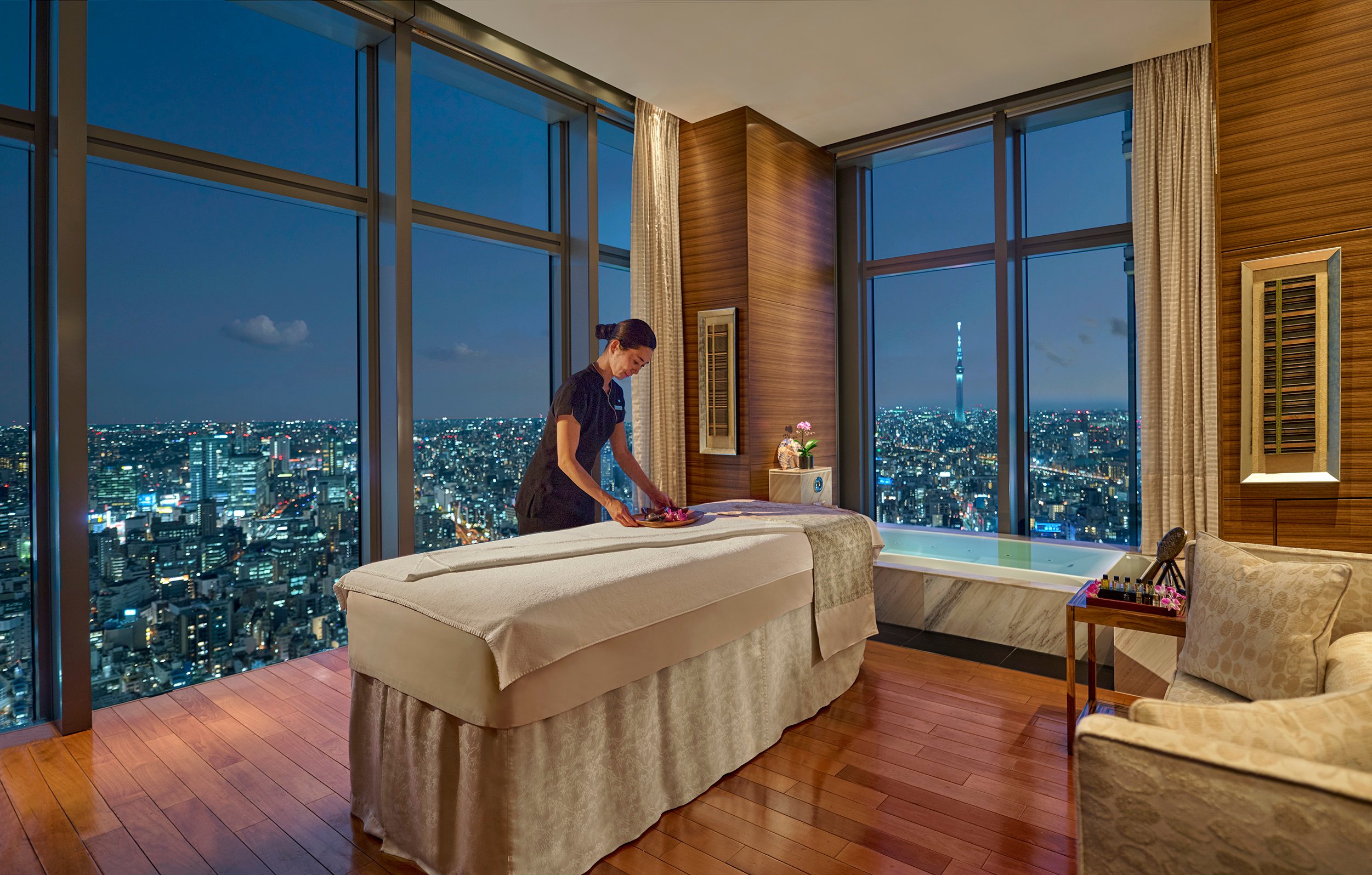
Aman Tokyo above Otemachi Station, designed by Kerry Hill, translates ryokan spatial logic to the 33rd floor: genkan entry, ofuro-scale bathing, city views without neon in the room. teamLab Borderless, permanent at Azabudai Hills since early 2024, is the opposite lesson: digital spectacle executed with Japanese installation discipline. Between them sits the Tokyo the Grand Tour traveler needs: craft at human scale and ambition at city scale.
For dining, counter omakase in Nishi-Azabu or Ginza remains the definitive test of trust and temperature. Depachika at Mitsukoshi Nihombashi or Isetan Shinjuku reward an hour of tasting without a reservation. Walk Omotesando for postwar and contemporary architecture in a single afternoon.
What Tokyo teaches: that excellence is baseline, not exception, and that service is often invisible until you notice it has already happened.
Banquet Notes: Tokyo
Stay: Aman Tokyo, Four Seasons Otemachi, or a boutique in Aoyama
Taste: Counter omakase in Nishi-Azabu, tempura at a serious Ginza counter, depachika tasting at Mitsukoshi Nihombashi
See: teamLab Borderless, Omotesando architecture walk, Imperial Palace East Gardens at dawn
Bring home: A knife from Kappabashi, stationery from Itoya Ginza, small-batch ceramics, pantry goods from depachika
Best for: Design obsessives, serious eaters, second or third visits to Japan
Seoul: The Education of Velocity

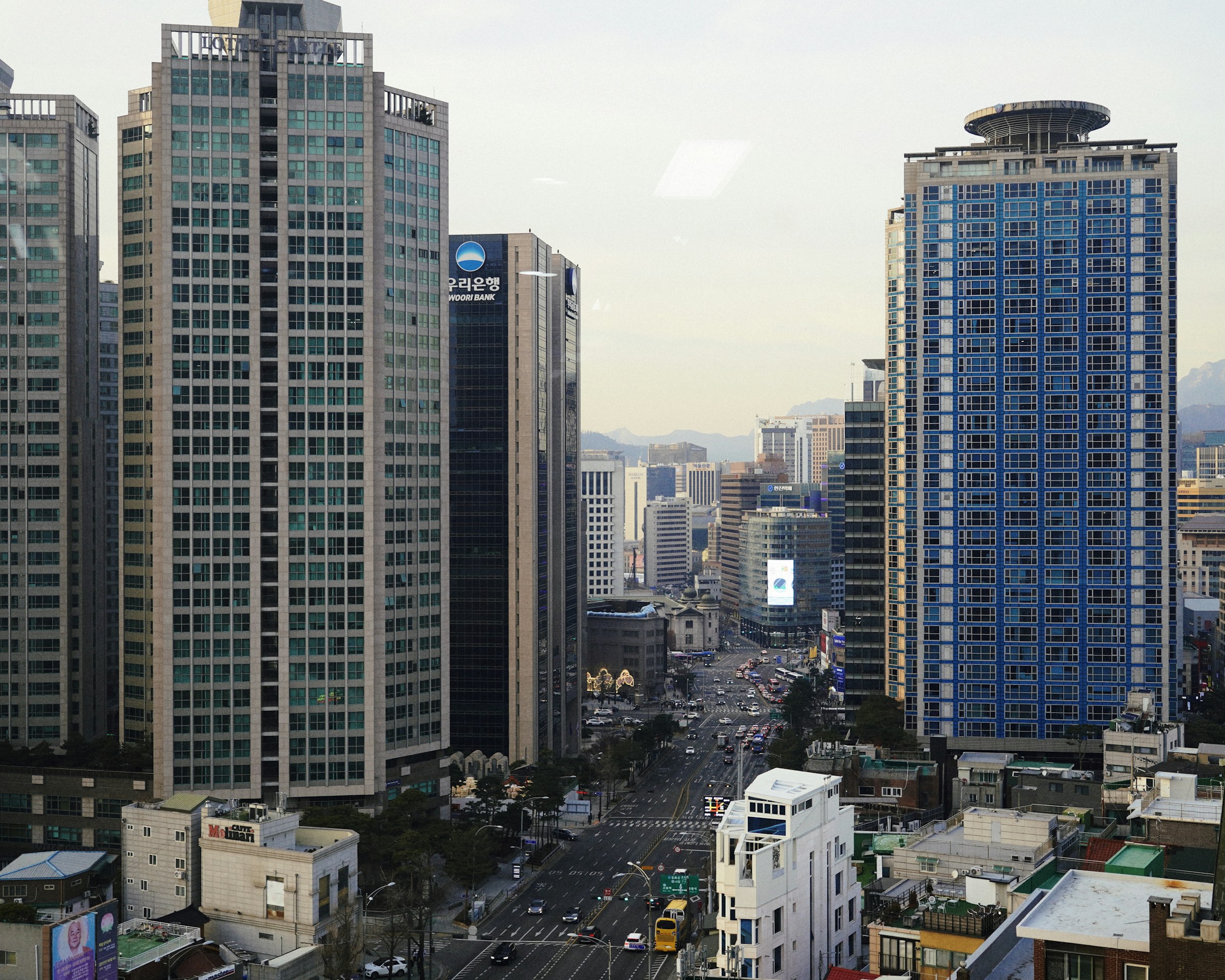
Seoul reinvents its surface between trips: a new flagship in Apgujeong, a new gallery cluster in Seongsu-dong, a shade of lip tint that will appear in Los Angeles within the year. Velocity here is cultural export. The city does not wait for permission to define what looks modern.
Signiel Seoul atop Lotte World Tower in Jamsil offers skyscraper hospitality with Korean service formality at altitude. For contrast, a hanok stay in Bukchon teaches a different Seoul: tiled roofs, narrow lanes, the friction of tourism in a living neighborhood. Non-residents may enter Bukchon's core residential zone only between 10 a.m. and 5 p.m.; plan accordingly.
Amorepacific Museum in Yongsan, designed by David Chipperfield, treats cosmetics research as public culture. Seongsu-dong pairs ateliers and patisserie with the kind of creative density that makes an afternoon feel current. Korean fine dining in Gangnam and Jongno now competes on fermentation, banchan logic, and wine pairing with anything in Tokyo.
What Seoul teaches: that taste moves fast, and that rigor and trend can occupy the same block.
Banquet Notes: Seoul
Stay: Signiel Seoul in Jamsil or a hanok guesthouse in Bukchon (respect residential hours)
Taste: Modern Korean fine dining in Gangnam, jokbal or gukbap in a serious Jongno room, patisserie in Seongsu
See: Amorepacific Museum, Seongsu atelier row, Dongdaemun Design Plaza at night
Bring home: Skincare from a counter where staff explain ingredients, fragrance from a local niche house, tailoring in Apgujeong
Best for: Fashion and beauty travelers, gallery weekends, those who want a city that feels like next year
Hong Kong: The Education of Appetite

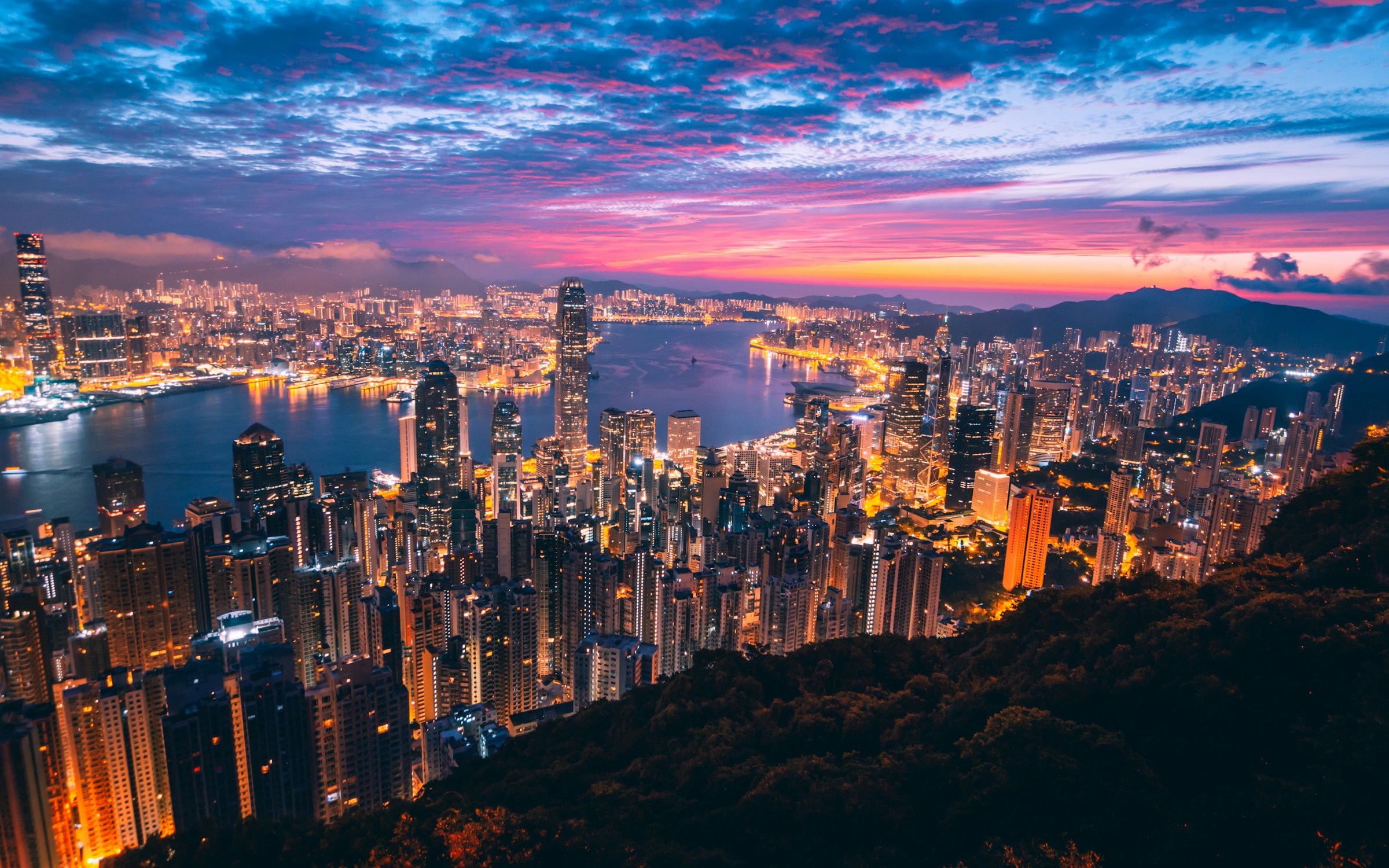
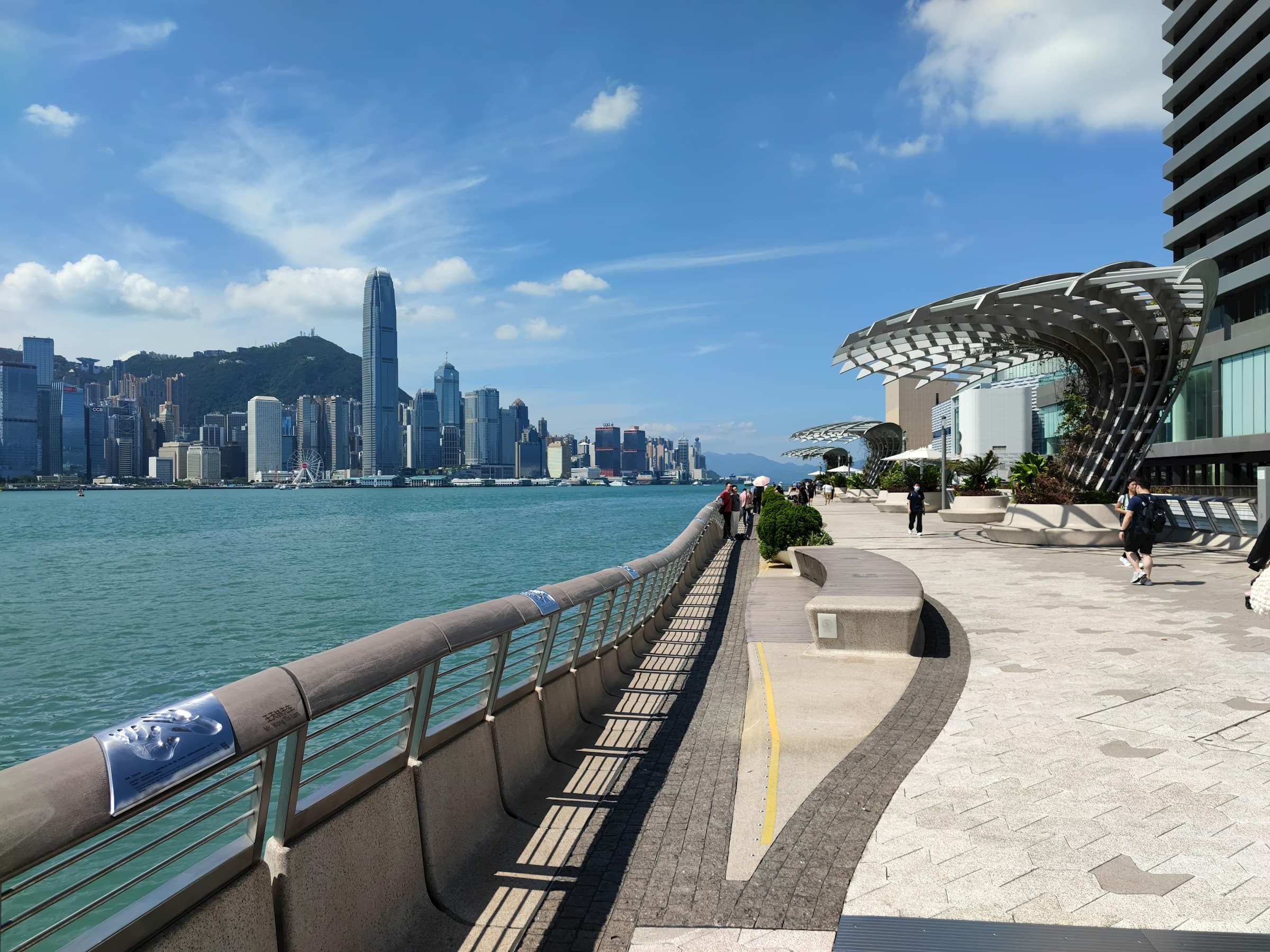
Hong Kong is appetite in every register: culinary, financial, visual. Cantonese luxury is generous and precise. It does not apologize for wealth that was earned, inherited, or reinvested across generations.
Lung King Heen on the fourth floor of Four Seasons Hong Kong at 8 Finance Street remains the harbour-view reference for Cantonese fine dining; the Hong Kong MICHELIN Guide 2026 lists it at two stars, down from its former three-star peak but still the room serious diners book for dim sum and banquet service. M+ on the West Kowloon waterfront, which opened in November 2021, anchors contemporary art with the Sigg Collection and a museum building that treats the harbour as context.
In Sheung Wan, boutique hotels like The Jervois and 99 Bonham prove that luxury here can be apartment-scale: Liaigre interiors, ladder-street walks, morning tea from a Hollywood Road merchant. The Star Ferry between Central and Tsim Sha Tsui remains the city's most elegant short journey and the cheapest lesson in skyline reading.
What Hong Kong teaches: that hunger and refinement are not opposites, and that diaspora return often begins at the dinner table.
Banquet Notes: Hong Kong
Stay: Upper House in Admiralty, The Jervois in Sheung Wan, or Four Seasons for Lung King Heen access
Taste: Lung King Heen lunch, LockCha tea house in Sheung Tin, wine bars along Elgin Street
See: M+ on a weekday, Peak Tram at dusk, PMQ design studios in Central
Bring home: Pu-erh from a Sheung Wan merchant, jade only from a dealer you trust, shirts from a Central tailor who keeps your file
Best for: Collectors, harbor people, diaspora return, travelers who eat twice a day with intention
Singapore: The Education of Power

Singapore is what happens when a city-state decides the future should be legible. Power here is landscaped, air-conditioned, and competently administered. That competence is its own form of luxury.
Odette at the National Gallery holds three MICHELIN stars in the Singapore MICHELIN Guide 2025 and remains the fine-dining room that matches civic architecture with Julien Royer's kitchen. The Singapore EDITION at 38 Cuscaden Road, which opened in 2024 at the Botanic Gardens end of Orchard, represents the newer proposition: design-forward hospitality with chef-driven dining rather than colonial ritual. Raffles Singapore, restored in 2019, still sells heritage courtyard mythology with five-star competence.
The Singapore Botanic Gardens, UNESCO-listed since 2015, offers ten minutes of rainforest calm from upper Orchard. Keong Saik and Chinatown shophouse lanes show Peranakan and Cantonese culture at street level, not only in museum cases.
What Singapore teaches: that control can be beautiful, and that power often wears garden gloves.
Banquet Notes: Singapore
Stay: Singapore EDITION near the Botanic Gardens, Raffles for ritual, or a shophouse boutique on Keong Saik
Taste: Peranakan on Keong Saik, Odette if reservations align, hawker lunch at Maxwell then hotel bar at night
See: National Gallery, Botanic Gardens at opening, Gardens by the Bay before tour groups peak
Bring home: Peranakan ceramics, serious tea, books on urban planning and tropical architecture
Best for: Business travelers with taste, garden people, those who admire competence without coldness
Bangkok: The Education of Sensuality

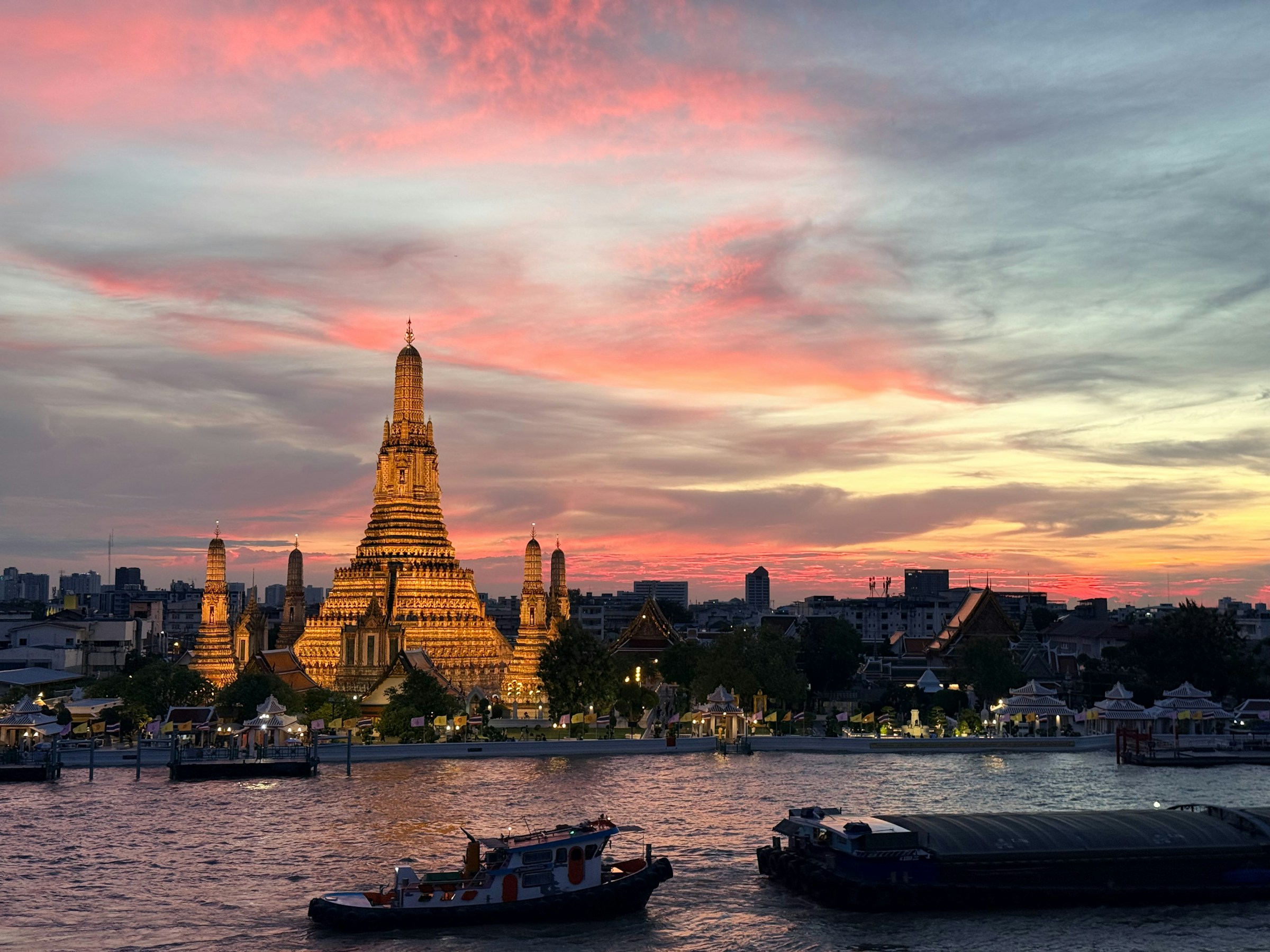
Bangkok restores the body to the itinerary. After the discipline of Tokyo and the efficiency of Singapore, the city teaches surrender: river breeze, temple gold at dusk, massage as daily grammar rather than spa amenity.
Mandarin Oriental Bangkok on the Chao Phraya, operating since 1876, remains the river address against which others are measured. Authors' Wing suites still face the water the way Graham Greene and Noël Coward once preferred. Le Normandie in the same compound offers French fine dining with river views for nights when Thai spice needs a counterpoint.
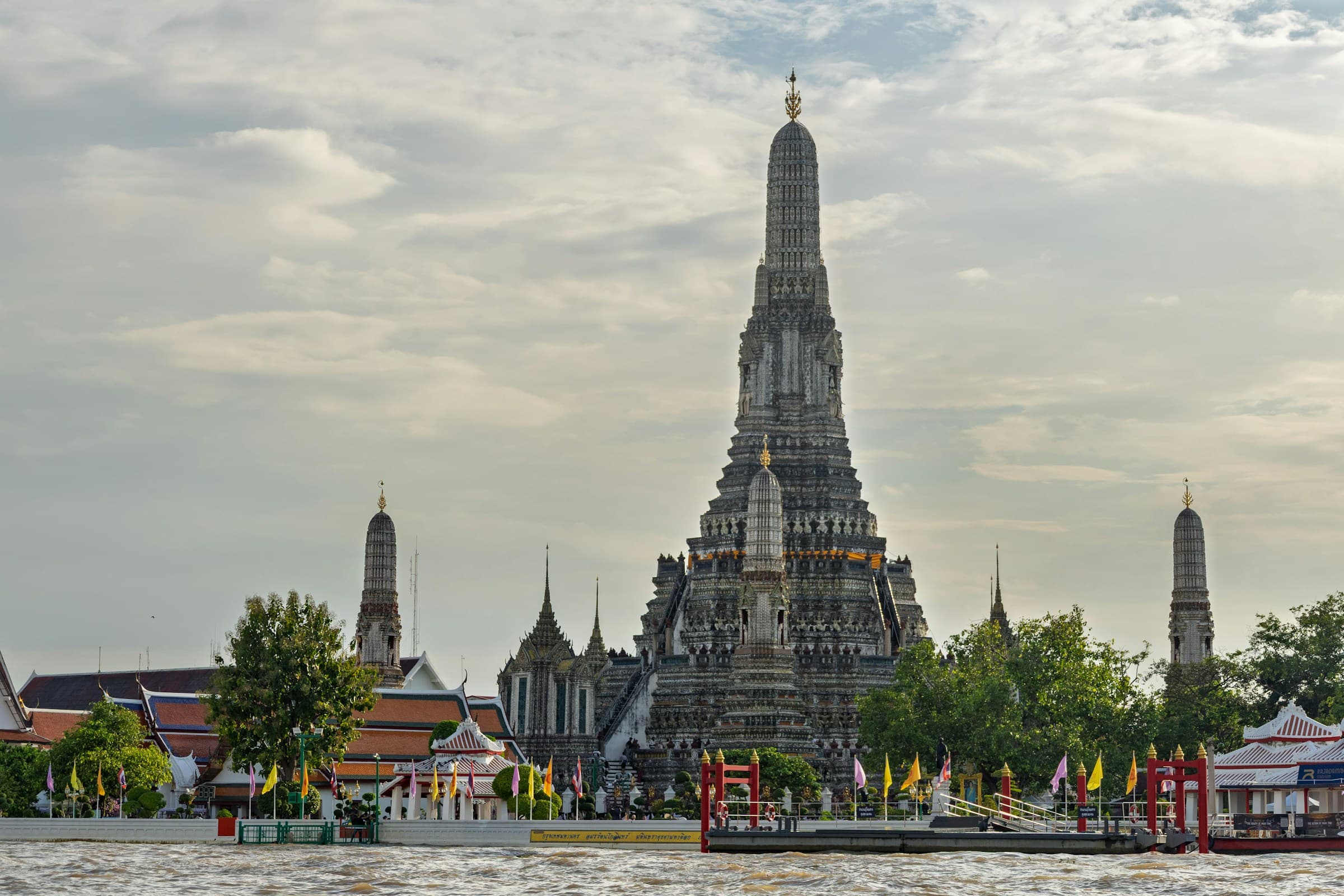
Wat Arun at sunset still performs the city's sensuality without camp. Jim Thompson House in Sathorn ties silk, mid-century taste, and Southeast Asian collection logic to a walkable afternoon. Or Or Tor Kor Market for mango and durian that remind you pleasure here is physical before it is intellectual.
What Bangkok teaches: that luxury includes ease, heat, and the permission to be cared for.
Banquet Notes: Bangkok
Stay: Mandarin Oriental riverside or a contemporary room in Silom with pool access
Taste: Thai fine dining with river view, supper at a serious Thonglor room, fruit at Or Tor Kor
See: Wat Arun at sunset, Jim Thompson House, one spa afternoon without guilt
Bring home: Jim Thompson silk, spice blends from a market you trust, silver from a verified dealer
Best for: Couples, spa weeks, travelers recovering from too much northern discipline
Jaipur: The Education of Splendor

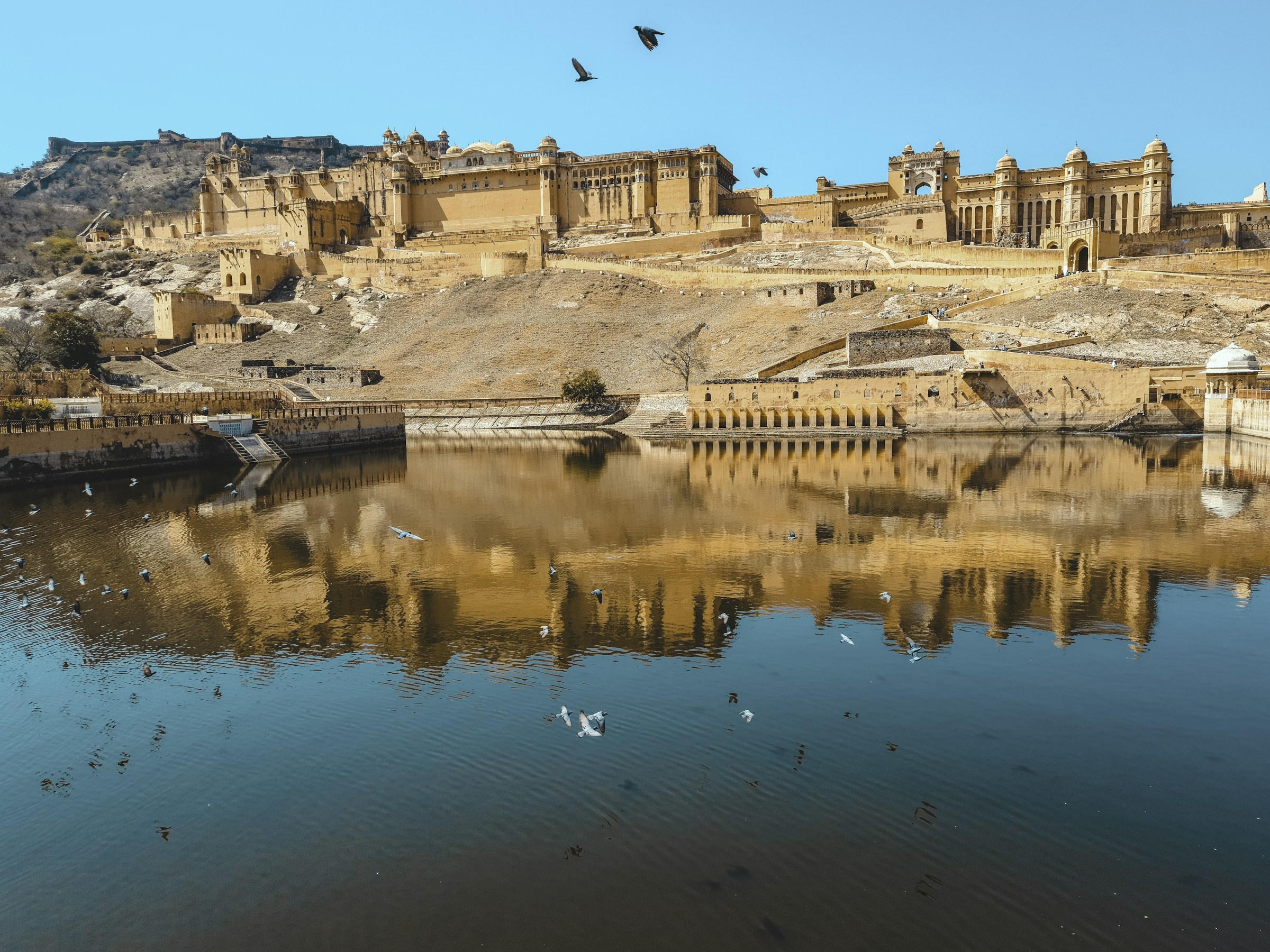
Jaipur is splendor without embarrassment. The fort rises from the ridge. The palace reflects in the lake. The diaspora traveler may arrive with complicated feelings about ornament. Jaipur does not require resolution. It requires looking.
Rambagh Palace on Bhawani Singh Road, managed by Taj, converts a nineteenth-century royal residence into the city's reference for palace hospitality: lawns, peacocks, rooms that understand scale. The Gem Palace on MI Road, run by the Kasliwal family since the 1850s, supplied courts long before tourism arrived; it remains where serious buyers learn Jaipur jewelry on its own terms.
Amer Fort at opening hour, before coaches crowd the courtyards, teaches how Rajput architecture uses color as structure. In Sanganer, block-print workshops still produce textiles by hand for designers who visit in person.
What Jaipur teaches: that maximalism can be disciplined, and that craft markets reward the patient eye.
Banquet Notes: Jaipur
Stay: Rambagh Palace or Samode Haveli for haveli scale in the old city
Taste: Rajasthani thali at 1135 AD near Amer, lassi at Lassiwalla on MI Road, rooftop supper with fort views
See: Amer Fort at opening, block-print workshop in Sanganer, City Palace with a guide who reads architecture
Bring home: Gem Palace for serious jewelry, hand-block textiles, ittar from a perfumer who blends on site
Best for: Wedding travelers, collectors of craft, romantics who want color with pedigree
Mumbai: The Education of Ambition

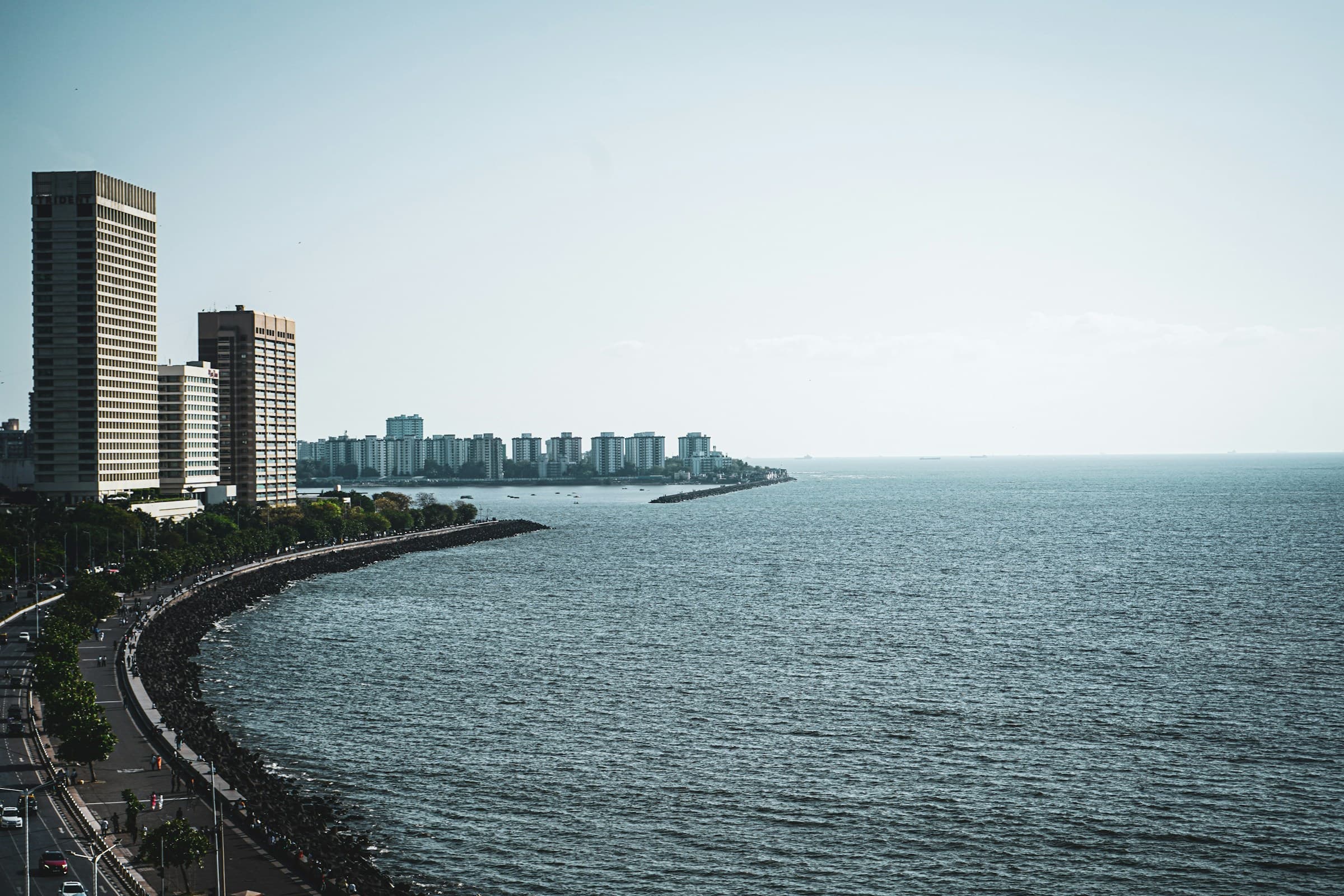
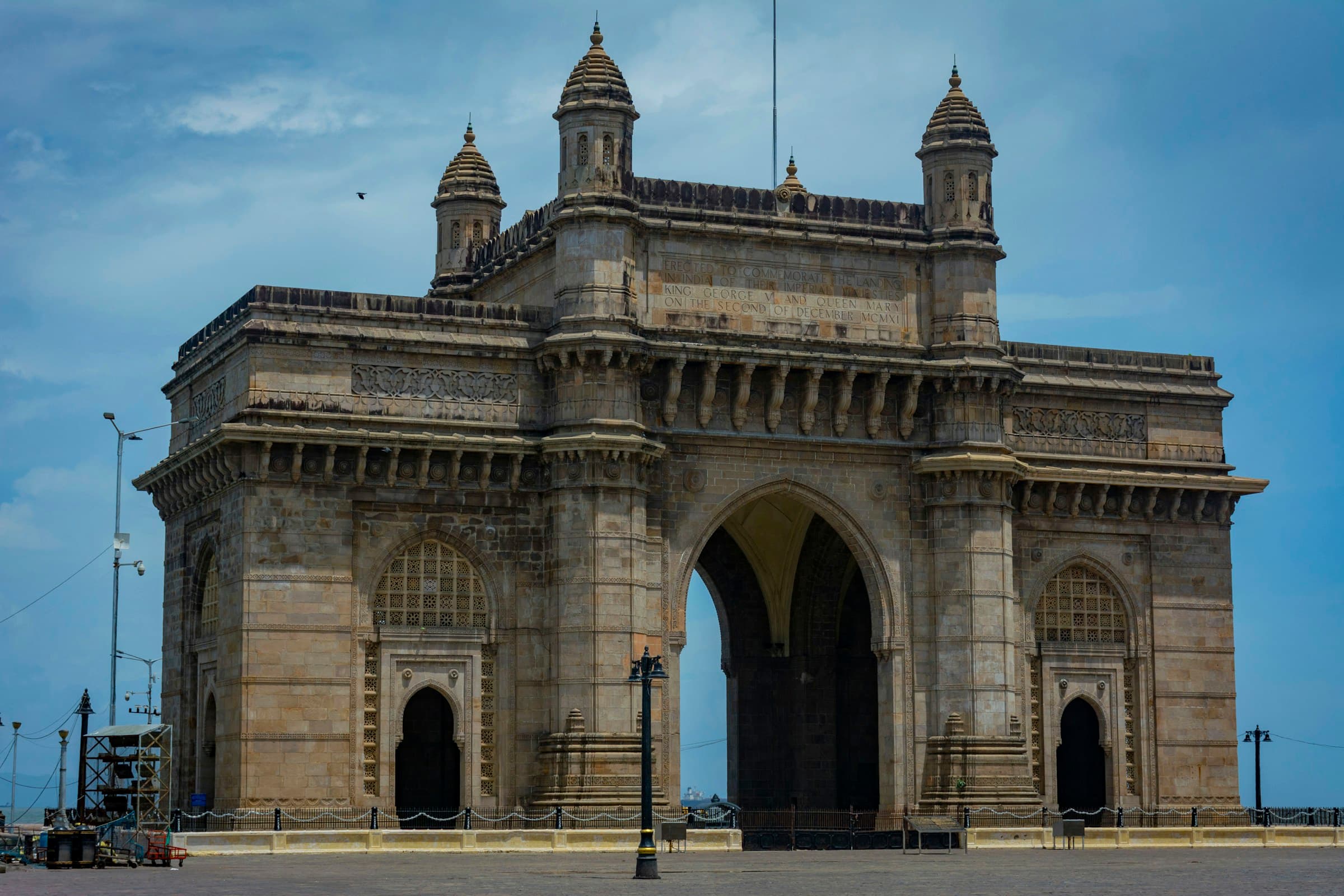
Mumbai is the continent's present tense: finance, film, fashion, and friction in the same humid hour. Skip it and you miss how India negotiates wealth, art, and scale in real time.
The Taj Mahal Palace in Colaba, facing the Gateway of India since 1903, remains the grande dame: sea-facing rooms, history in the corridors, service that understands both dynasty and debutante. Indian Accent at the Nita Mukesh Ambani Cultural Centre in BKC, which opened its Mumbai outpost in 2023, represents the city's contemporary fine-dining ambition: modern Indian tasting menus in a campus built to compete globally.
Galleries in Mahalaxmi and Lower Parel prove Mumbai collects as seriously as it trades. The Gateway of India at dawn, before ferries crowd the frame, is still the correct arrival monument for a city that never stops becoming.
What Mumbai teaches: that ambition is noisy, generous, and often more interesting than polish.
Banquet Notes: Mumbai
Stay: Taj Mahal Palace sea-facing in Colaba or a tower suite in Lower Parel for gallery access
Taste: Indian Accent at NMACC, coastal seafood at Trèsind if booking allows, Irani chai at Kyani & Co.
See: NMACC campus, gallery appointments in Mahalaxmi, Gateway at dawn
Bring home: Contemporary design from Kala Ghoda boutiques, textiles, art books from a serious seller
Best for: Creatives, entrepreneurs, art buyers, travelers who love cities that sweat
Shanghai: The Education of Memory

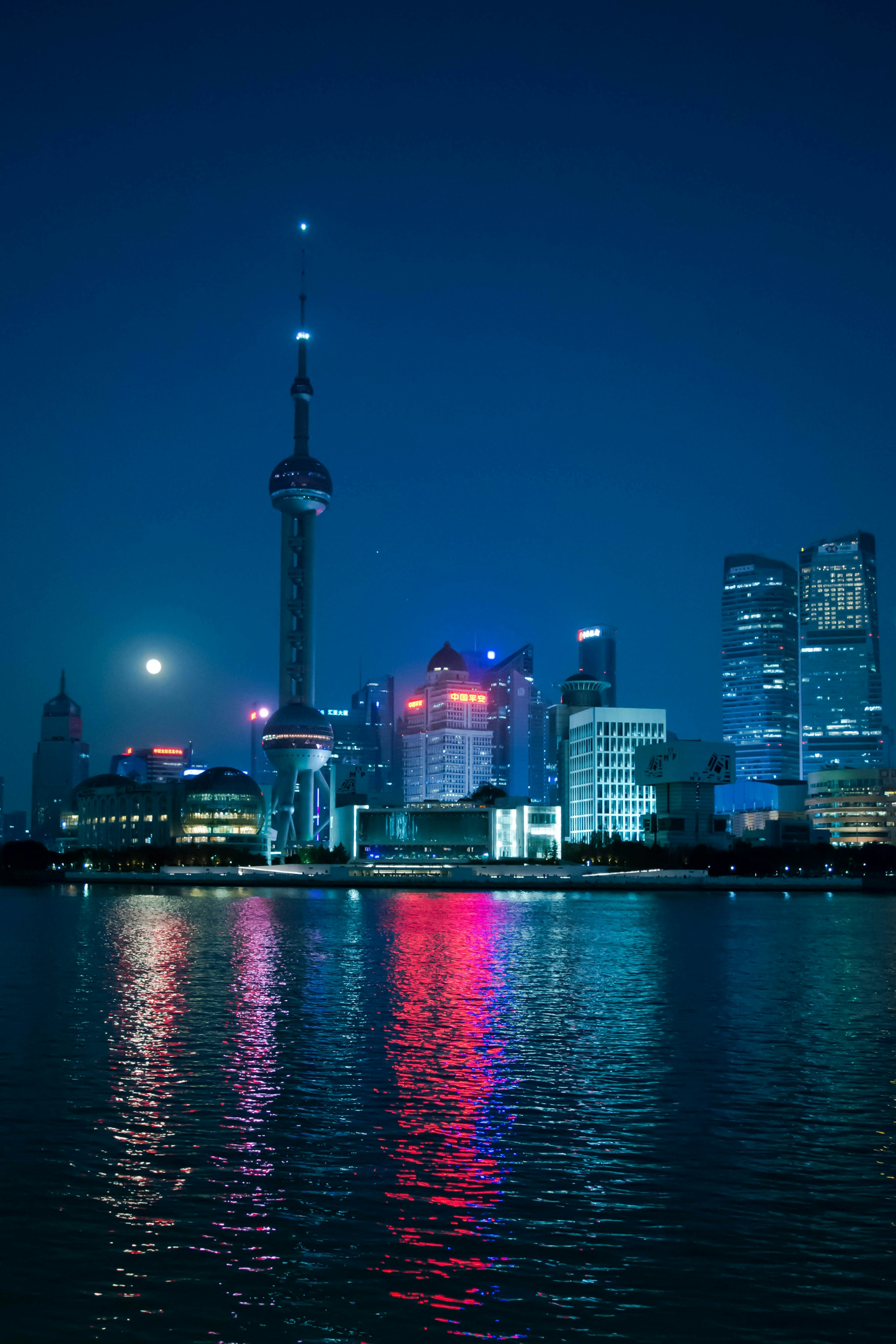
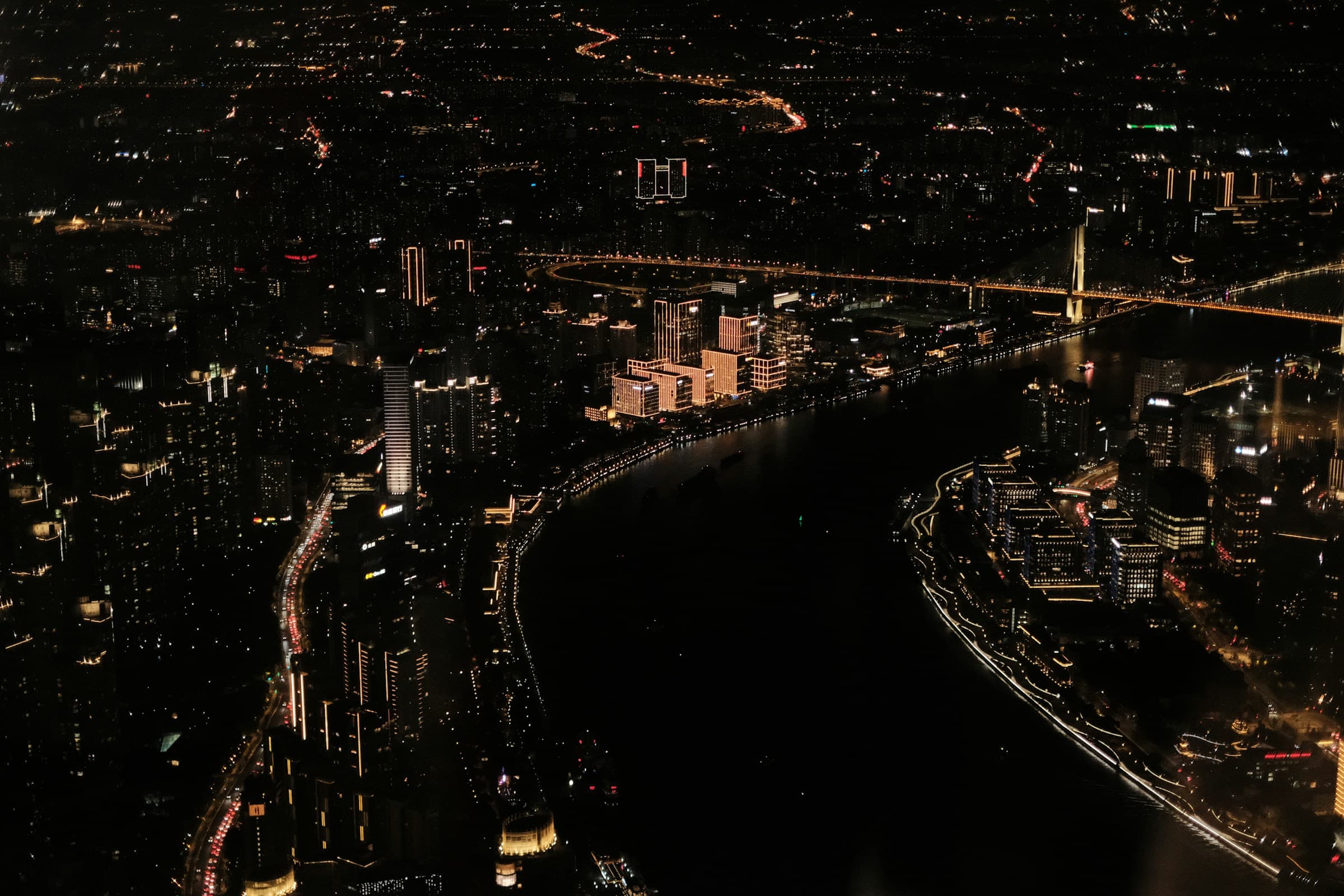
Shanghai closes the circuit because it refuses single identity. For many diaspora travelers, it is the most emotionally charged stop: grandparents' stories, lost addresses, rebuilt skylines that answer questions no one asked aloud.
Fairmont Peace Hotel at 20 Nanjing Road East still anchors the Bund's art deco memory. Jinjiang and Accor have announced plans to rebrand it as Raffles Peace Hotel Shanghai following renovations; confirm status before booking if the name matters to your stay. Across the river, Lujiazui supplies the future tense in glass.
Power Station of Art on the Huangpu, China's first state contemporary art museum in a converted power station, hosted the Shanghai Biennale in late 2024 and 2025. Walk the Former French Concession for plane trees, lane houses, and the city's softer residential scale. At blue hour on the Bund, stone memory and neon futurism share one frame.
What Shanghai teaches: that inheritance can be rebuilt, disputed, and glamorous at once.
Banquet Notes: Shanghai
Stay: Bund-facing Peace Hotel for history, or Capella in the Former French Concession for lane-house calm
Taste: Shanghainese at Fu 1039, serious xiaolongbao in the Old City, cocktails in a French Concession bar with room to talk
See: Power Station of Art, art deco walk on the Bund, Fuxing Park morning
Bring home: Longjing from a tea shop that lets you taste first, vintage posters on Fangbang Road, qipao from a tailor who measures properly
Best for: Art travelers, return visitors, those tracing family history without sentimental packaging
Why the Tour Matters
The point is not to prove Asia can rival Europe. That argument already feels dated.
The point is to travel through these cities as if their pleasures, histories, and ambitions were central to the education of taste: how to wait, how to eat, how to dress, how to build, how to inherit without being imprisoned by inheritance. Europe taught generations to read columns and canvases. Asia teaches a parallel syllabus in service, seasonality, ornament, velocity, and power.
That is the Grand Tour now. Not a list. A canon in formation. The map has expanded. The finishing school is open.
Recommended Next Reads
Continue the route in depth with The Banquet's city guides and room studies:
- Three Nights Facing the Gateway
- Three Nights at Rambagh Palace
- Three Nights on the Chao Phraya
- The Banquet Guide to Tokyo
- The Banquet Guide to Hong Kong
- The Banquet Guide to Seoul
- The Banquet Guide to Singapore
- The Banquet Guide to Bangkok
- The Banquet Guide to Mumbai
- The Banquet Guide to Shanghai
- You Need a Week in Kyoto
- Hong Kong, Turned Down
- Singapore's Hotels Finally Have a Point of View
- Lunch at Lung King Heen
- Lunch at Kikunoi Honten
- Dinner at Indian Accent, Mumbai
- The Gem Palace and the Education of Stones
- Why Art Basel Hong Kong Owns March
- The Case for Penang Now
Rates, stars, hours, and renovation schedules change. Confirm details directly with hotels and restaurants before booking.