Every Cantonese city has a room it measures itself against.
In Hong Kong, for more than two decades, that room has been Lung King Heen on the fourth floor podium of the Four Seasons Hotel Hong Kong at 8 Finance Street, Central. The restaurant opened in 2002. Executive Chinese Chef Chan Yan Tak came out of retirement to lead the kitchen, having spent his career at the Regent Hong Kong's Lai Ching Heen. When the MICHELIN Guide Hong Kong and Macau launched in 2009, Lung King Heen became the first Chinese restaurant in history to receive three stars. It held that distinction for fourteen years. The Hong Kong MICHELIN Guide 2026, announced in March, awards the restaurant two stars, a correction from its peak but still the definitive address for Cantonese fine dining with Victoria Harbour spread before you.
I have lunched here with parents, with clients, with a Vancouver aunt who landed at Chek Lap Kok at 6 a.m. and considered anything less than dim sum by noon a failed trip. The room does not change dramatically. That is the point.
"Lung King Heen does not chase trends. It reminds you why Cantonese cuisine became a global standard in the first place."
The Room and the View
Lung King Heen occupies Podium 4 of the Four Seasons, elevated above the Central waterfront. Floor-to-ceiling windows face Victoria Harbour. On a clear lunch service, the view competes with the food, which is precisely why families book window tables months ahead.
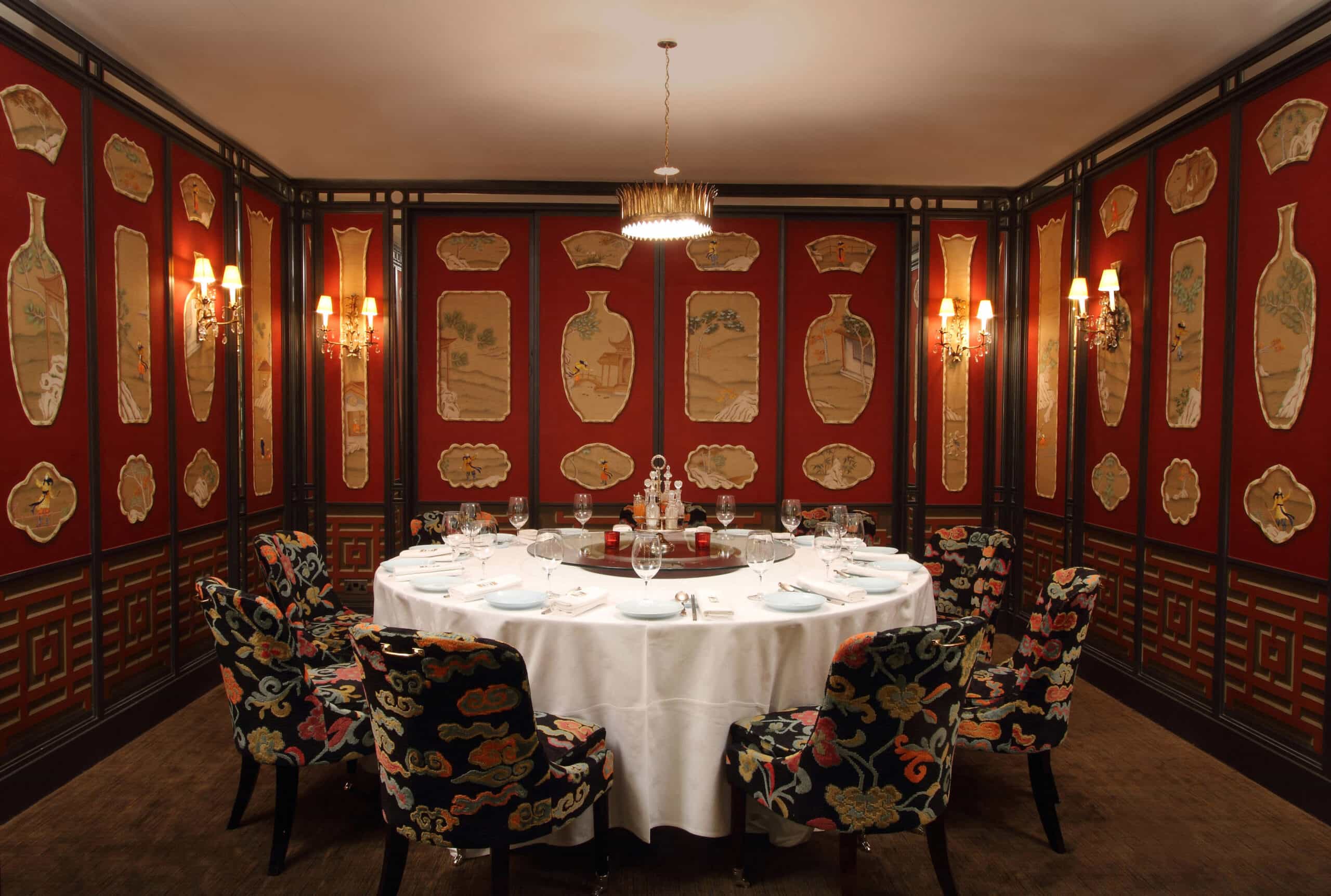
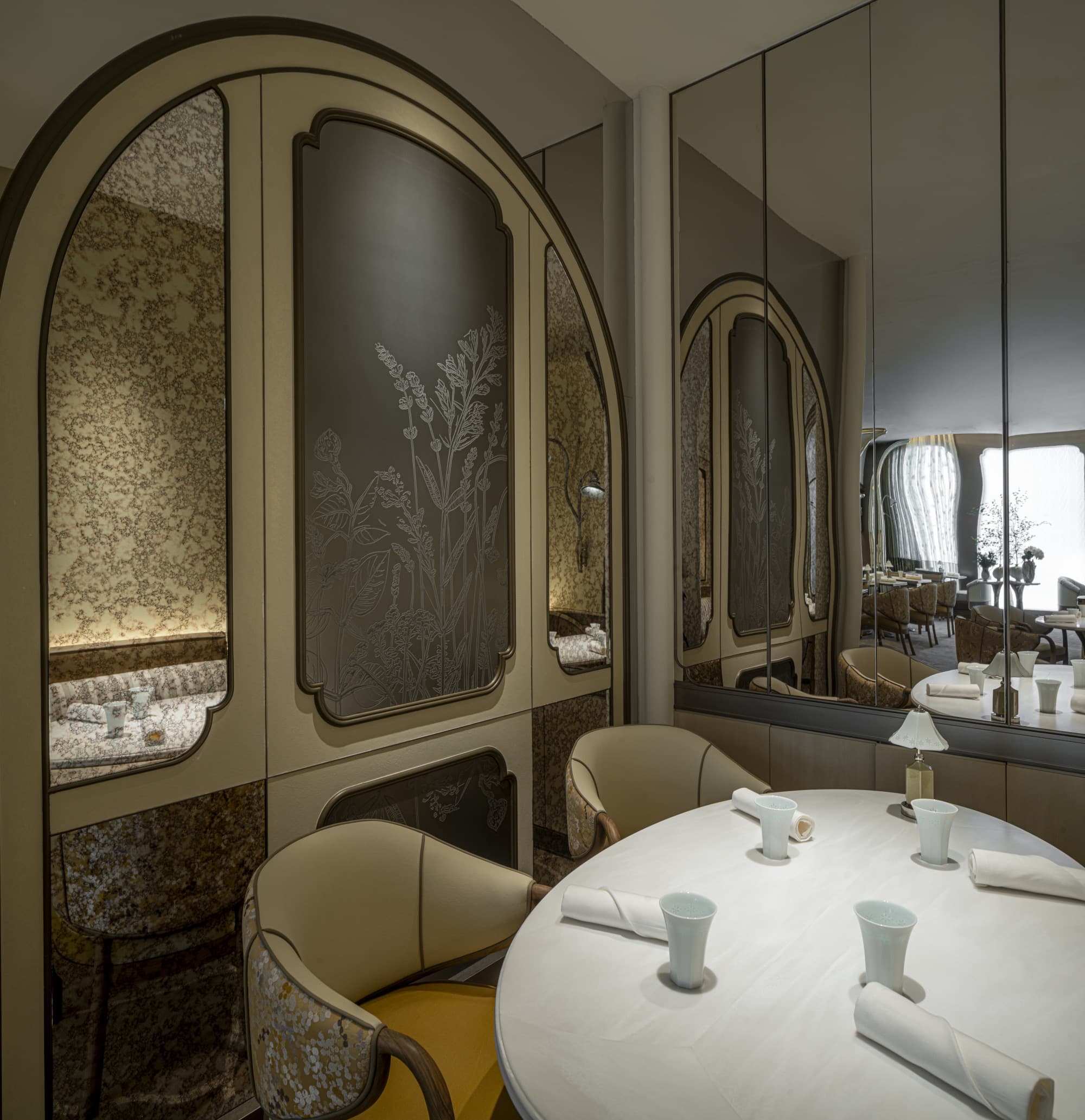
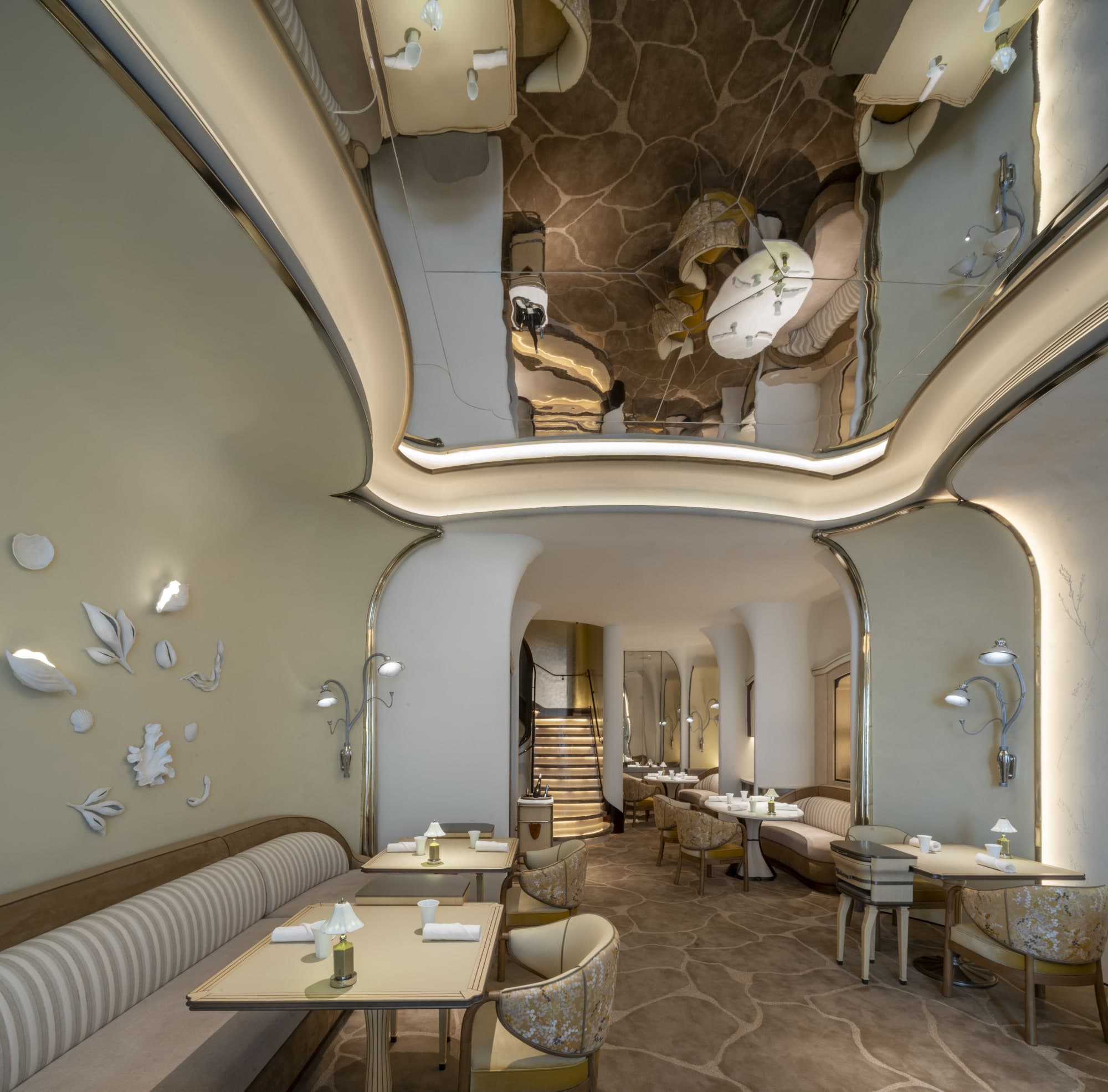
The dining room is hushed without being stiff. Tables are spaced generously. Service is formal in the Hong Kong hotel sense: attentive, unhurried, fluent in the choreography that diaspora families expect when hosting elders. The carpet, the lacquer, the muted palette: nothing demands Instagram. The room assumes you have eaten serious Cantonese before and do not need narration.
Dress code is smart casual. Jackets are not required at lunch, but shorts and athletic wear feel wrong. Diaspora visitors arriving from Vancouver or Sydney often over-dress from nerves. Local regulars wear linen shirts and quiet watches. Match the latter.
Reservations are essential. Book through the Four Seasons website or concierge. Window tables cannot be guaranteed at booking; request politely and arrive on time. Lunch service runs 12:00 p.m. to 2:30 p.m. Monday through Friday, with extended hours on weekends. Confirm current hours when reserving.
Chef Chan and the Standard
Chan Yan Tak is not a celebrity chef in the televised sense. He prefers the kitchen to the dining room floor, appearing occasionally to greet regulars but rarely performing for tables. His biography is Hong Kong native: trained in hotel Cantonese kitchens, elevated to executive chef at Lai Ching Heen, retired after his wife's death, then persuaded back by Four Seasons general manager Alan Tsui to build Lung King Heen from scratch.
The kitchen's philosophy is predominantly traditional Cantonese with occasional French technique absorbed from decades in five-star hotels. Sauces are balanced rather than bold. Seafood is treated as the primary test of skill. Wok hei appears where it should. Innovation is restrained: a new garnish, a refined plating angle, a seasonal ingredient introduced without fanfare.
When the restaurant lost its third Michelin star in 2023, Hong Kong's dining class debated whether the demotion reflected kitchen drift or guide recalibration. Two stars in 2026 suggest the room remains among the city's elite Cantonese destinations regardless of star arithmetic. Chan's consistency, not novelty, is the product.
What to Order at Lunch
Lunch at Lung King Heen is dim sum plus. The cart service of older Hong Kong has given way to ordering from a menu, but the spirit remains: multiple small dishes, shared centrally, paced across ninety minutes minimum.
Start with tea. Pu-erh or tieguanyin depending on your party's preference. Tea is not filler. It resets the palate between baskets.
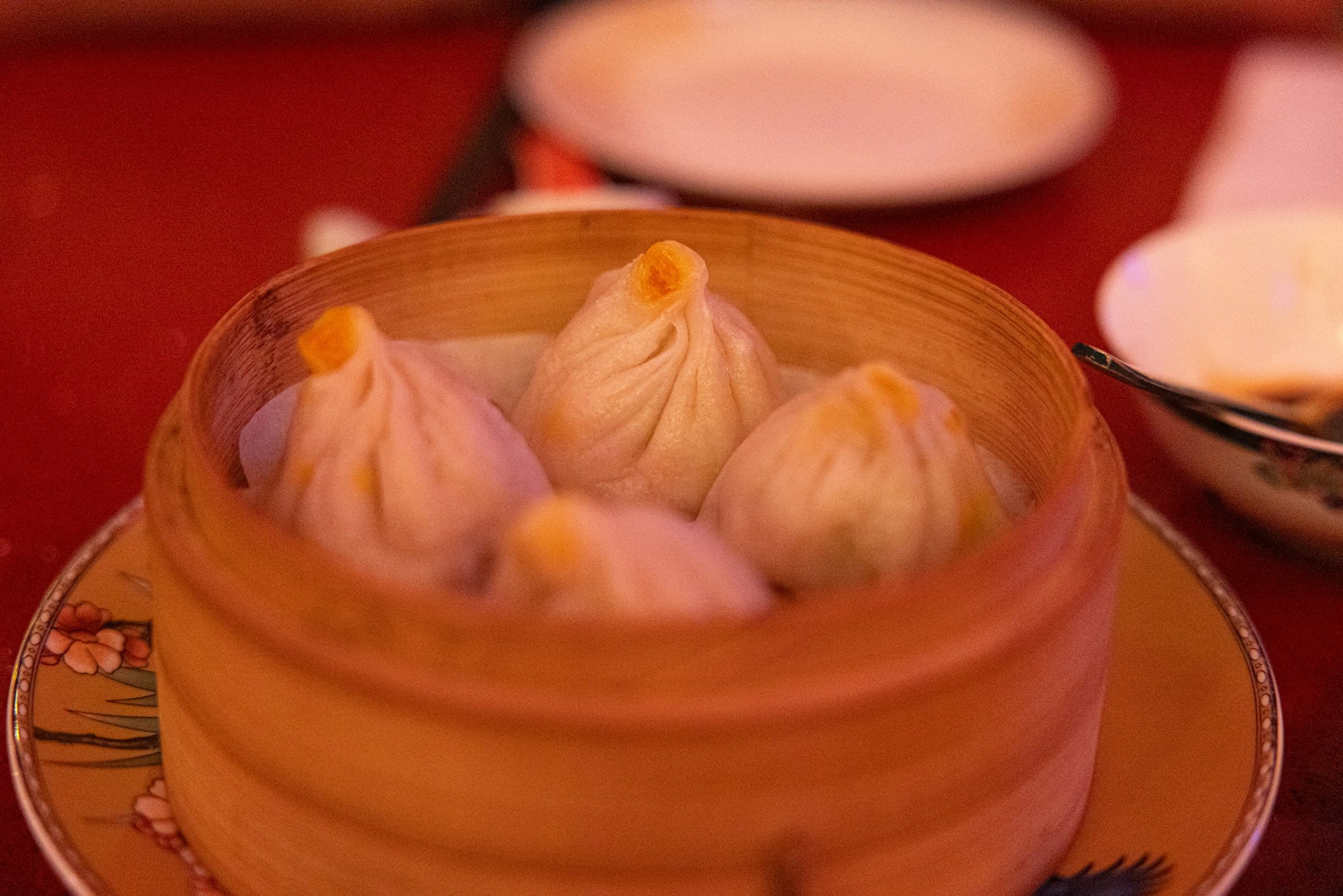
Har gow (crystal shrimp dumplings) and siu mai (pork and shrimp dumplings) are the baseline tests. Lung King Heen's versions are precise: thin wrappers, shrimp with snap, pork with depth. If these disappoint, the kitchen is having an off day. In dozens of visits, I have not seen an off day.
Barbecued pork buns arrive warm, the char siu interior sweet without cloying. Rice noodle rolls with shrimp or beef demonstrate the kitchen's control of texture: silky sheets, clean filling, light soy drizzle.
For larger parties, add crispy spring rolls with shredded duck, steamed crab meat dumplings, and the baked barbecued pork puff, a Lung King Heen signature that converts skeptics who think Cantonese pastry is an afterthought.
Seafood separates this room from hotel dim sum factories. Steamed garoupa or lobster dishes, when in season, justify the premium over neighborhood yum cha. Ask the server what arrived that morning. The kitchen will not push what is not excellent.
Peking duck is available but requires advance notice when ordering. Lunch duck is a commitment dish for parties of four or more who want theatre alongside eating. Most diaspora family lunches skip duck in favor of dim sum breadth.
Dessert is light: mango pudding, egg custard tarts if offered, fruit to close. Do not expect European pastry sweetness.
Check the current menu for pricing. Lung King Heen is a splurge lunch by any currency. The value proposition is precision, harbour position, and the absence of compromise that defines hotel Cantonese at this tier.
Pacing the Meal
Cantonese lunch is a social technology. Lung King Heen rewards families who understand pacing.
Order in waves, not all at once. First wave: tea, two dumpling varieties, one vegetable dish. Second wave: rice noodle roll, one fried item, seafood if season permits. Third wave: supplementary baskets based on what the table devoured fastest.
Elders eat first. Younger relatives serve tea refills. Conversation pauses when har gow arrives because har gow demands attention.
Allow ninety minutes minimum. Two hours is normal when hosting relatives who have not shared a table since the last funeral or wedding. The restaurant does not rush lunch turnover the way Central business dining rooms do. That patience is part of the luxury.
For business lunches, the same pacing applies with tighter conversation. Order confidently. Avoid menu hesitation. The server reads uncertainty quickly. Diaspora executives hosting Hong Kong clients use Lung King Heen precisely because it signals respect without requiring culinary explanation.
The Diaspora Family Ritual

For overseas Cantonese families, lunch at Lung King Heen functions as pilgrimage.
The pattern repeats. Arrive from Vancouver, Sydney, or Toronto. Drop bags at the hotel. Shower. Take a taxi to Central. Sit by the window. Let parents order in Cantonese while children translate for grandchildren who speak kitchen phrases only. Compare the har gow to memory. Debate whether Hong Kong has changed or whether we have changed. Leave full, slightly emotional, and already planning the dinner somewhere less formal.
My own family's ritual includes a post-lunch walk along the Central waterfront promenade, harbour wind cutting through dim sum fullness. The Four Seasons location makes this walk immediate. You do not need another taxi. The city reorients you after the meal.
Aunties photograph the view more than the food. Uncles discuss property prices. Cousins negotiate whose turn it is to pay. Lung King Heen absorbs these dynamics without judgment. The room has hosted twenty years of diaspora homecomings.
How It Compares
Hong Kong's Cantonese dining landscape in 2026 includes exceptional alternatives. The Chairman in Central holds one star in the Hong Kong MICHELIN Guide 2026 with a more ingredient-driven, less hotel-polished approach. Mott 32 offers modern Cantonese in a design-forward setting. Neighborhood yum cha in Causeway Bay and Mong Kok delivers joy at a fraction of the price.
Lung King Heen occupies a specific niche: hotel Cantonese at the highest technical level, harbour views included, elder-friendly service guaranteed. It is not the most adventurous Cantonese in the city. It is the reference point other rooms are measured against.
Diaspora travelers who split one week between Central hotels and family flats in the New Territories often book Lung King Heen once per trip. One lunch is enough if you explore elsewhere for dinner. Zero visits feels like negligence if you claim to love Cantonese food.
Practical Notes
Address: Lung King Heen, Podium 4, Four Seasons Hotel Hong Kong, 8 Finance Street, Central.
Reservations: Book online via Four Seasons or call +852 3196 8880. Window tables by request.
Hours: Lunch 12:00 p.m. to 2:30 p.m. weekdays; weekend lunch extends earlier and later. Confirm before booking.
Dress: Smart casual. No sportswear.
Payment: Major cards accepted. Check whether service charge applies to your bill.
Accessibility: Elevator direct to podium level from hotel lobby. Suitable for elders who avoid stairs.
After lunch: Walk the Central ferry piers, visit the Hong Kong Maritime Museum if relatives have energy, or return to the Four Seasons spa if they do not.
The Verdict
Lung King Heen is not a discovery. It is a standard.
Two Michelin stars in the Hong Kong MICHELIN Guide 2026. Executive Chinese Chef Chan Yan Tak still leading the kitchen. Harbour views that no neighbourhood yum cha can replicate. A diaspora lunch ritual that converts jet lag into belonging.
Book once per Hong Kong visit. Order dumplings before opinions. Let elders set the pace. Refill the tea without being asked. Compare the har gow to every other har gow you have eaten and accept that some comparisons are not fair.
The room Hong Kong measures itself against is still open on the fourth floor in Central. Lunch is the gentlest way to understand why.
Continue Reading
Read The Banquet Guide to Hong Kong, Vancouver's Cantonese Fine Dining Renaissance, and The Hotel Bar as Embassy.