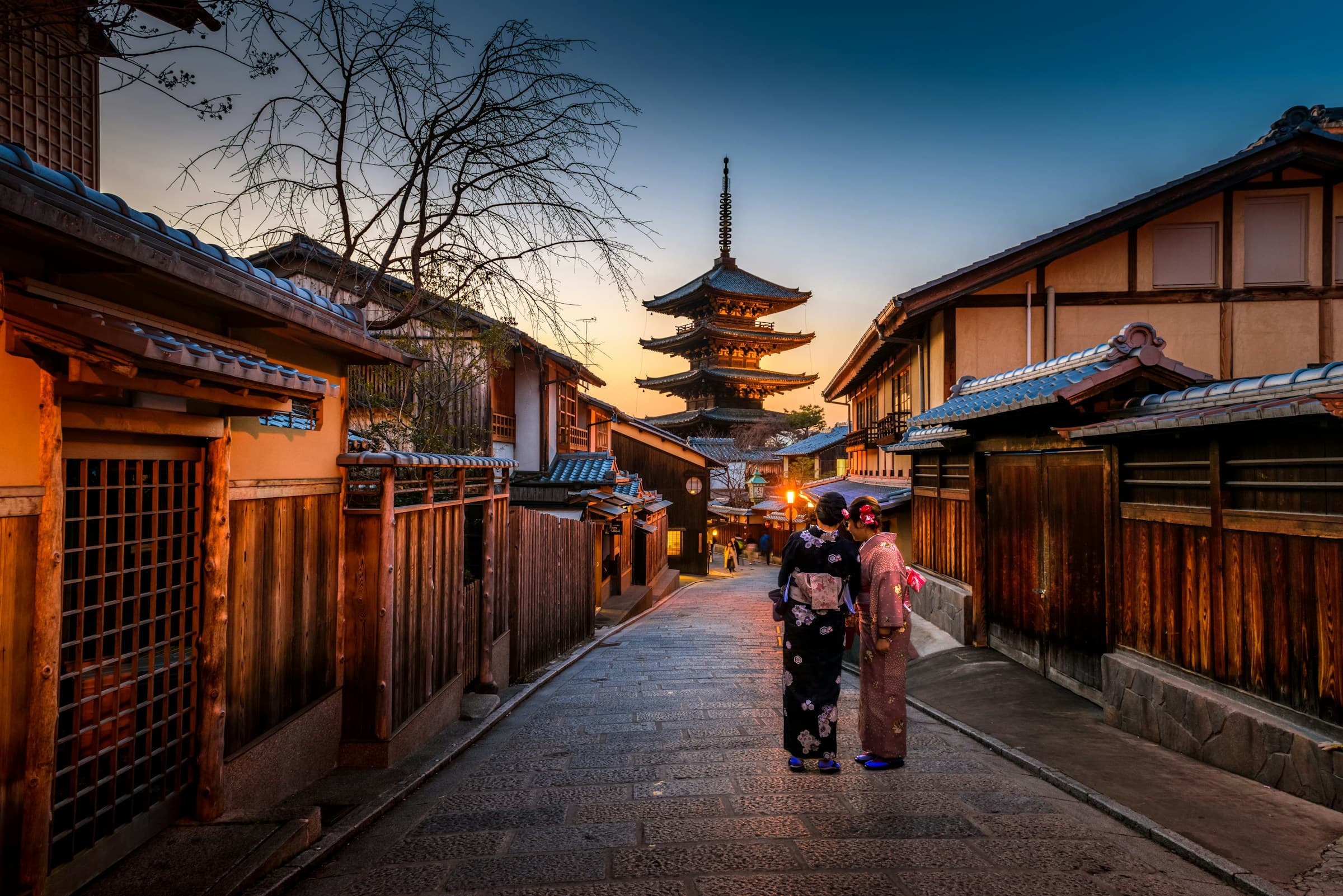
Kyoto is not difficult because it is crowded.
It is difficult because it rewards repetition. The temple you rush through at noon becomes a different building at 7 a.m. The kaiseki counter you treat as one reservation among five becomes the meal you remember when you stay long enough to book a second. The city has no single "best of" list because its best moments are unscheduled: a bench by the Kamo River, a ceramicist's studio in the hills, a lane in Gion when the day-trippers have gone.
Slow travel here is not laziness. It is the only strategy that works.
"Kyoto teaches you that seeing less is understanding more."
What follows is not seventeen temples in three days. It is a way of moving through the capital that respects its reservation culture, its seasonal rhythms, and the fact that diaspora travelers returning from Vancouver or Los Angeles often discover the city their grandparents referenced only when they finally have time rather than a tour schedule.
Why Two Days Fail
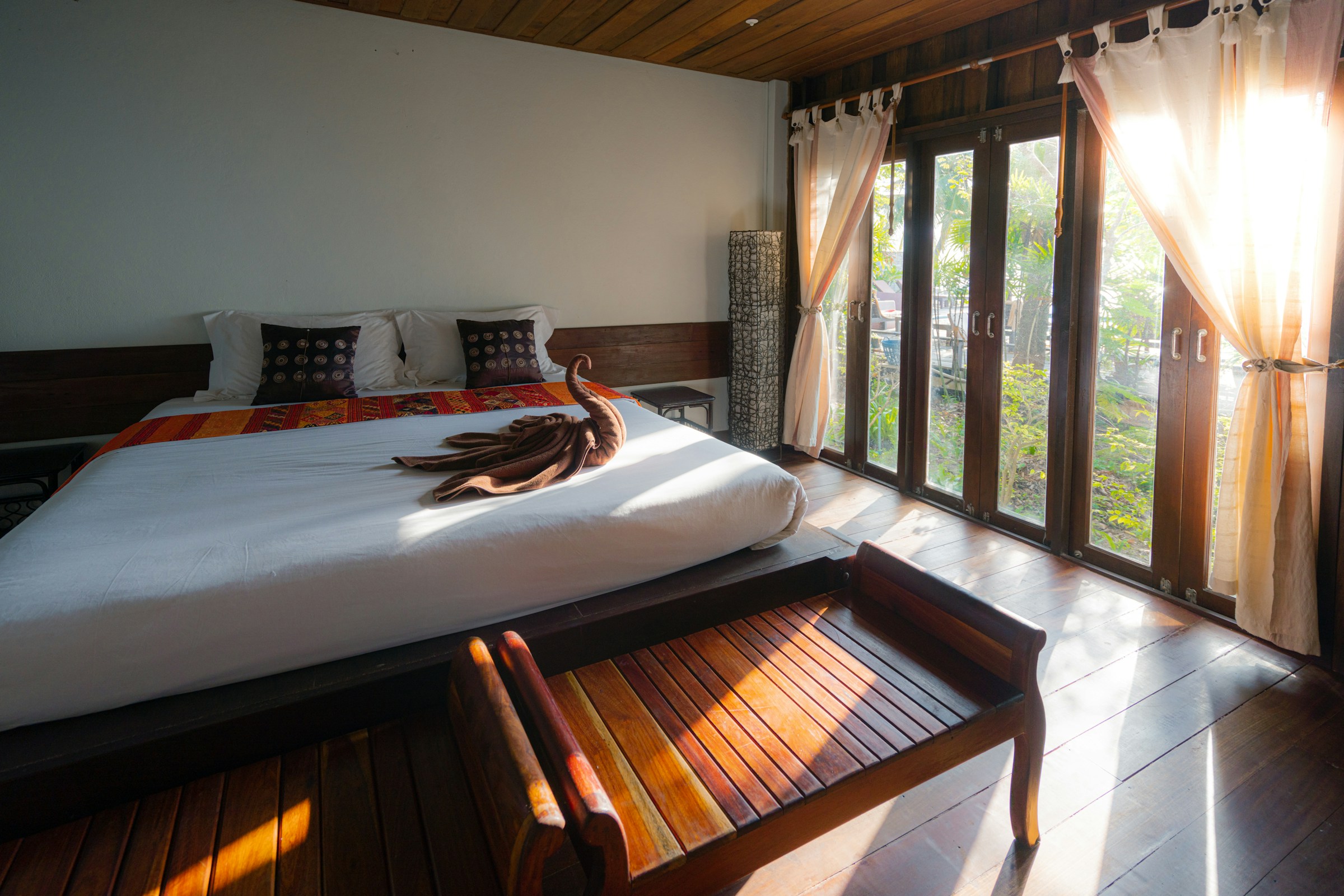
Kyoto receives more than fifty million visitors annually. Demand concentrates at Kiyomizu-dera, Fushimi Inari, and the Arashiyama bamboo grove. A two-day itinerary almost guarantees standing in lines and photographing the same scenes as everyone else.
The slow traveler inverts the logic. Base in Higashiyama and reach Kiyomizu-dera on foot at dawn. Spend two nights in Arashiyama and the Oi River becomes a morning walk, not a bus transfer. Spread a week across two neighborhoods and the city becomes navigable.
Three days is the minimum for a serious first visit. Five to seven days allows Uji or Kurama day trips, a full afternoon in one museum, and the unplanned discovery slow travel is supposed to produce. After the fourth morning you stop consulting maps. You recognize the shopkeeper at Nishiki Market. You know which bus routes to avoid in peak season.
Season matters as much as duration. Cherry blossom (late March to early April) and autumn foliage (mid-November to early December) are sublime and crowded. May and late October offer lighter traffic with excellent weather. A week in November, properly booked, can feel like a private city.
Where to Base Yourself
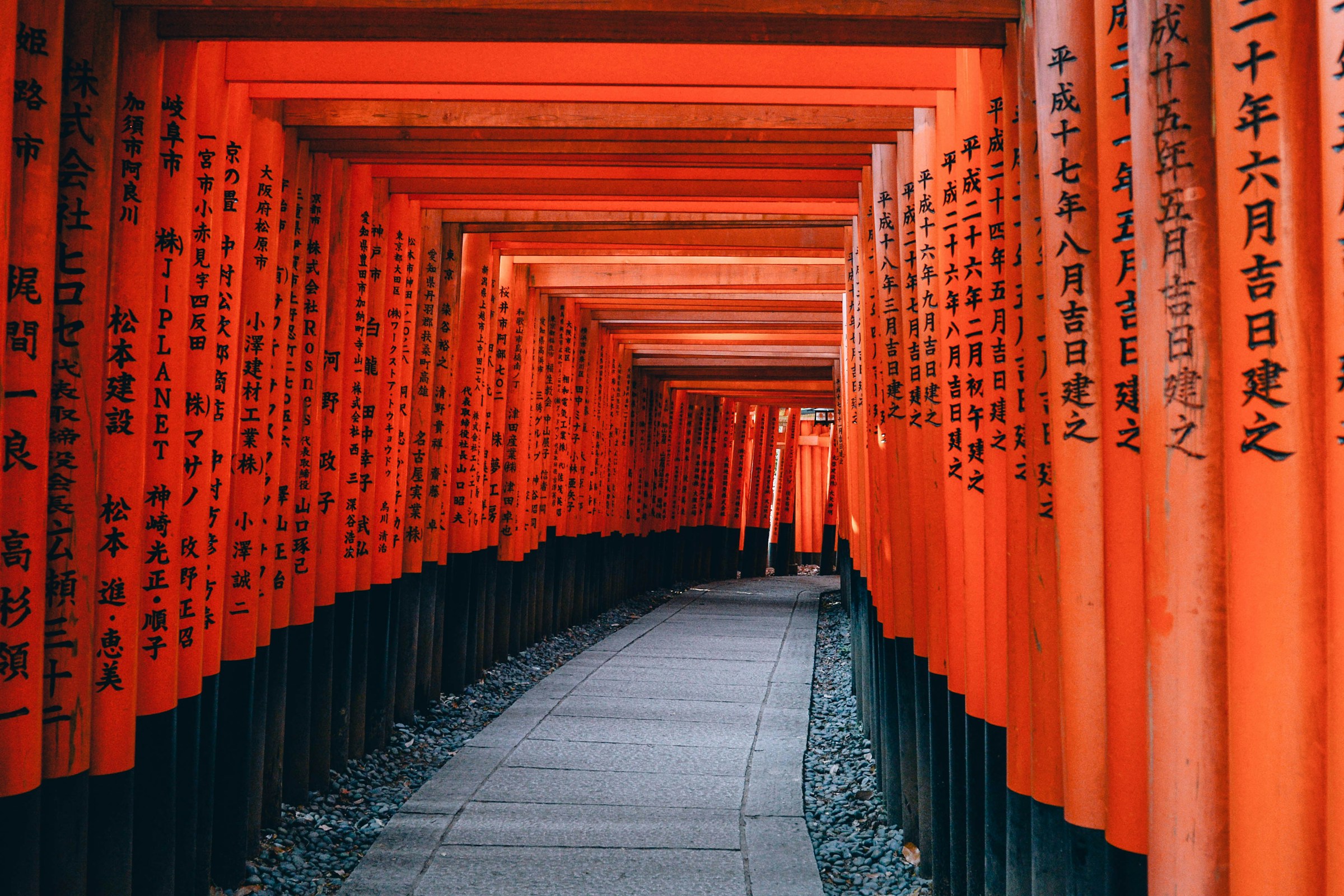
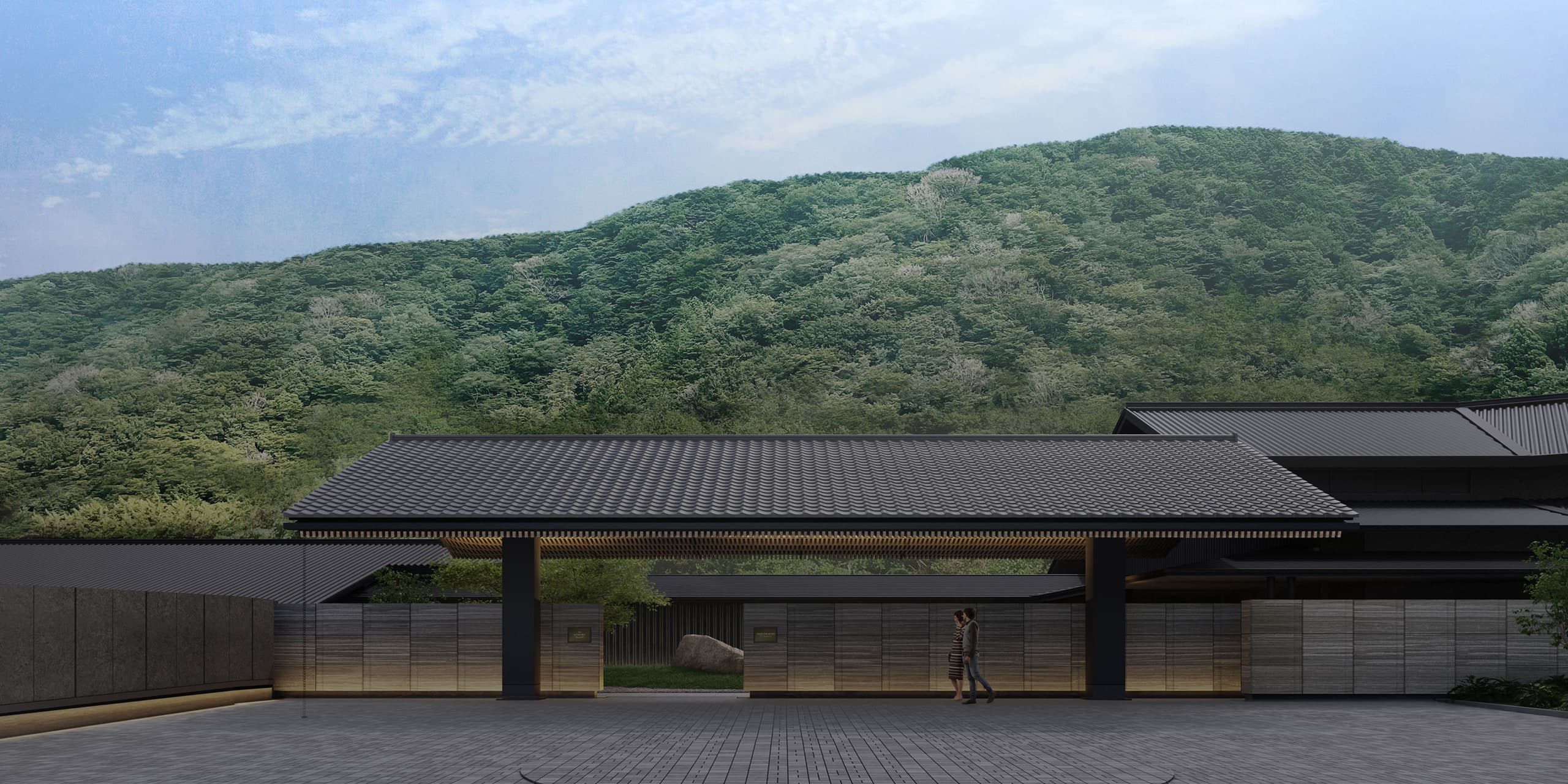
Higashiyama remains the essential address for travelers who want to live inside historic fabric. Park Hyatt Kyoto, opened October 2019 at 360 Kodaiji Masuyacho, sits between Kodai-ji temple and Ninenzaka: 70 rooms designed with Tony Chi to read as contemporary machiya rather than tower hotel. Walk to Yasaka Pagoda before breakfast. Reach Kiyomizu-dera while gates are still quiet.
The hotel's Kigumi bar and tempura counter Yasaka reward guests who treat the property as base, not backdrop. Concierge teams here understand that Higashiyama's best tables require advance planning.
Arashiyama and western Kyoto suit a different pace. HOSHINOYA Kyoto, at 11-2 Arashiyama Genrokuzancho in Nishikyo-ku, is reached by a fifteen-minute boat ride up the Oi River from the Togetsukyo Bridge area. Twenty-five rooms following restoration by architect Rie Azuma; MICHELIN One Key distinction in 2025. Minimum two-night stays are standard. This is not a hotel you pass through on the way to something else.
Central Kyoto works for Nishiki Market, Teramachi arcades, and Kamo River access without committing to one district. Restored machiya rentals in Nakagyo and Shimogyo offer space and kitchens hotels cannot match. The river paths between Sanjo and Imadegawa function as the city's informal living room at dusk.
Temples, Markets, and the Unscheduled Hour
Treat temples as appointments, not obligations. One major site per day at opening hour is enough. Kiyomizu-dera from Higashiyama. Fushimi Inari before 8 a.m. Tenryu-ji in Arashiyama when garden mist is still low.
Nishiki Market deserves a full morning. The covered arcade stretches five blocks with vendors in the same family for generations: tofu specialists, pickle merchants, knife sharpeners. Arrive before 10 a.m., eat standing at a counter, leave with ingredients you cannot name at home.
The unscheduled hour is where slow travel earns its reputation. An afternoon with no reservation might lead to a Teramachi gallery, a Gion canal walk at the hour when geiko move between engagements, or simply a bench with a book. These moments cannot be optimized. They require time, which is what most visitors withhold.
Tea ceremony and ikebana lessons through your hotel or Camellia in Higashiyama offer structured entry into disciplines that reward repetition. One lesson is introduction. Two or three across a week begin to feel like practice.
A Week at Kyoto Pace
Day one: Arrive, check in, walk your neighborhood until dark. Do not visit a temple. Learn the streets.
Day two: One major site at opening hour. Lunch nearby. Afternoon free.
Day three: Nishiki Market morning. Tea ceremony or ikebana lesson.
Day four: Museum day. Kyoto National Museum in Higashiyama, or Miho Museum outside the city with a car or guide.
Day five: Arashiyama early: bamboo grove, river walk, Tenryu-ji. Consider HOSHINOYA overnight if budget allows.
Day six: Day trip to Uji for matcha and Byodo-in, or Kurama and Kibune for mountain temple walks.
Day seven: Return to the place you liked best. Repeat without a camera if you can.
The gaps are the point.
Dining and Reservations
Kyoto's restaurant culture runs on advance booking. High-demand kaiseki and tea houses require reservations through your hotel or TableCheck. Do not assume walk-in availability on weekends.
Lunch counters and soba shops offer more flexibility than dinner kaiseki. Plan one splurge reservation at the start of your trip and build the week around it. Hyotei, Kikunoi, and newer chef-driven counters in Nakagyo each require different lead times.
Etiquette matters. Photography restrictions apply in many temples and tea rooms. Geisha spotting in Gion is not a sport; treat working districts as residential neighborhoods. Remove shoes when asked. Speak quietly on temple grounds.
Practical Notes
Transport: Buses are comprehensive but slow in peak season. Walking and the subway (Karasuma and Tozai lines) cover central needs. Taxis are reliable but scarce at night in residential districts. Bicycles work for flat central neighborhoods if you accept left-side traffic.
Timing: Golden Week (late April to early May) and Obon (mid-August) compress availability. Book six to eight weeks ahead for peak seasons.
Day trips: Uji, thirty minutes by train, for matcha and Byodo-in's Phoenix Hall. Kurama and Kibune for mountain temple walks. Nara deserves its own overnight if time allows, especially for the Shōsō-in Exhibition at the Nara National Museum.
Craft: Nishijin textile district and Kiyomizu-zaka pottery towns reward slow exploration. Many workshops open by appointment. A morning watching a ceramicist at the wheel defines the difference between visiting Kyoto and beginning to understand it.
The Philosopher's Walk, connecting Ginkaku-ji and Nanzen-ji, functions as daily ritual for residents and revelation for visitors who walk it when cherry petals or autumn leaves drift onto the water. No reservation required. Only time.
The Diaspora Return
Kyoto holds particular weight for Japanese diaspora travelers and for households where the city was spoken of as cultural reference rather than vacation destination. Returning as an adult, with time rather than a tour schedule, often reframes memory.
The city rewards language, even imperfect language. A greeting at a market stall, a thank-you at a ryokan, a question about a ceramic piece: small exchanges day tours rarely allow.
It also rewards restraint. Residents have grown weary of performative tourism. Slow travel is strategy for depth and courtesy for a city that hosts fifty million visitors annually and still wishes to remain itself.
Contribute where you can: temple donations, crafts purchases from makers rather than souvenir shops, bookings directly with ryokan that maintain buildings rather than aggregators that treat rooms as inventory.
Cash and connectivity: Many smaller shops and temples prefer cash, though major hotels accept cards. One afternoon offline per week often reveals more than any app.
Kyoto does not reveal itself to the efficient traveler. It rewards those willing to stay, to return to the same street twice, and to understand that the city's greatest luxury is not a single perfect photograph but the accumulation of quiet mornings when the city feels, briefly, like yours alone.
Continue Reading
Read What Park Hyatt Kyoto Teaches About Arrival, Lunch at Kikunoi Honten, and The New Generation of Luxury Ryokans.