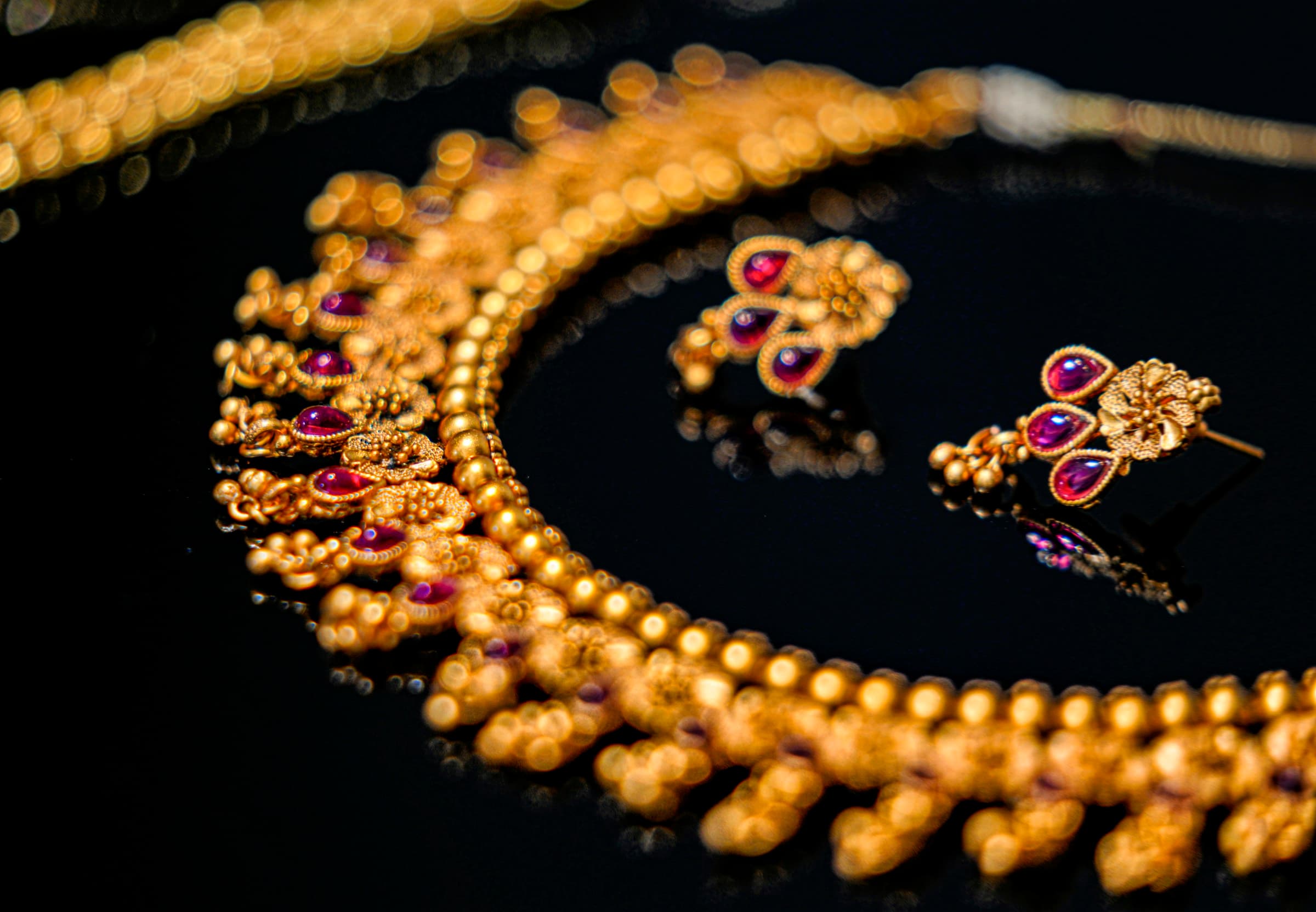
Jaipur sells jewelry the way Milan sells cloth: loudly at the surface, seriously underneath.
Bazaar stalls stack bangles for tourists. Haveli showrooms stack history for buyers who know the difference. The Gem Palace on Mirza Ismail Road belongs to the second category. The Kasliwal family has worked as court jewelers since the eighteenth century, when Maharaja Jai Singh II built Jaipur as a city of arts and invited master craftsmen to settle near the new capital. In 1852, the family opened its flagship store in a haveli on MI Road, where it remains. This is not a shopping guide. It is an education in what stones mean when pedigree, technique, and time are priced honestly.
"People come and go. Jewelry remains. The Gem Palace assumes you understand that before you sit down."
Court Jewelers and MI Road

The Kasliwal story begins in the Mughal era, when the family established reputation as gem cutters and jewelers in Agra before Jaipur's rise. Invited to serve as court jewelers to Jaipur's royal house, they worked within palace walls until the city's expansion allowed a consolidated atelier on MI Road. The Gem Palace name now denotes both the address and a standard: kundan setting, meenakari enamel, and gem selection that assumes clients may return across generations.
For diaspora buyers, particularly those tracing wedding lists or inheritance pieces, the house functions differently from global luxury counters. Cartier and Bulgari sell design language. The Gem Palace sells material intelligence accumulated over centuries: which ruby reads warm under Indian daylight, how enamel should sit against skin tone, why a piece that looks heavy in a photograph may wear light because of balance, not size.
Siddharth Kasliwal and Sanjay Kasliwal represent contemporary leadership among descendants who grew up inside the haveli walls. The late Munnu Kasliwal, Siddharth's father, insisted that every piece must be timeless first and fashionable second, a discipline that still governs how the house talks to clients who want Instagram moments. The Gem Palace is not anti-modern. It is anti-disposable.
Confirm current showroom hours and any renovation or museum opening schedules on the house website before planning a visit. Recent reports describe expansion work to display historical pieces from the family collection. Construction changes access patterns.
How to Buy Seriously
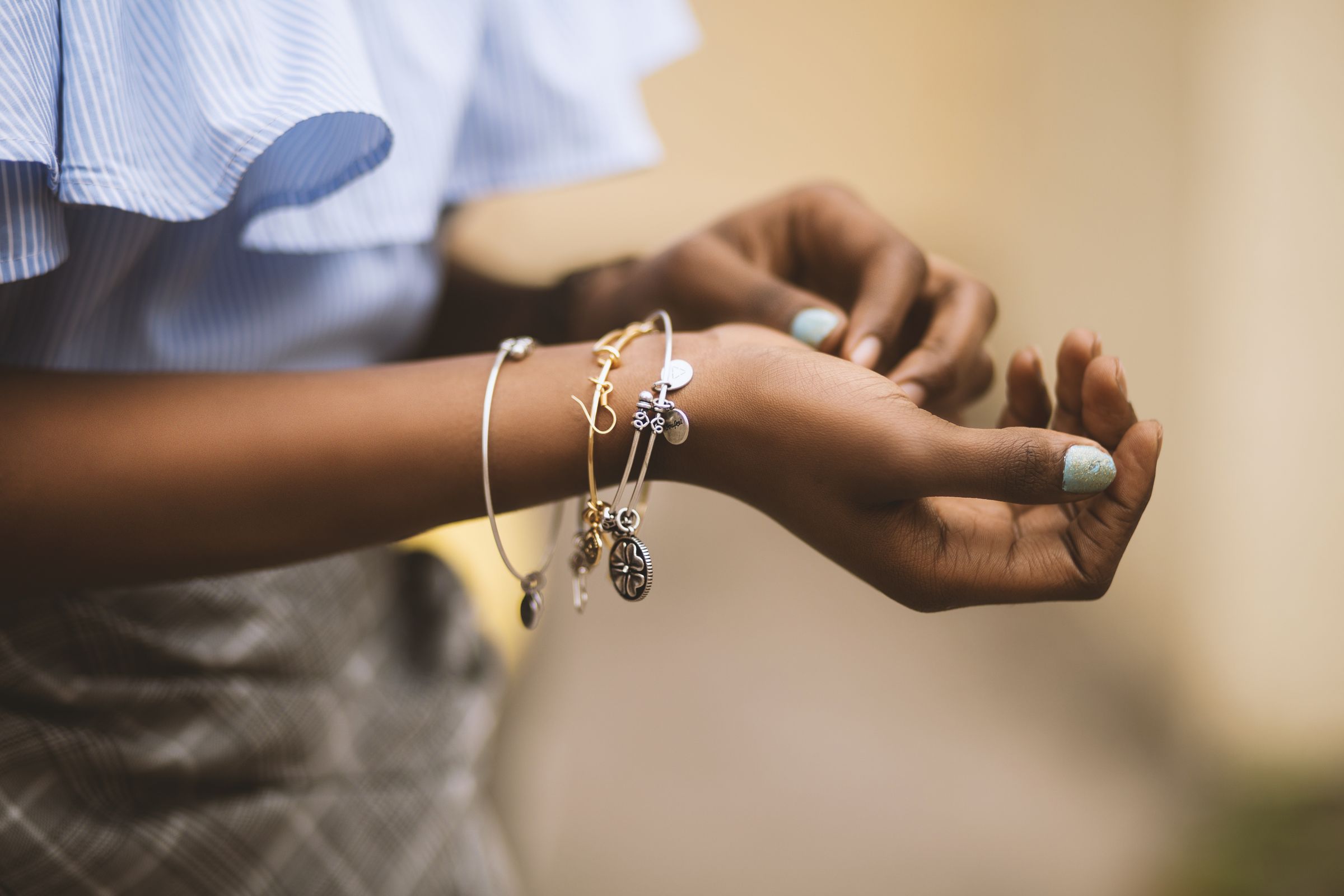
Serious buying at the Gem Palace begins with intent, not budget confession.
Appointment logic matters even when the door is open. High-season wedding months compress availability. Introducers help for complex commissions. If you arrive without a brief, spend the first twenty minutes listening. Ask what stones the workshop is excited about that season. Ask to see kundan construction under light. Ask why a piece is balanced a particular way.
Do not confuse the Gem Palace with Colaba Causeway shopping or airport duty-free counters. Those channels serve different purposes. The education on MI Road is for buyers who want heirlooms, not mementos.
Price follows material, labor, and time. Intricate pieces historically required months of workshop attention. Commissions still do. If a quote feels instant and cheap, you are likely not in the serious room. If a quote reflects stone quality, enamel work, and revision cycles, you are in the conversation the house was built for.
Diaspora buyers sometimes arrive expecting discount logic from Dubai or Hong Kong wholesale markets. Jaipur's best houses price craft, not volume. Compare like with like: a meenakari bangle with proper enamel depth is a different object from a stamped tourist bracelet, even when both glitter.
Kundan, Meenakari, and Material Logic
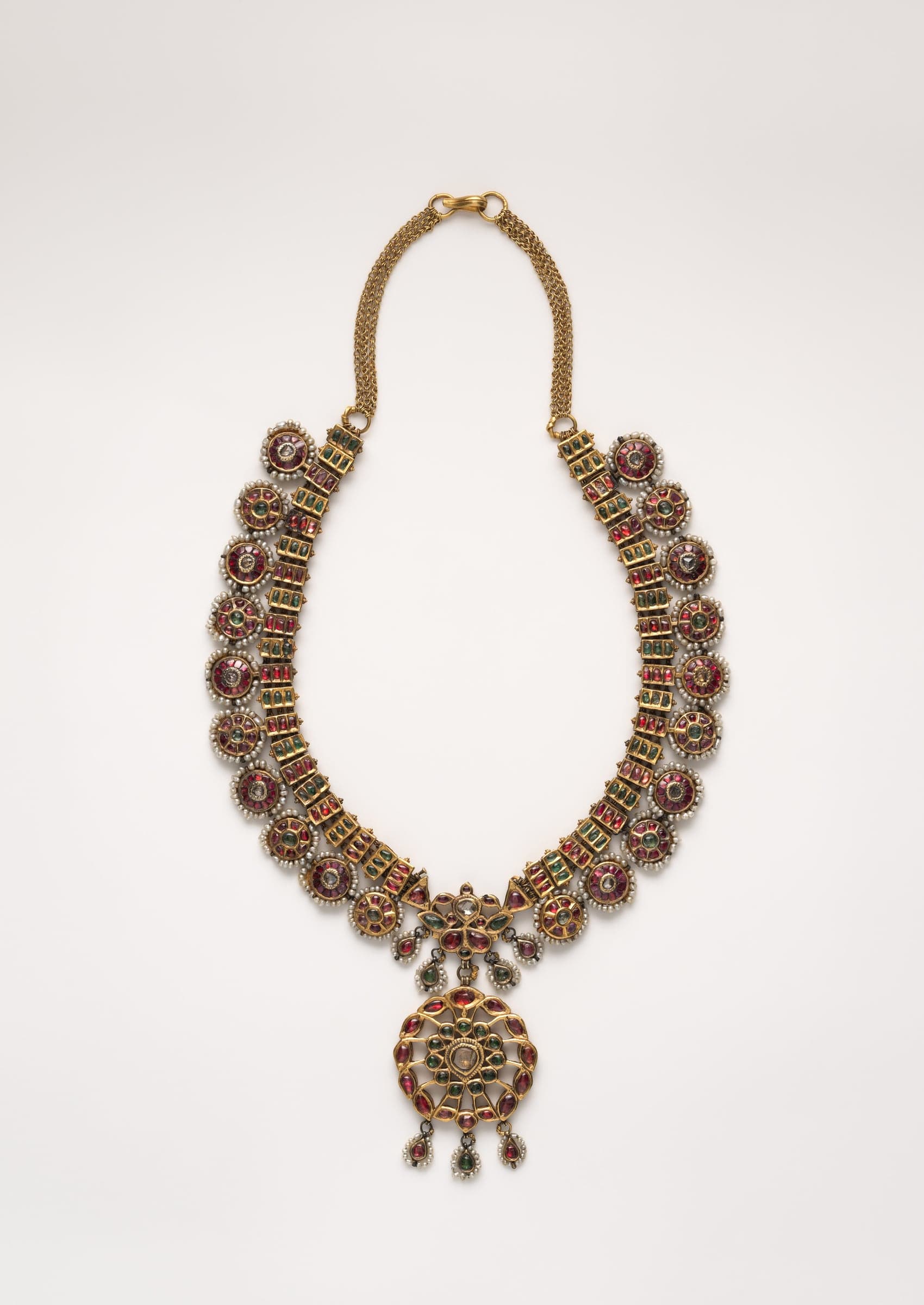
Kundan setting, associated with Mughal and Rajput jewelry, embeds stones in gold foil without prongs visible from the face. The technique demands patience and heat discipline. It produces the flat, luminous surface that reads as period correct when done well and as costume when rushed.
Meenakari enamel adds color through fired glass powders, often on the reverse of pieces meant to be seen from both sides. Jaipur's enamel tradition shares geography with the Gem Palace's history. When enamel chips or color looks printed rather than layered, walk away regardless of the name on the door.
Material logic extends to diamonds sourced from historic Golconda reputation (now largely archival as a sourcing term) and colored stones chosen for character rather than calibrated uniformity. The house has long catered to wedding dowry accumulation in Indian families, where pieces must survive decades of wear and re-wear at family events. That use case disciplines design in ways fashion jewelry never needs to consider.
If your interest is contemporary minimalism, say so early. The Gem Palace can interpret tradition without maximalism, but the conversation must be explicit. Otherwise you will be shown splendor because splendor is the default language of the room.
Jaipur as Context, Not Checklist
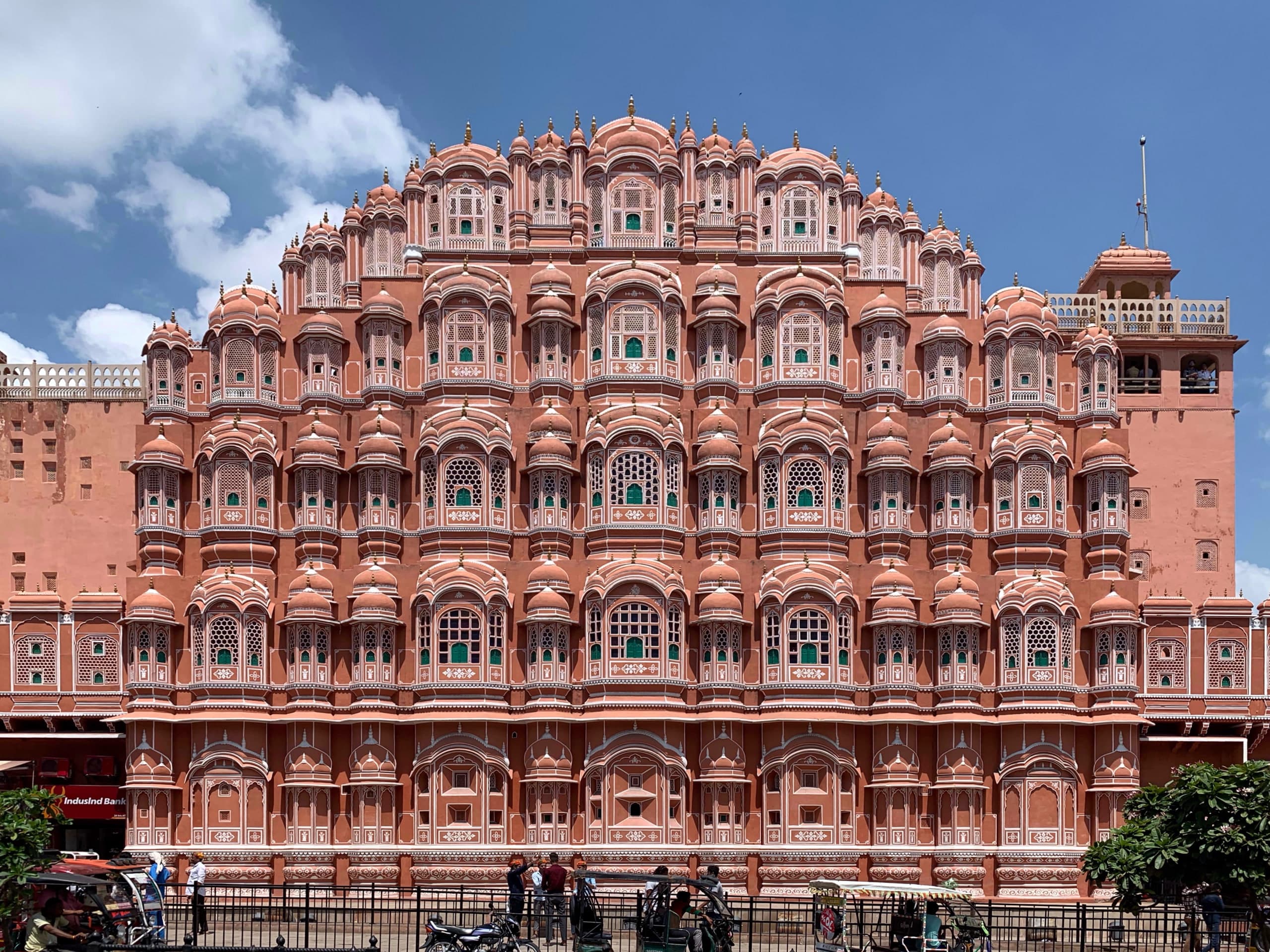
The Grand Tour places Jaipur as the education of splendor: Amer Fort at opening hour, block-print workshops in Sanganer, Rambagh Palace for palace-scale hospitality. Jewelry belongs in that week because Jaipur treats ornament as serious craft, not decoration alone.
You do not need to buy at the Gem Palace to learn from it. Even a disciplined hour studying cases teaches how Rajasthani color works in metal: coral against gold, emerald against enamel, scale that respects textile traditions worn beside the piece. Pair a morning at City Palace with an afternoon on MI Road and the city's logic becomes legible: architecture, textile, and jewelry sharing a vocabulary of pattern and patience.
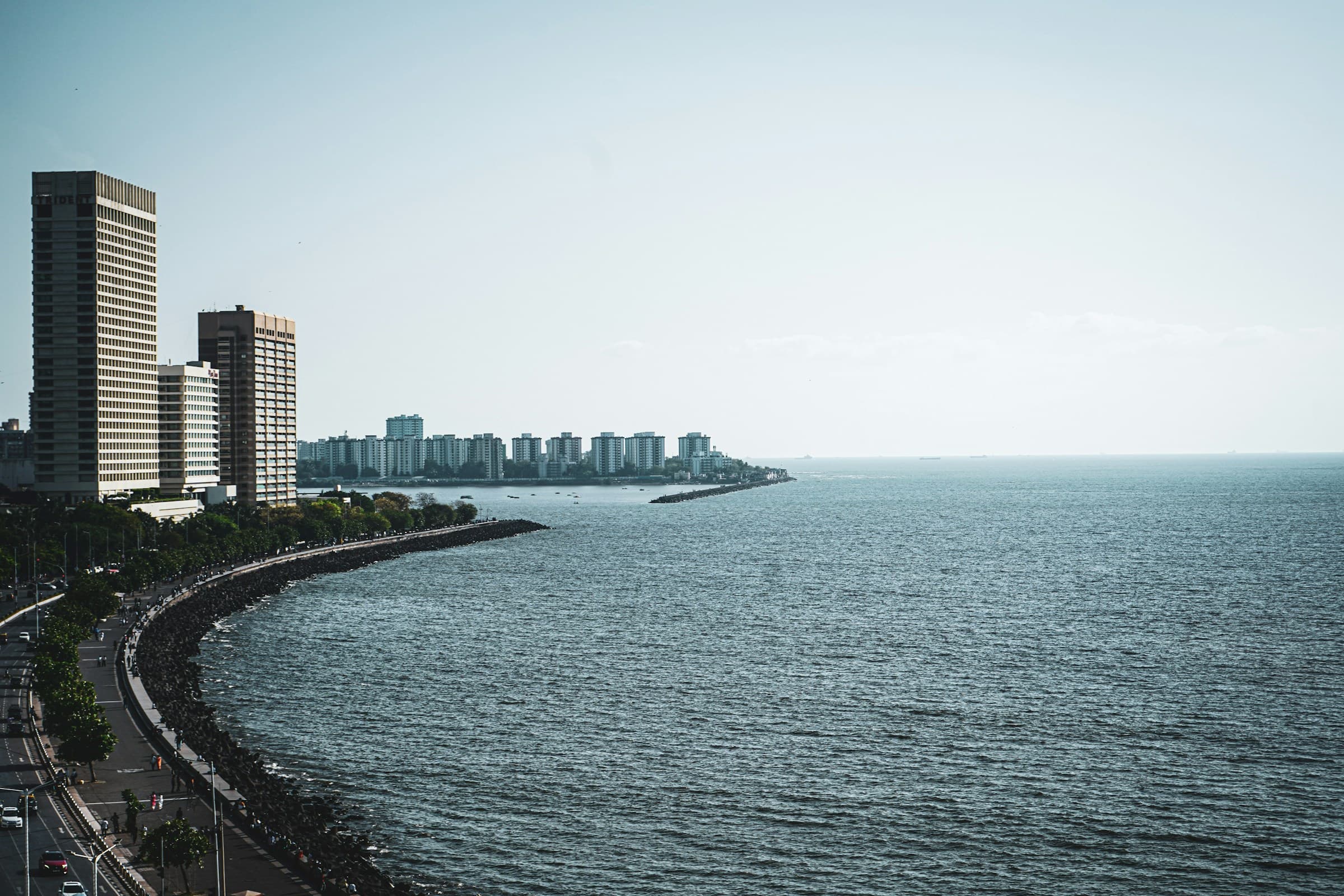
For travelers continuing to Mumbai or returning to diaspora cities, what you learn on MI Road reframes how you evaluate contemporary jewelry from the Asian diaspora elsewhere: the same questions of proportion, material honesty, and whether a piece will embarrass you at a funeral in twenty years.
Read The Asian Grand Tour for Jaipur in route context and Contemporary Jewelry from the Asian Diaspora for how younger designers translate heritage without quotation.
What to Ask Before You Commission
Bring questions, not only preferences.
Ask which workshop will execute the piece and whether you may revise enamel color in process. Ask how the house documents stone origin and treatment. Ask how repairs are handled in London, New York, or Singapore if you live abroad. Ask whether the piece is balanced for daily wear or ceremony only.
If you are buying for a wedding, align with the family's existing metal color and stone traditions before choosing novelty. The Gem Palace has served multiple generations of the same families. They have seen regret.
Do not rush commission timelines to match a departure flight. Jaipur rewards return visits. A piece finished properly beats a piece finished conveniently.
The Verdict
The Gem Palace is not hidden. It is selective.
It remains, by the Grand Tour's measure, where serious buyers learn Jaipur jewelry on its own terms: court pedigree translated into a living workshop, MI Road address unchanged since 1852, and a family proposition that jewelry should outlast the people who commission it.
For diaspora travelers collecting craft across Asia, this stop teaches material education that boutiques in airport concourses cannot replicate. Look slowly. Ask about construction. Confirm access before you fly. Buy only when the piece justifies inheritance, not itinerary.
Continue with Paris Learned Color from India, Contemporary Jewelry from the Asian Diaspora, and The Asian Grand Tour.