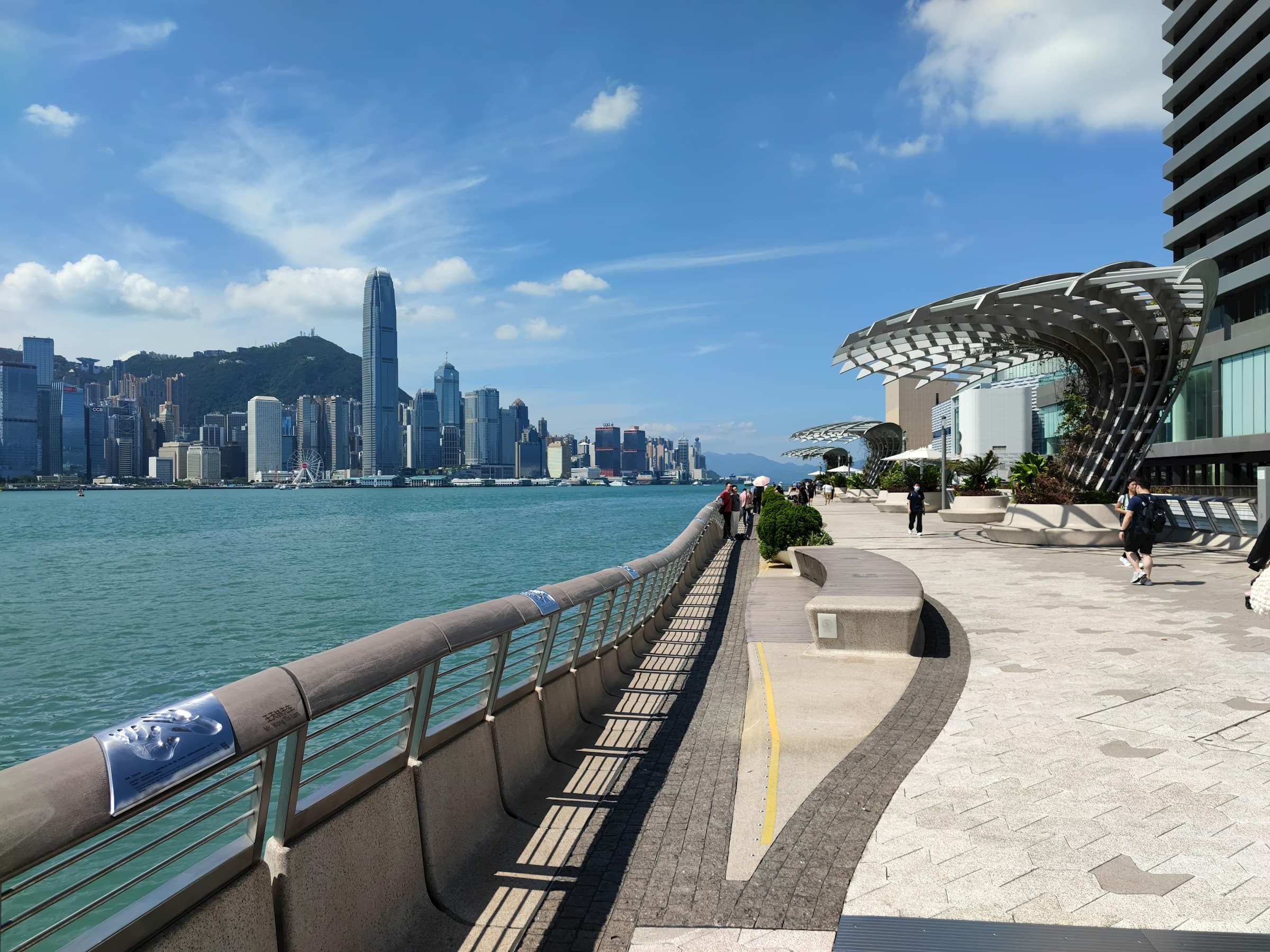
Hong Kong did not become quiet.
It became selective. The neon is still there. So are the queues at Tim Ho Wan and the harbour light show. What changed is where discerning travelers and returning diaspora families choose to stay: smaller addresses, residential districts, rooms that feel like apartments rather than lobbies designed for Instagram.
This is not Hong Kong diminished. It is Hong Kong read at lower volume. The same density of experience, minus the performance of arrival.
"The most useful Hong Kong today is the one your cousin actually lives in, not the one on the airport taxi poster."
If you grew up visiting relatives in Kowloon or working summer internships in Central, the shift can feel like revelation. The city you remember as transactional now has boutique hotels above wet markets, galleries on Hollywood Road, and dinner reservations that require local timing rather than OpenTable luck.
Sheung Wan: The Boutique Belt
Sheung Wan anchors the quiet luxury map. Wedged between Central and the traditional trade shops of the western district, it concentrates galleries, independent restaurants, and small hotels built for people who live here year-round.
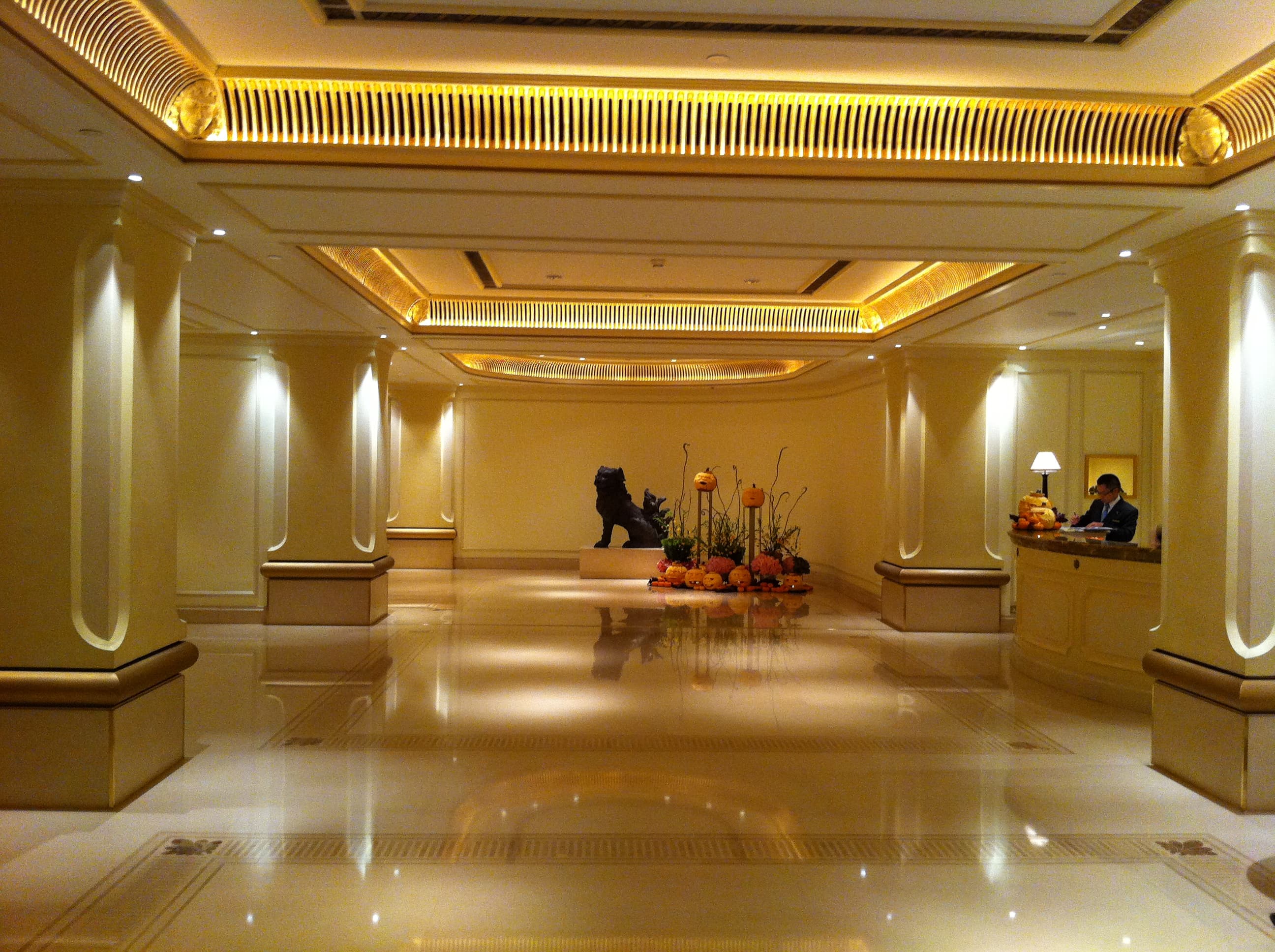
The Jervois, at 89 Jervois Street, remains the standard-bearer: 49 one- and two-bedroom suites by Christian Liaigre, each with a private lift lobby and floor-to-ceiling windows over the district. Suites run roughly 700 to 1,550 square feet. Upper floors look toward Victoria Harbour. You are buying apartment logic: kitchenette, separate living room, the sense that you are staying in a residence rather than passing through a tower.
99 Bonham, a minute from Sheung Wan MTR, is the Milan transplant: a slender glass tower, three suites per floor, interiors by Antonio Citterio Patricia Viel, soft greys against Hong Kong's vertical intensity. It shares ownership DNA with The Jervois and The Putman, which explains the coherent design language across the portfolio.
The Figo, closer to Sai Ying Pun MTR, skews slightly younger: fitness center, mini theater, lobby lounge that attracts creatives without sacrificing the small room count that keeps service personal.
Hollywood Road and Tai Ping Shan Street reward walking between check-in and dinner. Man Mo Temple's incense, ladder-street murals, antique shops: texture Central's mall corridors cannot replicate.
Tai Hang and the Harbour Without the Crowd
Little Tai Hang, adjacent to Causeway Bay, offers a different scale: intimate boutique rooms with harbour glimpses, cha chaan tengs on the corner, wet markets that still feel local. For travelers who want the water without the tourist density of the Tsim Sha Tsui waterfront, Tai Hang is the compromise insiders make.
The appeal is the absence of landmark status. You come for the morning walk along Tung Lo Wan Road, afternoon coffee at an independent roaster, evening return to a hotel small enough to remember your name.
Sai Ying Pun and the Western Edge
West of Sheung Wan, Sai Ying Pun and Kennedy Town extend the map. Second-wave coffee roasters, Cantonese restaurants without English menus, Sun Yat Sen Memorial Park on the waterfront. Boutique hotels here trade harbour glamour for neighborhood authenticity. Morning dim sum with locals. Evening walks on the Western District promenade. Taxi rides to Central that cost less than a cocktail.
Dining and Culture: What to Book
Hong Kong's dining scene in 2026 rewards patience. Lung King Heen at Four Seasons holds two MICHELIN stars in the Hong Kong guide for 2026. It is no longer the three-star peak of a decade ago, but it remains the definitive Cantonese fine-dining room with harbour views. Book it once. Build the rest of the week around smaller rooms.
Sheung Wan and Sai Ying Pun host a generation of restaurants treating Cantonese ingredients with wine-bar intimacy. M+ in West Kowloon and the galleries of Wong Chuk Hang and Tin Hau have matured the contemporary art offering to the point where Hong Kong anchors a fair calendar that includes Art Basel Hong Kong each March.
Pair a Sheung Wan base with one splurge dinner, one gallery afternoon, and mornings in districts the double-decker bus skips.
Tea remains underrated as luxury. Shops along Hollywood Road sell pu-erh and oolong with the seriousness of wine merchants. A morning purchase becomes a through-line for the trip.
Shopping Without the Mall Default
Quiet luxury in Hong Kong is not Harbour City on repeat. It is Pedder Building galleries, Graham Street produce that informs what you order at dinner, independent watch dealers whose inventory never appears online.
Diaspora travelers often shop for objects that carry Hong Kong specifically: jade from a trusted Sheung Wan dealer, porcelain from a Hollywood Road specialist, bespoke shirts from a Central tailor who keeps your measurements on file year after year.
Central as Counterpoint
Central remains the reference even as the interesting energy moves west. Mandarin Oriental, the Landmark, Four Seasons: each serves a different client. The quiet luxury traveler does not reject these properties. They alternate.
A week might run three nights in a Sheung Wan suite, two at Upper House in Admiralty for Andre Fu's harbour-view restraint, one in Tai Hang for local rhythm. Upper House's 117 rooms and Café Gray Deluxe offer full-service scale without the ostentation older luxury hotels sometimes confuse with importance.
Art Basel each March turns the city into a temporary art capital. Visit M+ on a weekday. Save Lung King Heen for a harbour-view night. Spend remaining days at smaller scale.
Practical Notes
Getting there: Hong Kong International Airport to Central via Airport Express, roughly 24 minutes. Sheung Wan is one MTR stop west.
Timing: October through December for comfortable weather. Art Basel week in March compresses availability. Golden Week if you prefer empty restaurants.
Tax: A 3 percent hotel accommodation tax was reinstated January 1, 2025. Confirm whether quoted rates include taxes and service.
Walking: Hong Kong rewards pedestrians who accept hills. Pack shoes for ladder streets and humid evenings.
Dining lead times: Lung King Heen and the city's top rooms require reservations weeks ahead. Sheung Wan's smaller restaurants often book days in advance. Plan one splurge; leave other evenings flexible.
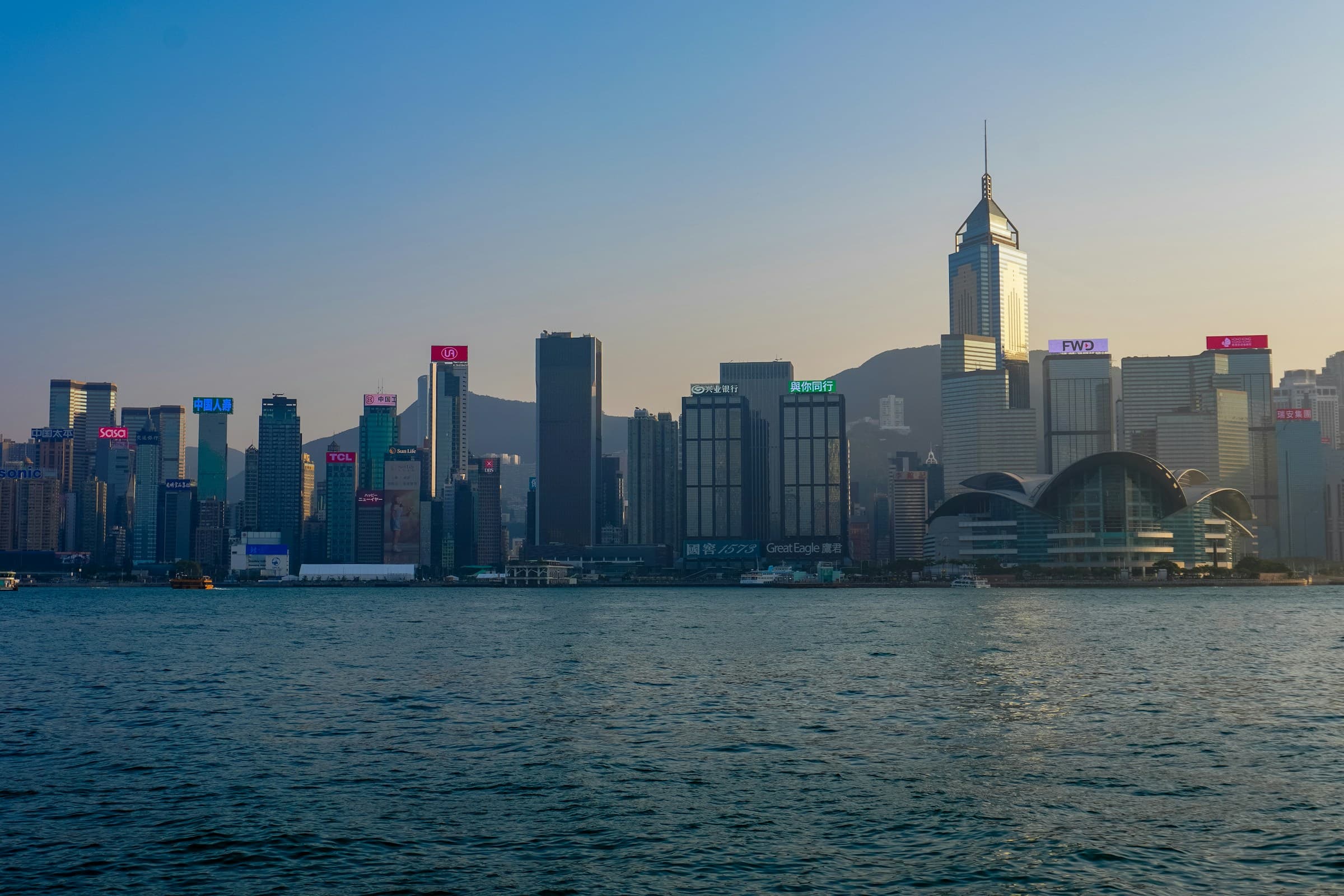
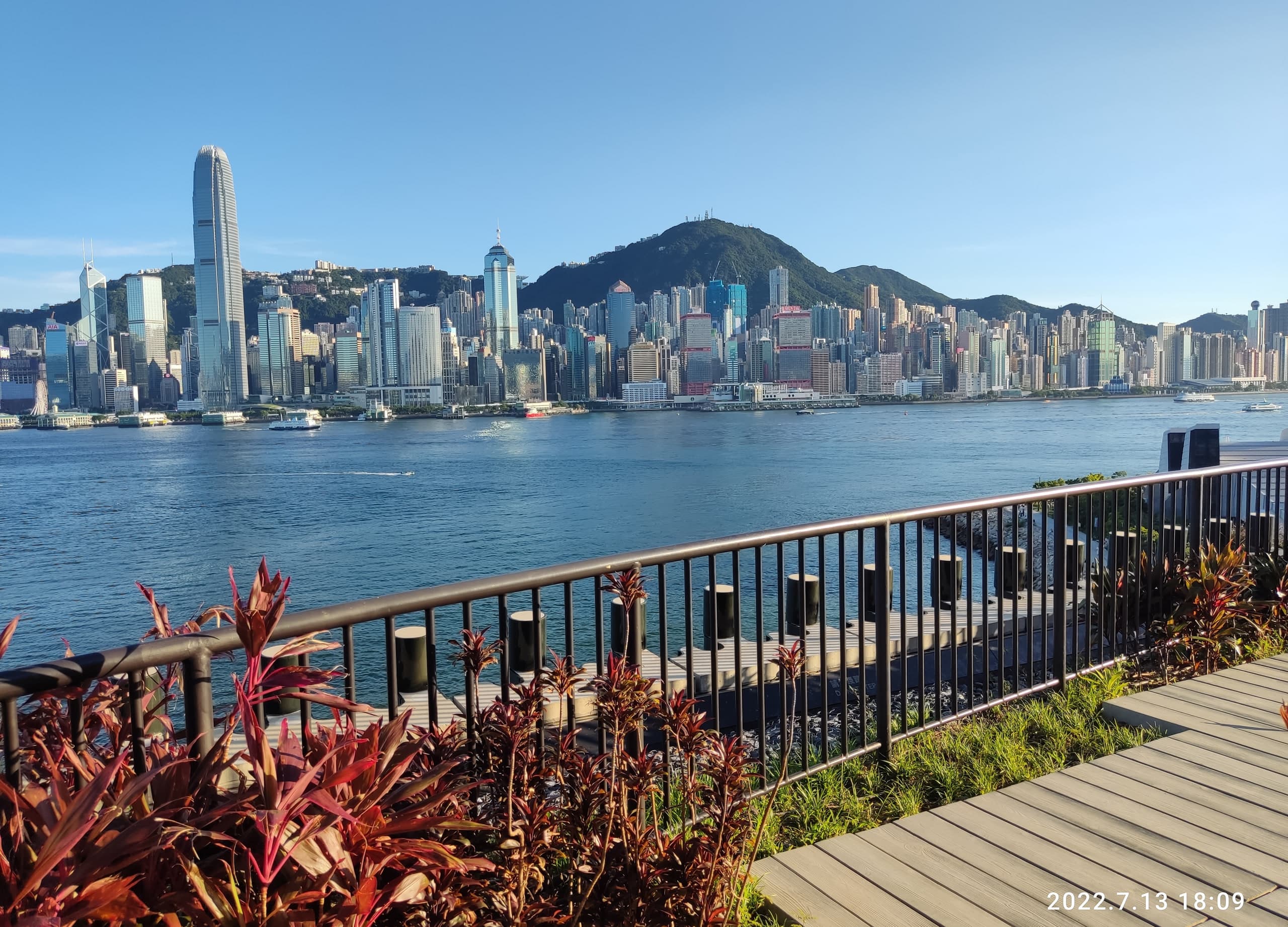
The Star Ferry between Central and Tsim Sha Tsui remains the most elegant short journey in the city. Pair a Sheung Wan base with an evening ferry ride for perspective on the skyline you see from boutique windows.
Allow one morning without plans. The finest moments still arrive unscheduled: a dim sum queue that was not on your list, a gallery opening by word of mouth, a harbour view from a ladder street you took by mistake.
Hong Kong's quiet luxury revival is not a rejection of the city's energy. It is a recognition that the best experiences here have always lived between the neon: a Liaigre suite above a wet market, a harbour glimpse from a neighbourhood no brochure prioritizes, a dinner that required a local introduction. You are not turning the volume down. You are learning which rooms deserve amplification.
Continue Reading
See The Banquet Guide to Hong Kong, What Hong Kong Art Week Dressing Actually Looks Like, and How the Sigg Collection Built M+.