Mumbai is ambition you can hear.

Finance towers, film studios, fashion weeks, and gallery openings share the same humid air. The city's luxury is not always polished. It is often generous, overloaded, and convinced that tomorrow will be larger than today. For travelers finishing the Asian Grand Tour, Mumbai is where inheritance meets appetite in real time: heritage stone facing the Arabian Sea, contemporary art campuses built to compete globally, Irani cafés that still price chai for locals.

"Mumbai does not hide its hunger. It assumes you share it, or that you will learn."

This guide maps where to stay, eat, shop, and experience when you want refinement without pretending the city is quiet. Pair it with The Asian Grand Tour and our room study Three Nights Facing the Gateway for the full Banquet route through India's present tense.


Stay

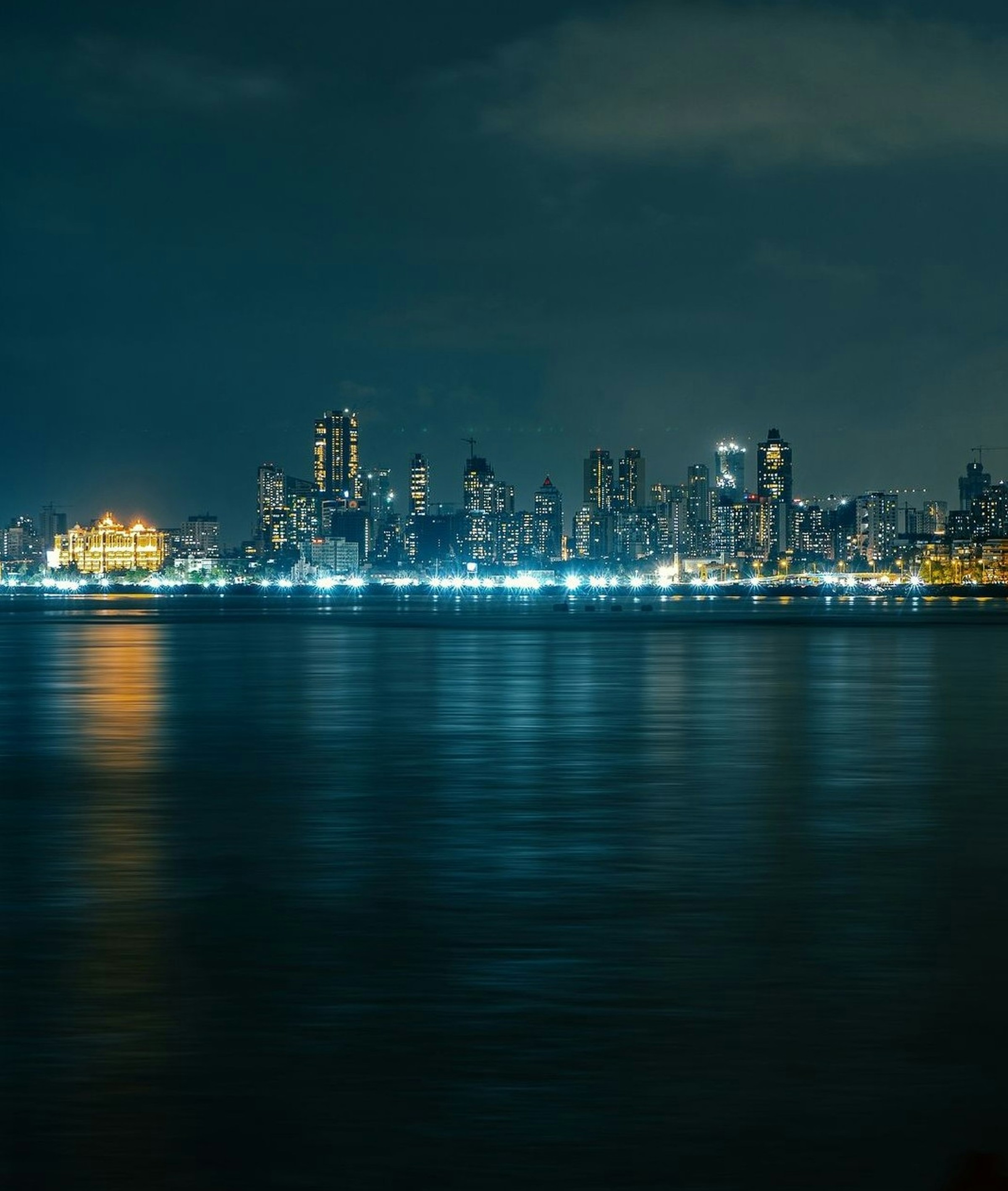
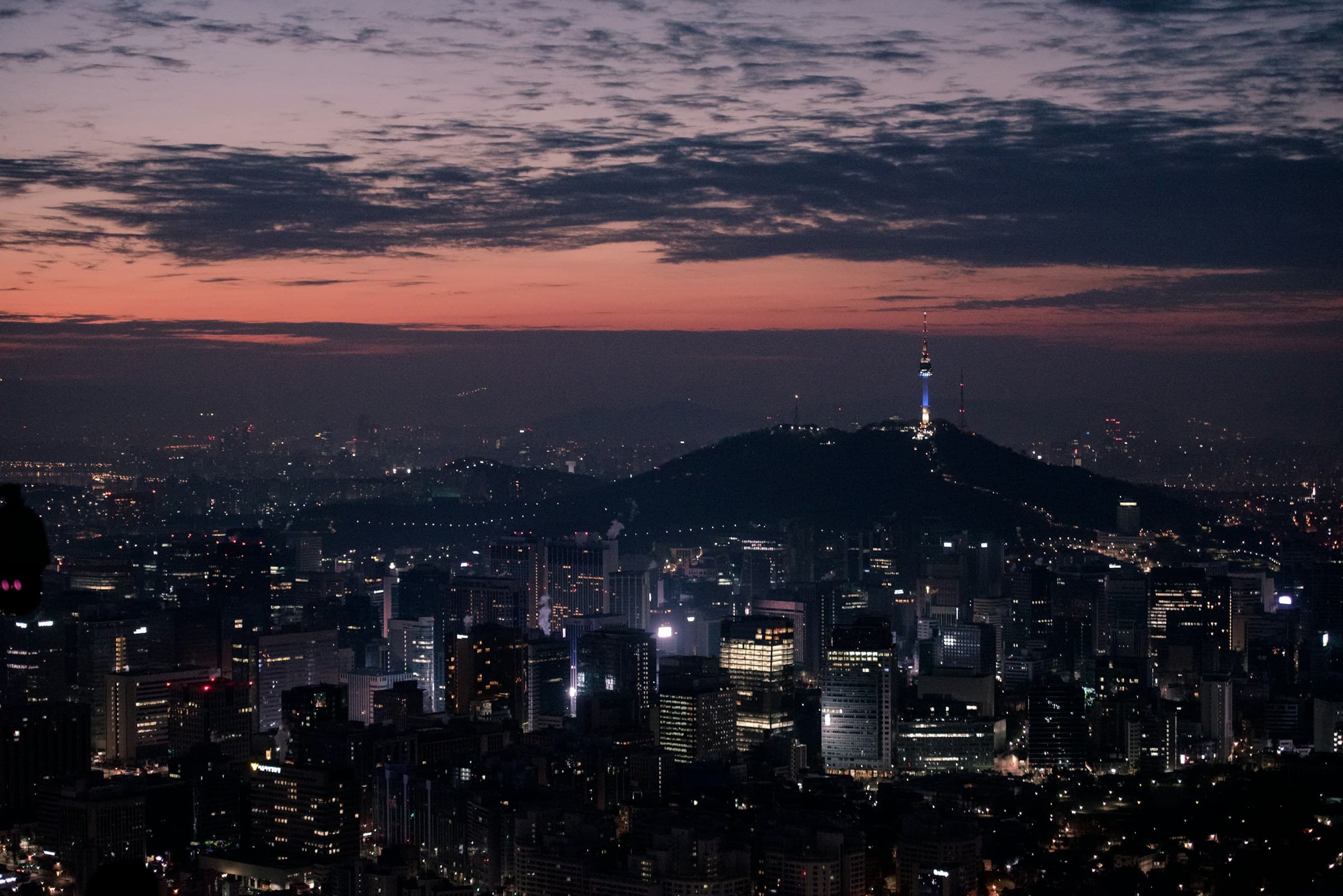
Mumbai coastline and city lights at night
South Mumbai after dark: the harbour still reads as office, cinema set, and arrival monument in the same frame.

Mumbai's luxury hotel market splits between heritage harbour properties in Colaba and tower hotels in Lower Parel and BKC, closer to finance and galleries. Published rates vary sharply by wing, view, season, and tax treatment. Confirm total price including service charge and GST before committing.

The Taj Mahal Palace

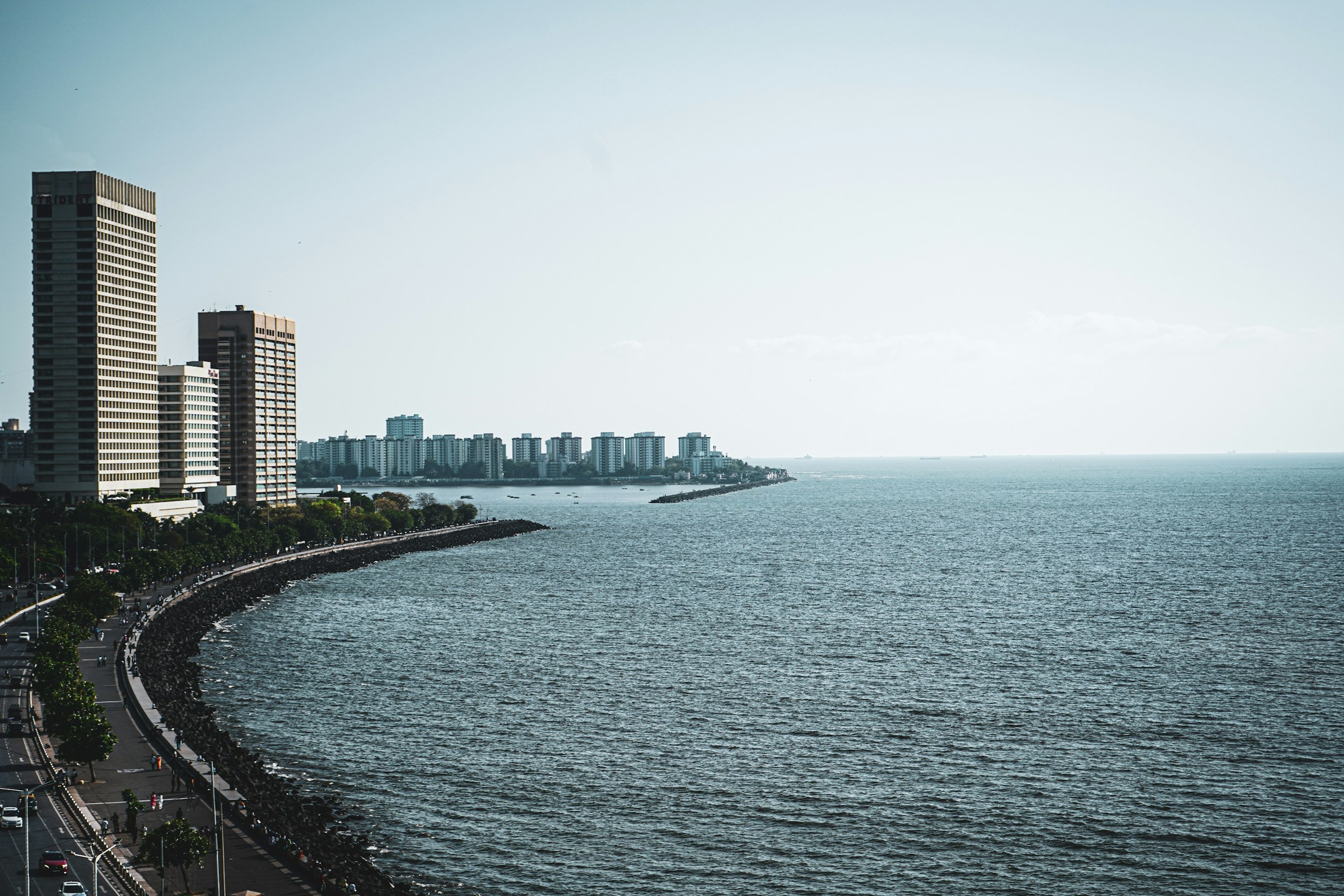
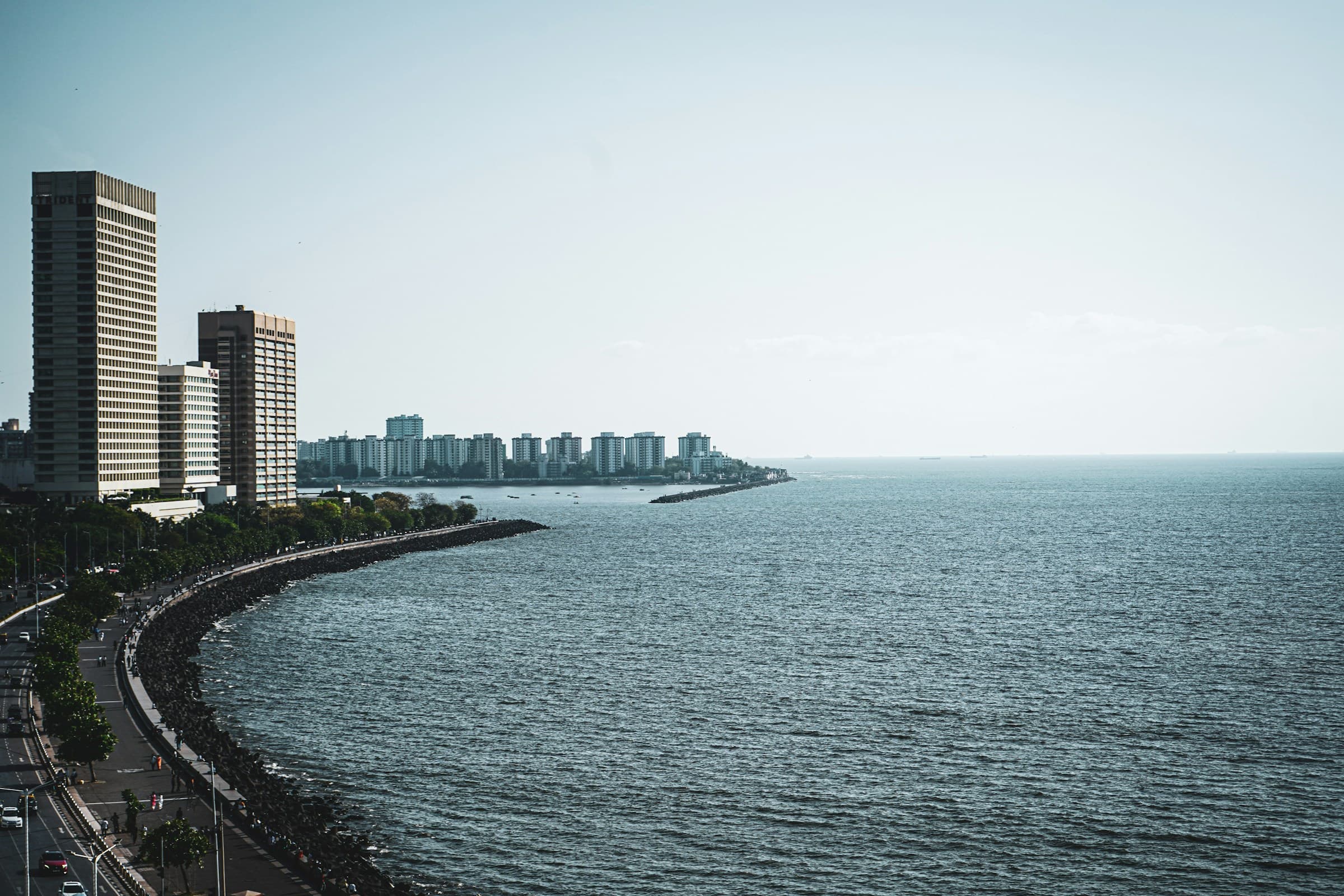
Nariman Point and Mumbai business district skyline
Nariman Point and the southern peninsula: Colaba sits at the harbour's edge, where the Taj has faced the water since 1903.

The Taj Mahal Palace at Apollo Bunder, Colaba, opened on 16 December 1903, commissioned by Jamsetji Tata and built in Indo-Saracenic stone facing what is now the Gateway of India. It predates the Gateway by roughly two decades. For more than a century the property has hosted writers, dealmakers, and diaspora families returning to a city that feels both ancestral and ahead of them.

Request sea-facing or Gateway-facing categories when booking; wing preference between the Palace Wing and Taj Mahal Tower changes the room's argument. Taj butlers on eligible categories handle unpacking and restaurant timing without hovering. J Wellness Circle, the hotel spa, matters after long-haul flights. For service depth and institutional memory, this remains the harbour grande dame against which other Mumbai hotels are measured.

Read Three Nights Facing the Gateway for a three-night frame, dining inside the compound, and dawn walks to the Gateway.

The Oberoi Mumbai

The Oberoi Mumbai delivers harbour calm with a different design language: contemporary rooms, strong spa, and dining that suits business hosts who want polish without Victorian ceremony. Useful when your week centers on Nariman Point meetings rather than Colaba promenade rhythm.

The St. Regis Mumbai and Lower Parel towers

Heritage architecture and street life in South Mumbai
Colaba's heritage streets reward walking; tower hotels in Lower Parel put you closer to the gallery belt north of the old core.

The St. Regis Mumbai and tower properties in Lower Parel place you nearer Mahalaxmi and Lower Parel galleries, finance offices, and the Nita Mukesh Ambani Cultural Centre campus in Bandra Kurla Complex. Choose this geography when appointments, not harbour views, define the week.


Eat

Indian cuisine plated for fine dining
Modern Indian fine dining treats regional memory and technique as the same conversation: the register Mumbai now exports alongside finance and film.

Mumbai dining rewards contrast: one meal that argues for the city's future, several that teach its everyday generosity.

Indian Accent at NMACC

Indian Accent at the Nita Mukesh Ambani Cultural Centre in Bandra Kurla Complex opened its Mumbai outpost in 2023. Chef Manish Mehrotra's modern Indian tasting menus treat regional ingredients with technique that assumes a global palate without apologizing for spice. The room sits inside a cultural campus built to compete internationally. Reserve early. Confirm address, hours, and dress code on the NMACC website before crossing the city at rush hour. See our room study for service notes and seating logic.

Kyani & Co.

Kyani & Co., the Irani café on Jer Mahal Estate in Colaba, teaches a different Mumbai: chai, bun maska, locals reading papers at shared tables. Go once for breakfast counterbalance. Return to your hotel shower before gallery appointments.

Trèsind and coastal rooms

The Grand Tour notes Trèsind for coastal seafood when booking allows. Confirm current menu, reservations, and location directly before planning a crossing from Colaba. Availability and hours change.

Inside the Taj compound

The Taj contains multiple restaurants worth knowing even if you eat most meals outside: Sea Lounge and Chambers for harbour-facing drinks; Masala Kraft for accessible Indian comfort when generations and spice tolerances differ; Golden Dragon for hosts who need a familiar banquet table. You cannot eat at all of them in one stay. Choose contrast.


Shop

Textiles and colour at a market stall
Colaba Causeway and Kala Ghoda boutiques reward patience: textiles, design objects, and art books from sellers who know their stock.

Kala Ghoda and Colaba Causeway

Kala Ghoda concentrates galleries, design shops, and architecture worth reading on foot. Colaba Causeway supplies books, brass, and the pleasant friction of a market that still serves residents. Allow an afternoon without a fixed list.

Contemporary design and art books

The Grand Tour recommends contemporary design from Kala Ghoda boutiques, textiles, and art books from serious sellers. Ask gallery contacts for reputable shops rather than buying from convenience stalls.


Experience

Contemporary gallery interior with artwork on display
Mahalaxmi and Lower Parel galleries prove Mumbai collects as seriously as it trades: appointments matter, introductions help.

Gateway of India at dawn

The Gateway of India at Apollo Bunder, five minutes from the Taj lobby, remains the correct arrival monument: built for imperial ceremony, now belonging to the city that outgrew the empire. Visit before ferries and tour groups crowd the steps. Pair with a harbour walk past working boats and photographers sharing the same view.

Chhatrapati Shivaji Maharaj Vastu Sangrahalaya

The Chhatrapati Shivaji Maharaj Vastu Sangrahalaya (formerly Prince of Wales Museum) in Kala Ghoda offers museum context without leaving South Mumbai. Check current exhibitions and hours on the institution's site.

NMACC and the gallery belt

The Nita Mukesh Ambani Cultural Centre campus justifies one deliberate crossing of the city even if you do not dine at Indian Accent. Mahalaxmi and Lower Parel host galleries that prove Mumbai collects seriously. Appointments matter. Introducers help. If you have neither, NMACC alone still teaches the city's contemporary ambition.

Museum hall with classical architecture and visitors
South Mumbai's museum quarter anchors a week that might otherwise become hotel-only: context before commerce.

Practical Notes

Airport: Chhatrapati Shivaji Maharaj International Airport to Colaba, roughly an hour in light traffic; monsoon rain and evening gridlock extend that sharply.
Best season: November through February for comfortable humidity; monsoon June through September for dramatic skies and traffic patience.
Transport: Prepaid airport taxi or hotel car; ride-hailing works but rush-hour crossings to BKC require planning.
Dress: Smart casual in hotel restaurants; linen and closed shoes suit the Taj's public rooms.
Reservations: Indian Accent and top gallery appointments require advance planning.
Sensitivity: The Taj survived the 2008 Mumbai attacks and rebuilt public spaces with care. Treat the property as a working hotel, not a memorial.

What It Costs

Confirm current published rates; seasons, wings, and tax inclusions vary.

Luxury hotels: Entry five-star categories in Colaba and Lower Parel commonly exceed mid-scale business hotels by a wide margin; sea-facing Taj categories and suites scale upward
Indian Accent: Tasting-menu pricing at NMACC; confirm on the restaurant site before booking
Irani café breakfast: Modest fixed-menu pricing at Kyani & Co.
Gallery and museum: Check individual admission and appointment policies
Shopping: Wide band from Causeway stalls to serious design boutiques

The Banquet Cost Index

Hotels: $$$$ (Taj sea-facing suites, St. Regis tower categories); $$$ (Oberoi entry, Taj tower rooms)
Dining: $ (Kyani breakfast); $$$$ (Indian Accent, formal hotel rooms)
Shopping: $$–$$$$
Experiences: $ (Gateway walk, Causeway browsing) to $$ (museums, arranged gallery visits)
Typical luxury weekend: Confirm a three-night Colaba base with one BKC tasting menu and gallery time against current hotel and restaurant rates before budgeting flights


The Banquet Picks

Best Hotel: The Taj Mahal Palace sea-facing for harbour memory; Lower Parel towers for gallery access.

Best Restaurant: Indian Accent at NMACC for contemporary argument; Kyani & Co. for counterbalance.

Best Neighborhood Base: Colaba for heritage walks; BKC-adjacent towers for art and finance appointments.

Best Hour: Gateway of India at dawn, before the ferries load.


Final Thoughts

Mumbai asks you to tolerate noise without surrendering standards: heritage stone in the morning, modern Indian tasting menus across town at night, galleries that treat collecting as commerce and culture at once.

The city does not reward layovers. It rewards a stable address, sea-facing when possible, and the willingness to cross traffic for the meal that argues for India's future. Ambition here is audible. Polish is optional.

Read Three Nights Facing the Gateway and Dinner at Indian Accent, Mumbai. Continue the route with The Banquet Guide to Singapore and The Asian Grand Tour.