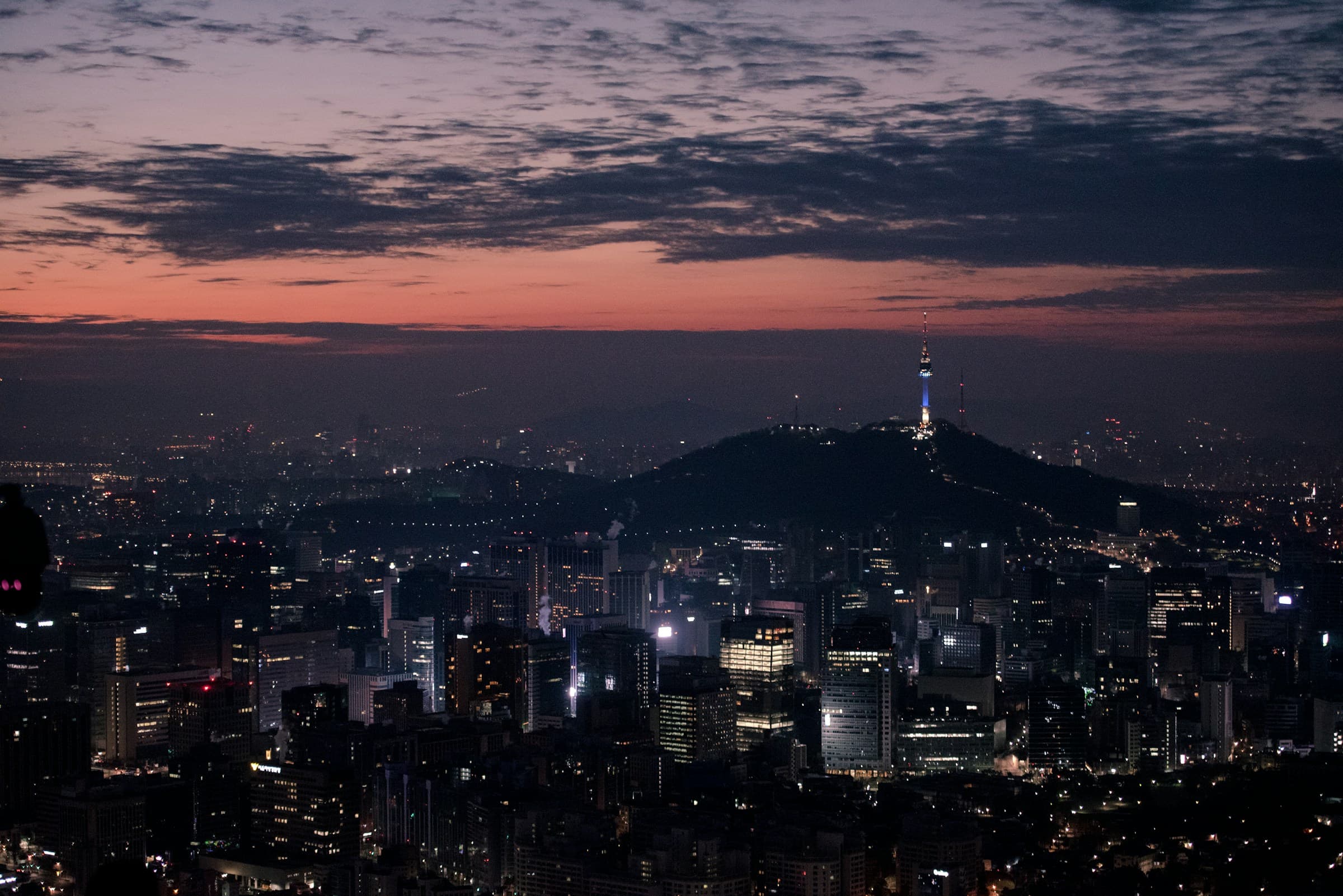
Seoul reinvents its surface between visits.
New flagships in Apgujeong and gallery openings in Seongsu-dong show how quickly Seoul changes. For the luxury traveler, the city combines skyscraper hospitality, hanok-scale calm, and an increasingly competitive fine-dining scene.
The mistake is trying to read Seoul only through trend. The better frame is contrast: Signiel altitude against Bukchon tile roofs, Cheongdam tasting menus against Gwangjang Market at lunch, Frieze Seoul in September against a quiet Jongno morning.
“Over the past decade, Korea’s dining landscape has grown in breadth and depth as Seoul has matured into a highly polished gastronomic capital achieving a delicate balance between tradition and innovation, while Busan has rapidly emerged as a dynamic hub shaped by its local character and culinary creativity.”
Gwendal Poullennec, international director of the Michelin Guide, at the March 2026 Seoul & Busan guide release
This guide maps where to stay, eat, shop, and experience when you want Korean luxury with specificity rather than K-culture souvenir logic. Continue the route with The Asian Grand Tour, Why Frieze Seoul Owns September, and The Return of Quiet Luxury in Seoul.
Stay
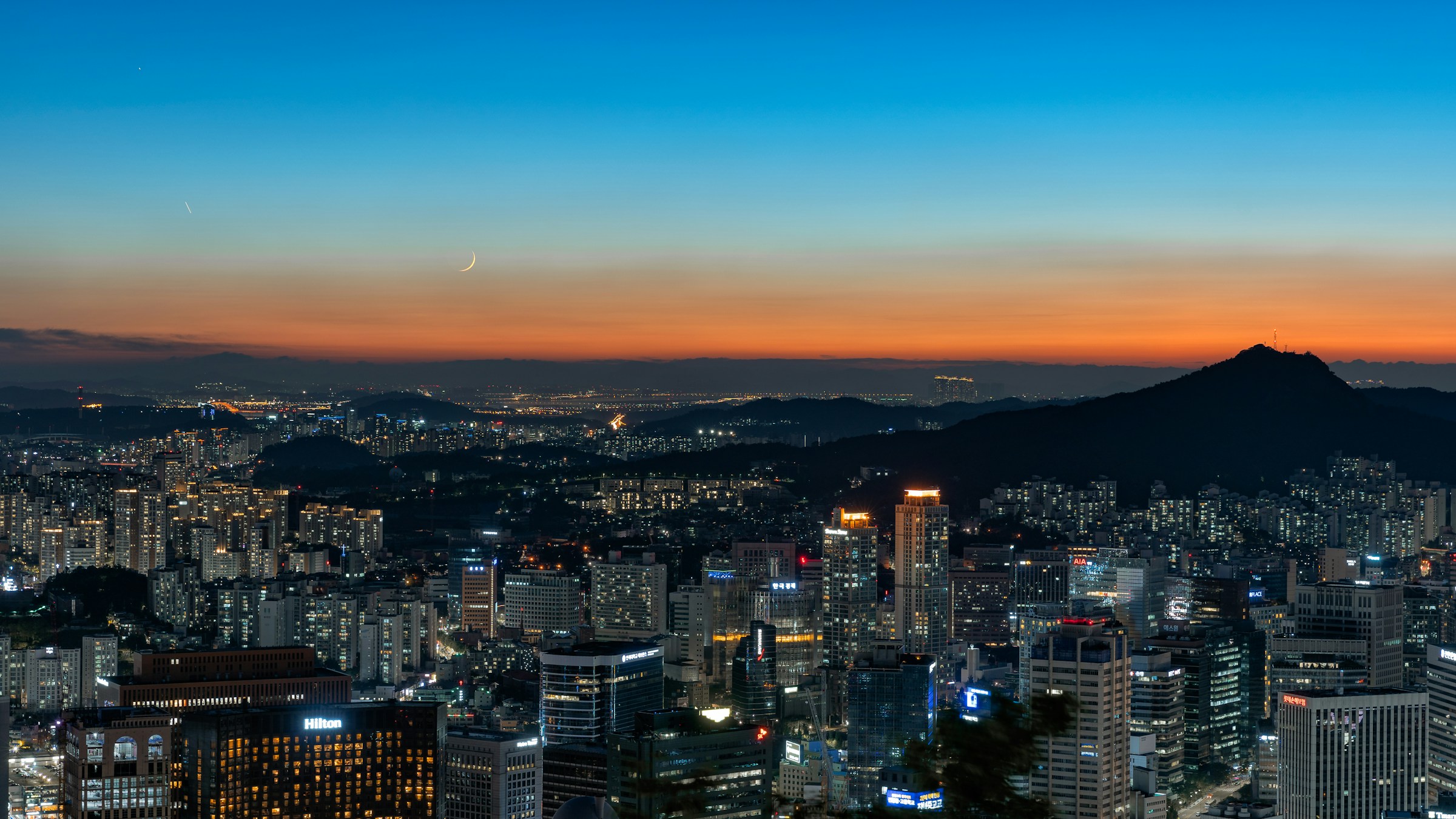
Published entry rates for Seoul's top hotels commonly run KRW 550,000–950,000 (roughly $400–$750 USD) for standard rooms depending on season; suites at Signiel and Four Seasons scale upward. Book early for Frieze Seoul week in September and major holiday windows.
Signiel Seoul
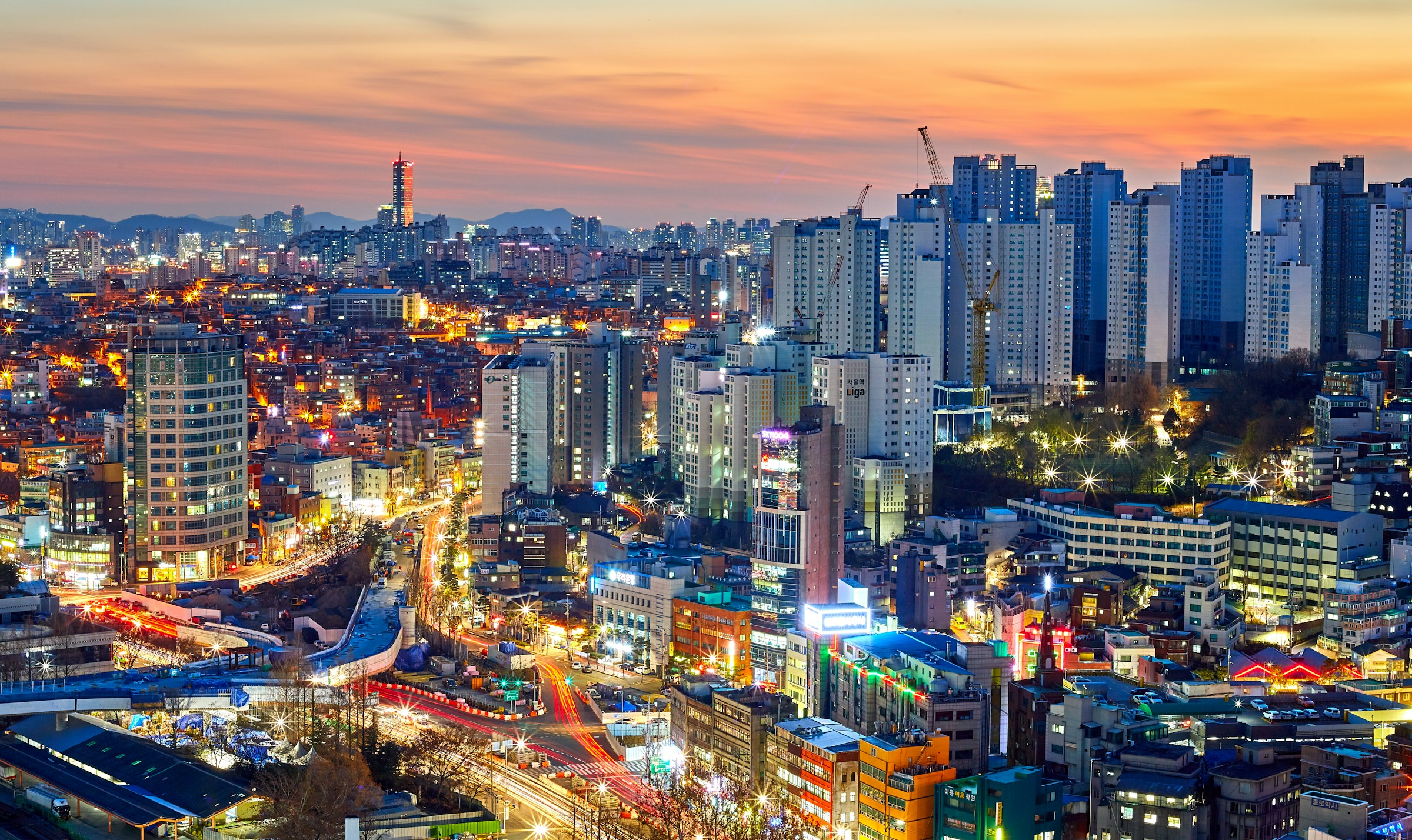
Signiel Seoul occupies the upper floors of Lotte World Tower in Jamsil. The property delivers skyscraper hospitality with the ceremony Korean luxury does well: broad views across the Han River, in-house dining including Bicena, and rooms designed for travelers who value altitude as an amenity. It suits first-time visitors who want a clear eastern orientation point and full-service reliability.
Four Seasons Hotel Seoul
Four Seasons Hotel Seoul in Jongno-gu offers a contrasting grammar: central location near Gyeongbokgung and Bukchon, contemporary interiors, and dining that includes Yu Yuan and Charles H. For travelers who want to walk palace districts in the morning and return to global polish at night.
Hanok stays in Bukchon and Samcheong-dong
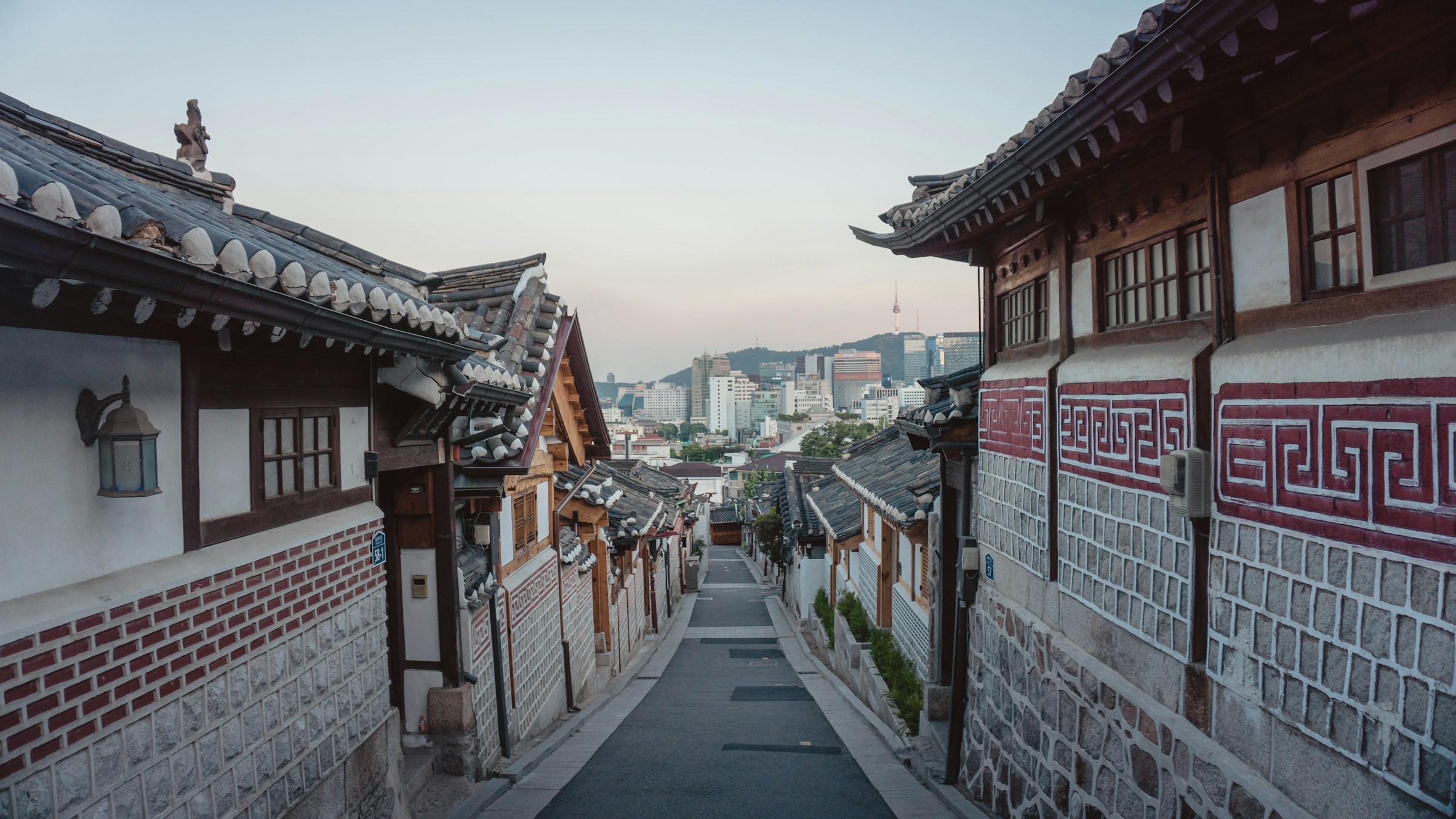
Guesthouses and small hotels in Bukchon and Samcheong-dong teach hanok logic: heated floors, courtyard sound, tile roofs at eye level. Tourist visits to the Bukchon-ro 11-gil Red Zone are permitted from 10 a.m. to 5 p.m., Monday through Saturday and prohibited on Sunday. Properties such as Rakkojae and other licensed hanok stays offer the most immersive version of this contrast. Pair with You Need a Week in Kyoto if you are building a Northeast Asia slow-city route.
Park Hyatt Seoul and southern bases
Park Hyatt Seoul stands on Teheran-ro in Samseong-dong, opposite the COEX complex. It suits travelers whose week centers on Gangnam meetings, Cheongdam dining, and the luxury retail corridor around Apgujeong Rodeo Street, a short drive away. Smaller design-forward hotels in Hannam-dong and Itaewon reward repeat visitors who no longer need landmark orientation.
Eat
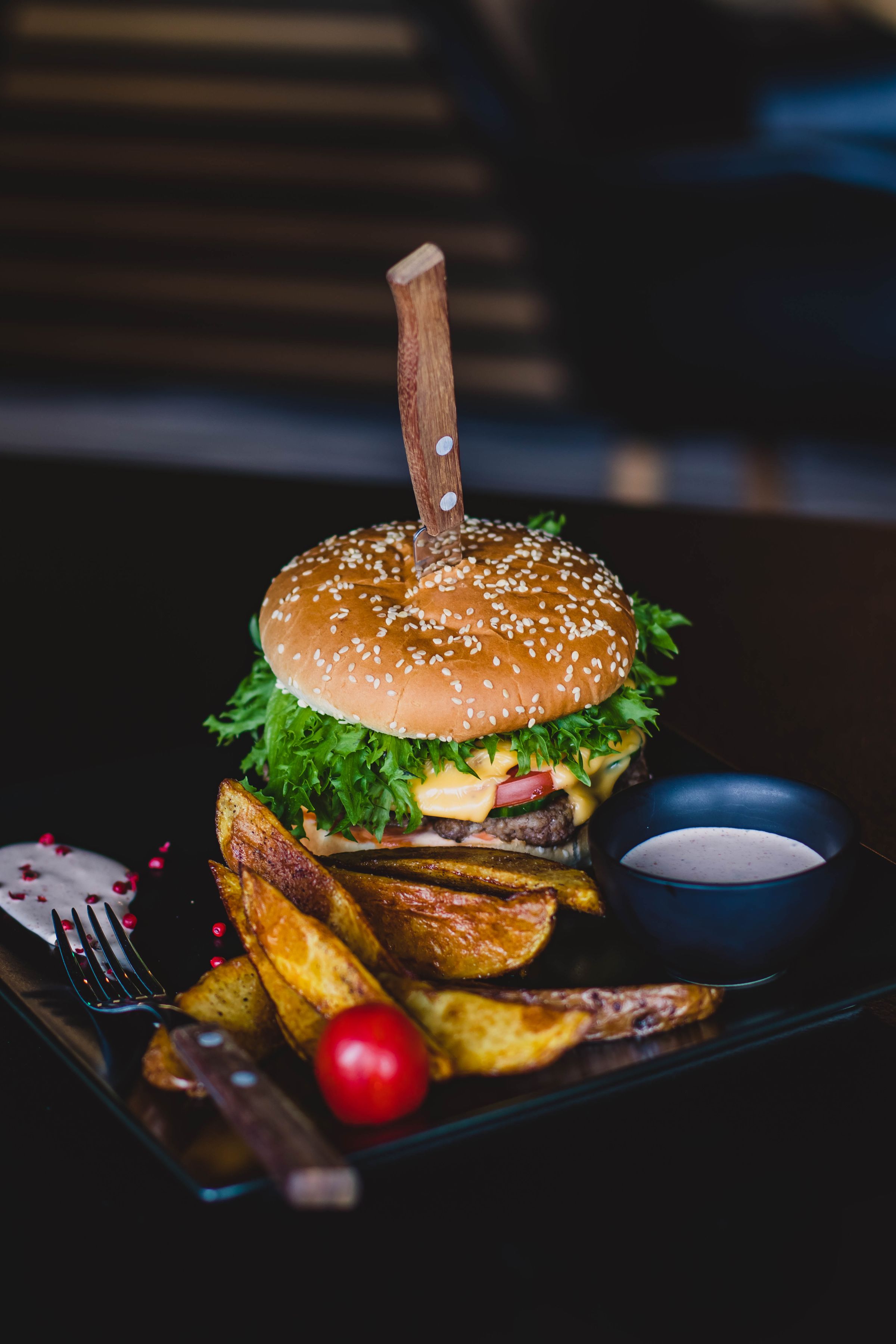
The MICHELIN Guide Seoul & Busan 2026 gives Seoul one three-star restaurant, ten two-star restaurants, and 31 one-star restaurants. These three addresses offer distinct entries into the city's current fine-dining map. Read The New Banquet: South Korea for the fuller history and hierarchy.
Jungsik
Jungsik in Cheongdam remains the institution that helped modern Korean fine dining travel globally. Chef Jungsik Yim opened the Seoul restaurant in 2009 and New York in 2011. The restaurant holds two Michelin stars in the MICHELIN Guide Seoul & Busan 2026. Reservations are handled through Catchtable and require lead time.
Mingles
Mingles, also in Cheongdam, retained three Michelin stars in the MICHELIN Guide Seoul & Busan 2026, making it Korea's only restaurant at that level for the second consecutive edition. Chef Kang Mingoo builds the menu around jang, fermentation, seasonal seafood, and contemporary Korean technique. Book through Catchtable and plan well ahead for prime dates.
Evett
Evett by chef Joseph Lidgerwood retained two Michelin stars in 2026. The Australian-born chef works with Korean ingredients, foraging, meju, and regional food culture through an outsider's closely studied perspective. Official prices currently run KRW 190,000 for the Friday and Saturday lunch and KRW 330,000 for dinner; confirm the current format through Evett's official site before booking on Catchtable.
Contrasts worth keeping
Balance starred tasting menus with one naengmyeon lunch, one gimbap counter, and one late soju meal in a Mapo or Jongno neighborhood. Seoul punishes travelers who eat only in Cheongdam. The luxury week includes both.
Shop
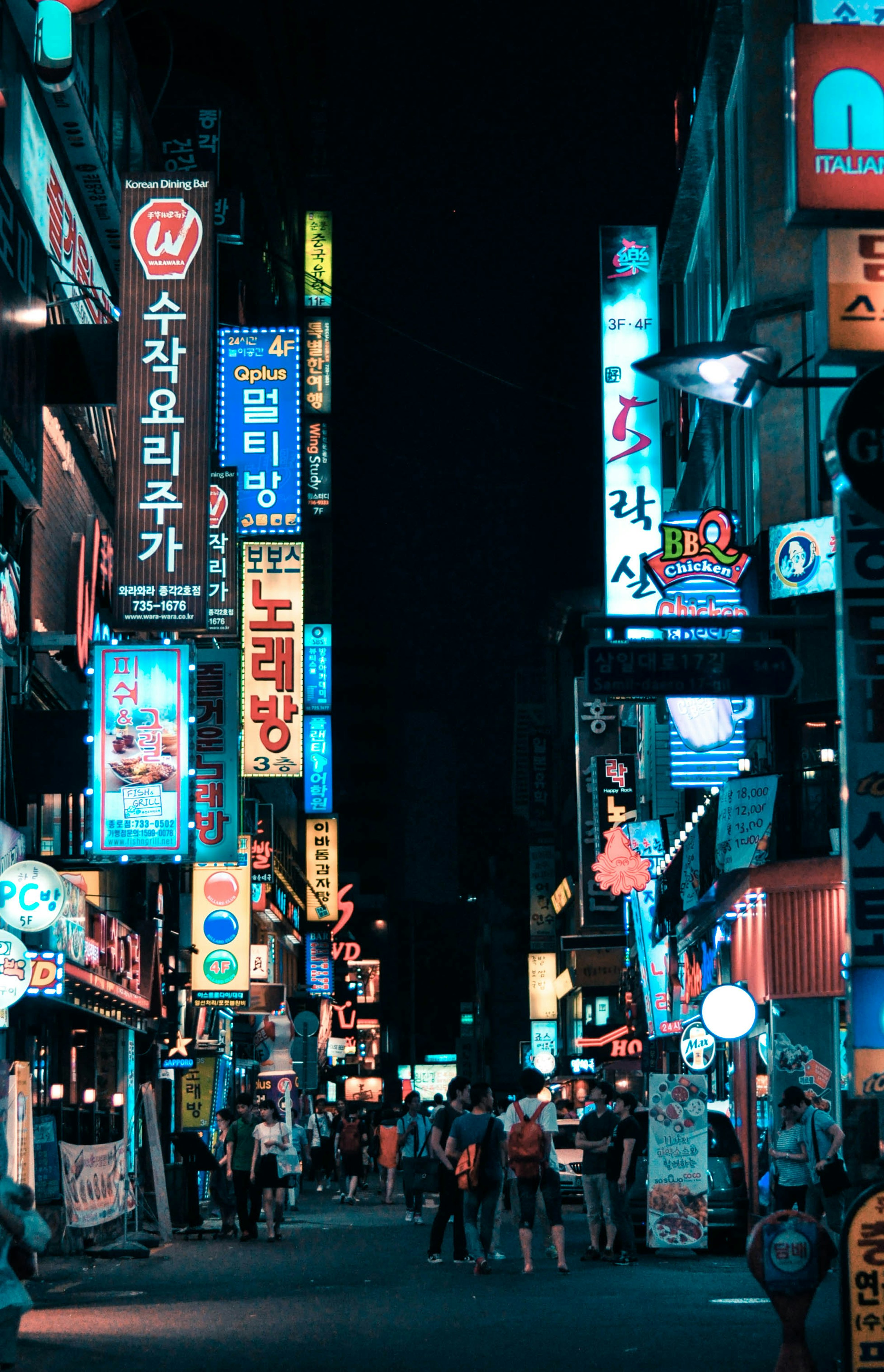
Apgujeong and Cheongdam
Galleria Department Store and the Cheongdam luxury corridor concentrate global brands with Korean service fluency. Apgujeong Rodeo Street remains the retail spine for travelers seeking concentrated access to global and Korean flagships.
Seongsu-dong and Hannam-dong
Seongsu-dong hosts Low Classic, Ader Error, and a generation of designers covered in our Seoul quiet luxury piece. Hannam-dong adds galleries, concept stores, and coffee that function as afternoon appointments.
Insadong and craft
Insadong sells craft and paper goods with tourist density that rewards early mornings. For higher-end contemporary craft and design objects, combine Insadong with Seongsu appointments rather than choosing one.
Department-store food halls
Hyundai Department Store and Shinsegae food halls in Gangnam and Jung-gu remain underrated luxury experiences: seasonal fruit, banchan, patisserie, and the picnic logic Koreans treat as normal rather than exceptional.
Experience
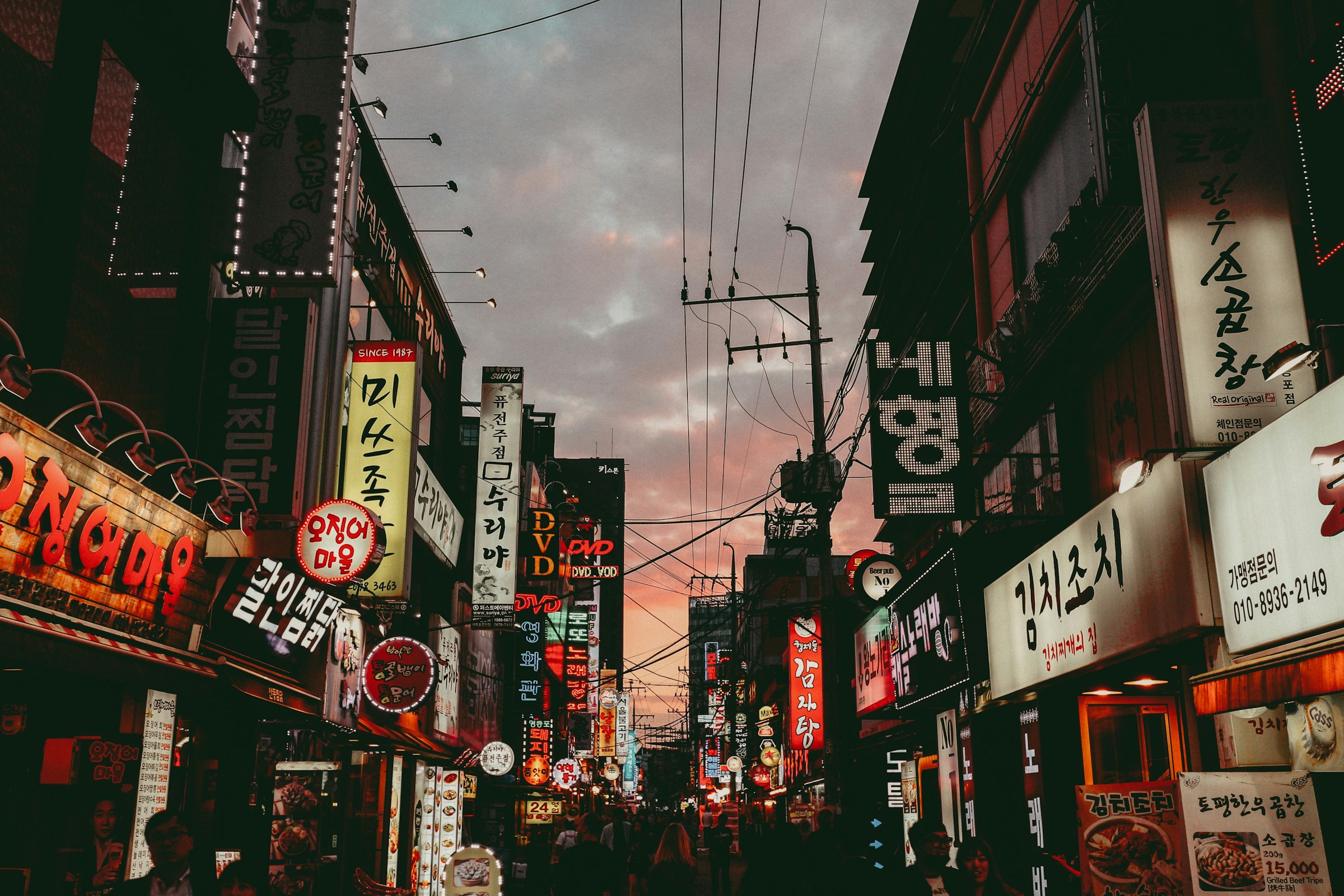
Gyeongbokgung and the palace district
Gyeongbokgung Palace anchors the historical city. Arrive early for changing-of-the-guard rhythm without tour-bus density. Walk north into Samcheong-dong cafes and galleries before the midday crush.
Bukchon hanok village
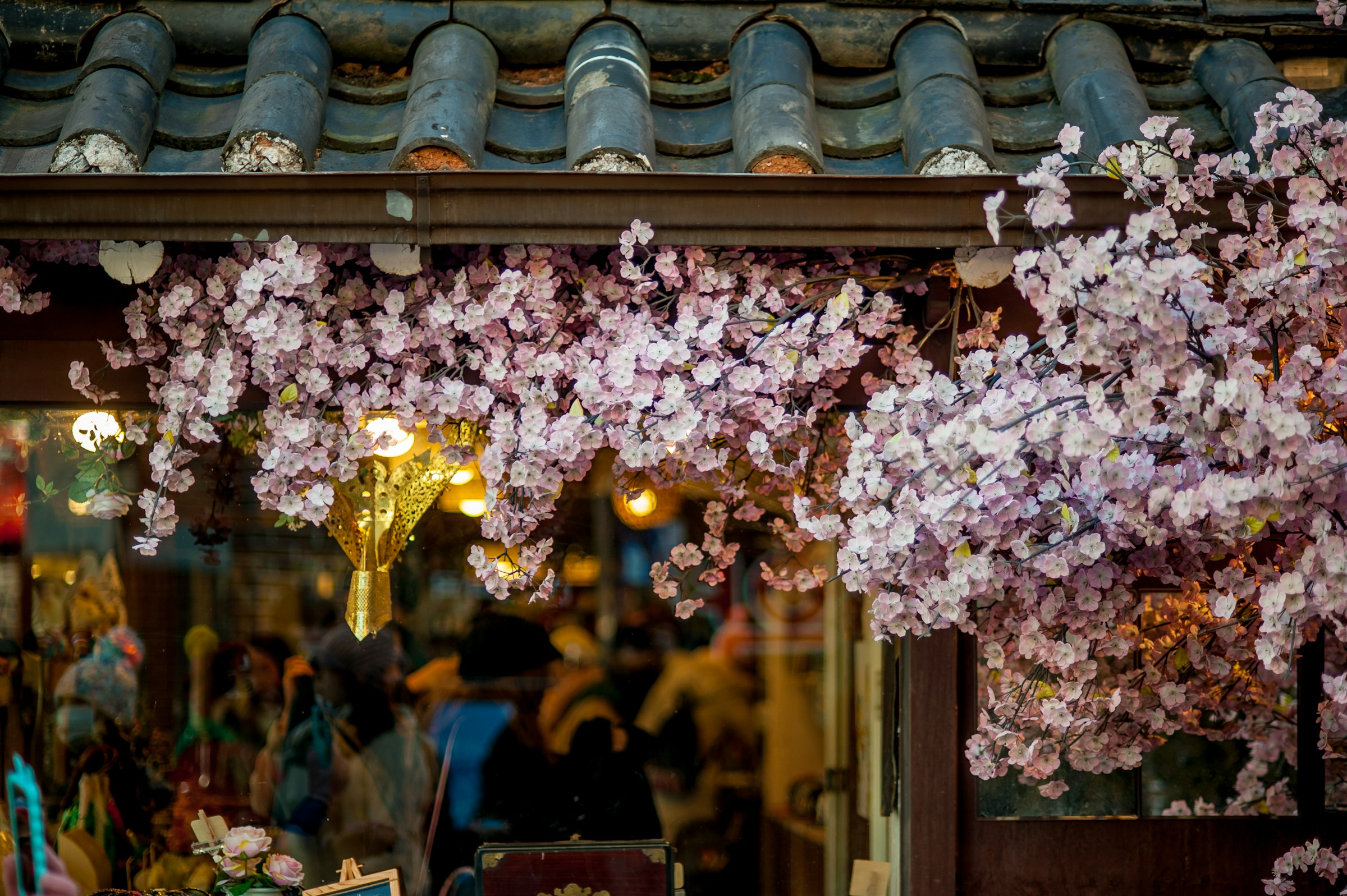
Bukchon Hanok Village requires restraint. Respect residential quiet, stay within posted visiting hours, and treat photography as privilege rather than entitlement. The reward is architectural intimacy no hotel lobby replicates.
Frieze Seoul and COEX
Frieze Seoul runs alongside Kiaf SEOUL at COEX in Gangnam each September. At the 2025 edition, roughly 64 percent of participating galleries were from Asia. See Why Frieze Seoul Owns September and The Collectors Buying Beyond the Auction Room for fair-week context.
Leeum and the National Museum of Korea
Leeum, Samsung Museum of Art in Itaewon and the National Museum of Korea in Yongsan anchor institutional depth. Pair Leeum with Hannam dining; pair the National Museum with Han River evening walks.
Namsan and the city at height
Namsan Seoul Tower still delivers orientation. Walk Namsan trails if weather allows; the cable car and Namsan Ormi inclined elevator provide an accessible alternative. The city makes more sense once you have seen its basin from above.
Practical Notes
Airport: Incheon International (ICN) to Gangnam via AREX express, roughly 43 minutes to Seoul Station; taxis and private transfers to Jamsil or Jongno vary by traffic.
Best season: April–May and September–October for weather and cultural calendar density.
Language: Luxury hotels and starred restaurants operate in English; neighborhood shops reward basic Korean phrases.
Reservations: Jungsik, Mingles, and Evett book through Catchtable and commonly require weeks of lead time. Hanok stays book early for autumn foliage windows.
Bukchon hours: Tourist visits to the Bukchon-ro 11-gil Red Zone are permitted 10 a.m.–5 p.m., Monday–Saturday and prohibited on Sunday; verify current city guidance before visiting.
What It Costs
Approximate bands from published 2025–2026 rates; exchange rates and seasons vary.
Luxury hotels: $400–$750/night standard entry (Four Seasons, Park Hyatt); Signiel suites higher
Hanok stays: $250–$600/night depending on property and season
Tasting menus: Mingles KRW 320,000 lunch / KRW 420,000 dinner; Jungsik KRW 230,000 / KRW 330,000 booking-channel formats; Evett KRW 190,000 lunch / KRW 330,000 dinner, before drinks and subject to confirmation
Frieze Seoul tickets: check current fair pricing and preview schedules
Taxis and transit: many travelers combine the subway with short taxi hops between districts
The Banquet Cost Index
Hotels: $$$$ (Signiel suites); $$$ (Four Seasons, Park Hyatt)
Dining: $$$$ (Jungsik, Mingles tasting with pairing)
Shopping: $$$–$$$$
Experiences: $–$$ (palaces, museums, Namsan)
The Banquet Picks
Best Hotel: Four Seasons Seoul for walkable Jongno; Signiel for altitude and orientation.
Best Restaurant: Mingles for Seoul's current three-star summit; Jungsik for the historical New Korean hinge.
Best Neighborhood Base: Samcheong-dong for hanok calm; Apgujeong for dining and retail.
Best Cultural Week: September if Frieze aligns; otherwise April for palace weather and Seongsu afternoons.
Final Thoughts
Seoul teaches velocity and rigor in the same afternoon. The luxury traveler who succeeds here plans starred dining with the same seriousness as Tokyo counters, but leaves room for market lunches, hanok silence, and the storefront that did not exist on the last visit.
Beauty export, gallery velocity, and hospitality that can be formal without feeling imported give Seoul its particular charge. Plan the fixed reservations, then leave enough room to notice what has changed.
For fair-week context, read Why Frieze Seoul Owns September. Continue with The Asian Grand Tour, The Banquet Guide to Hong Kong, and The Banquet Guide to Tokyo.