Mumbai already had serious coastal seafood, Irani café rhythm, and hotel dining that understood dynasty.
What it lacked, until 2023, was a tasting-menu room that could argue for modern Indian cuisine on the same terms as Tokyo kaiseki or Hong Kong Cantonese: technique without apology, regional memory without museum dust, spice treated as precision rather than volume. Indian Accent at the Nita Mukesh Ambani Cultural Centre in Bandra Kurla Complex supplies that argument. This is a room study: one dinner to learn the campus, the menu, and why the crossing from Colaba is worth the traffic.
"Indian Accent does not ask whether India belongs at the global fine-dining table. It assumes you already agreed, and came hungry."
The Room and the Campus
Indian Accent occupies the ground floor of NMACC at Jio World Centre, BKC, Mumbai 400098. The restaurant opened in August 2023, the Mumbai outpost of EHV International and restaurateur Rohit Khattar, who had declined earlier Mumbai addresses before accepting the cultural centre as anchor. The Delhi original launched in 2009 and moved to The Lodhi; a New York outpost followed in 2016. Mumbai is the third city in the portfolio, and the room behaves accordingly: confident, reservation-driven, built for tasting menus rather than à la carte comfort.
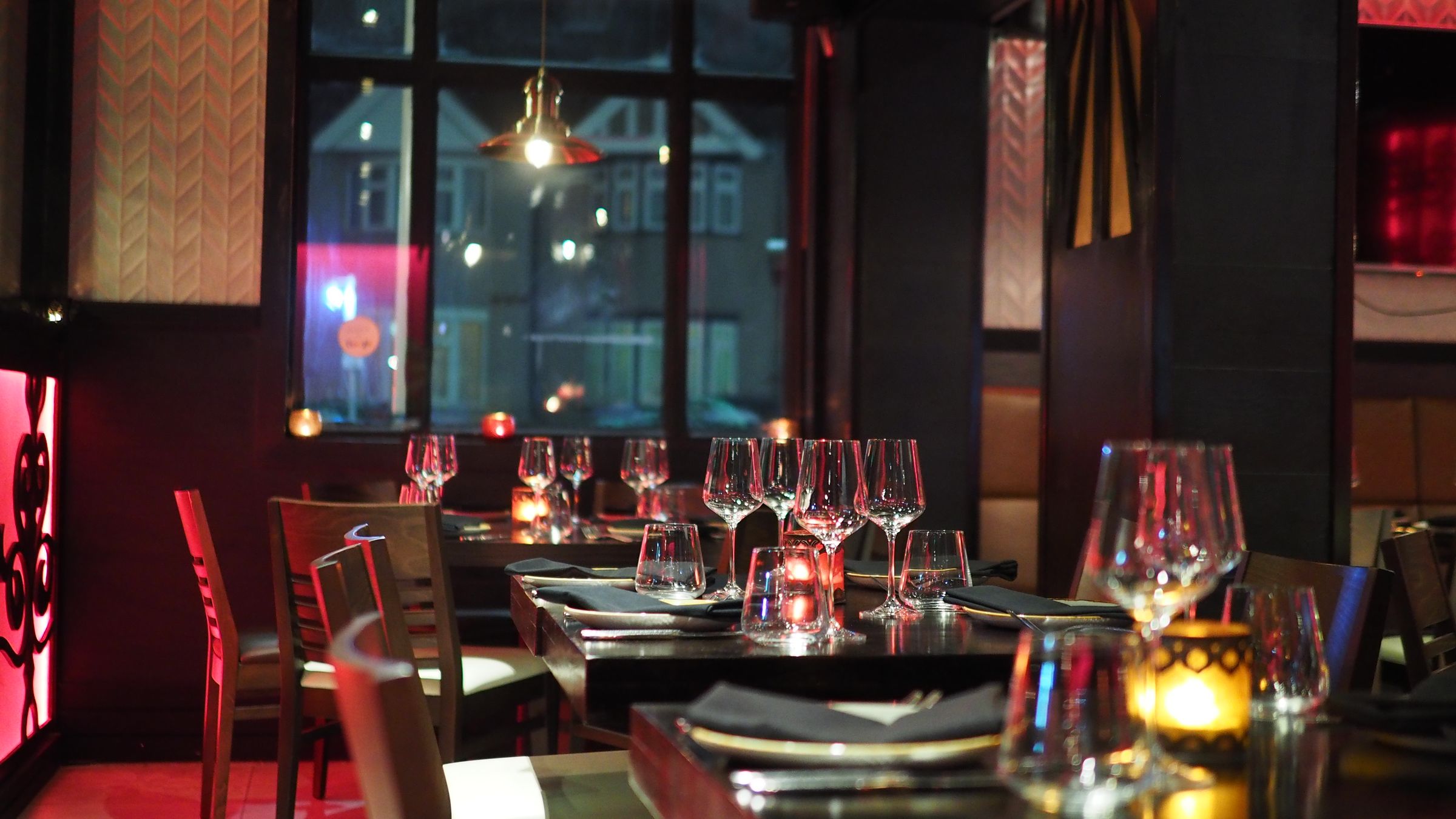
Press descriptions of the interior cite Art Deco cues: arches, mirrors, black-and-white cinema references that nod to Mumbai's Regal and Eros era without turning nostalgic. The dining room seats roughly 75 guests, with private rooms for larger parties. Many tables look toward the campus Fountain of Joy, which sounds ceremonial until you see it at dinner service and understand that NMACC treats spectacle as infrastructure.
You do not arrive by accident. Indian Accent is a destination within a destination. Plan the taxi from Colaba or Lower Parel with rush hour in mind. Confirm reservations on the restaurant site or by phone at +91 22 3525 1500; email requests at reservations.mum@indianaccent.com are not confirmed until the team replies.
Dress code runs smart casual to formal. Mumbai is less rigid than Singapore, but this room rewards the effort. Diaspora hosts bringing parents from Toronto or Dubai should dress as if the city is watching, because in BKC it often is.
Chef Mehrotra and the Mumbai Kitchen
Manish Mehrotra remains culinary director across the Indian Accent portfolio. Rijul Gulati, who spent eight years at the Delhi kitchen under Mehrotra's guidance, leads the Mumbai pass. Mehrotra has described the Mumbai menu as carrying signature dishes from the brand while adding more seafood and expanded vegetarian options suited to the city's produce and dining habits.
That balance matters for diaspora tables. You may have one guest who wants progressive technique, one elder who measures the meal against dal makhani memory, one vegetarian cousin who refuses side-dish status. Indian Accent addresses this through structured tasting menus rather than compromise à la carte.
The restaurant offers vegetarian and non-vegetarian chef's tasting menus, with vegan, gluten-free, and Jain menus available when requested in advance. Wine pairings and reserve pairings are listed on the current menu. Varun Sharma leads the bar programme; Kevin Rodrigues curates wines. Confirm dietary requirements and pairing options when booking, not at the table.
Mehrotra's reputation rests on progressive Indian cuisine: regional ingredients reinterpreted with global technique, nostalgia invoked through flavor rather than quotation. The Delhi room earned sustained international attention, including repeated placement on Asia's 50 Best Restaurants lists and TIME magazine's 100 Greatest Places in the World recognition in 2018. Mumbai inherits that standard without inheriting Delhi's room. Gulati's job is to make BKC feel native to the brand.
What to Expect at Dinner
Indian Accent operates on two dinner seatings. The first runs roughly 6:45 p.m. to 9:00 p.m.; the second from 9:45 p.m. to midnight, with last orders by 10:30 p.m. Lunch service runs 12:00 p.m. to 2:45 p.m., last orders 2:30 p.m., seven days a week. Dinner is the definitive service for hosts who want the full arc.
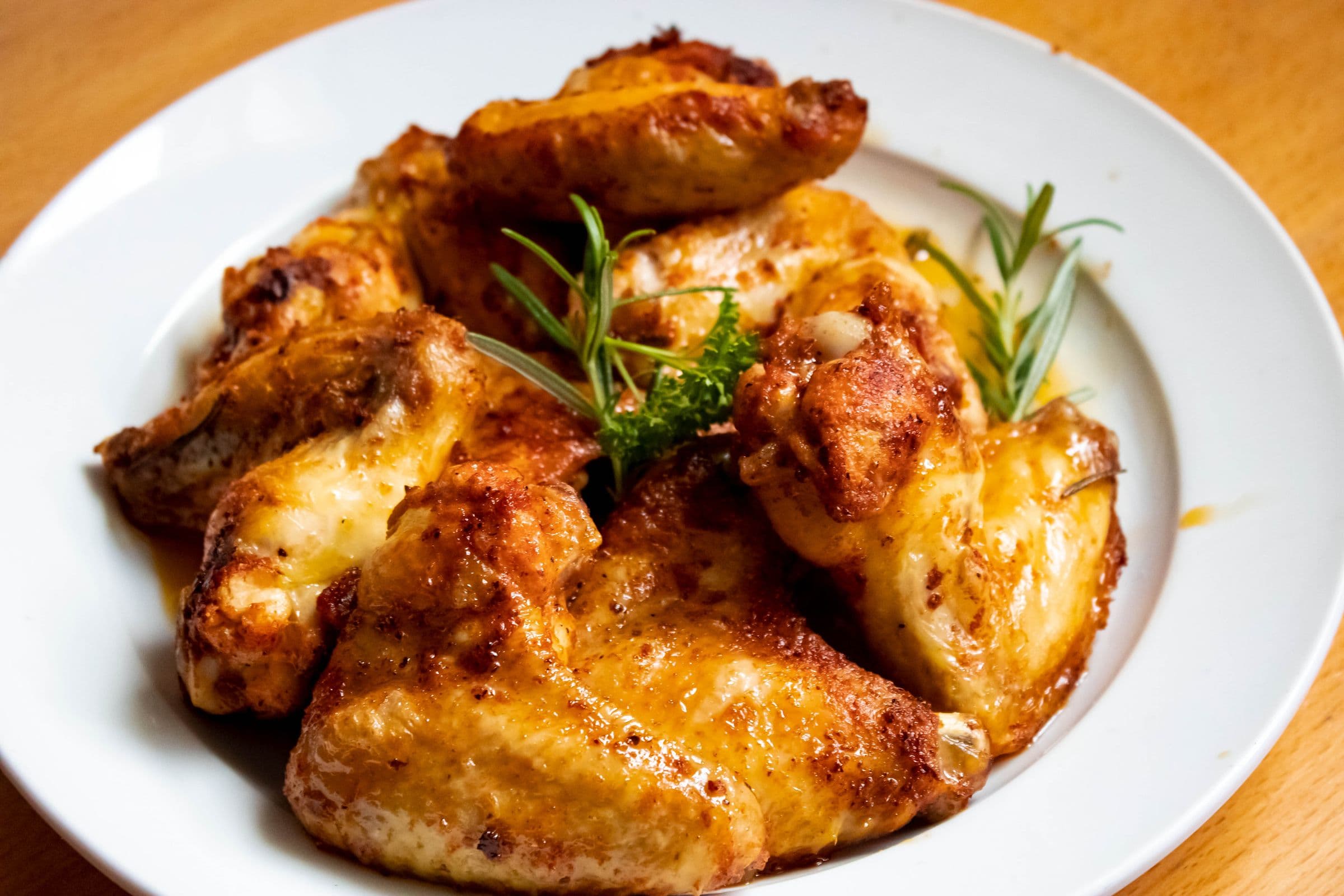
Expect six courses on the standard chef's tasting menu, paced across roughly two hours. Courses change with season and supply. Early Mumbai coverage noted dishes such as hundred-layered paneer with Kashmiri tomato gravy on vegetarian menus and seafood stews with gunpowder-fried prawns on non-vegetarian progressions, alongside the brand's repertory of reimagined classics. Do not arrive expecting a fixed greatest-hits list. Arrive expecting coherence: spice calibrated, acidity clean, richness deployed strategically.
Signature logic repeats across cities: familiar flavors made unfamiliar through portioning and technique, then made familiar again through taste memory. A meal that references kulcha, black dal, or raita does so with intent, not nostalgia alone. The kitchen assumes you can handle heat but does not perform it for sport.
If you host elders, request lunch instead of dinner. The room fills at midday on weekdays; book early. Lunch offers the same kitchen discipline with slightly less ceremony and easier return traffic to South Mumbai.
Pacing the Crossing
Indian Accent rewards planning as much as palate.
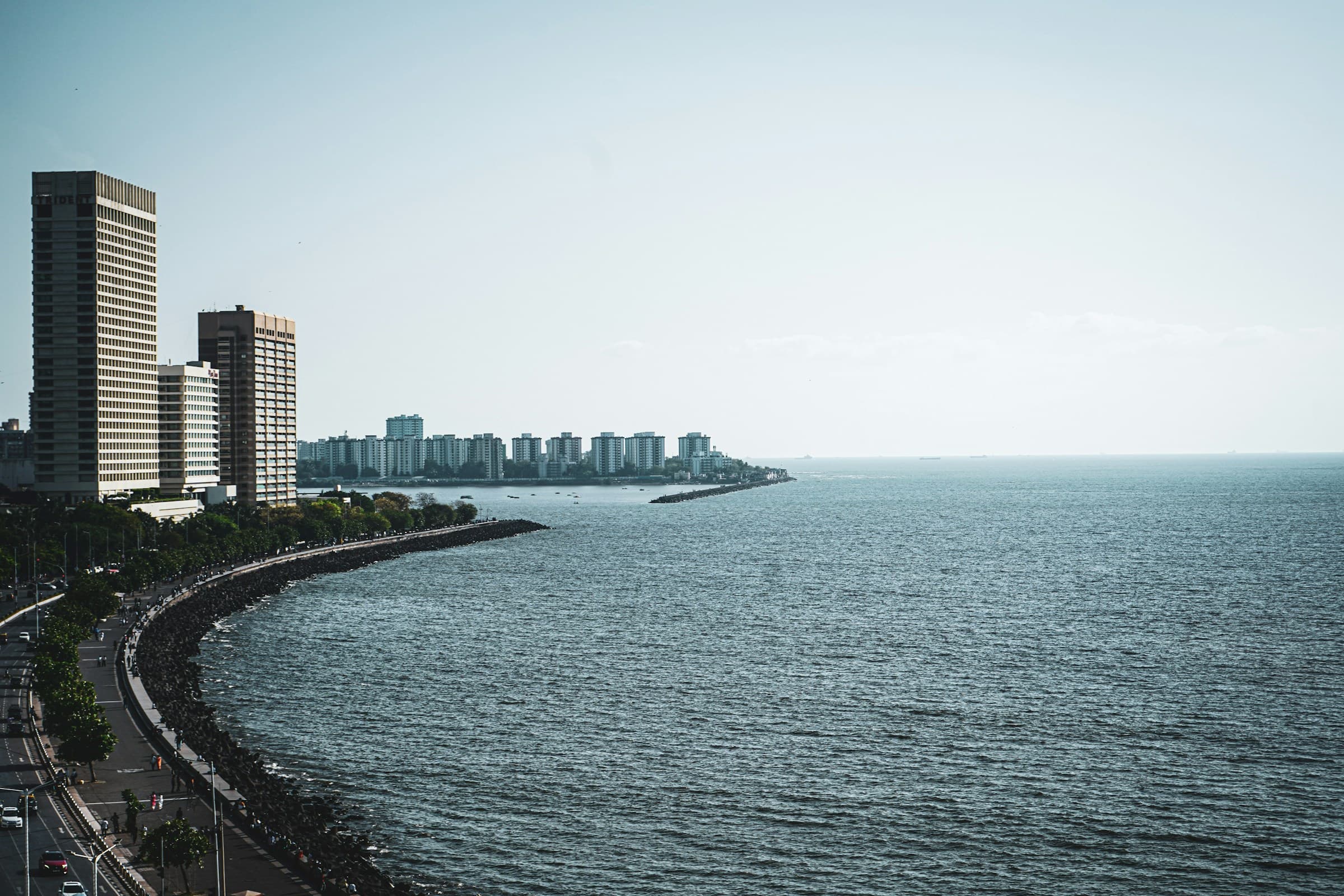
From Colaba, allow 45–90 minutes each way depending on traffic. Book dinner for 7:00 p.m. only if you accept a late return. The 7:00 p.m. first seating suits guests staying in BKC or Lower Parel; Colaba hosts may prefer the second seating after a full South Mumbai day, or lunch after a morning at the Gateway of India.
Pair the meal with the campus when time allows. NMACC justifies arrival before your reservation: galleries, performance spaces, and the broader argument that Mumbai collects and presents at institutional scale. You do not need to see everything. You need to understand why the restaurant sits here rather than in a hotel pod.
For contrast, breakfast at Kyani & Co. in Colaba the following morning restores democratic Mumbai. The juxtaposition is the point. Read Three Nights Facing the Gateway for that rhythm in a three-night frame, and The Banquet Guide to Mumbai for the wider city map.
Service and the Host's Role
Service at Indian Accent follows international fine-dining grammar: timed courses, wine refills without hovering, explanations concise enough to respect the table's conversation. Hosts should order tasting menus for the full party when possible. Splitting menus creates pacing chaos.
Manage dietary restrictions at booking. The kitchen can accommodate Jain and vegan requirements when warned early. Surprising the pass with restrictions at seating frustrates everyone.
Toasts should wait between courses, not compete with them. Indian Accent is not a banquet room in the Cantonese sense. It is a tasting-menu room that happens to speak Indian fluently. The host who tries to replicate wedding-table energy will fight the room's design.
Practical Notes
Address: Indian Accent, Ground Floor, Nita Mukesh Ambani Cultural Centre, Jio World Centre, Bandra Kurla Complex, Mumbai 400098.
Reservations: +91 22 3525 1500 (10:00 a.m. to 10:00 p.m.) or reservations.mum@indianaccent.com. Walk-ins are accepted when space allows; do not rely on them.
Menus: Confirm current tasting-menu pricing, wine pairings, and dietary options on indianaccent.com/mumbai before booking.
Transport: Prepaid taxi or hotel car recommended for first crossing; ride-hailing works but plan return timing.
The Verdict
Indian Accent Mumbai is not a discovery story. It is a brand arrival at the address the city has been expecting: a cultural campus in BKC, a kitchen led by chefs who already proved the model in Delhi and New York, and a dining room that treats modern Indian cuisine as export-grade craft.
One dinner teaches whether your party wants technique-forward Indian food in a room built for hosts, or whether you prefer the Taj's harbour calm and Kyani's democratic breakfast. For the Asian Grand Tour's Mumbai stop, this meal is the contemporary argument. Book early. Confirm dietary needs. Respect the crossing. Leave room for breakfast paradox the next morning.
Continue with The Banquet Guide to Mumbai, Three Nights Facing the Gateway, and The Asian Grand Tour.