

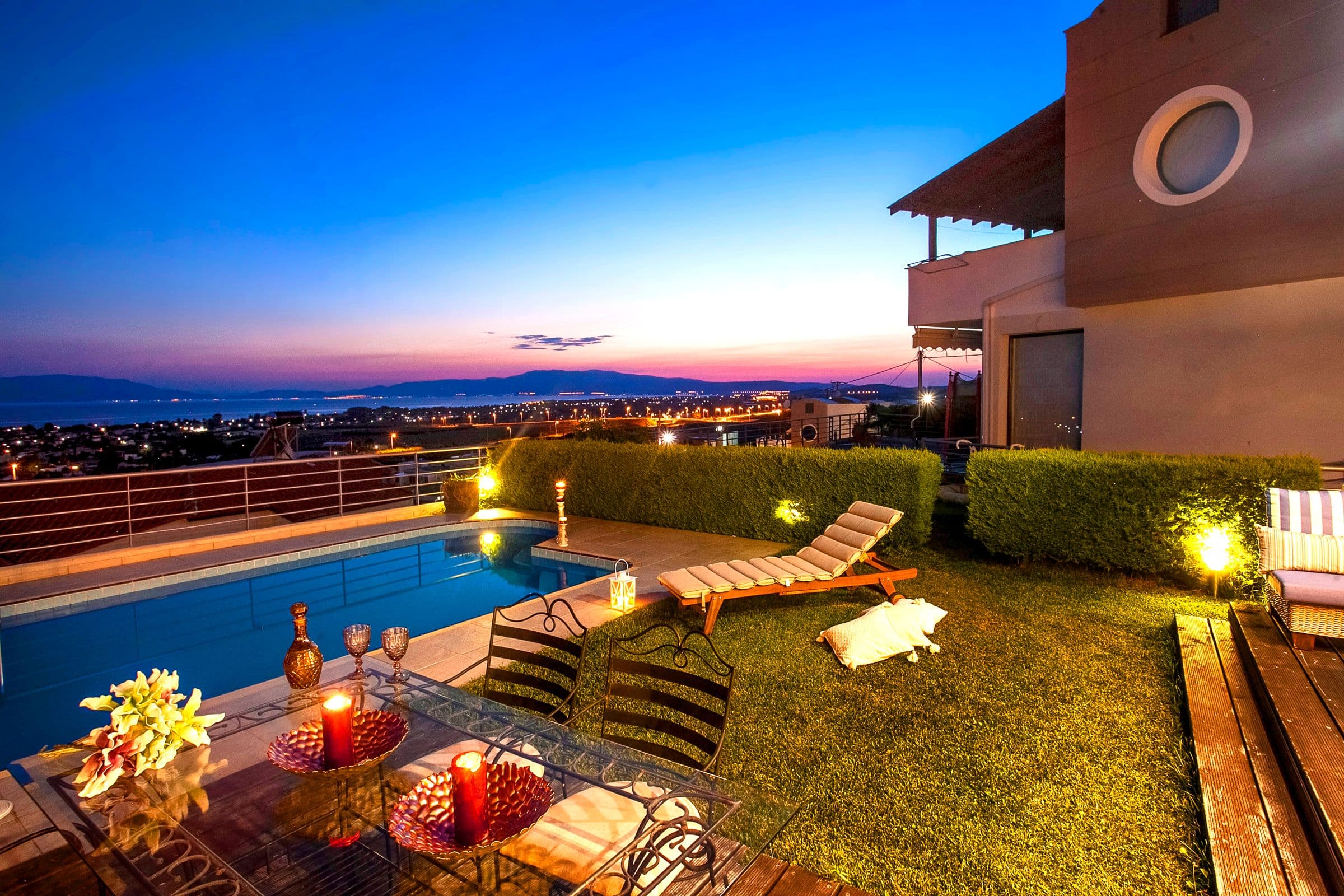
Kyoto has many beautiful meals.
It has few that still define the city's argument in a single service: season as doctrine, technique as restraint, hospitality as foresight rather than performance. Kikunoi Honten, at 459 Shimokawara-machi in Higashiyama, founded in 1912, remains that room for many travelers. Yoshihiro Murata, head chef since 1993 and third generation of his family to lead the flagship, treats kaiseki as cultural transmission, not museum reproduction.
The restaurant holds three Michelin stars in the Michelin Guide Kyoto and Osaka (confirm the current listing before booking). Lunch is the sensible entry point for diaspora guests who want the kitchen's seasonal logic without committing to the full evening arc. This is a room study: one midday service to learn pacing, produce, and why the Grand Tour begins in Kyoto.
"Kikunoi does not perform seasonality. It assumes you already respect it."
The Room and the Higashiyama Setting

The main restaurant occupies a traditional house scaled for formal kaiseki: tatami rooms, tokonoma alcoves, views onto garden rather than street. You remove shoes. You sit at low table or zabuton depending on room assignment. Service is quiet, timed to the kitchen's rhythm, not the guest's impatience.
Reservations are essential. The restaurant accepts bookings by phone at +81-75-561-0015 (Japanese-language calls remain the primary channel). International guests often use concierge platforms such as TABLEALL or My Concierge Japan for English confirmations. Booking windows commonly open roughly two months ahead; peak autumn foliage compresses availability sharply.
Lunch service runs 12:00 p.m. to 12:30 p.m. last order, per the restaurant's published hours. Dinner runs 5:00 p.m. to 7:30 p.m. last order. The restaurant closes on the first and third Tuesday of each month, with additional holiday closures; confirm on kikunoi.jp before planning.
Dress code is respectful without necktie rigidity: no strong fragrance, no shorts in formal rooms. Diaspora guests often over-dress from nerves. Locals wear understated quality. Match the latter.
Murata and the Standard
Murata was born into the Kikunoi family in 1951, trained at Kamome in Nagoya, opened Roan Kikunoi in 1976, and returned to lead Honten in 1993. He has been among the most visible advocates for washoku as cultural heritage, including work related to UNESCO recognition of traditional Japanese cuisine.
The kitchen's philosophy treats kaiseki as seasonal argument: ingredients at peak, preparation that reveals rather than transforms, pacing that allows conversation between courses. Innovation appears as refinement, not spectacle. A garnish is not a joke. A bowl is not a canvas for ego.
When diaspora travelers compare this lunch to omakase counters in Tokyo or Vancouver, the contrast is instructive. Kikunoi is not a ten-seat chef theater. It is a house that assumes you will stay long enough for seasonality to become legible.
What to Expect at Lunch
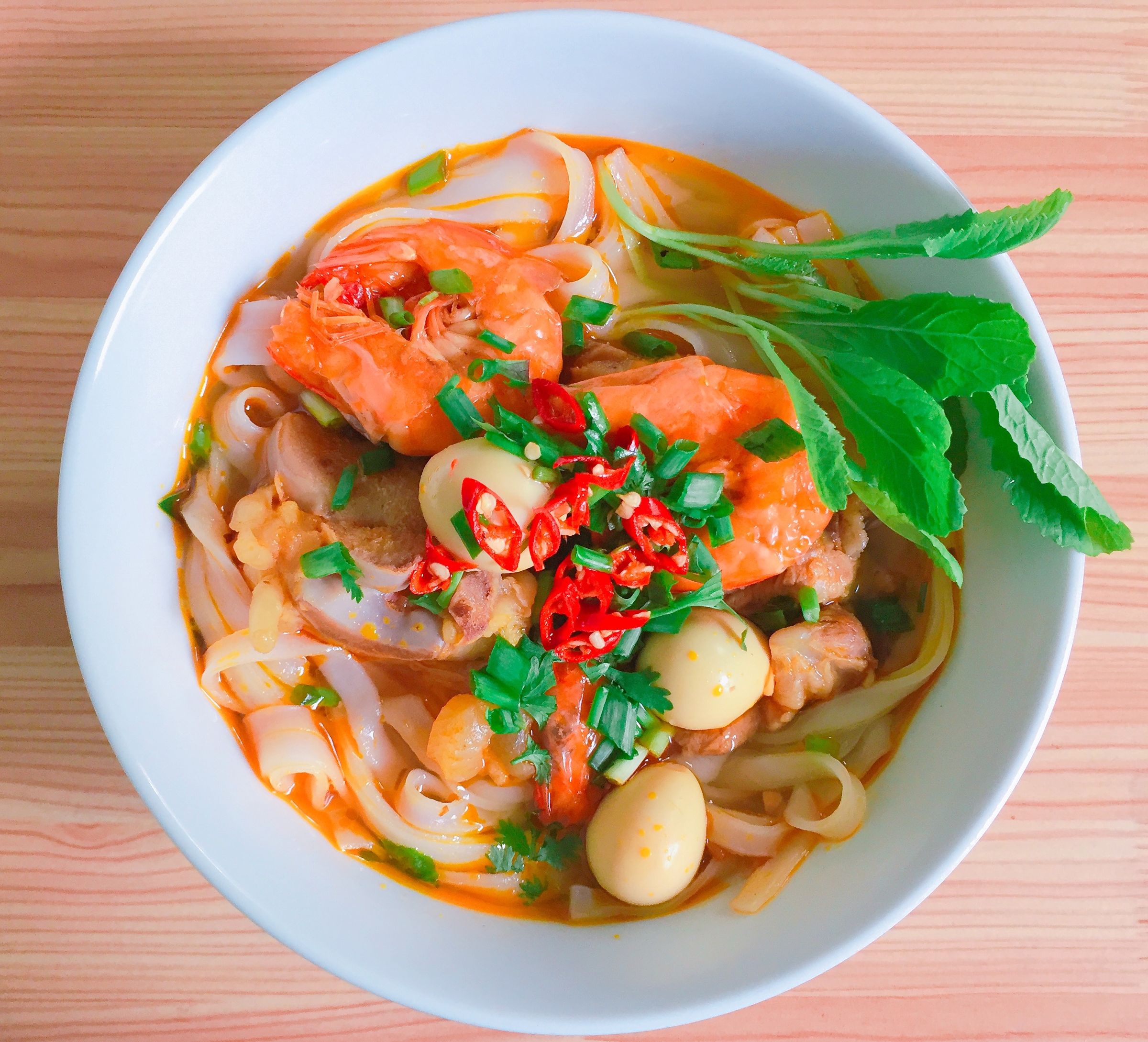
Lunch menus change with the calendar. Published price bands for Honten commonly start around ¥33,000 before tax and service for standard lunch courses, scaling upward for premium menus (confirm current pricing on the restaurant site or booking platform). Expect roughly two to two-and-a-half hours seated.
Courses progress through the kaiseki grammar: sakizuke, nimono, grilled or steamed fish, rice and miso, dessert. Each plate is small; the accumulation is the meal. Tea matters. Refusal to rush is part of the luxury.
If you are hosting elders who measure Kyoto against memory, lunch here is pilgrimage without the exhaustion of a ten-course evening. If you are solo, lunch is still worthwhile: the room reads intention in single guests as easily as in parties.
Do not photograph without permission. Do not treat the meal as content. The kitchen notices both.
Pacing the Day Around the Meal
Kikunoi rewards a morning walk. Kiyomizu-dera at dawn, Kennin-ji for dry garden silence, or textile browsing in Nishijin all supply context for a midday meal that interprets the same season you have been walking through.
Afternoon should be empty. Kaiseki lunch is not a prelude to shopping sprint. Return to your ryokan or hotel for rest. Park Hyatt Kyoto above Higashiyama, opened in 2019, pairs well if you want contemporary calm after formal tatami service. Read You Need a Week in Kyoto for neighbourhood pacing.
Evening can be democratic: Nishiki Market snacks or a simple soba shop. The contrast teaches Kyoto's range.
Practical Notes
Address: 459 Shimokawara-machi, Higashiyama-ku, Kyoto 605-0825, Japan.
Reservations: Phone +81-75-561-0015 or verified concierge platforms. Confirm cancellation policies before paying.
Dietary restrictions: Notify at booking. The kitchen accommodates some requirements when warned early.
Comparison: Kikunoi Roan and Akasaka Kikunoi offer other registers in the same family. Den in Tokyo supplies playfulness; Kikunoi supplies discipline.
The Verdict
Kikunoi Honten is not a hidden counter. It is the kaiseki reference against which other Kyoto meals are measured, fairly or not.
One lunch teaches seasonality as structure, Murata's cultural seriousness, and the hospitality grammar that makes restraint feel generous rather than austere. For the Grand Tour's opening stop, this meal is the palate calibration everything else will reference.
Book early. Walk Higashiyama before you sit. Confirm hours and Michelin listing before travel.
Read You Need a Week in Kyoto, The Banquet Guide to Tokyo, and The Asian Grand Tour.


