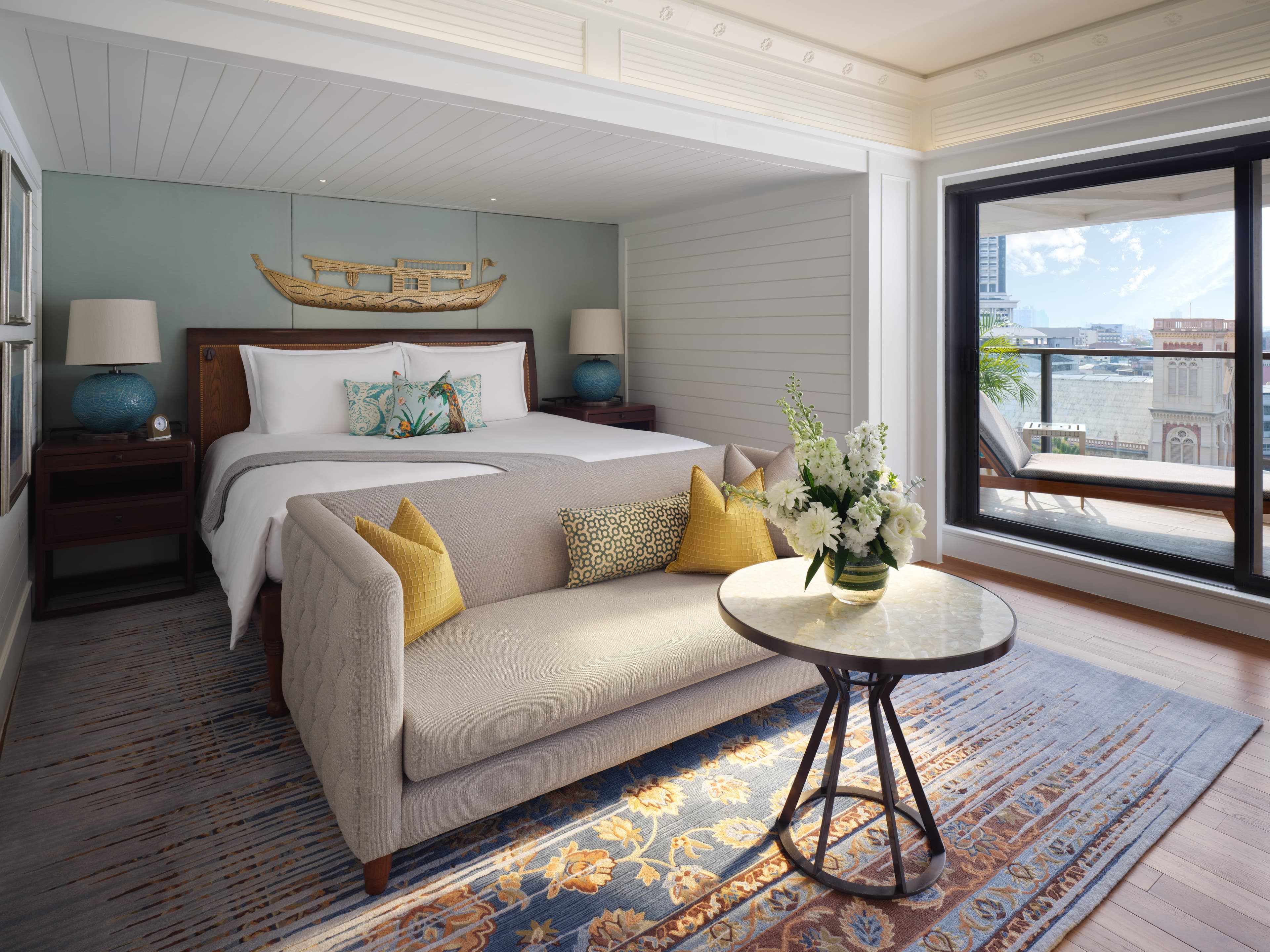
Bangkok has newer hotels, taller pools, and sharper design statements than Mandarin Oriental Bangkok at 48 Oriental Avenue on the Chao Phraya. It also has nothing that replaces this property's particular argument: that luxury in the tropics is not air-conditioning alone, but arrival by water, service that anticipates heat, and a building that remembers why writers once chose the river over the boulevard.
The hotel traces its origins to a riverside rest house in the nineteenth century; the Authors' Wing structure dates to 1876, and the compound has been rebuilt, expanded, and restored many times since. What persists is position. You sleep facing the river. You breakfast where Somerset Maugham and Noël Coward once took tea. You understand, without a brochure, why Bangkok's Grand Tour stop is sensuality rather than spectacle.
"After Tokyo discipline and Singapore efficiency, the Oriental reminds you that pleasure is physical before it is intellectual."
This is a room study, not a ranking. Three nights is enough to learn the property's rhythm without treating Bangkok as a hotel annex.
Arrival by River
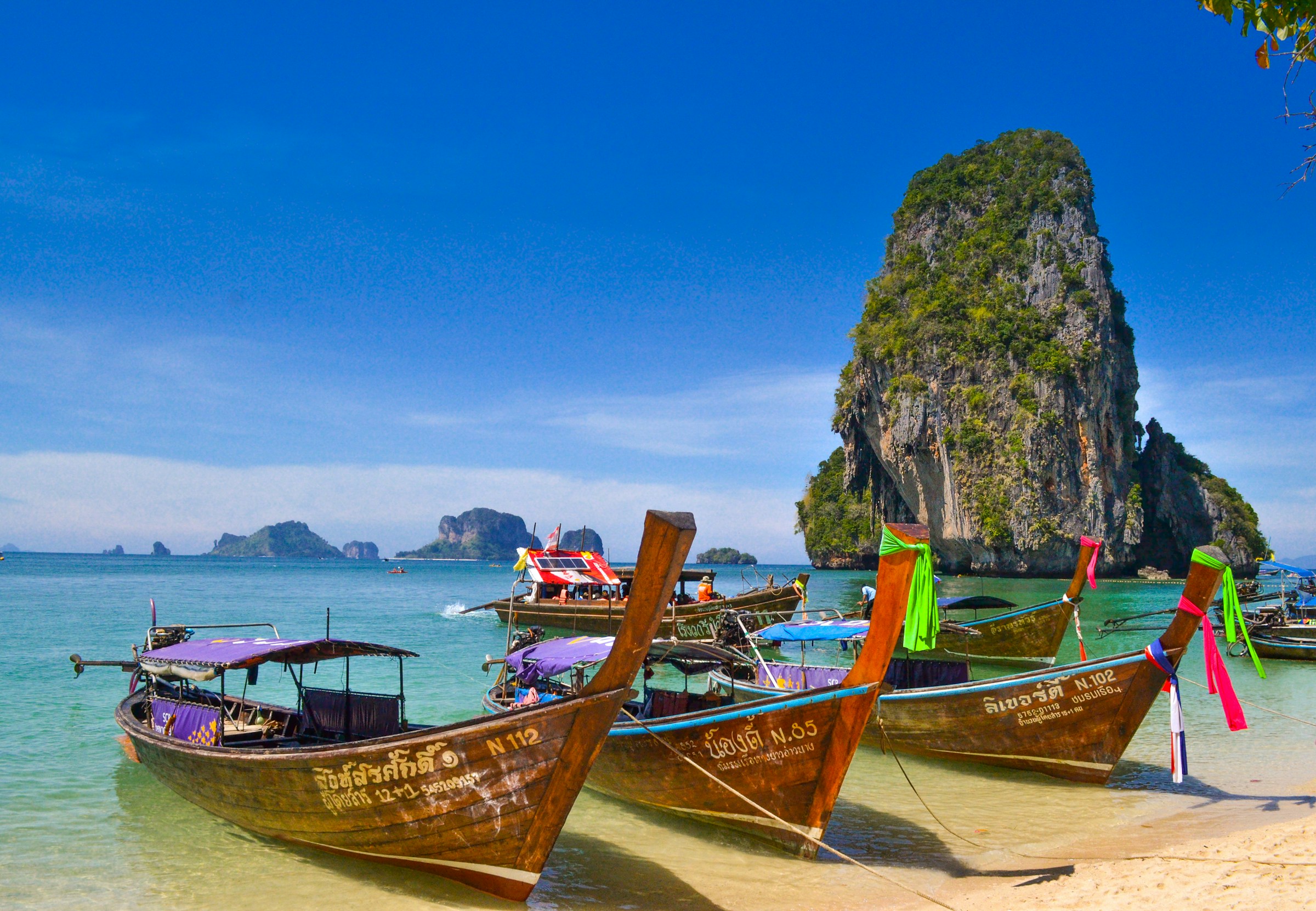
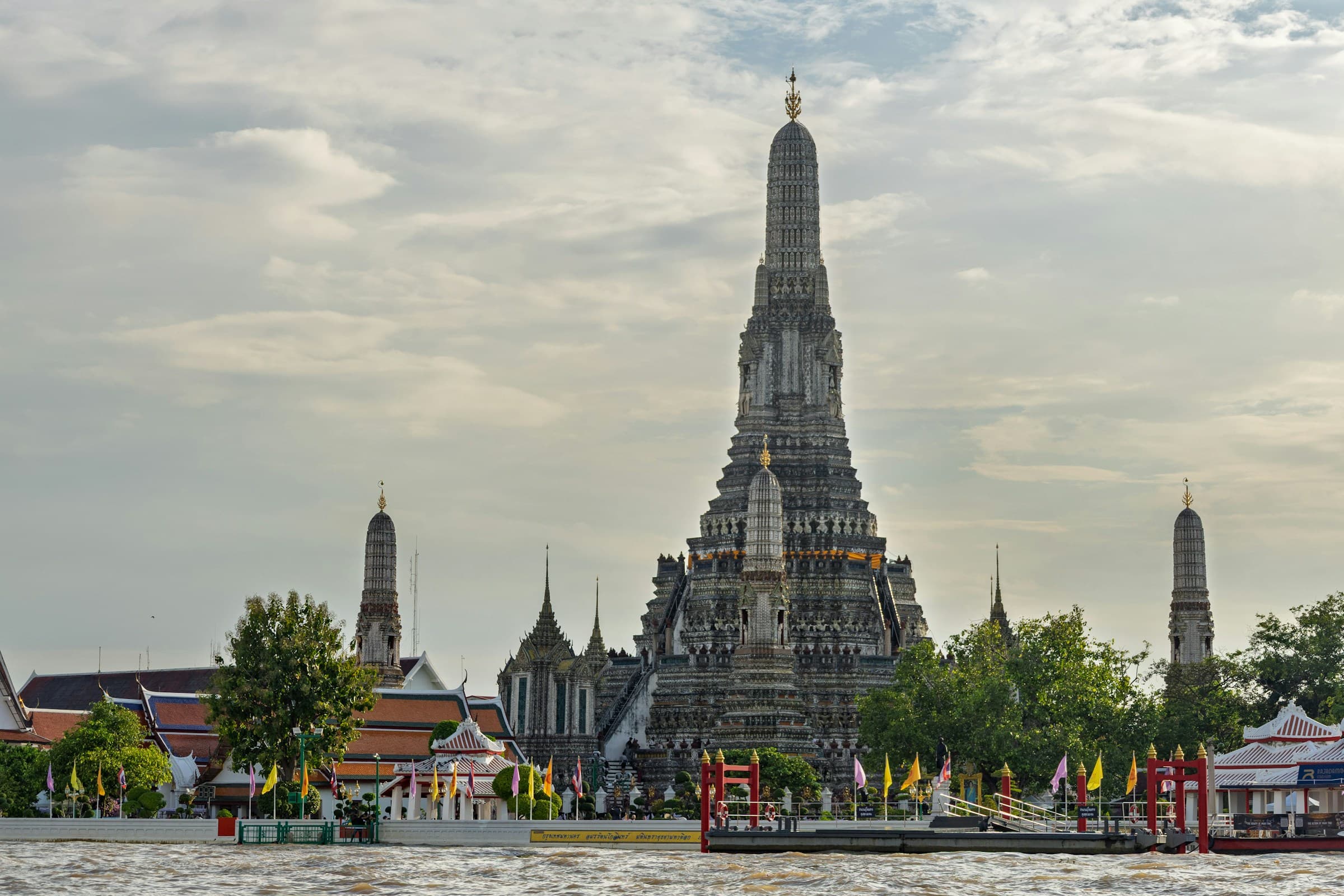
Most guests still arrive by car from Suvarnabhumi Airport, roughly forty-five minutes in light traffic. The correct arrival, if time allows, is by boat: the hotel's private pier, long-tail transfers at dusk, Wat Arun turning gold on the opposite bank while your bag disappears upstairs.
Check-in unfolds in the lobby between the Authors' Wing and River Wing. Staff know the property's choreography: river-facing room assignments, butler introductions for suite categories, spa appointments held if you landed midday in heat that makes diplomacy feel heroic.
Dress code applies in public rooms, especially The Authors' Lounge for afternoon tea: smart casual, closed shoes for gentlemen, no sportswear. Bangkok is humid. The hotel is not casual. Linen and cotton read correctly; athletic wear reads like you misunderstood the assignment.
Confirm current room categories and renovation schedules when booking. The River Wing completed a major restoration in 2019; wing and suite names change with refurbishment cycles.
The Authors' Wing and the River Room
The Authors' Wing is the hotel's memory: teak corridors, ceiling fans, the literary suites named for Conrad, Maugham, Coward, and Michener. Even if you do not book a named suite, staying river-facing in this wing teaches a different Bangkok from the glass towers of Sathorn or Silom.
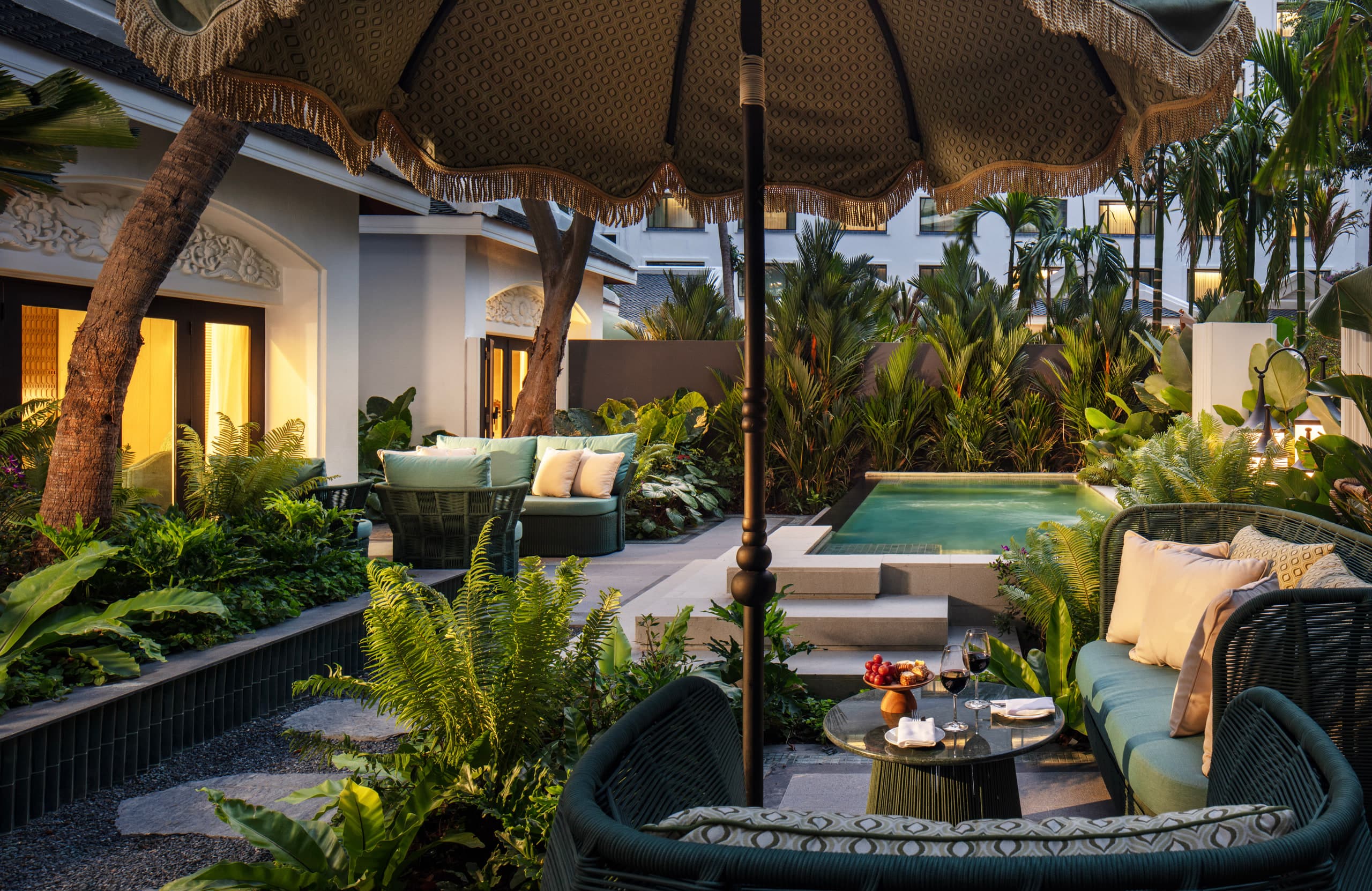
River-facing rooms and suites share a logic: wide windows, balconies where permitted, bathrooms scaled for slow mornings. Butler service on upper categories is not performance. It is logistics in heat: unpacking, pressing, restaurant reservations, boat timing for dinner downstream.
The Authors' Lounge on the ground floor serves afternoon tea daily, roughly 12:00 p.m. to 6:00 p.m. with the lounge open wider. Finger sandwiches, scones, wicker chairs, photographs of writers who treated the Oriental as a second study: this is the hotel's soft power, unchanged in intention if updated in pastry.
For diaspora travelers, the lounge can feel uncannily familiar: English service, Cantonese and Thai spoken by staff, families celebrating birthdays beside solo travelers reading in silence. The room belongs to Bangkok's international past without freezing it in colonial cosplay. Service is warm, precise, and unhurried.
Dining in the Compound
You can leave the hotel for Bangkok's best street food and should. But the compound restaurants exist for nights when heat, traffic, or hosting demands a room that already understands your name.
Le Normandie, the hotel's French fine-dining room with river views, remains the formal counterpoint to Thai spice: white tablecloths, wine service, jackets expected at dinner. Sala Rim Naam offers Thai cuisine with cultural performances on selected evenings, useful for visitors who want tradition without leaving the pier. The China House, led by chef Fei Ye in recent years, handles Cantonese refinement for families who want a shared table rather than a tasting menu.
Breakfast at The Verandah or Riverside Terrace is the daily lesson: river breeze, tropical fruit, coffee before the city clogs. Order slowly. Watch long-tail boats negotiate wake. Plan nothing before 10 a.m. if you can help it.
Check menus and hours directly. Restaurant leadership and guide listings change seasonally.
The Oriental Spa
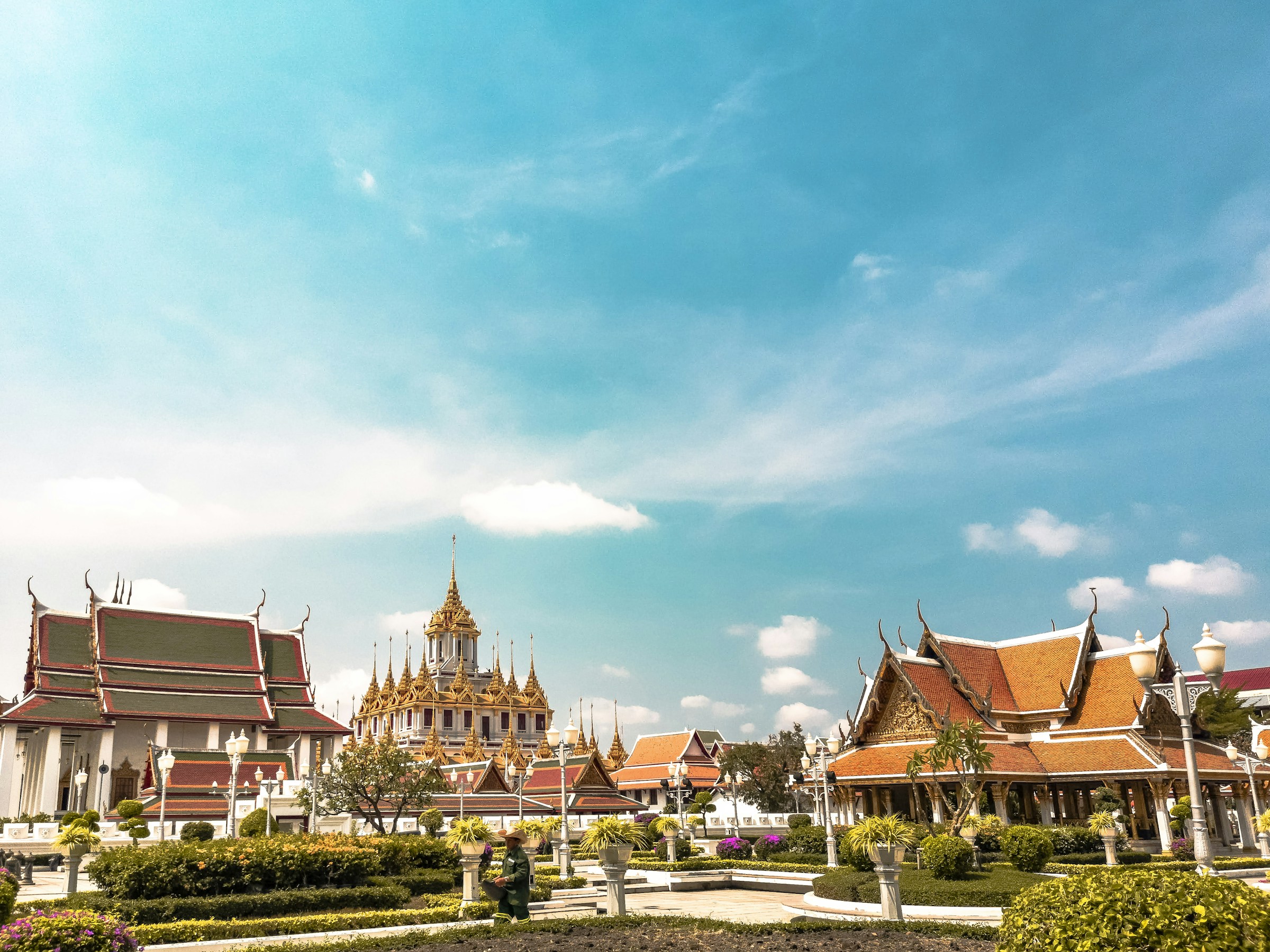
The Oriental Spa, in a restored teak house within the grounds, is why three nights beats one. Thai massage here is not an add-on between meetings. It is the city's argument that the body should be tended daily: herbal compress, firm pressure, the unapologetic hour offline.
Book on arrival. Morning slots before temple visits, or late afternoon before Le Normandie, frame the day correctly. Diaspora travelers often treat the spa as reset after North Asian itineraries that reward discipline over ease. Allow the contradiction. Bangkok is where the Grand Tour loosens its collar.
A Three-Night Frame
Night one: Arrive, river-facing check-in, light dinner at the hotel or short boat to Talat Noi if energy remains. Spa foot treatment before sleep.
Night two: Morning at Wat Pho or Wat Arun before crowds; return for Authors' Lounge tea or Verandah lunch. Evening French or Cantonese dinner in-house if hosting; otherwise boat to Chinatown for supper on Yaowarat.
Night three: Jim Thompson House in Sathorn for silk and mid-century taste, Or Tor Kor Market for fruit, final river afternoon with no itinerary. Depart having learned heat, not despite it.
This frame assumes you are not attempting Bangkok traffic at rush hour for sport. Use boats where possible. Use the hotel pier as hub.
How It Compares
Capella Bangkok and Four Seasons Chao Phraya offer contemporary luxury with strong design and dining. The Siam delivers boutique river personality. Neighborhood hotels in Silom put you closer to street-level Bangkok at lower scale.
Mandarin Oriental Bangkok occupies a different category: institutional memory, river position, service depth accumulated across decades. It is not the sharpest design statement in the city. It is the reference for how Bangkok receives a guest who wants history, ease, and a room that faces water.
On the Asian Grand Tour, Bangkok follows Singapore's competence with sensuality. This hotel is where that lesson becomes physical.
Practical Notes
Address: Mandarin Oriental Bangkok, 48 Oriental Avenue, Bang Rak, Bangkok 10500, Thailand.
Reservations: Book via mandarinoriental.com or call +66 2 659 9000. Request river-facing category and wing preference in writing.
Dress: Smart casual in lounges; formal standards apply at Le Normandie dinner.
Transport: Hotel pier for river transfers; BTS Saphan Taksin across the river, then short taxi or boat.
Rates: Published room rates vary by wing, season, and suite category. Confirm total price including tax and service before committing.
After checkout: Jim Thompson House, Bangkok Art and Culture Centre, or a final market run for silk and spice if luggage allows.
The Verdict
Mandarin Oriental Bangkok is not a discovery. It is the river address against which other Bangkok hotels are measured, fairly or not.
Three nights teach arrival by water, tea as ritual, spa as schedule, and the permission to move more slowly than the city prefers. For travelers finishing a disciplined North Asian route, that permission is the point.
Book river-facing. Take the boat when you can. Eat street food one night and trust the compound the next. Refill your glass, close the balcony doors against noon heat, and let Bangkok do what it has done since 1876: receive you as if time were a guest too.
Confirm room category, restaurant hours, and spa availability directly before travel.