


In late July 2025, Taipei Dangdai posted the kind of sentence the fair calendar has learned to dread: there would be no 2026 edition while organizers conducted a “strategic re-evaluation” of the fair’s model, timing, scale, and format.
By spring 2026 the fair’s public website no longer resolved, and the enquiry address bounced. Material about earlier editions had already been scrubbed. What began as a pause started to look like a vacancy on the Asia circuit.
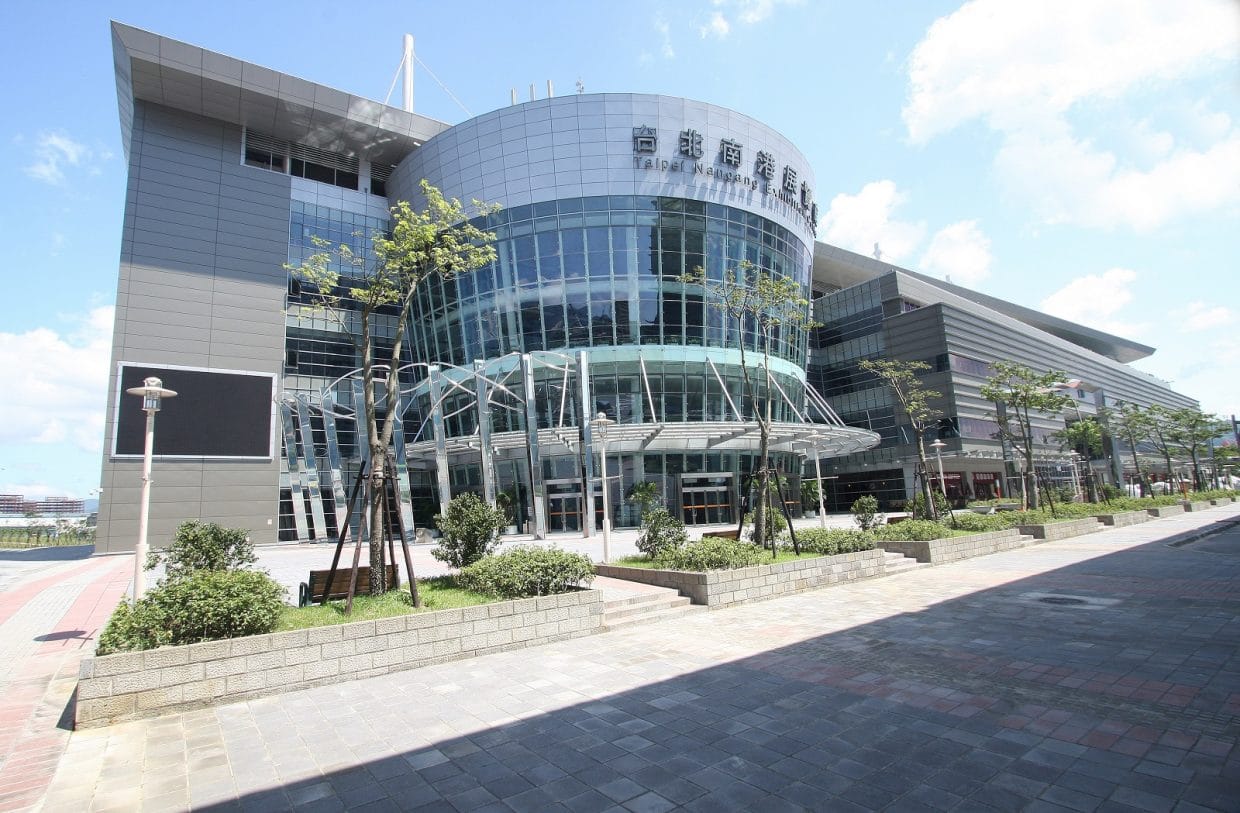
That vacancy matters beyond Taipei. Taiwan remains one of the region’s serious collector markets. Dangdai, launched in 2019 under Magnus Renfrew’s Art Assembly network with UBS as presenting partner, was the international contemporary fair that tried to give that market its own May appointment at Taipei Nangang Exhibition Center. When a fair with that pedigree steps aside after six editions, the useful question is what the cancellation says about how global art is being bought, shipped, and scheduled in 2026.
“I think regional should not be a dirty word. It’s a big region. Asia is home to half the world's population.”
Magnus Renfrew, co-founder of Taipei Dangdai, speaking to The Art Newspaper during the 2023 edition
The Notice That Cleared a May Slot
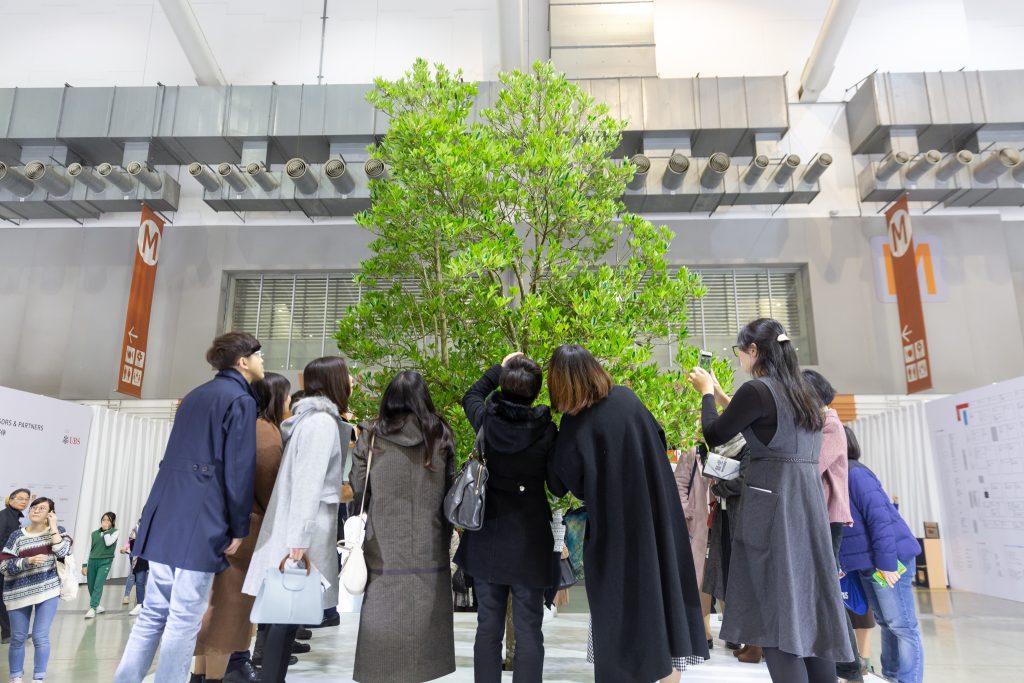
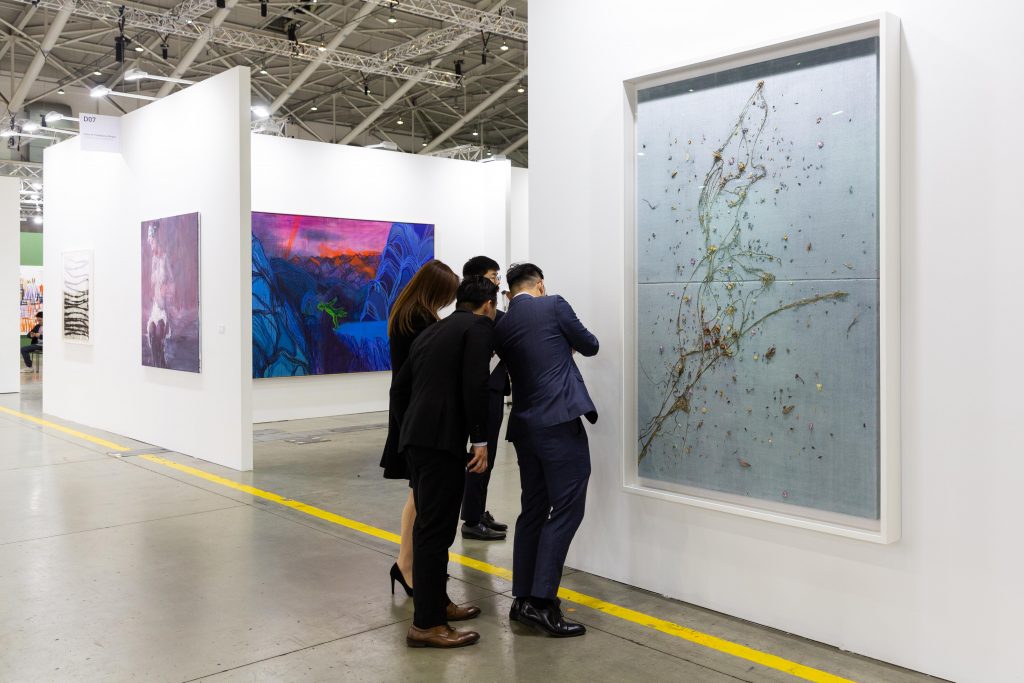
The sixth edition ran in May 2025. Coverage put participating galleries at about fifty-four, down from more than ninety in the fair’s early seasons and from seventy-eight the year before. Mega-gallery names that had helped launch the project were absent. Co-director Robin Peckham, present since the beginning, left after that edition.
Artnet and ARTnews both reported the July pause within days of the Art Dealers Association of America announcing its own “strategic pause” for The Art Show at the Park Avenue Armory. The language was corporate in both cases. The timing was not subtle. Regional and membership fairs were testing whether another expensive edition was still the right product.
Angus Montgomery Arts, a principal shareholder in the Art Assembly trio of Taipei Dangdai, ART SG, and Tokyo Gendai, told ARTnews that each fair is an independent business. Sibling editions have continued: ART SG opened its fourth edition at Sands Expo and Convention Centre in January 2026 with more than one hundred galleries; Tokyo Gendai returns to PACIFICO Yokohama on 11 to 13 September 2026 (VIP preview 10 September) with sixty-three exhibitors announced. The pause, in other words, was selective. Taipei was the Assembly fair that could no longer justify another cycle in its previous form.
A Contraction You Can Count
The numbers behind the pause are not mysterious. The Art Basel and UBS Global Art Market Report, authored by Clare McAndrew of Arts Economics, put 2024 global sales at an estimated USD 57.5 billion, down 12 percent year on year. That was the second consecutive decline after the post-pandemic peak. China, including Mainland and Hong Kong in the report’s framing, fell about 31 percent to USD 8.4 billion, its lowest level since 2009. Auction sales of works above USD 10 million dropped about 39 percent. Transaction counts still rose a little, which is the paradox dealers keep repeating: more activity at accessible prices, thinner oxygen at the top.
McAndrew told The Art Newspaper it had been “a very challenging year overall.” Dealers did not need the quote. Fair booths, packing, shipping, and hotels had already become a third of many galleries’ annual spend, even as fair sales remained a large share of turnover. In the 2025 market update, aggregate sales edged up about 4 percent to roughly USD 59.6 billion, yet average dealer operating costs still rose about 5 percent. A mild rebound does not restore the mid-2010s habit of saying yes to every regional invitation.
That is the industrial story under the soft language of re-evaluation. Galleries are rationing travel. Collectors are rationing weeks. Fairs without a deep enough domestic buyer base, or without enough returning international inventory, fall off the list first.
Strategic Pauses, Same Season
Taipei Dangdai was not alone in learning the new vocabulary.
The ADAA cancelled its 2025 Art Show, then announced a rebuilt ADAA Fair for 12 to 16 November 2026 at the Armory. Photofairs cancelled a New York return citing market conditions, then scrapped a planned 2025 Hong Kong debut for “logistical constraints,” even as Creo’s partnership with AMA kept the photography brand in the same corporate neighbourhood as Art Central and the Assembly fairs. India Art Fair called off its planned Mumbai contemporary edition for November 2025 rather than stack another format against an already contested local calendar. In Vienna, Spark Art Fair took a 2026 hiatus after viennacontemporary also left the year’s map.
Summer 2025 also brought high-profile gallery restructurings in the United States, including the sunsetting of Blum and the closure of Venus Over Manhattan. Each case has its own motives. Taken together with the fair pauses, they sketch a trade that is pruning overhead faster than it is inventing new weeks.
Read Why Art Basel Hong Kong Owns March and Why Frieze Seoul Owns September as the other half of the same diagram. Flagship city weeks still concentrate people, museums, and dinners. The mid-calendar experiments are the ones under review.
What Still Holds in Taipei
Taiwan’s art year did not empty when Dangdai stepped back. ART TAIPEI, organised by the Taiwan Art Gallery Association, remains on the books for 30 October to 2 November 2026 at Taipei World Trade Center Exhibition Hall 1 in Xinyi, with VIP windows beginning 29 October. It is an older, association-led fair with a different centre of gravity: more local gallery density, an autumn rather than May slot, and a city programme now braided into Taipei Art Week. For Banquet dates and access notes, keep ART TAIPEI on the calendar.
That contrast is the practical lesson. When an international franchise pauses, the durable local platform often absorbs the collectors who were always going to buy at home. Diaspora travelers who used May in Nangang as a reason to fly can shift to late October in Xinyi, or keep Taiwan as a museum and dining trip anchored at the National Palace Museum and Dunhua hotels such as Mandarin Oriental, Taipei and Capella Taipei. For the wider city map, read The Banquet Guide to Taipei.
Renfrew’s older claim that the Taiwan market was “regional on purpose” reads differently after a cancellation. Regionality works when galleries can afford the booth and when collectors show up with intent. It fails when the same collectors are already booked for Hong Kong in March and Seoul in September, and when mainland buying power is thinner than the 2019 launch assumed.
How to Read the Circuit in 2026
Treat “strategic pause” as a market signal until a concrete return date and exhibitor list appear. Do not assume Dangdai’s May slot will automatically reopen in 2027; as of late July 2026, no verified restart has been published.
Plan the Asia year around density rather than completeness. Art Basel Hong Kong and Frieze Seoul still function as diaspora appointments because institutions, satellite programmes, and dinners stack in the same postcodes. ART SG and Tokyo Gendai remain live Assembly addresses for Singapore and Yokohama. Taipei’s autumn association fair is the island’s confirmed commercial week.
Collectors who care about Taiwanese artists and Asian ink or painting inventories should keep buying through galleries and private visits whether or not a May fair returns. The collectors who shape public rooms after the booth closes are still the longer story; The Collectors Shaping Contemporary Asian Art is the better diary for that horizon.
We'll be blunt. The 2010s built too many fair weeks for the same finite set of dealers and the same tired long-haul collector routes. 2024’s sales drop and 2025’s cost squeeze made the overbuild visible. Taipei Dangdai’s cancellation is one of the clearest Asian sentences in that paragraph: a serious market, a credible founding team, a UBS logo on the wall, and still not enough returning international inventory to keep the machine running in its previous shape.
Global art in 2026 is concentrating into the weeks where a city can still fill hotels, museums, and dinner tables without asking every mid-size gallery to fly another crate for the privilege of looking busy.


