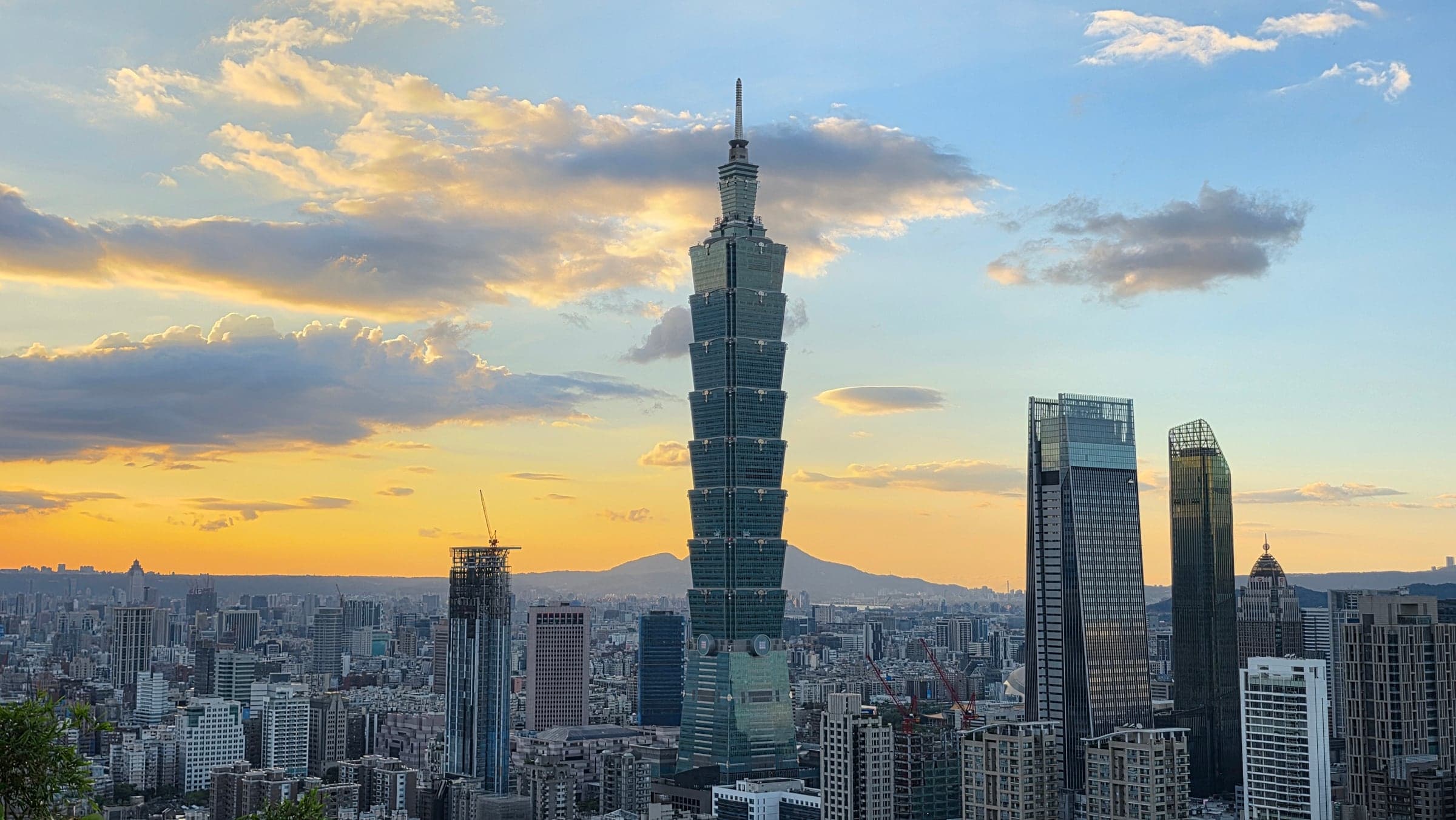
Taipei fits a Grand Tour week without asking you to choose between ceremony and appetite.
The city is compact enough that a morning at the National Palace Museum, lunch dim sum at Ya Ge, a Dunhua spa hour, and a night-market second dinner can share one MRT card. Le Palais and Taïrroir both held three Michelin stars in the MICHELIN Guide Taiwan 2026, announced 21 July 2026. Street stalls still feed families after ten. Plan for both registers in the same week.
“The ninth edition of the MICHELIN Guide Taiwan reflects a culinary destination that continues to evolve with confidence and authenticity. Our Inspectors have been inspired not only by the remarkable diversity of cuisines and talent across the island, but also by the growing number of restaurants that invite guests to discover Taiwan beyond its cities, where local culture and breathtaking landscapes come together to create truly memorable dining experiences.”
Gwendal Poullennec, International Director of the MICHELIN Guide, at the July 2026 Taiwan guide release
This guide is the daytime map: stay, eat, shop, experience. For the hours after the last reservation, read Taipei After Midnight. Place the city on the longer route with The Asian Grand Tour, then continue to The Banquet Guide to Tokyo or The Banquet Guide to Hong Kong.
Stay
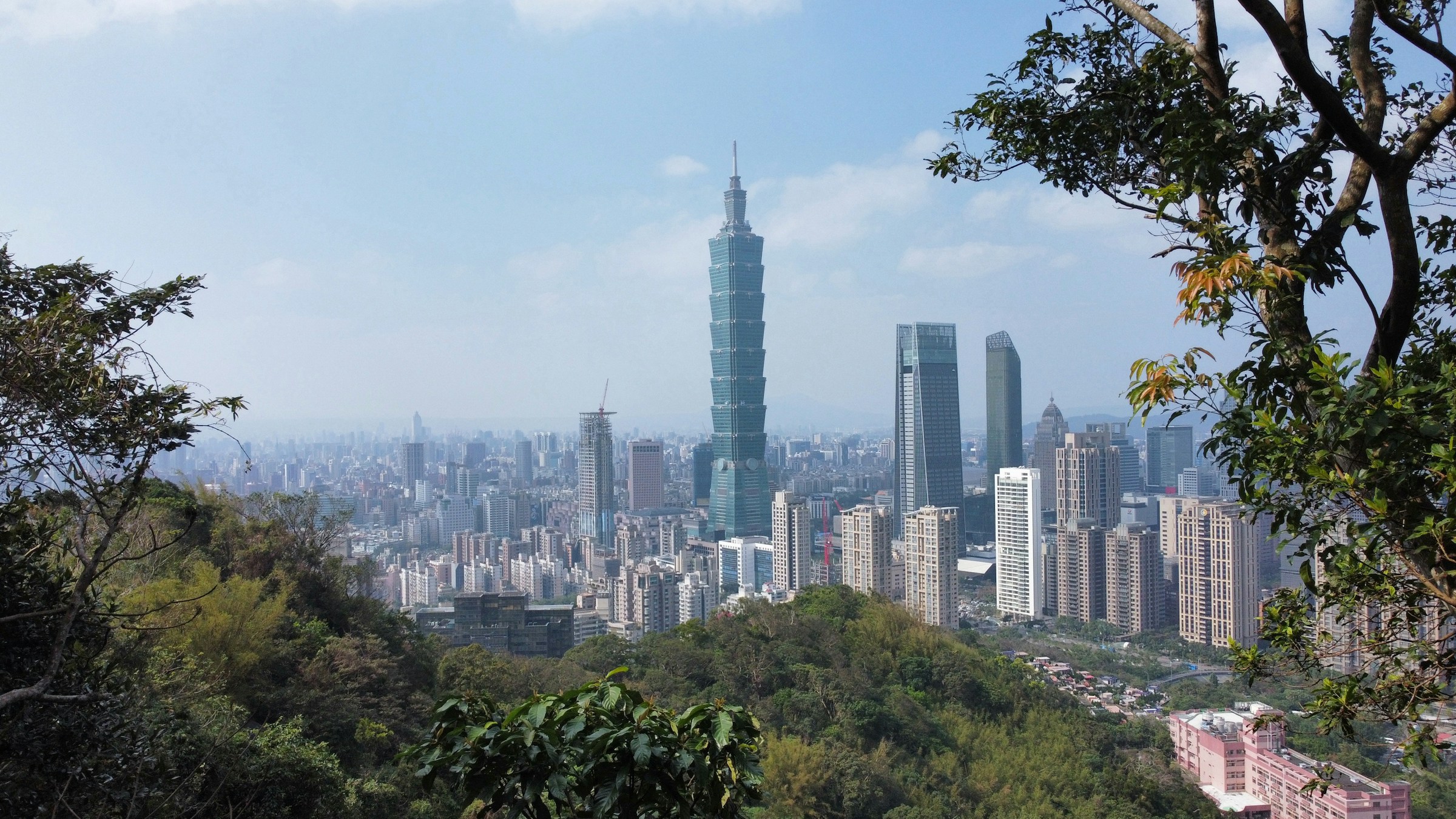
Published luxury entry rates commonly run roughly NT$12,000–20,000 a night before suites and peak weeks; Capella and club categories at Mandarin Oriental move higher. Confirm current tariffs before you lock flights. Park Hyatt Taipei, designed by Antonio Citterio across floors 16–28 of The Sky Taipei in Xinyi, is still aimed at a Q4 2026 opening with about 178 rooms. Treat it as a watchlist property until keys are issued.
Capella Taipei
Capella Taipei opened 1 April 2025 at 139 Dunhua North Road in Songshan, the brand’s Taiwan debut. André Fu framed the hotel as a modern mansion: 86 rooms and suites, some with private terrace pools rare in this city, and dining that includes a multi-level bar. Dunhua’s tree line sits between Songshan Airport hops and easy taxis to Xinyi or Zhongshan. It suits travelers who want intimacy over a 400-key convention machine.
Mandarin Oriental, Taipei
Mandarin Oriental, Taipei at 158 Dunhua North Road remains the classical Dunhua address: 303 keys (256 rooms and 47 suites), marble bathrooms, and in-house Ya Ge, which held one Michelin star for a ninth consecutive year in the 2026 Taiwan guide. Use it when you want polished service, spa depth, and a Cantonese lunch without changing neighborhoods.
W Taipei and Zhongshan bases
W Taipei at 10 Zhongxiao East Road, Section 5, puts you inside Xinyi’s shopping grid with 405 rooms and walking distance to Taipei 101. It is the vertical, louder base. For vinyl bars and quieter lanes after dinner, Regent Taipei on Zhongshan North Road still functions as the older grand-hotel spine near Zhongshan MRT. Pair either with Taipei After Midnight rather than forcing Xinyi to supply every hour of the trip.
Beitou for one geothermal night
If the week allows a soft landing or a recovery night, Villa 32 at 32 Zhongshan Road, Beitou, keeps the Relais & Châteaux hot-spring grammar: adults-only, private thermal tubs, five rooms. Xinbeitou MRT plus a short walk. It is a contrast stay, not a first-timer’s only hotel.
Eat
The MICHELIN Guide Taiwan 2026 lists 61 starred restaurants island-wide, with Taipei still carrying both of the capital’s three-star rooms. Book the fixed tables first; leave one night deliberately for market food so the week does not flatten into tasting menus alone.
Le Palais
Le Palais (頤宮) sits on the 17th floor of Palais de Chine Hotel at 3, Section 1, Chengde Road, beside Taipei Main Station. Chefs Ken Chan and Matt Chen hold the Cantonese three-star brief; the guide notes Yilan Cherry Valley duck and Peking duck served in courses. Reservations run through Inline; the restaurant is closed Mondays. Pre-order signature ducks when you book. Smart-casual rules are enforced. Stay at Palais de Chine if you want a post-dinner elevator, or taxi back to Dunhua in under twenty minutes most evenings.
Taïrroir
Taïrroir (態芮) at 6F, 299 Lequn 3rd Road, Zhongshan, is chef Kai Ho’s Taiwanese three-star argument: local produce, French technique, a room that plays Taiwanese songs under a copper ceiling. Lunch runs roughly 12:00–14:30; dinner 18:30–22:30; Tuesday–Thursday lunch is closed. Book on the restaurant site via Inline and treat Dazhi as a destination neighborhood rather than a walk from 101.
Mume
Mume at 28 Siwei Road, Da’an, holds one Michelin star in the MICHELIN Guide Taiwan 2026, among the year’s promoted one-star cohort. Chef Richie Lin reads Taiwanese ingredients through contemporary technique on a quiet Da’an street. Online reservations open 30 days ahead, one day at a time; the restaurant does not take phone bookings for standard tables. Confirm the current tasting price on mume.tw before you plan the rest of the evening.
Contrasts worth keeping
Balance the stars with Yongkang Street xiaolongbao and shaved ice near Dongmen, a beef-noodle lunch that does not require a deposit, and one proper night market as the main meal. Tip culture is light; queue where locals queue. The luxury week includes both floors of the guide and the stall that only takes cash.
Shop
Xinyi and Zhongxiao Dunhua
Taipei 101 mall, the Xinyi department-store cluster, and the Zhongxiao–Dunhua corridor (SOGO, Breeze, East Metro Mall under the Bannan line) handle global retail with Taiwanese service fluency. Shop here when you need efficiency and air-conditioning between reservations. For independent fragrance (NOSE WAY at Shin Kong Mitsukoshi A11, P.Seven on Yongkang), read Kaiwei Hsieh and the New Taiwanese Perfume Circuit.
Dadaocheng and Dihua Street
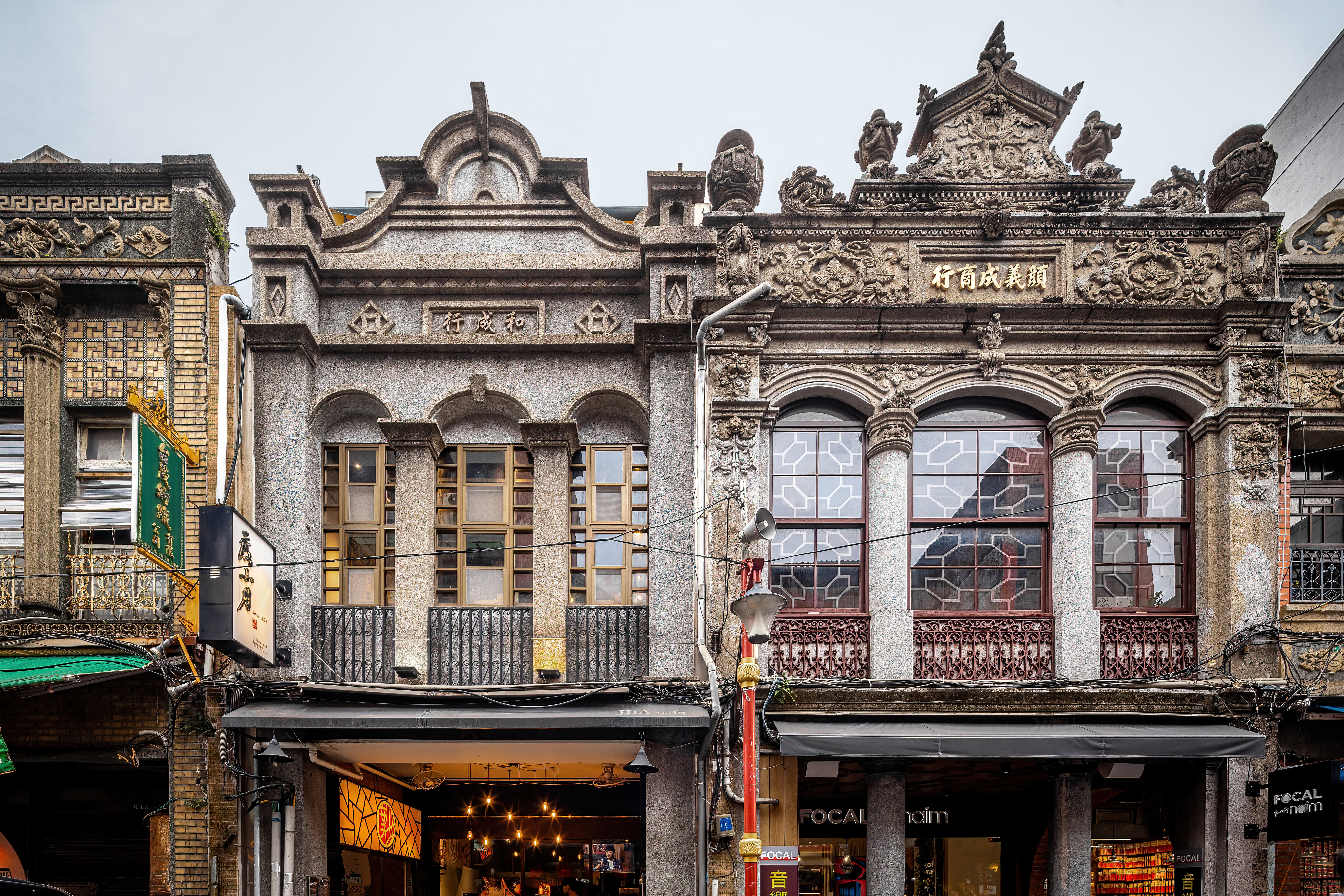
Dihua Street in Dadaocheng is the older commercial spine: tea merchants, herbal shops, dried goods, and Yongle Fabric Market for textiles. Morning light is kinder; Sundays thin some fabric floors. Buy tea you will actually brew, not souvenir tins you will abandon.
Eslite and Songyan
The legendary 24-hour Eslite on Dunhua closed in 2020. The current round-the-clock bookstore habit lives at Eslite Spectrum Songyan inside Songshan Cultural and Creative Park (Yanchang Road). Use it as a late reading room after Xinyi dinners, then decide whether the night market still has a claim on you.
Experience
National Palace Museum
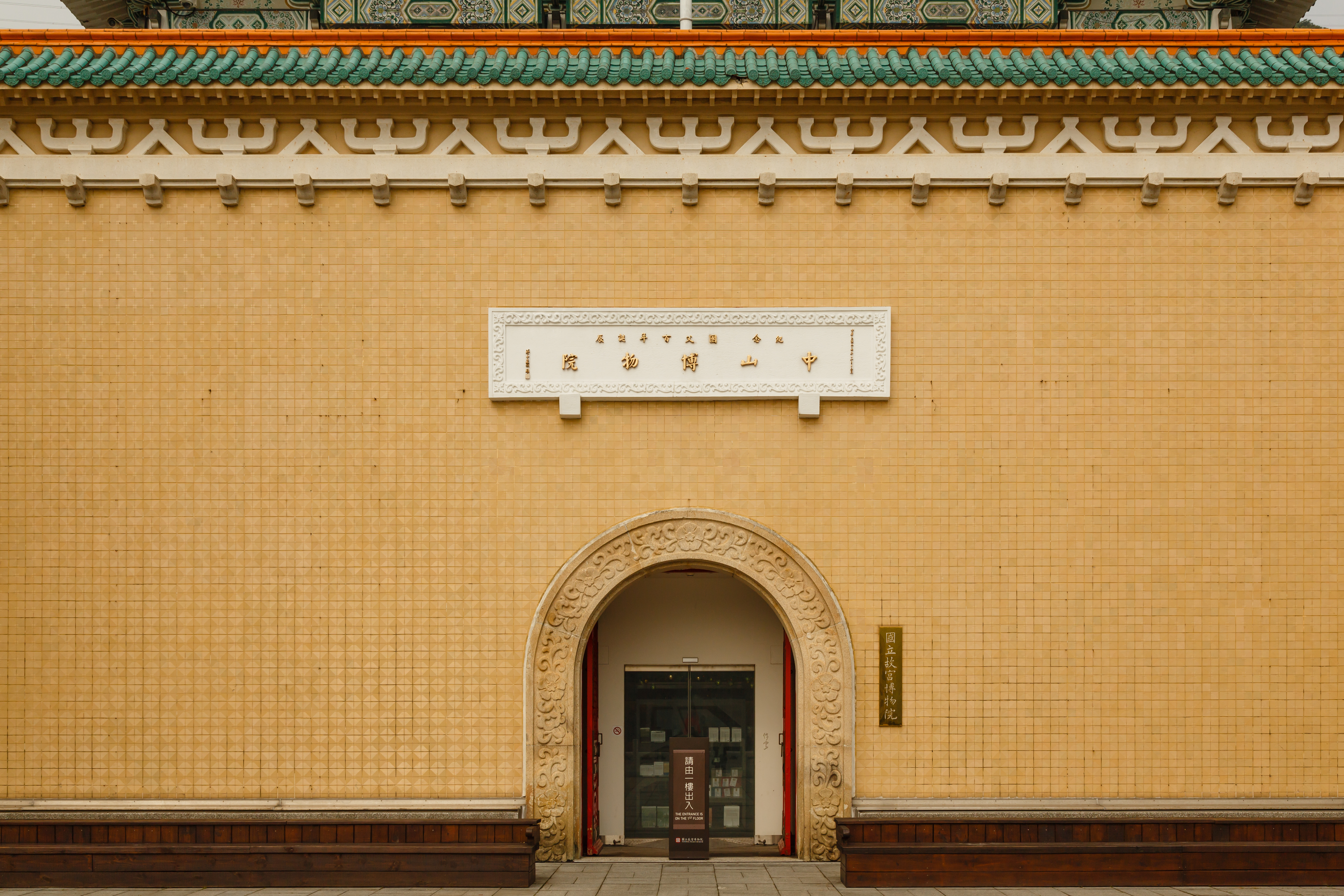
The National Palace Museum Northern Branch in Shilin remains the non-negotiable cultural morning. Exhibition Hall I is generally open Tuesday–Sunday, 09:00–17:00 (ticket sales until 16:30), with select Monday openings posted for 2026. Regular admission for non–R.O.C. visitors is NT$350; confirm free-entry holidays on npm.gov.tw. Arrive at opening, then descend toward Shilin or a Dunhua lunch rather than stacking a tasting menu the same morning.
Elephant Mountain
Elephant Mountain (Xiangshan) is the free staircase that makes Xinyi legible. Ride the red line to Xiangshan station, walk to the trail, and aim for late afternoon if you want the postcard of Taipei 101. Bring a light for the descent after dark. It is crowded at sunset; weekdays are kinder.
Songshan Cultural and Creative Park and Beitou
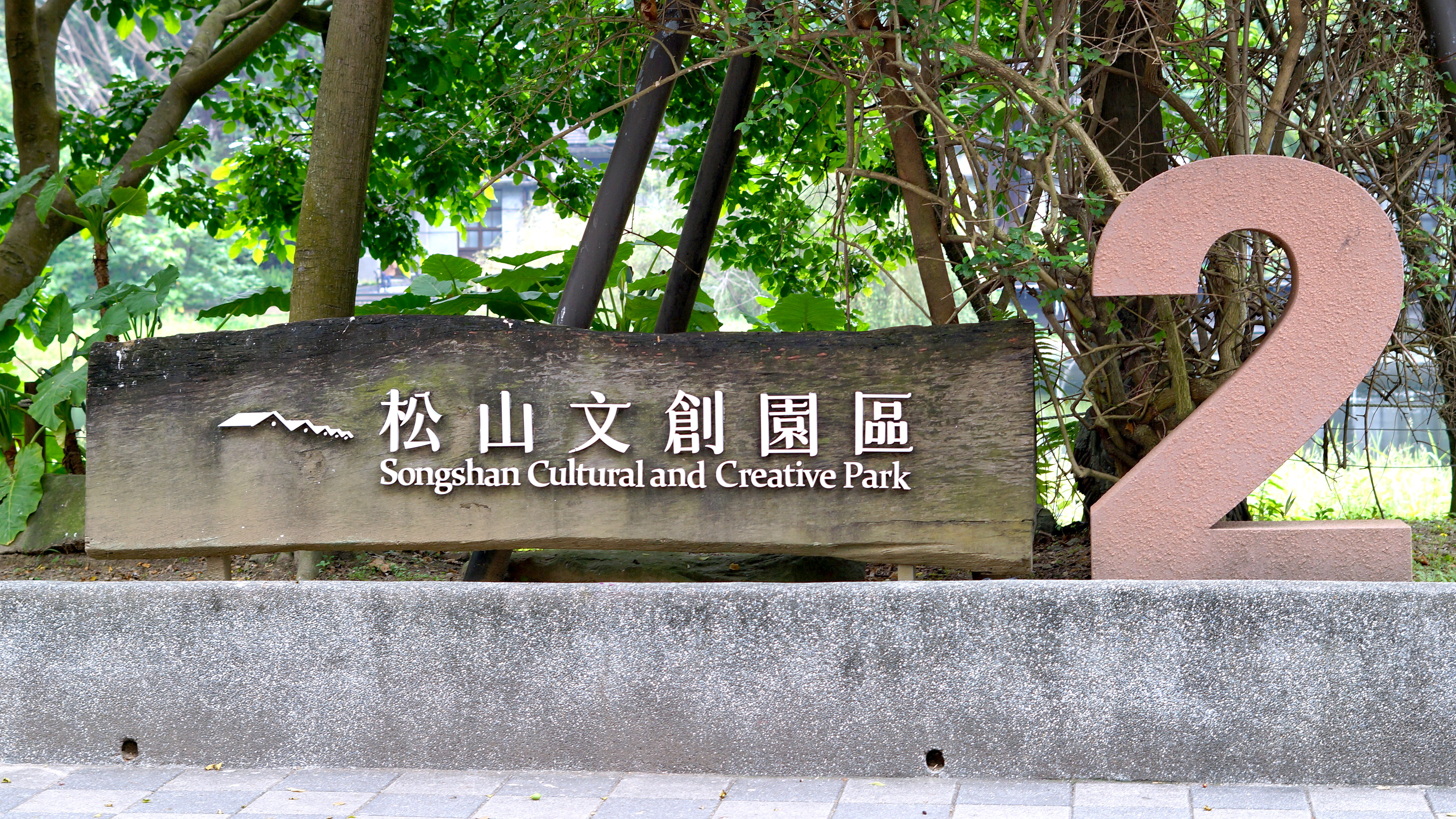
Songshan Cultural and Creative Park on Yanchang Road is the cleaner creative-campus stop when you want warehouses, design retail, and Eslite Spectrum Songyan without Zhongzheng density. Pair an afternoon here with a Xinyi dinner. Huashan 1914 at 1, Section 1, Bade Road remains the older winery alternative if your week centers west of Main Station.
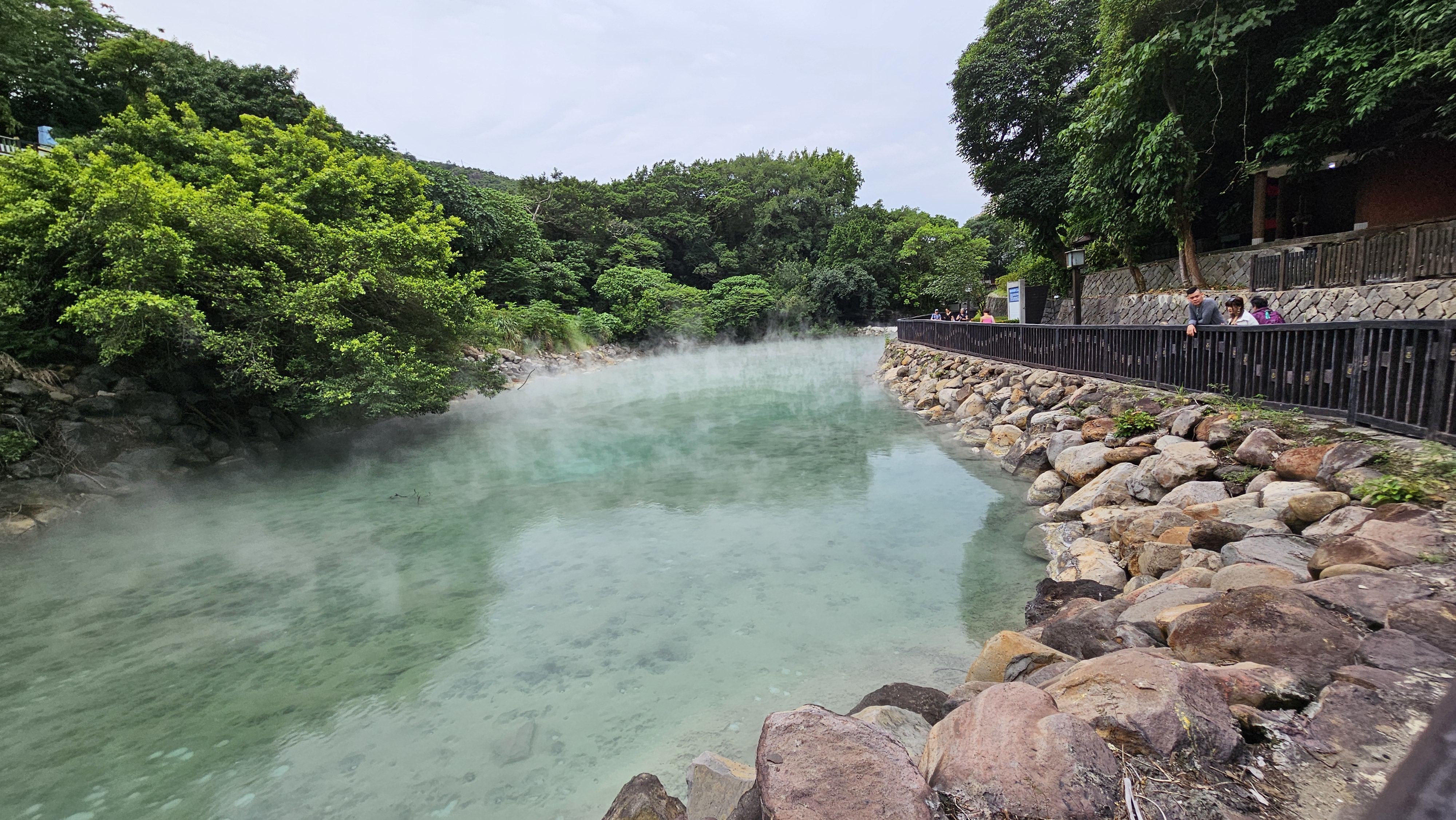
Beitou supplies the geothermal half-day: Thermal Valley steam, the hot-spring museum, and, if you booked it, Villa 32. Xinbeitou is the practical station. Do not treat the public pools as a luxury spa substitute; they are local infrastructure with their own etiquette.
Practical Notes
Airports: Most long-haul flights use Taiwan Taoyuan International (TPE). The Taoyuan Airport MRT Express reaches Taipei Main Station in about 35 minutes from Terminal 1 (roughly NT$160). Songshan (TSA) is inside the city for many Japan/Korea/China hops and connects to the Brown Line.
Best season: October–December and March–April for clearer Xiangshan views and less oppressive heat; summer is wet and hot.
Language: Luxury hotels and starred restaurants operate comfortably in English; older tea and fabric shops reward Mandarin or patient pointing.
Reservations: Le Palais, Taïrroir, and Mume book through Inline with lead time; Le Palais closes Mondays and needs duck pre-orders.
Money and tipping: EasyCard covers MRT; night markets still lean cash. Service charge appears on fine-dining bills; street stalls do not expect American-style tips.
What It Costs
Approximate bands from published 2025–2026 rates and tickets; confirm before travel.
Luxury hotels: roughly NT$12,000–20,000+ / night entry (Mandarin Oriental, Capella, W); suites and Capella terrace categories higher
Tasting / banquet dining: three-star and ambitious one-star rooms commonly land in the NT$3,000–6,000+ per person range before wine once you add signature ducks or pairings; confirm current menus
National Palace Museum: NT$350 regular non-citizen ticket for Exhibition Hall I
Airport MRT Express: about NT$160 to Taipei Main
Night markets and Yongkang lunches: often NT$150–400 per person if you eat with discipline
The Banquet Cost Index
Hotels: $$$$ (Capella suites / Oriental club); $$$ (W, Regent)
Dining: $$$$ (Le Palais, Taïrroir); $$$ (Mume, Ya Ge)
Shopping: $$–$$$$
Experiences: $–$$ (NPM, Xiangshan, Huashan, Beitou)
The Banquet Picks
Best Hotel: Capella Taipei for Dunhua intimacy; Mandarin Oriental when you want Ya Ge downstairs and classic scale.
Best Restaurant: Le Palais for three-star Cantonese ceremony near Main Station; Taïrroir when the week should taste Taiwanese rather than Cantonese.
Best Neighborhood Base: Dunhua North for hotels and taxis; Xinyi if Taipei 101 and department stores are the spine; Zhongshan if nights matter more than malls.
Best Cultural Morning: National Palace Museum at opening, then a slow lunch. Save Xiangshan for late day.
Final Thoughts
Taipei rewards the traveler who refuses a false choice between night-market democracy and three-star rooms. The MRT is short. The reservations are the scarce resource. Book the stars, keep one evening for steam, stairs, or a stall, and let Dunhua or Zhongshan be the soft landing between them.
For the nocturnal half of the same city, continue with Taipei After Midnight. For the wider circuit, return to The Asian Grand Tour and The Banquet Guide to Seoul.