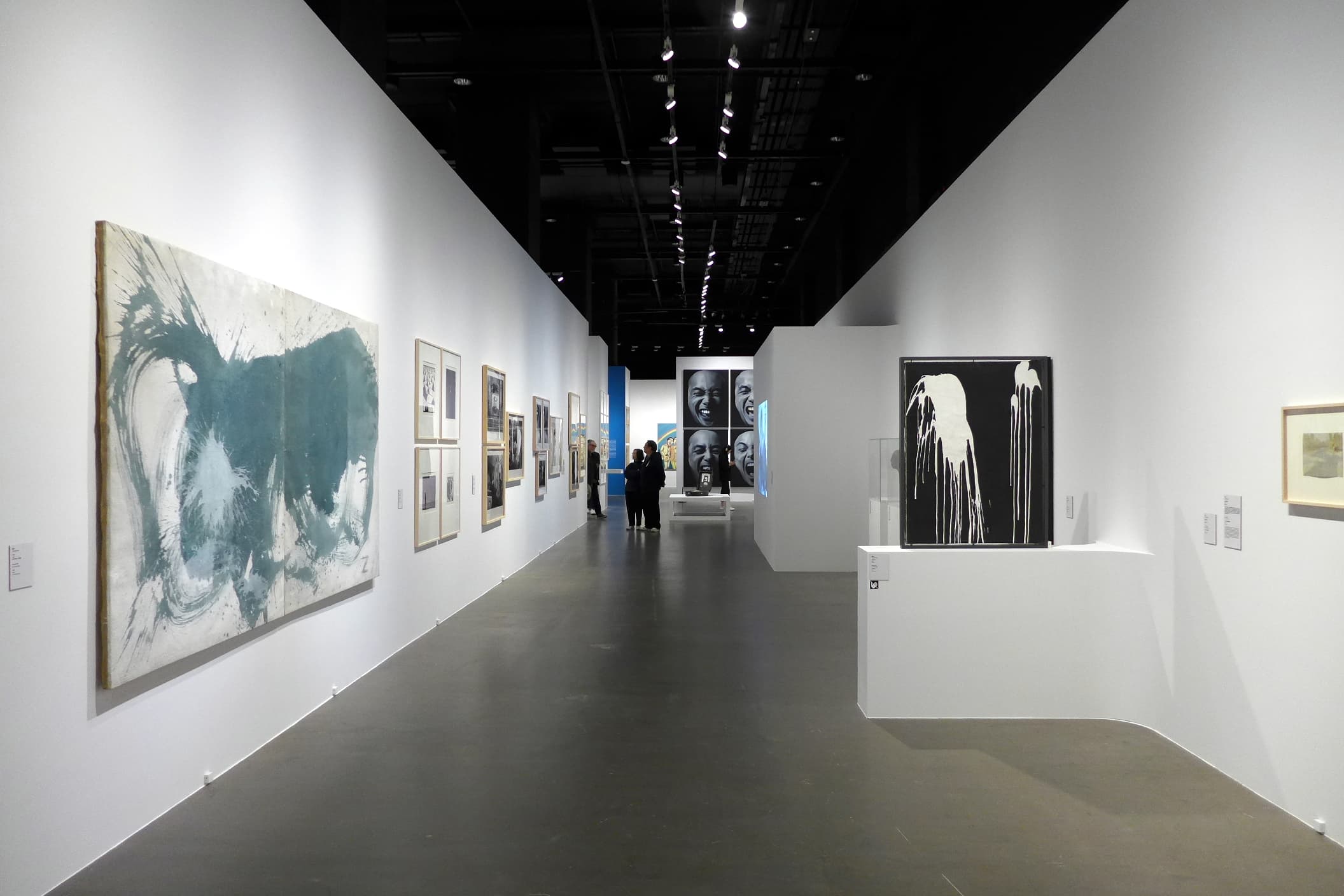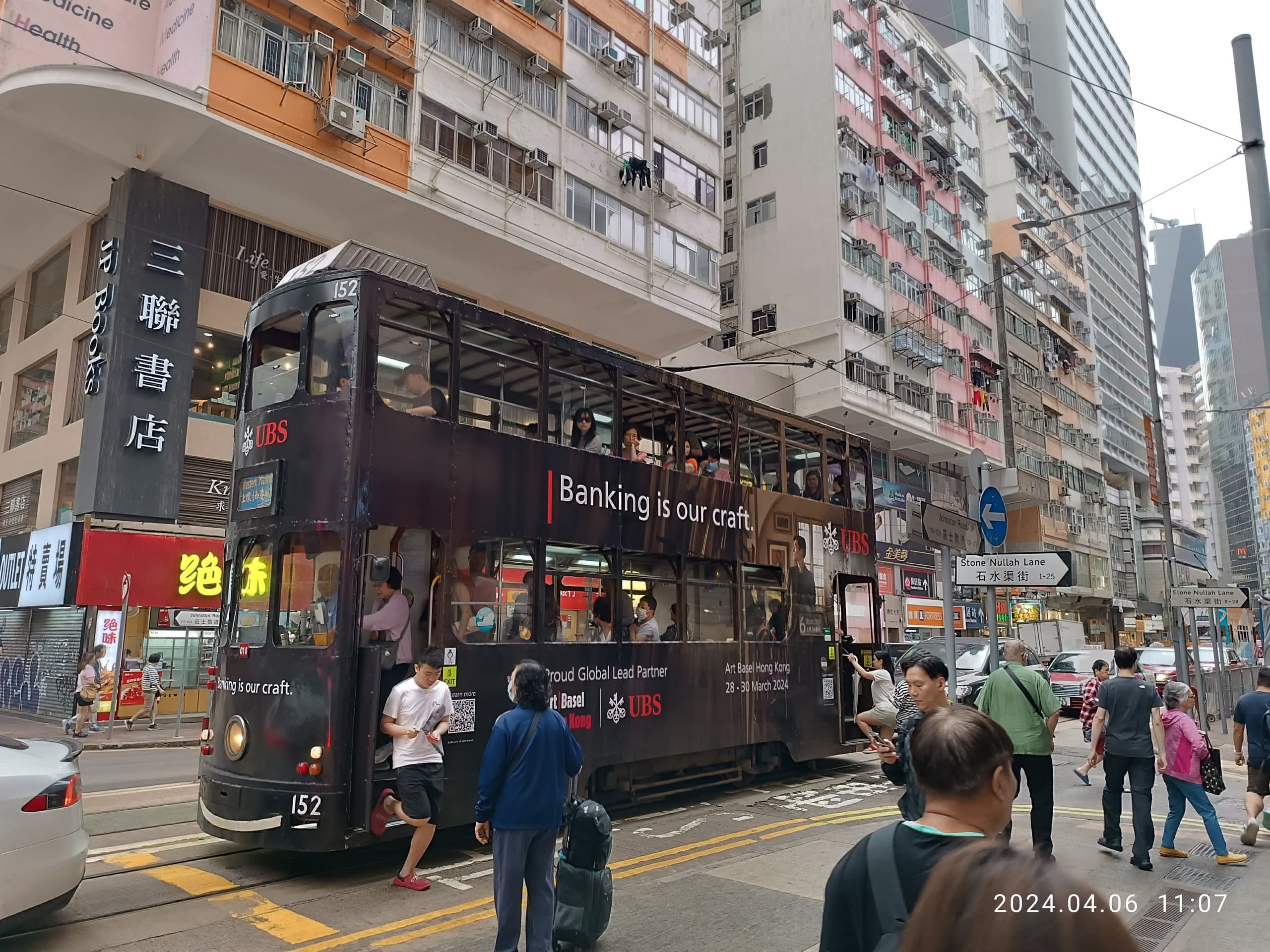
March in Hong Kong used to mean humidity returning and hotel lobbies filling with finance conferences.
Now March means a single compressed week: Art Basel Hong Kong on the floor of the Hong Kong Convention and Exhibition Centre in Wan Chai, Art March programmes across the island and Kowloon, and West Kowloon appointments at M+ and the Hong Kong Palace Museum. Collectors fly in from Singapore, Tokyo, Seoul, Shanghai, London, and Los Angeles. Gallery dinners run late. The question worth asking is practical. Are you in the city when market, institutions, and table occupy the same calendar?
"After 13 years of Art Basel Hong Kong, the city is now a global cultural hub."
Angelle Siyang-Le, director of Art Basel Hong Kong, speaking to Monocle ahead of the 2026 edition
This is a planning essay for that week, not a sales report. For dates and venue notes, keep Art Basel Hong Kong on the calendar. For Seoul's September bookend, read Why Frieze Seoul Owns September.
The Week You Cancel Other Travel For
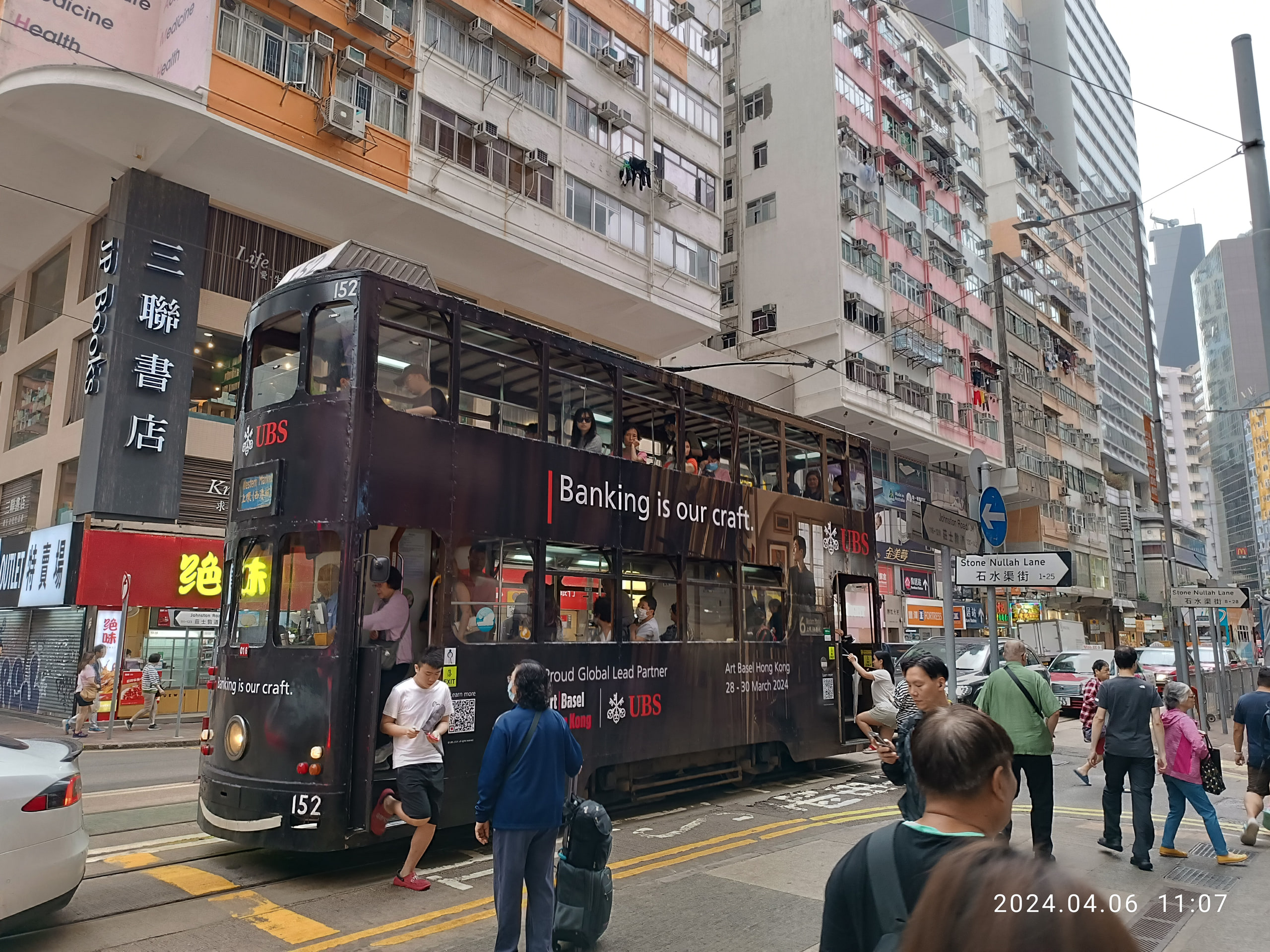
The next public dates on artbasel.com are 25 to 27 March 2027 at HKCEC on Expo Drive, Wan Chai. Treat preview access, ticket tiers, and the exhibitor list as unpublished until Art Basel posts them; the 2026 edition ran public days 27 to 29 March with previews 25 and 26 March, and Monocle reported roughly 240 galleries from 41 countries that year. Confirm everything on the official site before you lock hotels.
What makes the week sticky for diaspora collectors is density. You can see the market at HKCEC in the morning, cross to West Kowloon for museum time in the afternoon, and sit a Cantonese table in Central or a dealer dinner in Sheung Wan the same night. That is the thesis in one itinerary: March owns the diary because the city compresses commercial and institutional Asia into walking, ferry, and shuttle distance.
Hong Kong-based families returning from Vancouver or Sydney often schedule parent dinners during fair week for the same reason. The people you need are already here. School calendars in the Northern Hemisphere have resumed, but the art year has its own term dates, and this is one of them.
HKCEC as the Market Spine
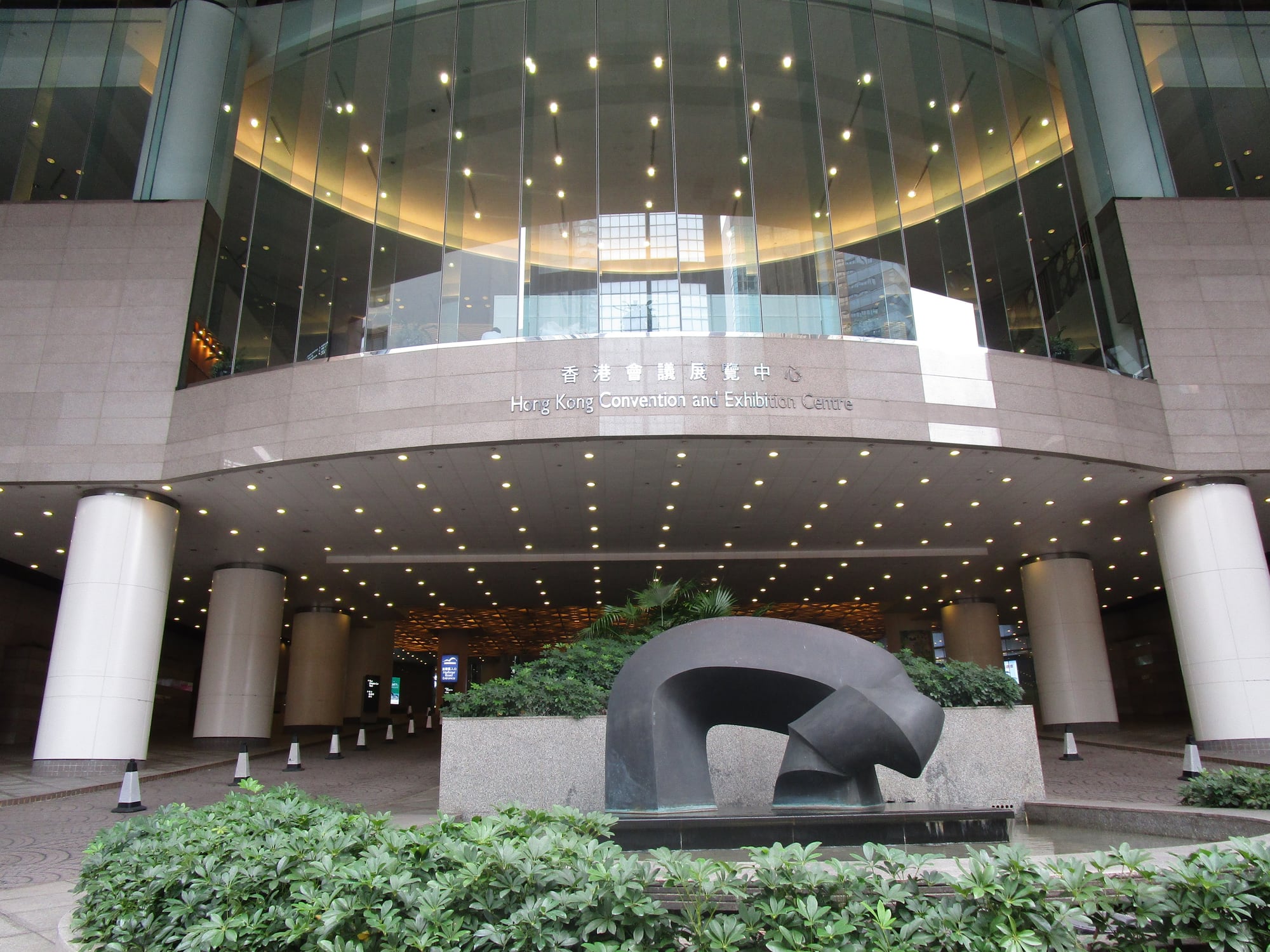
Preview days still divide the room. Collectors and museum groups enter first; broader professional access follows; public hours arrive after many mid-market works are spoken for. Advisors who land for forty-eight hours prioritise previews above hotel check-in. Jet lag becomes a negotiating posture.
The floor rewards preparation. Main Galleries supply the visible spine. Sectors devoted to emerging programmes and curated projects carry the conversations that may matter in three years: a Manila painter before auction attention, a Tokyo dealer testing Hong Kong collectors, a Jakarta studio project that reads better in person than on a phone screen. Soften any claim about which 2027 sectors will matter most until the map is published.
Siyang-Le has also defended the fair's public programme (film, conversations, exchange circles, commissions in the city) as longevity work for the ecosystem, not decoration around sales. In the Monocle interview she pointed to mid-career and mid-sized gallery platforms as what the market needed in 2026; treat 2027 sector names as provisional until Art Basel publishes them.
Angelle Siyang-Le, in that same conversation, described local collectors as internationally minded people who sit on boards from Tate to the Guggenheim and "almost act like Asian art ambassadors across the world." That is the social contract inside HKCEC: the booth is a meeting room with art on the walls.
Walk with a map. Speak quietly. Decide early. The terrace photograph is rarely worth missing the curator who flies in once a year.
West Kowloon and Art March
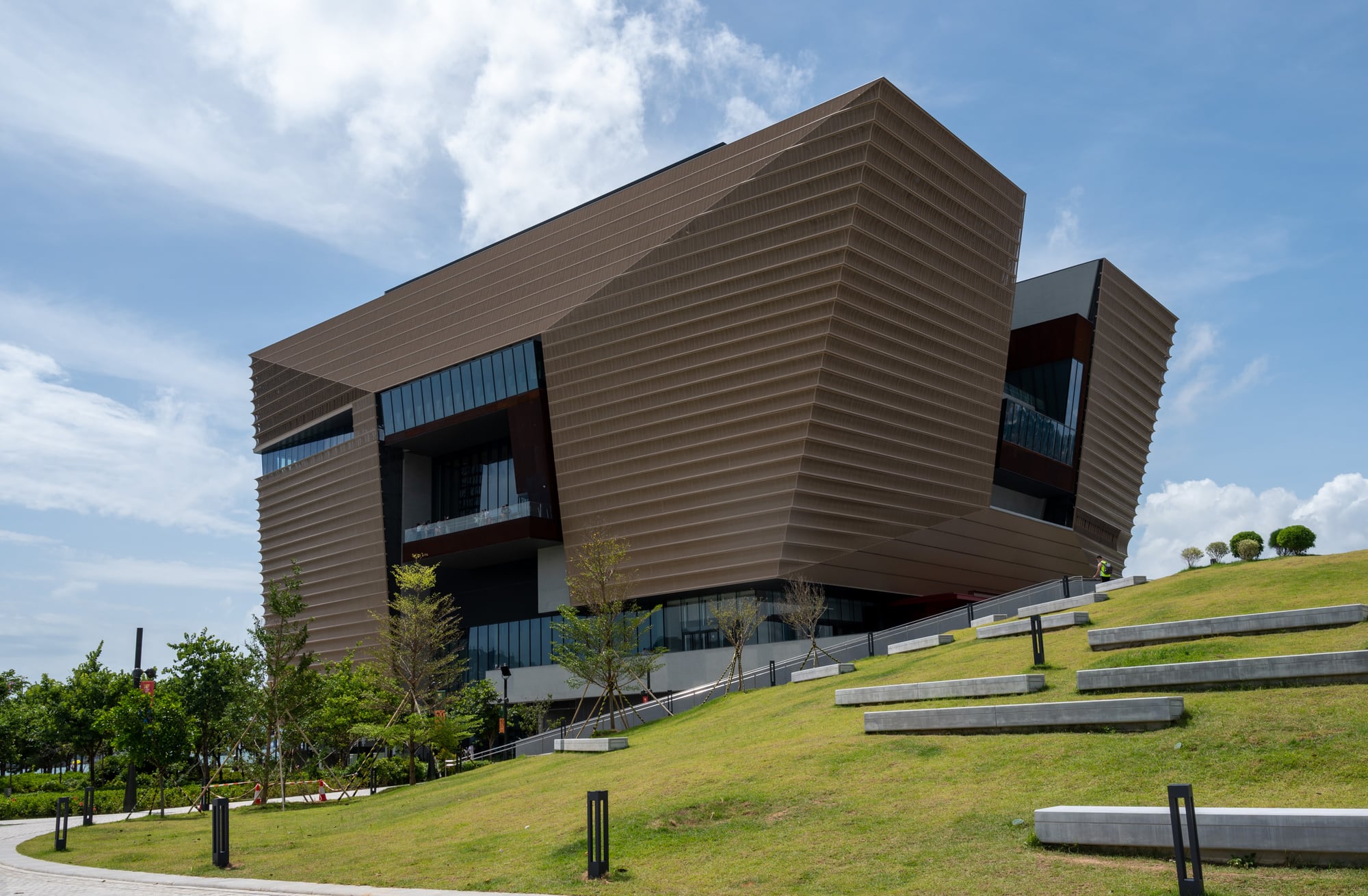
Fair week does not float above the harbour. M+, which opened in November 2021 with the Sigg Collection at its core, gives the city institutional gravity that Siyang-Le and others now cite as hardware for a cultural hub. Walk the Sigg galleries on a weekday morning and Chinese contemporary art reads as main text. Read How the Sigg Collection Built M+ before you treat the museum as a photo stop.
The Hong Kong Palace Museum next door extends the West Kowloon afternoon without pretending the two buildings are interchangeable. Do one deep half-day rather than racing both collections between booth appointments.
Art March Hong Kong, coordinated with city institutions and West Kowloon Cultural District, is the programme layer that turns three public fair days into a full week. In 2026, Art March listed citywide openings and mapped complimentary shuttles between the HKCEC Expo Drive entrance, M+, and the Palace Museum, plus a ticketed free ferry between WestK Quay and Golden Bauhinia Square in Wan Chai. Confirm 2027 transport on artmarch.hk and West Kowloon's channels closer to the dates; logistics change year to year.
Central and Sheung Wan galleries host openings that do not require HKCEC badges. Wong Chuk Hang and Tai Kwun reward appointments for collectors who want studio and secondary-market context. In 2026, gallery association shuttles also linked HKCEC to Southside spaces for public days; check whether that pattern returns before you treat Wong Chuk Hang as a separate taxi expedition. The mistake is treating Art Basel as the only address. The week belongs to walkers who study the map the night before.
Hotel strategy matters. Harbour-facing suites in Central and Tsim Sha Tsui fill months ahead. Boutique bases in Sheung Wan or Tai Hang trade lobby scale for neighbourhood texture. If your week leans West Kowloon, a Kowloon harbour base can save you two crossings a day; if dinners stay on the island, Central keeps Lung King Heen and Sheung Wan within a short ride. Read The Banquet Guide to Hong Kong for stay logic.
The Table After the Booths
March in Hong Kong and September in Seoul now function as bookends on a Northeast and Southeast Asian calendar. Serious collectors in the region might anchor March in Hong Kong, September in Seoul, and December in Miami, with studio visits between. The cities are complements, not rivals.
Table and fair week remain one industry. Deals still close over tea and wine after the booths close. Lung King Heen on Podium 4 of Four Seasons Hotel Hong Kong remains a harbour-view Cantonese appointment for families who measure the trip by food as much as by acquisitions; see Lunch at Lung King Heen. Smaller Cantonese rooms in Sheung Wan still require a local introduction.
We'll be blunt: if your fair-week diary is mostly booths and almost no meals, you are missing how the Asian market actually moves. Trust still travels through tables.
Protect one morning for M+ without appointments afterward. Protect one evening unplanned for the dinner that was not on the itinerary. Protect sleep if you are hosting elders who measure the trip by food and family time, not by booth count.
The 3 percent hotel accommodation tax reinstated in 2025 applies to many bookings. Confirm whether quoted rates include tax and service.
Practical Notes
Dates: Public fair 25 to 27 March 2027 at HKCEC per artbasel.com; confirm preview days when announced.
Tickets: Purchase via artbasel.com; advance pricing typically ends roughly two weeks before public opening.
Transport: Airport Express to Hong Kong Station, then taxi or MTR to Wan Chai for HKCEC. West Kowloon is one harbour crossing away; watch Art March shuttle and ferry notices in fair week.
Reservations: Top restaurants and harbour-facing hotels require weeks of lead time. Book Lung King Heen and Central hotels early.
Dressing the week: For what people actually wear on the floor, read What Hong Kong Art Week Dressing Actually Looks Like.
Art Basel Hong Kong owns March because the fair, the city programme, and West Kowloon finally share a week dense enough to cancel other travel for. Walk HKCEC with a map. Walk M+ without racing the Palace Museum in the same breath. Eat seriously. Sleep when you can.
For the wider route, read The Banquet Guide to Hong Kong, The Collectors Buying Beyond the Auction Room, and The Asian Grand Tour.