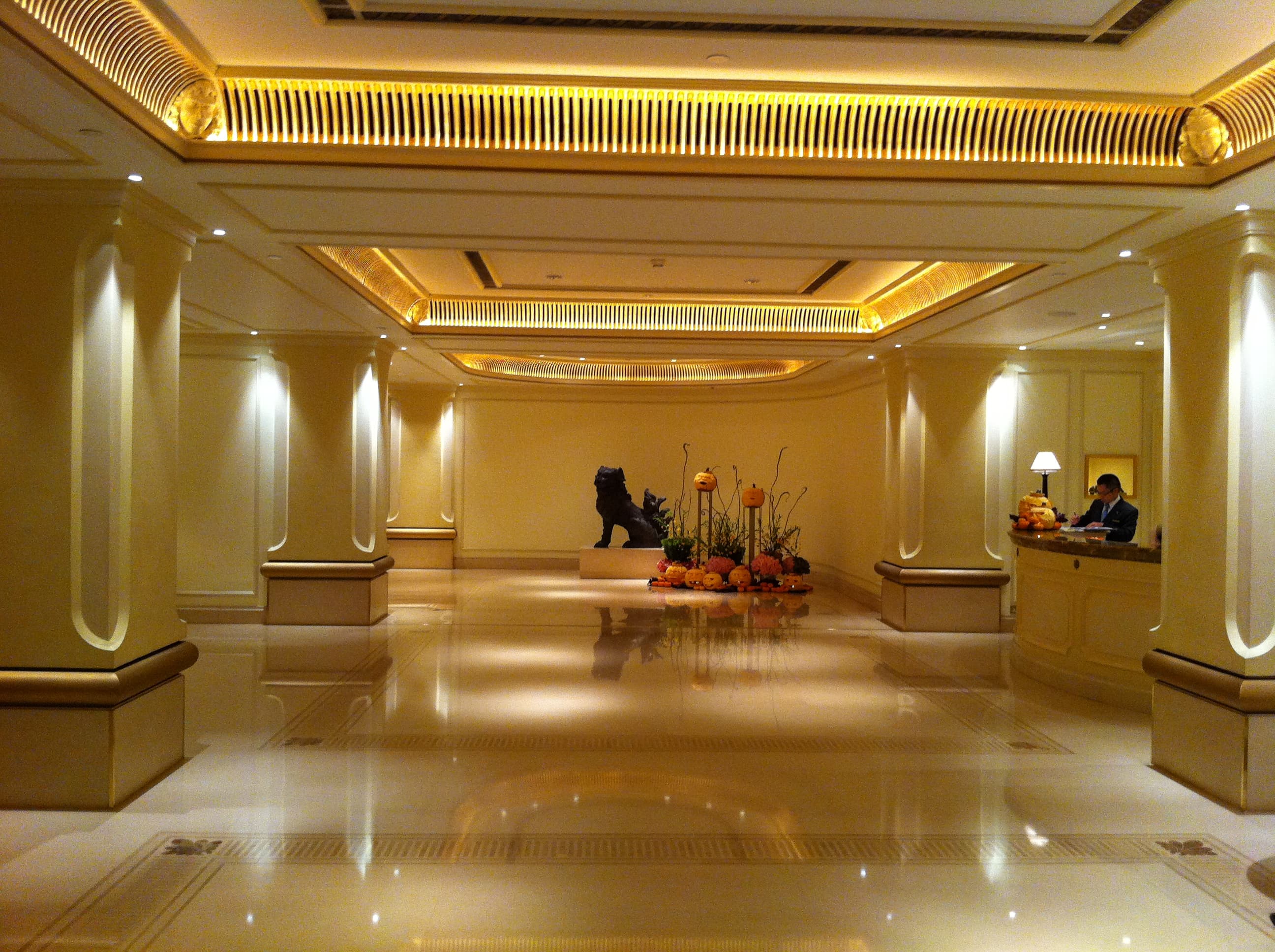
The reservation is under your name, but the table belongs to the room.
That is the contract of the great hotel bar: you are a guest of the building, not a customer of a concept restaurant. The lighting is low enough for confession. The service is trained for discretion. The bill arrives without theatre. For diaspora families who cannot host in a flat too small for argument, and for collectors who cannot debrief in a gallery full of rivals, the lobby bar functions as embassy territory. Neutral soil. Extraterritorial calm.
Great hotel bars also accumulate plot. Hemingway liberating the Ritz. Ada Coleman inventing the Hanky Panky for Mark Twain at the Savoy. Ngiam Tong Boon (maybe) pink-washing gin for colonial Singapore. The stories are half the reason you pay €30 for a martini and still feel you got value.
Read The Meal Starts Before the First Course for service as authorship. For Hong Kong context, see The Banquet Guide to Hong Kong and What Hong Kong Art Week Dressing Actually Looks Like.
Why Neutral Ground Matters
Diaspora life runs on compressed visits.
Parents fly Vancouver to Hong Kong for ten days. Cousins meet from Singapore and London during Lunar New Year. A couple considers moving back while their child sleeps upstairs at the Four Seasons. These conversations rarely suit someone's dining room. Too much history in the wallpaper. Too many roles assigned: host, guest, elder, child.
The hotel bar suspends those roles temporarily. Everyone is a guest. The staff treats the table as sacred. You buy time by the glass.
Embassy logic: a room where status resets to visitor, and the building absorbs the drama so your dining room does not have to.
Paris and London: The Literary Circuit
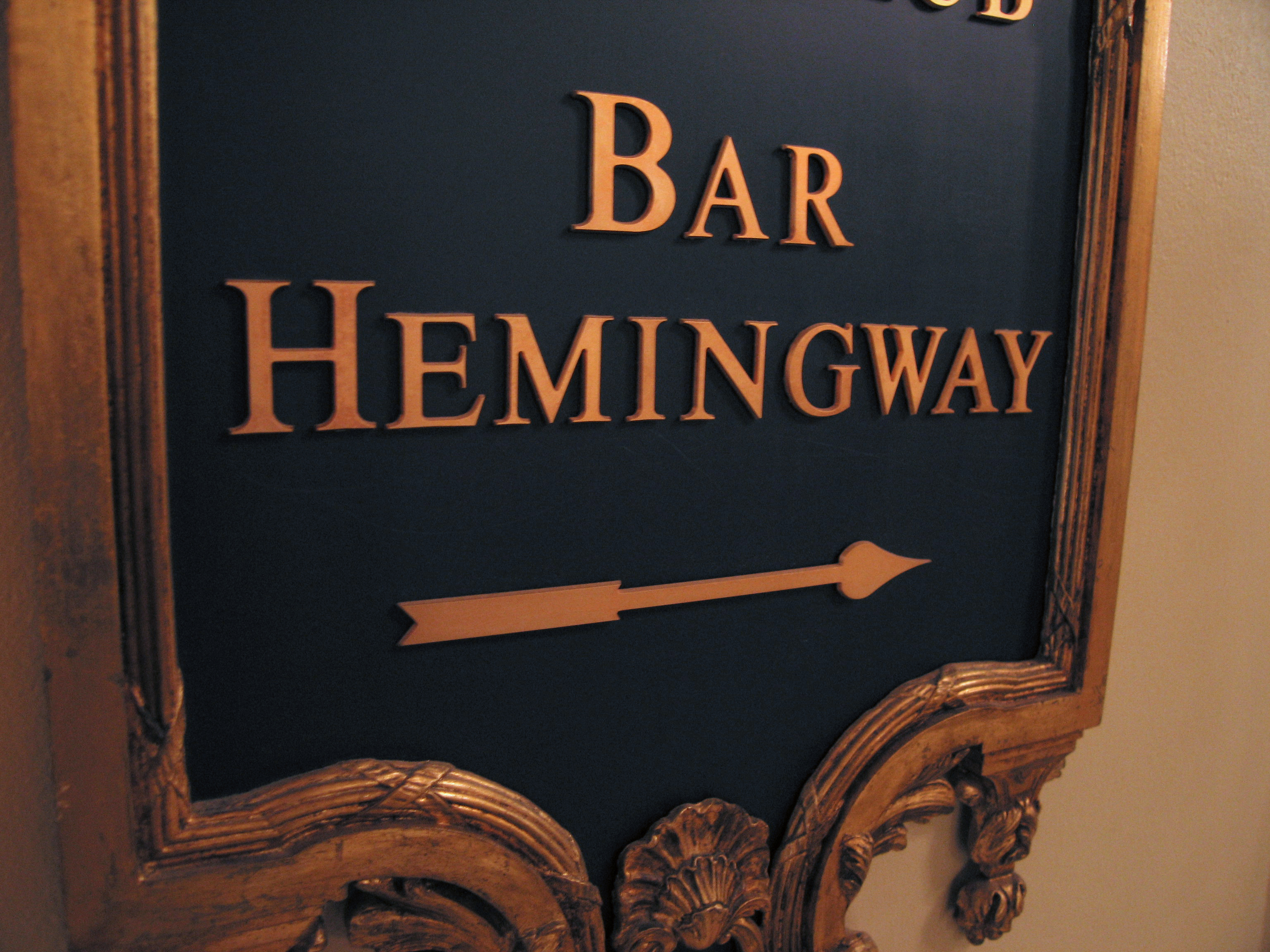
Bar Hemingway, Ritz Paris. The Ritz opened in 1898; its first bar followed in 1921 as American expats fled Prohibition. The space that became Bar Hemingway began as Le Petit Bar, among the first upscale Paris bars where women could drink unaccompanied. Ernest Hemingway made it a headquarters from the 1920s, betting with bartenders on weekends; war correspondent Hemingway famously "liberated" the bar in August 1944. Renamed Bar Hemingway in 1994 (the 50th anniversary of the liberation), the room holds ~25–34 seats, walls of memorabilia, and a century of gossip. Colin Field tended it from 1994 until 2023, inventing the Clean Dirty Martini and the Kate 76 for Kate Moss (who wrote the preface to his Ritz cocktail book and married at a Field-tended wedding). Regulars included "all the James Bonds," per Field's own accounting (New York Times). Diaspora collectors in Paris for FIAC or Paris+ use it the way earlier generations used clubland: a room where nobody asks why you are still in town.
American Bar, Savoy London. London's longest-surviving cocktail bar (1893). Ada "Coley" Coleman ran it for 23 years and created the Hanky Panky for actor Charles Hawtrey; Harry Craddock took over in 1925 and published The Savoy Cocktail Book (1930), still in print. Churchill drank here. Chaplin drank here. Craddock allegedly entombed a White Lady in the walls during a 1927 renovation (Savoy). Embassy energy in Mayfair: you are buying continuity, not novelty.
Connaught Bar, Mayfair. Opened 2008 under Agostino Perrone, the bar proved hotel drinking could be inventive without losing white-glove service: tableside martinis, World's 50 Best Bars regular since 2010, twice Tales of the Cocktail Bar of the Year (Connaught). Diaspora Londoners book it for deals that cannot happen at someone's flat in Richmond or Kensington.
Hong Kong: More Than One Grande Dame
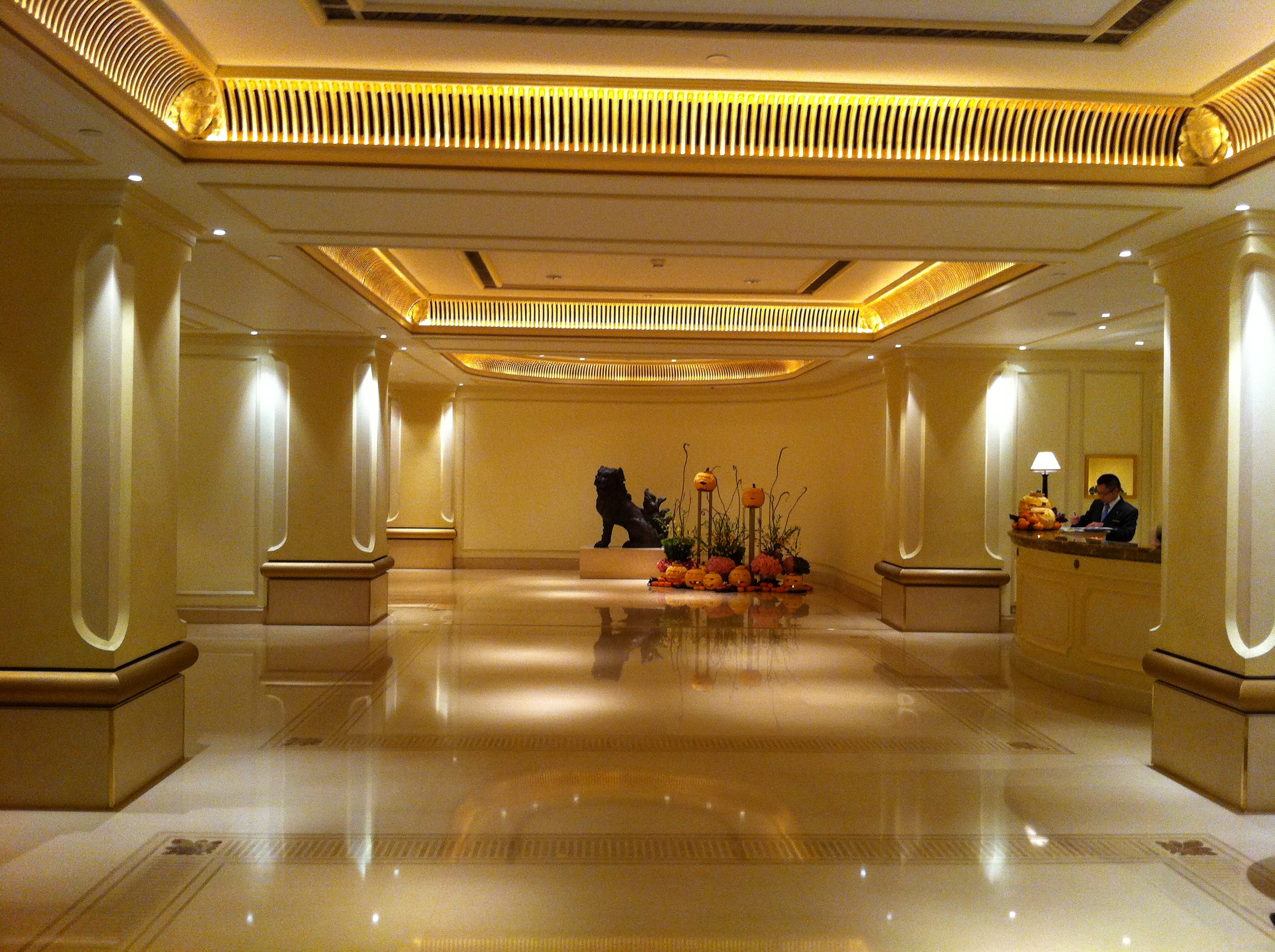
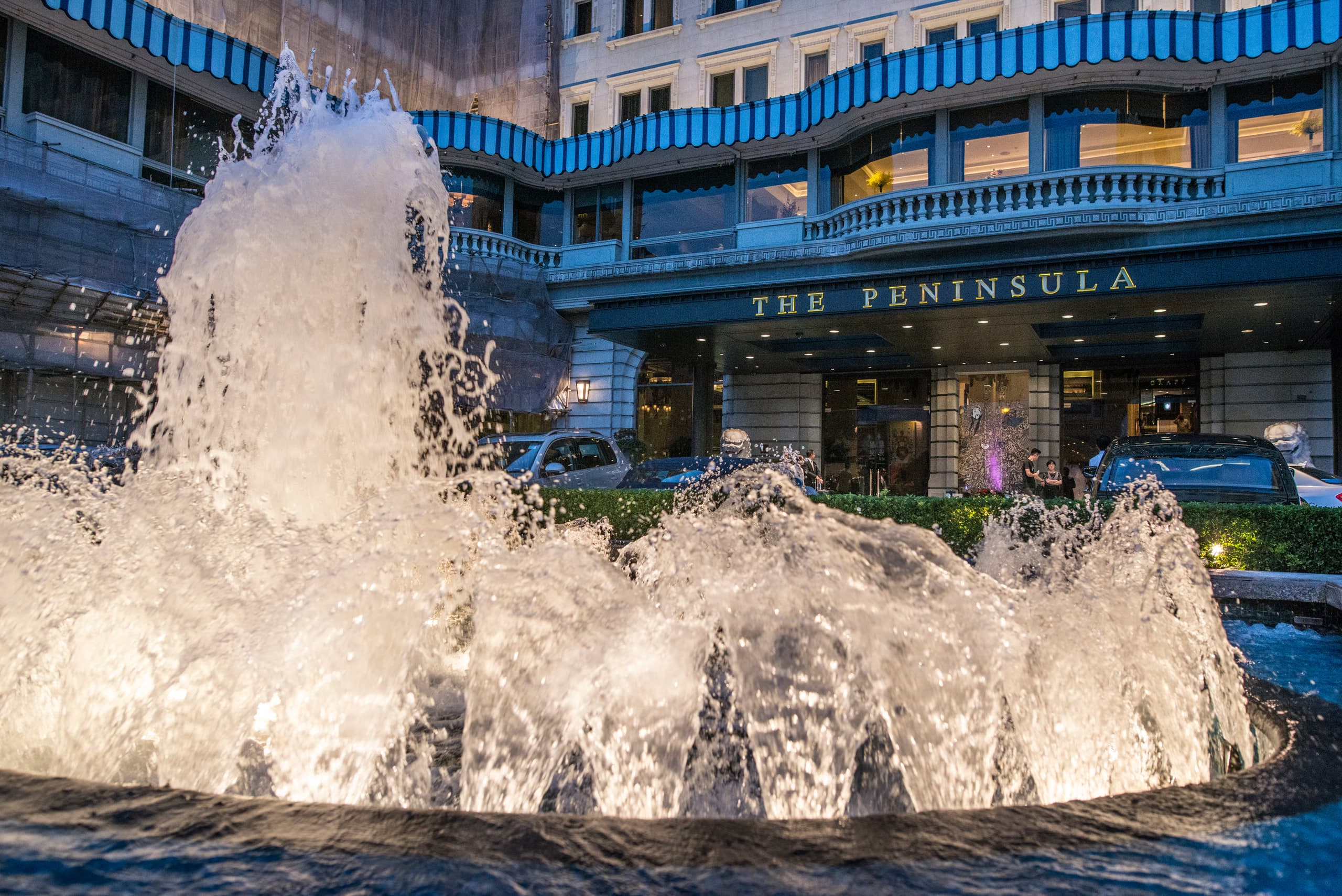
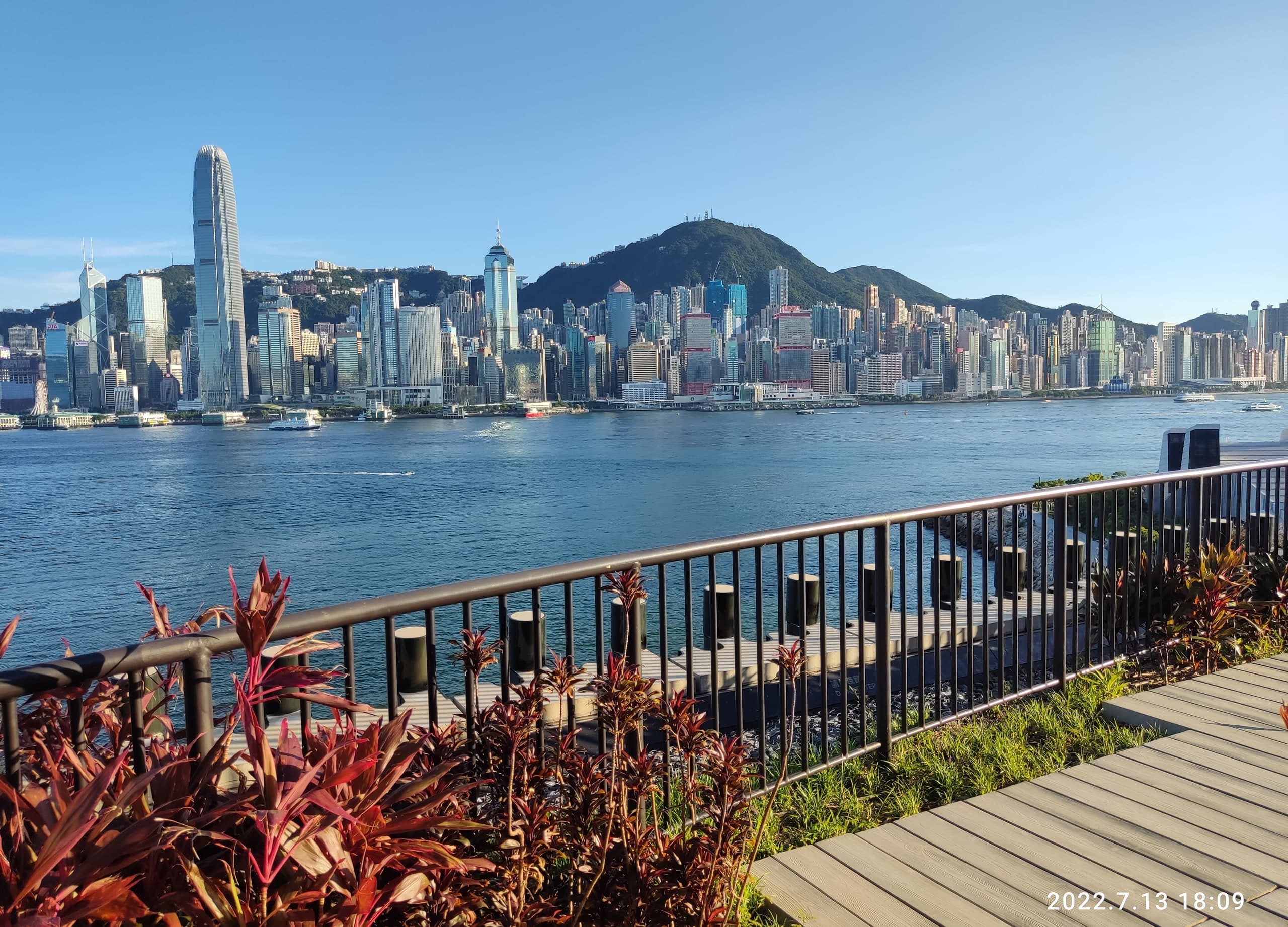
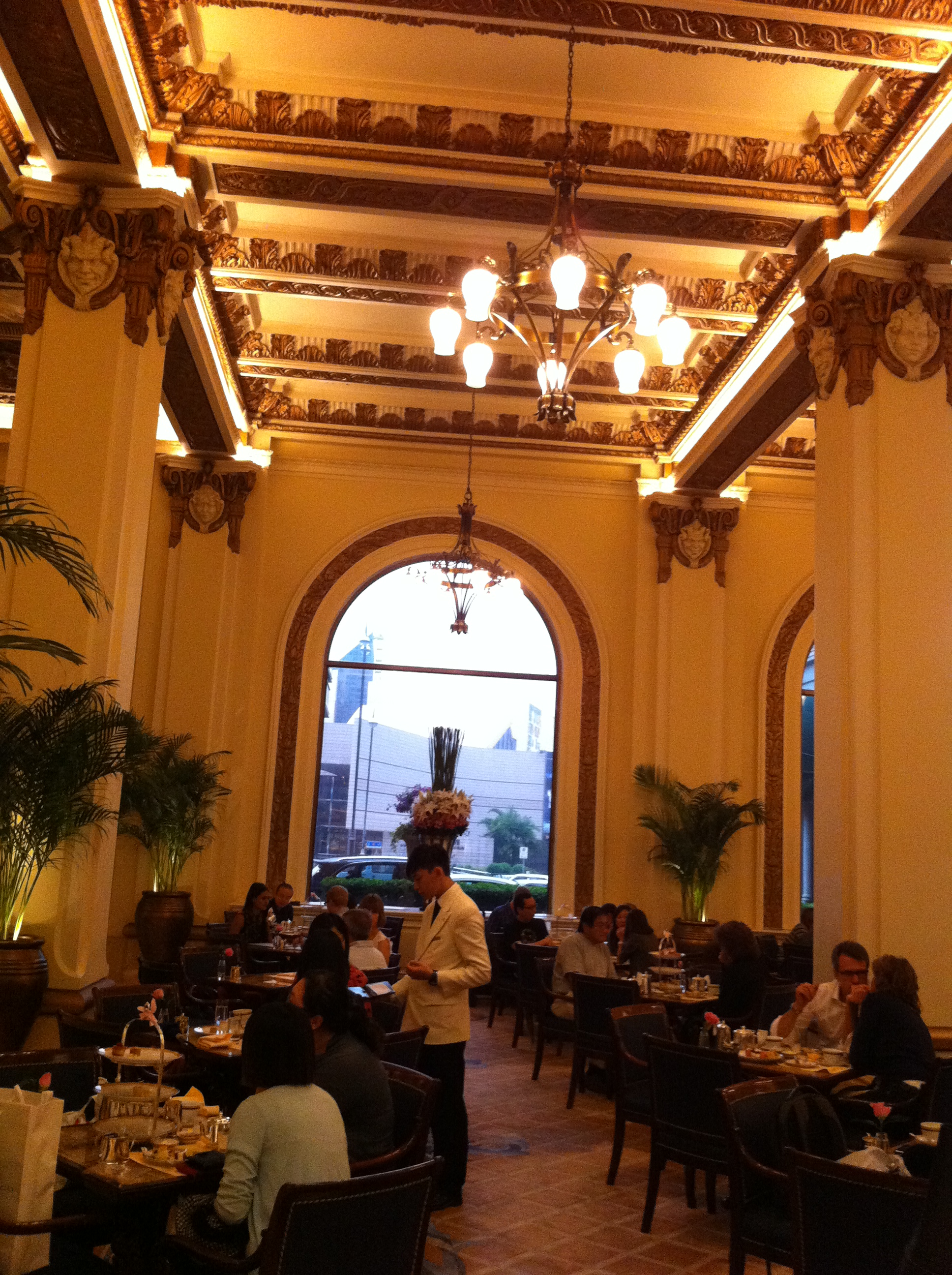
The Peninsula (opened 1928) remains the harbour-side reference: institutional memory in stone and brass. Diaspora families use the lobby the way older generations used club lounges. Felix upstairs rotates with fashion; the ground floor endures for inheritance hints, marriage introductions, and the "we should talk about Mom" meeting that cannot happen over dim sum because someone would order too much.
During Art March, the lobby is also fair infrastructure. Art in Resonance (since 2019) turns the building into a public gallery; the March 2025 kickoff with Vogue100 and the V&A drew 500+ guests past vintage Rolls-Royce Phantoms into the lobby for Lin Fanglu's textile installation She's Bestowed Love, then upstairs to Felix for an intimate dinner hosted by Leslie Sun (Vogue Asia-Pacific) and Dr. Melissa Buron (V&A). Attendees included Kimberly Drew, Tina Leung, Ivan Pun, Fumi Lee, Princess Alia Al-Senussi, and Claire Hsu (Vogue, Tatler Asia). Collectors hide between M+ and HKCEC with art-inspired cocktails at Felix and The Bar. No one admits they are resting their feet. Everyone orders slowly.
Other Hong Kong embassies serve different sentences:
Mandarin Oriental, Central (1963): finance, law, earlier evenings, Captain's Bar leather and harbour views. Four Seasons, IFC: tighter tables, post-IPO conversations. Upper House, Admiralty: design-literate couples deciding whether Hong Kong still fits. Rosewood, K11 Musea: younger money, longer looks, still neutral if you book a quiet corner.
Choose the room that matches the conversation's weight, not your Instagram feed.
Shanghai: Jazz Age Embassy
Fairmont Peace Hotel on the Bund (originally Cathay Hotel, 1929) is the mainland's storied counterpoint. The Jazz Bar carries 1930s Shanghai mythology: colonial financiers, treaty-port glamour, the Old Jazz Band still performing for tourists and nostalgists alike. Diaspora visitors returning to the city for the first time in a decade often meet family here because nobody's apartment feels large enough for the first honest conversation about why they left.
The room teaches a different embassy lesson: history as décor you can drink inside, whether or not you believe every legend.
Tokyo: The Quiet Counter
Tokyo hotel bars hide on high floors rather than swell in lobbies.
Park Hyatt's New York Bar (Shinjuku, Lost in Translation fame): skyline, jazz, foreign accents, distance from street-level obligation. Aman Tokyo (Otemachi): wood, stone, barely audible music, succession and craft. Hoshi Bar at Aman and the Imperial Hotel's old-world lobby still host political and family meetings where silence is the luxury.
Japanese embassy contract emphasizes timing. Last call is structure. You arrive, you speak, you leave.
Pair with Tokyo Department Store Dressing before you enter the room.
Singapore: Colonial Plot, Modern Truce
Raffles' Long Bar is tourist theatre now, but the story still instructs. The hotel credits Ngiam Tong Boon with inventing the Singapore Sling in 1915, pink gin disguised as fruit punch so women could drink in public (Raffles). Skeptics note the timeline wobbles and the recipe was heavily reworked in the 1970s (DRiNK). Buy the Sling once for the lore; hold serious conversations in Raffles' quieter corners, Fullerton's waterfront, or Capella on Sentosa when you need distance from the reunion dinner.
Marina Bay Sands when noise helps. Capella when grief or engagement requires silence that does not feel clinical.
Read The Banquet Guide to Singapore for stay logic.
New York: The Carlyle and Diaspora Money
Bemelmans Bar at The Carlyle (Upper East Side) is the American embassy bar: Ludwig Bemelmans murals, live piano, Jackie Kennedy-era glamour updated for hedge-fund parents and UN-week diplomats. Diaspora families passing through Manhattan use it for the conversation that cannot happen in a Brooklyn brownstone with cousins sleeping on the sofa.
Hotel bars here also host the after-party economy: brand dinners, magazine toasts, foundation board drinks. The room matters because nobody is host.
When Fashion and Art Week Colonize the Lobby
Hotel bars are no longer only confessionals. They are stages.
Chanel, Dior, and Vogue have long used Ritz Paris, Claridge's, and The Peninsula for dinners that are really announcements. Art Basel Hong Kong week converts Peninsula's lobby into a museum anteroom; Art in Resonance commissions travel to the V&A after Hong Kong. Miami Art Week fills Faena and Delano lobbies with collectors who will not sit still for a booth but will sit for a Negroni.
For diaspora professionals, the useful detail is scheduling: embassy hours move to VIP preview nights. Book the bar for 10 a.m. Thursday if you need quiet; expect cameras and Phoebe Hui installations on Salisbury Road if you arrive 7 p.m. during Art March.
Read Why Art Basel Hong Kong Owns March for the week map.
What to Order (and What Not to)
Embassy bars reward restraint.
One spirit you trust. Highball if you need to stay sharp. Champagne if you are marking an agreement. At Bar Hemingway, order the house martini once and stop performing connoisseurship.
Food as anchor, not feast. Oysters to delay. Soup to settle. Bar Hemingway serves hot dogs; that is not irony, it is Paris.
No tasting menus. You are not there for the chef's narrative. You are there for yours.
Tip the captain early if the table must remain unmolested. Diplomacy, not bribery.
The Rules Nobody Writes Down
Cap at four people unless you are making a deliberate announcement.
Sit facing the room or away on purpose. Privacy is positional.
Phones face down. Calls happen in the lobby corridor.
No laptops. Embassy dies when someone opens Slack.
Leave before the conversation curdles. Closure is the bar's gift.
When Home Returns
Hotel bars train domestic hospitality.
The diaspora host who learns embassy logic at The Peninsula or Bar Hemingway often rebuilds home differently: table cleared for talk, phones banned, tea at the right pause. Why Hospitality Design Is Influencing Luxury Homes tracks how hotel rooms rewrite residential briefs.
You may never need a lobby again once the sentence is finished. That is success.
The Verdict
The hotel bar is embassy because it sells neutrality by the hour, wrapped in stories old enough to trust.
For diaspora families and mobile professionals, that neutrality is infrastructure: inheritance, romance, career, and return-to-Asia decisions spoken without anyone washing dishes afterward. Pick the bar the way you pick a mediator: Hemingway for literary Paris, Savoy for London continuity, Peninsula for harbour family drama, Peace Hotel for Shanghai plot, Long Bar for Singapore myth, and Pony & Plume at Capella Macau when the Greater Bay sentence needs Cotai rather than Central (The Pony and the Plume).
Order lightly. Stay until the truth arrives. Let the building forget you were ever there.
Read The Art of the Modern Banquet, Hong Kong, Turned Down, and The Asian Grand Tour.