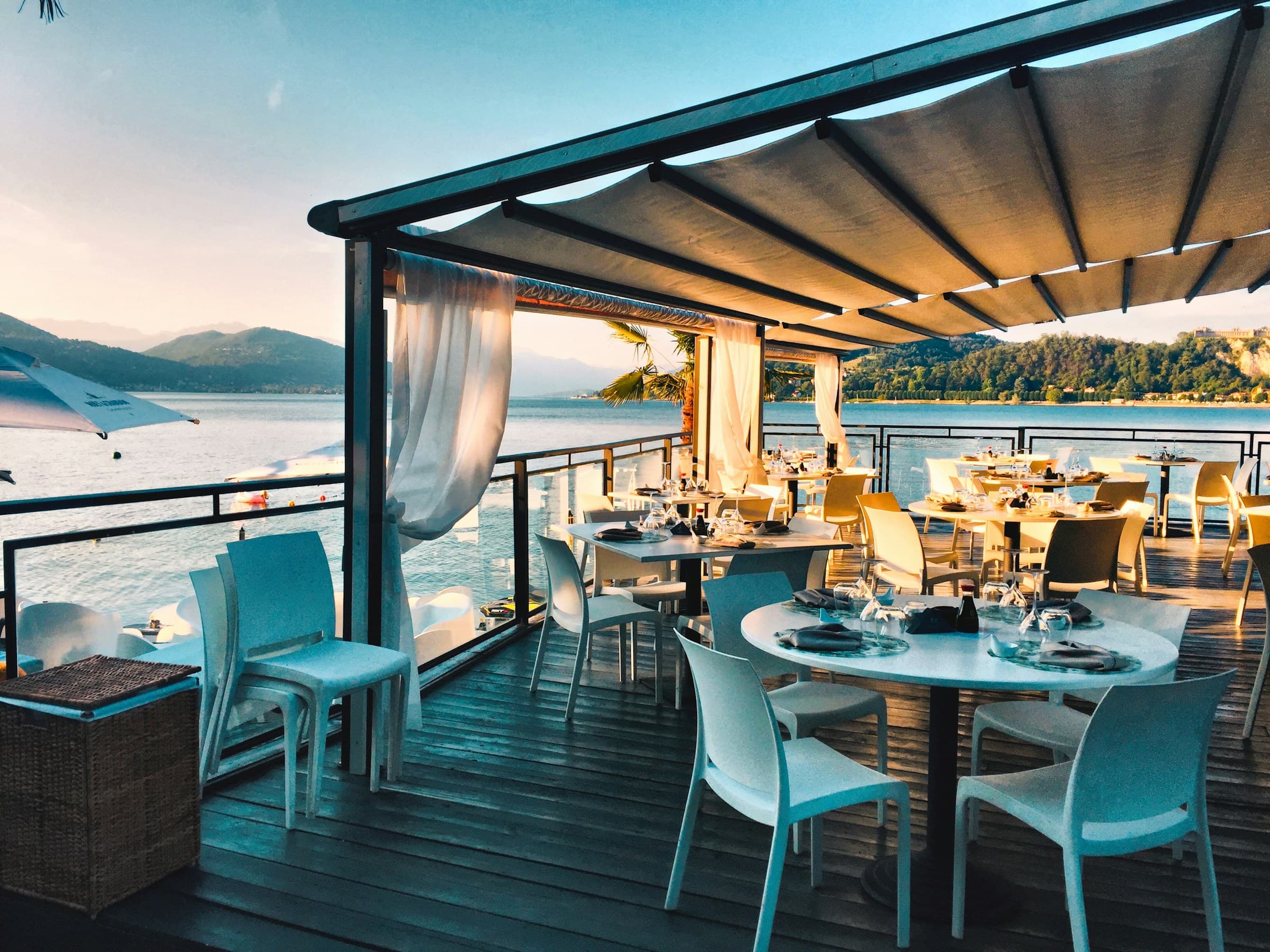
You know the difference within thirty seconds.
The host who looks up, registers your party, and leads you without asking which reservation name to spell. The captain who waits until you are seated before describing the menu, not reciting it over your shoulder in the corridor. The server who refills water at the pause between sentences, not mid-sentence. None of this is theatre. It is timing, and timing is a culinary skill.
We talk about restaurants as if the kitchen were the entire argument. Stars, chef profiles, ingredient sourcing: the metrics are all plate-side. Yet the meals diaspora diners remember, the banquets where elders leave satisfied, the counters where you return twelve times in a year, depend as much on the room as on the recipe. Hospitality is not infrastructure. In the best addresses in Tokyo, Hong Kong, and Vancouver, it is authorship.
"Omotenashi is not politeness. It is finishing the sentence the guest has not spoken yet."
Den and the Tokyo Contract
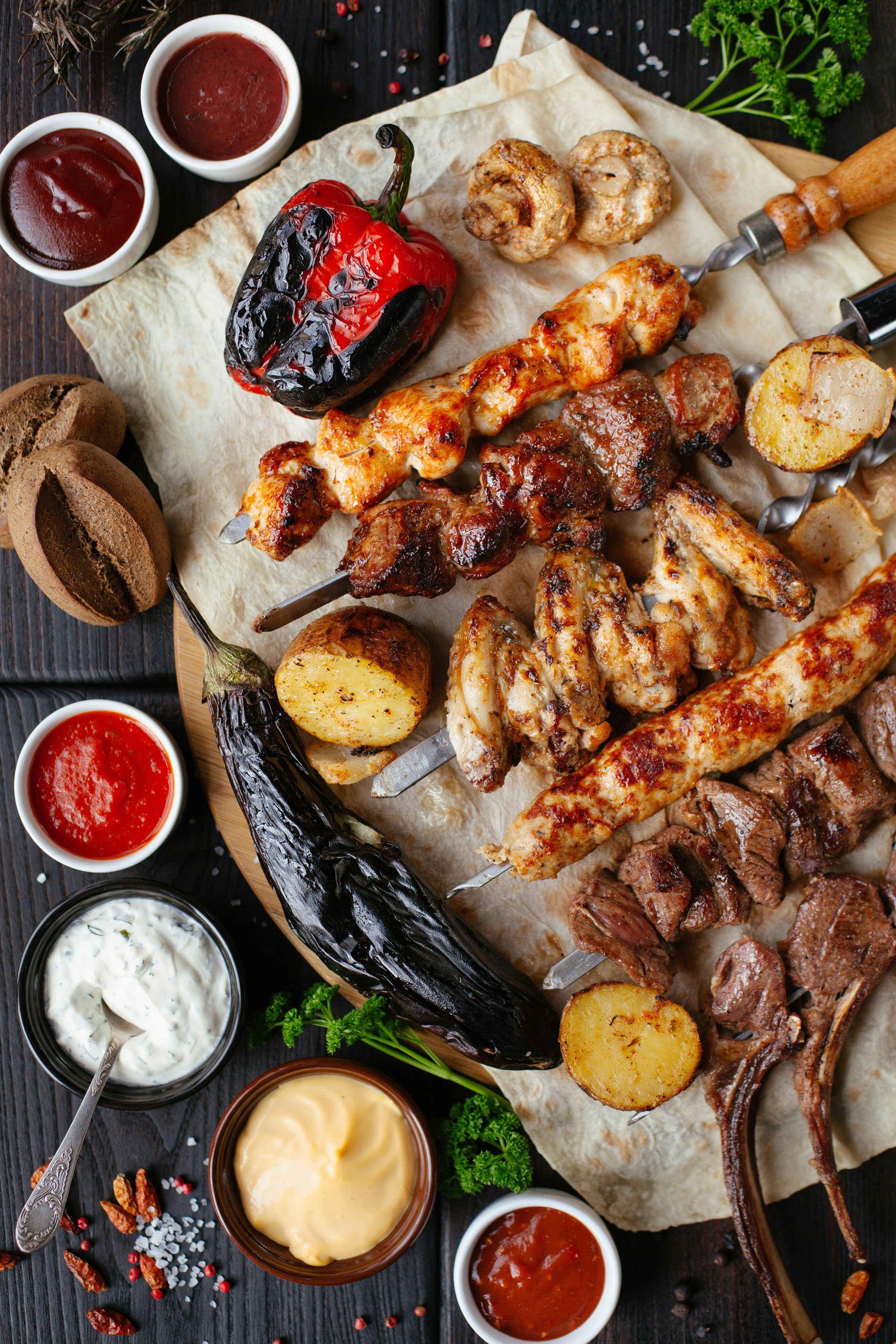
Den, at 2-3-18 Jingumae in Shibuya, holds two MICHELIN stars and a Green Star in the Tokyo guide for 2026. Chef Zaiyu Hasegawa's food is the headline. Manager Emi Hasegawa's floor is the reason the room feels personal at capacity. She received the MICHELIN Guide Tokyo Service Award in 2023, one of the few times a guide has named service leadership beside the kitchen.
The famous Den parade, staff carrying dishes in procession, looks like performance. It is logistics made visible: every guest receives the same temperature, the same pace, the same cue that the meal is a shared event rather than a sequence of transactions. Reservations open by phone between noon and 5:00 p.m., Monday through Saturday, with a booking window two months ahead. The difficulty of getting in is part of the contract. When you arrive, someone has already thought about your evening.
That anticipation is the Japanese model of omotenashi: hospitality as foresight, not reaction. The chef who adjusts nigiri pace when you are talking. The innkeeper who remembers your preference from a previous stay. These are disciplines passed through generations, not charm deployed for tips.
Lung King Heen and the Banquet Grammar
Chinese banquet culture treats the host's role as structural. Seating order, toast timing, lazy Susan rotation: the floor team reads the table's energy and adjusts. When to serve soup. When to propose a toast. When to let conversation breathe without clearing plates like a evacuation drill.
Lung King Heen at Four Seasons Hong Kong holds two MICHELIN stars in the Hong Kong and Macau guide for 2026. Executive Chinese Chef Chan Yan Tak's kitchen sets the standard. The service staff protect it across hundreds of covers on peak nights, managing simultaneous celebrations without collision. That is choreography, not deference.
For diaspora families, the banquet remains the primary school of hospitality. You learn where to seat elders by watching. You learn when to insist on paying the bill by losing the argument once. Fine dining in the Western sense borrowed from this tradition more than it admits. The difference at Lung King Heen is that the borrowing is conscious: precision without coldness, formality without distance.
When East and West Share a Floor
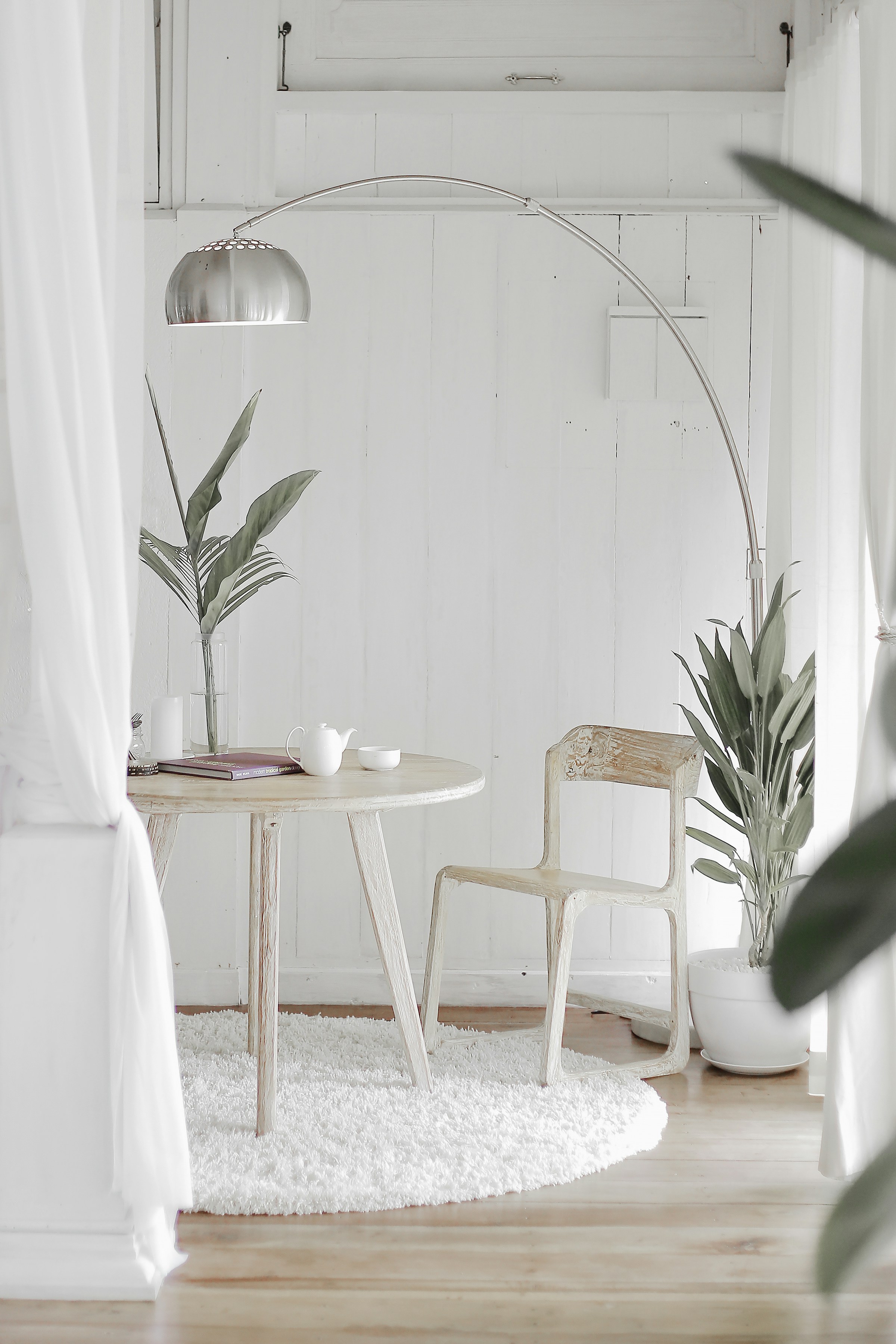
European fine dining has its own vocabulary: the maître d' who reads a room, the sommelier who listens before recommending, the captain who explains a dish without lecturing. The convergence with Asian philosophy is no longer theoretical. It happens nightly in rooms where chefs trained in both traditions build service models from both grammars.
Narisawa in Minato-ku extends Yoshihiro Narisawa's nature-driven cuisine into the floor's pacing. Odette at National Gallery Singapore pairs British technique with Asian ingredient sensibility and a team that matches Julien Royer's kitchen in precision. Ultraviolet in Shanghai choreographs light, sound, and service as one composition. In each case, hospitality is designed, not downloaded from a corporate manual.
What the Guest Actually Feels
Great service matches your rhythm rather than imposing one. A counter chef who slows when you are talking. A captain who waits before describing the next course. Recovery from error without groveling: a replaced course delivered calmly restores the evening; over-apologizing breaks it.
Consistency across staff matters because inconsistency reads as indifference. When every server knows the menu and the philosophy, the experience feels authored. Training is expensive. Diaspora diners, who often arrive with comparative memory, notice the difference immediately.
Language without friction is part of hospitality in global cities. The best rooms code-switch between English, Cantonese, Japanese, and Mandarin without making any guest feel like an outsider. The goodbye matters as much as the greeting: a coat at the right moment, a quiet thank you that does not demand reciprocation.
Vancouver, Singapore, and the Diaspora Dining Room
Restaurants serving diaspora communities carry an additional obligation. The Cantonese banquet compares unconsciously to grandmother's table. The omakase counter compares to Ginza. Service that acknowledges memory without nostalgia, by delivering excellence rather than imitation, earns loyalty no campaign can buy.
Mott 32 in Vancouver and Sea Harbour in Richmond operate in different registers but share the test: does the guest feel their reference points are respected, not corrected?
In Singapore, Odette holds three MICHELIN stars with a floor team that matches the kitchen. Reservations open on the first of each month for the following month. The Singapore EDITION at 38 Cuscaden Road, which previewed in November 2023 and launched in May 2024, trains staff to anticipate without hovering. Jaan by Kirk Westaway on the 70th floor of Swissôtel The Stamford remains a reference for captains who explain without lecturing.
For travelers who split time between Hong Kong and Singapore, the contrast between EDITION ease and older luxury formality is instructive. Neither is wrong. They are different readings of the same question: how much should the guest feel the machinery?
A Service Moment at Lung King Heen
The test of hospitality is not the greeting. It is minute forty-five of a banquet when three tables celebrate simultaneously and the room should feel chaotic but does not.
At Lung King Heen, captains read distance without hovering. Water arrives between sentences, not during them. When a lazy Susan rotation stalls because an elder is mid-story, the next course waits. When a guest drops a chopstick, replacement appears before the guest has finished apologizing. The kitchen sets the standard; the floor protects it across hundreds of covers on peak nights.
Watch one captain for a full service. Notice how toast timing is managed: encouragement without pressure, silence without neglect. That is banquet grammar in its native language. Read our room study for ordering logic; watch the floor for why the room survives diaspora family memory intact.
Study the Room, Not the Plate
If you want to understand hospitality as craft, watch the floor on your next reservation.
Notice when water is refilled relative to speech. Notice how errors are corrected. At Den, watch the parade. At Lung King Heen, watch captains manage three banquets without raising their voices. At any serious counter, watch whether the chef's eye contact survives the rush.
Technology has not replaced any of this. Online reservations and QR menus reduce friction. They do not replace the greeting, the recommendation, the recovery. A confirmation text is welcome. A self-order kiosk at a fine dining banquet is not.
Post-pandemic dining publics are less tolerant of performance without substance. Hospitality as culinary art survives because it delivers substance: anticipation, recovery, consistency, and a send-off that makes you want to return. For the diaspora diner, that feeling is not garnish. It is the difference between a restaurant that respects your reference points and one that treats you as a ticket.
Book private dining for celebrations above eight when the restaurant offers it. Banquet hospitality requires space to breathe. Tip where appropriate in North America; in Japan and many parts of Asia, tipping can confuse rather than reward.
The best meals you will remember are not always the most expensive. They are the ones where someone made you feel that your presence was the point.