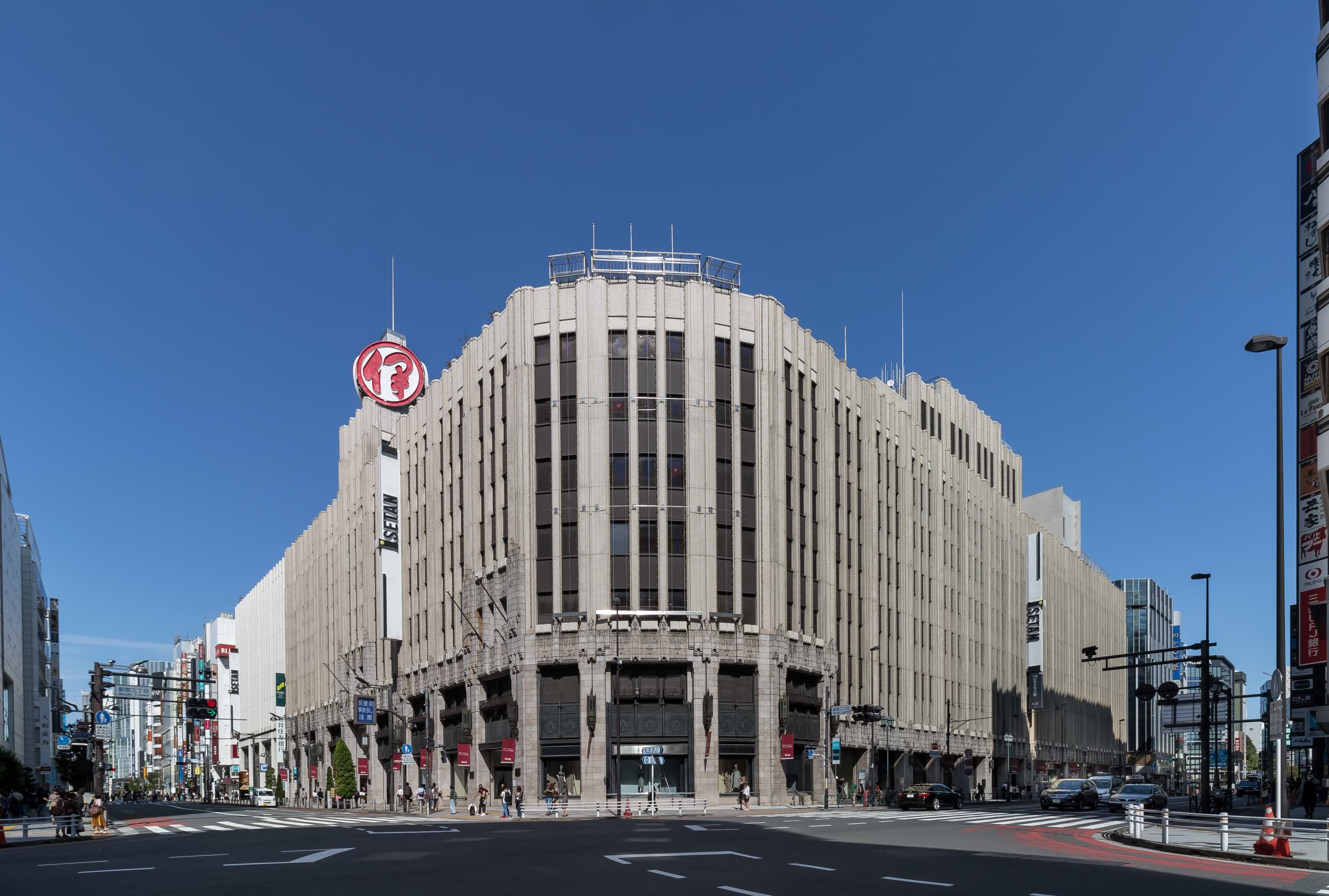
To make the most of your visits, see Isetan and Mitsukoshi as more than malls. If you know how to look, the right Japanese department stores are classes in proportion, fabric, and restraint.
Nearly every visitor to Tokyo has shopping on the agenda. I am not a huge shopper myself, and even I walked away with a few quality pieces to bring home.
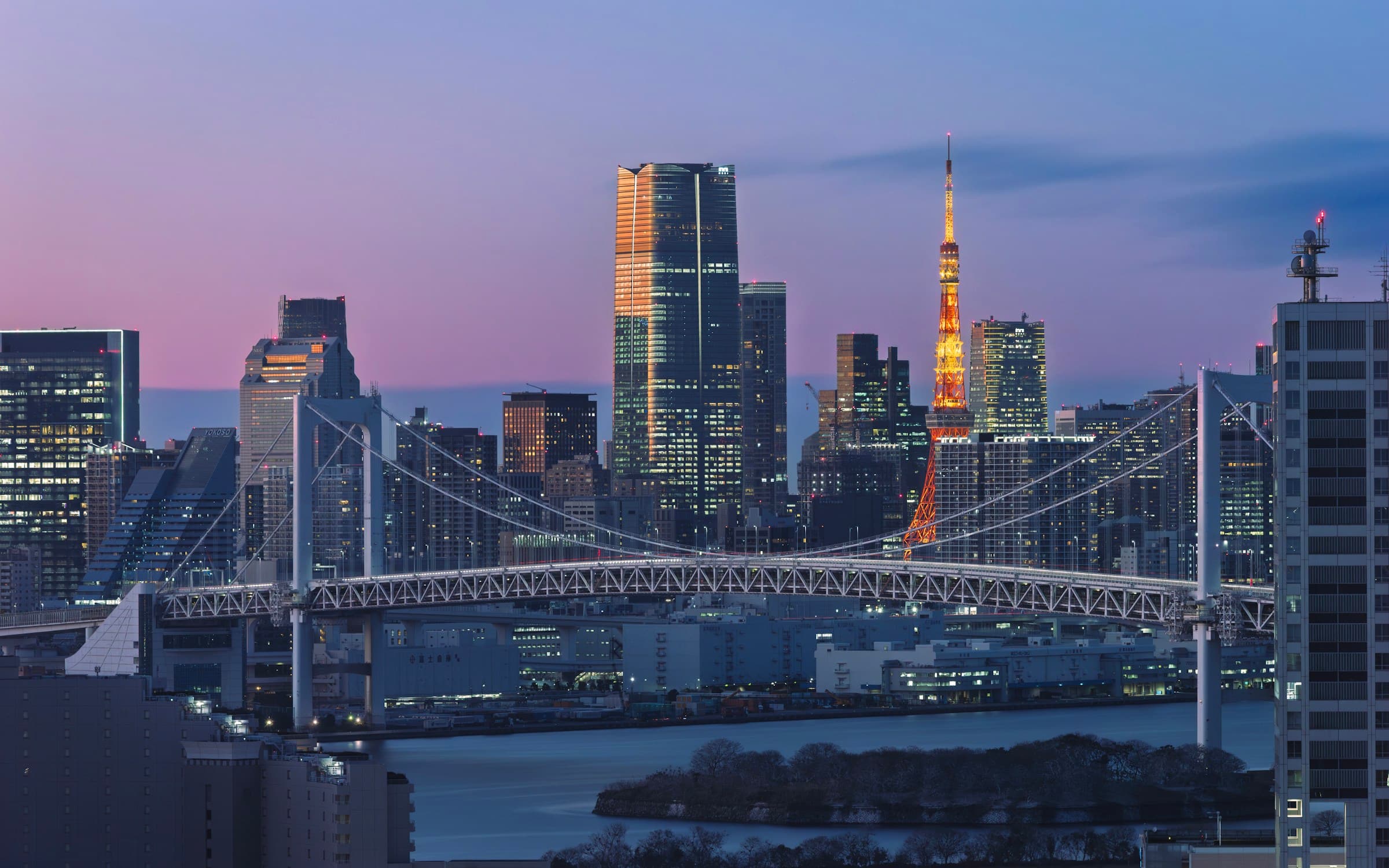
But Tokyo department stores are also an education. Isetan in Shinjuku, Mitsukoshi in Ginza, Takashimaya in Nihonbashi, and Daimaru at Tokyo Station each operate as curated textbooks: floors organized by life stage, staff trained to explain fiber content without condescension, and windows that change weekly because display is a civic art.
For diaspora travelers who want to dress better without chasing hype, Tokyo's depāto are among the world's best free seminars. Look slowly and indulge.
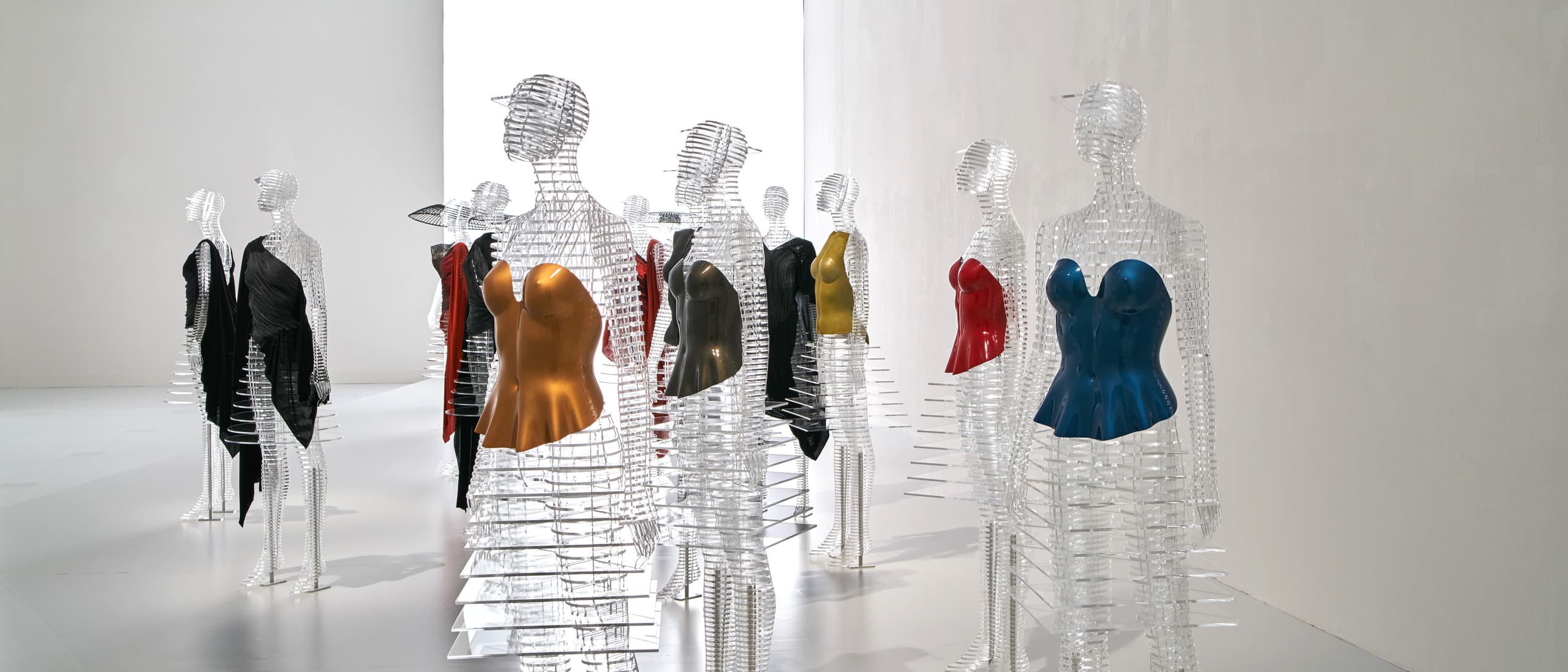
"My fascination has been the space between cloth and the body, and using a two-dimensional element to clothe a three-dimensional form."
Issey Miyake
Read The Banquet Guide to Tokyo for neighbourhood pacing. For tailoring after you learn fabric, see Bespoke Between Continents.
Why Department Stores Still Matter
Online retail clarified the brick-and-mortar role of Tokyo's flagship depāto.
They are competing on trust more than price (read: be prepared to spend for quality): knowing which Japanese makers deserve floor space, which European imports fit Japanese bodies, and how to serve a customer who expects wrapping, alteration referrals, and seasonal storage advice as standard.
Department store dressing is the aesthetic that emerges from that system. Proportionate silhouettes, fabric-first thinking, and an allergy to looking "styled" rather than dressed are the name of the game.
Both Isetan and Mitsukoshi now sit under Isetan Mitsukoshi Holdings, merged on 1 April 2008, but the stores still read differently on the ground. Think of them as siblings with different homework, not interchangeable branches.
Isetan Shinjuku: The Reference
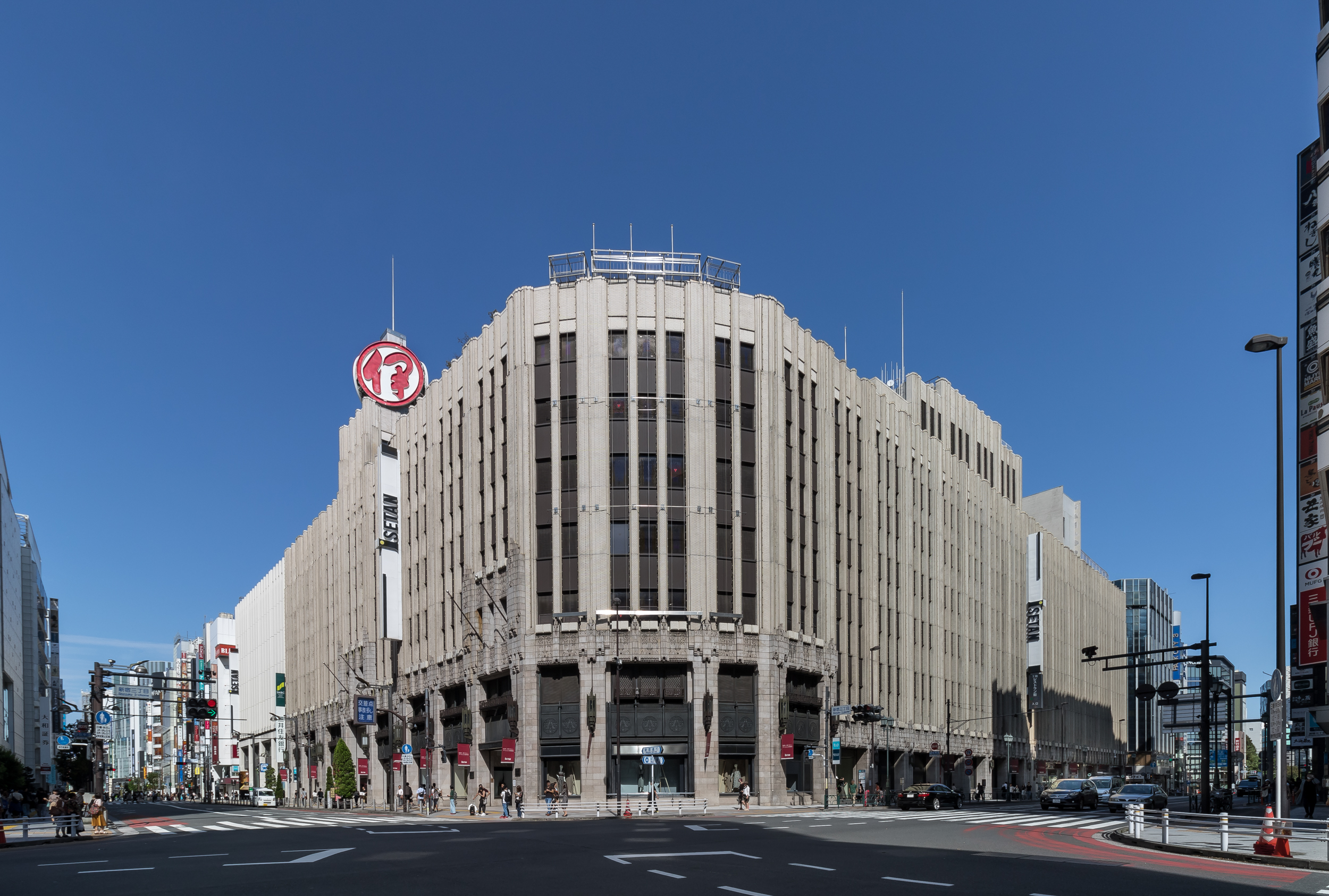
Isetan Shinjuku is the reference point, full stop. The main building on 3-chome, Shinjuku draws more than 30 million visits a year and has repeatedly led Japan in apparel sales. Isetan began in 1886 as Iseya Tanji Gofukuten, a kimono draper in Kanda; the 1933 Shinjuku opening was chaotic enough that entry was restricted on day one. The store's reputation since then is not "department store that follows trends" but store that names them.
What makes the campus unusual is the split building. The Main Building carries womenswear and the depachika; the Men's Building across Shinjuku-dori is a separate nine-story block linked by underground and upper-floor passageways. The men's annex relaunched as Isetan Shinjuku Men's on 10 September 2003, marketed internally as Japan's first dedicated men's fashion store and still described by the group as aiming at "world No. 1" menswear retail. If you only have ninety minutes, start men's side if you wear suits; it is focused, less scattered, and easier to read.
What to study on the fashion floors:
Buyer edits, not brand lists. Isetan buyers historically gave early floor space to labels including Comme des Garçons, Sacai, and Thom Browne before those names were everywhere. You are watching merchandising as criticism: why this Japanese knit beside that Loro Piana roll-neck, and what the pairing says about the season.
Shoulder lines sized for Japan. Pattern blocks run narrower in the chest and shorter in sleeve than continental European defaults. Notice suppression on jackets and where the shoulder seam sits on mannequins. This is why diaspora clients fly home with Brunello Cucinelli that fits in Tokyo and pulls in London.
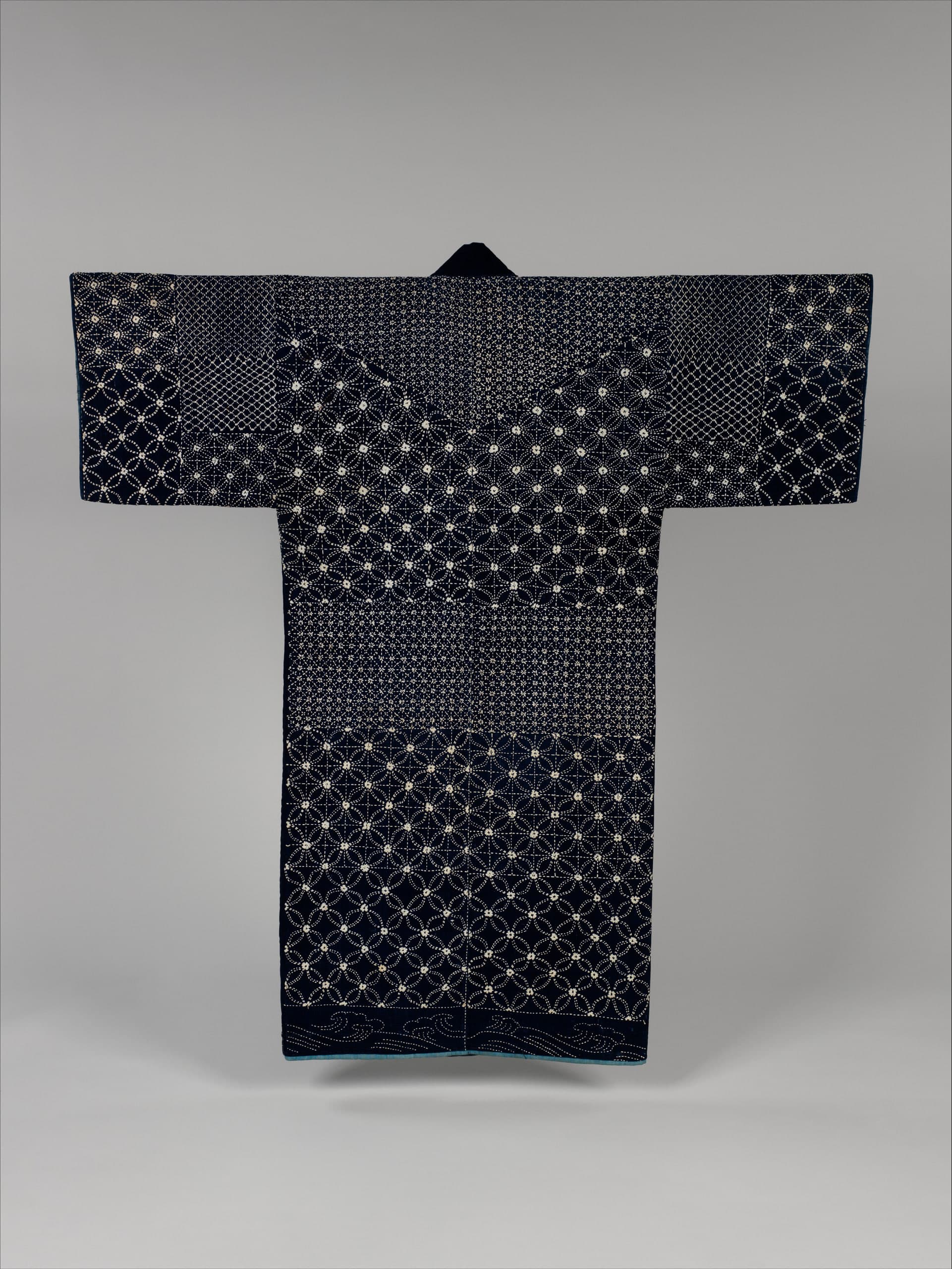
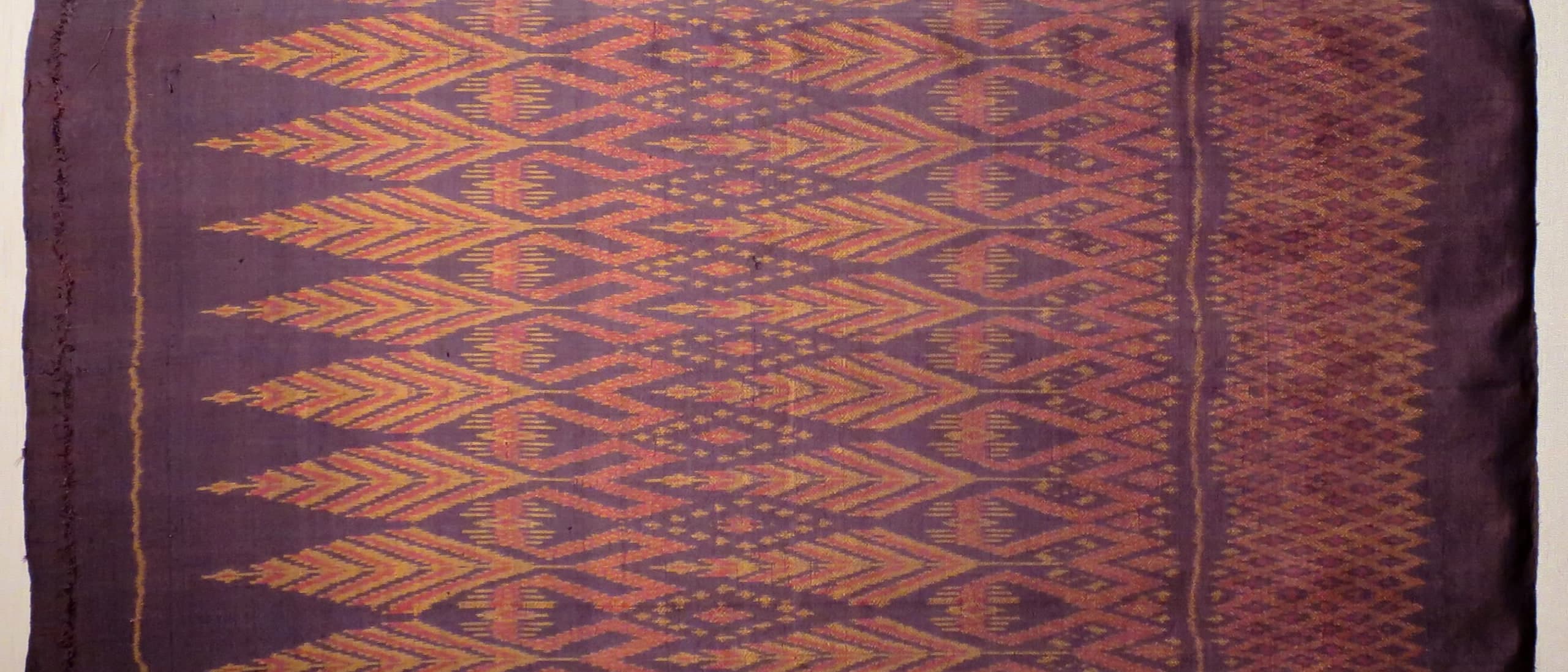
Fabric literacy on the tag. Blend percentages, origin, care symbols. Staff will explain why Super 120s wool wilts on the Marunouchi line in August while high-twist cotton-linen survives.
Shoes as part of the trouser conversation. Break, taper, sock colour treated as one decision on the shoe floor, not an afterthought by the cash desk.
The depachika as lifestyle floor. Basement B1 of the Main Building is the food hall: wagyu counters, fruit parlours, bento lines that explain why Tokyo dinner culture starts at the department store, not the restaurant reservation. You do not need to buy a jacket to learn from B1. Buy a perfect strawberry and call it research.
Practical on arrival: come up from Shinjuku-sanchome Station on the Marunouchi, Fukutoshin, or Toei Shinjuku lines via the underground exits signed ISETAN if it is raining. You can reach B1 without crossing traffic. Tax-free counters sit on B1 and 6F of the Main Building; same-day purchases over ¥5,000 before tax qualify for visitor refund paperwork (passport required). Budget 10–15 minutes in line during sale periods.
Ginza Mitsukoshi: Formality Without Costume
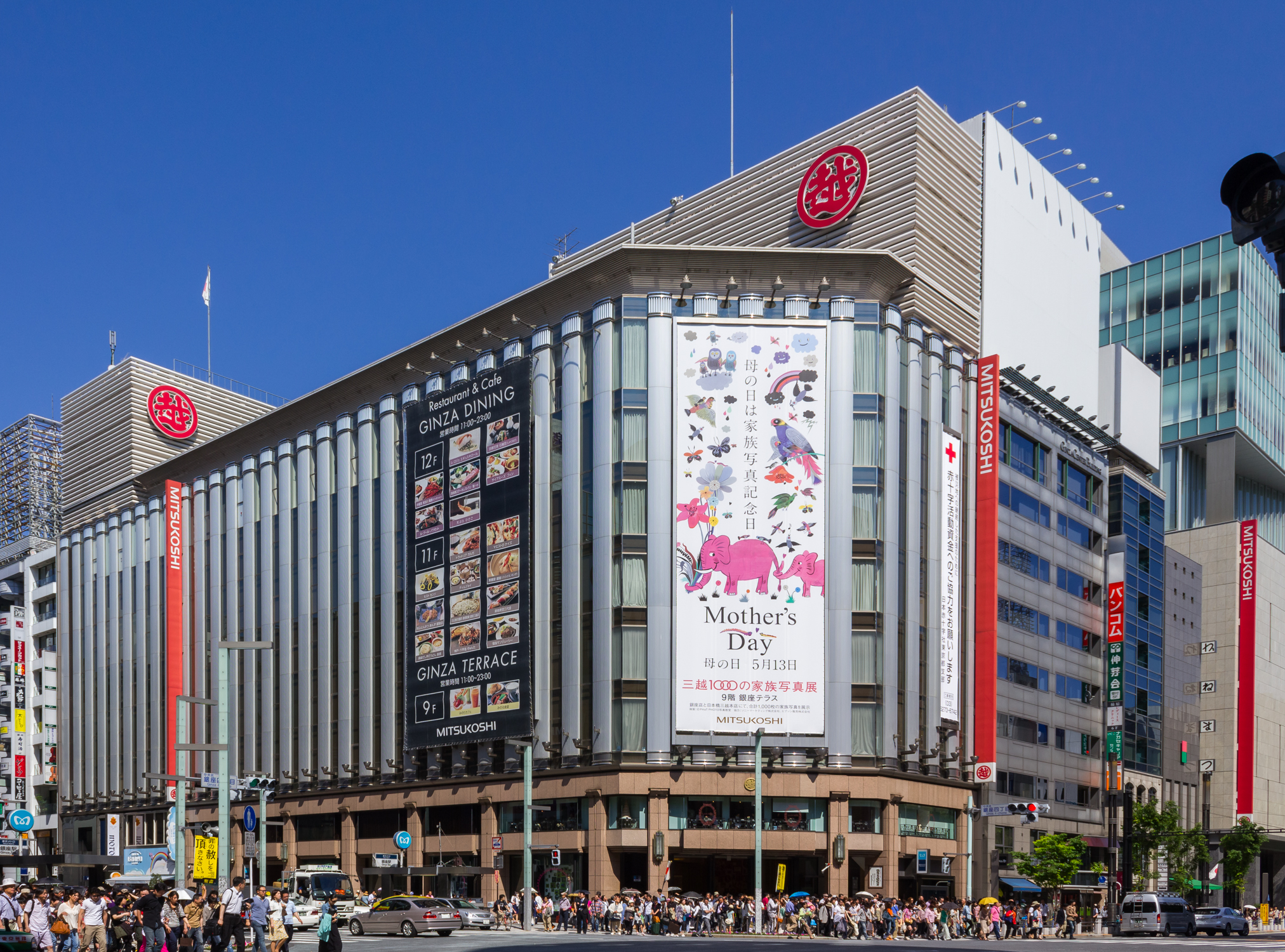
Mitsukoshi traces to Echigoya, the 1673 kimono shop Takatoshi Mitsui opened in Edo. The company declared Japan's first department store manifesto in 1904. Ginza Mitsukoshi, at the 4-chome crossing, opened in 1930 and has been a literal landmark of the district ever since: lion statue at the entrance, Ginza Station a minute away, main and new buildings linked from the 3rd floor up.
The tone here skews older and more ceremonial than Isetan Shinjuku: occasion wear, conservative colour, embassy-adjacent polish. Useful if your diaspora calendar includes Imperial Hotel dinners, gallery openings at Kabuto One, or family events where understatement reads as respect rather than boredom.
What to study:
Women's formal and semi-formal sections show how Japanese dressers handle weddings, memorials, and reception rooms without defaulting to Western cocktail cliché. Look at sleeve length, fabric weight, and how little skin does the work.
Men's shirting treated as architecture: collar spread, cuff length, collar stay pockets. These are proportion tools, not status markers.
The terrace shrine (Ginza Syusse Jizo) on upper floors is not decoration. It is part of how the store understands merchant culture: success, promotion, return visits. That sounds sentimental until you notice how seriously regular customers treat it.
Restaurants on 11F–12F run later than the shop floor (often until 9 p.m.). A practical move: shop before 7, eat upstairs, avoid carrying garment bags through Ginza at rush hour.
Window-shop Uniqlo's Ginza flagship for baseline, then walk upstairs at Mitsukoshi for what refinement adds without logos. The comparison takes twenty minutes and saves you a year of bad purchases.
The Buyer Floor Logic
Department stores organize by buyer, not brand alphabet.
Each buyer curates a floor like a magazine editor: themes, price tiers, and a narrative across seasons. When a Tokyo buyer commits to Irish linen or Hokkaido cashmere, the decision ripples through the Isetan Mitsukoshi network nationally.
For diaspora dressers, that means:
Seasonal transitions arrive early. Summer fabrics appear in April. Winter coats in September. Plan travel accordingly if you shop.
Sale periods are real but disciplined. January and July semi-annual sales move inventory; they are not permanent outlet theatre.
Alteration culture is assumed. Budget time and yen for hem, sleeve, and waist adjustments at in-house tailors or referred workshops. Off-the-rack is a starting point, not the finish line.
What Tokyo Teaches That Instagram Does Not
Neutral does not mean boring. Tokyo neutrals have texture: herringbone, nailhead, matte knit, brushed cotton.
Fit beats label. A Japanese brand sized correctly beats an imported luxury piece that pulls at the shoulder.
Layering is climate logic. Spring and autumn demand systems, not single hero pieces. Watch how mannequins stack light knit under unstructured jacket under mac.
Grooming completes the outfit. Hair, nails, bag condition. Department store dressing is total, not garment-only.
Pair this with Independent Japanese Watchmakers to Know for the wrist layer and What Quiet Carry Actually Looks Like for bags.
Practical Notes (If You Are Actually Going)
Isetan Shinjuku (Main + Men's): 3-14-1 Shinjuku, Shinjuku-ku. Best subway arrival: Shinjuku-sanchome, follow ISETAN underground signs. Main Building roughly 10 a.m.–8 p.m. (confirm on mistore.jp before travel). Depachika on B1 Main Building only. Tax-free: B1 and 6F Main Building with passport; combine receipts same day when possible.
Mitsukoshi Ginza: 4-6-16 Ginza, Chuo-ku. Ginza Station exit to 4-chome crossing; lion statue is the obvious meet point. Store floor typically 10 a.m.–8 p.m.; restaurants 11F–12F often to 9 p.m. Duty-free and tourist services on site; staff at the information counter usually handle basic English.
Takashimaya Nihonbashi (worth a third stop): 2-4-1 Nihonbashi, Chuo-ku. Tokyo store opened 1933; building designated an Important Cultural Property in 2009, the first department store so listed. Connected to Nihonbashi Station (Ginza and Tozai lines). Hours often 10:30 a.m.–7:30 p.m., slightly earlier close than Shinjuku. Dress code here runs more conservative; good for studying occasion wear and heritage Japanese craft floors without Shinjuku crowd density.
Daimaru Tokyo (station-day stop): Yaesu side of Tokyo Station, in the GranTokyo complex near GranRoof. Daimaru's Edo store dates to 1743; the Yaesu location opened 1954. Useful when you have ninety minutes between Shinkansen trains: menswear, gifts, food hall without a separate neighborhood detour. The group's creed since 1736: Service Before Profit. You feel it in how calmly staff handle wrapping, not in slogans on the wall.
Language: Fashion-floor staff often speak basic English; bring a photo of a garment you own that fits well if you are commissioning alterations.
Money: Visitor tax exemption on qualifying same-day purchases; keep passports accessible. Premium depāto pricing is real. Sales windows are the honest time to buy if budget matters.
The Verdict
Tokyo department store dressing is learned by walking floors slowly, not by chasing a trend list on Omotesando.
You leave Isetan or Mitsukoshi understanding proportion differently: how fabric weight changes posture, how buyer culture shapes what "dressed" means, and why the basement food hall is part of the same education as the tailoring floor. Buy if something fits your life. Otherwise steal the calibration for your local tailor, your closet edit, and your next fair week in Hong Kong.
Read The Banquet Guide to Tokyo, The Return of Quiet Luxury in Seoul, and The Asian Grand Tour.