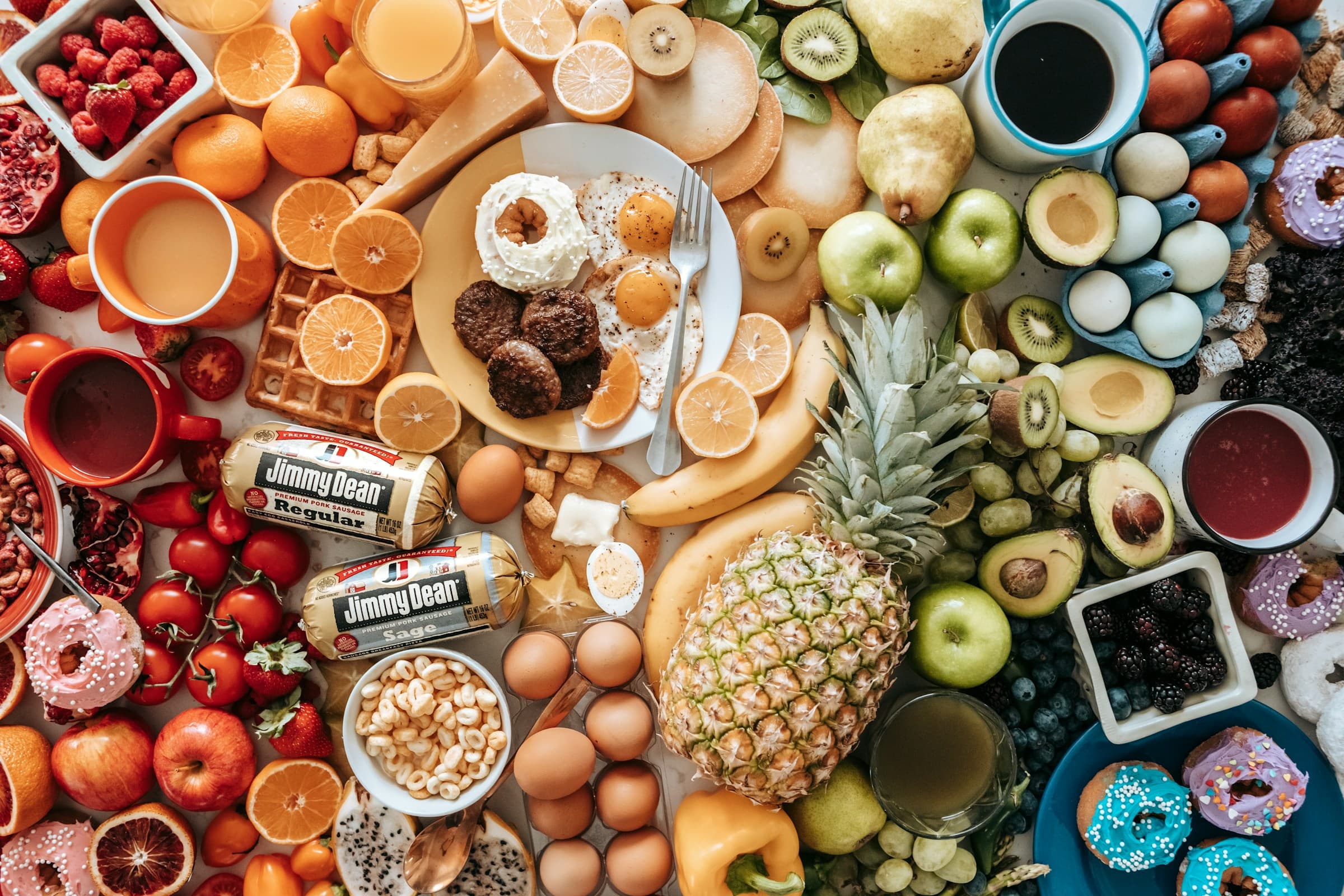
The banquet is among humanity's oldest forms of celebration.
From Chinese wedding tables to Japanese kaiseki feasts, from Persian Nowruz spreads to Italian Sunday lunches, the act of gathering many people around shared food carries cultural weight that no tasting menu can replicate. What is changing is how the modern banquet is conceived: less about display, more about experience; less about quantity, more about intention.
"A great banquet is not measured by the number of courses. It is measured by the quality of conversation they produce."
The art of the modern banquet lies in balancing tradition with contemporary expectations: dietary diversity, pacing that respects attention spans, and settings that feel personal rather than institutional. For diaspora hosts especially, the banquet is where heritage meets the guest list you actually have: vegetarian cousins, partners who do not drink, children who will not sit through twelve courses.
The Chinese Banquet, Refined
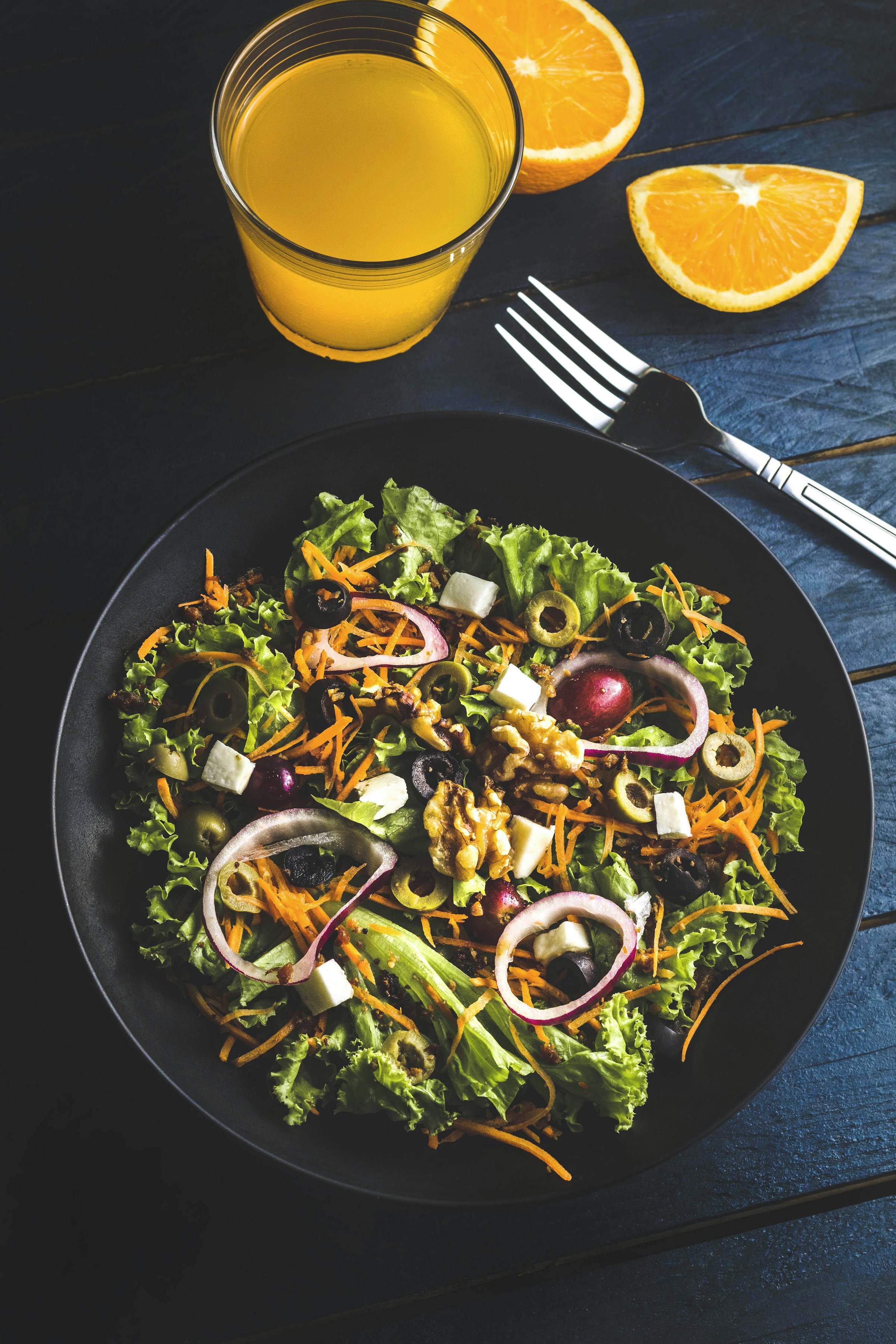
The Chinese banquet tradition operates on principles that modern hosts would do well to study. Courses arrive in auspicious sequence. The host manages toasts, seating hierarchy, and the pace of service. Live seafood, roasted meats, and seasonal vegetables appear in balance rather than excess.
Contemporary operators like Mott 32 in Vancouver and Hong Kong adapt the banquet format for business entertainment and family celebration, offering private dining rooms where the ritual is preserved and the execution is elevated. Mott 32 ranked No. 5 on the Chinese Restaurant Awards Elite 30 Canada 2025 list, a useful benchmark for diaspora cities building destination-tier Cantonese rooms. The modern twist is ingredient transparency and wine pairing options that would have been unthinkable a generation ago, when sweet Bordeaux dominated every red sauce dish.
In Richmond, Sea Harbour Seafood Restaurant and Chef Tony Seafood Restaurant remain the reference points for classic banquet pacing: soup early, seafood at peak, rice timed to appetite rather than kitchen convenience. The host who knows when to order the lobster projects authority. The host who orders everything at once creates chaos.
Kaiseki as Intimate Banquet
Japanese kaiseki, originally a tea ceremony accompaniment, evolved into the most formal expression of seasonal dining. A kaiseki meal is a banquet for a small number: typically four to eight guests, each course a meditation on time and place.
Modern ryokan and restaurant kaiseki maintain the format's contemplative pace while adapting to international palates. The lesson for any host is clear: fewer courses, better considered, beats an overwhelming procession. A dinner of eight thoughtful plates generates more conversation than sixteen rushed ones.
At Den in Tokyo, chef Zaiyu Hasegawa's two MICHELIN stars (Tokyo 2026) and Green Star reflect a philosophy that treats the meal as joy rather than endurance. The format is tasting-menu tight, but the spirit is banquet warm: staff who know your name by the third course, dishes that invite laughter. Kaiseki discipline without kaiseki stiffness.
Hosting in the Modern Era
Plan the seating. Chemistry matters as much as hierarchy. Place conversational catalysts strategically. Separate couples who will talk only to each other. Seat elders where they can see the room and be seen.
Control the pace. Allow forty-five minutes between major courses. Conversation is part of the menu. A banquet that rushes is a catering job, not a celebration.
Accommodate dietary needs without announcement. A well-planned banquet includes options that need no special explanation: vegetable dishes that satisfy without labeling someone "the vegan at table seven."
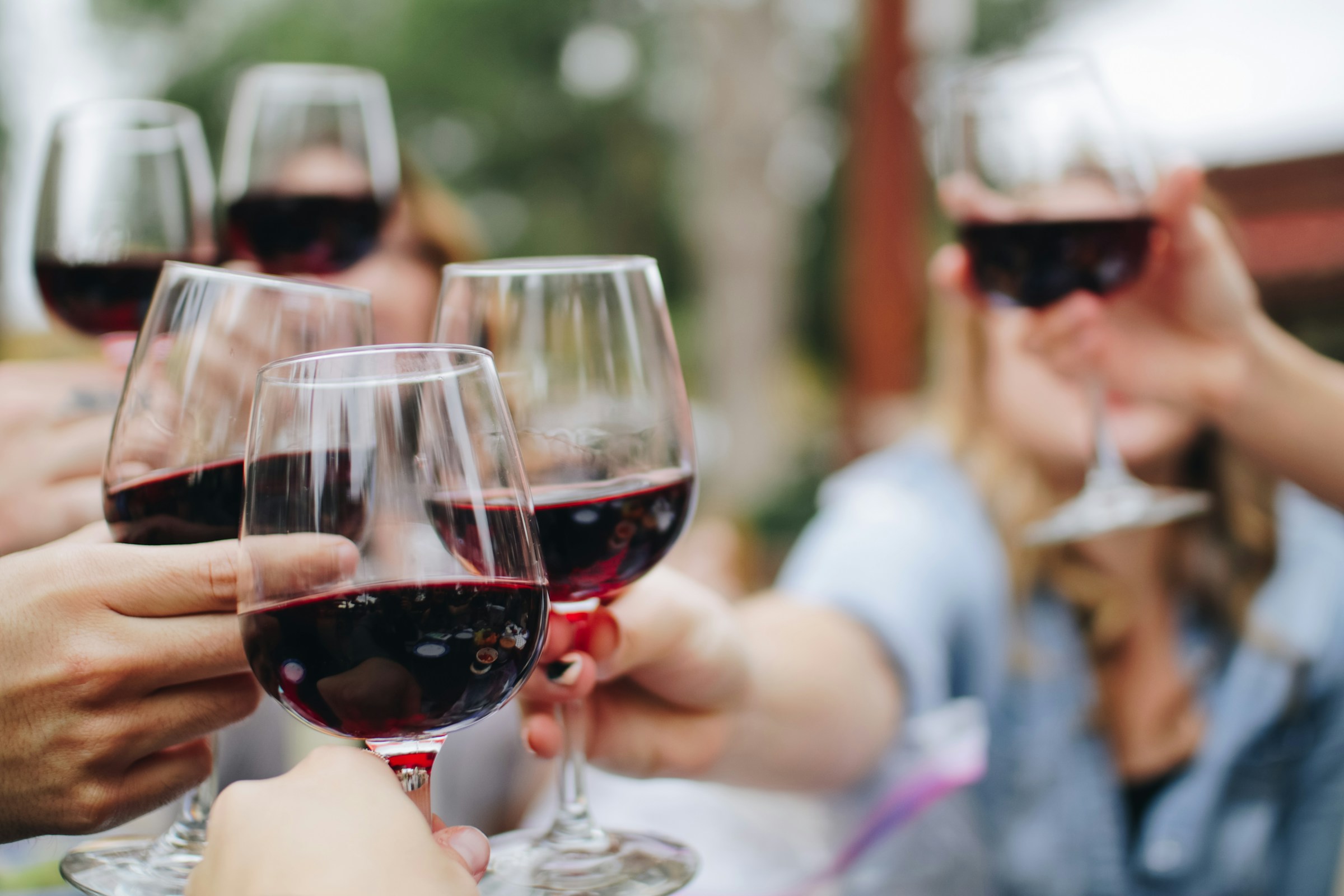
Choose one excellent wine rather than five adequate ones. Quality over variety. One Champagne for the toast, one red and one white for the meal, chosen to match the cuisine rather than impress with label recognition.
End deliberately. A final toast, a small sweet, a clear signal that the evening has concluded. Do not let the banquet dissolve into ambiguous lingering. Guests remember endings.
The Modern Banquet Menu
Structure still matters. A workable contemporary sequence for a Chinese-influenced banquet might run: cold appetizer platter, soup, steamed seafood, wok-fried vegetable, roasted meat, rice or noodles, dessert. Eight dishes, not eighteen. Each plate large enough to share but not so large that leftovers embarrass the host.
Wine service has evolved. Albariño with steamed fish, Pinot Noir with duck, aged Riesling with spice: the old red-wine-only rule no longer applies. Sommeliers at rooms like Lung King Heen in Hong Kong (two MICHELIN stars, Hong Kong 2026) have trained a generation of hosts to think in pairing rather than prestige.
When to Hire Professionals
For celebrations above twelve guests, professional catering with restaurant-quality execution is worth the investment. The best caterers now offer banquet formats that rival restaurant dining: live cooking stations, sommelier service, and table settings that feel bespoke rather than rented. When budget allows, private dining at a destination restaurant still beats catering for milestone tables. See the section below for Vancouver and Hong Kong addresses.
Banquets Across Cultures
The format translates. Korean hanjeongsik spreads, Filipino kamayan feasts, Italian Sunday pranzo: each culture solves the same problem, feeding a crowd generously while preserving ritual. The modern host borrows freely: a Chinese seating hierarchy, Japanese pacing discipline, Western wine service. The diaspora banquet has always been syncretic. It is now intentional.
Private Rooms and the Business Banquet
Corporate entertaining in Asian cities still defaults to the banquet format. Private rooms offer sound privacy, dedicated service captains, and menus negotiated in advance. The modern difference is transparency: ingredient sourcing, dietary accommodation, and itemized pricing rather than opaque set menus that surprise the host.
For diaspora professionals entertaining clients from multiple countries, the banquet room becomes a neutral stage: Cantonese food reads as familiar to East Asian guests and exotic enough to Western visitors without requiring explanation. Named addresses for Vancouver and Hong Kong appear below.
Scale: Twelve to Fifty Guests
Above twelve guests, choreography matters more than cuisine. Assign one service captain per ten guests. Stagger dish arrival so every table receives simultaneous service. Keep speeches between courses, not during them. A toast during soup guarantees cold soup.
Buffet formats have retreated from luxury entertaining except at weddings, where they persist for scale. Plated banquet service or lazy Susan rotation remains the standard for hosts who want control.
Practical Notes
Confirm head count seventy-two hours ahead. Kitchens and caterers plan to your number; late drops still cost.
Assign a co-host. You cannot toast, greet, and pace simultaneously.
Photograph after the first course, not before every plate. Presence is part of hospitality.
Thank the kitchen. A word to the chef or captain lands differently than a generic review posted days later.
The modern banquet is not a relic. It is a format being rediscovered by a generation that has tired of standing receptions and photo-op dinners. The ancient ritual persists because it solves something fundamental: the need to eat together, generously, and with purpose. The art is not in spending more. It is in meaning more.
Private Dining in Vancouver and Hong Kong
For diaspora hosts planning milestone celebrations, private dining rooms at destination Cantonese restaurants remain the strongest option when budget allows.
Mott 32 Vancouver at 1161 West Georgia Street accepts large-party inquiries through its events address. Specify Peking duck, dietary requirements, and whether you want wine service or tea progression when booking. The room handles production; you handle guest experience and toast order.
Sea Harbour Seafood Restaurant in Richmond remains the reference for classic banquet pacing on the Pacific coast: soup early, seafood at peak, rice timed to appetite rather than kitchen convenience. Chef Tony Seafood Restaurant offers similar discipline with a slightly more contemporary garnish style. Both reward hosts who confirm head count seventy-two hours ahead and who assign a co-host for greeting and pacing.
In Hong Kong, Lung King Heen at Four Seasons Hong Kong holds two MICHELIN stars in the Hong Kong and Macau MICHELIN Guide 2026. Private rooms here combine harbor views with service staff trained to manage simultaneous celebrations without collision. Executive Chinese Chef Chan Yan Tak's kitchen sets the standard; your job is guest chemistry and toast restraint.
The Toast as Architecture
Every banquet has a rhythm, and toasts are its punctuation.
Open with welcome, not business. Mid-meal toasts should honor a person or occasion, not deliver a quarterly update. Close with gratitude, briefly. The host who allows five consecutive speakers to ramble destroys pacing; the host who forbids all speech destroys warmth. Aim for three toasts across a three-hour meal: opening, midpoint, closing.
Champagne for the first; aged red or tea for the middle; something sweet and low-alcohol for the end if guests are driving. The modern banquet respects sobriety as much as celebration.
After the Last Course
Endings are underrated at restaurant-hosted banquets because the floor team usually handles coats and pacing. Your job is to signal closure: a final toast, gratitude to elders, and a clear move toward departure rather than another round that fractures the room.
The banquet's future belongs to hosts who treat the table as a stage and the menu as script, not to those who confuse volume with generosity.
Continue Reading
Read The Hotel Bar as Embassy, Hospitality as Culinary Art, and Dinner at Indian Accent Mumbai.