Taipei does not perform for the morning flight.
The city saves its personality for the hours when other capitals start turning down music: 11 p.m. dumpling queues still winding, 24-hour bookshops lit like chapels, vinyl bars in Zhongshan opening as if noon were a myth. Diaspora travelers returning from Vancouver, Los Angeles, or Sydney often feel an immediate relief here. Nobody asks why you want pepper bun at midnight. The question is which night market, and whether you are hungry enough for the second round.
This is not a city guide. It is a case for Taipei as a nocturnal capital: the place on the Grand Tour where you should deliberately waste a morning and redeem a night. For the daytime map of hotels, starred tables, and the Palace Museum, read The Banquet Guide to Taipei.
"Daytime Taipei is competent. Midnight Taipei is the conversation you actually came for."
Read The Asian Grand Tour for where Taipei sits on the route. For a secondary-city comparison, see The Case for Penang Now.
Why Night Fits the City
Taipei's heat, food culture, and domestic rhythm align with late hours.
Families eat dinner after work. Night markets peak after 8 p.m. Creative studios in Da'an and Zhongshan run on freelancer time. The MRT stops eventually, but taxis are honest and the city is geographically compact compared with Bangkok or Tokyo.
For diaspora visitors, night also carries inheritance. Parents who left Taiwan in the 1980s remember night markets as social infrastructure, not tourism. Returning at 1 a.m. to Shilin or Ningxia is not slumming. It is re-entry.
Taipei 101 and the Vertical City
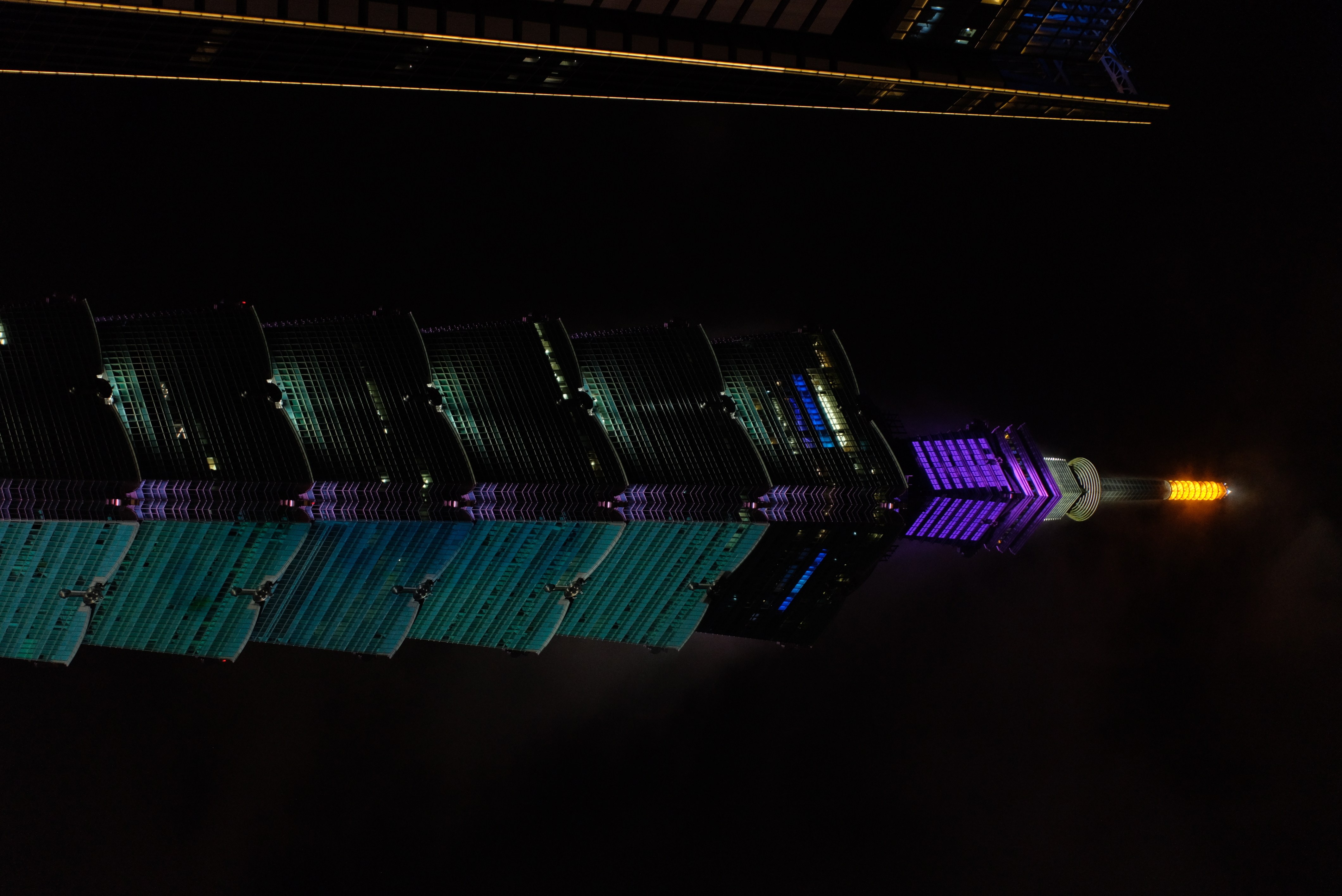
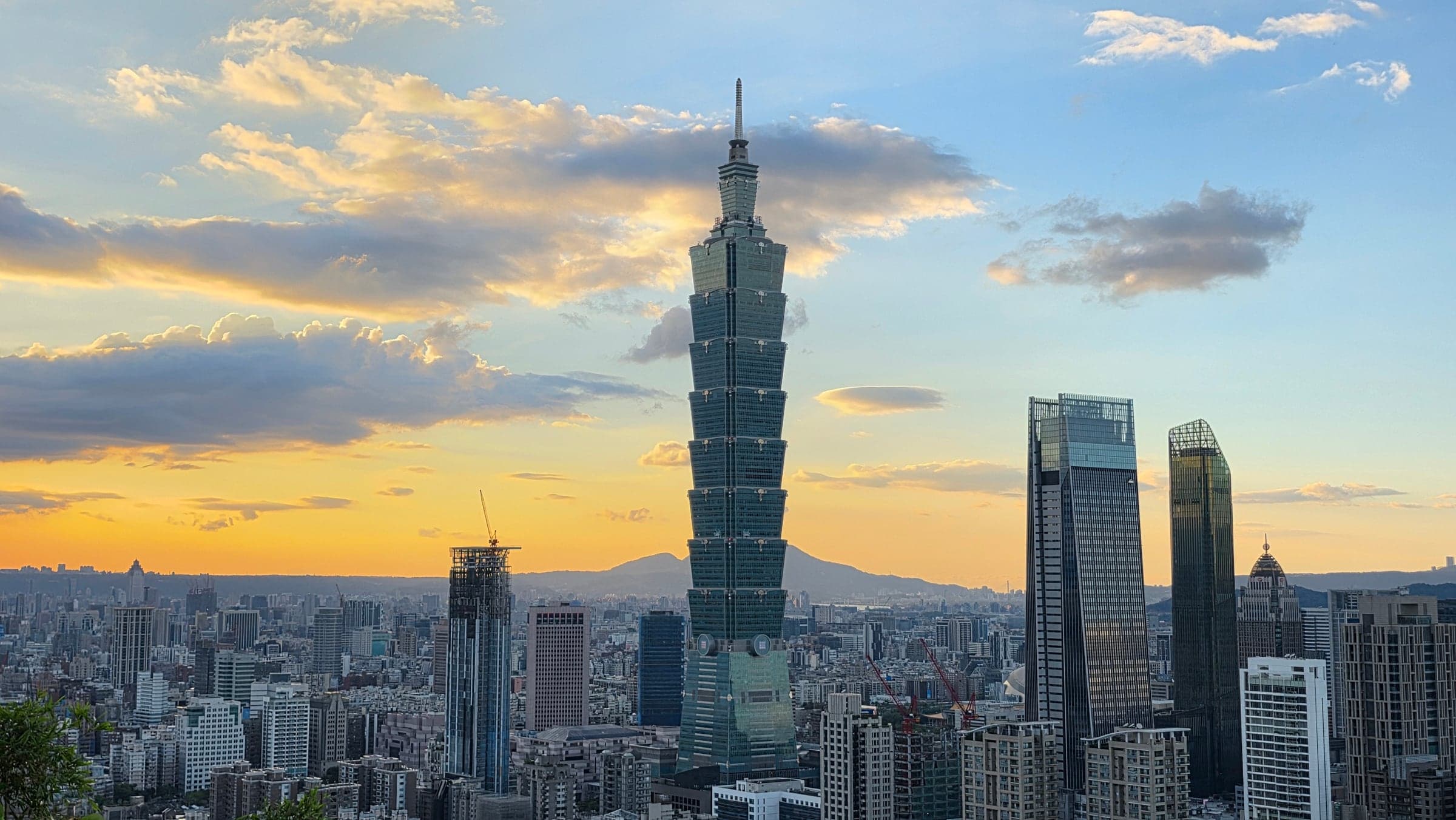
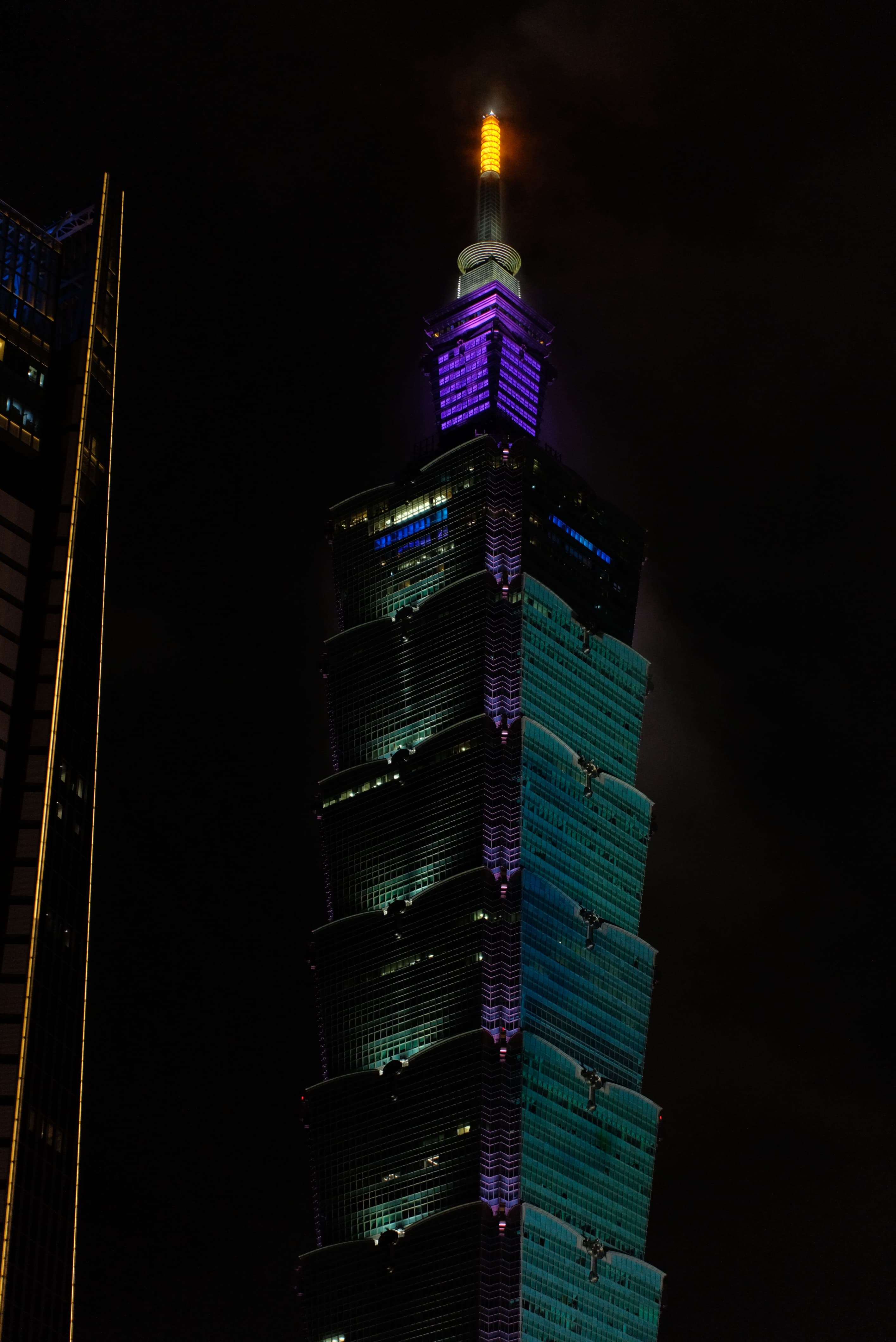
Taipei 101 is the compass, not the destination. See it from Elephant Mountain at dusk if you want the postcard. Skip the observatory queue if the night market is calling. The building matters because it reminds you Taipei built upward while still arguing about soup at street level.
The Xinyi district around 101 is corporate daytime, restaurant evening. After 10 p.m., it thins. Follow the crowds toward older districts where the city loosens its tie.
Shilin and the Night Market Contract
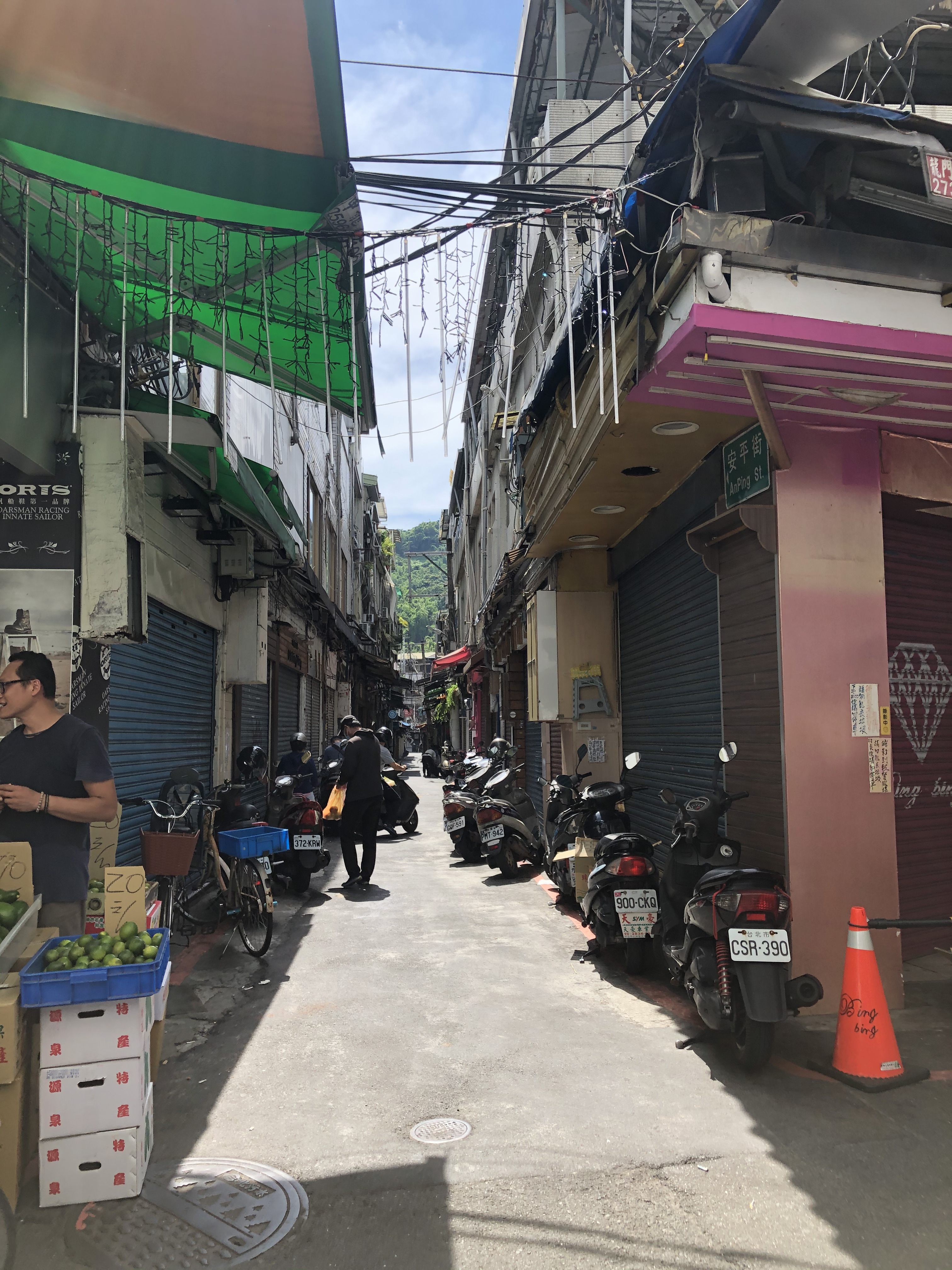
Shilin Night Market is crowded, loud, and essential at least once. Go hungry. Go with cash. Go with a plan that you will abandon after the first stall smells good.
What to eat: Pepper buns from the famous oven queues. Oyster omelets. Grilled squid if you need protein. Sweet potato balls if you need comfort. Do not attempt fine dining afterward. The market is the meal.
How to behave: Queue where locals queue. Do not block the lane with a tripod. Share tables. Tip only where a tip jar exists; Taiwan service culture is not American.
Ningxia and Raohe offer smaller crowds and different specialties. Ask your hotel which market is open on your weekday; some stalls rotate.
Pair night market appetite with The Quiet Rise of Omakase Outside Japan if you want contrast: Taipei proves casual and ritual can coexist in one trip.
Zhongshan: Vinyl, Bars, and the Creative Afterparty
After food, Zhongshan and Da'an host the city's softer midnight.
Independent bars with Japanese whisky lists. Small venues where local bands play too loud for conversation. Cafés that reopen as beer stops after 11 p.m. This is where Taipei feels closest to Tokyo's smaller districts without Tokyo's last-train anxiety.
Dress down from 101 glamour. Read The Return of Quiet Luxury in Seoul for a parallel no-logo night aesthetic in another capital.
The 24-Hour Bookshop Pilgrimage
Taipei's Eslite stores, especially the Dunnan flagship, operate as cultural embassies past midnight.
You go for the architecture of browsing: art books, design monographs, Chinese literature beside translated Korean and Japanese fiction. Diaspora readers use Eslite the way London readers use Foyles: not only to buy, but to remember what language feels like on a shelf.
Buy one book you cannot find in Vancouver. Carry it home as weight evidence the trip happened.
Morning as Penance (Optional)
Taipei after midnight implies a slow morning.
Yongkang Street for beef noodle soup when you wake, not when the guidebook says breakfast starts. Chiang Kai-shek Memorial Hall in heat if you must. Better: coffee in Zhongzheng, then plan the next night.
If you need a hotel that forgives late checkout, Mandarin Oriental Taipei and Regent Taipei remain the conservative choices. Boutique options in Zhongshan suit night owls who hate lobby theatre.
Practical Notes
Language: Mandarin primary; English in hotels and many night market stalls, not everywhere.
Payment: Mobile pay common; cash still useful in markets.
Transport: MRT until roughly midnight; taxis and ride apps after.
Season: Humid summers; mild winters. Night markets run year-round; rain drives crowds under awnings.
Pairings: Fly Hong Kong or Tokyo on the same trip for contrast. Read The Banquet Guide to Hong Kong and The Banquet Guide to Tokyo.
The Verdict
Taipei after midnight is the city without its office badge.
Eat standing up. Listen to bad karaoke from a distance. Buy a book you did not plan to read. Let the morning sleep through its alarm. On the Grand Tour, Taipei rewards the traveler who stops treating night as leftover time and starts treating it as the main course.
Read The Case for Penang Now, The Banquet Guide to Singapore, and You Need a Week in Kyoto for other cities that punish rushed itineraries.