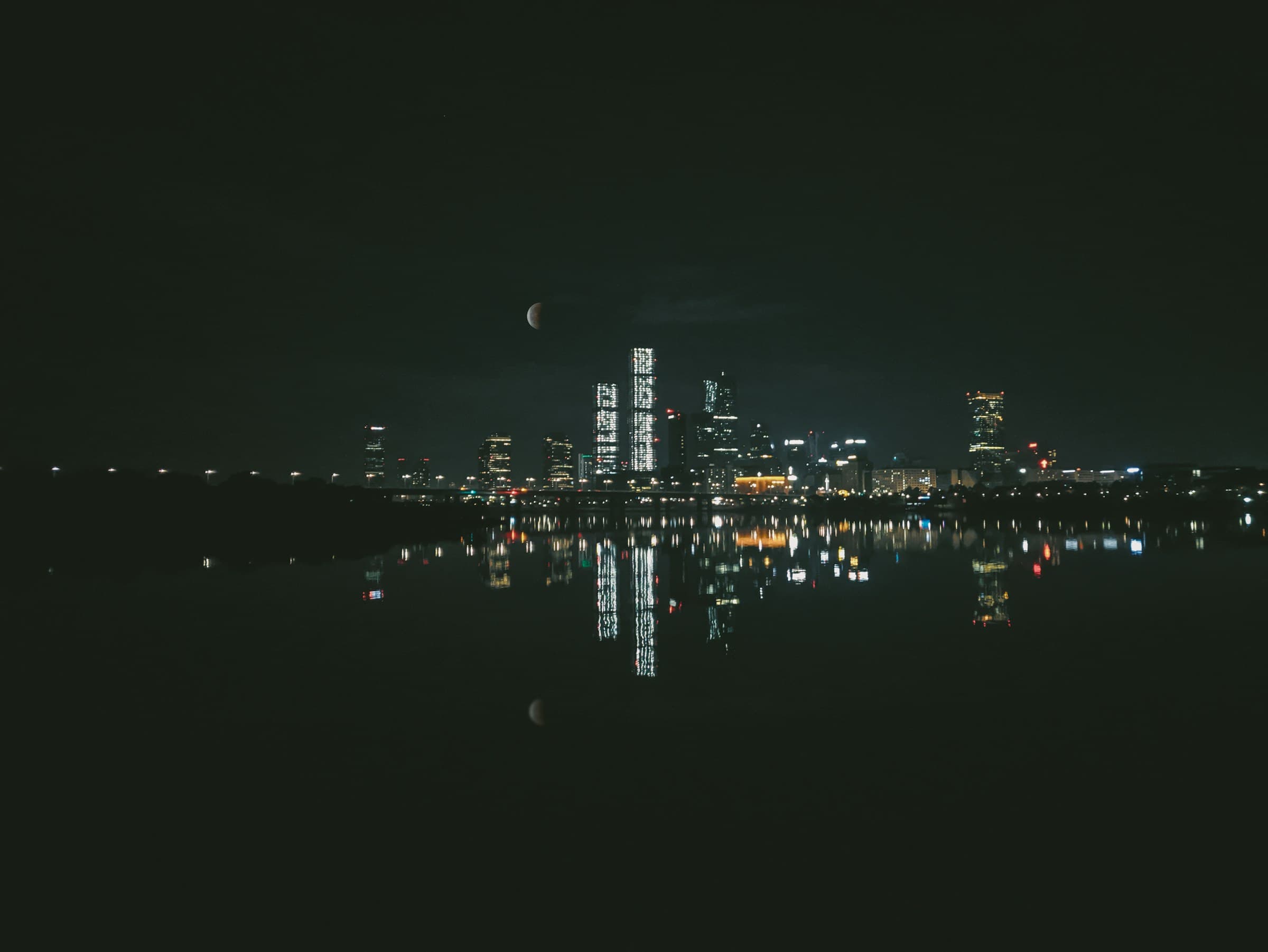
Seoul has spent two decades defining itself through boldness.
K-pop aesthetics, streetwear culture, a fearless approach to color and proportion: these are the images the world carries of Korean fashion. The city earned that reputation honestly. Seoul's creative energy is visible in every subway car, every music video, every sidewalk in Hongdae on a Friday evening. But fashion cultures mature the way people do. Loudness gives way to discernment. Volume gives way to edit.
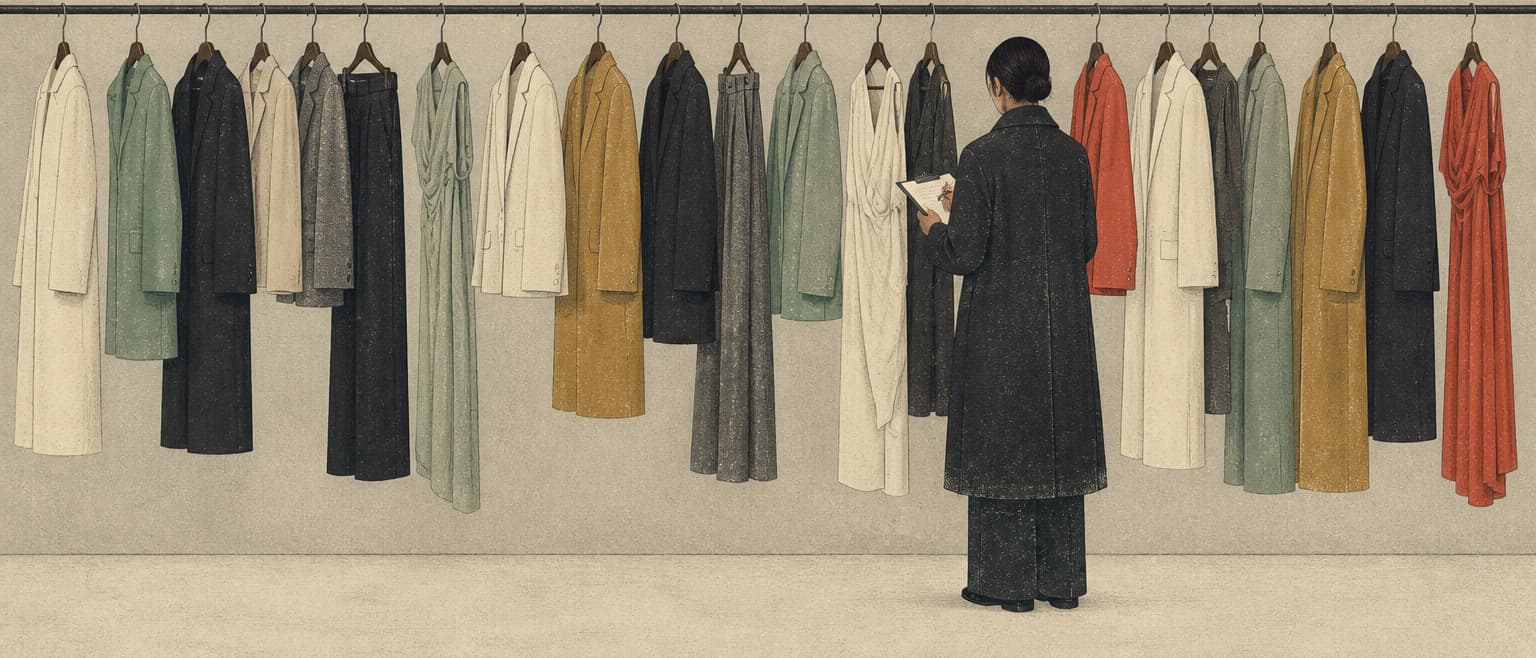
Now a counter-movement is gathering force, one that finds its expression in neutral palettes, impeccable tailoring, and fabrics chosen for touch rather than appearance. This is not a rejection of Seoul's energy. It is a maturation. The city's most discerning dressers have nothing to prove on a billboard. They prefer garments that reveal quality slowly, over time and through wear.
"The most expensive clothes are the ones that look like nothing, until you touch them."
What follows is a guide to the neighborhoods, designers, and habits that define quiet luxury in the Korean capital.
Why Seoul, Why Now
Korean fashion's global ascent created a paradox. The more visible the country's style became internationally, the more its most sophisticated consumers turned inward. They had seen what global hype produced: overproduction, logo fatigue, garments designed for photographs rather than life. Quiet luxury is, in part, a correction.
The timing also reflects economic and cultural confidence. Seoul no longer needs to shout to be heard. Its designers show in Paris and Milan. Its beauty brands set global standards. Its film and television shape international taste. In that context, understatement becomes a form of authority. The person who dresses quietly in Seoul is often the person who has the most to say in the room.
For diaspora Koreans returning to the city after years abroad, this shift is especially legible. The aesthetic reads as familiar and foreign at once: the discipline of Japanese minimalism filtered through Korean proportion, the European preference for neutral palettes adapted to a city that still loves a late dinner and a midnight walk.
The Designers Leading the Shift
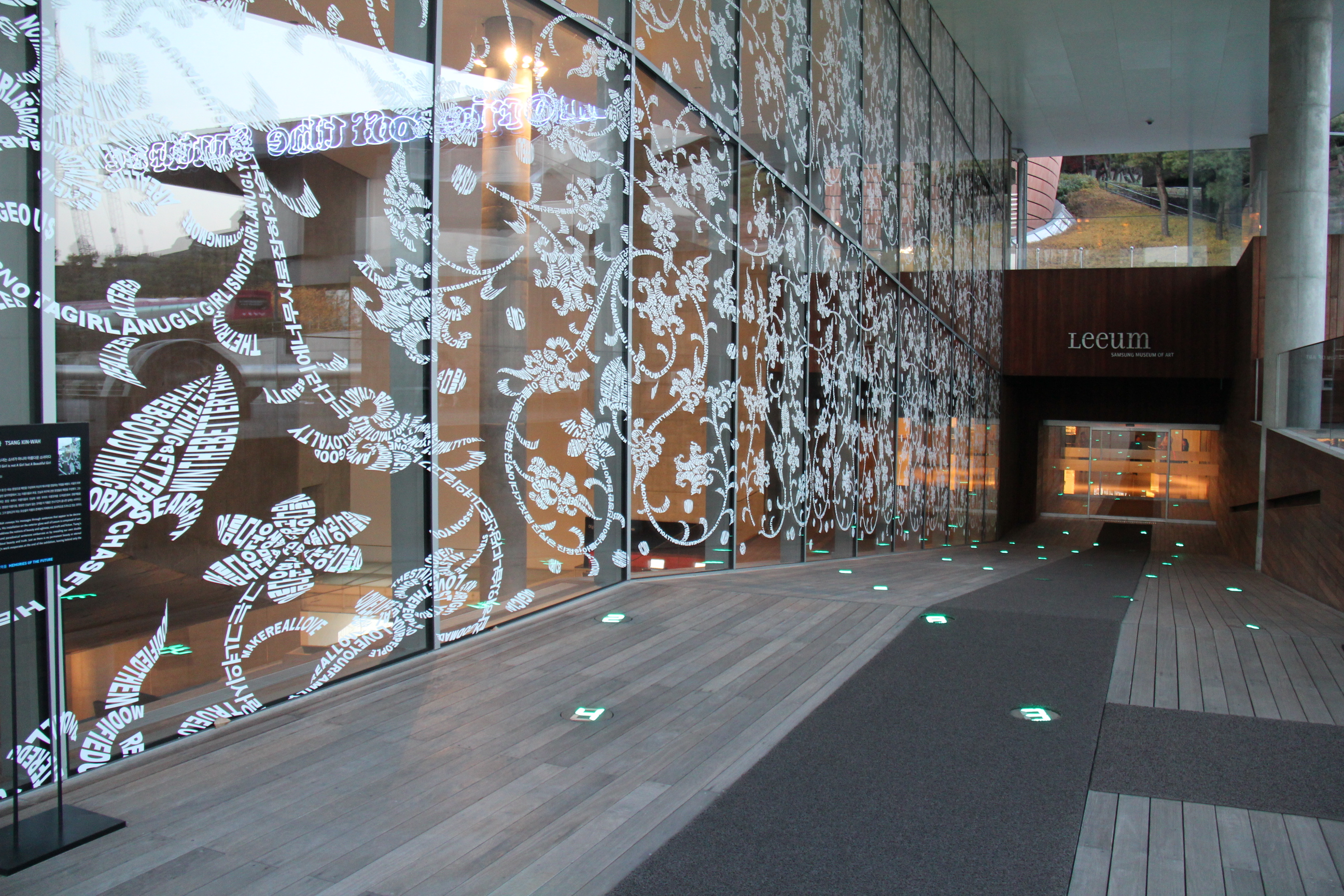
Juun.J, founded by Jung Wook Jun, remains the reference point for avant-garde tailoring that reads as sculpture rather than costume. His deconstructed silhouettes and monochromatic palettes have influenced a generation of Korean designers who understand that drama can live in proportion rather than print. Juun.J is not quiet in the Loro Piana sense. But it is quiet in the way that matters in Seoul: no logos, no obvious branding, no reliance on seasonal novelty.
Low Classic, the label founded by designers Myung Souk Lee and Hwang Hyun Min, embodies the opposite impulse: clean lines, muted tones, and pieces designed to anchor a wardrobe rather than dominate it. Their flagship in Seongsu-dong attracts a clientele of creative directors and gallery owners who dress for rooms where logos would be vulgar.
Wooyoungmi, founded by Woo Youngmi in 2002, bridges Korean tailoring and European fashion week presence with rare coherence. The brand's menswear in particular demonstrates how quiet luxury does not mean absence of design. It means design that survives beyond one season. Wooyoungmi's coats and trousers are built for repetition: the same silhouette worn differently across years, not discarded after a single campaign.
Andersson Bell occupies a younger register but shares the discipline. The label mixes workwear references with refined construction, producing pieces that look effortless in a way that only careful pattern-making achieves. It is streetwear-adjacent without being streetwear-loud.
Le Beige and a cluster of smaller ateliers in Hannam-dong produce the kind of knitwear and outerwear that justifies its price in fiber weight and finishing rather than branding. These are clothes meant to be worn daily, improved by repetition. A cashmere crewneck that softens over three winters. A wool coat that drapes better after a year of commuting.
Where to Shop
Hannam-dong has become Seoul's quiet luxury corridor. Multi-brand boutiques like Beaker and 10 Corso Como Seoul curate international and domestic labels with an editorial eye. The neighborhood's cafe culture and gallery density mean you can spend an afternoon moving between shops without the pressure of a department store floor.
Beaker, in particular, has become a barometer for what Seoul's fashion establishment considers worth attention. The selection tends toward labels that prioritize construction and material over seasonal novelty. You will find Korean designers alongside international houses that share the same register: Lemaire, Jil Sander, Margaret Howell.
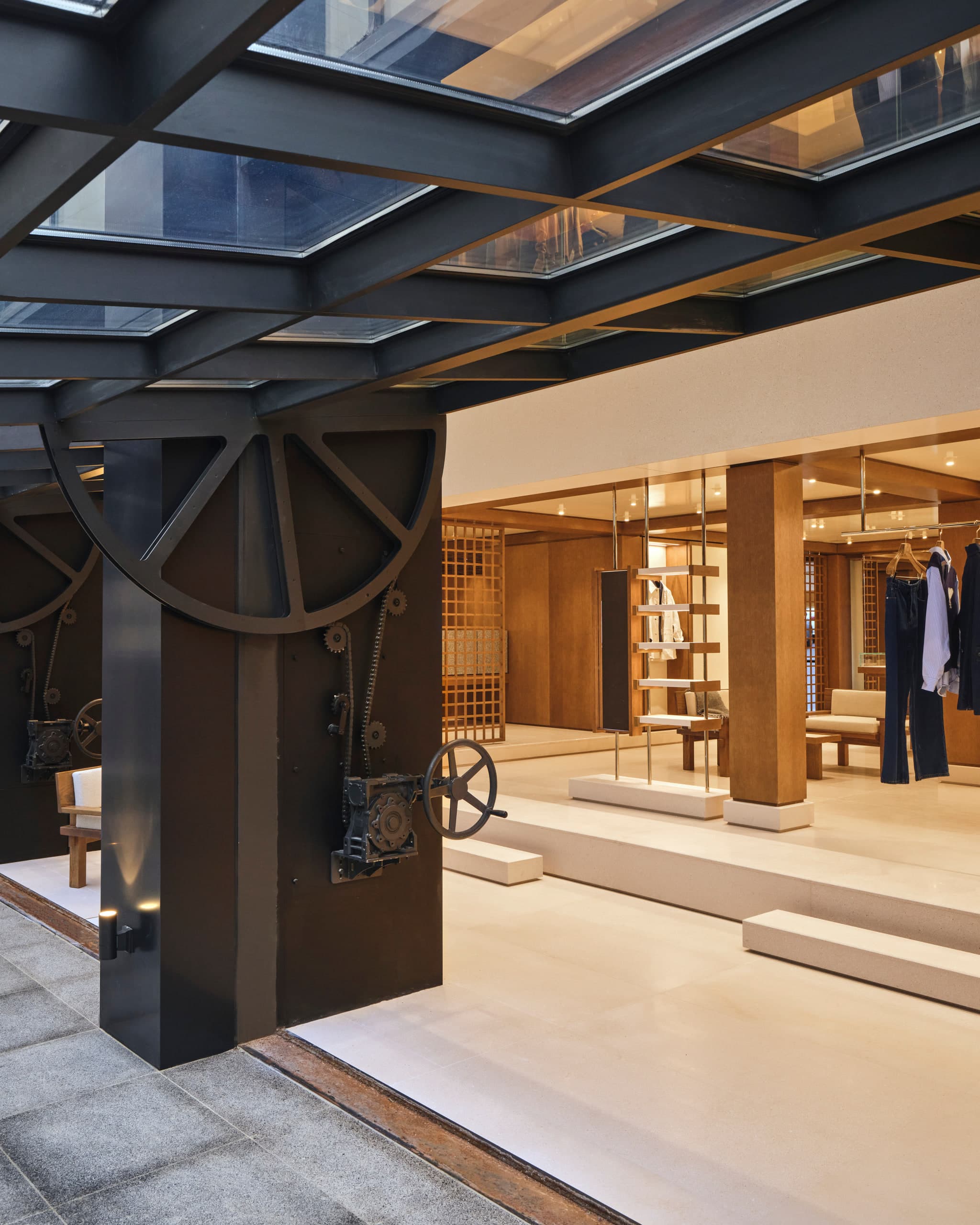
Seongsu-dong, once an industrial district, now houses Low Classic, independent leather workshops, and concept stores that treat fashion as cultural production rather than seasonal consumption. The area rewards wandering. A converted factory building may contain a ceramics studio, a coffee roaster, and a multi-brand shop on three floors. The industrial bones give the neighborhood an authenticity that purpose-built luxury malls cannot replicate.
Cheongdam-dong retains the flagship presence of global luxury houses, but the interesting action has shifted toward the ateliers and multi-brand spaces where Korean designers sit alongside European labels that share the quiet register. The global flagships remain useful for accessories and tailoring, but the discovery happens elsewhere.
Dosan Park and its surrounding streets offer a third rhythm: smaller concept stores, fragrance houses, and appointment-only showrooms where the shopping experience is closer to visiting a studio than browsing a floor. This is where Seoul's most discreet consumers buy clothing without an audience.
Fabric, Fit, and the Korean Wardrobe
Quiet luxury in Seoul succeeds or fails on material intelligence. The city's climate demands it. Summers are humid. Winters are dry and sharp. Transitional seasons are brief but unpredictable. A wardrobe built on appearance alone will fail within a month.
The best Korean designers understand this implicitly. They specify fabrics for how they behave in Seoul's air, not for how they photograph in a lookbook. Brushed cotton that breathes. Structured wool that holds shape through a day of meetings and dinner. Cashmere blends weighted for layering rather than display.
Fit follows the same logic. Korean proportion tends toward cleaner lines and slightly shorter jacket lengths than European defaults. The quiet luxury dresser in Seoul is not wearing oversized silhouettes to hide logos. They are wearing precise silhouettes that move with the body. Shoulders are soft. Trousers are full enough for comfort but never sloppy. The overall effect is composed without being formal.
How to Dress the Philosophy
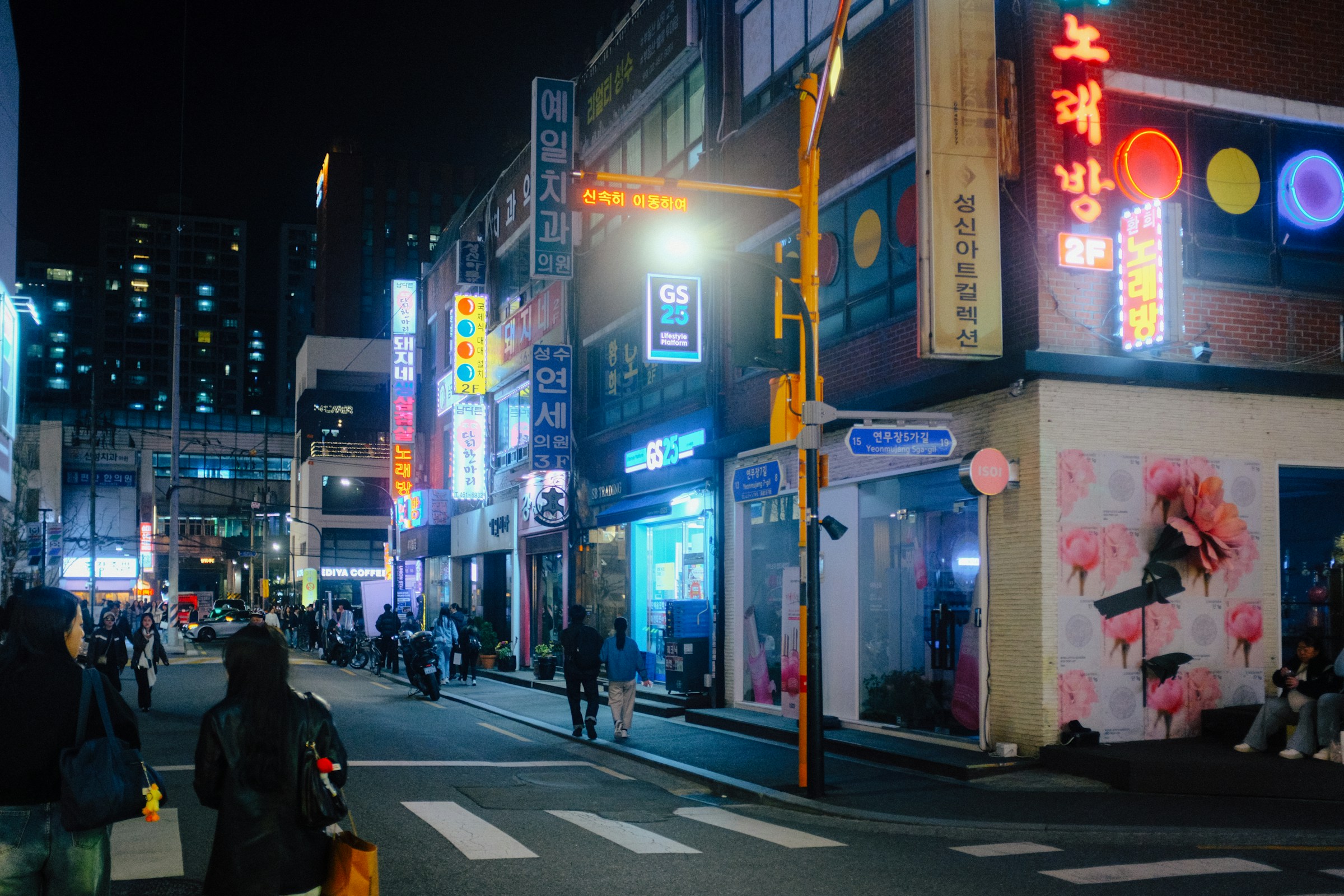
Quiet luxury in Seoul is not a uniform. It is a set of principles:
Invest in outerwear. Seoul's climate demands it, and a beautifully cut coat in navy, charcoal, or ecru carries more weight than any logo. A single excellent coat will outlast five adequate jackets. Choose one in a neutral tone, one in a seasonal texture, and wear both until they mold to your movement.
Prioritize fabric over flash. Cashmere, brushed cotton, and structured wool reveal themselves in hand and drape. Touch before you buy. If a garment looks impressive on a hanger but feels thin between your fingers, it will not survive daily wear in this city.
Edit ruthlessly. The goal is a wardrobe of twenty excellent pieces, not two hundred adequate ones. Seoul's best dressers are curators. They repeat outfits without repeating looks because their pieces combine rather than compete.
Let shoes and bags carry the craft. A single well-made leather tote or a pair of Goodyear-welted oxfords communicates more than a branded belt ever could. Korean leather workshops in Seongsu and Itaewon produce bags and small goods that rival European houses at lower price points, often with shorter wait times.
Respect color discipline. Quiet luxury in Seoul is not monochrome by obligation. It is monochrome by choice. When color appears, it tends to be seasonal and singular: one burgundy knit, one olive trouser, one cream shirt that lifts everything else. The palette is controlled so that individual pieces earn their place.
Dress for the room, not the feed. The most expensive mistake in contemporary Seoul is buying for how an outfit photographs. Quiet luxury is the opposite impulse. It assumes your audience is in the room with you, not scrolling past you.
The International Conversation
Seoul's quiet luxury movement does not exist in isolation. It converses with Tokyo's understated tailoring, Milan's fabric traditions, and the Scandinavian preference for functional beauty. What distinguishes the Korean expression is pace. Seoul adapts faster. A silhouette that appears in a Seongsu showroom in March may be refined by autumn and exported by the following spring.
That velocity can be misread as trend-chasing. It is closer to iteration. Korean designers treat each season as a revision rather than a reinvention. The quiet luxury consumer benefits directly: garments improve year over year because the designers are listening to how their clients actually live.
A Practical Starting Point
For visitors with limited time, a single afternoon in Seongsu-dong followed by an evening in Hannam-dong provides a useful introduction. Begin at Low Classic to understand the Korean quiet luxury baseline. Walk the side streets for leather goods and concept stores. Move to Hannam-dong for Beaker and the international labels that share the same philosophy. End with dinner in the neighborhood, where you will see the clothes in their intended context: restaurants where the lighting is low and the fabrics do the speaking.
For residents building a wardrobe, the approach is slower. Identify one Korean designer whose proportion matches yours. Buy one outerwear piece and one knit. Wear them for a season before adding anything else. Quiet luxury is cumulative. It does not arrive in a single shopping trip.
Seoul is discovering what Milan and Tokyo have known for decades: the most powerful luxury is the kind only you recognize. In a city that has never been shy, that restraint may be the most radical statement of all.
Continue Reading
Pair with The Banquet Guide to Seoul, Why Frieze Seoul Owns September, and Tokyo Department Store Dressing.