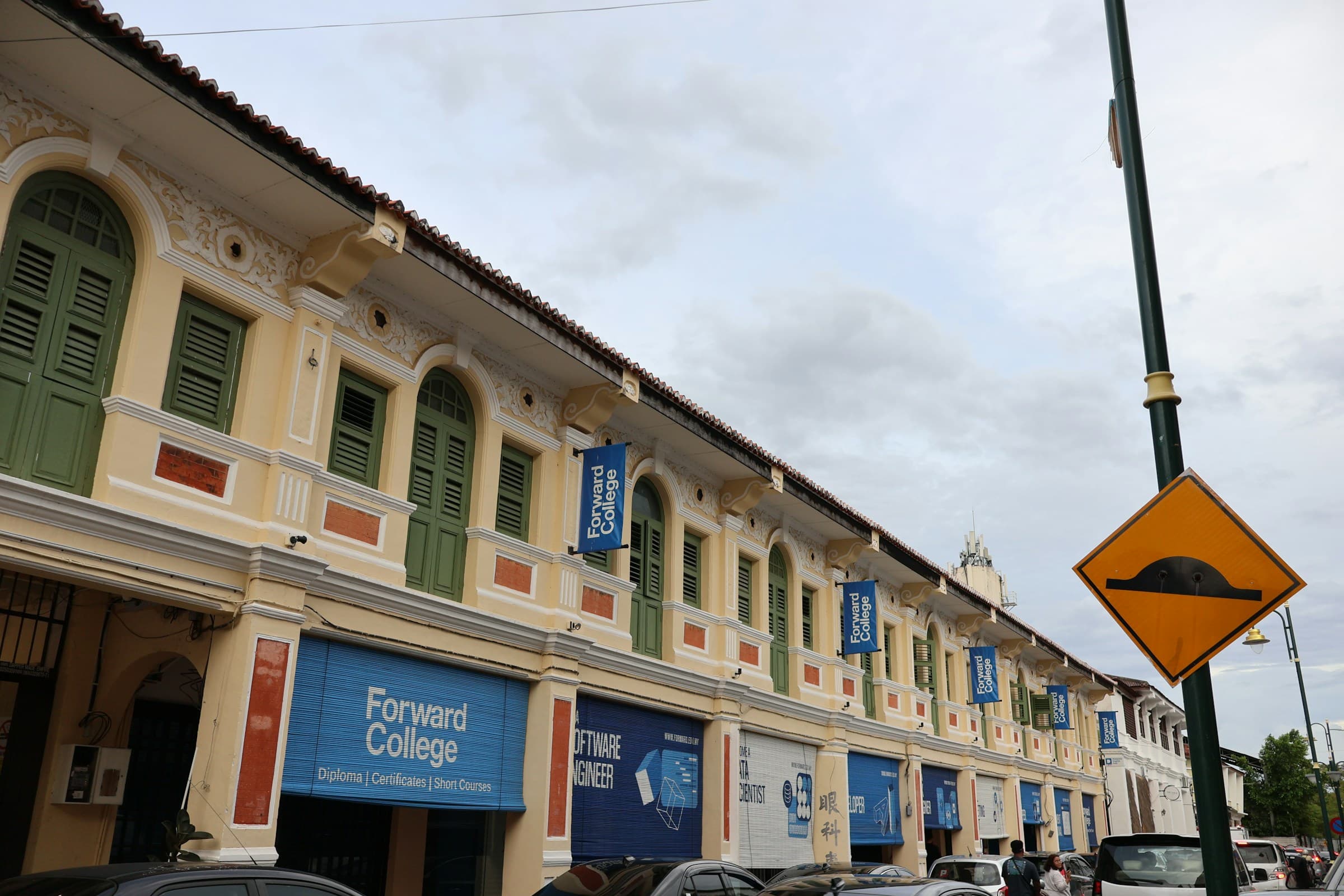
For years, Penang functioned as a layover appetite.
You flew into George Town, ate your way through Armenian Street and Kimberley Street, posted a photograph of a blue mansion, and continued to Langkawi or Singapore before anyone asked whether you had actually slept on the island. The food was never in doubt. The case for staying was.
That calculus has shifted. A restored grande dame on the seafront, a UNESCO streetscape that finally reads as lived-in rather than museum-piece, and a diaspora homecoming from Vancouver, Sydney, and the wider Malaysian circuit have turned Penang into something rarer: a secondary Asian city where the pleasure is cumulative. You do not visit once. You return because the rhythm rewards patience.
"Penang was always where we ate. Now it is where we stay long enough to remember why our parents left, and what they kept."
George Town, Properly Understood
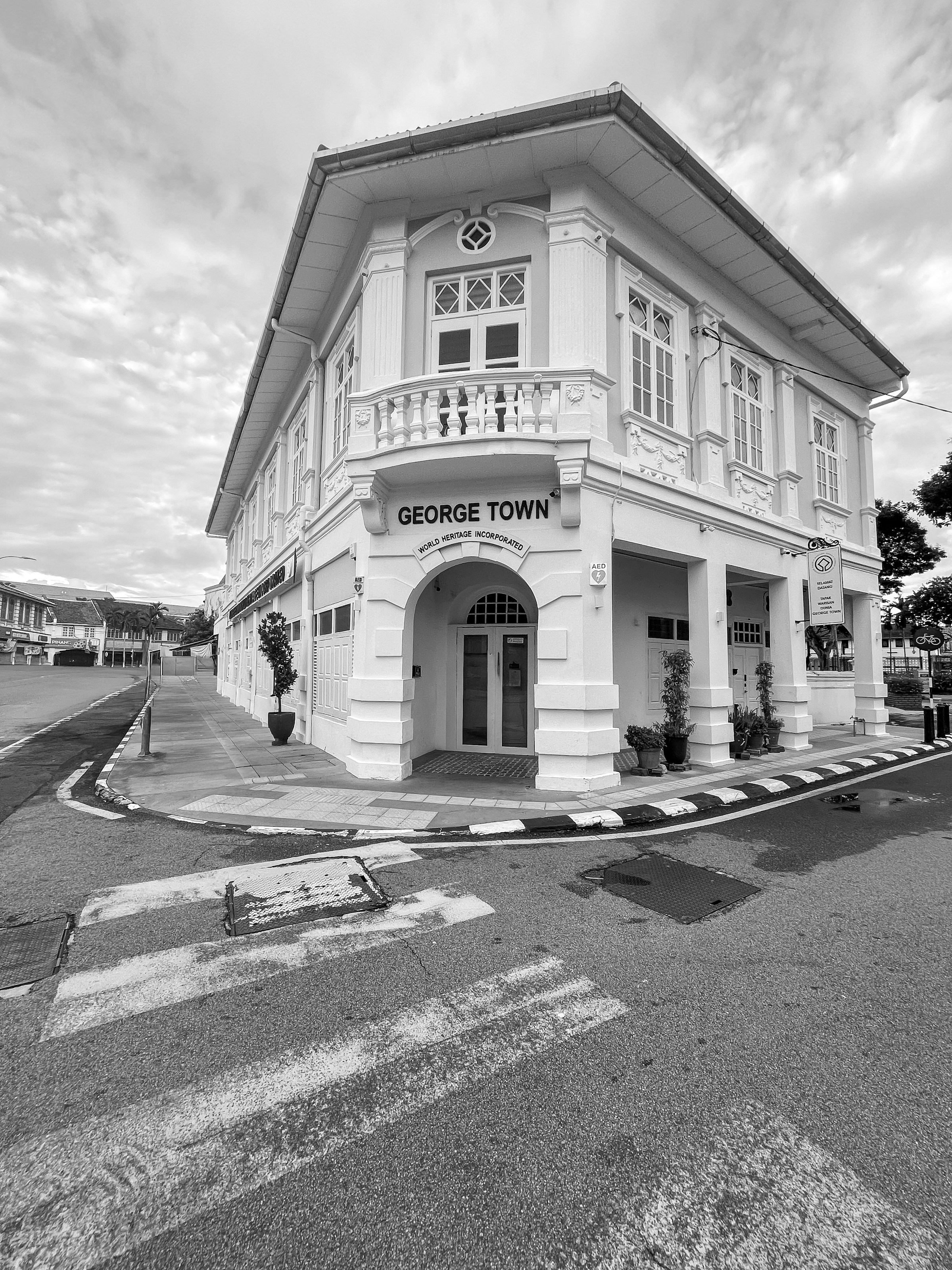
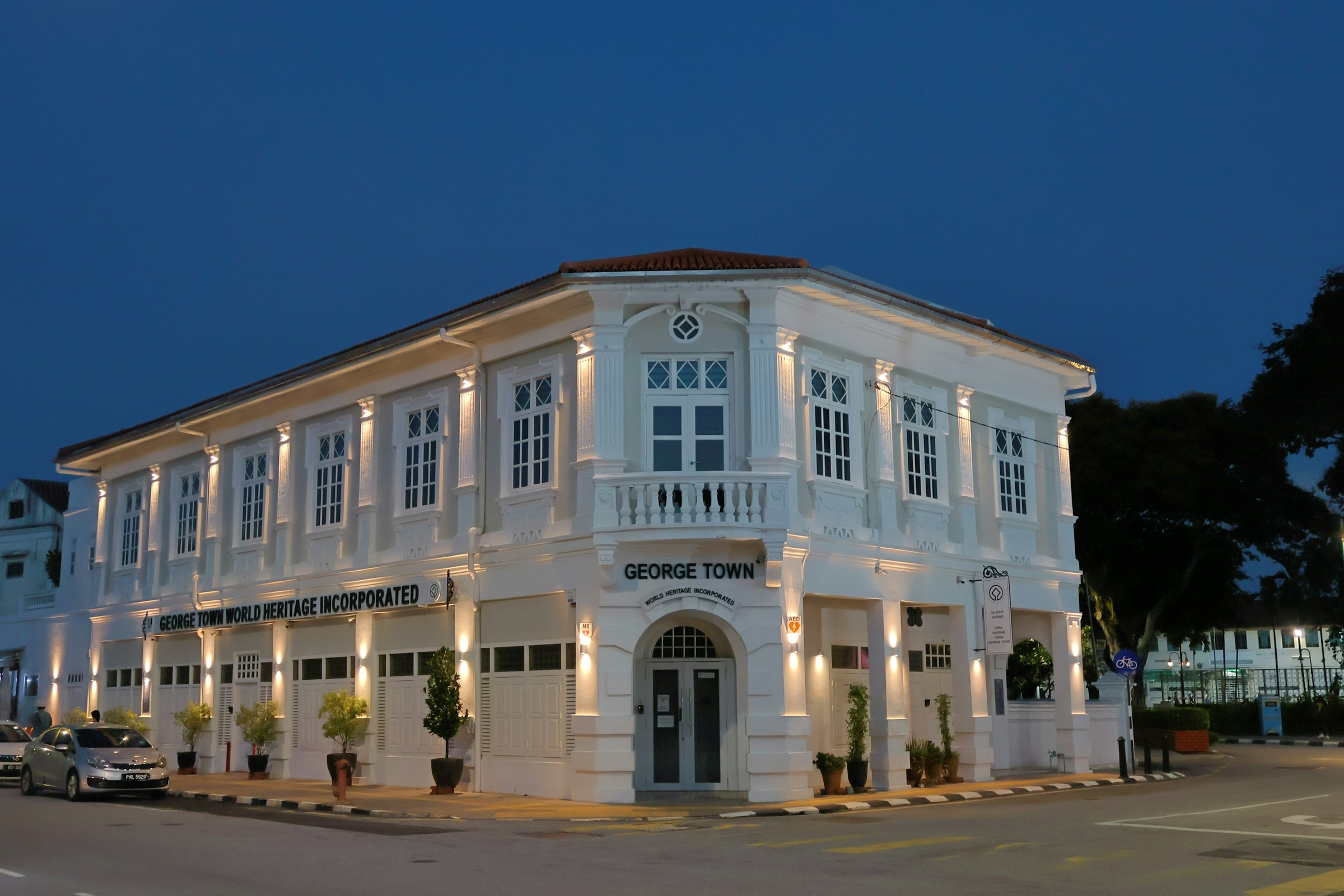
George Town earned its UNESCO listing in 2008 alongside Melaka, and the designation changed the city in ways both obvious and subtle. Conservation rules tightened. Boutique hotels colonized shophouses. Coffee roasters replaced hardware stores on select blocks. What distinguishes the present moment is confidence: the heritage zone no longer feels like a stage set awaiting tourists. It feels inhabited.
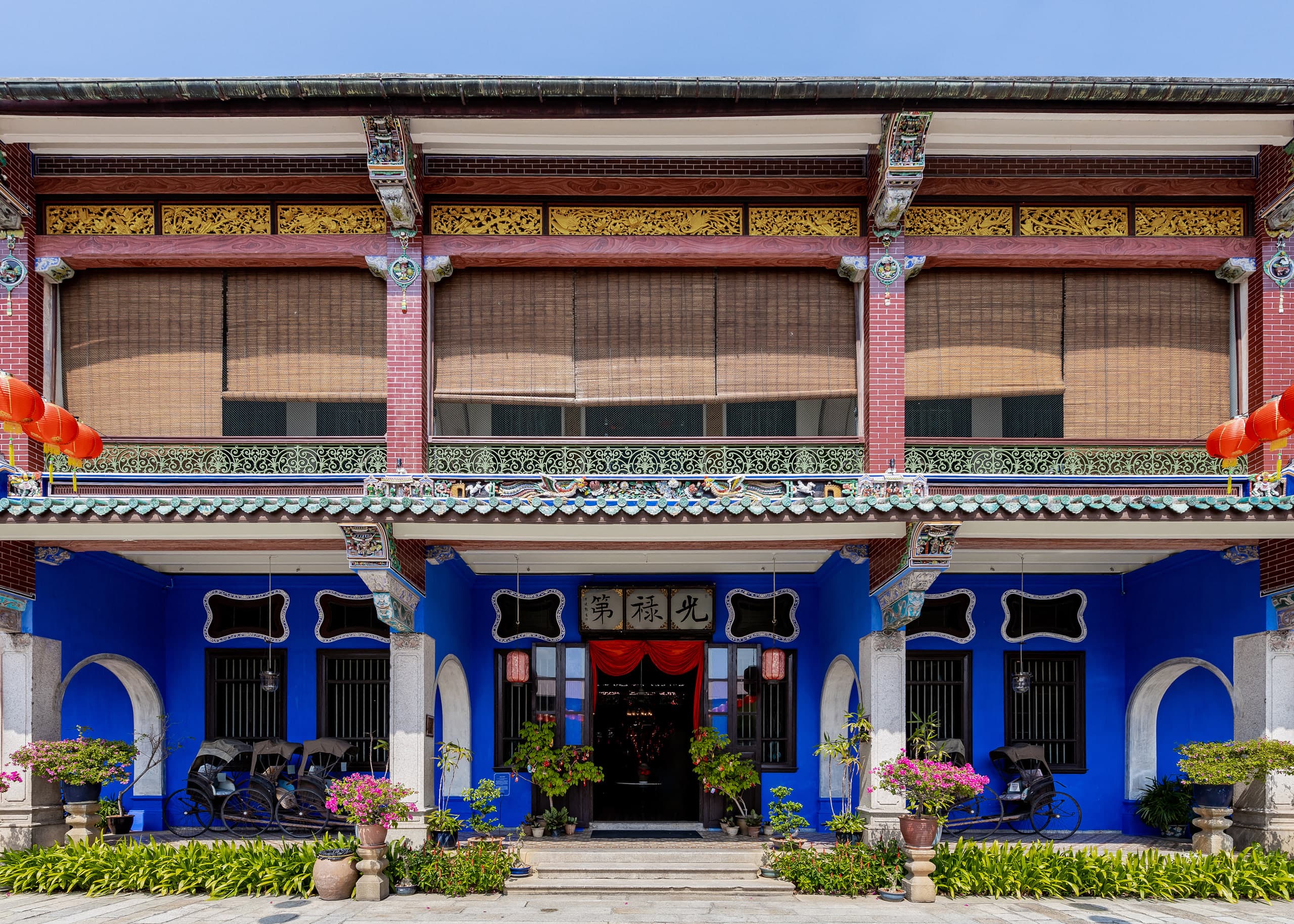
Walk Lebuh Armenian on a weekday morning and the city performs its usual contradictions. A mural crowd gathers near a café serving flat whites. Three doors down, a uncle repairs a bicycle. The Cheong Fatt Tze Mansion, the indigo-blue "Blue Mansion" on Leith Street, still draws architecture students and wedding photographers, but the surrounding lanes have matured into a neighborhood where residents buy fruit and tourists buy postcards on the same pavement.
Little India along Lebuh Queen remains the sensory counterweight: spice shops, textile stalls, the thali lunch crowd spilling onto plastic chairs. Chulia Street at night converts into a hawker corridor where char kway teow smoke and oyster omelette sizzle compete for attention. The city works because these districts sit adjacent, not segregated. You can eat Peranakan lunch, walk through Tamil commerce, and end with a cocktail on a restored shophouse terrace without crossing a highway.
For diaspora Malaysians, particularly those raised in Vancouver's Richmond corridor or Sydney's Hurstville, George Town triggers a specific nostalgia. The Hokkien and Teochew accents sound familiar. The humidity feels like memory. The difference is scale: everything is walkable, nothing requires a car, and the cost of lingering remains gentler than Hong Kong or Singapore.
The E&O Argument
If one address explains why Penang now merits a proper stay, it is the Eastern & Oriental Hotel at 10, Lebuh Farquhar.
Founded in 1885 by the Sarkies brothers, the same Armenian family behind Raffles in Singapore, the E&O is Malaysia's oldest surviving hotel and the only seafront property within George Town's UNESCO World Heritage Site. That last detail matters. Penang has beach resorts at Batu Ferringhi. It has competent business hotels near the bridge. Only the E&O places you on the Andaman Sea while keeping Fort Cornwallis, the Clan Jetties, and the city's best eating streets within a twenty-minute walk.
The hotel operates in two wings. The Heritage Wing, a colonial-era suite hotel, reopened in December 2019 after a comprehensive restoration that refreshed the suites, added new restaurants and a bar, and restored the art colonnade that gives the property its period atmosphere. The Victory Annexe, opened in 2013 on the site of a 1923 addition, offers studio and corner suites for travelers who want E&O service with a more contemporary floor plan.
Staying in the Heritage Wing is the editorial choice. Suites include living areas; many offer sea views; butler service remains available for guests who want the old-world rhythm without the old-world inconvenience. Breakfast at 1885 or Sarkies sets the tone: colonial architecture, harbour breeze, the sense that you have already accomplished something before 9 a.m.
The E&O is not inexpensive. Rates fluctuate by season and suite category; check current published prices when booking. What you are purchasing is position: the ability to walk to dinner, return for a swim, and watch the sun drop over the strait from a terrace that has hosted travelers since the age of steamships.
Peranakan Food as Cultural Grammar
Penang's cuisine is often reduced to hawker greatest hits. That reduction is unfair but understandable. The char kway teow at Siam Road, the curry mee at Jelutong, the assam laksa that locals defend with tribal loyalty: these dishes are the city's public language.
The private language is Peranakan.
Nyonya cooking, the Straits Chinese tradition that fused Hokkien and Malay techniques with colonial ingredients, is Penang's deeper culinary identity. Kebaya Dining Room at the Seven Terraces hotel on Stewart Lane serves refined Nyonya in a restored shophouse setting. Baba Phang on Nagore Road offers a more contemporary interpretation without losing the tart-sweet balance that defines the tradition. Museum Nyonya on Church Street pairs a small museum collection with a dining room that treats heritage as something you taste, not only photograph.
The dishes to understand: otak-otak, the spiced fish mousse grilled in banana leaf; kuih pie tee, the crispy top hat cups filled with julienned vegetables and prawns; ayam buah keluak, the black nut chicken stew that separates serious Nyonya kitchens from tourist menus. Peranakan food is not delicate. It is precise. Sour, spice, and sweetness arrive in measured sequence, the way a well-run banquet paces its courses.
Hawker food remains essential. Allocate at least two meals to stalls and one to a proper Nyonya dining room. The combination teaches you how Penang actually eats: democratically on the street, ceremonially in restored shophouses.
The Diaspora Return
Something observable has shifted in the hotel dining rooms and airport arrivals hall over the past three years. More Malaysian families based in Vancouver, Sydney, Melbourne, and London are choosing Penang as a reunion destination rather than a Kuala Lumpur stopover.
The reasons are practical and emotional. Direct flights from major diaspora hubs have improved. George Town's density rewards multi-generational travel: grandparents can rest at the E&O while younger relatives explore street art in Hin Bus Depot or cycle the heritage trails. The city's English proficiency lowers friction for third-generation visitors who speak kitchen Hokkien but not bureaucratic Malay.
A Vancouver family I spoke with last November had not visited Penang in twelve years. Their itinerary was revealing: three nights at the E&O, a Nyonya lunch at Kebaya, a morning at the Pinang Peranakan Mansion on Church Street, and two evenings at hawker stalls their aunt remembered from childhood. They did not visit Batu Ferringhi. They did not need a resort. They needed a city that still tasted like their grandmother's kitchen, with better wine lists.
Sydney-based travelers report a similar pattern. Penang functions as a softer re-entry to Malaysia than Kuala Lumpur's highway scale. The island rewards the traveler who wants heritage without humidity-driven exhaustion, food without mall food courts, and a hotel that feels like a story rather than a transaction.
Beyond the Eating Map
Penang's secondary pleasures have matured alongside its dining reputation.
Hin Bus Depot, a converted bus station in Georgetown, hosts rotating exhibitions, weekend markets, and performances that draw a local creative crowd rather than packaged tour groups. The Penang State Museum and Khoo Kongsi, the ornate Hokkien clan house on Cannon Street, remain essential for understanding the mercantile wealth that built the shophouses. The Habitat Penang Hill offers a canopy walk above the city, useful for burning off a heavy lunch while seeing George Town's grid from elevation.
For shoppers, Straits Quay at Seri Tanjung Pinang caters to marina-side browsing, but the more interesting purchases still happen in George Town proper: nutmeg products from Ghee Hup Nutmeg Factory, batik from Campbell Street vendors, and the occasional antique find in a Chulia Lane shop that has not yet discovered Instagram.
Batu Ferringhi's beaches remain a thirty-minute drive north. If your party includes children or resort-pool loyalists, split the trip: heritage city first, beach second. If your party is adults who read menus before maps, stay in George Town and make Ferringhi a half-day excursion.
When to Visit
Timing shapes the experience more than most travelers admit.
November through February offers the driest weather and the most comfortable walking conditions. Chinese New Year brings festive energy and booking pressure; reserve the E&O early if your dates overlap the lunar holiday.
March through May turns humid. Mornings remain productive for walking; afternoons reward pool time and air-conditioned museums. Hawker stalls do not close for humidity. Neither should you.
June through August is school holiday season for Malaysian families. Streets stay lively. Hotels fill on weekends.
September and October sit in the transitional window: occasional rain, fewer international tourists, strong value for travelers who prioritize food over flawless skies.
The Penang International Food Festival, when scheduled, compresses the city's culinary energy into a single week. Check current dates before building an itinerary around it.
Avoid assuming that Penang is a budget destination because hawker food is cheap. A proper stay at the E&O, Nyonya dinners, and private drivers for hill excursions add up. The value proposition is not low cost. It is high return per hour spent.
Practical Notes
Getting there: Penang International Airport connects to George Town by taxi or ride-hail in roughly forty-five minutes. The Penang Sentral ferry from Butterworth remains a romantic arrival for travelers coming from Kuala Lumpur by train.
Getting around: Grab operates reliably. Walking covers the UNESCO core. Hire a driver for Penang Hill and Ferringhi if your group includes older relatives.
Currency: Malaysian ringgit. Cards work at hotels and established restaurants; hawker stalls prefer cash.
Dress: George Town is informal. Pack breathable linen, walking shoes for uneven pavements, and one slightly polished outfit for Nyonya dining rooms.
Language: English, Malay, Hokkien, and Mandarin circulate widely. A few Hokkien phrases earn smiles in hawker queues.
Penang was never undiscovered. It was under-stayed. George Town gave the world one of Southeast Asia's great street-food cultures and a UNESCO streetscape that survives the twenty-first century with rare coherence. The E&O gives you a seafront address with genuine history. The diaspora is already returning. The only question is whether you will treat the island as a meal or as a destination. Stay three nights minimum. Eat twice at hawker stalls. Book one Peranakan dinner. Walk until your shirt clings. Penang rewards the traveler who stops long enough to hear the city breathe.
Continue Reading
Continue with The Banquet Guide to Penang, The Banquet Guide to Bangkok, and The Asian Grand Tour.