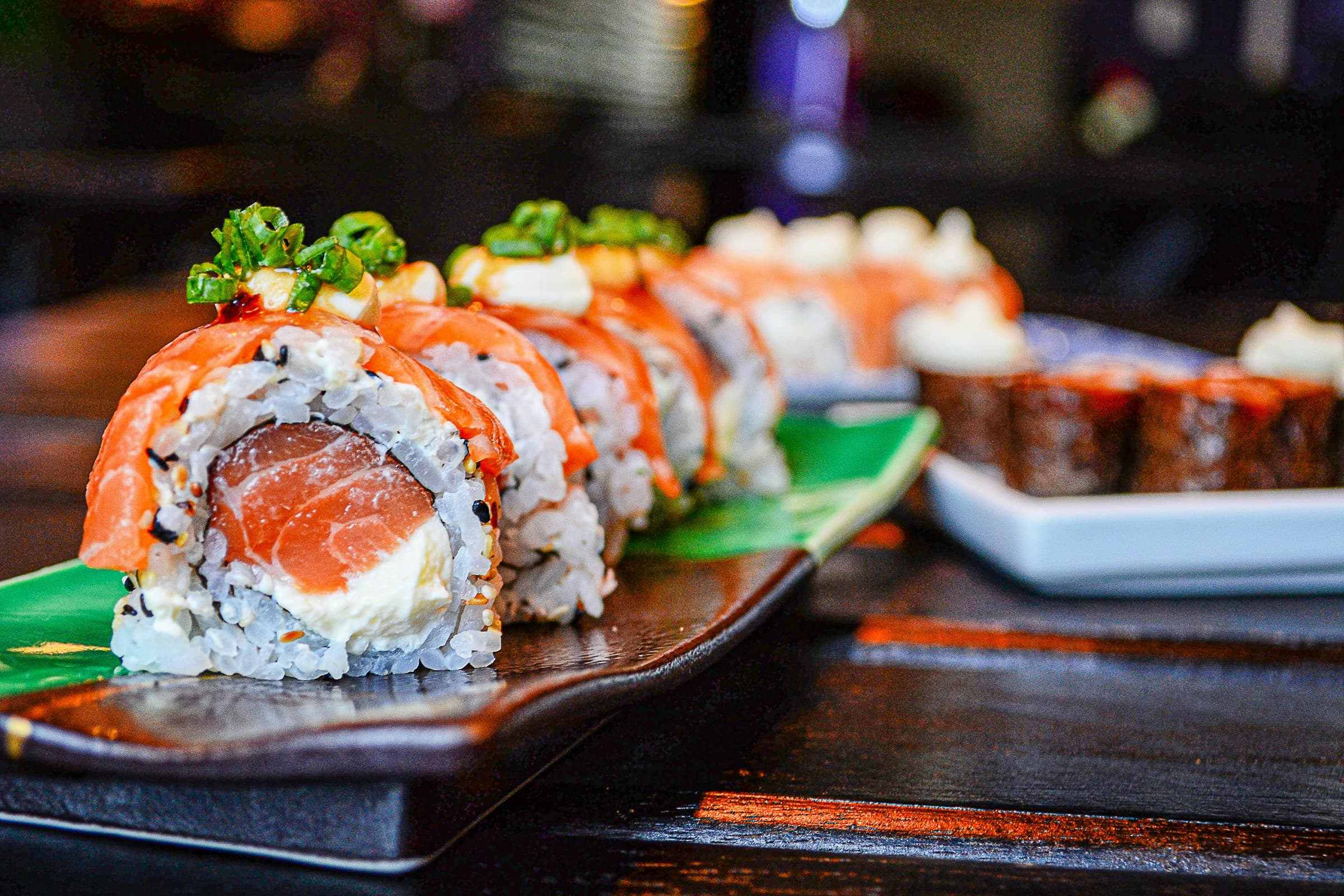
Ten seats. One chef. No menu.
For years that contract belonged to Tokyo. You flew to Ginza or Jingumae, paid the deposit, ate what the market offered that morning, and accepted that the conversation between chef and guest happened in fish, rice, and timing rather than English. The assumption that omakase could not leave Japan was reasonable. The format depends on supply chains, knife culture, and a dining public that understands shari temperature as non-negotiable.
The assumption no longer holds. From Los Angeles to London, Singapore to Vancouver, serious counters are multiplying with permanence rather than trend energy. For diaspora communities with ties to Japan, the spread marks something quieter than hype: a cuisine confident enough to leave home and still recognize itself in the mirror.
"Omakase is not a menu. It is a conversation between chef and guest, conducted in fish."
Why the Counter Travels
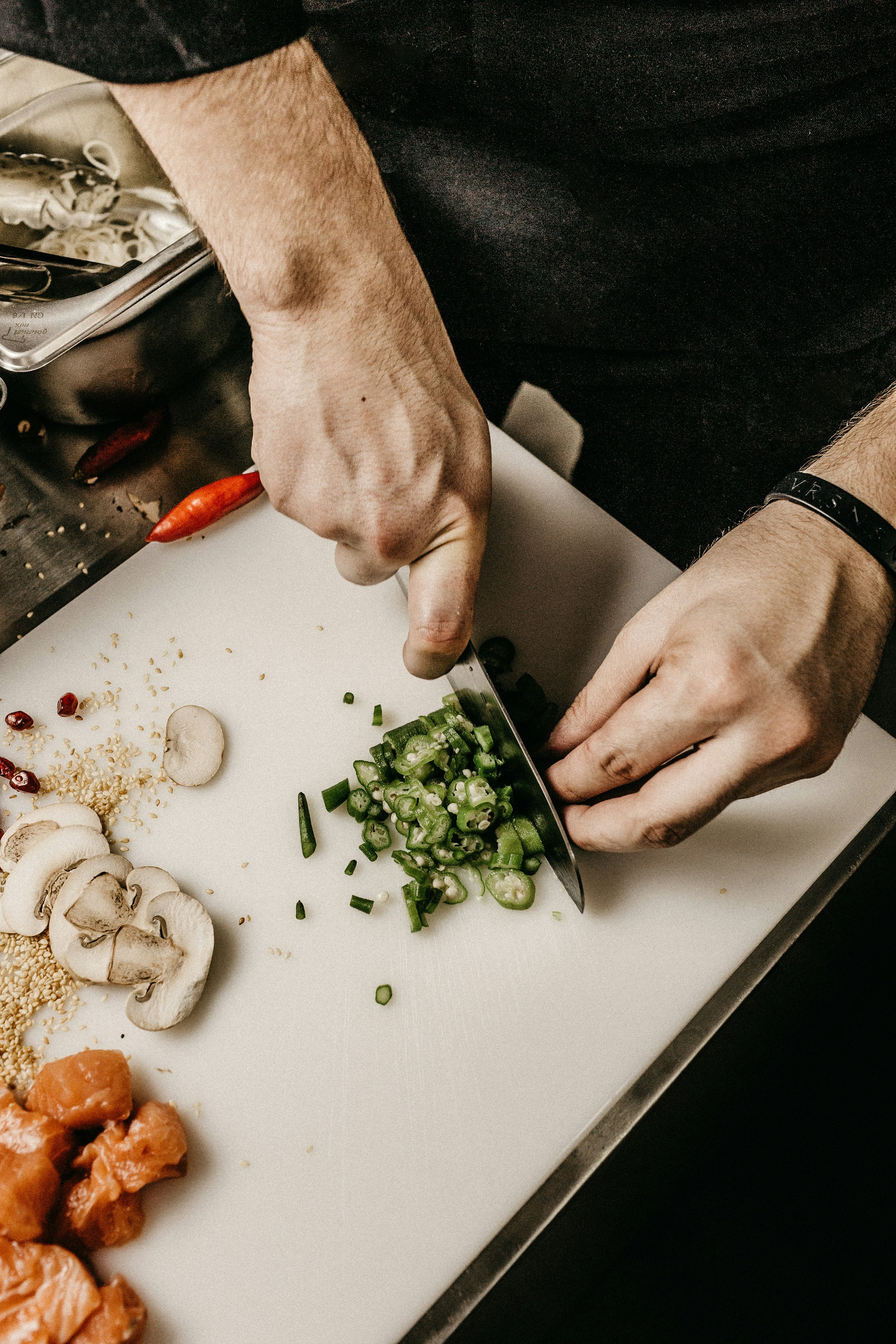
Omakase solves a problem global luxury dining struggles with: intimacy at scale. A ten-seat counter limits covers, controls pace, and forces the chef to read the room. The format is inherently anti-industrial.
Japanese chefs trained in Tokyo, Osaka, and Hokkaido have emigrated or consulted internationally, bringing knife skills, rice philosophy, and sourcing networks. Local fish markets in Vancouver, Los Angeles, and Sydney increasingly supply quality comparable to Toyosu for certain species, though imported tuna and uni remain part of the premium equation at the top tier.
The result is adaptation, not imitation. A Vancouver counter might feature local spot prawns alongside imported otoro. A London counter might pair sake with natural wine. The grammar remains Japanese. The vocabulary is local.
Los Angeles: Depth Outside Japan
Los Angeles remains the deepest omakase market outside Japan: counters in Little Tokyo, Beverly Hills, and the San Fernando Valley serving clientele who treat sushi as weekly ritual. The Japanese-American community provides audience and critical mass. Diners who know the difference between warm rice and correct rice, between fish that has rested and fish rushed to the plate.
High-end counters command USD $300 to 500 per person before beverage, with some tasting menus exceeding that in peak season. Reservations open on fixed schedules. The best seats require planning measured in weeks.
New York: Proliferation at the Top
Manhattan has seen a proliferation of high-end counters from established names to chef-driven openings. Finance and media clientele treat omakase as entertainment and status marker, but the best rooms earn loyalty through consistency: the same shari temperature, the same pace, the same chef's eye contact across return visits.
Expect USD $250 to 500 per person at serious counters, with beverage pairings adding substantially. Walk-ins remain rare. Dietary restrictions require advance notice.
Vancouver: The Diaspora Test Case
Vancouver, with Pacific seafood and a large Japanese-Canadian population, supports a growing scene that remains less saturated than the American west coast but increasingly serious. This is where diaspora diners stress-test the format: does it honor memory without becoming nostalgia?
Masayoshi on Fraser Street offers an approximately twenty-course nigiri omakase at CAD $260 at the sushi bar (CAD $245 at table), seatings at 6:00 p.m. and 8:30 p.m., Tuesday through Saturday. Chef Masayoshi Baba works Edomae-style nigiri with British Columbia seafood in view of the guest.
Tetsu Sushi Bar at 775 Denman Street holds Michelin Guide recommendation and focuses on seasonal Japanese ingredients in the West End. Sushi Hyun on Jervis Street operates an eight-seat room with lunch around CAD $200 and dinner around CAD $300. Sushi Bar Maumi on Robson Street pioneered Vancouver's Edo-style counter omakase, praised by the Michelin Guide for affordable precision.
The through line is cover count: small rooms, advance booking, cancellation policies that reflect real cost. Vancouver omakase is no longer a curiosity. It is a category.
Singapore and the Regional Clientele
Singapore combines Japanese ingredient access through Changi-adjacent supply chains with a dining public that understands luxury service. Several counters operate at a level that would hold in Ginza, supported by a regional clientele that travels specifically for meals.
Price bands run SGD $300 to 600 per person at the top tier. The city rewards the diner who books early and arrives on time. Omakase pacing is not negotiable. Late arrivals disrupt a room built on precision.
What the Contract Requires
Reservations are non-negotiable. Walk-ins are rare at serious counters.
Price bands vary. Expect USD/CAD $150 to 500+ per person depending on city, chef reputation, and beverage pairings.
Pace is set by the chef. Do not rush. Do not photograph every piece unless invited.
Dietary restrictions require advance notice. Vegetarian omakase exists but must be arranged before arrival.
Cancellation policies are strict. Many counters charge full menu price for late cancellations, reflecting fish purchased for your seat.
London, Sydney, and the Secondary Map
London's scene clusters in Mayfair and Fitzrovia, where Japanese-trained chefs serve finance clientele who treat the counter as sanctuary and status. The Araki and newer openings in the St James's orbit command GBP £300 to 500 per person, with fish flown from Toyosu on tight schedules.
Sydney benefits from exceptional seafood and a dining public fluent in Japanese cuisine through decades of immigration. Counters in Surry Hills and the CBD treat omakase as weekly ritual for professionals who travel to Tokyo often enough to compare, and care enough to notice when the comparison fails.
Neither city matches Los Angeles for depth. Both demonstrate that omakase can root in markets without large Japanese populations, provided sourcing and training are serious.
Rice, Not Just Fish
The diaspora debate often focuses on fish. Insiders know shari determines quality. Rice temperature, vinegar balance, and the pressure of the chef's hand shape every piece as much as the cut of tuna. Chefs who train abroad without learning rice philosophy produce beautiful fish on indifferent rice. The best international counters send cooks to Japan for stages measured in years, not weeks.
Wasabi application matters too. Over-application masks fish; under-application reads as timidity. The counter chef reads your palate across the first three pieces and adjusts. That responsiveness is the contract in miniature.
Etiquette for the First Visit
Arrive on time. Late arrival compresses the chef's rhythm and disrespects guests on the earlier seating. Leave fragrance minimal. Ask before photographing. Accept that the chef may serve something unfamiliar without lengthy explanation. Trust is part of the contract.
In North America, tipping remains customary unless a service charge is included. In Japan, do not tip. At diaspora counters, staff will usually clarify local custom without embarrassment.
Tokyo and Hong Kong as Reference
Den in Jingumae, under chef Zaiyu Hasegawa, retains two MICHELIN stars and a Green Star in Tokyo 2026. The counter is the reference: warmth, pace, and technique integrated. Counters in Vancouver and Los Angeles that study Den are not copying recipes. They are copying trust.
In Hong Kong, high-end Japanese counters serve a clientele that travels to Japan monthly and compares without mercy. The bar is high. The reward for clearing it is loyalty measured in years.
When you sit abroad, ask silently: would this hold in Ginza? If yes, book again. If no, say nothing and try elsewhere. The format is too serious for polite forgiveness.
The Format's Future
Omakase abroad will continue to split into two tiers: the accessible counter that democratizes nigiri without diluting technique, and the destination room that competes with Tokyo on sourcing and craft. Both serve the diaspora diner who no longer accepts that sushi excellence requires a transpacific flight.
Plant-based omakase has emerged as a third category. COFU in Vancouver's Chinatown offers fully vegan tasting menus that respect counter pacing without fish. It is not traditional omakase, but it borrows the format's intimacy and trust.
The quiet rise of omakase outside Japan is not dilution. It is proof that trust, seasonality, and craft translate across oceans. The best counters abroad do not apologize for not being in Tokyo. They earn their seats on their own terms.
Continue Reading
Pair with Lunch at Kikunoi Honten, The Banquet Guide to Tokyo, and Tokyo's Wine Culture Revolution.