Asian photography used to travel one passport at a time. Taipei just hung eight markets in one room.
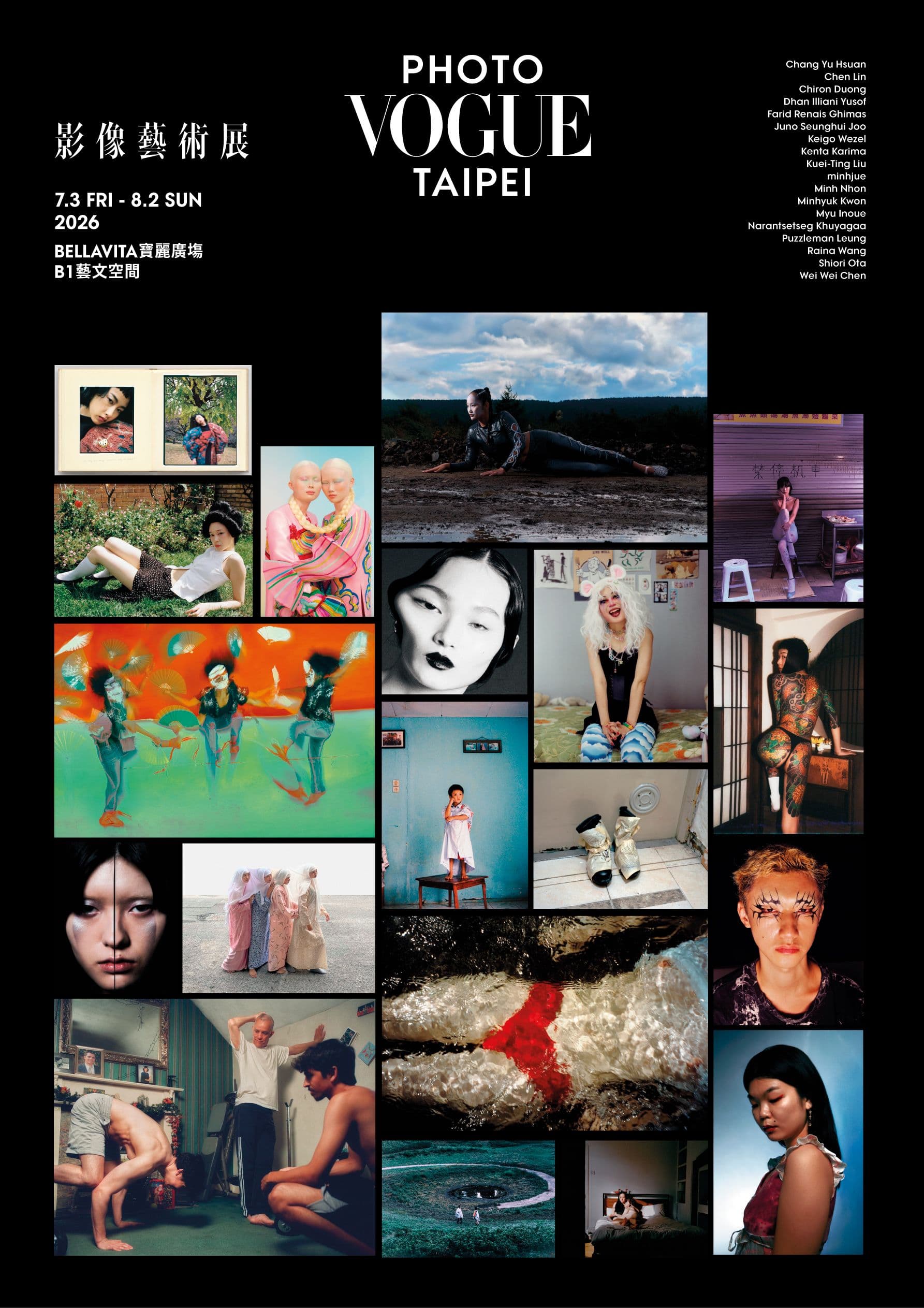
Fragments of Remembering (記憶的隙縫), the 2026 PhotoVogue exhibition that closed at BELLAVITA’s B1 gallery on 2 August, put 19 emerging photographers on the same Xinyi walls: Taiwan, Mongolia, Japan, Korea, Vietnam, Malaysia, Indonesia, and Macau. One hundred seventy-two works. Free entry if you joined the Vogue Taiwan LINE queue. The Banquet read is institutional, not sentimental. The hang treats “Asian photography” as a working network: open call, Milan festival, Taipei residency, then a mall gallery that still feels like Condé Nast infrastructure.
“Through photography, PhotoVogue connects image-makers and audiences across cultures, creating space for new perspectives and conversations.”
Leslie Sun, APAC editorial director for Vogue (Taiwan, Japan, India)
From Milan Call to Xinyi Walls
The photographers did not arrive as eight national booths. They arrived as a cohort filtered through PhotoVogue’s 2025 East and Southeast Asia Regional Open Call, which first put 40 artists into the March 2026 PhotoVogue Festival at Milan’s Biblioteca Nazionale Braidense. Taipei then concentrated 19 of those voices into Fragments of Remembering, curated by Nicole Lee, Vogue’s features director and author of Tai-Niu: A Taipei Women's Atlas from the Margins. Parallel to the hang, the first PhotoVogue Residency in Asia kept a smaller circle of the same cohort in Taipei workshops for a week in mid-July. Milan selects. Taipei seats. The circuit is the story.
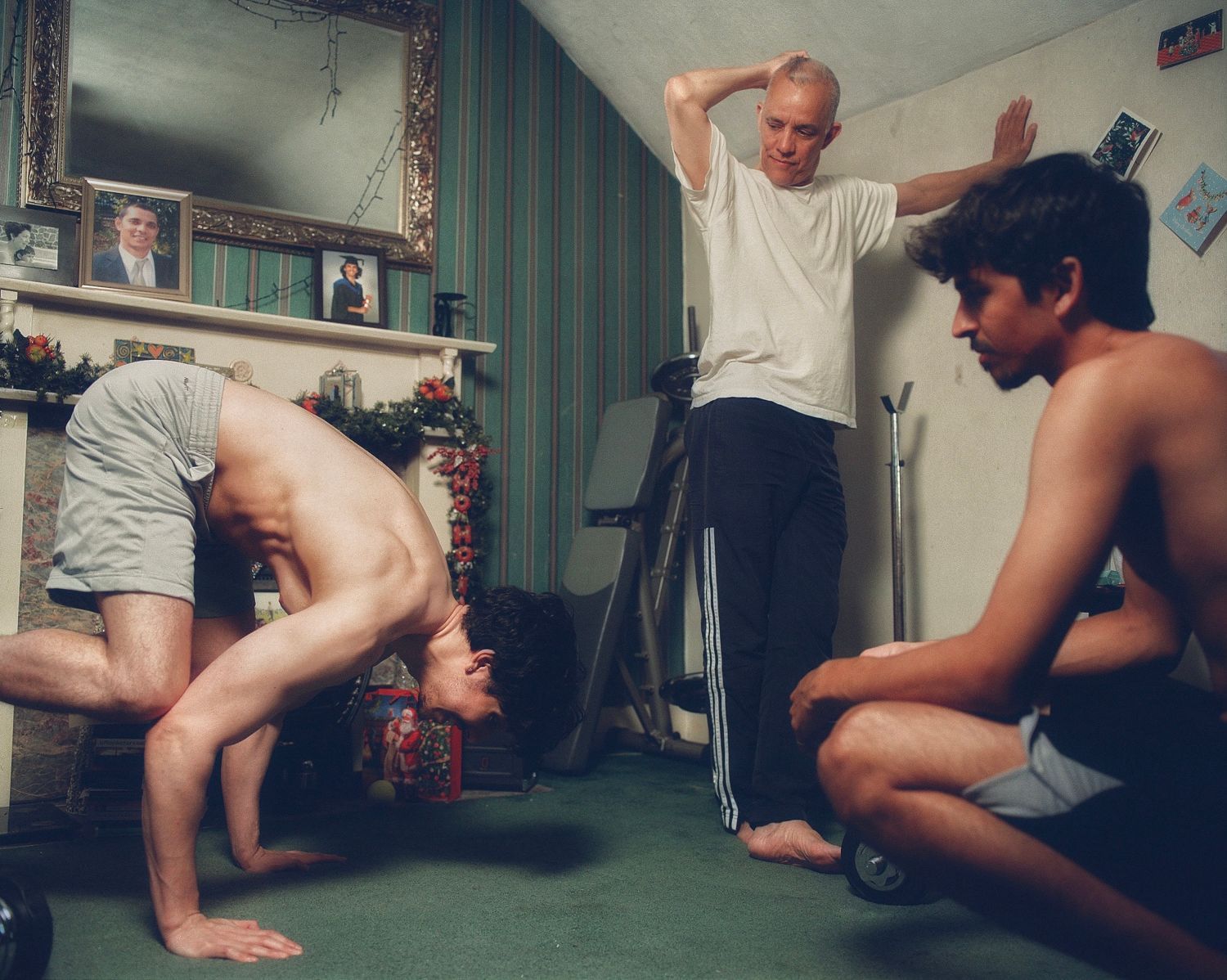
Name a few nodes so the map stays useful. Adam Han-Chun Lin, Taiwan-born and London-based, took the Outstanding Vision Grant for Sonder, which stages and documents male family intimacy between Taichung and London. Narantsetseg Khuyagaa, working from Ulaanbaatar, won the Rising Voice Grant for This Way Up, a series on Mongolian contortion after UNESCO declined heritage recognition. Keigo Wezel carried a Vision Grant with Sleepwalking. Puzzleman Leung, Macau-born and Taipei-based, shows the kind of city-hopping authorship the network assumes rather than apologizes for. Chiron Duong from Ho Chi Minh City, Dhan Illiani Yusof from Malaysia, Farid Renais Ghimas from Indonesia: same wall, different home languages. We’ll be blunt. A country pavilion would have asked each to represent a flag. This hang asks each to finish a memory.
For diaspora readers who already treat Taipei as a fair and magazine city, the difference matters. The useful purchase is the circuit itself: Condé Nast’s photography arm running East and Southeast Asia as one talent market with multiple docks.
Why the Network Beats the Export Booth
PhotoVogue, the Condé Nast platform Alessia Glaviano leads globally, has spent more than a decade turning open calls into careers and festivals. The Taipei edition doubled as Vogue Taiwan’s thirtieth-anniversary cultural project under Leslie Sun. Side rooms added Louis Vuitton’s Taiwan travel commission and a cover retrospective. Useful atmosphere. The spine is still the nineteen.
What changes for a client, collector, or editor who already buys Asia as a region? First, the discovery path is shared. A Mongolian series and a Vietnamese fashion image can clear the same jury and land in the same B1 corridor. Second, the residency week turns a temporary exhibition into a temporary school: editors, shoots, peer critique. Third, Macau-to-Taipei and Taiwan-to-London biographies stop reading as exceptions. They read as the default mobility of the cohort.
Ask yourself, walking a future PhotoVogue wall, whether the wall is sorted by passport or by question. Memory, family, body, place: those were the Taipei themes. Soften the romance. The network still lives inside a fashion-media company with LINE gates and brand partners. It also does something older export systems rarely managed. It lets Ulaanbaatar and Ho Chi Minh City share a sentence without one city becoming the other’s exotic footnote.
If you missed the BELLAVITA hang, keep the URL open: vogue.com.tw/photovogue. Xinyi remains the practical neighborhood for the next activation; Songren Road sits on the Taipei 101 / City Hall MRT pattern. Watch for the next regional open call rather than waiting for a single-country survey. For how another August feature treats continuity as evidence on a museum wall, keep Schiaparelli’s V&A Exhibition Treats Fashion as Surrealist Art nearby. Different medium. Same habit. The interesting Asian story now travels as a circuit.