Walk through a Central concourse or a Shanghai mall atrium on a Saturday and you can still see the old grammar of luxury: monogram canvas, interlocking hardware, a bag held so the logo faces the escalator. That grammar is not dead. It is simply no longer the only language fluent money speaks.
The more interesting shift among affluent Asian buyers, and among diaspora clients who shop between continents, is quieter and harder to photograph. Value is moving inward. Materials, craft, personalized service, niche labels, wellness, and travel matter more when the point of the purchase is something the owner can feel, remember, or use, not something strangers can name at a glance.
Call it private luxury if you want a label. The useful distinction is simpler. Quiet luxury can still be a look. Private luxury is a relationship: with the object, the maker, the salesperson who remembers your size, the trip that cannot be resold as a flex.
“Academically, silent luxury is defined as a mode of consumption where status is expressed through craftsmanship and material quality, rather than logos.”
Professor Lisa Wan, Chinese University of Hong Kong, speaking with Channel NewsAsia Luxury
Recognition Was Always a Temporary Job

For a long stretch of the 2010s, logo recognition did efficient social work across Asia’s boom cities. It translated quickly. It photographed well. It told a taxi queue, a wedding banquet, and a WeChat Moments feed the same story in one frame.
That efficiency is what is fraying. In June 2026, BoF Insights and McKinsey published Face to Face With Luxury Clients, surveying more than 2,000 luxury clients in the United States and China. Emotional connection ranked as the top driver of brand desirability in both markets, ahead of craftsmanship, heritage, and logo recognition. In the US, status signalling and logo recognition have receded as motivators. In China the picture is more layered: emotional connection leads, while recognition and social confidence still matter, especially for occasional and aspirational buyers.
We'll be blunt. Plenty of Chinese consumers still associate a visible logo with wealth. Professor Wan has put that share above half in recent commentary. The point is not that Asia flipped overnight into beige minimalism. The point is that the buyers who already know the codes are shopping for a different kind of proof.
Imran Amed, founder of The Business of Fashion, put the industry problem cleanly when the report landed: brand desirability cannot be manufactured through price or scarcity alone. It has to be earned client by client. That sentence should make any logo-first marketing deck nervous.
Quiet Luxury Is an Aesthetic. Private Luxury Is a Privacy Setting.

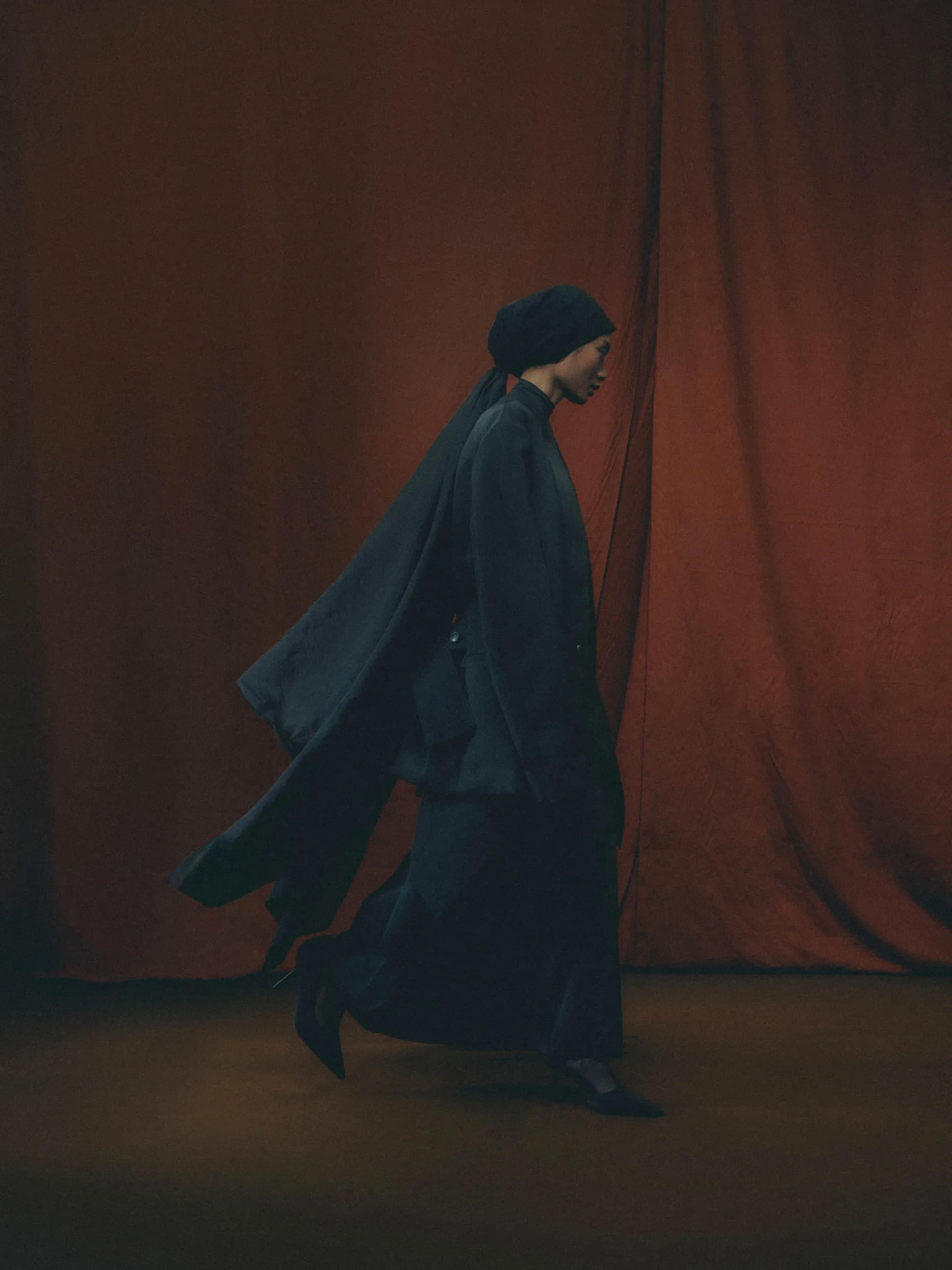
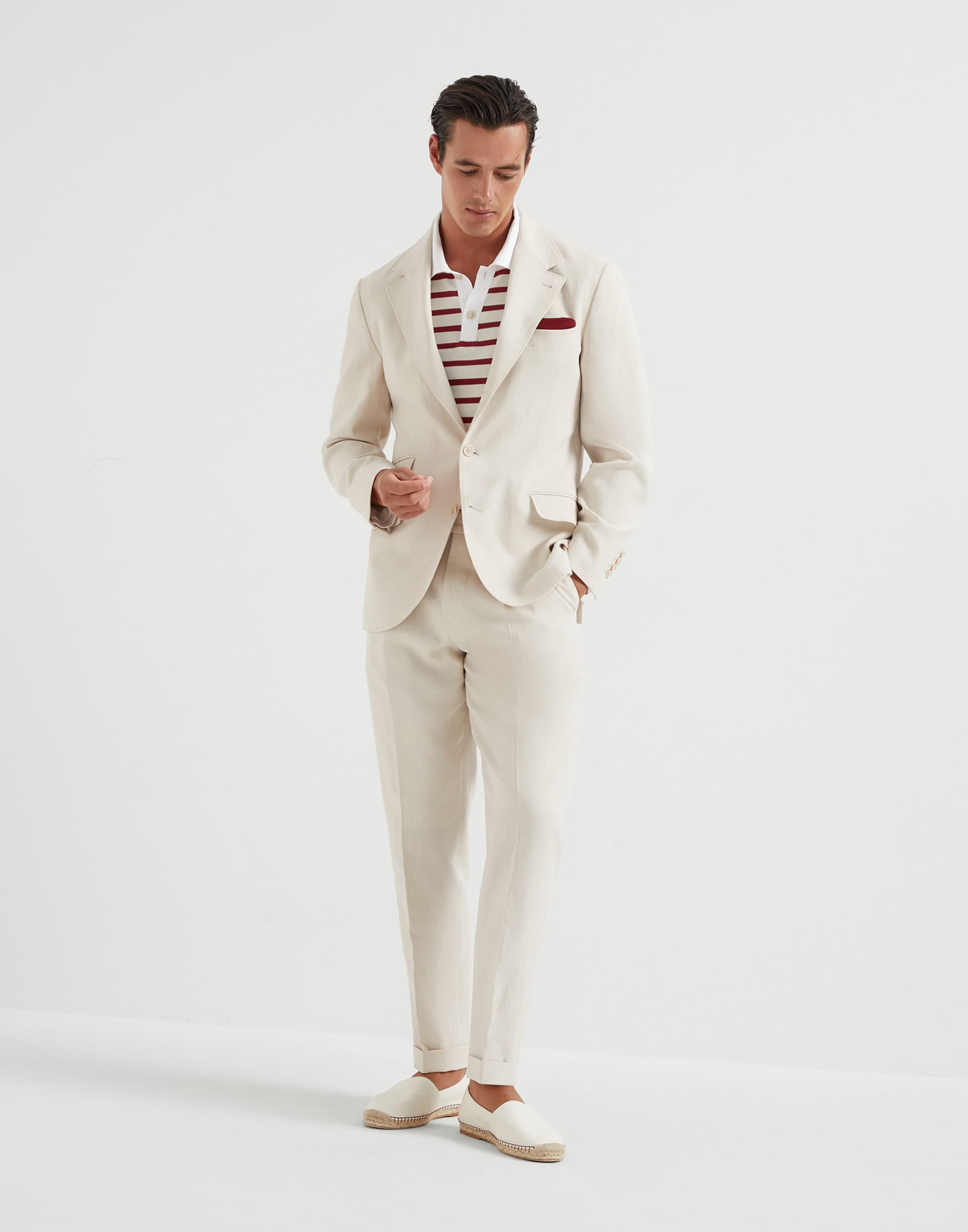
The Return of Quiet Luxury in Seoul and Hong Kong, Turned Down already mapped the no-logo silhouette: cashmere that looks like nothing until you touch it, Liaigre calm over Pacific Place billboard, tailoring that survives humidity without announcing itself.
Private luxury overlaps with that look and then goes further. It includes the object whose craft signal is readable only to people who already know (an intrecciato weave, a saddle stitch, a particular weight of vicuña). It includes the appointment that never appears on a storefront. It includes the trip whose status arrives as sleep quality and a private itinerary, not a tagged infinity pool.
Think of quiet luxury as what you wear into the room. Private luxury is what the room never needs to decode.
In China’s leather-goods reset, that distinction shows up as bifurcation rather than a single trend. Bain’s mainland personal luxury reading for 2025 put the market down roughly 3 to 5 percent, with shoppers more selective about value, quality, and practicality. Experience-based spending (travel, wellness) kept gaining relative preference. Mid-tier logo stories have looked fragile; houses that can prove craft, scarcity discipline, or clear emotional relevance have looked sturdier. Soften any single “winner” list, but the pattern is durable enough to plan a wardrobe around.
Why Affluent Buyers Are Harder to Impress
Once you have owned three generations of the same monogram, novelty loses its job. Price increases after 2020 made the question sharper: what am I actually buying if everyone else can recognize it, and the resin hardware still chips?
Chinese clients in the BoF–McKinsey work increasingly define exclusivity through bespoke and personalized service, not manufactured scarcity alone. American clients lean toward early access, limited editions, and loyalty recognition. Across both markets, roughly three in ten say that if they had more discretionary money, they would put it toward travel before another product stack. Luxury value is being measured in access, moments, and memories as much as in ownership.
That is why the mid-mall drop feels thinner. The buyer has already seen the campaign. They have already compared resale prices on secondary platforms. They have already flown to Tokyo or Seoul and touched a better version of the same category. Impressing them now means knowing their history, their shoulder slope, their child’s school calendar, or the exact brown that matches a coat bought two winters ago.
Niche Labels, Collector Knowledge, and Insider Signals
Private luxury rewards literacy. Anyone can recognize a megabrand monogram. Recognizing a Bottega Veneta intrecciato, a Valextra millepunti stitch, a Delvaux Tempête, or a Songmont silhouette requires a different education. On Xiaohongshu, searches tied to understated and logo-free bags have been growing; craft-led European houses and a few Chinese independents have been the ones that benefit when shoppers want to look knowledgeable rather than loud.
Read What Quiet Carry Actually Looks Like for the workshop side of that education: Florence leather, Sabae frames, objects bought for use first. The Banquet’s point is practical. Build a small library of makers whose quality you can verify with your hands. Spend less energy on whether a stranger in the lift can name the house.
Legacy maisons still understand something newcomers often fake: continuity of atelier, control of supply, and client memory. Hermès’s first-quarter 2026 results showed revenue up 6 percent at constant exchange rates, with leather goods still the ballast. Executive chairman Axel Dumas credited creativity, uncompromising quality, and client loyalty. Soften any claim that “absolute luxury always wins”; Bain’s wider 2025 reading also showed accessible brands with clear value propositions growing more often than many aspirational names. The durable lesson is narrower. Houses that protect craft and relationship still have a story when logo recognition cools.
Service and Access Are the Product
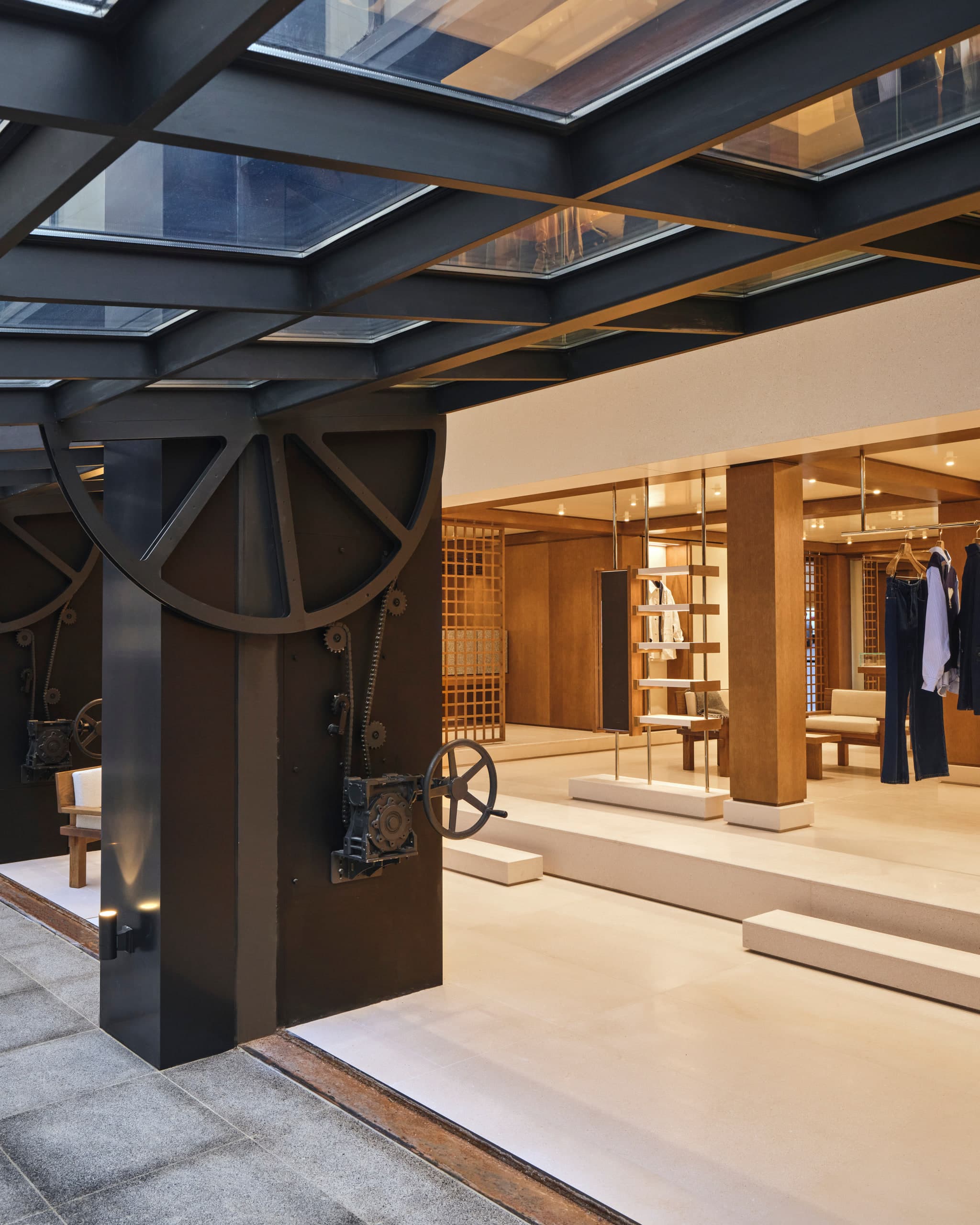
Chanel’s Les Salons Privés rollout in China made the retail argument architectural: appointment-only rooms in Beijing, Shanghai, Shenzhen, and Guangzhou designed for privacy and intimacy rather than atrium theatre. Bruno Pavlovsky has described the brief as giving Chinese clients the kind of special service that, in Paris or London, might mean going to a hotel or a home. Other maisons have built parallel VIP floors, trunk shows, and WeChat clienteling for the same reason.
If exclusivity is increasingly personalization, then the salesperson with a functioning memory is part of the SKU. So is the alteration that arrives before a wedding week. So is the private preview that never needs a velvet rope photo. Ask whether a brand can still serve you when you do not want to be seen shopping.
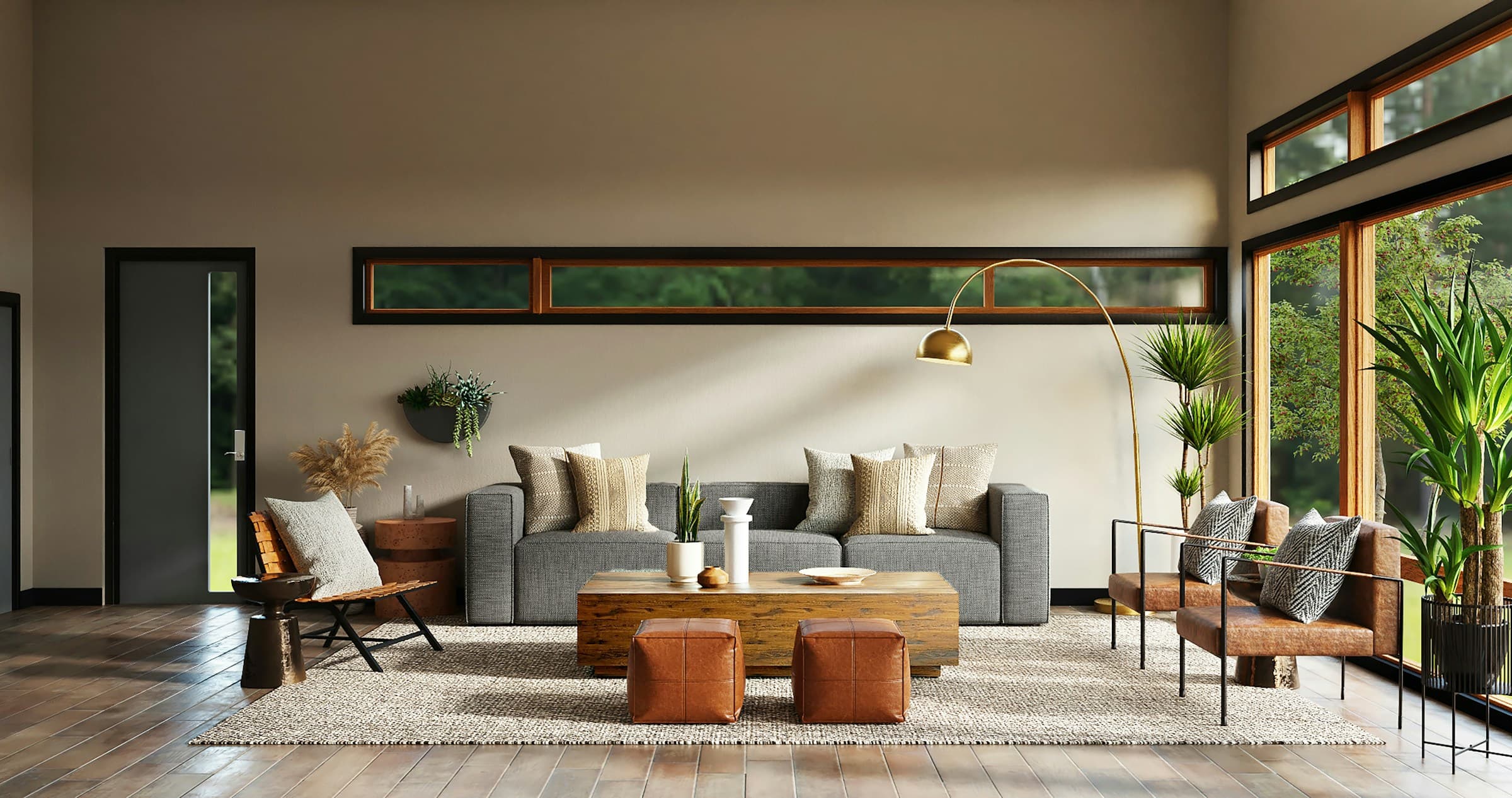
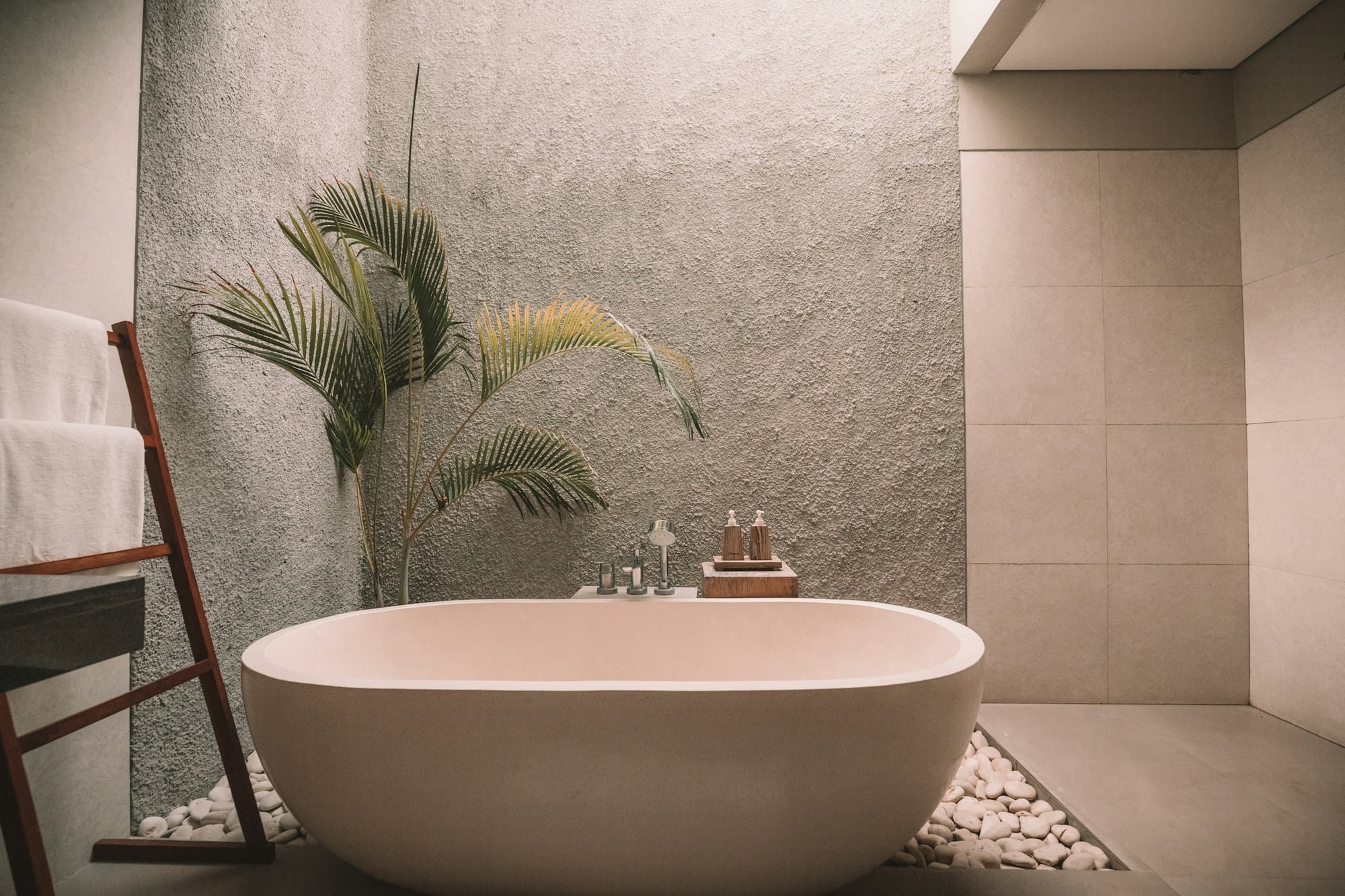
Experiences do the same work at city scale. Wellness and travel absorb the discretionary money that used to go to another seasonal bag. Why Hospitality Design Is Influencing Luxury Homes tracks how rooms teach taste; The Asian Grand Tour maps where that education now finishes. A longevity retreat, a private Kyoto temple viewing, a multi-night Aman or Six Senses stay: these are status symbols that refuse to sit on a shelf. Their proof is how you feel on Monday.
How to Buy for Personal Meaning
Start with a sentence you would not post. What do you want this object or trip to do for you in six months: hold shape in humidity, calm a nervous system, open a conversation with one specific person, survive a decade of flights?
Then buy against that sentence.
Touch the material in daylight. Ask who made it and how long the waitlist is for the right reason (atelier capacity) versus the wrong one (marketing theatre). Prefer one excellent coat, bag, or watch over three recognizable ones. Keep a relationship with one good salesperson across cities if you can. Budget for repair and alteration as part of the purchase, not as an afterthought. For travel, pay for privacy and recovery before you pay for a lobby that photographs well.
If you still love a logo, keep it. Private luxury is not a purity test. It is a permission structure: you no longer owe the room a brand it can name. You owe yourself something you can live with when the room is empty.
That is the Asian luxury buyer’s more intelligent move in 2026: a private standard, held for your own use, whether or not the room can name it.