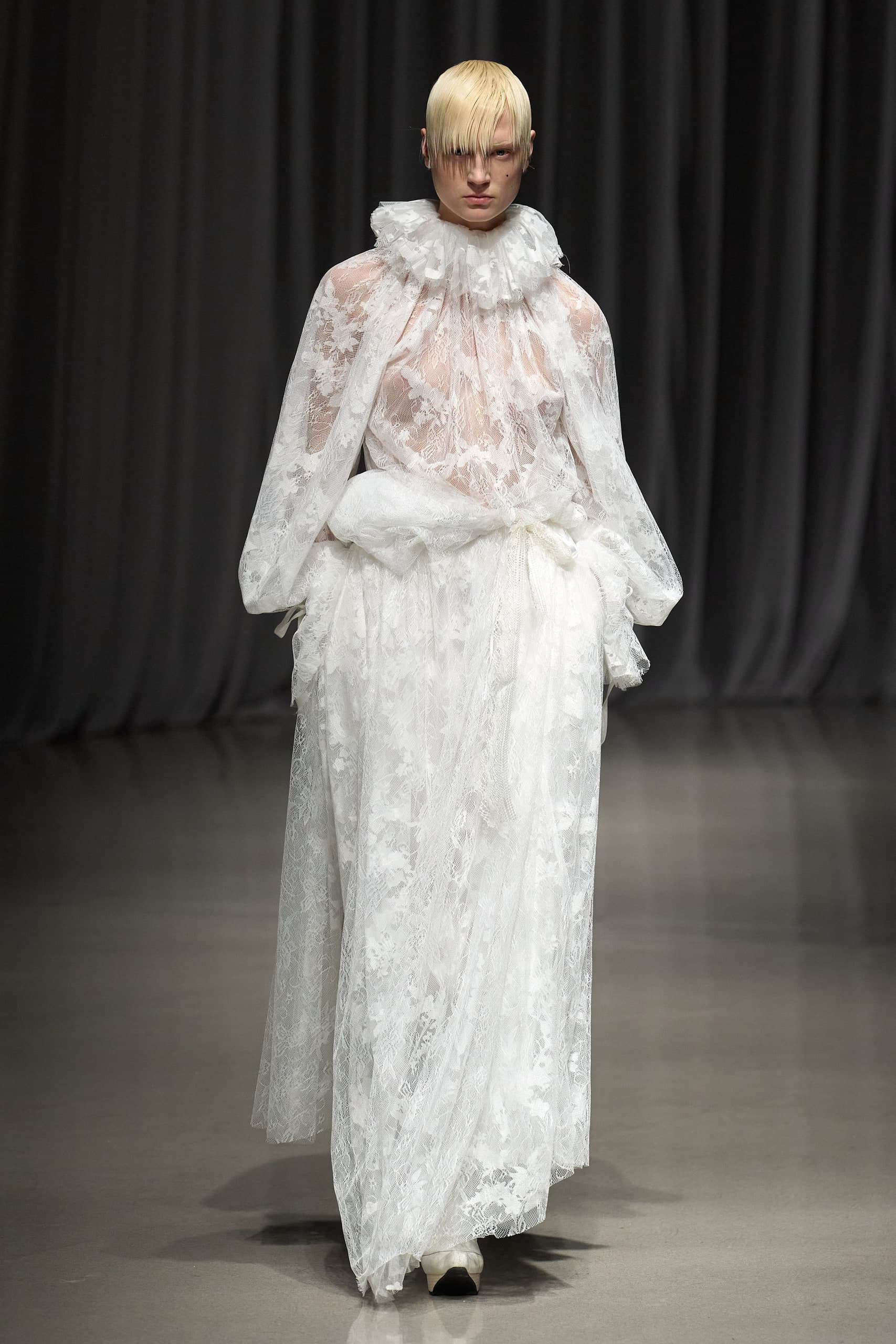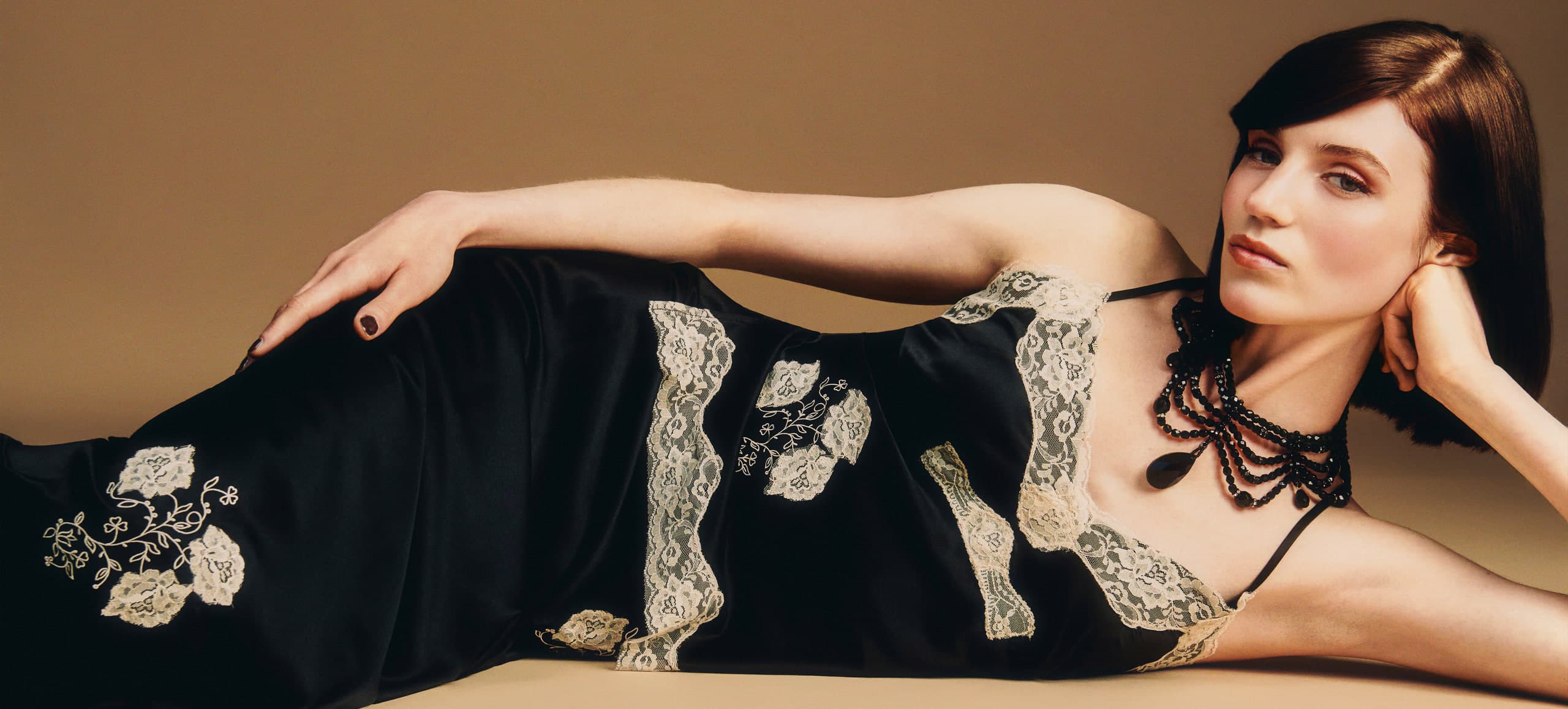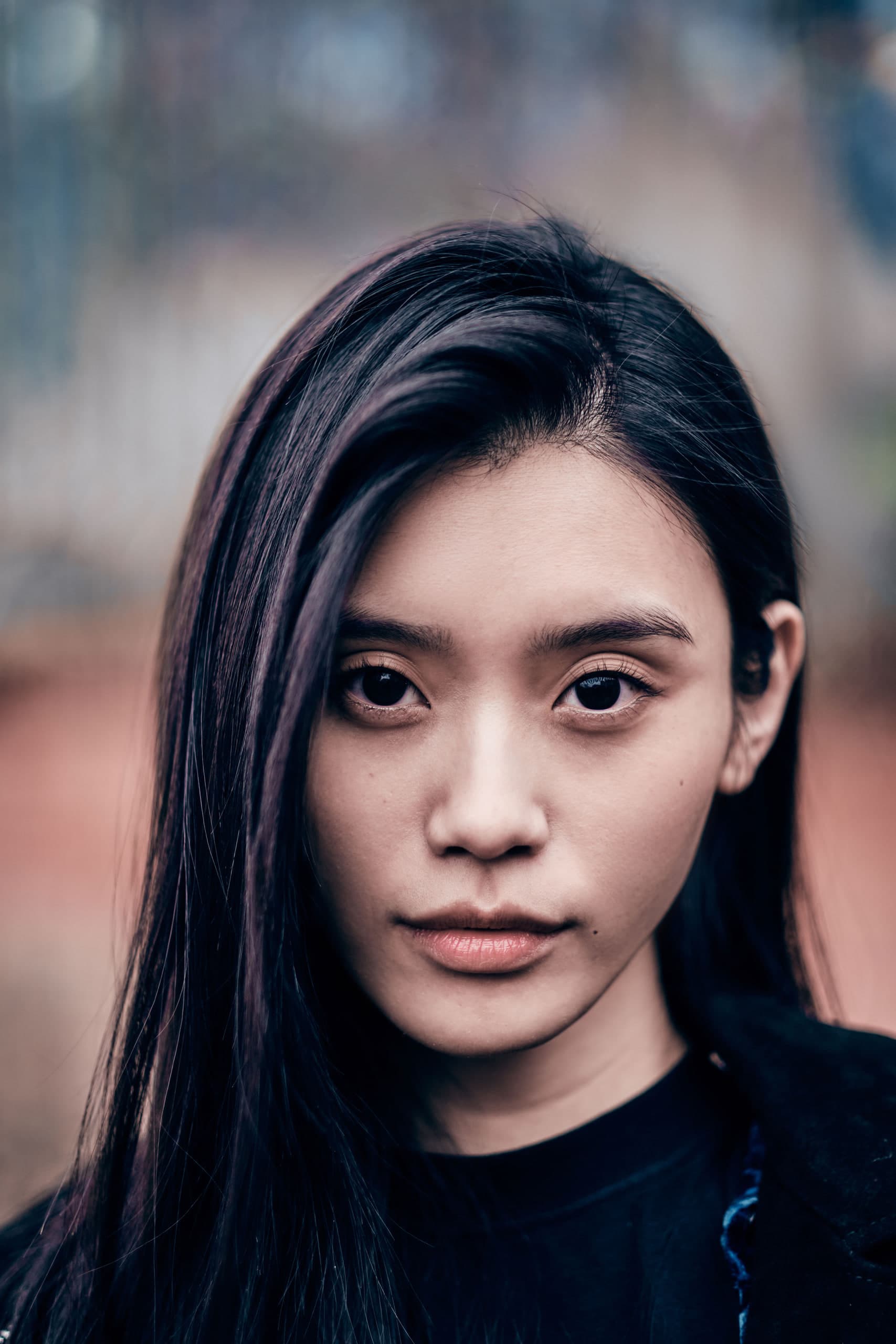
On Sunday night at Sony Pictures Studios in Culver City, Ming Xi walked Victoria's Secret again, in a floral corset and then pink lace, the kind of looks the show has always sold. She is thirty-seven. The last walk was 2018. The next morning she posted that seeing the wings nearly undid her, and that the whole thing felt like coming home.
Eight years is a long gap between walks. For Asian and Asian American faces on that runway, the gap before the first walk was longer still.
"The moment I saw the wings, my heart nearly gave out from pure happiness." Ming Xi, after the 2026 Victoria's Secret Fashion Show
Fourteen years, then Liu Wen
Victoria's Secret started the televised lingerie show in 1995. Nobody of Asian descent walked it until November 2009, when Liu Wen, twenty-one and newly booked out of China, got the call. She told CNN she asked her agent if it was a joke. She had not expected an Asian girl to get the job. The producers praised her energy. The quieter fact is the calendar: fourteen Angel seasons before that night.
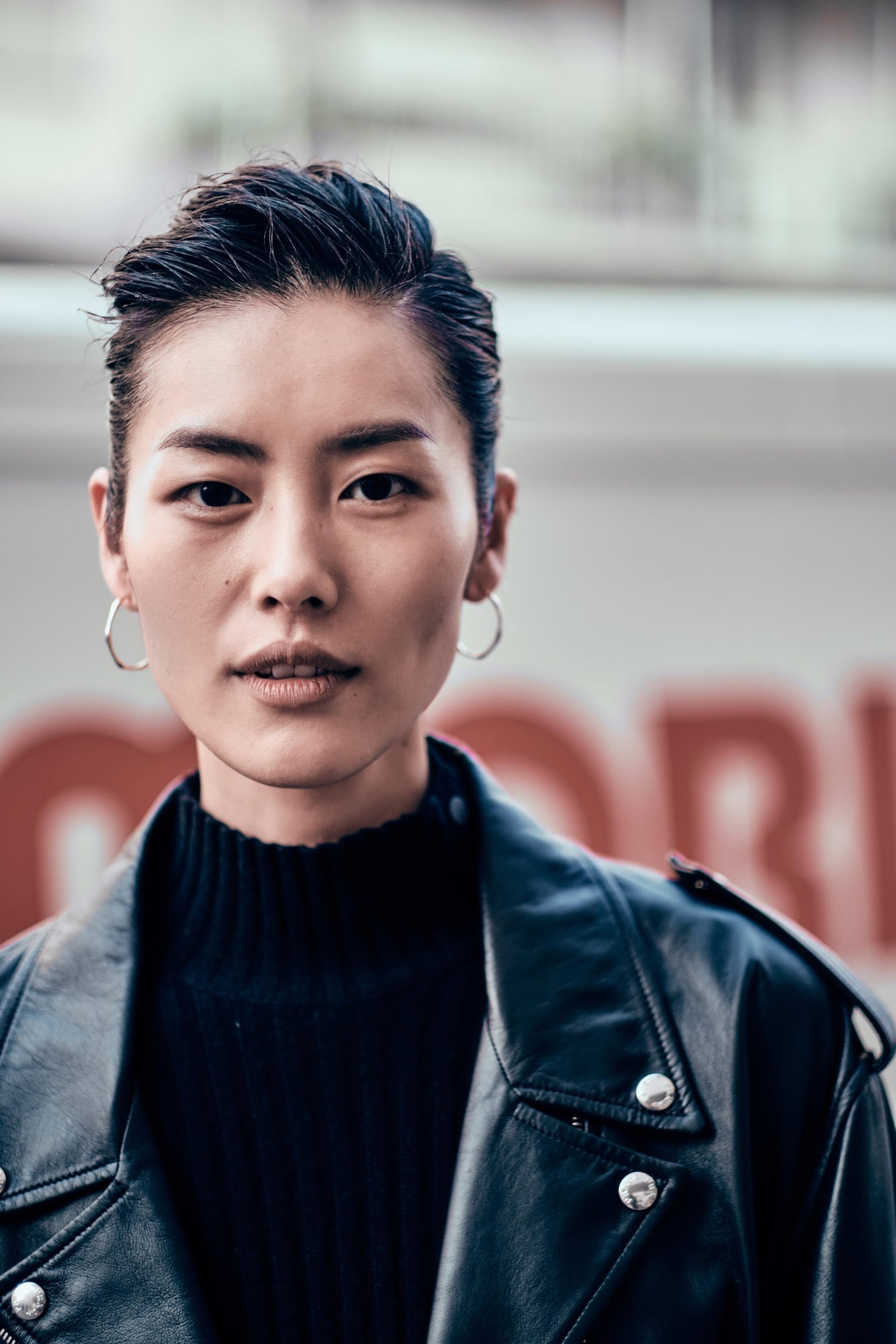
Sui He followed in 2011, the second Chinese model on that stage, and later the first Asian model to open a Ralph Lauren show. Ming Xi joined in 2013 and stayed through 2018. Six years in a row, including 2017 in Shanghai, the first time the show came to China. She tripped on a train during the finale, in front of her mother and her city. Gizele Oliveira helped her up. The broadcast kept the fall. Backstage she cried. Online she wrote that it was one of the hardest moments of her career, and that she would keep walking anyway.
High fashion had already started noticing Chinese faces for money reasons before Victoria's Secret caught up. Du Juan shared a Vogue Paris cover with Gemma Ward in October 2005, the first Asian model on that magazine. Liu Wen became Estée Lauder's first East Asian global spokesmodel in 2010, then the first Asian name on Forbes's highest-paid models list. Fei Fei Sun took a solo Vogue Italia in 2013 and landed on American Vogue's September 2014 Instagirls foldout. Bain had Chinese luxury sales rising about 23 percent in 2010. Brands wanted faces Chinese shoppers would recognize. They still booked as if one Asian girl per show were enough.
Why so few, for so long
Height and a good book never explained the thinness of the cast. Western fashion treated Eurocentric features as the default of glamour for decades: larger eyes, a sharper nose, a face editors assumed non-Asian readers would accept without argument. Asian faces got filed under cute, serious, foreign, or exotic, useful for a theme look and then put back. Years ago the UCLA Asia Pacific Center asked the blunt version of the question magazines were already answering in their casting: would a non-Asian audience accept an Asian cover model? Too often the practical reply was to hire someone else.
Asian Americans had a harder time of it. Designers of Asian descent built CFDA careers and house names while models and actors stayed scarce on American stages. T Magazine, in a piece the CFDA later shared, noted that Asian Americans are roughly six percent of the U.S. population and still too few in the pictures that sell glamour. They do not sit neatly inside a Black-white racial script, which made it easy to leave them out of the argument altogether. When someone did break through, she often had to invent a category. Devon Aoki, Japanese American, became the face of Versace as a teenager in the late 1990s, replacing Naomi Campbell with an alternative look that had little to do with Angel lingerie. Soo Joo Park, born in Seoul and raised in California from age ten, bleached her hair platinum, became a Chanel regular, and later L'Oréal Paris's first Asian American spokesmodel. The industry loved the exception. It was slower to change the board.
The early-2010s numbers still look stingy. At New York Fashion Week for spring 2013, Jezebel's look-by-look count gave Asian models about a tenth of the outfits. White models still wore nearly four-fifths. Across New York, London, Milan, and Paris that fall, another tally put Asian appearances near 6 percent. Better than the decade before. Still nowhere near the share of customers buying the clothes.
What Ming Xi held
Ming Xi came up the way a lot of Chinese models of her generation did: Elite Model Look, a third-place finish, then Givenchy Haute Couture in 2011. The rest of the decade was Balmain and Karl Lagerfeld and Michael Kors in Shanghai, Met Gala carpets, Vogue China covers. She is Chinese. Her biggest public is still in China. Diaspora readers in Vancouver, New York, London, and Singapore watched the same empty runway anyway, which is why her career belongs in Asian American modeling history even when the passport does not. Six years of a Chinese Angel on American television did a kind of work no press release could.
Victoria's Secret sells fantasy lingerie to a mass audience. It is televised, memed, and, after 2018, cancelled amid collapsing ratings and criticism that the show was sexist and thin on body diversity. It came back in 2024. Ming Xi's six seasons sat inside the older machine. The Shanghai fall became, unfairly, one of the most watched Asian-model clips of the decade. She kept working. She married Mario Ho in 2019, had two children, and took the kind of campaigns and house walks that keep a career warm between Angel seasons: Biotherm, Stuart Weitzman, Balenciaga in Shanghai after maternity, Fendi in Milan, a Vogue China anniversary cover. Sunday night put her back on a stage that had paused and reinvented itself while she was raising a family.
She had company in Culver City. Liu Wen walked again. He Cong came back after her 2024 debut. Ravleen Varghese, from India, made a first walk. Christina Nadin, who is Filipina, appeared. KATSEYE sang in the Pink segment. A cluster of Asian names on one call sheet. That is what late arrival looks like when the generation finally gets thick enough.
The familiar wings
If you grew up watching that show and rarely saw a face that looked like your aunt's, last night was a small correction with a long preface. Victoria's Secret still sells a narrow athletic fantasy even when the cast widens. Her return is a reminder of how recently the wings had room for her at all, and how long Asian American modeling had to invent its own routes around a stage that stayed closed. Confirm the replay on the brand's channels if you want the lace in motion. The scarcity was the industry's habit. The women who kept walking were never the reason it lasted.