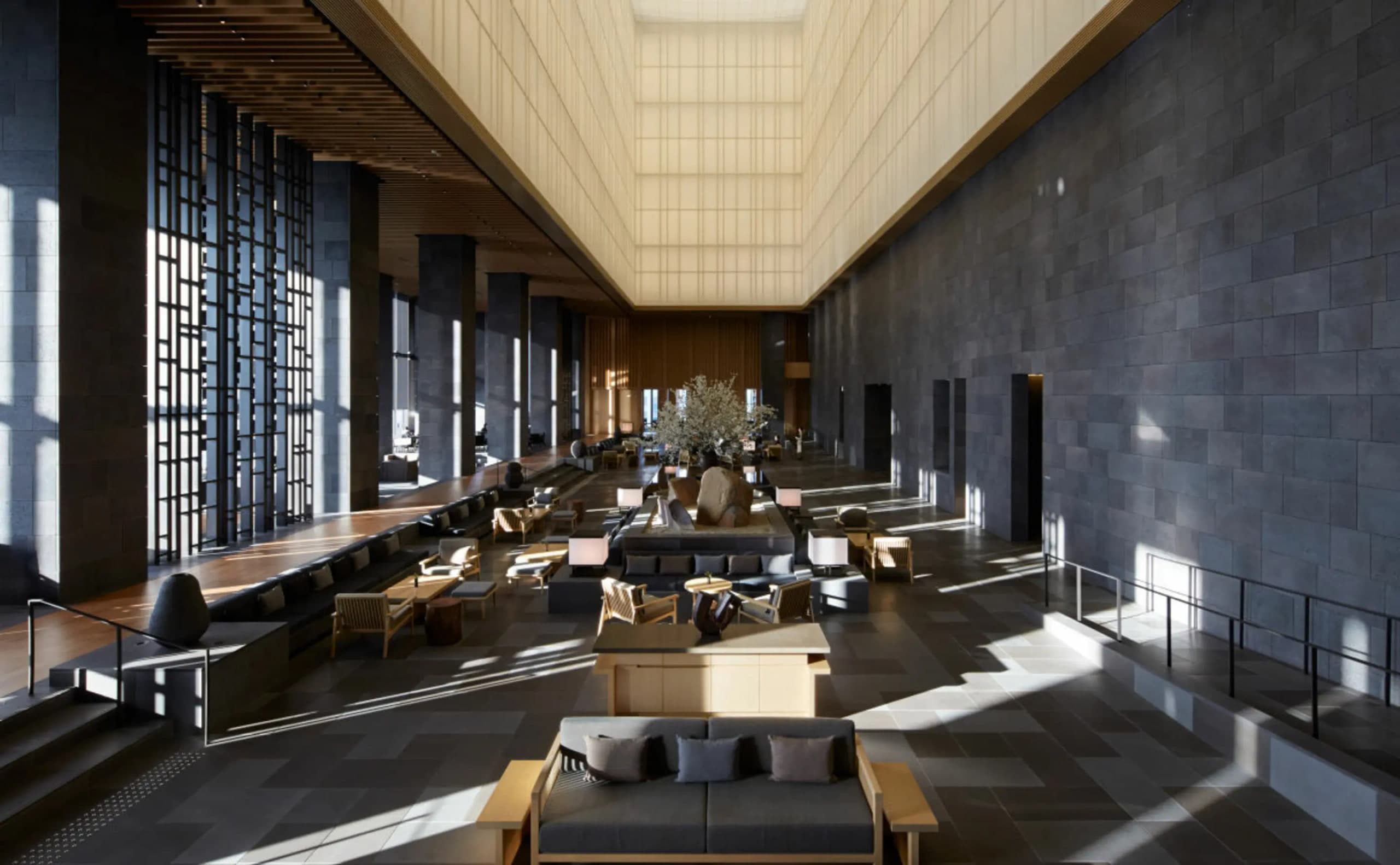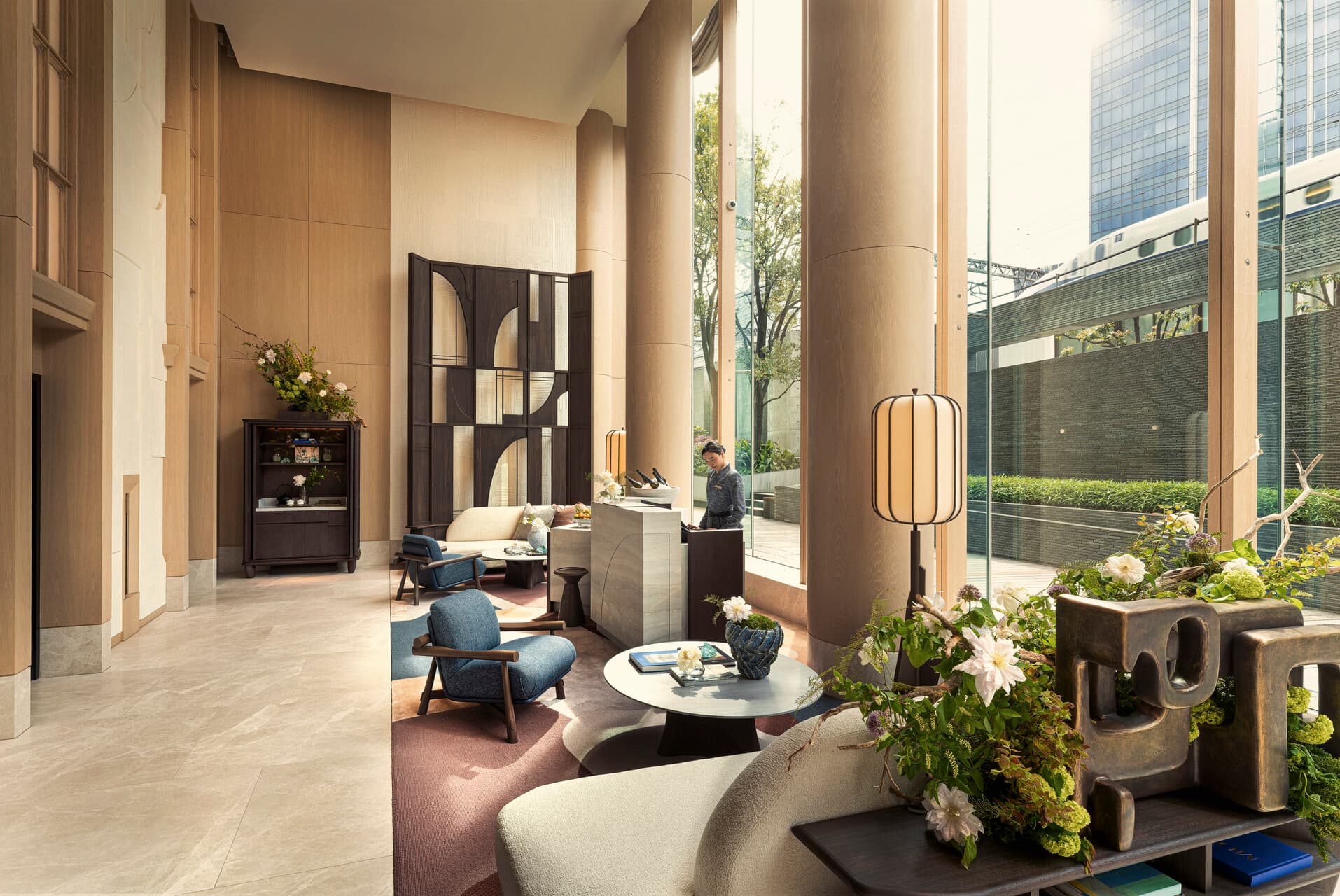
Lobby at Four Seasons Hotel Tokyo at Marunouchi after André Fu Studio’s 2026 redo, with a shinkansen sliding past the glass. Photograph courtesy Four Seasons.
The trains stay in the picture.
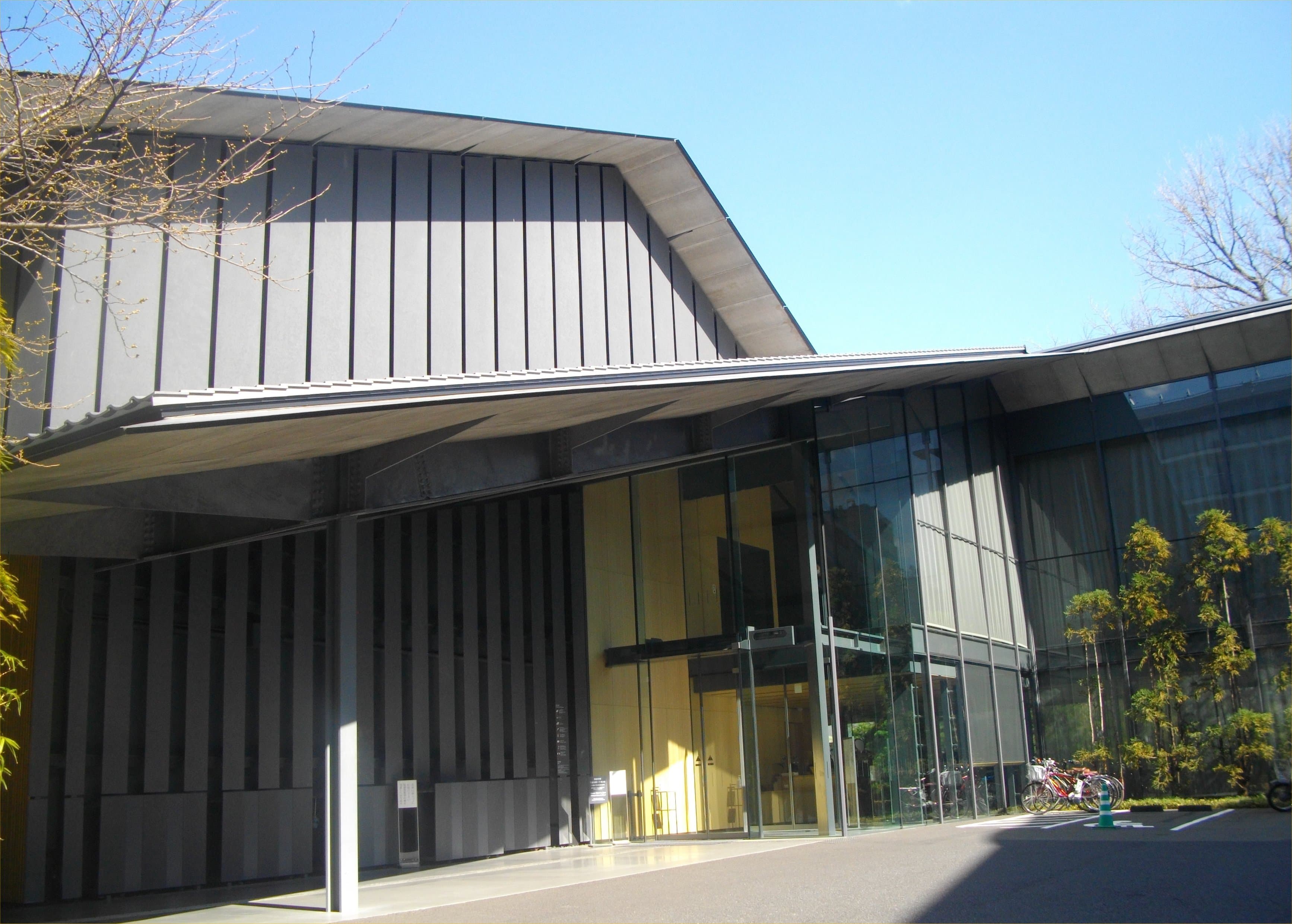
At 1-11-1 Pacific Century Place, Marunouchi, Chiyoda-ku, Four Seasons Hotel Tokyo at Marunouchi occupies floors three through seven of a thirty-one-storey tower that Pacific Century Group raised beside Tokyo Station, with preliminary architecture by Nikken Sekkei. If you know the district only through the Marunouchi brick facade and the Yaesu exits, this is the compact hotel stack pressed against the platforms rather than the sky lobby across the tracks.
The hotel opened in October 2002 as a fifty-seven-key boutique (forty-eight rooms, nine suites), then closed its guestrooms from 1 July 2025 for the first full interior redo since opening. André Fu Studio, the Hong Kong practice of interior architect André Fu, reopened the house on 29 April 2026 as a contemporary Nihon no teitaku: a modern reading of Japan’s stately manor, scaled for travellers who want the station underfoot without sleeping inside a tower atrium.
“Our goal was to create a space that feels both distinctly Japanese and unmistakably cosmopolitan, a sanctuary where guests can connect with Tokyo in a deeply personal way.”
André Fu, Four Seasons Hotel Tokyo at Marunouchi press materials, 2026
Arrival Without a Desk
The porte-cochère still meets the city hard. Inside, Fu slows the temperature. Natural oak and grey marble take the light; soft illumination alludes to komorebi, sunlight filtering through trees. Backlit shoji-style screens and washi lanterns finish the lobby as a modern Japanese tea lounge rather than a registration hall. Guests are met with Champagne, then escorted upstairs for private check-in in the room or suite. The front desk becomes a brief pause, not a performance. General Manager Jens Wycisk, who has led the property since July 2023, frames the renovation as a return to the hotel’s boutique brief: serenity, connection, individuality.
This is the tenth chapter of The Great Asian Room, after Tianjin, Ginza, Kanazawa, Nezu, Singapore, Yeouido, Yongsan, Aman Tokyo’s lantern, and Bangkok’s Authors’ Lounge: another interior that manufactures culture by how it receives a guest. Across the station district, A Lantern Above Otemachi argues with thirty metres of washi. Marunouchi argues lower and closer, with the tracks still visible.
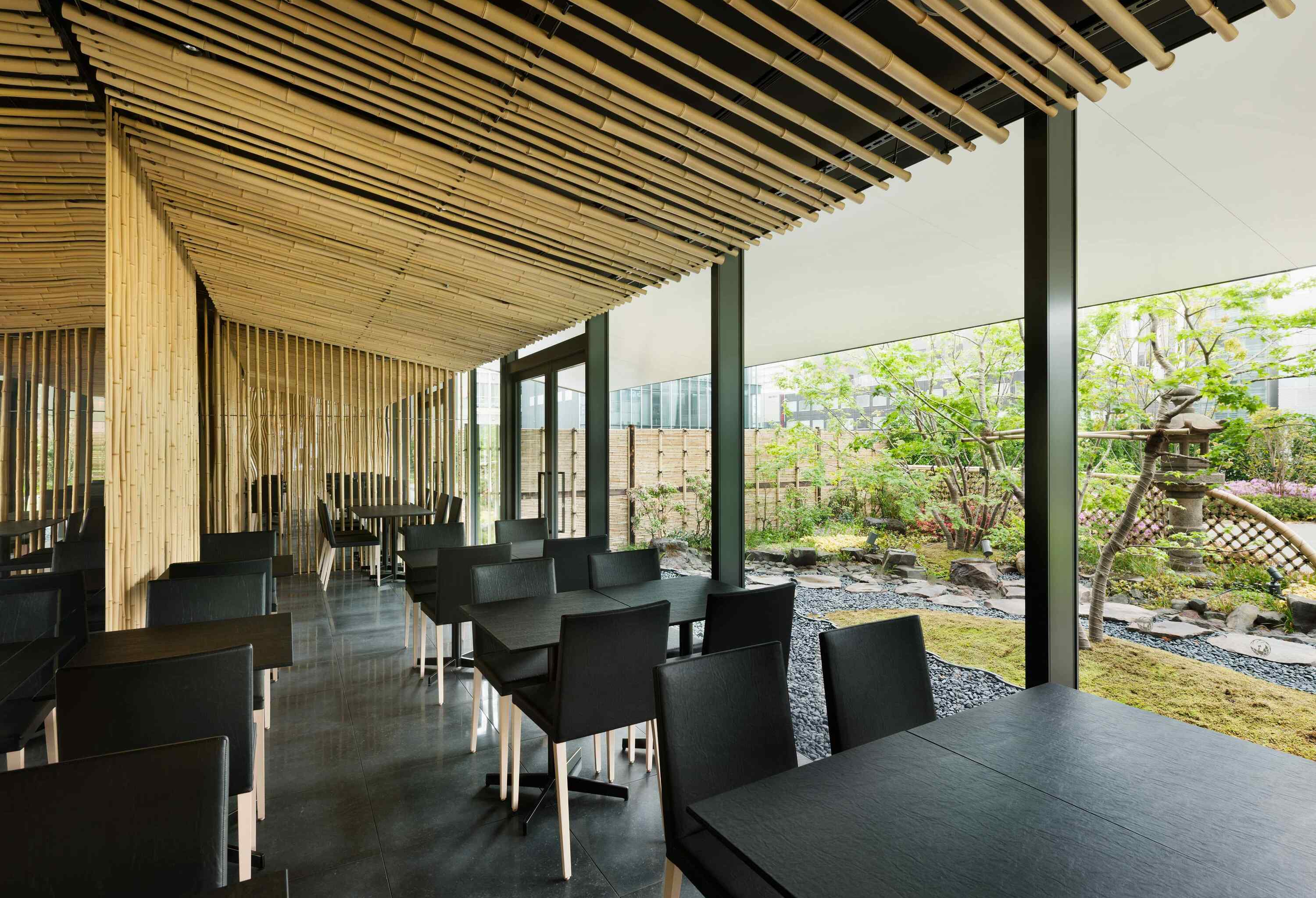
Fu already knew this skeleton. In 2021 he designed Sézanne and Maison Marunouchi on the seventh floor with then-chef Daniel Calvert. The dining rooms remain his; the kitchen chapter moved on 1 April 2026 to executive chef Stephen Lancaster. Michelin withdrew the prior three-star listing pending reinspection after the chef change, so book for the room and the current menu, and check the latest guide before you travel on star expectations. The sister Four Seasons Hotel Tokyo at Otemachi, a few minutes away, is a different house: Jean-Michel Gathy interiors above the Palace line, not this manor stack.
Residential Rhythms Above the Platform
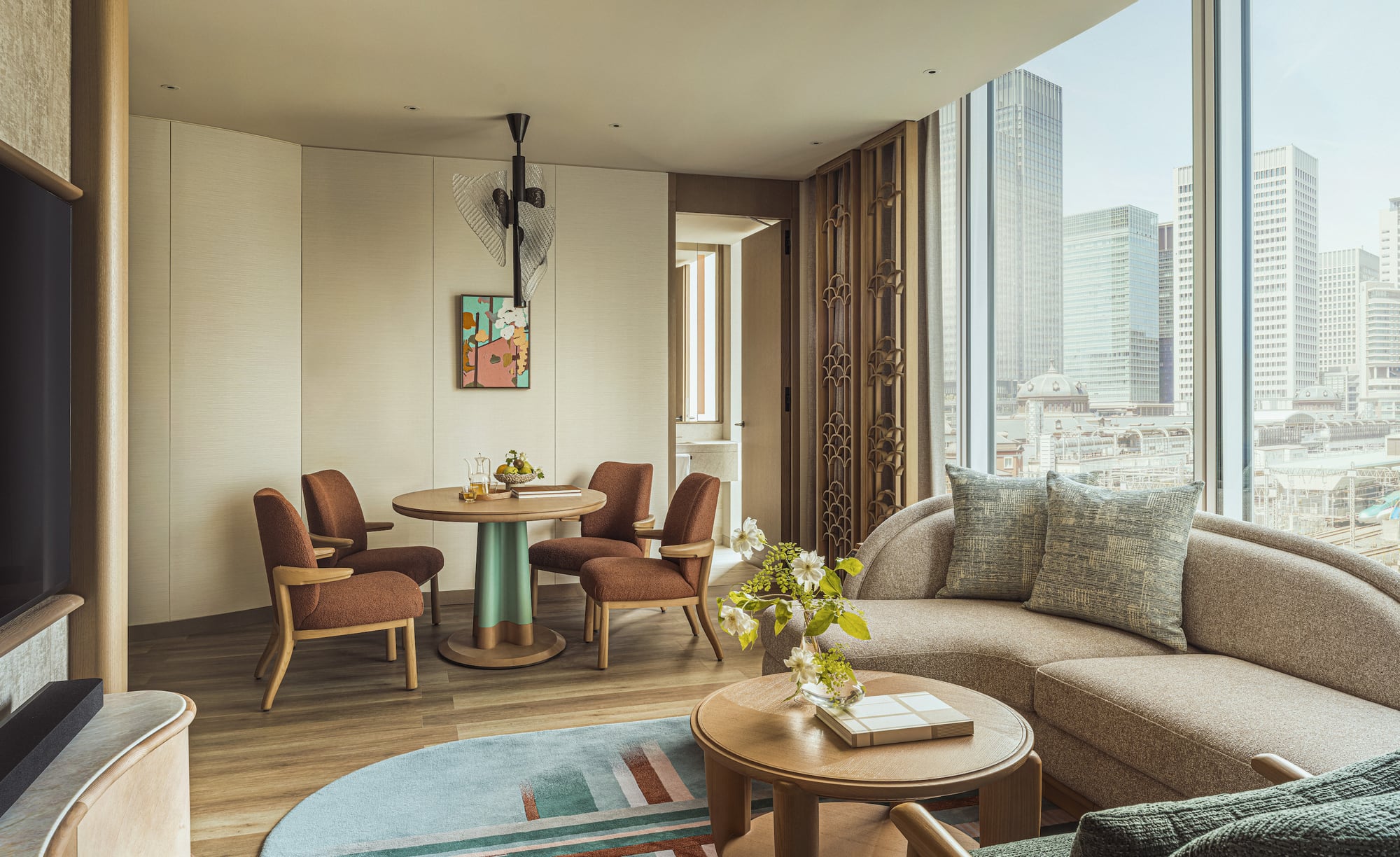
Upstairs, Fu deconstructs the usual hotel plan into sliding panels, warm woods, and mid-century silhouettes that behave more like a flat than a corridor product. The palette runs teal greens and dusty pinks. Cast-bronze lighting, artisan ceramics, and cherry-blossom inlays do the quiet work of craft. Minibar cabinets hold Japanese tea sets and local teas; seasonal fruit and wagashi arrive with the room. Some suites keep cooler boxes for late arrivals who want the welcome fruit to survive a delayed Narita Express. Request an Eki category if you want Tokyo Station’s red brick as your evening television; Time Out’s post-reopen notes make that view the practical thrill for railway people.
Walk about four minutes from Tokyo Station’s Yaesu South Exit, or use the underground link into Pacific Century Place. Front desk +81 3-5222-7222; dining desks for Sézanne and Maison Marunouchi book separately. Rates move with shinkansen weeks and sakura; confirm on fourseasons.com/tokyo rather than any secondary band. Concierge can arrange ramen workshops, sumo, or Ginza and Shinjuku bar routes when you want the city curated rather than left to chance; ask early, and treat those as requests rather than printed inclusions.
For diaspora travellers who already know Fu’s Capella Taipei mansion or his Upper House calm in Hong Kong, Marunouchi is the Tokyo proof that his residential language still works when the neighbour is a bullet train. Sit in the lobby long enough to watch one pass. Then go upstairs and check in where the manor actually begins: in the room.
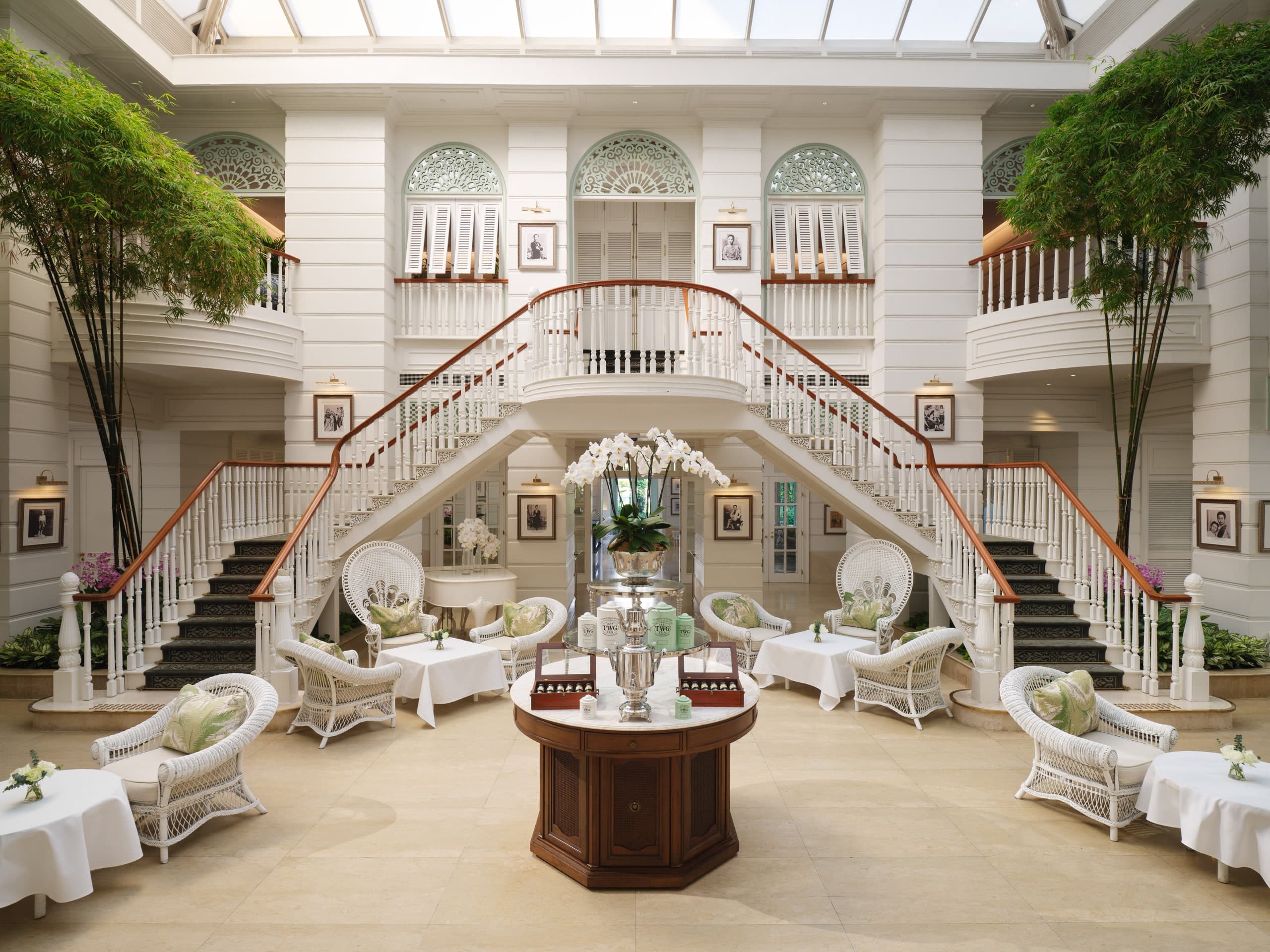
Continue the series from Wicker Under the Authors' Skylight, or pair the stop with The Banquet Guide to Tokyo when you are building a station-district itinerary.