Your father's tailor still knows how to canvass a chest. He may not know, without being told, that you board a red-eye on Monday, sit through a humid outdoor lunch on Wednesday, and wear the same jacket to a family dinner where formality is expected but stiffness is not.
Asian bespoke has always measured time in decades, not seasons. What changed is the body of work clients request: softer shoulders, lighter cloth, shorter jackets, trouser rises that match how people actually sit in cars and planes. The craft is not dying. The silhouette is negotiating with a diaspora wardrobe that lives on more than one continent.
"Tradition is not a cage. It is the pattern block you adjust when the client's life changes."
This is a map of three cities where that adjustment happens daily, and how to commission a suit that will still feel correct after a year of wear, not only after the final fitting.
Why the Pacific Still Sews Bespoke
Ready-to-wear improved. Bespoke did not vanish. It recalibrated.
Asia's advantage is density: cutters who apprenticed in house traditions, pricing that remains rational relative to Savile Row for comparable handwork, and a client culture that still treats a first serious suit as a milestone. For diaspora professionals based in London, Toronto, or Sydney with family and business across the Pacific, the relationship is often inherited. The Hong Kong workshop that cut for your father can cut for you. The Tokyo tailor who understands humid summers specifies cloth a European house might not suggest.
The purchase is not nostalgia. It is logistics with memory attached.
Hong Kong: Nathan Road and Central
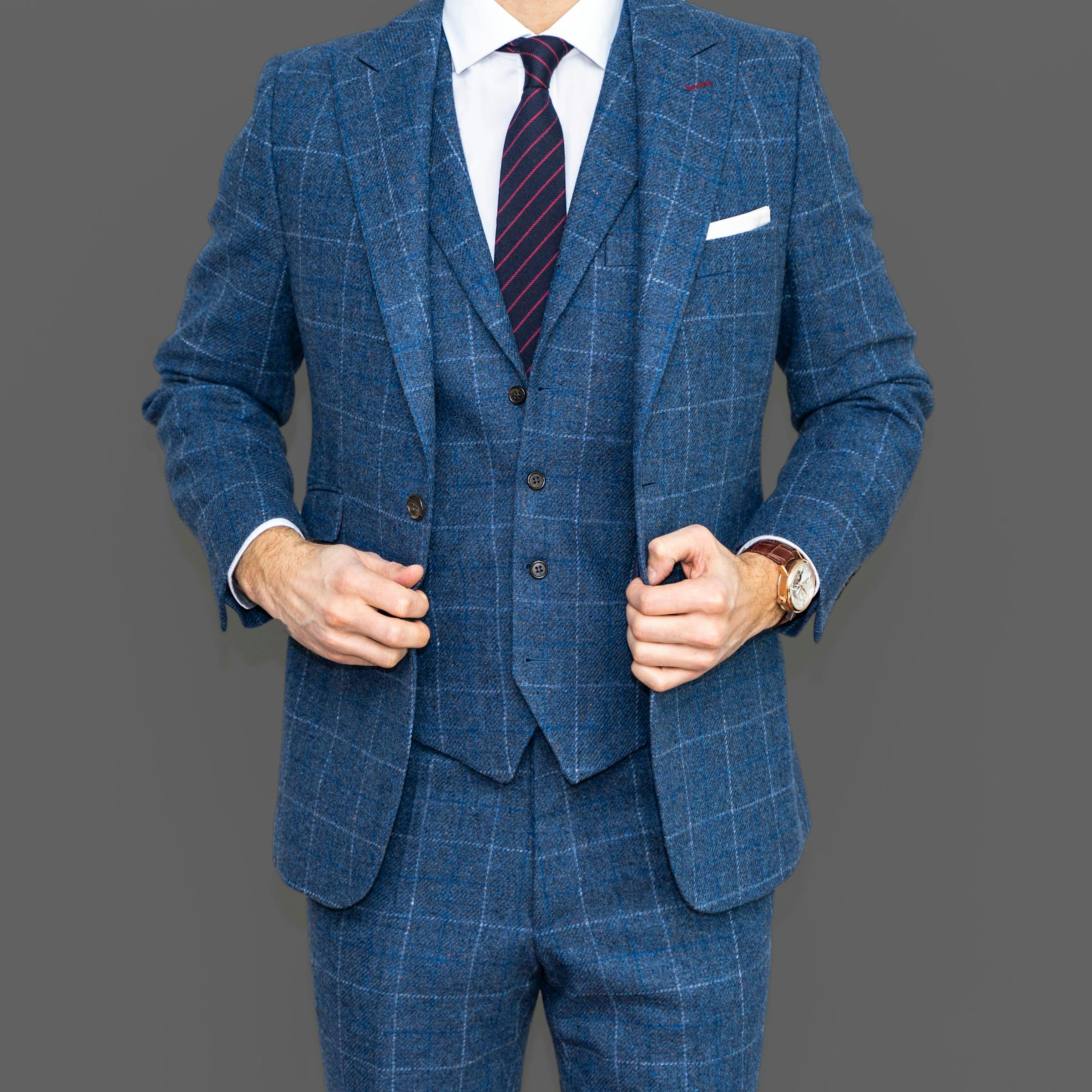
Hong Kong remains the most accessible capital of bespoke tailoring for travelers. Workshops along Nathan Road in Tsim Sha Tsui and the lanes of Central have dressed financiers, diplomats, and visiting families for generations. A fully canvassed suit from a reputable house typically requires three fittings and two to four weeks, with express service available if you accept the risk of skipped refinement.
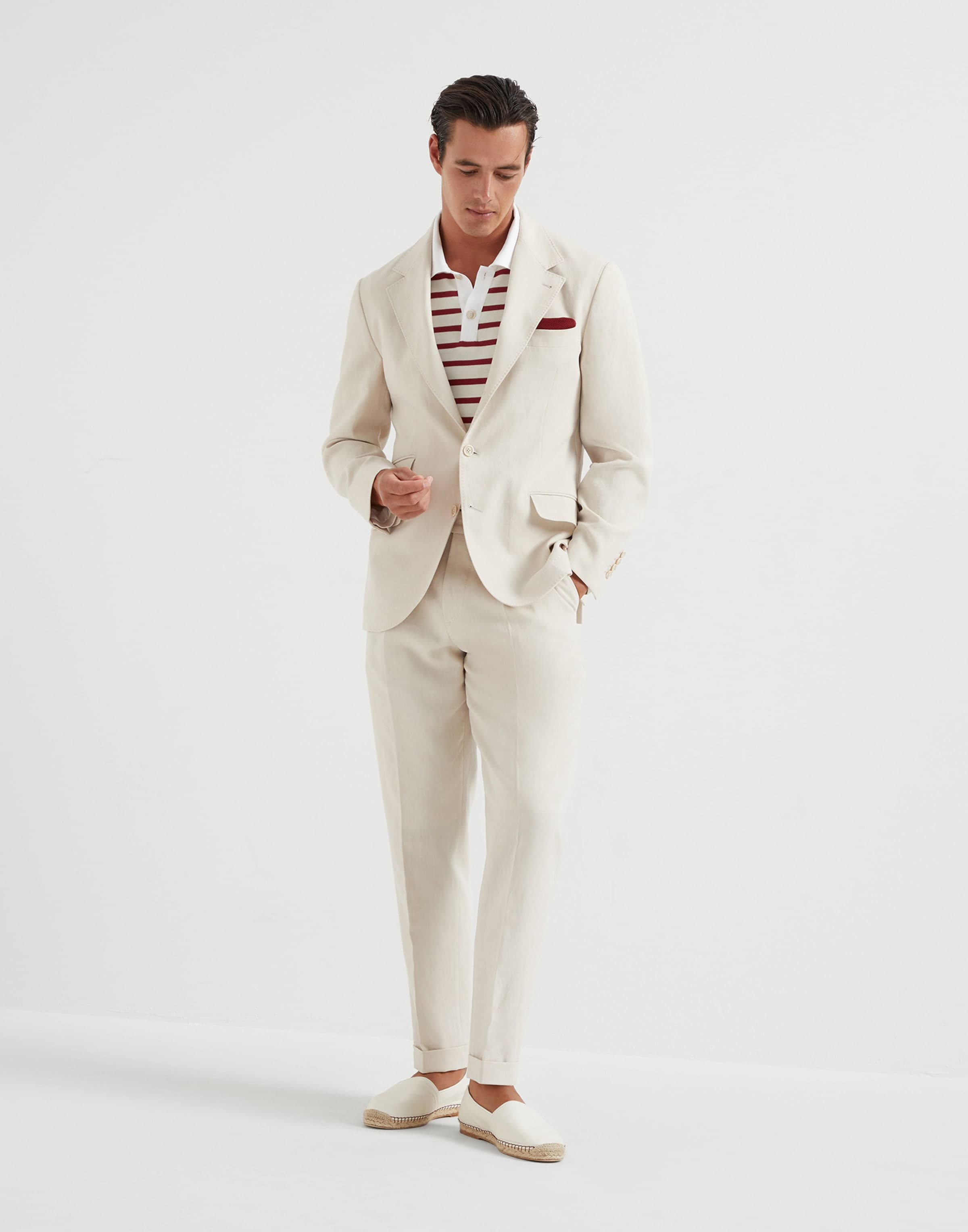
The modern client asks for lighter cloth: Super 120s and 130s wools rather than heavy English flannel, soft shoulders as default, trouser breaks adjusted for sneakers as well as lace-ups. The craft remains. The proportion moved.
Ascot Chang, with roots dating to 1953, represents the establishment end: consistency, a deep client book, multiple locations for travelers who return yearly. W.W. Chan, founded by William W. Chan in 1952, is prized among cognoscenti for handwork and a house cut that has softened over decades without losing structure. Smaller Central workshops vary in price, speed, and house style. The shared Hong Kong advantage is cutter density, turnaround, and fabric merchants who stock Scabal, Loro Piana, Holland & Sherry, and lesser-known mills where value lives.
Hong Kong fittings have their own vocabulary. First fitting: shoulder line, balance, pitch. Second: waist suppression, sleeve length, trouser hem. Final: the small adjustments that make a suit look inevitable rather than new. Skipping a fitting to save a day is the most expensive economy in tailoring.
The tailor's advice on cloth weight matters more than the brand on the selvedge. A Super 150s that wrinkles before lunch in Central humidity is no bargain.
Tokyo: Nihonbashi and Ginza
Tokyo bespoke emphasizes precision and restraint. Workshops in Nihonbashi and Ginza produce suits with minimal padding, clean chest lines, and an aesthetic that reads Japanese rather than British or Italian in derivation.
Houses like Tailor CAID and the bespoke programs adjacent to Kamakura Shirts appeal to clients who want clothing that looks correct rather than loud. The goal is harmony with the wearer: higher armholes, respect for negative space, a jacket that aligns with movement until it becomes invisible.
Expect longer lead times and a higher price floor than Hong Kong, with finishing detail that rewards close inspection: buttonholes, lining attachment, pocket construction. For clients who already own Italian softness or English structure, Tokyo offers a third grammar. It suits medium and smaller frames that find off-the-rack European shoulders excessive.
Bring reference images, not only measurements. A photograph of a shoulder line you admire communicates faster than abstract debate about lapel width.
Seoul: Gangnam's Third Grammar

Seoul's tailoring scene is younger and faster-moving. Gangnam ateliers serve tech executives and creative directors who need suits that pack flat, breathe in summer, and read sharp without costume formality.
Korean tailors experiment with unlined jackets, cropped trousers, and knit tailoring that blurs suiting and sportswear. The tradition is still being written, but the design sensibility is contemporary: one jacket that must work with leather shoes in a boardroom and clean sneakers on the sidewalk. Diaspora Koreans dressing across Seoul, San Francisco, and family events understand the requirement instinctively.
Price points generally sit between Hong Kong and Tokyo. For visitors, the value is proportion fluently adjusted for Korean bodies and Korean dress codes, not European defaults imported unchanged.
Our guide to quiet luxury in Seoul covers the ready-to-wear and designer side. Bespoke here completes the wardrobe for clients who want the same restraint with a pattern cut to their shoulder.
Cloth Before Cut
Every experienced tailor says it in different languages: cloth outlasts fashion. A strong cut in mediocre fabric fails. A decent cut in excellent fabric forgives minor imperfections.
For Asian climates, weight is the first decision. Hong Kong and Singapore demand open weaves and tropical wools much of the year. Tokyo and Seoul need a wardrobe of weights: crisp 9-ounce cloth for autumn, heavier flannel for winter, high-twist wool for humid summer.
Pattern is the second. Navy and charcoal remain foundations. Subtle herringbone or nailhead, chosen well, multiplies one suit into three. Frequent travelers should prioritize cloth that recovers from packing: high-twist wool, certain mohair blends, enough body to respond to hotel-steam rather than a press you cannot find on the road.
Bespoke Versus Made-to-Measure
The market confuses these terms on purpose. Made-to-measure adjusts an existing pattern to your measurements. Bespoke builds a pattern from your body and posture. The difference shows after a year of wear.
Nathan Road contains the full spectrum. For a first serious suit, bespoke is worth the premium if you can attend every fitting. For four suits in one month, reputable made-to-measure is a rational compromise. The question is timeline, body, and how many fittings your calendar allows.
Commissioning Without Regret
Tell the tailor how you live, not only how you measure: which shoulder carries a bag, how often you sit versus stand, whether you travel carry-on only. These details shape balance and pocket placement more than most clients admit.
Budget for three suits before you optimize: navy, charcoal, one seasonal odd jacket. Bring reference images. Respect the fitting schedule. Brush after wear, rotate jackets, and find a presser who understands canvas construction. Bodies change; a good tailor alters a garment that already knows your shape. That is lifecycle, not failure.
What clients request across all three cities is remarkably consistent: softer shoulder, natural lapel roll, slightly shorter jacket, higher-rise trouser with gentle taper, room to move without slack. Ready-to-wear brands now market this as "Asian fit." Master tailors have always adjusted silhouette to client. The difference is that clients now arrive knowing what they want and willing to wait for it.
Asia's tailoring capitals are not relics. They are living workshops cutting for Tuesday flights, Wednesday boards, and Thursday dinners. The suit you commission today will not look like your father's. It should wear better on the life you actually lead.
Confirm lead times, fitting schedules, and cloth availability directly with each house before commissioning.