Luxury’s second-quarter scorecards had an unusual chorus: South Korea kept getting named in the same breath as caution elsewhere.
Hermès called the country’s performance outstanding while Asia excluding Japan managed only a modest lift. Kering credited resilient Korean sales with helping offset a still-difficult China. Moncler said China and South Korea led Asia. Richemont and Burberry put Korea on the earnings map too; Burberry’s first-quarter retail comps in the market rose 11 percent, helped by locals and tourists alike. The useful reading is not that Koreans suddenly discovered handbags. It is that wealth, tourism, and taste are reinforcing each other in a market that already knew how to edit a wardrobe.
“While directionally mature, Korea luxury spend has been strong in the last few months, with luxury retail sales running at above 20% growth on average in the last six months.”
Chiara Battistini, head of European luxury and sporting goods equity research at JP Morgan, to Vogue Business, 2026
That is the economic architecture under the Seoul aesthetic Banquet readers already recognize. The Return of Quiet Luxury in Seoul tracks the look. This piece tracks the balance sheet that keeps funding it.
Wealth Effect, Then the Department Store Floor
HSBC has been blunt about the driver: an AI-led semiconductor boom that pushed monthly exports past $100 billion in June and lifted markets, bonuses, and confidence with it. UBS figures cited in the same coverage put average wealth per adult up roughly 44 percent since 2020. McKinsey’s second-quarter 2026 read found 31 percent of Korean consumers feeling optimistic about the economy, up from 28 percent the prior quarter. Chip money does not buy every tote. It does change who feels allowed to upgrade a watch, a coat, or a jewelry milestone after a promotion.
Inbound tourism and a softer won do the rest for the atrium. Hyundai, Shinsegae, and Lotte department stores are each tracking foreign luxury sales toward ₩1 trillion this year for the first time. Department stores still account for about 40 percent of Korean luxury sales, per HSBC; tourists are only 7 to 8 percent of that traffic, but that slice has been growing at triple-digit rates year on year. Locals and visitors share the same floors. The mix matters if you are comparing Korea to China’s slower confidence cycle, where China’s Luxury Consumer Is Trading the Handbag for the Beauty Counter maps a different permission structure.
JP Morgan’s Battistini calls the wealth effect a tide that lifts most boats. Soften the slogan: boats with inventory and clienteling still need to earn the purchase. Korea is large enough to move a group number and concentrated enough that a strong season shows up fast.
Hannam Investment, Selective Spend
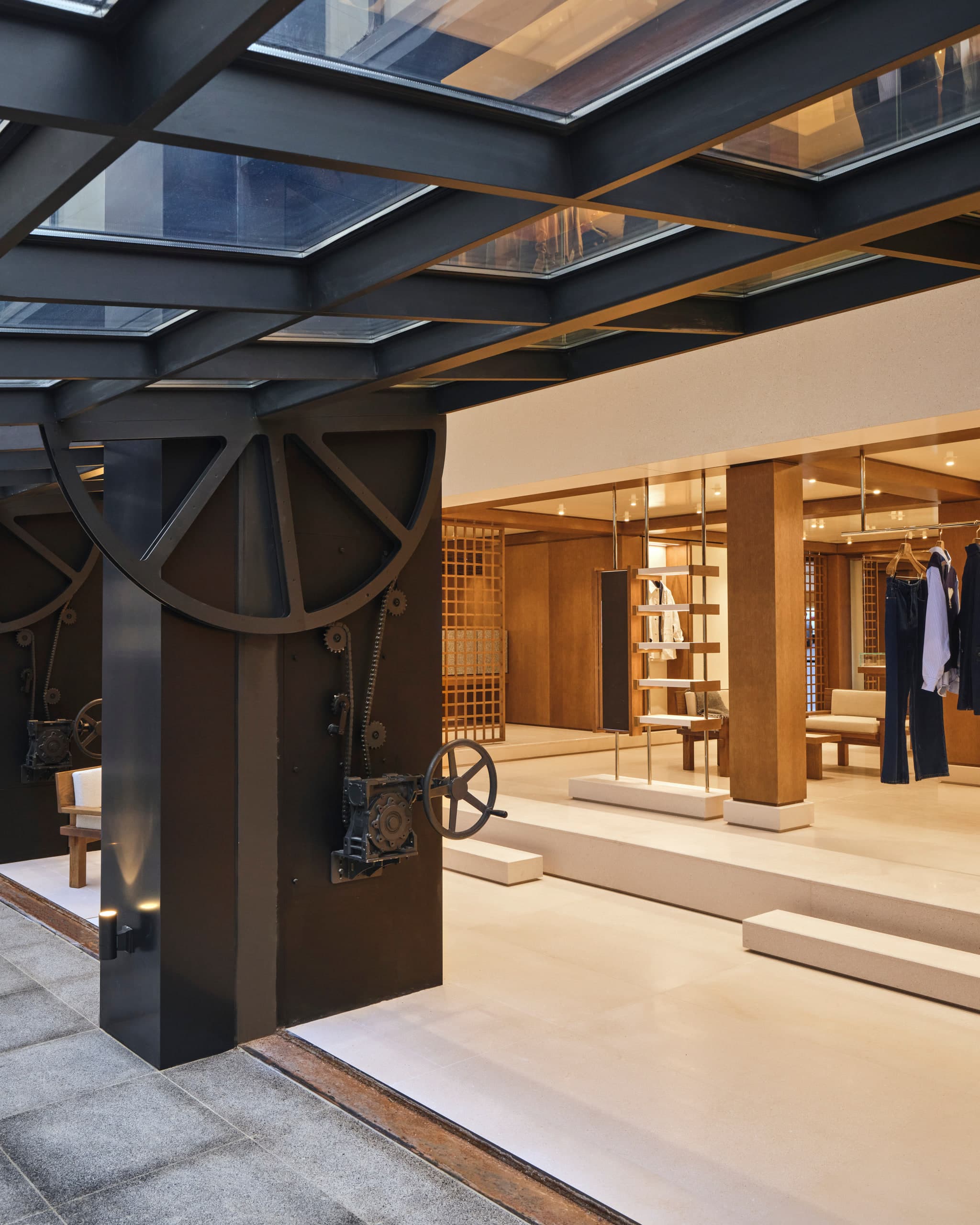
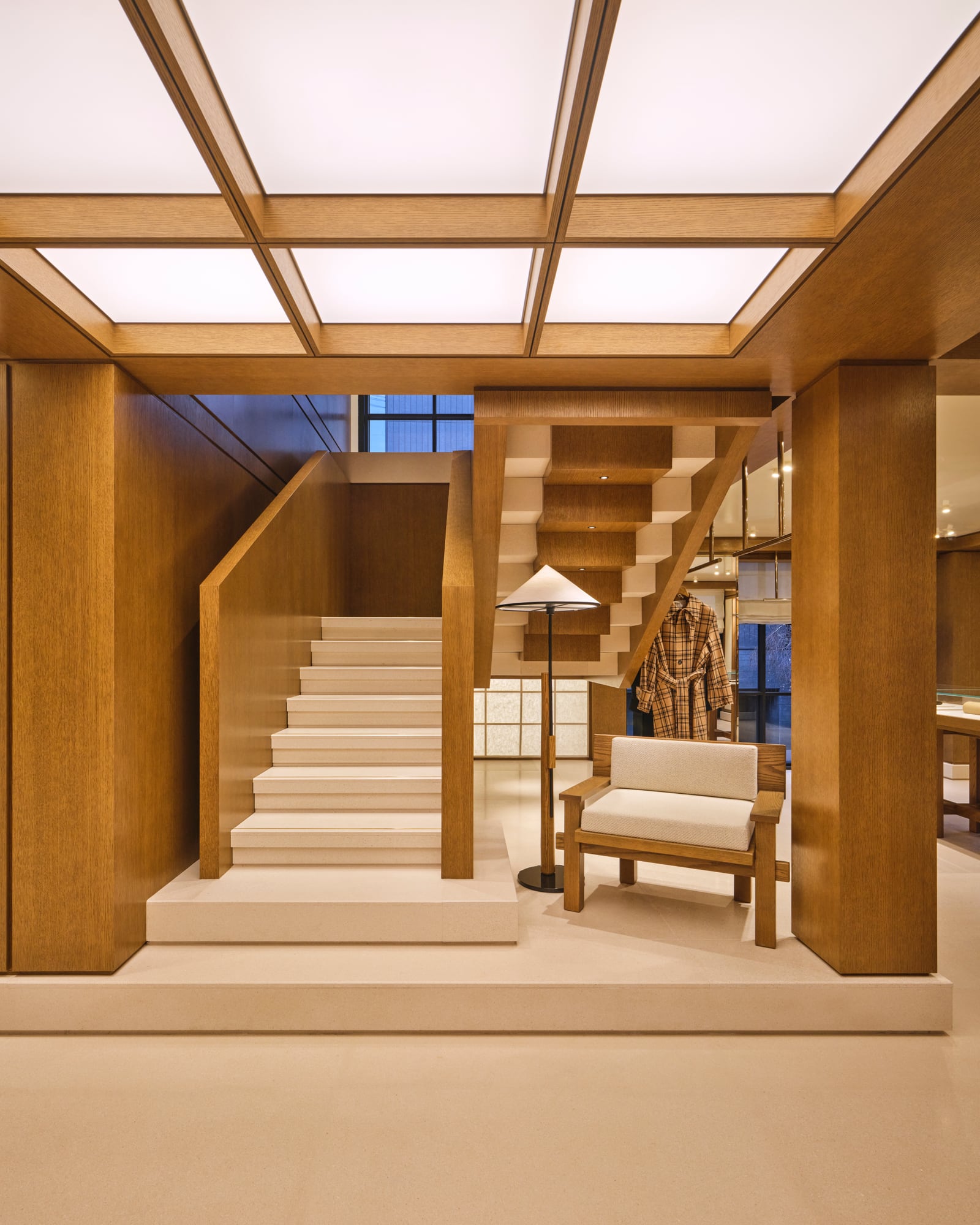
Retail capital is following the same map. French house Ami Paris opened its largest flagship worldwide in Hannam-dong in January 2026: about 425 square meters at 45 Itaewon-ro 55ga-gil, Yongsan-gu. CEO Nicolas Santi-Weil told Vogue Business the brand’s earlier Garosu-gil boutique had seen declining footfall; crossing north of the Han toward Hannam “made a lot of sense.” Oak, stone, and hanok-inflected screens are not the story. The story is a maison putting its biggest room where Seoul’s affluent young traffic and neighboring luxury already gather. Louis Vuitton and Dior have been reported as studying larger Seoul flagships; Tiffany & Co. is expected to open a Cheongdam standalone around 2027. The district bet is commercial, not sentimental.
Spend is rising and getting pickier at once. Joon Kim, managing partner at Seoul agency HyperM, describes shoppers as more deliberate and polarized: still hungry for fashion, less willing to fund the interchangeable middle. Former Lotte department-store CEO Chung Joon-ho puts the edit simply: long-term value on one side, culturally exciting pieces on the other, with the middle under the greatest pressure. Ami’s own floor read matches Banquet’s private-luxury brief. Logo-heavy Ami de Cœur pieces used to fly; Santi-Weil now sees clients building quieter, more complete wardrobes. Read The New Asian Luxury Buyer Doesn’t Need You to Recognize the Brand for the wider Asian version of that habit.
Celebrity still moves Korea, but the job description is shifting from face to collaborator. Stray Kids member Felix, a Louis Vuitton ambassador since 2023, has co-created product with Hera and charity jewelry with Vuitton rather than only fronting a campaign. Visibility alone is cheap. Taste and authorship are what shoppers notice.
How Long the Tide Holds
Battistini’s caution is the grown-up footnote. Since 1 June, the Kospi has pulled back on the order of 35 percent in the coverage she gave Vogue Business. Some of the equity-driven Q2 strength could turn more volatile into Q3. She still expects Korea, already among the highest per-capita luxury markets, to remain a strong contributor through 2026 and 2027, helping offset choppier regions.
For Banquet readers, the practical takeaway is sharper than a growth chart. Seoul’s quiet rooms and edited street style sit on a real wealth cycle, a tourist price window, and a clientele that will still spend when the object feels worth owning. Houses that treat Korea as a mood board of K-culture will miss the point. Houses that staff Hannam and the big three department stores as if the client already knows what she wants will not.
The market can hesitate elsewhere. On the Hannam threshold and the Shinsegae floor, the bright spot is still open for business.