The money that used to clear an entry-level designer tote is increasingly clearing a counter ritual instead.
A 4 August 2026 Reuters analysis out of Shanghai and Paris put the shift in plain numbers. Research from Oliver Wyman and the Tax Free World Association found that among affluent Chinese consumers, 37 percent said they intended to spend more on prestige beauty in the next year. Only 4 percent said the same for leather goods. Prestige beauty here means luxury skincare, makeup, and fragrance priced well above mass cosmetics: the jar you finish and repurchase, not the bag you wait to justify.
That is the useful news peg. The smarter reading for Banquet readers is what it does to the meaning of accessible luxury.
“The aspirational Chinese consumer has not traded down. She has moved to the top of a category she can comfortably afford, instead of the bottom of one she cannot.”
Jacques Roizen, co-founder of Shanghai-based Foresight Performance Partners, to Reuters, August 2026
Top of Category, Not Bottom of Luxury
For a decade, “accessible luxury” often meant the cheapest object from a house whose logo still carried status. Canvas entry bags, small leather goods, and logo hardware did that work efficiently. After 2024’s sharp luxury contraction and a choppy 2025–2026 recovery, that bargain looks thinner. Bain’s mainland China personal luxury reading for 2025 had beauty up roughly 4 to 7 percent while leather goods fell about 8 to 11 percent. Price increases and limited innovation made bags harder to defend; ultra-premium skincare and fragrance kept earning emotional and sensory cover.
Oliver Wyman principal Kenneth Chow told Reuters why the math favors the beauty counter: skincare is lower-ticket, frequently replenished, and easy to frame as self-care or self-investment. Leather is high-ticket, discretionary, and easy to postpone. In uncertain property and confidence cycles, that framing matters more than the atrium display.
Read The New Asian Luxury Buyer Doesn’t Need You to Recognize the Brand for the private-luxury half of the same story. Beauty is often the category where private and public meet: a glass jar that never needs to be recognized on the metro, and skin that still does social work in a meeting.
Why Beauty Holds, and What Houses Should Hear
Beauty specialists are collecting the spend leather houses are missing. L’Oréal CEO Nicolas Hieronimus said luxury and dermatological skincare brands overall are growing around 7 percent in China, with the group’s Luxe business up about 10 percent there in the first half, and top marques such as Lancôme and Helena Rubinstein doing even better. Estée Lauder has been talking China as a core growth engine, with La Mer, TOM FORD, and Le Labo among the names management cites for share and productivity. Soften any single-quarter victory lap; the category direction is what matters.
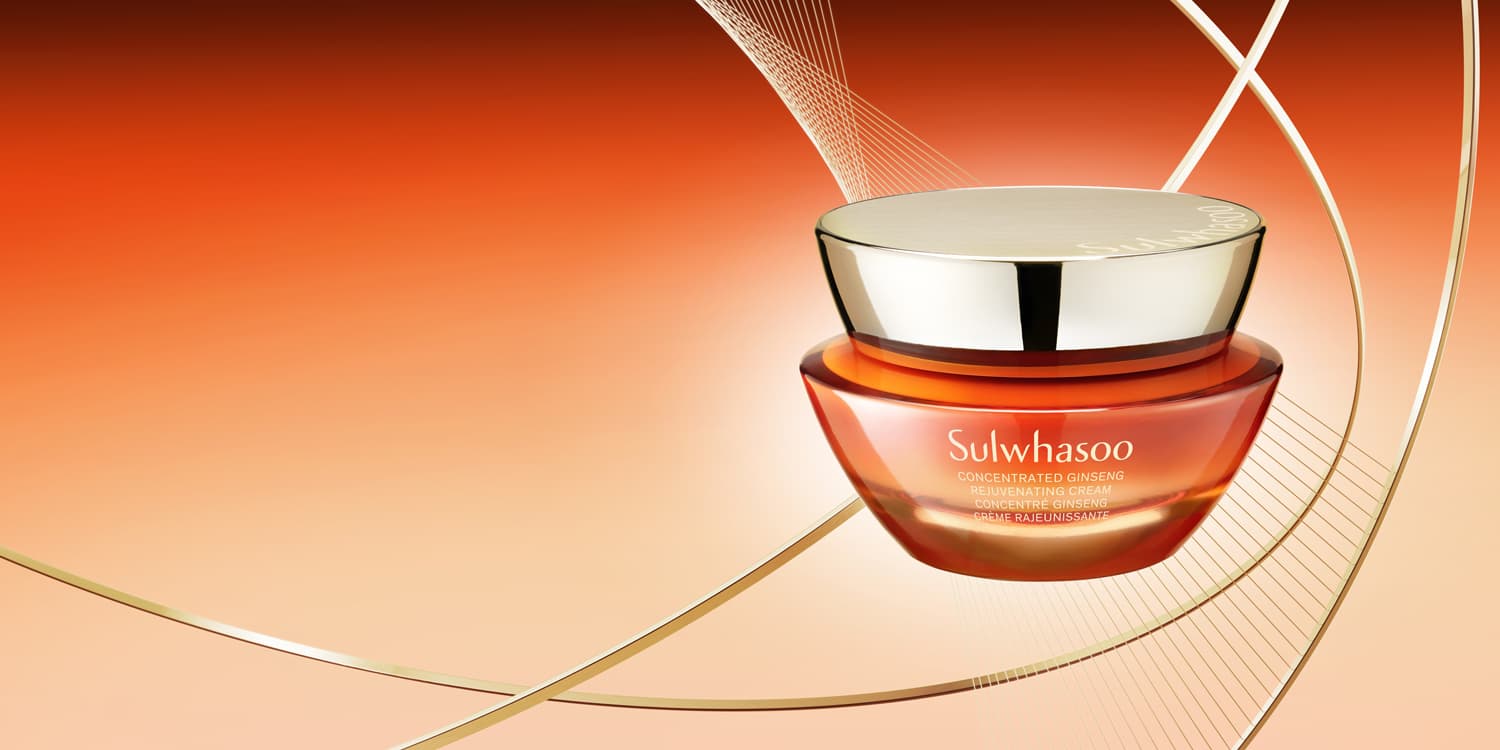
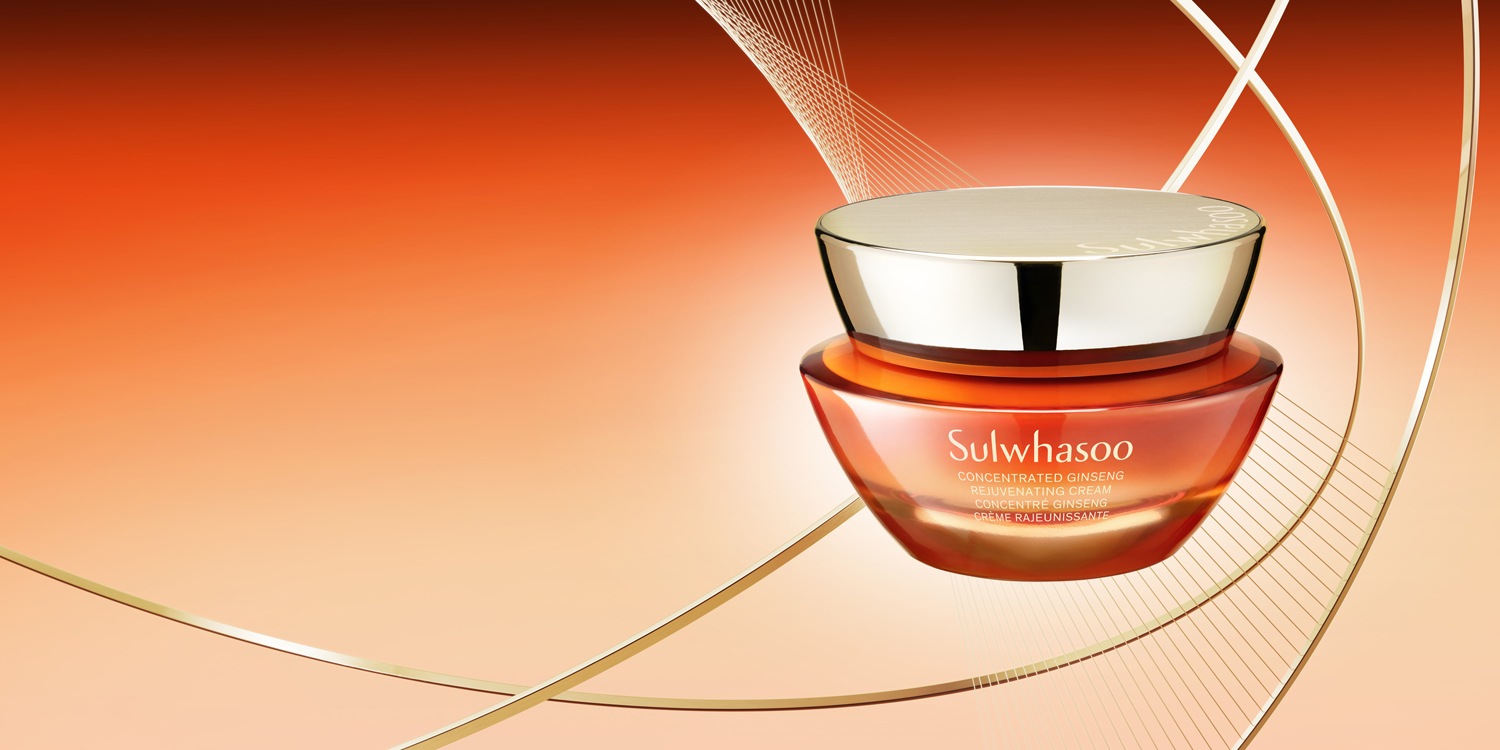
Asian prestige names sit in the same traffic. Korean house Sulwhasoo, under Amorepacific, has spent years treating ginseng science as luxury proof rather than trend packaging; Concentrated Ginseng remains the kind of hero cream Xiaohongshu and duty-free both understand. SK-II keeps pressing travel-retail and mainland prestige essence culture. These are not substitutes for a Birkin. They are the purchases shoppers make when they still want the top shelf without financing the bottom of soft luxury.
Fashion and leather groups feel the asymmetry. Many maisons own perfume and makeup lines, yet China’s prestige beauty engine is still skincare-weighted, a lane where beauty conglomerates hold deeper assortments and replenishment loops. Reuters noted Hermès and LVMH describing Chinese demand as largely flat to only slightly firmer, while Kering was still working through a difficult China print. Waiting for the old entry-level bag consumer to return wholesale, Roizen warned, is unlikely to be a rewarding strategy. His shorthand for the middle-class mood: from YOLO to YONO, you only need one.
What Could Benefit Next
If the permission structure is “best product I can actually use and finish,” adjacent categories already rhyme. Fragrance and niche perfume reward literacy without requiring a five-figure outlay; Kaiwei Hsieh and the New Taiwanese Perfume Circuit is the collector map for that habit. Dermocosmetic and clinical skincare sit beside prestige jars for the same self-investment language. Jewelry that reads as value preservation rather than seasonal logo has looked more resilient than watches in Bain’s China mix. Experiences and wellness still absorb discretionary money when goods feel postpone-able.
For luxury houses, the brief is unromantic and commercial. Deepen skincare and service where you have it. Stop treating the aspirational client as a delayed tote customer. Build rituals that justify repurchase: consultation, refill, clinical proof, a counter that feels private rather than a queue for a waitlist.
China’s luxury consumer did not abandon luxury. She moved the purchase to a counter where excellence still fits the budget she is willing to defend this year. The handbag can wait. The cream does not.