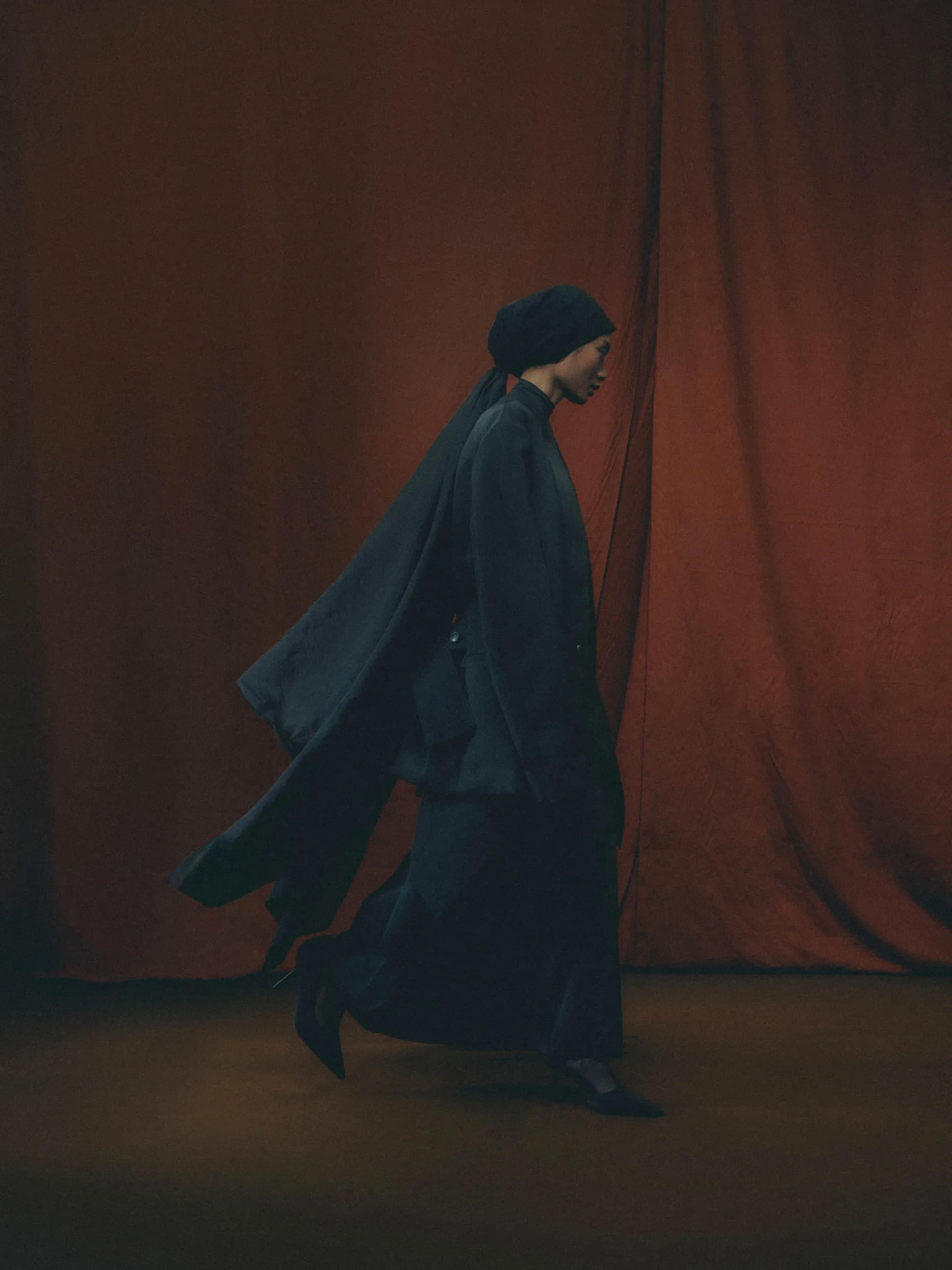
Outsiders still reach for the same compliment: Malaysia’s fashion week is “promising.” That word is a pat on the head. It belongs to a decade when Kuala Lumpur Fashion Week was mostly a runway tent and a press release. This week it is harder to dismiss.
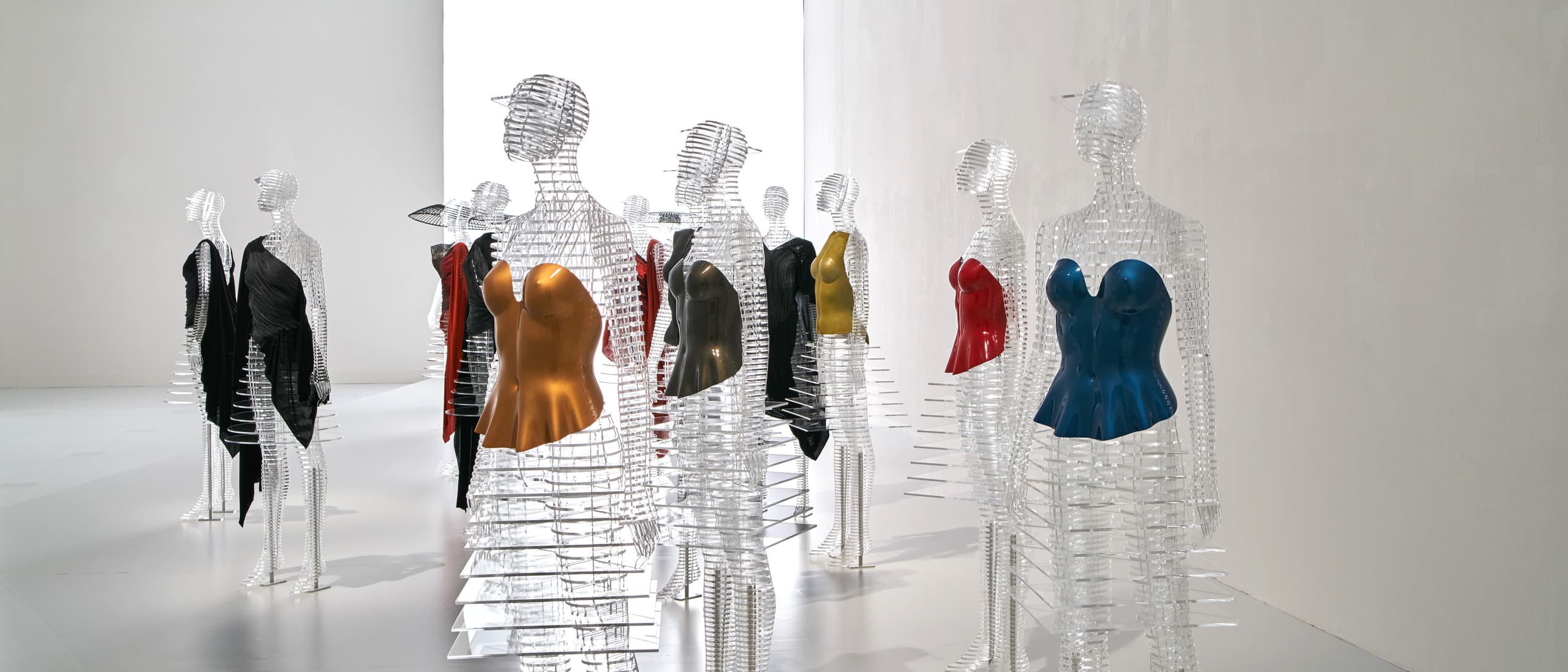
The 14th edition, themed Destination: Home Ground, runs 3 to 9 August at the Esplanade in KLCC Park: a purpose-built 500-seat hall, an hourglass runway, and a facade drawn from Yayasan Sabah batik archives. The Ministry of Domestic Trade and Cost of Living, partnering for the first time and placing the week on the Visit Malaysia 2026 calendar, puts participation near 60 local brands, 35 designers, and more than 20 industry partners. Show schedules list more than 50 labels. Indoor seats stay invite-heavy. Outdoor LED screens and pop-ups inside Suria KLCC make the week public. It is a mall-adjacent commercial week asking to be judged like one. The public route is outdoor screens, Isetan styling and the Jom Malaysia pop-up inside Suria.
“My brand really grew up with KLFW.”
Kel Wen, founder of Behati, to FirstClasse Malaysia after closing KLFW 2025
Who Already Has a Business, Not Just a Slot
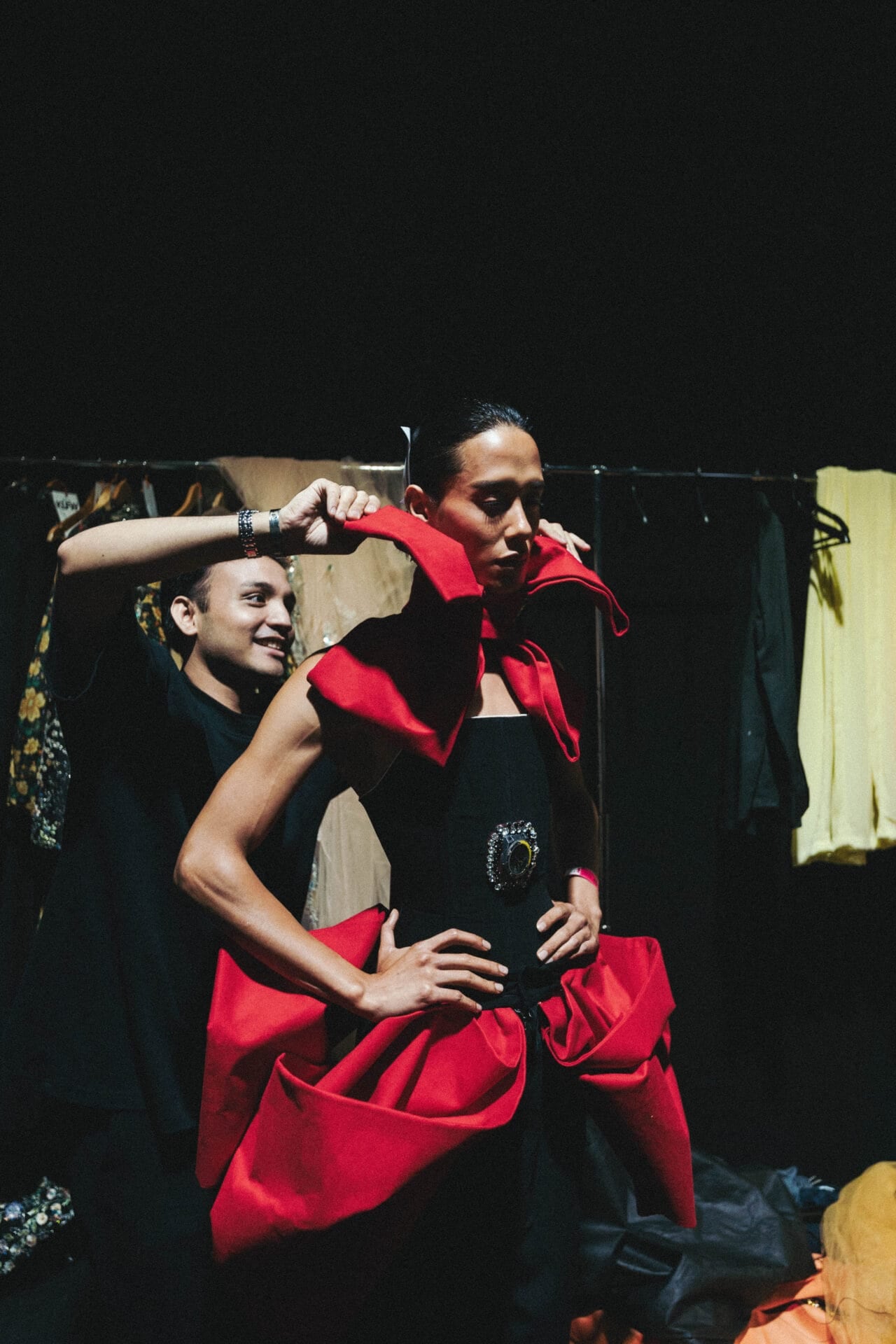
Start with the houses that already clear a commercial test before the lights go up. Rizman Ruzaini, the Suria KLCC retail partner, opened this edition on 3 August with back-to-back RR and main-line shows. The house opened a flagship at LC107 on the first floor in October 2025, on the same corridor as the global maisons. Couture still lives at Shangri-La; the KLCC floor is the affordable-luxury RTW line, with shirts in the RM 395 to 495 band, plus a stated expansion track with Indonesia’s Modinity Group. Dubai Fashion Week has already carried their Mustika collection. That is wholesale-adjacent regional ambition with a lease to match.
Behati, Kel Wen’s house since 2018, grew up on this runway: first invite in 2019, closing slot in 2025, Saturday night this week with Omoda Jaecoo presenting. The oversized baju Melayu that went viral during the pandemic still funds a direct-to-consumer loop (SS2 showroom, Parkson Pavilion, BEV C in Johor). Wen’s brief is a blended “Baju Malaysia,” mixing Malay, Chinese, Indian, and Bornean costume grammar instead of freezing any one of them as costume. Fiziwoo sent womenswear on Friday under Daia, then Woo Brothers, the new menswear line, on Saturday; the house has said KLFW “opened doors to larger audiences,” and it keeps a songket artisan track plus a Zalora route into Singapore. Nerdunit, on Thursday’s late slot, already proved export the unglamorous way: a Harajuku Future Store from 2018, collaborations including #FR2, and a Pavilion Experience Store at home.
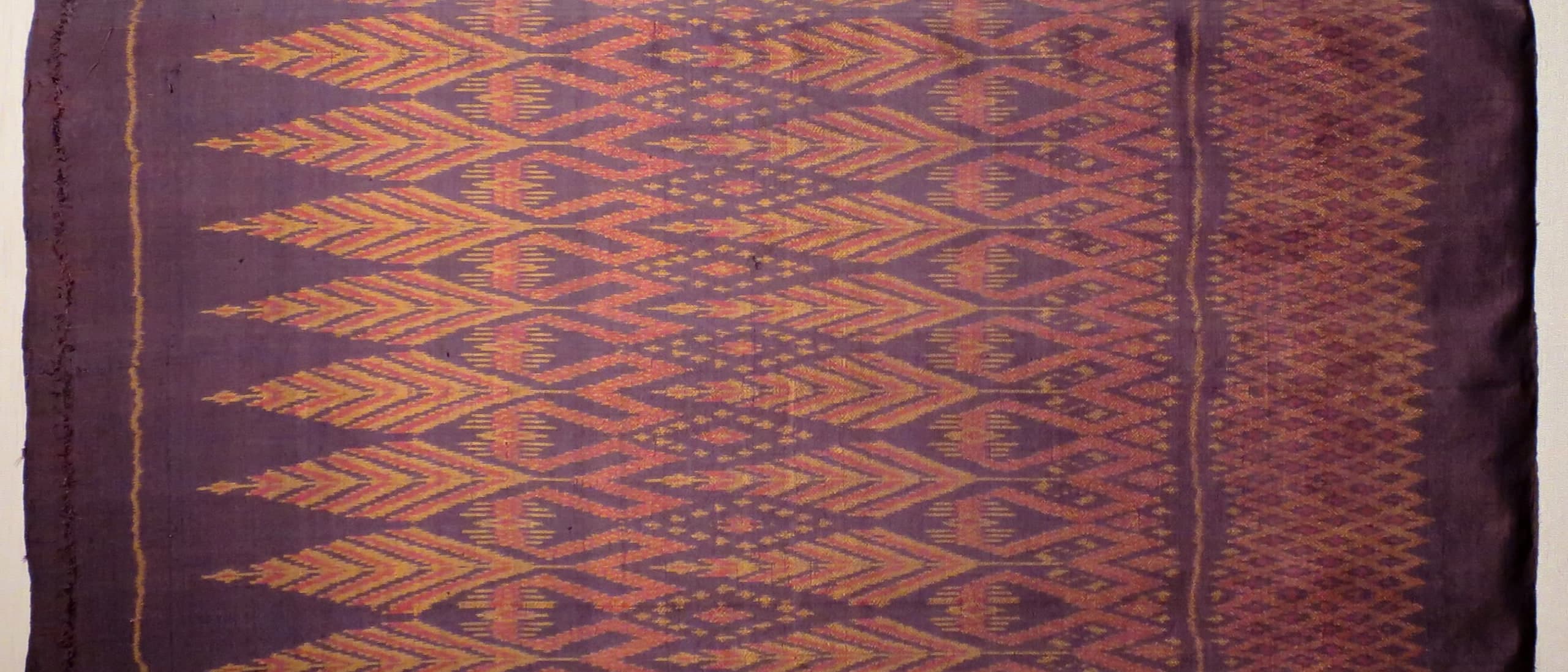
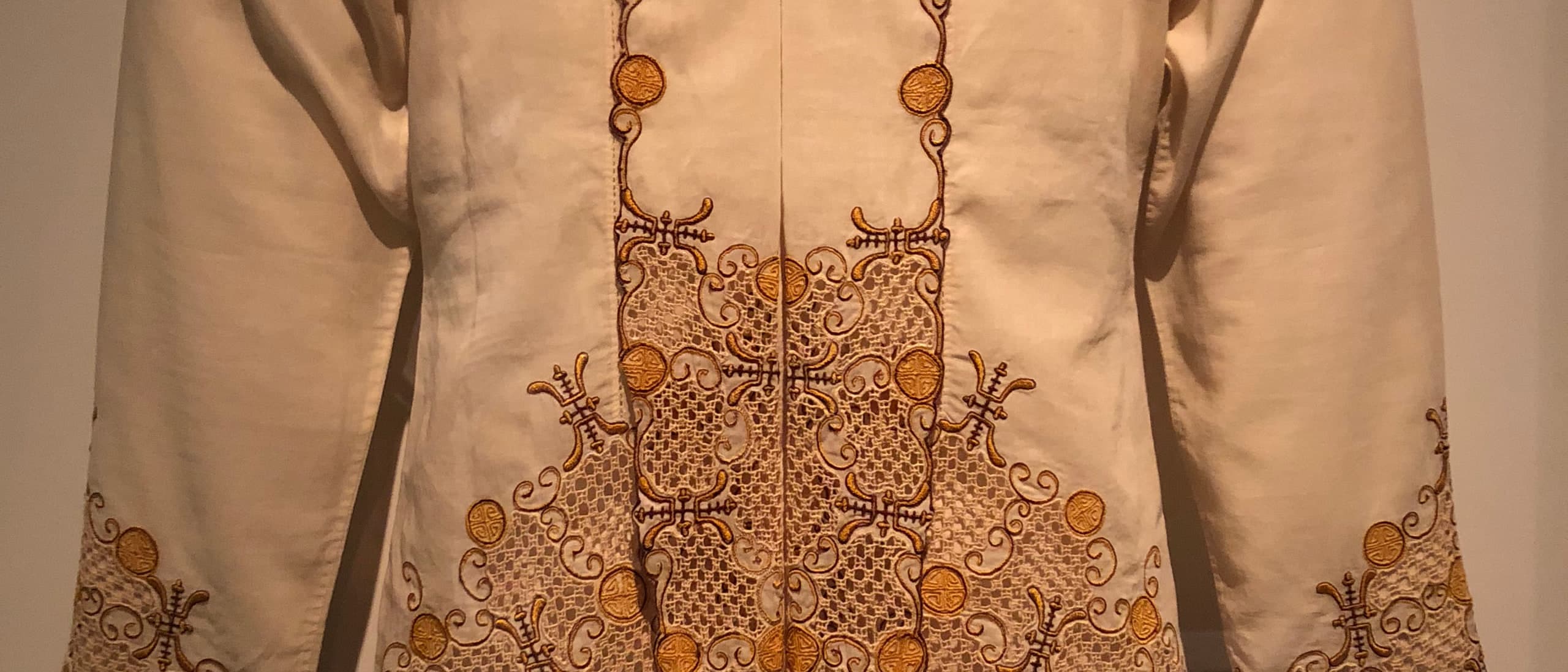
Debutants are using the week as press access, which is a legitimate commercial use. Anisah Farid of PLAZÄ told Harper’s Bazaar Malaysia that a first KLFW show felt like the moment to trust her own voice, then put Penang Nyonya embroidery and Kelantanese songket on contemporary silhouettes. Chan Man Chien launched Super Structure here, performancewear for what she calls the “arthletic” body. Tanoti, the Sarawak social enterprise, arrived with textile technique rather than influencer dressing. Kit Woo, presented by Bolon on 5 August, put deconstructed denim and unfinished silhouettes beside the eyewear house’s global Fall/Winter 2026 launch. To MEGA he has said the point is integration: cultural references that stay wearable, “not immediately recognisable.” Malaysian fashion this week is songket, batik, streetwear, modest luxury, and cut-up tailoring in the same hall. Modestwear is one lane among several. For climate and drape that actually survive humidity, Tropical Formal for the Diaspora Wardrobe remains the packing brief; KLFW is where those fabrics get a local author.
Regional Weight, Without Pretending to Be Seoul
Jakarta Fashion Week 2026 still outscales Kuala Lumpur on designer count: more than 100 names and 34 shows at Pondok Indah Mall 3, plus an ASEAN parade that put Rizman Ruzaini on a Jakarta runway beside Singapore and the Philippines. Singapore this month is running Orchard Road Fashion Week (12 to 16 August at SCAPE), an inaugural, ticketed 42-brand, 25-show programme. Seoul Fashion Week’s Fall/Winter 2026 season is the buyer benchmark: 15 runway shows and 9 presentations, 99 overseas buyers from 23 countries, 1,772 business meetings, and about $7.54 million in order-consultation value, per Seoul city figures. Shanghai’s official calendar listed 66 brands, with Ontimeshow still packing 300-plus designers around a trade-fair spine.
Read that comparison calmly. KLFW has outgrown the emerging-market compliment as a Malaysian commercial platform: ministry money, Visit Malaysia placement, a 500-seat KLCC hall, labels with real DTC and regional retail, celebrity placement that moves product, and public programming that lets shoppers buy without a wristband. Seoul and Shanghai still post the buyer ledger KLFW has yet to match. Jakarta still hosts more designers and a clearer ASEAN exchange. The honest next test is whether overseas buyers and multi-brand retailers start treating the Esplanade the way they treat DDP in Seoul or West Bund in Shanghai: appointments, orders, and a number after the applause.
Until that happens, the useful filter for Banquet readers is the same one The New Asian Luxury Buyer Doesn’t Need You to Recognize the Brand already applies to private wardrobes. Ask who cut the songket, who keeps the stockist list, and who answers after the deposit. Hatta Dolmat closes Sunday. Walk the outdoor screen if you lack a seat. The compliment can wait.