For years the Hong Kong to Shenzhen weekend had a familiar shape: cross at Lo Wu or Lok Ma Chau, eat, shop, and return before the Sunday queues thickened. The food was often better than the stereotype allowed. The cultural half of the trip was thinner.
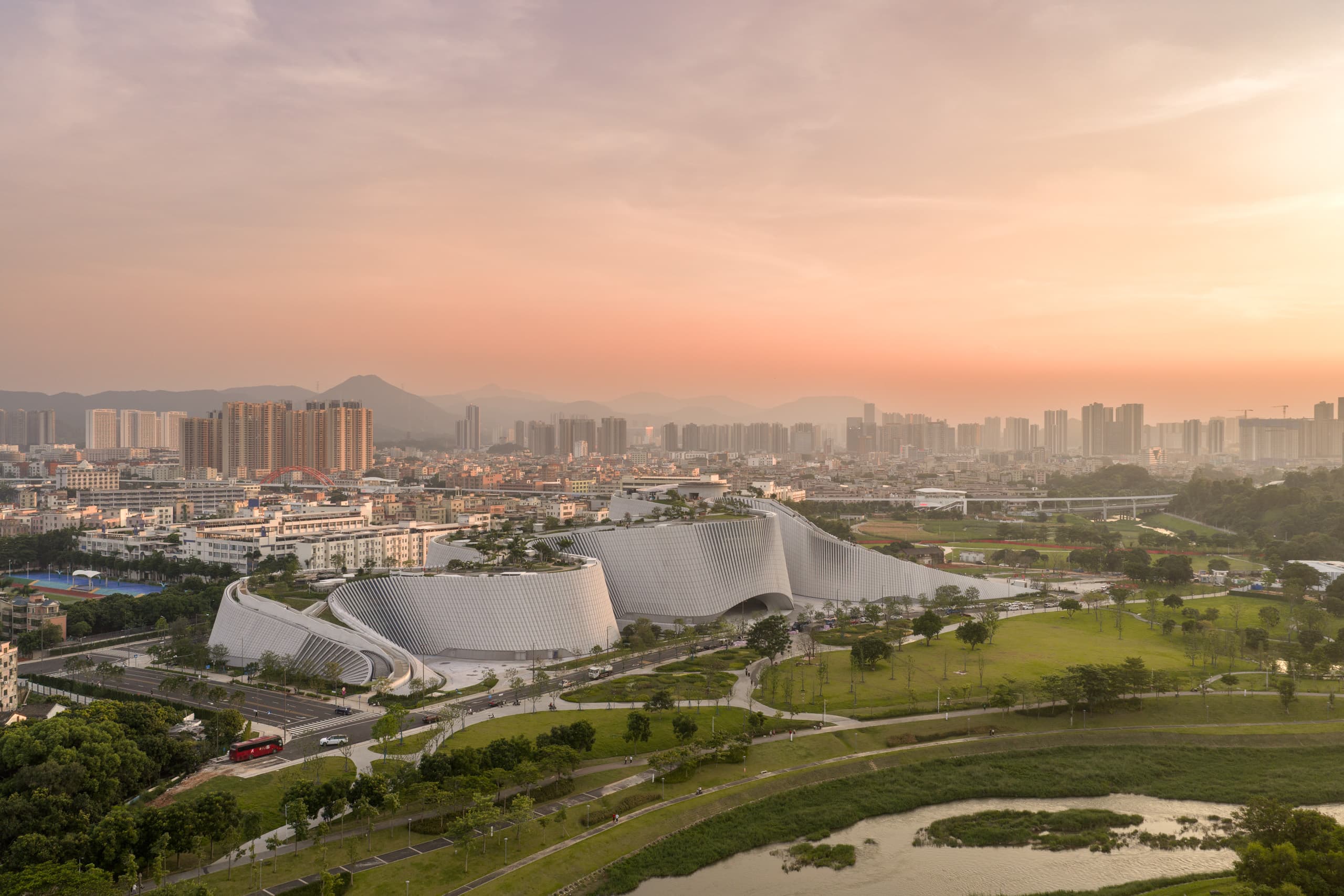
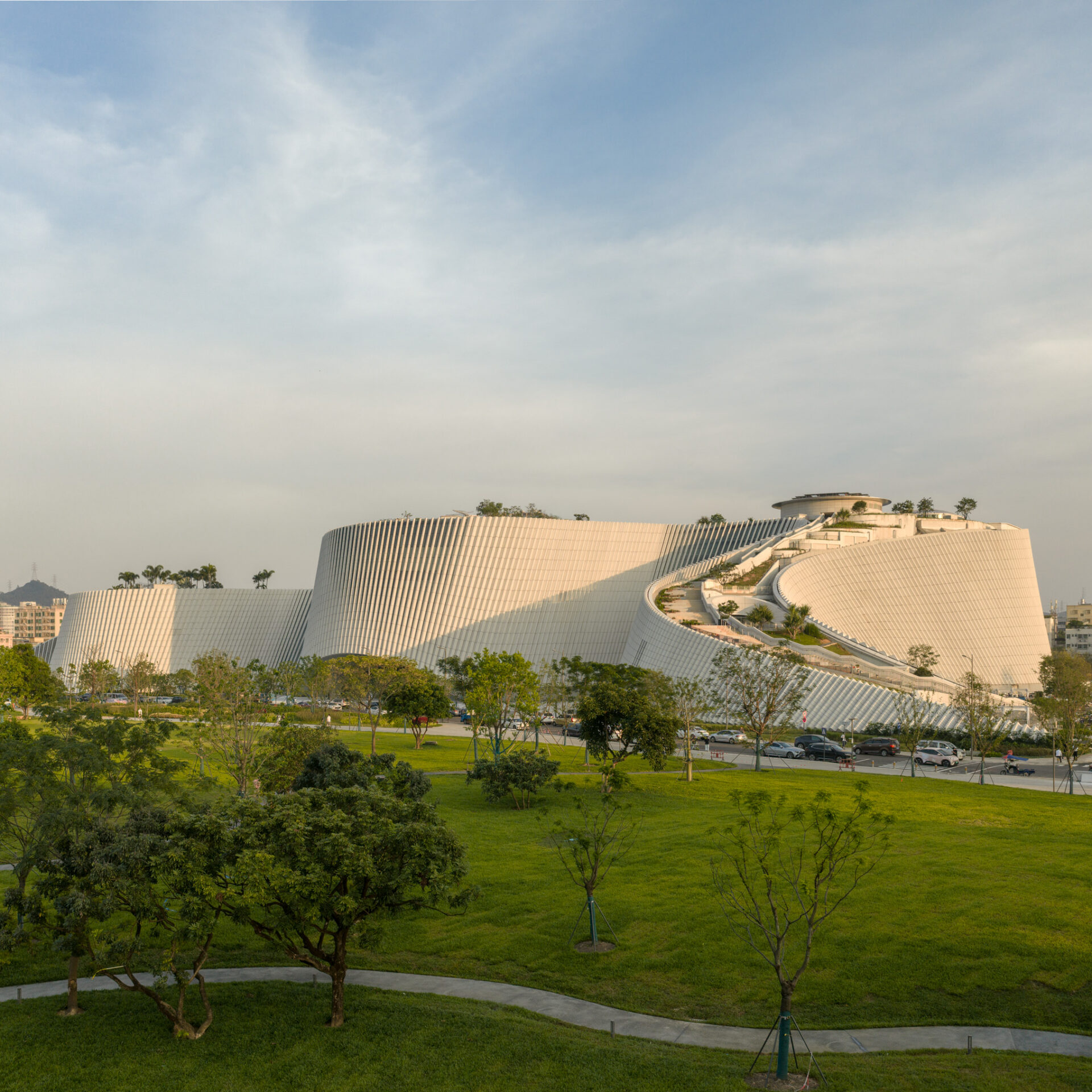
That balance is shifting. On 28 July 2026, the Shenzhen Natural History Museum opened beside Yanzi Lake in Pingshan, a granite terrain of a building by 3XN, B+H, and Zhubo Design that reads less like a box and more like a folded shoreline. Within days, Hong Kong coverage was pairing meteorites and dinosaur halls with Monet loans across town. The peg is not one spectacular weekend. It is a stack of new rooms that finally give northbound travelers something to plan around, not only through.
Read The Banquet Guide to Hong Kong if you still need the harbour side of the hinge. What follows is the Shenzhen half of the same circuit.
“Nothing in nature is square… The ambition was to create not a building, but a piece of landscape that had always been there.”
Kim Herforth Nielsen, founder of 3XN, on the Shenzhen Natural History Museum
The Building That Made Pingshan Worth the Metro Ride
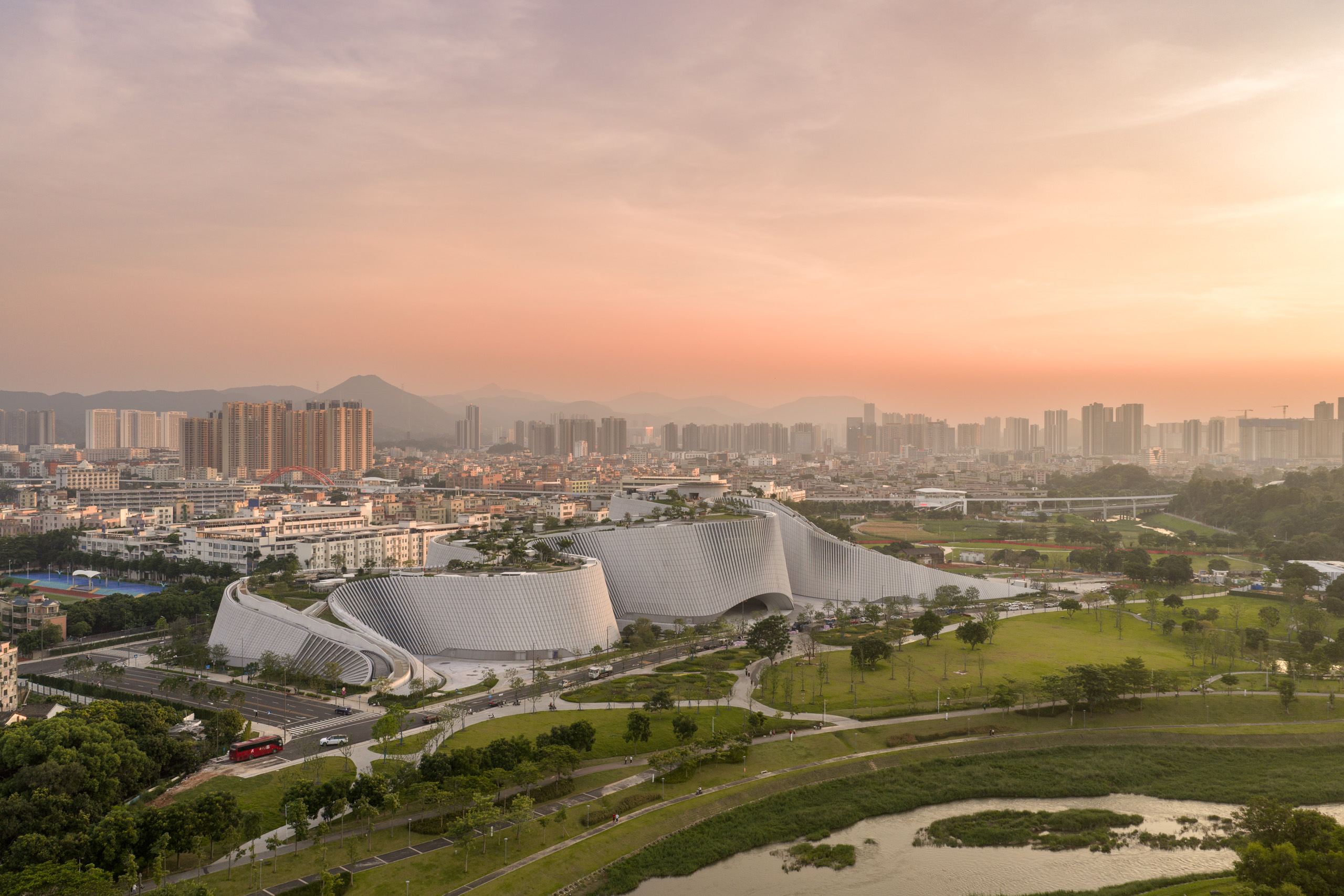
The museum sits at 6 Wenxiang Road, Pingshan District, roughly 105,300 square metres of galleries and public space arranged as eight halls that move from cosmos and earth through evolution, dinosaurs, and human stories. Adult tickets are published around ¥80, with concessions near ¥60; free categories still require a reservation. There is no reliable walk-up ticket window. Book through the official WeChat mini-program 深圳自然博物馆, and keep the hotline 0755-89662888 if a Hong Kong or overseas passport needs staff help.
Hours are typically Tuesday to Sunday, 9:30-18:00, with last entry earlier in the afternoon; Mondays are the usual closed day, though summer calendars sometimes waive that for August. Confirm before you cross. Metro Line 16 to Shabo (沙壆), Exit C or D, leaves about a 700-metre walk; the Pingshan SkyShuttle / Yunba stop Natural History Museum West drops closer to the door.
We'll be blunt: Pingshan is not Futian CBD. That is the point. The new museums are forcing Hong Kong visitors out of the border-mall loop and into districts that previously appeared only as metro map footnotes. Budget a full morning or afternoon here. Do not try to sandwich it between Huaqiangbei and a dinner reservation in Nanshan unless you enjoy apologizing to your own itinerary.
Ten Cultural Facilities, Not One Opening Stunt
The Natural History Museum is the newest loud arrival inside Shenzhen’s long “Ten Cultural Facilities of the New Era” program: a municipal bet that a tech city also needs opera, science, art, and public memory at architectural scale.
The stack is already walkable on a serious weekend. The Shenzhen Art Museum new hall in Longhua opened in November 2023 (KSP Jürgen Engel Architekten with Zhubo) at 30 Tenglong Road, near Hongshan on Metro Lines 4 and 6. The Shenzhen Science and Technology Museum in Guangming, designed by Zaha Hadid Architects, opened 1 May 2025. SIMoA, the Shenzhen International Museum of Art, followed on 30 May 2026 at 16 Guanghui Avenue, also in Guangming, under academician Cui Kai’s twin-boat form. The opera house and remaining landmarks are still coming; the usable map for a Hong Kong visitor is already dense enough.
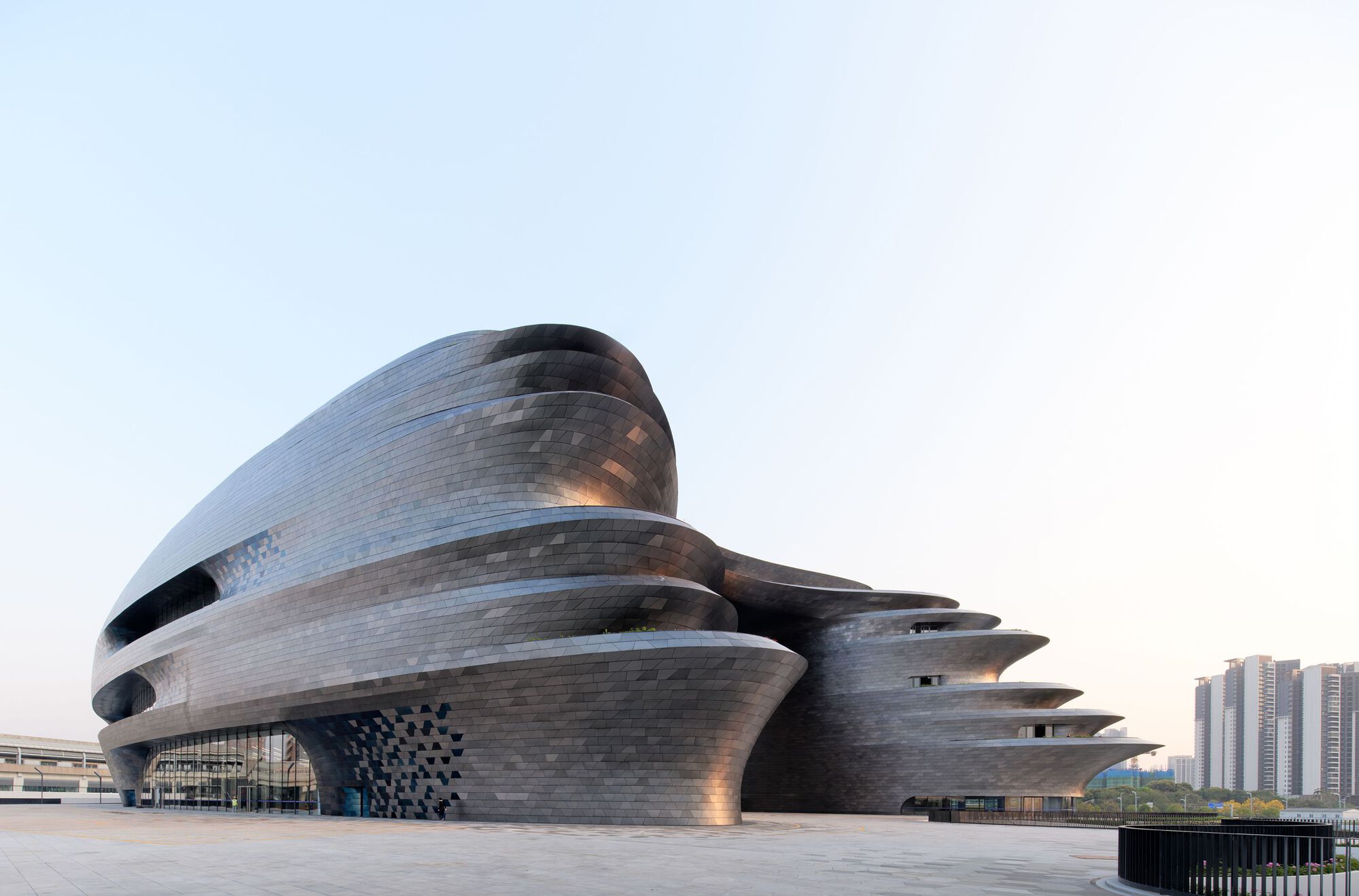
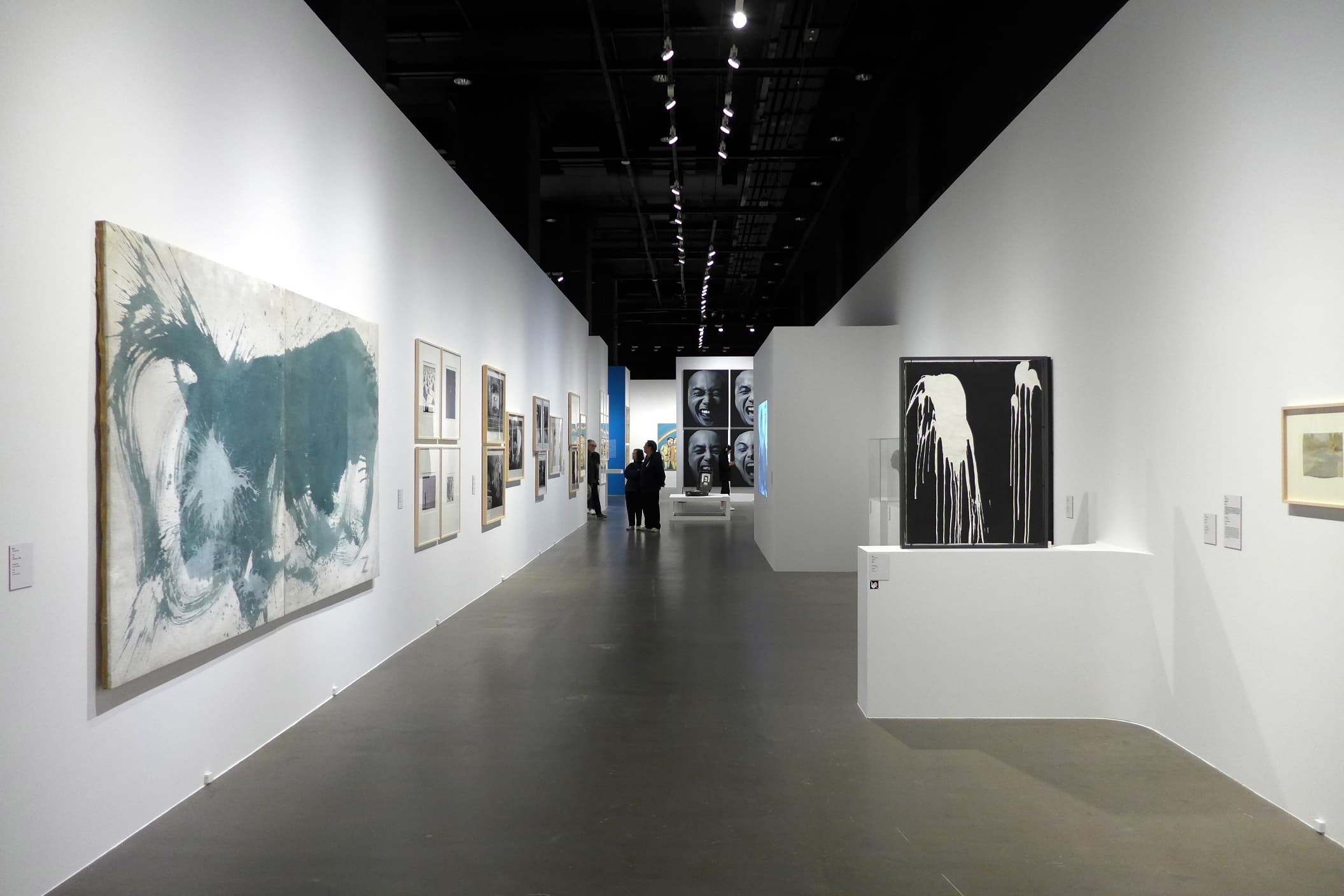
Through roughly 31 August 2026, SIMoA’s Budapest loan show “Realm of Masters” has been circulating European paintings including Monet and Renoir alongside Renaissance names. Ticket bands and which halls are included change; treat published WeChat prices as the source of truth and leave two hours minimum. Guangming Station on Metro Line 6 (Exit D) is the practical approach for both SIMoA and the science museum if you are stacking the district.
This is the cultural tourism argument in plain language. Shenzhen is no longer asking Hong Kong only for Saturday shoppers. It is asking for Saturday museum people who will spend half a day in Pingshan or Guangming and still make dinner.
How the Cross-Border Day Actually Works
From West Kowloon, the high-speed rail to Futian is about fourteen minutes on the train itself. Immigration on both sides is the real clock. East Rail to Lok Ma Chau (Futian Port) or Lo Wu remains the cheaper, more frequent metro habit for many residents; Lok Ma Chau / Futian is usually the calmer daylight choice when your day points toward CBD or Guangming transfers, while Lo Wu still suits Luohu shopping if that is half the brief.
Carry the right document: Home Return Permit for eligible Hong Kong residents, passport and visa or permit status for everyone else. Install WeChat and a working mainland payment method before you leave Central; museum mini-programs and taxis assume it. Confirm Monday closures. Confirm last entry. Confirm that your Natural History slot is already paid, not only saved in a screenshot of a sold-out afternoon.
A clean pattern for diaspora readers who still keep a Hong Kong base: one deep morning at M+ or the Hong Kong Palace Museum in West Kowloon, an overnight or early HSR the next day, then Pingshan or Guangming. Read How the Sigg Collection Built M+ if you want the Hong Kong institutional half of that pair before you chase dinosaurs across the border.
What the Weekend Now Measures
The SCMP’s early-August framing (meteorites to Monet) was useful because it refused to treat the Natural History opening as an isolated ribbon-cutting. The Greater Bay Area story for culture has always risked sounding like infrastructure theatre. Ticketed halls with real exhibitions change the test: people either travel for them or they do not.
Hong Kong still holds the denser fair calendar, the harbour museums, and the English-language ease that many diaspora travelers prefer. Shenzhen now holds new square metres, ambitious architecture, and a municipal willingness to place major loans outside Beijing and Shanghai. The weekend that used to end at a mall food court can end in a dinosaur hall or a Monet room instead. From 26 to 29 November, Fine Art Asia occupies MoCAUP in Futian for its first Shenzhen edition, which is a collecting reason to cross if Pingshan is not the brief.
That does not make every northbound Saturday a pilgrimage. It does mean the old excuse (there is nothing cultural to do once you clear immigration) is getting harder to say with a straight face. Book the mini-program. Leave buffer at the border. Pick one district and do it properly. The rewrite is already underway; the only open question is whether your next Hong Kong weekend still pretends Shenzhen is only for lunch.