On 17 October, M+ opens a show that treats Astro Boy and a Tibetan thangka as parts of the same argument.
Myths and Monsters: The Art of Fantasy in Asia fills the West Gallery on Level 2 through 4 April 2027. More than 400 works move from nineteenth-century vernaculars through Surrealism into manga, anime, fashion, games, and contemporary installation. The museum calls it the first major survey of how artists across Asia have used fantasy to answer the world they were living in. Believe the scale even if you discount the adjective. What you get is two centuries of ghosts, robots, and dreamscapes under one ticket, in the building that already holds the Sigg Collection.
We'll be blunt: most autumn itineraries still begin with a CDG boarding pass. Asia NOW opens at the Monnaie de Paris on 20 October. Art Basel Paris follows at the Grand Palais from 23 to 25 October, with invitation-only days on the 21st and 22nd. Collectors who already treat March as Hong Kong and September as Seoul often skip West Kowloon until spring. This year the museum opens four days before the Paris week starts. See it first. Let the fair be the booth tour.
“From mythological epics and religious cosmologies to manga, anime, and beyond, the exhibition traces the evolving visual languages of fantasy in dialogue with shifting cultural, social, and political contexts.”
Ulanda Blair and Isabella Tam, co-curators of Myths and Monsters
Why the Hang Matters
Co-curators Ulanda Blair, Curator of Moving Image, and Isabella Tam, Curator of Visual Art, have spent years inside M+ treating museum objects and childhood cartoons as one visual culture. Blair arrived from Melbourne’s Australian Centre for the Moving Image; Tam has shaped the museum’s Asian contemporary holdings since 2012. Their four chapters run chronologically and thematically at once. You are meant to feel the line from a woodblock demon to a fashion look.
Museum Director Suhanya Raffel has tied the show to M+’s fifth anniversary and to a present already crowded with avatars and game worlds. Artistic Director Doryun Chong talks about inventing genealogies for images people think they already understand. Keep those framing lines in mind, then do the simpler thing: book West Gallery, Level 2, for mid-October.
HSBC is Lead Sponsor, with Cathay as Major Sponsor and support from The Ritz-Carlton, Hong Kong. Buy the timed session before you lock Paris hotels.
Four Rooms Worth the Afternoon
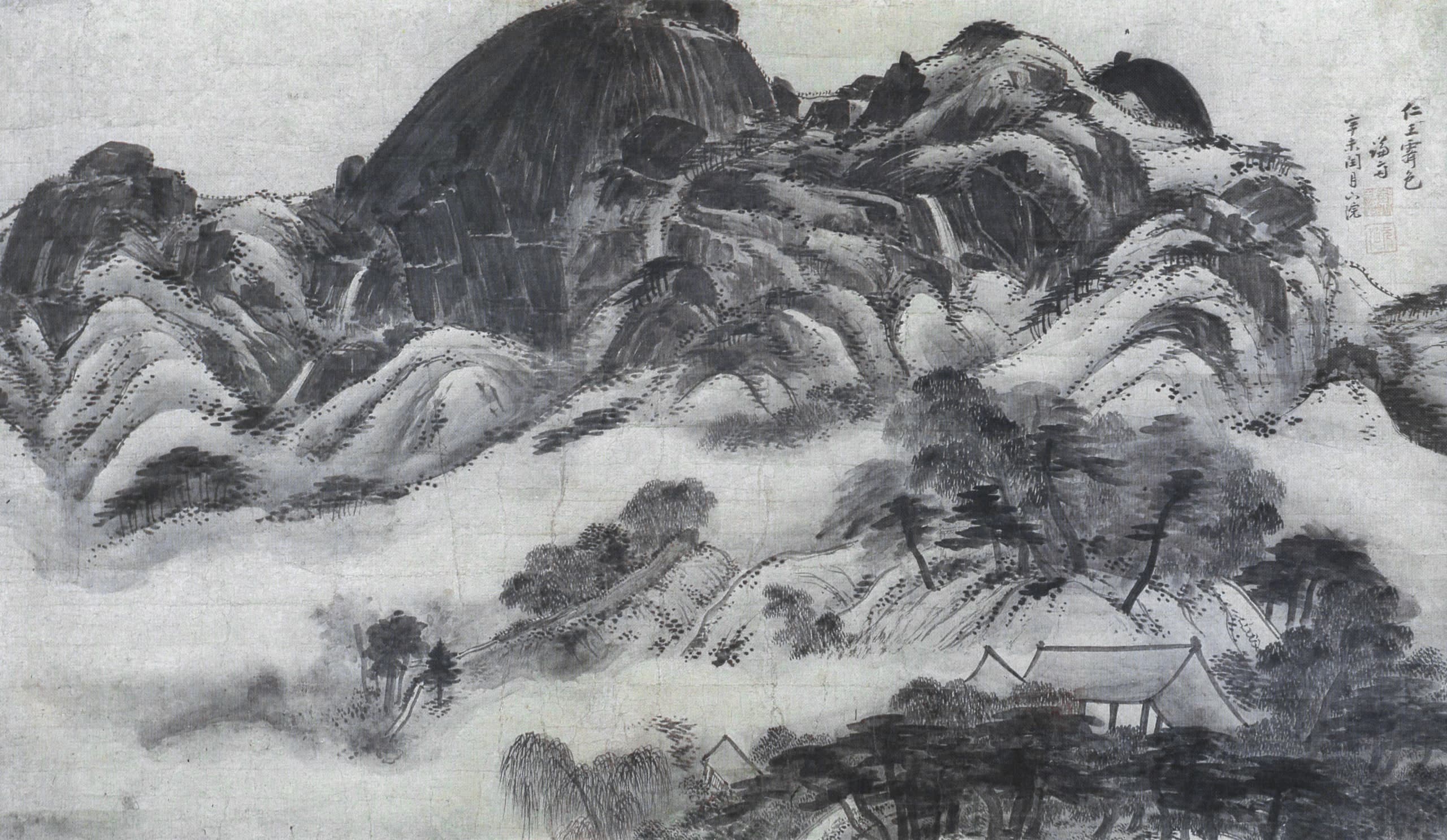
Spirits Among Us starts where fantasy was ordinary technology: Japanese ukiyo-e, Chinese shadow puppets, Tibetan Buddhist thangkas, and vernacular objects that put ghosts and guardians to work as protection, prosperity, and coded taboo. Walk it slowly. Visitors who came for Godzilla need this room first, or the later chapters float without weight.
Into that history M+ has hung Fear Catcher (2026), a site-specific mural by Helsinki-based Hong Kong artist Oscar Chan Yik Long. Chan paints immersive ink environments drawn from East Asian mythology; he does not perform heritage for the tourist eye. His figure is Zhong Kui, the King of Ghosts, reread as someone who helps you name a fear and release it. Opening weekend’s Living Legends talk puts Chan beside curators and researchers from Sydney, Hiroshima, and Kyoto. If you take one programme, take that one. It keeps the mural from reading as lobby art.
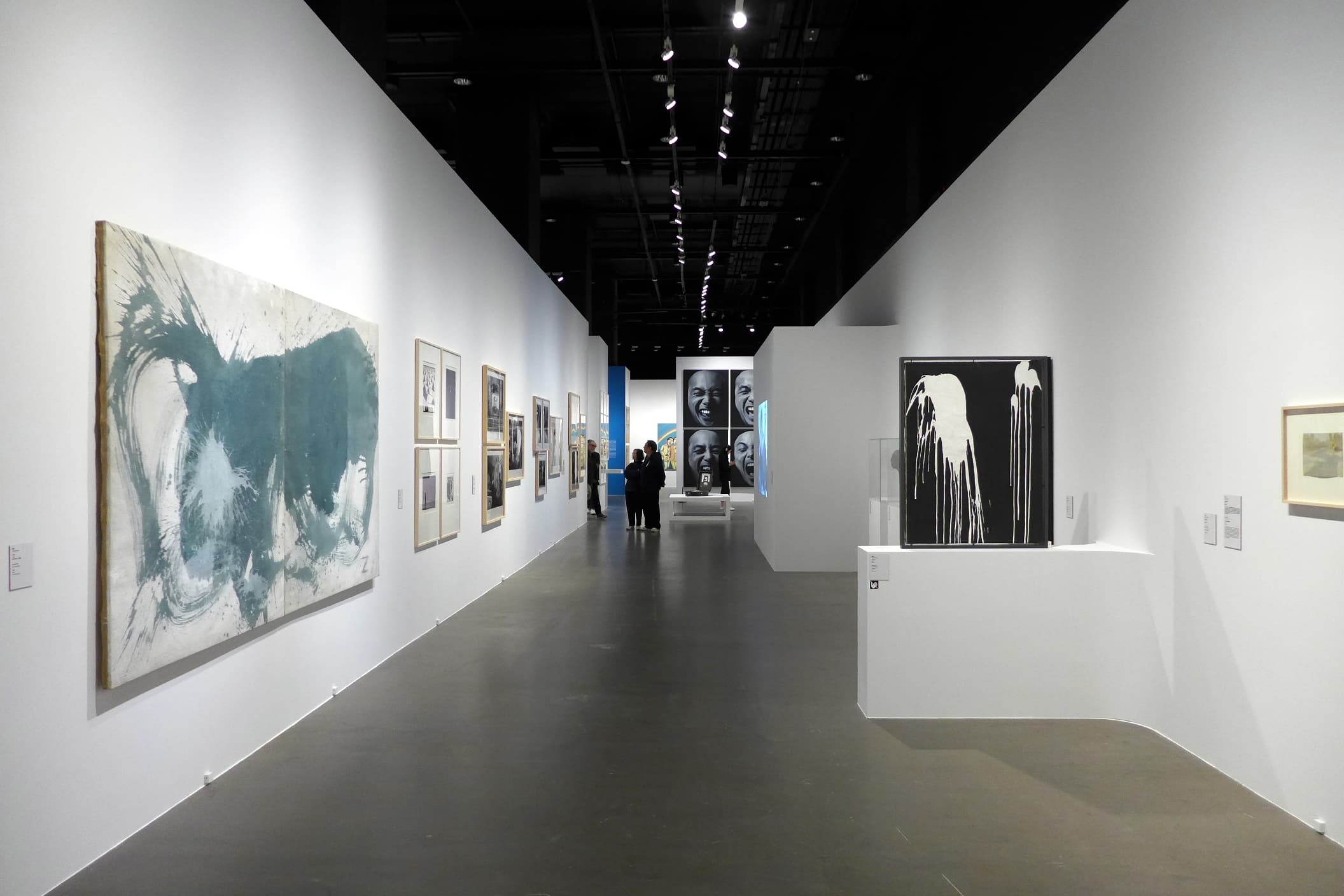
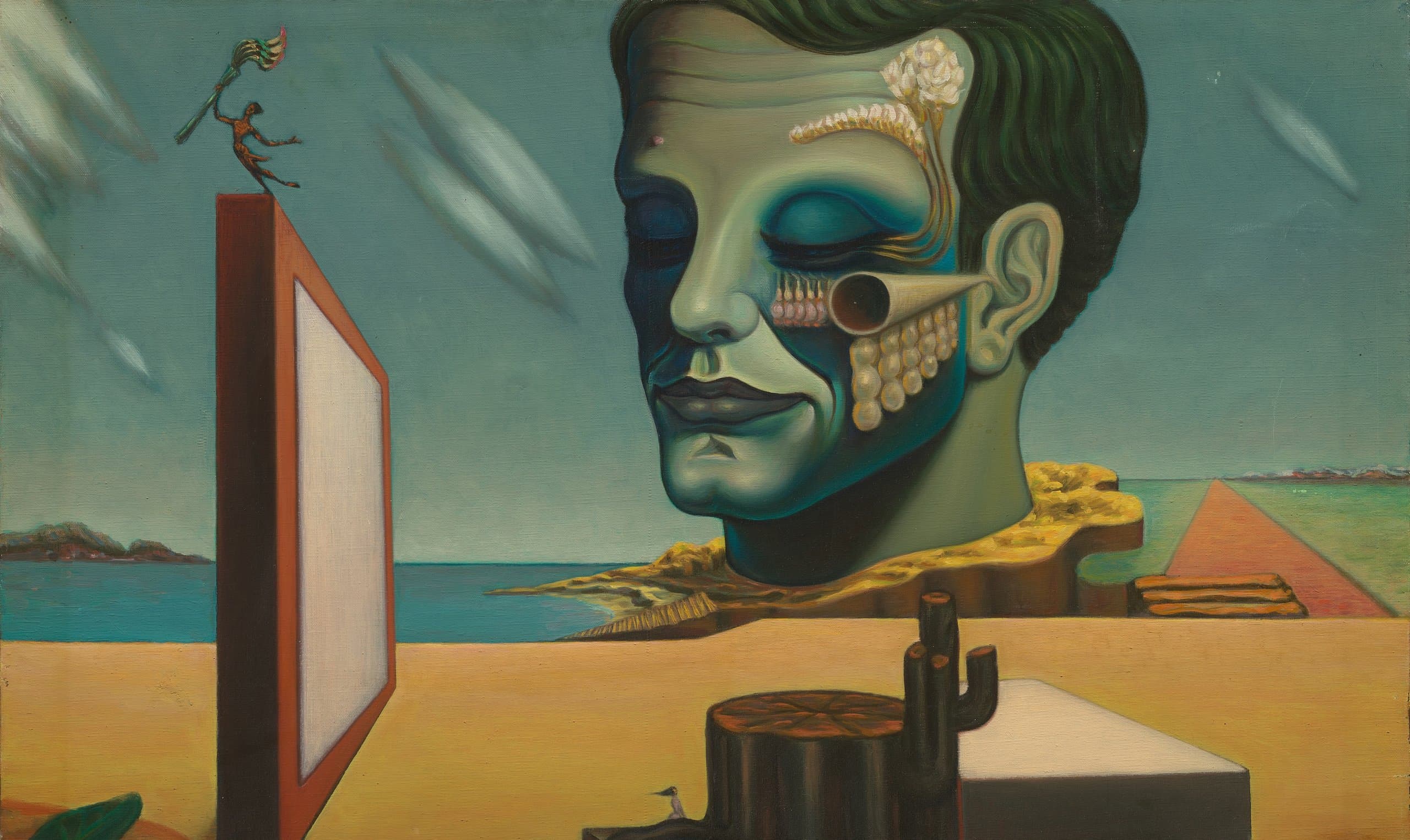
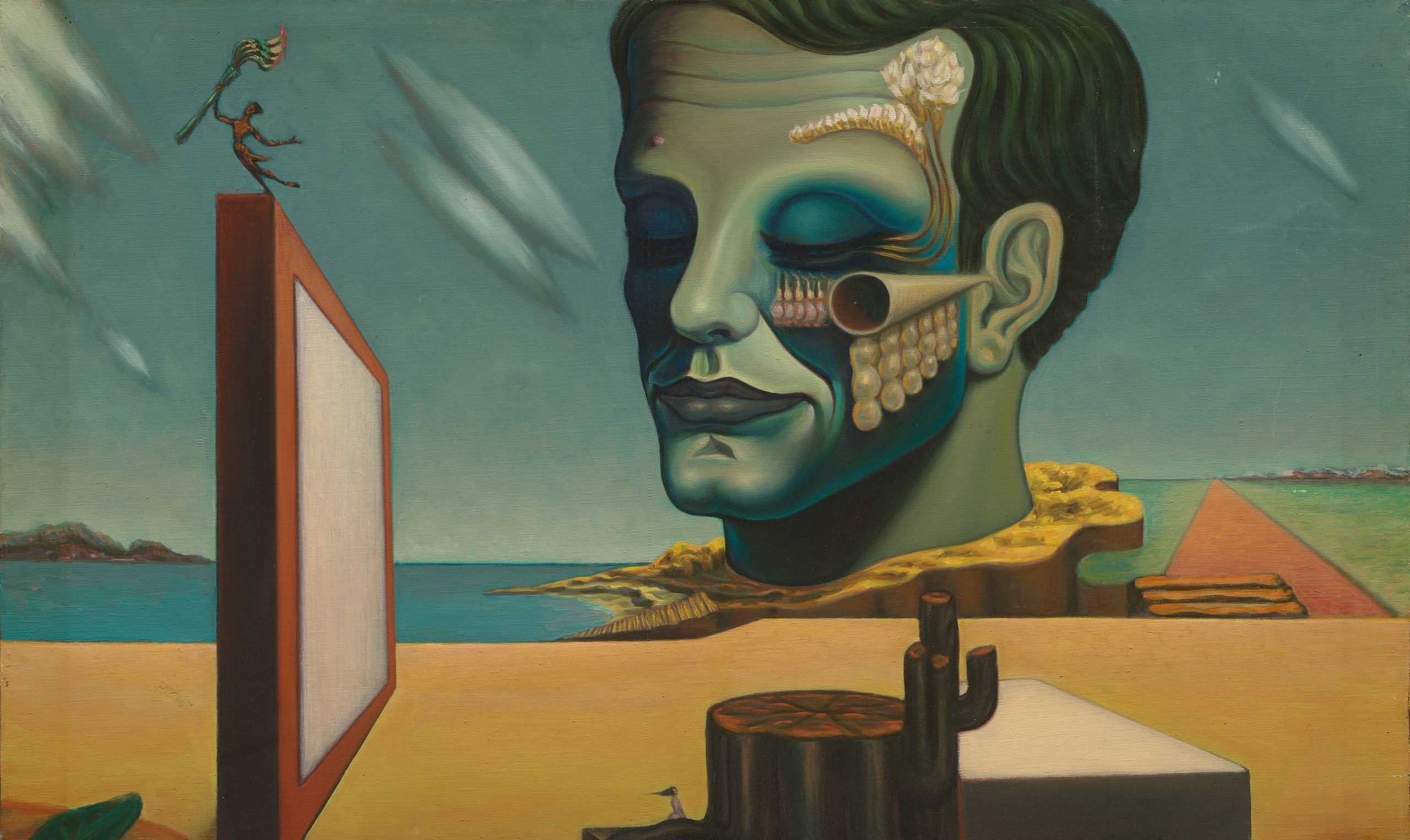
Strange Realities follows Surrealism as a language Asian artists borrowed in Paris and remade at home. Pang Hiunkin (庞薰琹) studied there in the late 1920s before returning to Shanghai modernism. Okamoto Taro stayed through the 1930s and showed with Surrealist circles. Korean painter Kim Younghwan’s Self-Portrait Landscape (1962), on loan from the National Museum of Modern and Contemporary Art, Korea, puts a closed-eyed head growing from a rocky shore beside works by Pratuang Emjaroen, Harue Koga, and European names including Dalí and Magritte. Dream logic moved both ways. What matters is what grew after it landed: local Surrealisms shaped by war, division, and home cosmologies, not Paris nostalgia.
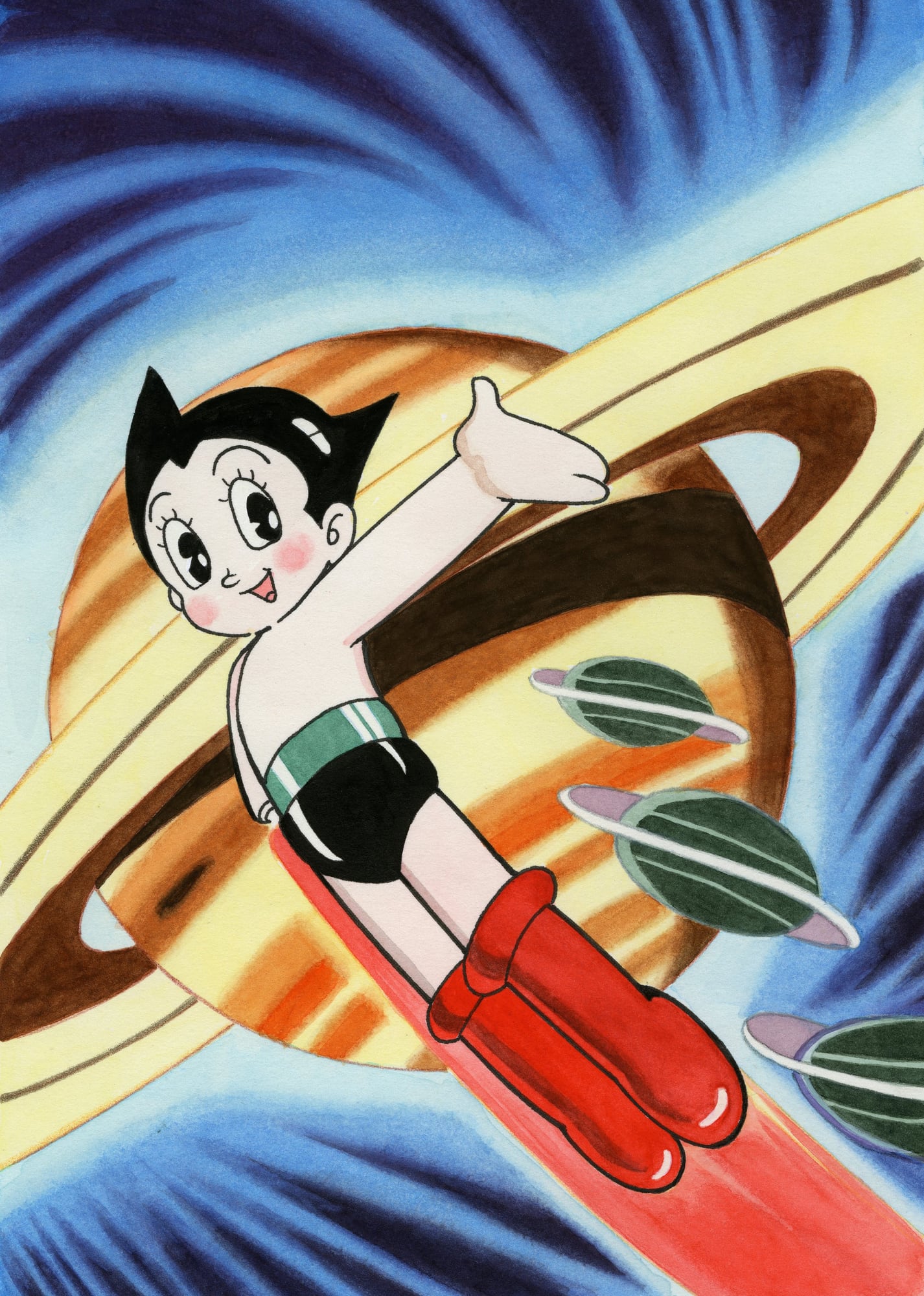
From Godzilla to Ghost in the Shell is the room your dinner companion will recognise without a wall text. Tezuka Osamu’s Astro Boy (1952) and Toho’s Godzilla (1954) sit with Ultraman designs by Tohl Narita, Cardcaptor Sakura drawings, background paintings from Mamoru Oshii’s Ghost in the Shell (1995), and Final Fantasy concept art by Yoshitaka Amano. After the war, Japanese popular culture gave global audiences places to put radiation anxiety, loss, and the wish for a cleaner future. These were machines for processing catastrophe in public. One Hong Kong detail still lands: Ghost in the Shell’s cityscapes borrowed this harbour’s density long before West Kowloon had a museum. For readers who met these images on rented VHS or a late Steam download, the gallery is where the childhood shelf becomes public history.
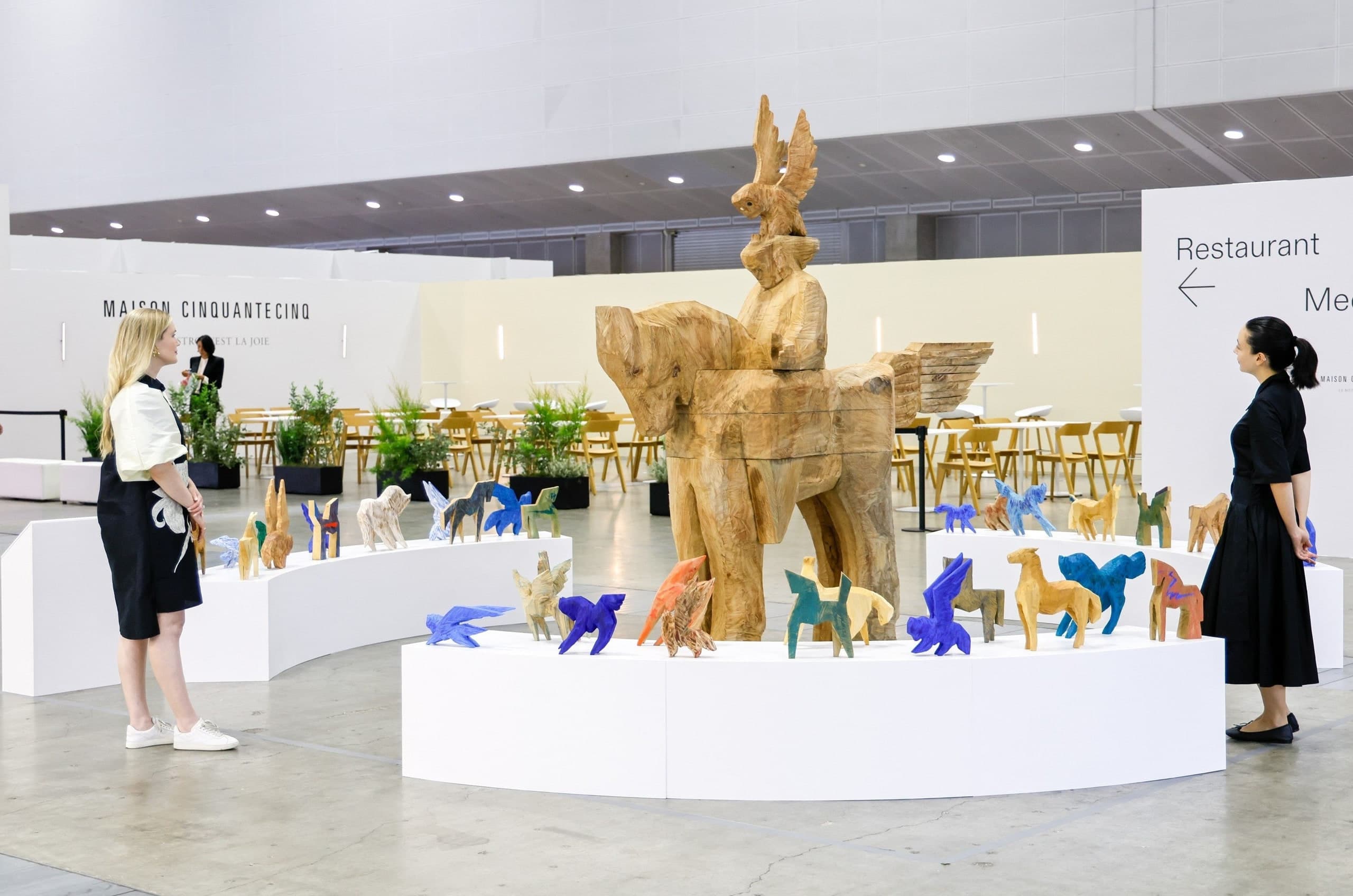
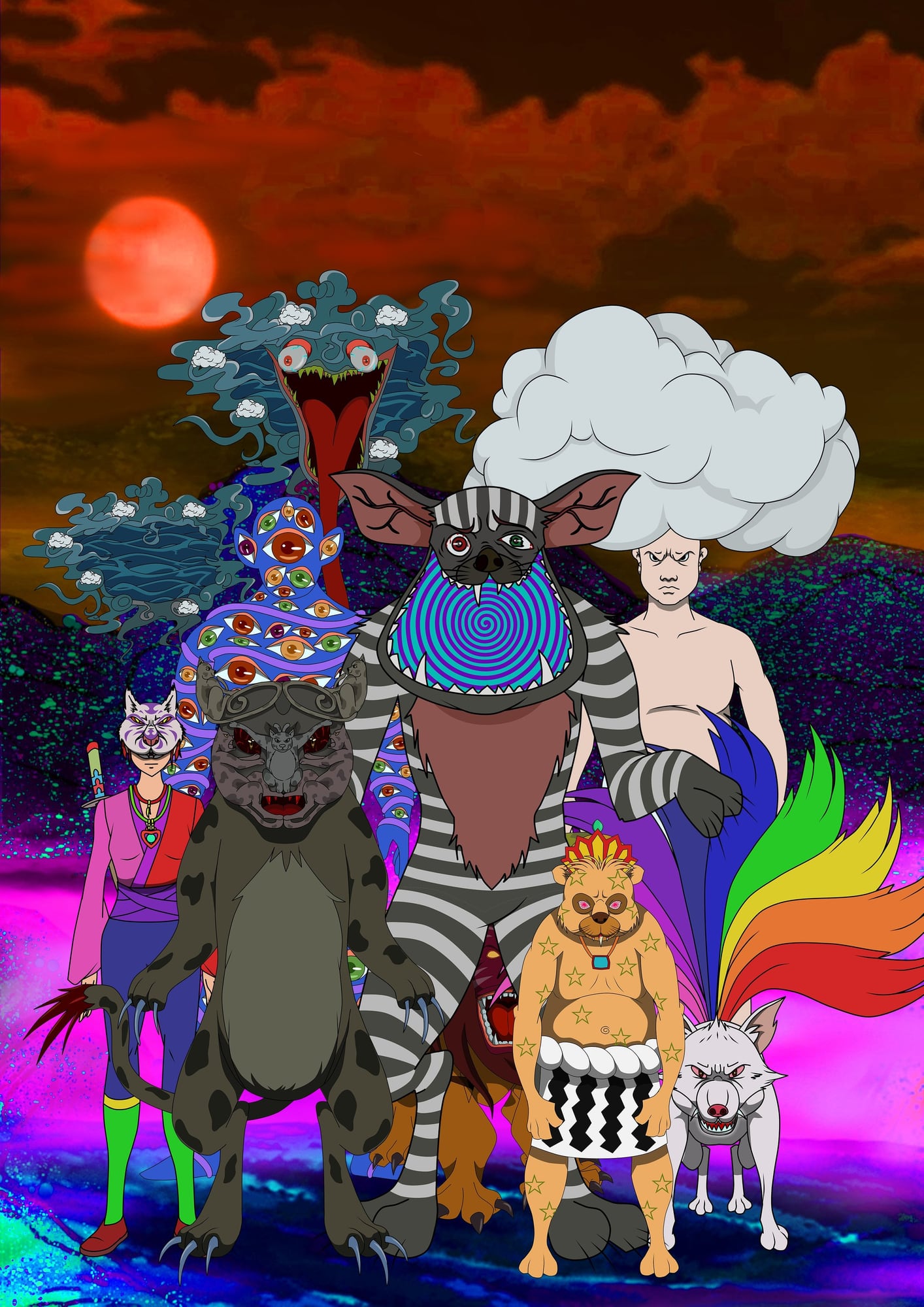
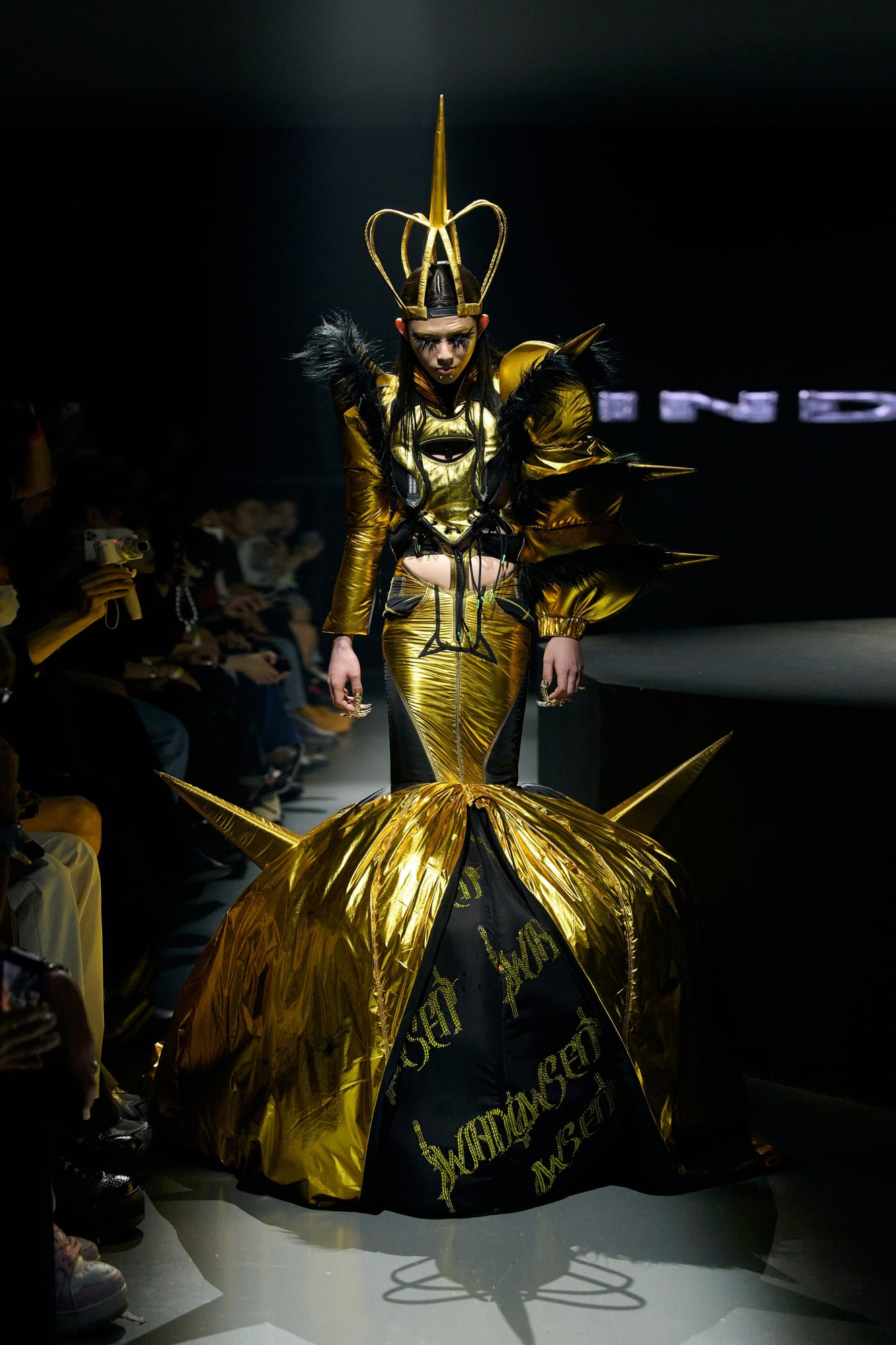
New Mythologies brings the argument into the present. Singaporean artist Ho Tzu Nyen’s publicity poster for Night March of Hundred Monsters, listed as an M+ acquisition in progress, turns a Japanese yōkai parade into a carrier for wartime figures from the Malayan occupation. Folklore here does historical work. Fashion house Windowsen, founded by Antwerp-trained designer Sensen Lii, enters with a closing look from the SS2023 collection The Reincarnation of MX Ridiculous: gold armour, spiked silhouette, runway as monster myth. Around them are artists who have made anime aesthetics do serious work, among them Takashi Murakami, Cao Fei, LuYang, Ayoung Kim, and Hong Kong’s KongKee. You do not need every name on the first visit. Hold the argument: fantasy as a tool for identity, tech anxiety, and remade myth.
Thames & Hudson’s companion volume is due in January 2027, still listed in some catalogues under the early working title Myths, Monsters, and Manga. Buy the ticket now. The book can wait until winter.
Hong Kong First, Then Paris
Write the week down before the hotels fill.
See the West Gallery on 17, 18, or 19 October. Fly for Asia NOW’s public days at 11 Quai de Conti, or for Art Basel’s Avant-Première and VIP cards if your gallery still nominates you. Public Art Basel Paris runs 23–25 October, 11:00–19:00, under the Grand Palais glass; the Thursday vernissage on the 22nd is the preview anyone can buy. Asia NOW’s VIP preview is 19 October, with public hours through the 24th. Design Miami Paris occupies the same week at L’hôtel de Maisons if furniture is on your list.
What changes after the museum is how the booths read. A Murakami presentation or an anime-adjacent hang at the Monnaie stops looking like a seasonal trend and starts looking like a chapter you have already walked. That is the quiet advantage of sequence: you arrive in Paris with a genealogy instead of a shopping list alone. March still owns Art Basel Hong Kong. Autumn now has an institutional hinge in the same city. Keep The Collectors Shaping Contemporary Asian Art beside the packing list, and The Banquet Guide to Hong Kong for West Kowloon approaches.
Practical Notes
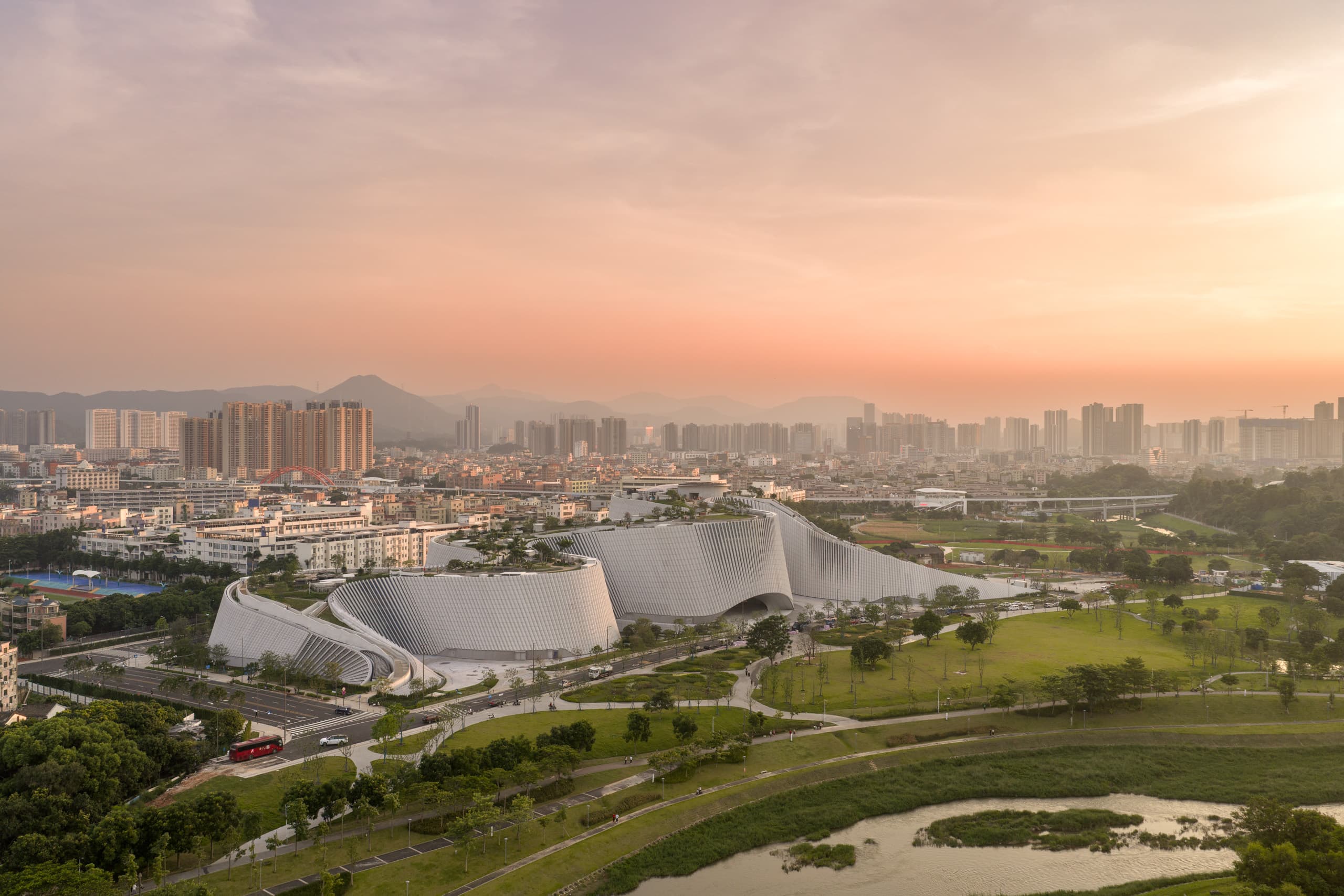
M+ is at 38 Museum Drive, West Kowloon Cultural District. One ticket covers the galleries, including this Special Exhibition: HKD 190 standard, HKD 100 concession, with published kid-and-adult combos. From 10 July 2026, admission has used timed morning, afternoon, and Friday-night sessions; entry is single-use. Morning is quieter. Friday night (18:00–22:00) saves a packed weekday. Closed Mondays. Last admission thirty minutes before close. Members and Patrons walk unlimited; everyone else should buy online before opening week.
Give the West Gallery a full afternoon. Leave the Hong Kong Palace Museum for another day rather than racing both on the same timed clock. On wet harbour days, use the covered West Kowloon links rather than the open boardwalk. Recheck mplus.org.hk if an M+ at Night date pulls Friday close forward.
After Paris, the show will still be on view when you return through April. Book it first for sequence, not scarcity. Start in the West Gallery. Let the Grand Palais argue about prices later.