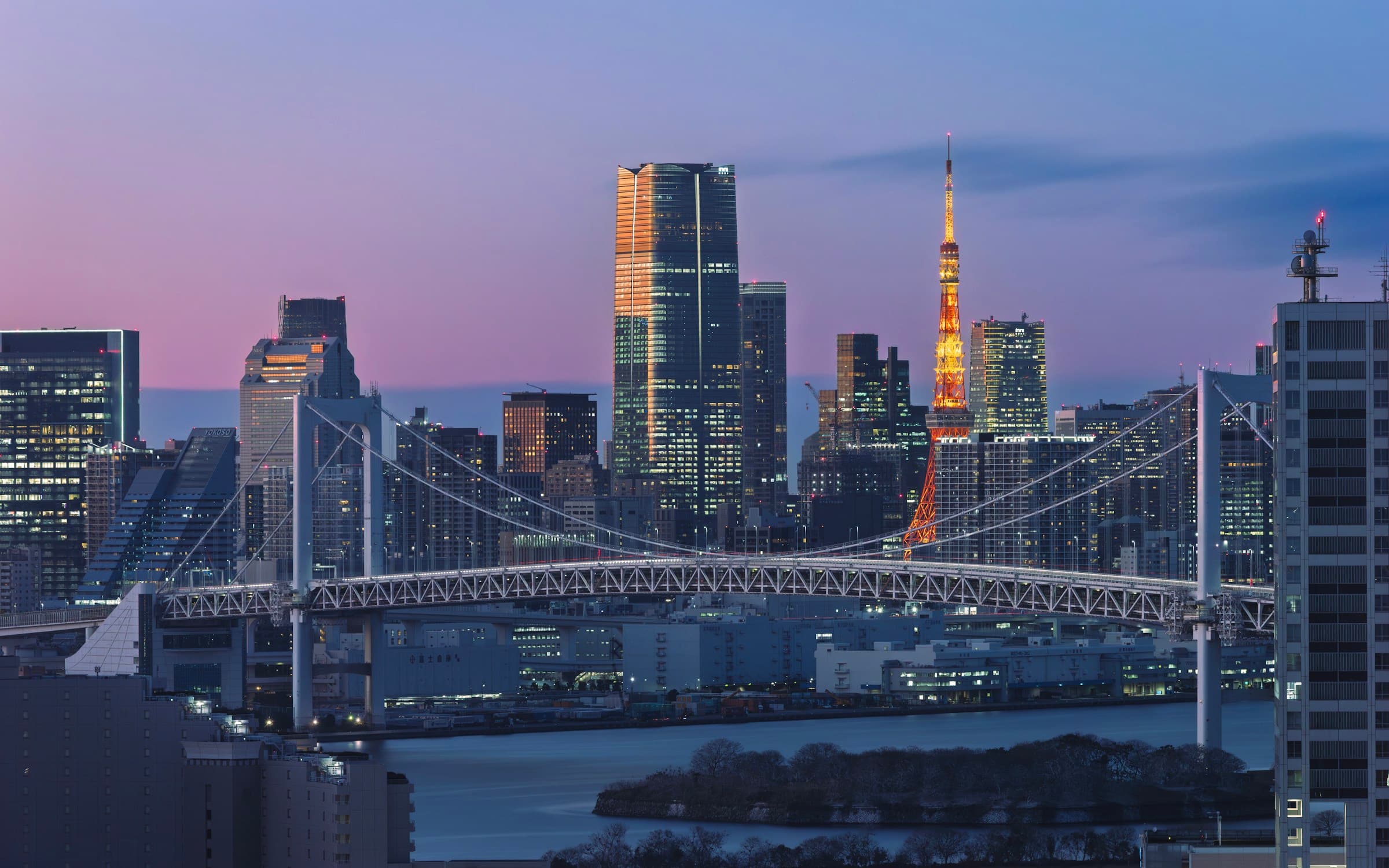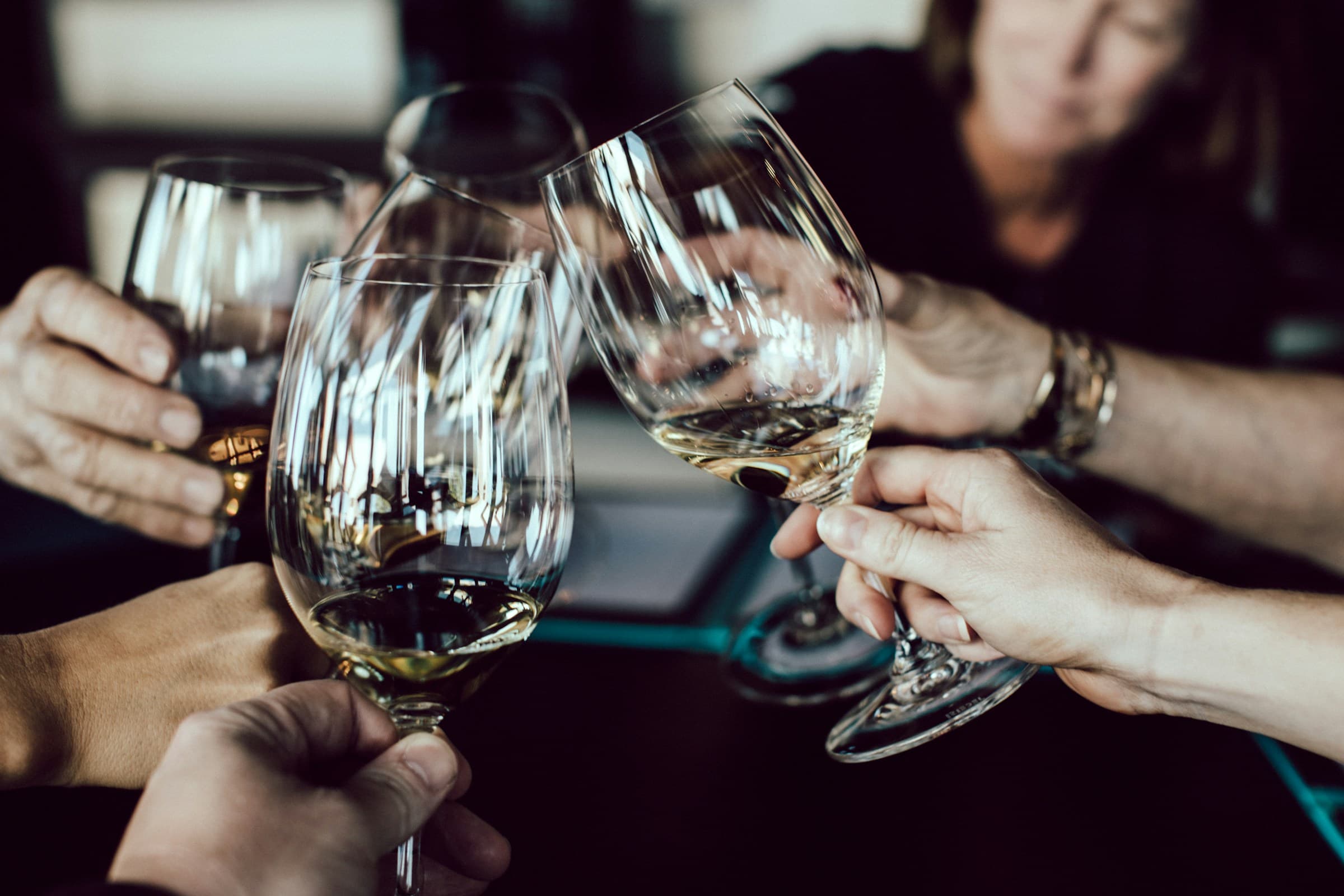
Tokyo was never a wine city in the European sense.
Sake, shochu, and whisky dominated the drinking culture, and for good reason: the city's cuisine evolved alongside those spirits across centuries. Yet in the past decade, Tokyo has undergone a wine revolution so complete that it now rivals any Asian capital and many European ones. Natural wine bars, serious sommelier culture, and Michelin-starred restaurants with cellars that would impress in Paris or New York have transformed the landscape. Pair this essay with The Banquet Guide to Tokyo for hotels and neighbourhoods; read The Asian Grand Tour for where Tokyo sits in the wider route.
"Tokyo treats wine the way it treats everything: with obsessive attention and zero compromise."
What makes Tokyo's wine scene distinctive is not volume but discernment. The city does not drink wine to be fashionable. It drinks wine because a generation of chefs, sommeliers, and importers decided that the conversation between Japanese cuisine and global viticulture was worth having — the same seriousness that powers omakase and kaiseki at the counter.
Ebisu, Nakameguro, and the Natural Wine Belt
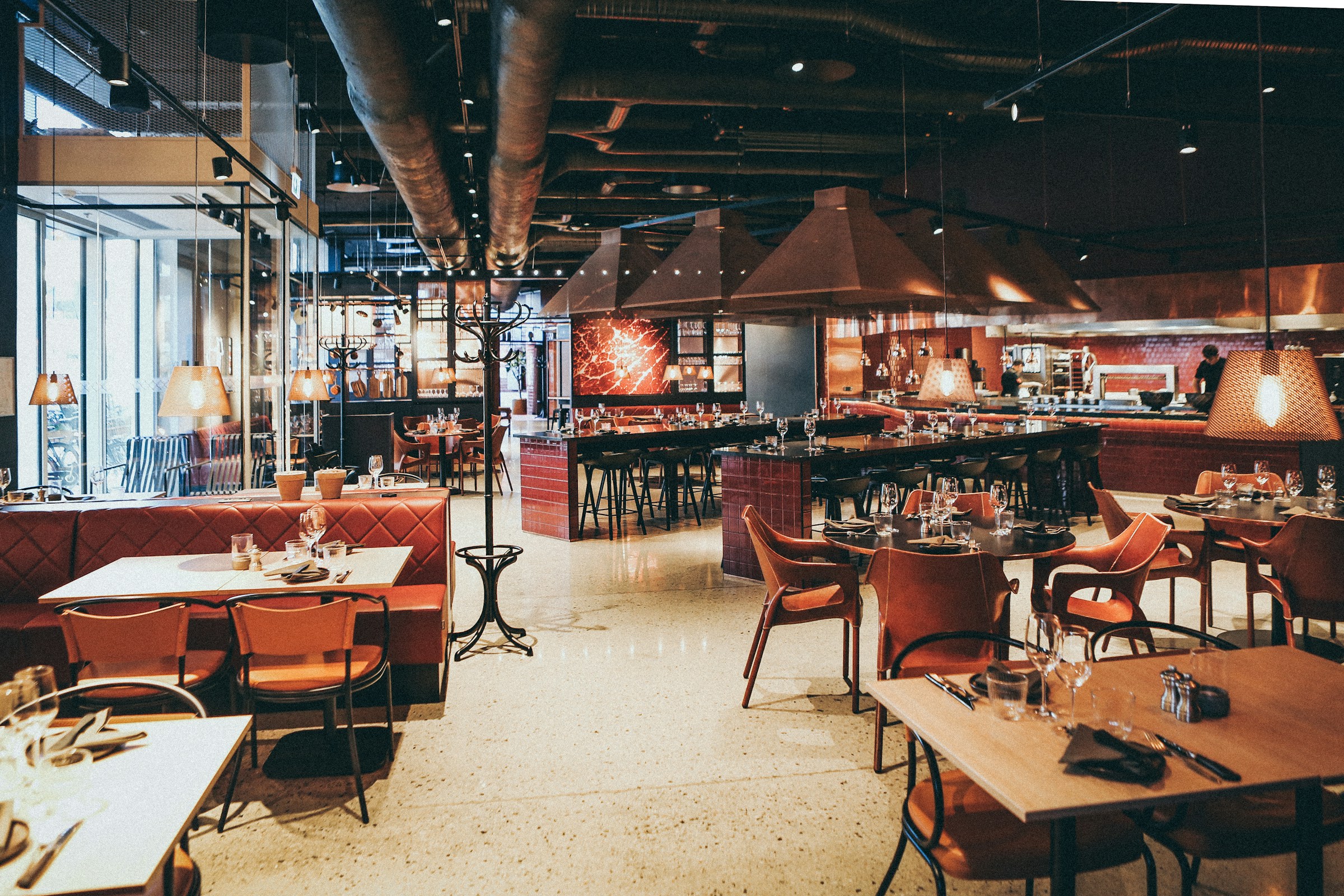
Tokyo's natural wine bars cluster in Ebisu, Nakameguro, and Daikanyama, neighborhoods where the dining public already accepted experimentation. wine@EBISU, a two-minute walk from Ebisu Station at 1-4-12 Ebisu Minami, combines AI-assisted wine diagnosis with coin-operated twenty-milliliter tastings and a retail shop stocking bottles from roughly JPY 1,700 to 200,000. The format suits both beginners mapping preferences and professionals studying for sommelier exams.
tTure in Ebisu Nishi operates as a wine bistro with a deep natural list weighted toward Japan and New Zealand, live guitar on select evenings, and small plates that hold their own against the glass. bar a vin Parc and neighboring spots in the Ebisu orbit form a walkable circuit for an evening of comparative tasting.
The natural wine movement in Tokyo differs from Paris or Brooklyn in one crucial respect: it converges with the city's existing respect for craft and provenance. A minimal-intervention bottle served with seasonal vegetables at a counter in Nakameguro feels less like rebellion and more like continuity with kaiseki's ingredient philosophy — the same instinct Lunch at Kikunoi Honten documents in Kyoto.
Wine at the Fine Dining Level
Tokyo's Michelin-starred restaurants maintain cellars that reflect global ambition. Sézanne at Four Seasons Hotel Tokyo at Marunouchi held three MICHELIN stars in the Tokyo Guide 2025 under Executive Chef Daniel Calvert; after his March 31, 2026 departure and Stephen Lancaster’s April 1 succession, the prior listing was withdrawn pending reinspection. The list emphasizes Burgundy and Champagne alongside Japanese domestic bottles.
L'Effervescence in Nishiazabu holds three MICHELIN stars and a Green Star, with a beverage program that pairs French-rooted cuisine with both wine and sake at a level unusual for Tokyo's top tier. Prix fixe dinner runs from JPY 45,000 before tax and service; reservations via phone or the restaurant website.
Florilège in Azabudai Hills holds two MICHELIN stars and a Green Star, with chef Hiroyasu Kawate's plant-forward French cooking served at a communal counter. Dinner from approximately JPY 22,000 before service charge, with a dedicated sommelier program.
Den in Jingumae, under chef Zaiyu Hasegawa, retains two MICHELIN stars and a Green Star in Tokyo 2026, with a wine list that includes serious Japanese natural producers alongside imports. Den proves that wine culture in Tokyo is not confined to French restaurants: Japanese cuisine and global viticulture meet at the highest level here. For the wider Tokyo dining map, see The Banquet Guide to Tokyo.
Japanese Domestic Wine
Japanese winemaking itself has improved dramatically, but the story did not begin in Ebisu bars. It began in the Meiji push toward Western industry, when Yamanashi Prefecture — the old Koshu region — emerged as the country's grape heartland.
Meiji beginnings in Yamanashi
Grapes had been cultivated in Japan for table use long before anyone fermented them seriously at scale. The modern industry dates to 1877, when local businessmen Takano Masanari and Tsuchiya Ryuken founded the Dainihon Yamanashi Wine Company, Japan's first private winery, with prefectural support. Both men travelled to France to study viticulture and returned intending to make European-style wine from indigenous Koshu grapes.
The experiment was early and honest — and commercially premature. The dry, astringent style they produced did not match what most Japanese drinkers wanted in the 1880s, and the company dissolved in 1886. That failure did not end the project. Miyazaki Kotaro, a younger shareholder, bought equipment from the shuttered winery and opened Miyakoen in Koshu city in 1888, building a sales office in Tokyo and contracting grapes from Katsunuma growers. Railway links later carried Katsunuma wine into the capital, establishing the Tokyo–Yamanashi pipeline that today's sommeliers still rely on.
Koshu and Muscat Bailey A
Koshu is a pink-skinned white grape associated with Yamanashi's basin climate: strong sunshine, mountain shelter, and large diurnal swings that suit viticulture more than rice. The variety was registered with the OIV (International Organisation of Vine and Wine) in 2010, allowing the name Koshu on export labels under international rules. In 2013, the National Tax Agency designated Yamanashi as a protected geographical indication for wine, and Muscat Bailey A — Japan's defining red grape — received OIV registration the same year.
Muscat Bailey A tells a different Japanese story. Zenbei Kawakami developed the variety in 1927 at Iwanohara Vineyard in Niigata, crossing Bailey and Muscat Hamburg after thousands of breeding trials aimed at grapes that could survive Japan's humid summers. Kawakami distributed seedlings nationwide; production now spreads through Yamanashi, Nagano, Yamagata, and beyond. Where Koshu represents ancient local stock adapted to French technique, Muscat Bailey A represents deliberate hybrid breeding for Japanese climate — unfashionable for decades, now rehabilitated by producers who treat disease resistance as virtue rather than compromise.
What Tokyo lists now
On serious Tokyo lists today, Koshu and Muscat Bailey A appear beside Burgundy and Loire bottles without apology. Producers such as Grace Wine in Katsunuma and Suntory's Tomi No Oka estate in Yamanashi represent the postwar quality arc: better equipment, tighter cellar discipline, and sommeliers who can explain prefectural difference in plain language.
Production remains small relative to import volume — Japan still drinks far more foreign wine than domestic — but the quality trajectory is unmistakable. Department store basements at Isetan Shinjuku and Mitsukoshi Nihombashi offer structured introductions to Japanese wine retail, with staff who will open bottles for on-site tasting and compare Yamanashi producers side by side. A morning in the depachika, an afternoon train to Katsunuma: that is how domestic wine stops being abstraction and becomes geography.
Where to Drink
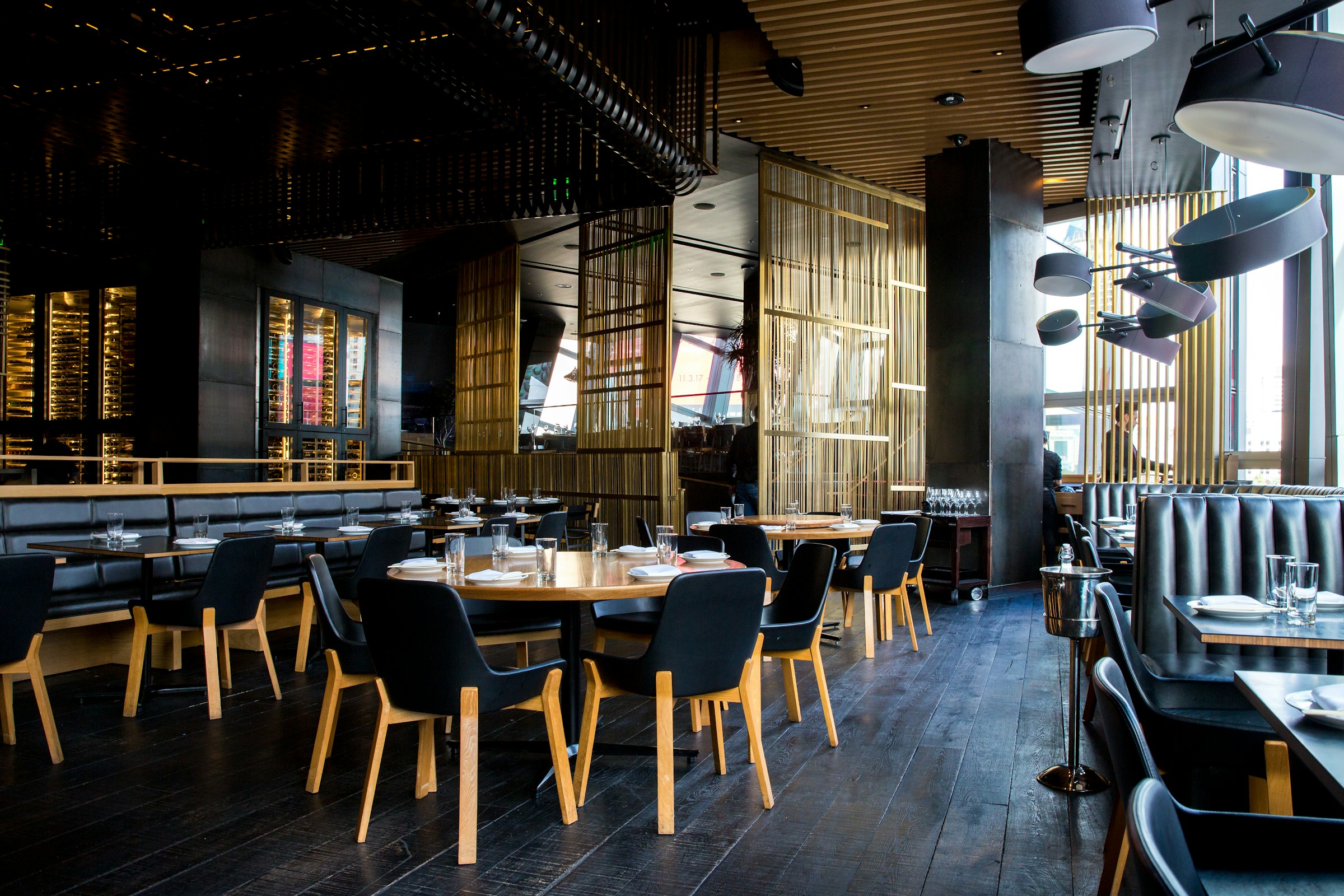
Ebisu and Nakameguro for natural wine bars with casual food.
Ginza and Nihombashi for hotel bars with deep Bordeaux and Burgundy lists.
Omotesando for wine shops that double as tasting rooms, where staff will open bottles for on-site consumption.
Azabudai Hills and Toranomon for fine dining counters where the sommelier is part of the creative team — the same district logic as The Banquet Guide to Tokyo's Azabudai and Toranomon notes.
Department store depachika at Isetan and Mitsukoshi for an underrated introduction to Japanese wine retail.
Pairing Logic in a Sushi City
Tokyo sommeliers have developed pairing logic that respects dashi, soy, and vinegar rather than fighting them. High-acid whites and low-oak reds work alongside sashimi; Champagne appears more often at kaiseki than outsiders expect. The mistake is treating wine as a replacement for sake. The insight is treating it as an alternate vocabulary for the same meal — the same dual-language hospitality Hospitality as Culinary Art describes in hotel dining rooms.
At Den, manager Emi Hasegawa's service philosophy and the wine program reflect a household that takes both seriously. At Sézanne, the cellar supports French technique applied to Japanese ingredients. The revolution is not either/or. It is both, chosen with intention.
Retail and the Depachika Circuit
Beyond standalone bars, Tokyo's wine culture lives in retail depth. Seijo Ishii and Meidi-Ya stores in Hiroo and Azabu carry imports that smaller shops cannot justify stocking. Shibuya Parco and Tokyo Midtown wine sections cater to younger drinkers who buy one bottle for dinner rather than cases for cellars.
The department store basement circuit rewards patience. Isetan's staff will compare Yamanashi Koshu producers side by side. Mitsukoshi's Nihombashi location stocks labels that appear at hotel wine dinners months later. For the visitor with one free afternoon, a depachika tasting followed by dinner in Ebisu is a coherent introduction to how Tokyo actually drinks — a rhythm that mirrors the stay-and-eat logic in our Tokyo guide.
Importers such as Enoteca and Wine Cellar have trained a generation of sommeliers who now work in hotel bars and kaiseki-adjacent counters. The pipeline from retail floor to restaurant floor is shorter in Tokyo than in most Western capitals, which explains why service at the glass is often more informed than the price suggests.
Seasonality and the Tokyo Calendar
Wine rhythm in Tokyo follows a calendar distinct from Europe. Cherry blossom season brings outdoor seating and lighter bottles. Summer humidity pushes toward chilled reds and sparkling. Autumn kaiseki menus drive white Burgundy and domestic Koshu. Year-end parties concentrate Champagne consumption in December at volumes that surprise first-time visitors.
Restaurants adjust lists quarterly. A bottle that appears in October may disappear by January when the kitchen shifts from matsutake to citrus. The insider treats the list as ephemeral, not encyclopedic.
A Week of Wine in Tokyo
For the visiting oenophile, a practical itinerary might look like this.
Day one: Depachika tasting at Isetan Shinjuku, thirty minutes of structured browsing, one bottle purchased for the hotel minibar.
Day two: Natural wine bar circuit in Ebisu, three stops, small plates, home by last train.
Day three: Lunch at a wine-forward bistro in Nakameguro; afternoon coffee; no wine until dinner.
Day four: Splurge dinner at L'Effervescence or Florilège with pairing. This is the night you dress for.
Day five: Return to the shop where staff remembered your name. Buy two bottles for home. Accept that checked luggage exists for a reason.
Tokyo rewards repetition. The second visit to the same bar, the same sommelier, the same corner stool, is when the city begins to feel like yours.
Sake and Wine, Side by Side
The revolution's maturity shows in rooms that refuse to choose.
At kaiseki counters, sake remains the default pairing, but wine appears more often at the end of a meal, when Western guests or hybrid palates request it. At French-Japanese restaurants, sake pairing menus sit beside Burgundy lists without apology. At natural wine bars, small plates of tsukemono and grilled fish make the case that wine belongs in the Japanese snack vocabulary. Read The Art of the Modern Banquet for how communal tables handle multiple beverage languages at once.
The traveler who arrives expecting a war between traditions will be disappointed. Tokyo resolved that argument years ago. The only remaining question is what you are eating tonight, and which glass best honors it.
Bars Worth the Reservation
Three addresses anchor a serious wine week in Tokyo.
Winestand Waltz in Ebisu operates as a standing bar with a deep natural list and small plates that reward repeat visits. Ahiru Store in Tomigaya pairs minimal-intervention bottles with a neighborhood feel that belies the sommelier credentials behind the counter. Le Verre Volé in Meguro imports the Parisian natural wine spirit with Tokyo discipline: arrive early on weekends, expect to share a table, leave happy.
Each rewards the guest who treats wine as conversation rather than status. Each sits comfortably beside sake in a city that no longer asks you to choose sides.
Practical Notes
Many wine bars are small. Reservations recommended on weekends.
Last trains end around midnight on most lines. Plan transport if drinking seriously; taxis from Ebisu to Shibuya or Minato are reliable but surge after last train.
Corkage policies vary. Some restaurants welcome bottles; others do not. Ask when booking.
Learn basic Japanese wine vocabulary. Staff appreciate the effort, and labels can be challenging even for fluent speakers. Nihon wine for domestic; shizen wine for natural.
Budget bands (approximate): Wine bar tastings from JPY 500 per pour; serious dinner with pairing from JPY 30,000 to 80,000 per person at starred restaurants.
Tokyo's wine revolution is not a rejection of sake. It is an expansion of the city's palate, conducted with the same seriousness that made it the world's greatest dining capital. For the traveler who thought Tokyo was only about sushi and sake, the wine bars of Ebisu offer a compelling second education. For the resident, the question is no longer whether to drink wine here, but which bottle tonight.
Continue with The Banquet Guide to Tokyo, Omakase Left Tokyo. It Survived., and The Asian Grand Tour.