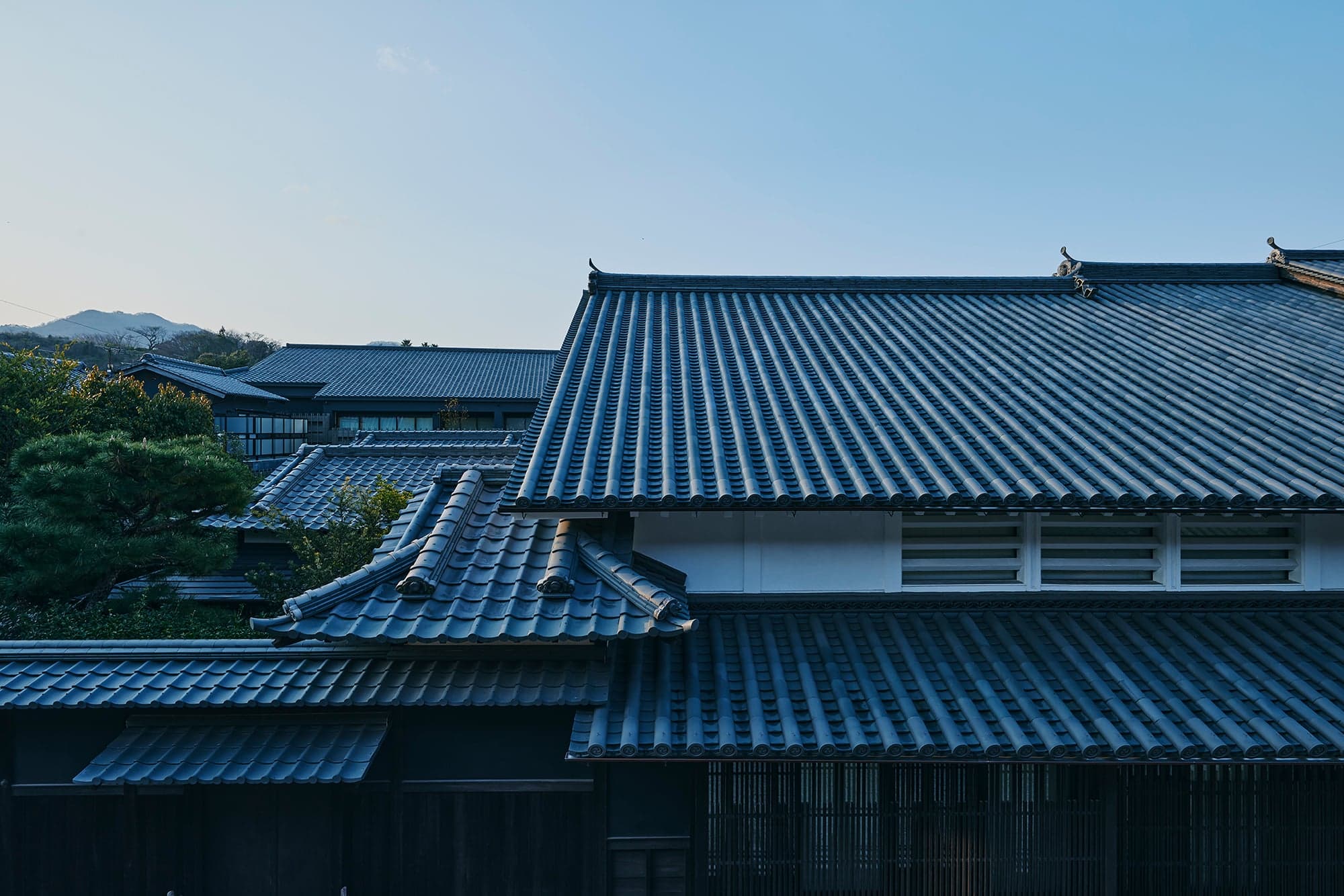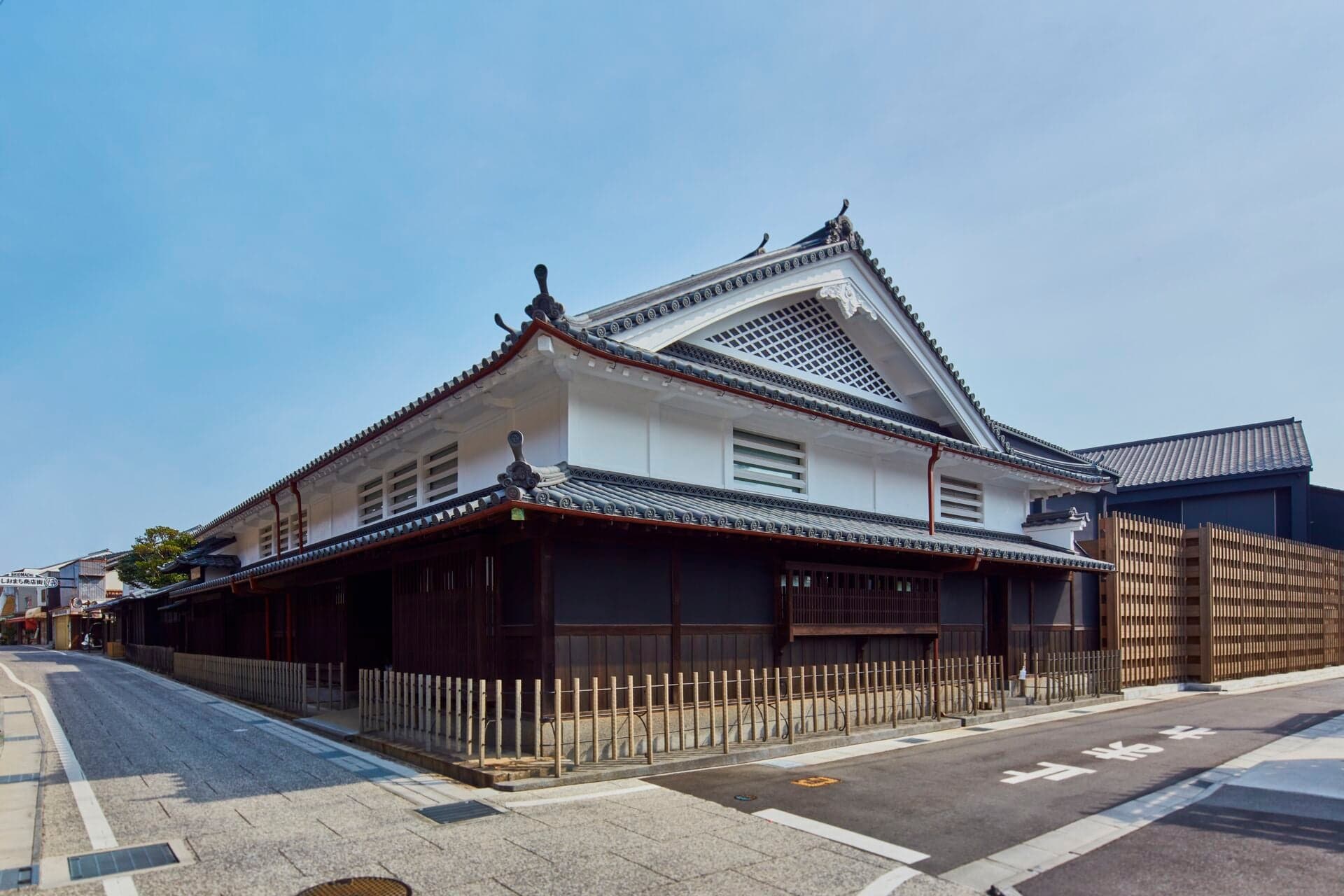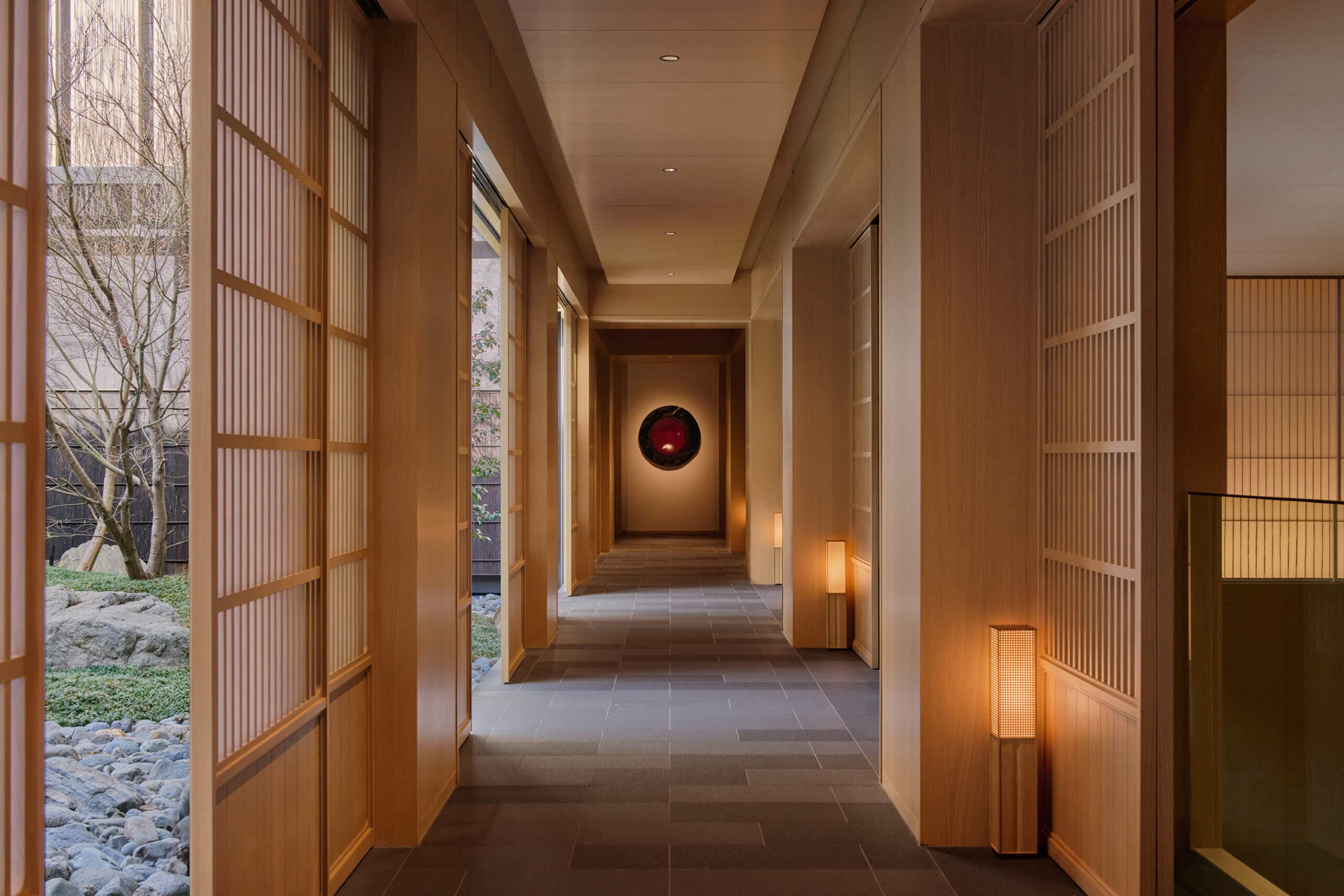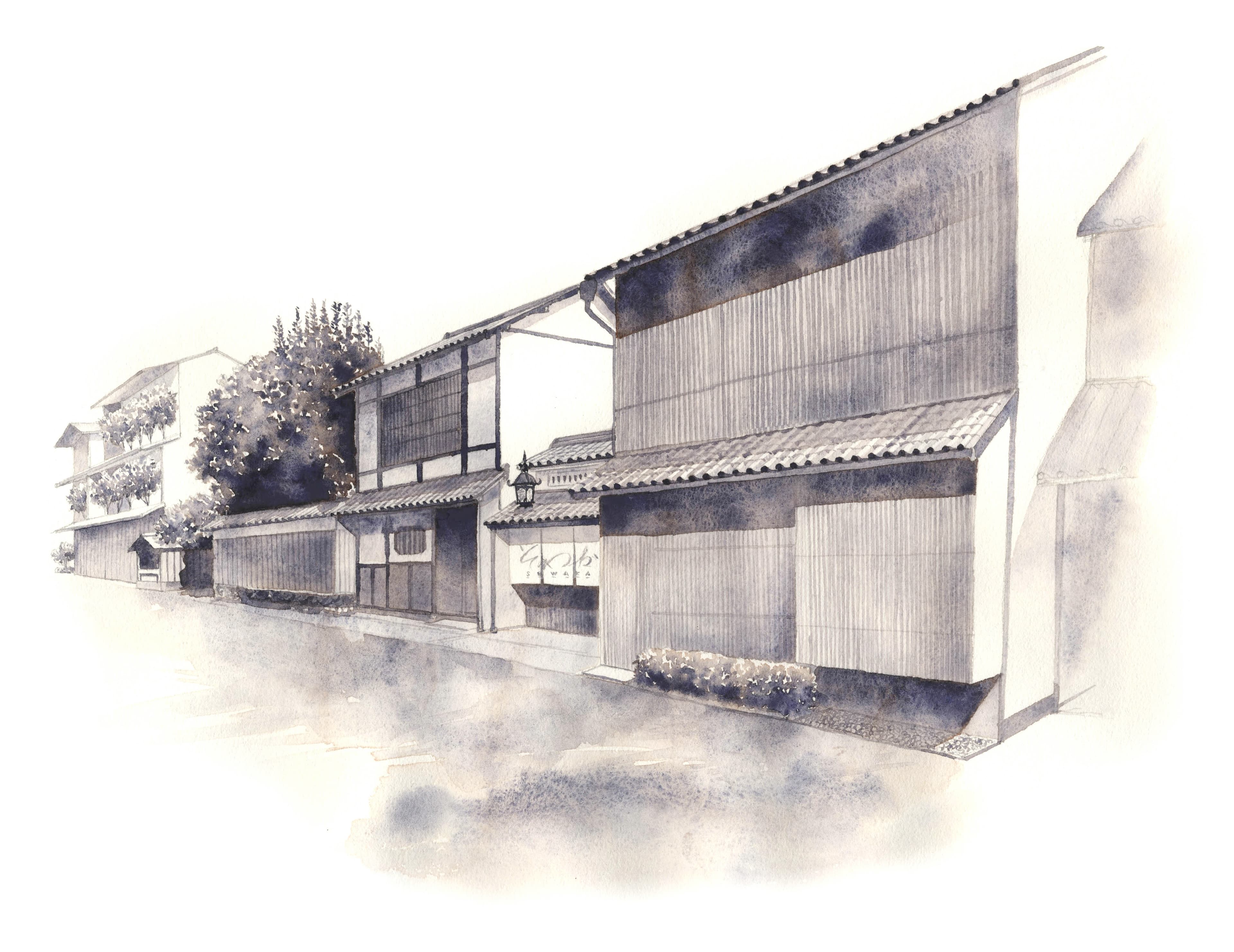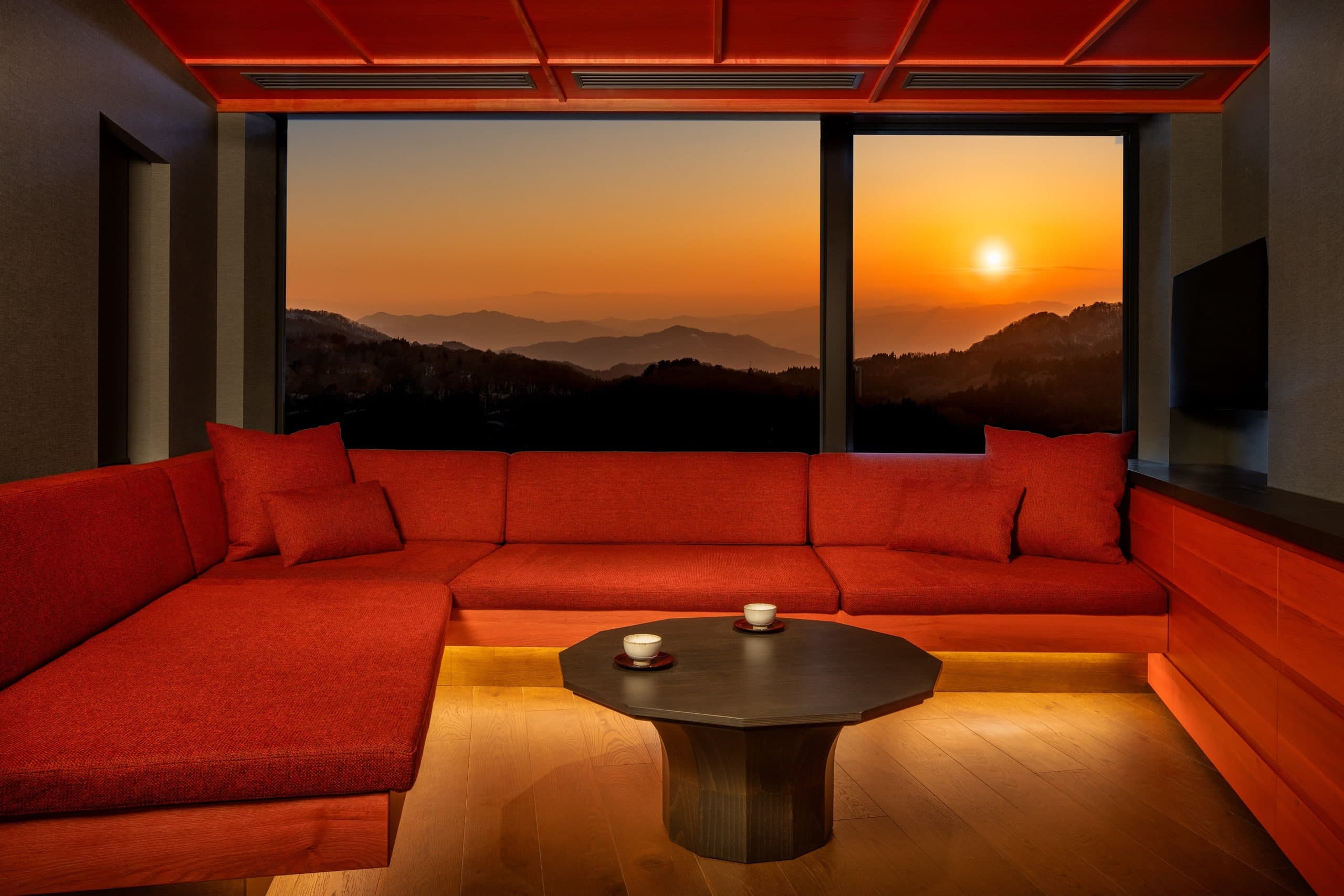
If you already know Kyoto and Tokyo, the useful next question is which spring town still makes the water the reason for the trip. Zao Onsen answers with chemistry, altitude, and winter juhyo, not another hotel spa wing.
KAI Zao, Hoshino Resorts’ first KAI in Yamagata Prefecture, opens on 15 October 2026 at 903-2 Zao Onsen, about 880 metres up the western flank of the Zao range. You are booking a 14-sided tower, baths fed by the town’s high-acidity sulfur spring, and 49 Crimson Modern Rooms finished with Yamagata safflower craft. Those three facts are the reason to go. The ski slopes next door are useful, not the brief.
“I aimed to create architecture that embodies the culture, climate, and topography of Zao… I hope this becomes a place where guests can encounter experiences unique to this land throughout all four seasons, not just in winter.” Shuhei Kamiya, Kamiya Architects, on KAI Zao (Hoshino Resorts, April 2026)
Reservations opened 22 April 2026. Opening press lists stays from about JPY 31,000 per person based on two adults, with dinner, breakfast, tax, and service included. Confirm the live plan and meal seatings on hoshinoresorts.com before you lock the Shinkansen.
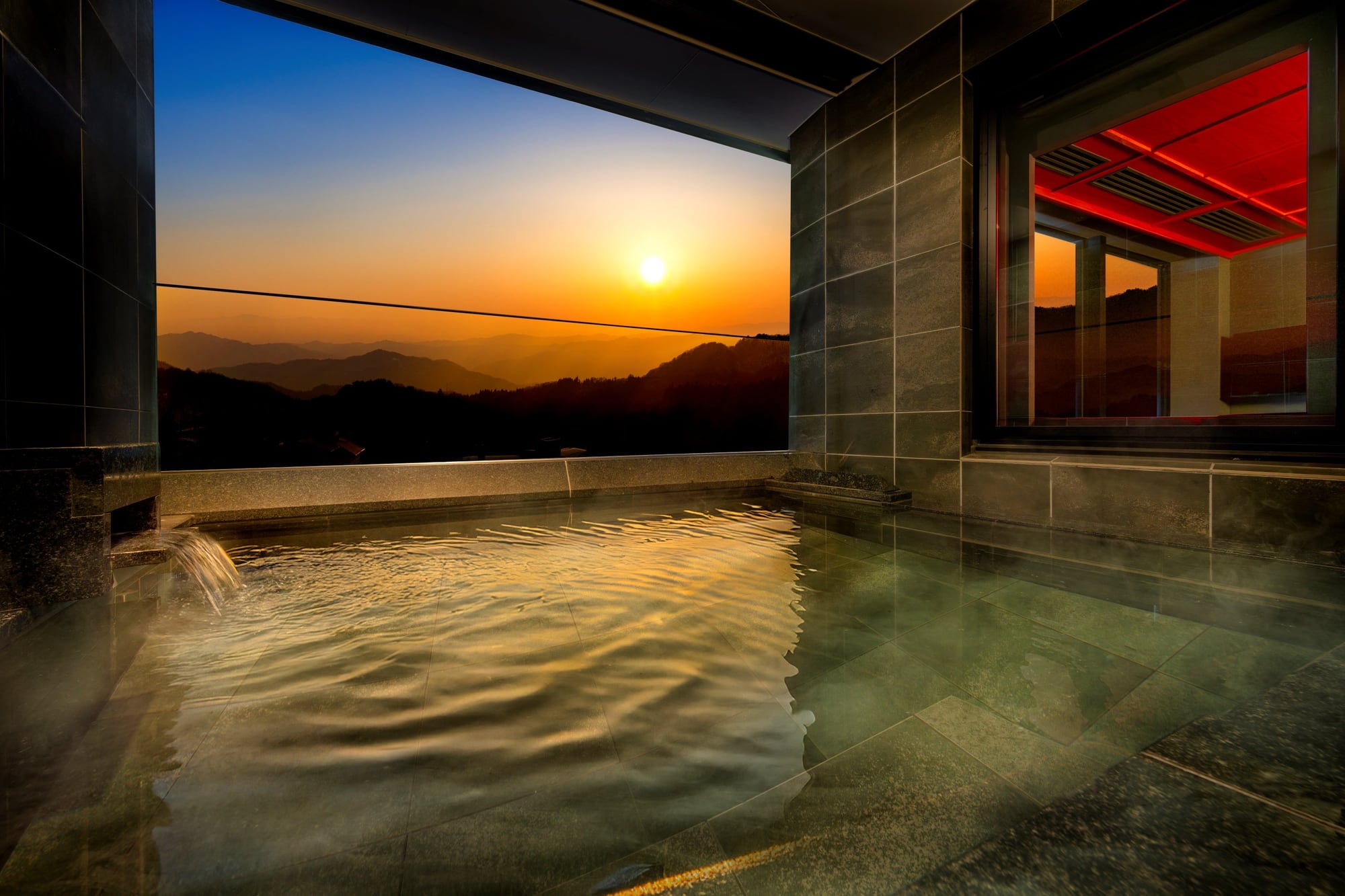
The Crimson Modern Room
Every key is a KAI Signature Room. There is no category ladder to decode: all 49 are kurenai modern no ma, the Crimson Modern Rooms, themed to Yamagata’s historic safflower (benibana) trade.
Press and the Japanese room pages name the fittings plainly: safflower-dyed washi lanterns, some inlaid with petals; Yamagata Dantsu hand-woven textiles and wall art; wood ikebana accents; and furniture commissioned from Tendo Mokko, the molded-plywood workshop in nearby Tendo. Occupancy runs one to four guests. Each room has a private outdoor bath and a panoramic window. Room square metres have not been published as a clean inventory table, so treat the window and the terrace soak as your booking criteria, and confirm bed configuration when you reserve.
This is Hoshino’s KAI onsen-ryokan line, not HOSHINOYA. Read it beside The New Generation of Luxury Ryokans and Stay at Azumi Setoda. Azumi is a merchant-house reinvention on the Inland Sea. KAI Zao is a tower built for a named spring town. The useful test is the same: do the local materials show up in the room, or only in the brochure?
The Spiral and the Water
Kamiya’s plan walks you upward. Public bathing starts with Zao’s high-acidity sulfur water across three concentrations. The architect’s project page describes that as a warming, source, and finishing sequence facing a courtyard of local Zao stone. A circular wellness loop then adds sauna, cold bath, indoor air-bath space, and lounge. At the top is the rooftop terrace: a jacuzzi shaped after Okama, the crater lake on the Yamagata and Miyagi ridge, with 360-degree views toward the Zao and Asahi ranges.
The water is why the building makes sense. Visit Yamagata and Japan Tourism Agency notes put Zao’s spring roughly in the pH 1.25 to 1.6 band, among Japan’s strongest acidic sulfurs. Remove jewelry before you soak, and keep soaks short if your skin is sensitive. The old name was Takayu; the modern Zao Onsen label dates to 1950. Three municipal baths in town still run roughly 6:00 to 22:00 for a few hundred yen if you want the village circuit as well as the hotel water. Confirm current hours with the tourism association before you walk out in a yukata.
Dinner is Benibana Sansai Kaiseki, built around safflower-merchant hospitality and mountain produce. Seatings are listed at 17:30 or 19:30. The sequence opens with houraku-mori on vermilion lacquer, moves to Gassan nabe (duck, wild plants, and five mushrooms including yamabushitake and hanabiratake, with a mokuzu crab note in the broth), and closes with safflower-and-pear panna cotta. Breakfast runs 7:00 to 9:00, with a Yamagata Japanese set and a Western option; the Western breakfast is unavailable 1 to 3 January.
Ski days sit beside the stay, not inside the dinner page. Zao Onsen Ski Resort is on the Ikon Pass network, and KAI markets the ryokan as a slope-adjacent base for powder and snow-monster weeks, with a grab-and-go breakfast box on the Ikon pages. Confirm pass tier days and ropeway light-up calendars each autumn. Midwinter juhyo peaks usually sit in January and February.
Practical Notes
- Address: 903-2 Zao Onsen, Yamagata 990-2301. Book via hoshinoresorts.com/en/hotels/kaizao; reservations +81-50-3134-8096, 9:30 to 18:00. Free parking without reservation. Confirm the booking path if you are reserving from abroad.
- Access: Tokyo Station to JR Yamagata Station about 2.5 hours on the Yamagata Shinkansen, then about 45 minutes by bus or taxi. From Yamagata-Kaminoyama IC on the Tohoku-Chuo Expressway, about 20 minutes. Yamagata Airport is about 45 minutes by taxi or rental car. Map code for navigation: 569 572 506*10.
- Hours in-house: Check-in 14:30; checkout 11:00. Wi-Fi throughout.
- Rates: Opening PR from about JPY 31,000 per person with two meals. The English availability page can show lower starting figures depending on plan. Confirm tax, service, dinner seating, and whether meals are bundled.
- Nights: Two nights if you want a full bath-and-slope rhythm. One night works as a Yamagata hinge if dinner and the first soak are locked before you leave Tokyo.
- Season: Autumn for Okama road access; the Echo Line and High Line typically close for winter, so confirm yearly gates. Winter for skiing and snow monsters. Shoulder weeks for quieter baths.
- Treat Tohoku as its own trip rather than a day add-on to a Kyoto week. You Need a Week in Kyoto remains the Kansai pacing spine; this is the mountain counterpoint after the temple grid.