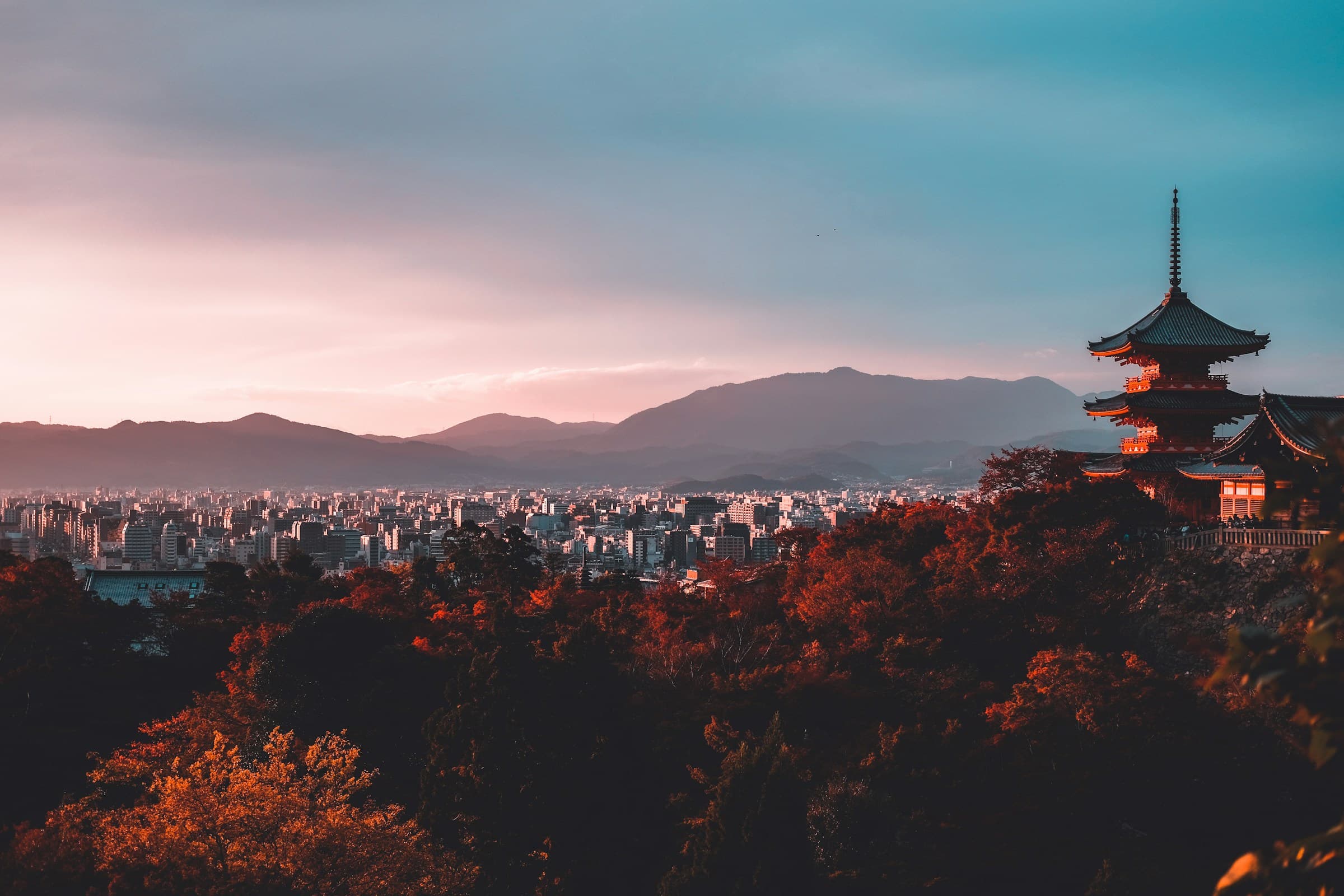
The ryokan has always occupied a singular place in the hierarchy of Japanese hospitality.
More than accommodation, it is a complete aesthetic experience: tatami floors, kaiseki dinners, onsen baths, and a level of service so attentive it becomes invisible. For centuries, the form changed slowly. The best inns preserved tradition because tradition was the product.
That is no longer the whole story. A new generation of proprietors and hotel groups is reinterpreting the ryokan for travelers who want the grammar of Japanese inn culture without sacrificing contemporary architecture, international wine lists, or the design literacy they have acquired in London, Copenhagen, and Tokyo.
"Authenticity is not preservation. It is the courage to evolve without forgetting."
The most compelling of these properties share a common philosophy: they do not explain Japan to foreigners. They assume a guest who is already curious, already respectful, and already willing to surrender to a different rhythm of life. Diaspora travelers, in particular, often arrive without the anxiety of first-time visitors. They want depth, not translation.
Amanemu: Country Inn at Aman Scale
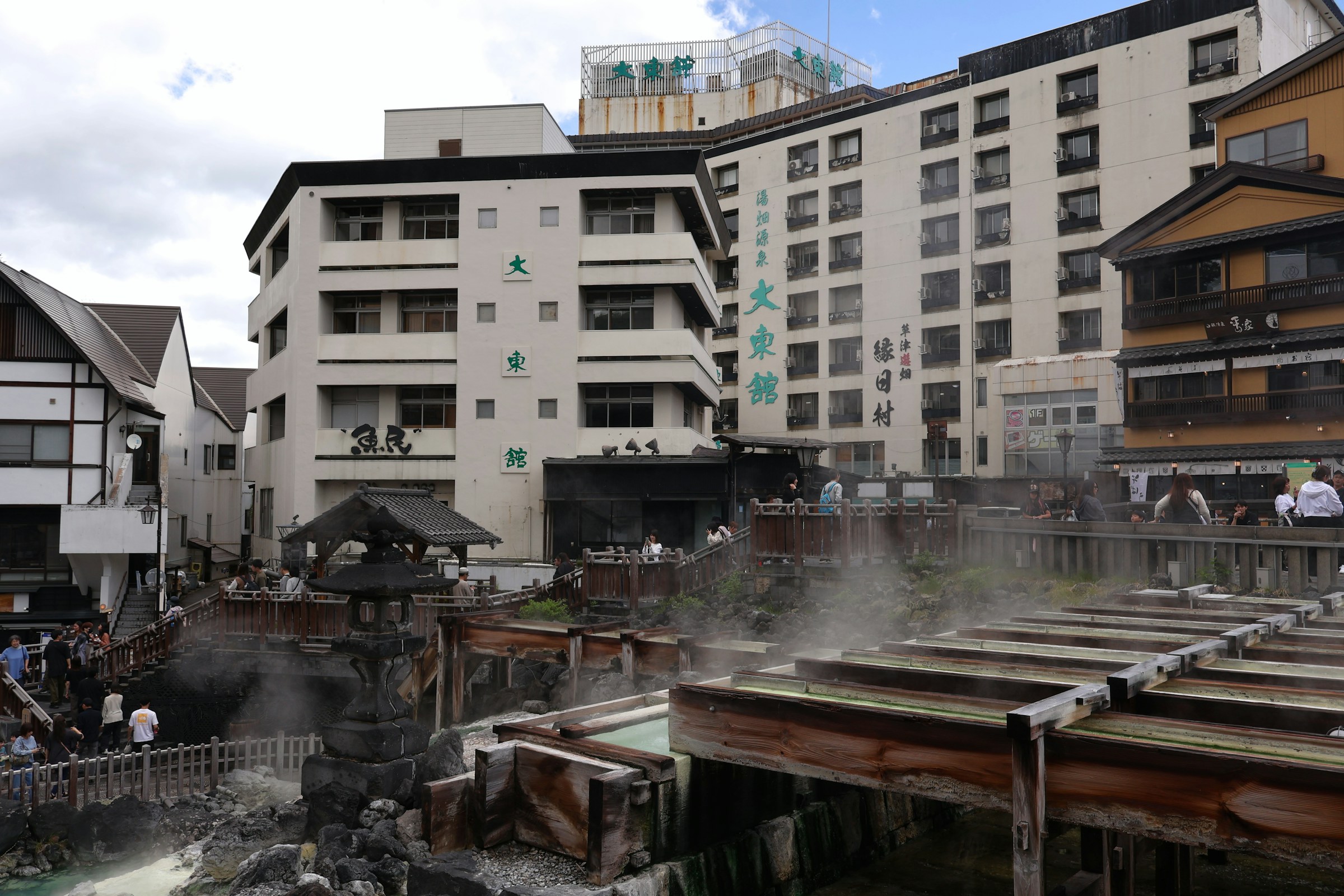
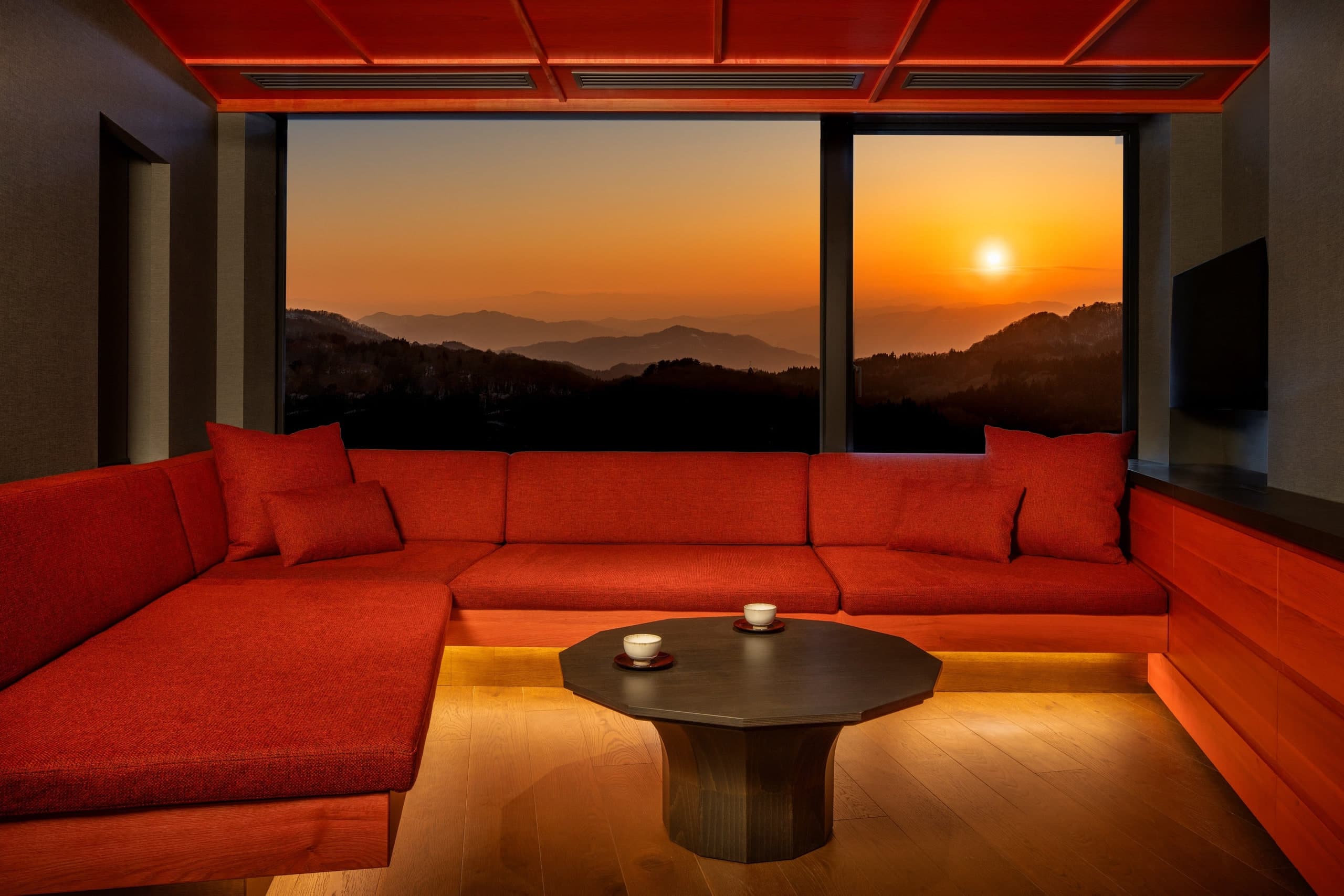
If Aman Tokyo is the brand's urban pinnacle, Amanemu in Ise-Shima National Park is its rural counterstatement. Opened in 2016 at 2165 Hazako, Hamajimacho, Shima, Mie Prefecture, the resort sits above Ago Bay on the Kii Peninsula, a landscape of pearl fisheries, sacred Shinto shrines, and the ama divers who have worked these waters for generations.
Kerry Hill's architecture draws on minka farmhouse forms while delivering the scale Aman demands: 24 suites and several villas, each with a private onsen bath fed by the region's thermal springs. The 2,000-square-metre spa is the property's spiritual center, combining four treatment rooms with a traditional onsen experience reinterpreted for international guests who may never have bathed in a communal bath before.
Dining follows the kaiseki rhythm of season and locality, with ingredients sourced from the surrounding farms and fisheries. This is not a city hotel with a spa attached. It is a destination that requires you to slow down, to accept that two nights is a minimum rather than a suggestion.
Day trips to Ise Jingu, Japan's most sacred Shinto shrine complex, justify the location for travelers who want culture with their onsen. The property arranges transport; plan half a day for the shrine forests alone.
Azumi Setoda: Ryokan Reimagined on the Seto Inland Sea
Azumi represents something different: a brand conceived by Adrian Zecha, founder of Aman, in partnership with Naru Developments, to reinterpret the ryokan for a generation that values community integration as much as thread count.
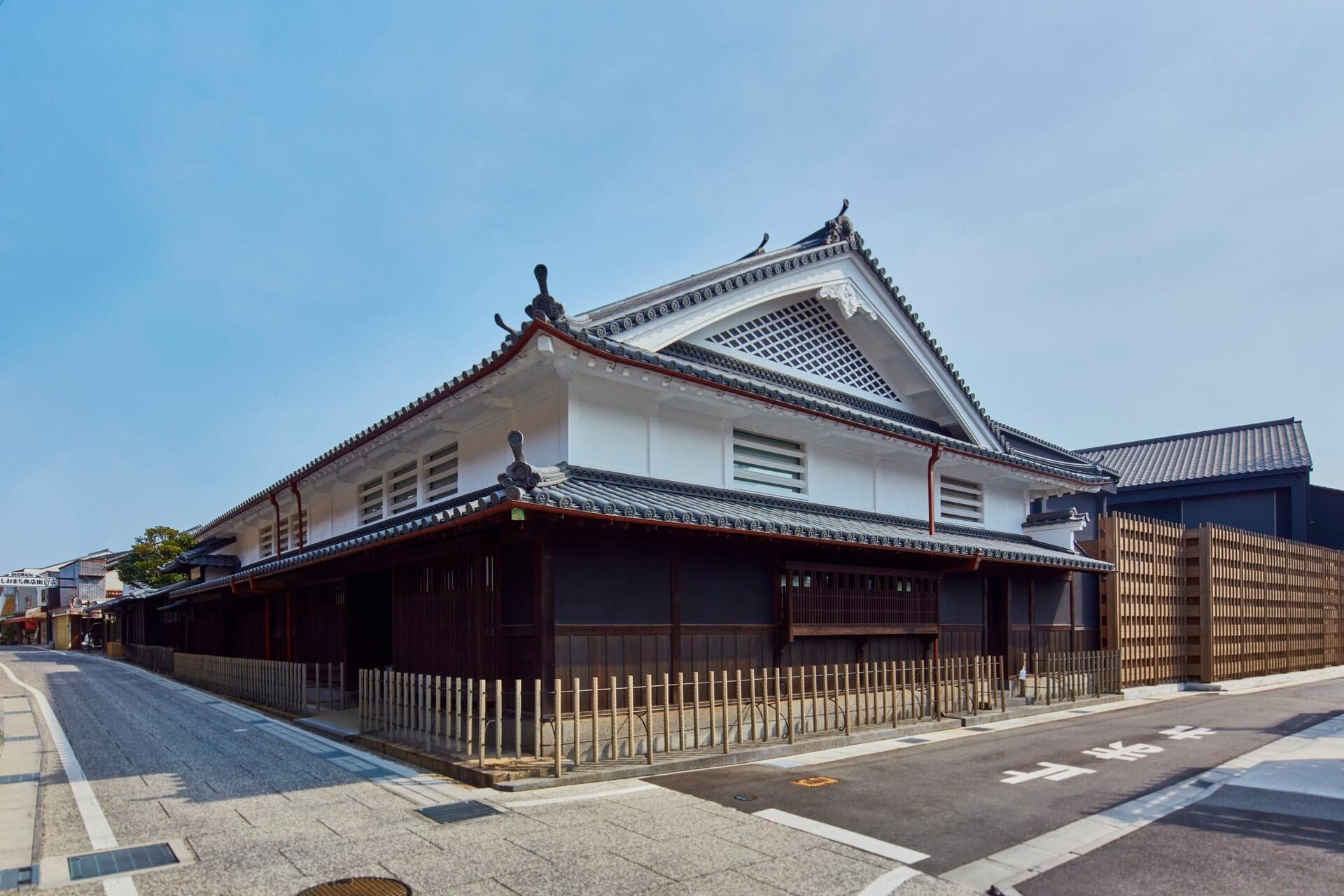
Azumi Setoda opened in March 2021 at 269 Setoda, Setoda-cho, Onomichi, Hiroshima Prefecture, on Ikuchijima island in the Seto Inland Sea. The main property occupies a restored 140-year-old merchant estate, with 22 guest rooms of roughly 50 to 70 square meters designed by architect Shiro Miura. A separate bathhouse annex, yubune, adds 14 compact rooms for travelers who want the onsen experience at a lower entry point.
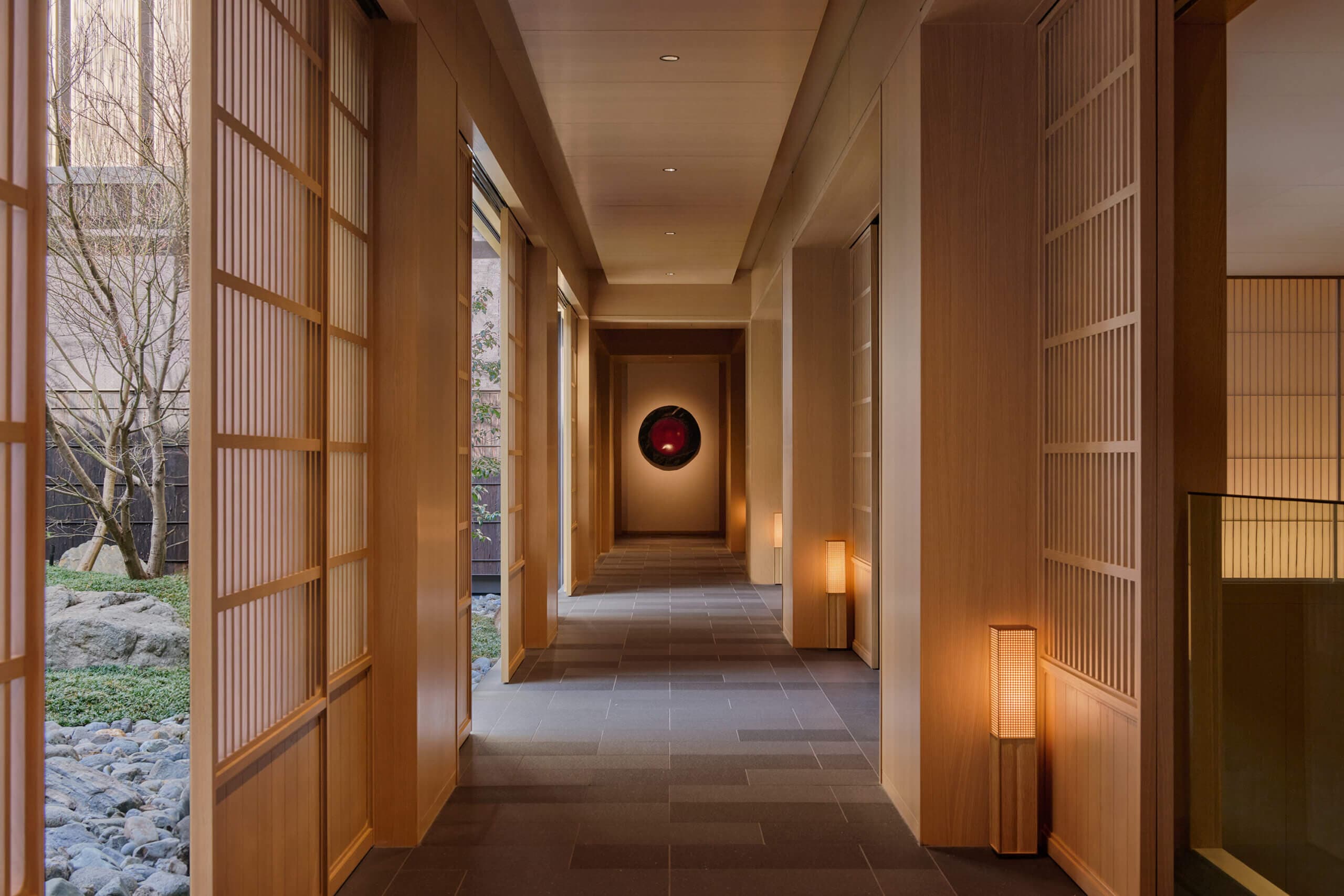
The design language is unmistakably Japanese and unmistakably contemporary: hinoki cypress soaking tubs, light wood, paper screens, and private garden views. But Azumi's ambition extends beyond the property line. The brand name references an ancient seafaring people, and the Setoda opening was explicitly framed as a catalyst for revitalizing a depopulating island community.
For the traveler who has done Kyoto and Tokyo and wants to understand rural Japan without sacrificing design standards, Azumi Setoda is the answer that did not exist a decade ago. Read Stay at Azumi Setoda for room types, ferry timing, and how to use yubune and the island day.
Pair with cycling on the Shimanami Kaido or a ferry to Naoshima's art islands. The Seto Inland Sea rewards slow movement: one island per day, not three.
HOSHINOYA and the Urban-Rural Spectrum
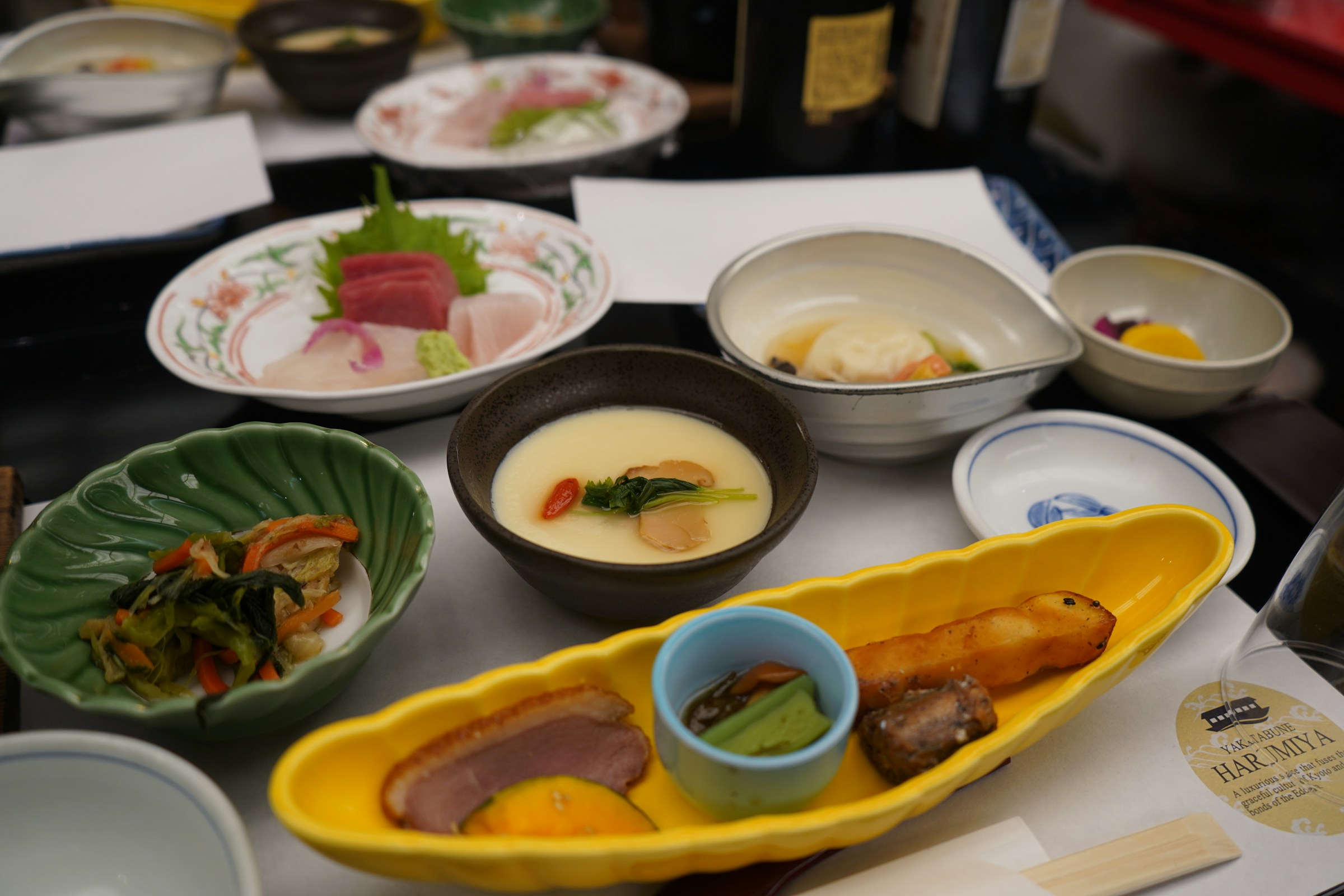
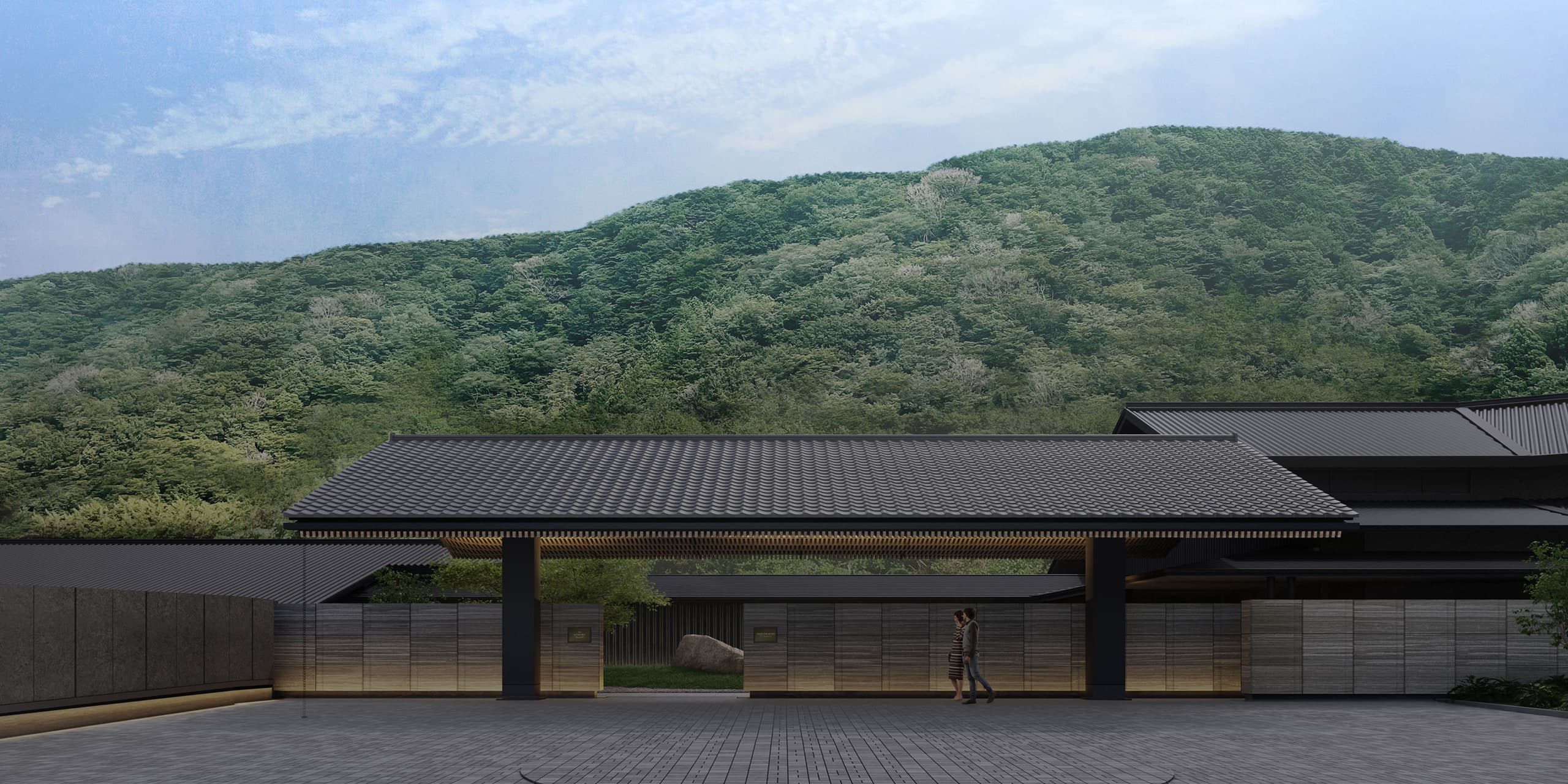
HOSHINOYA Kyoto, reached by boat up the Oi River in Arashiyama, and HOSHINOYA Tokyo, a glass cocoon suspended twenty stories above Otemachi, demonstrate that the Hoshino Resorts formula can adapt to both extremes. Kyoto's 25 rooms, restored by architect Rie Azuma and recognized with a MICHELIN One Key in 2025, preserve the river-view ryokan ideal. Tokyo's urban interpretation trades garden silence for skyline drama while maintaining the same service philosophy.
Together with Amanemu and Azumi, these properties map a spectrum: urban tower, riverside retreat, national park resort, and island community anchor. What unites them is not price point or star rating but intention. Each assumes you are traveling to be changed, not merely accommodated.
HOSHINOYA Fuji, though a glamping concept rather than classic ryokan, extends the brand's willingness to reinterpret form while preserving ritual: communal dining, onsen timing, and staff choreography that feels inn-like despite canvas roofs.
Gora Kadan and the Hakone Tradition
Not every new-generation ryokan is newly built. Gora Kadan in Hakone, originally a retreat for the Imperial family, combines historical weight with contemporary comfort. Its tatami suites, open-air baths, and kaiseki program remain benchmarks for travelers who want classic ryokan grammar within two hours of Tokyo.
Hakone's appeal is accessibility. For diaspora travelers with limited time in Japan, Gora Kadan delivers ryokan ritual without domestic flights. Book midweek when Tokyo weekenders thin.
Etiquette Without Anxiety
The new luxury ryokans reduce friction for international guests without eliminating etiquette entirely. Staff explain onsen protocol discreetly. Kaiseki timing is confirmed at check-in. Footwear rules are signposted rather than assumed.
Guests still remove shoes at the correct threshold. They still arrive at dinner on time. They still treat communal baths with quiet respect. The difference is instruction delivered with hospitality rather than embarrassment.
For diaspora travelers who understand the broad strokes but not every detail, this tone matters. It welcomes return visits.
Wine lists at properties like Amanemu and HOSHINOYA Kyoto now include Burgundy and New World selections alongside sake pairings, a concession to international palates that does not diminish the kaiseki itself. Sommeliers at these inns understand that the meal's architecture is Japanese even when the glass contains something from Beaune.
How to Choose
Choose Amanemu if you want thermal bathing, bay views, and the full Aman service apparatus in a rural setting. Plan three nights minimum and arrange transport from Chubu Centrair International Airport in advance.
Choose Azumi Setoda if you want design-forward ryokan culture with a community story and access to the Seto Inland Sea art islands. Pair with a few days in Onomichi or Naoshima.
Choose HOSHINOYA Kyoto if you want the classic ryokan ritual (kaiseki, onsen, tatami) with contemporary architecture and a location that removes you from the Arashiyama crowds. Book six to twelve months ahead for peak seasons.
Choose HOSHINOYA Tokyo if you want ryokan hospitality in the capital without leaving the city, ideal as a bookend to a longer Japan itinerary.
Choose Gora Kadan if time is limited and you want Hakone's onsen culture with imperial-era pedigree.
Two nights is the practical minimum at any of these properties. Three or four allows the sequence of bath, rest, meal, and sleep to feel natural rather than compressed. The ryokan is not a place to arrive late and leave early.
Pack lightly. Yukata provided in room replaces evening wear. Large suitcases inconvenience tatami corridors. A soft bag respects both architecture and the staff who handle luggage daily.
Seasons and Packing
Ryokan luxury is seasonal. Autumn kaiseki features matsutake and persimmon. Winter baths steam against cold air. Spring rooms open toward cherry blossoms where planting allows. Summer favors coastal properties like Amanemu over humid inland cities.
Pack lightly. Yukata, provided in room, replaces evening wear. Large suitcases inconvenience tatami corridors. A soft bag or overnight duffel respects the architecture and the staff who handle luggage.
Access shapes the experience as much as the property. Amanemu requires a transfer from Chubu Centrair International Airport, roughly ninety minutes by car. Azumi Setoda sits on Ikuchijima island, reached by ferry from Onomichi. HOSHINOYA Kyoto is the most accessible of the four, a short taxi from Kyoto Station followed by the boat transfer from the dock near Togetsukyo Bridge.
Book peak seasons six to twelve months ahead for HOSHINOYA Kyoto and Amanemu. Cherry blossom and autumn foliage compress availability across all four properties. Shoulder seasons in May and October offer excellent weather with slightly easier booking.
International guests sometimes hesitate at the threshold of communal bathing or tatami etiquette. The new generation responds with discreet orientation, English-speaking nakai attendants, and private baths where architecture allows. The expectation remains: arrive curious, and let the house set the evening's rhythm.
These properties assume you have already chosen Japan deliberately. They reward that choice with a pace that hotels, for all their comfort, cannot replicate.
The new generation of luxury ryokans does not ask you to choose between tradition and modernity. It asks only that you arrive willing to let the inn set the pace. That surrender, more than any single amenity, is what separates ryokan travel from hotel travel. The best properties simply make surrender feel like relief, and that feeling, once known, is difficult to forget.
Continue Reading
See The Art of Slow Travel in Kyoto, What Park Hyatt Kyoto Teaches About Arrival, and Lunch at Kikunoi Honten.