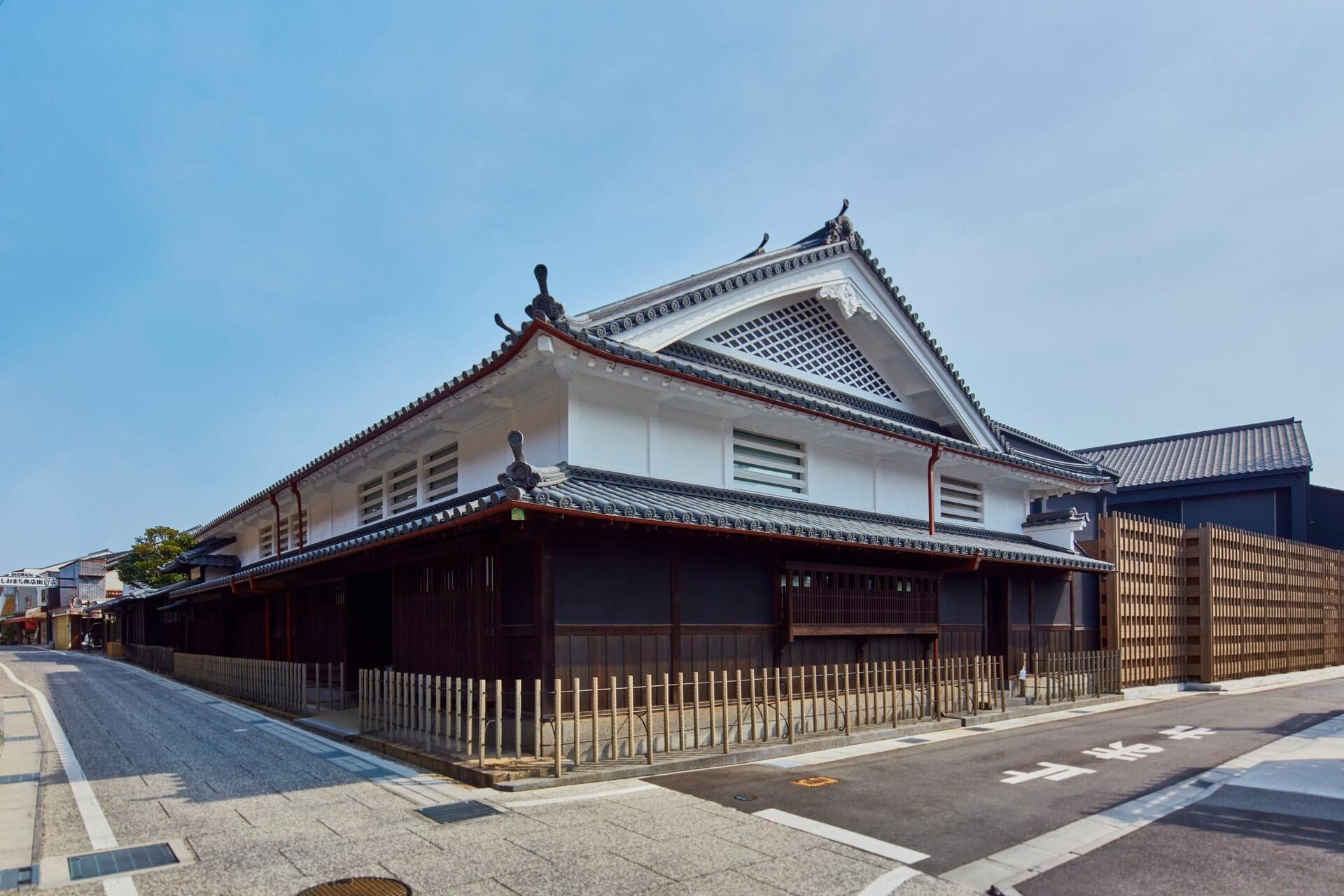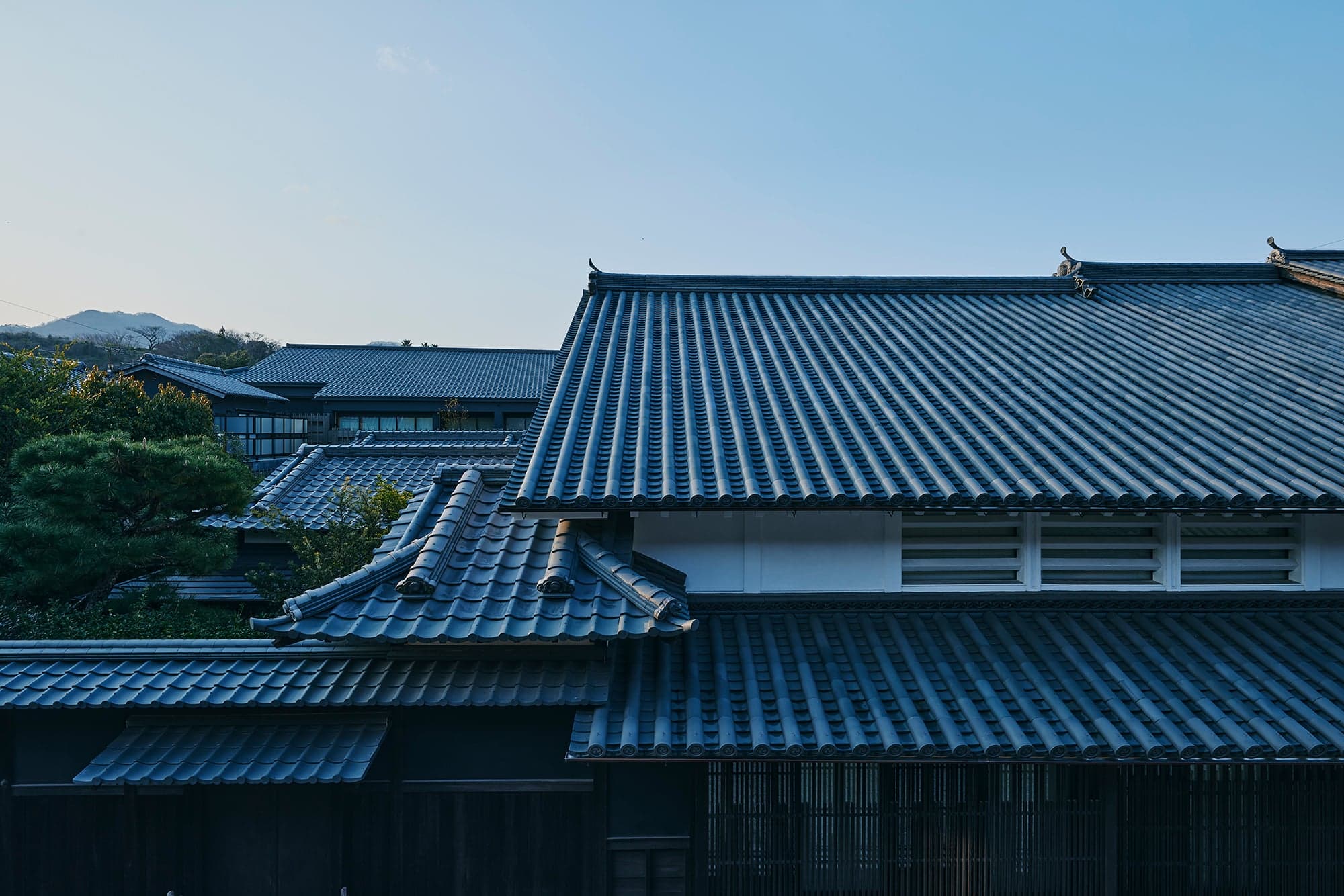
The useful question after Kyoto and Tokyo is where the ryokan idea still feels like travel rather than a polished tower product. Azumi Setoda answers it on Ikuchijima, the lemon island midway along the Shimanami Kaido, roughly a forty-minute ferry from Onomichi station pier. You step off at Setoda Port, walk a few minutes into Shiomachi Shotengai, and arrive at 269 Setoda: the restored 1876 estate of the Horiuchi family, salt and shipping merchants who once sat on the kitamaebune coastal trade.
The brand is Adrian Zecha’s post-Aman wager with Kyoto’s Naru Developments: update the ryokan without abandoning the house. Azumi Setoda opened 1 March 2021 with 22 rooms. The name nods to the Azumi, an early seafaring people associated with Japan’s coastal routes; the Setoda site is the practical expression of that idea. The MICHELIN Guide later awarded the property One Key, the “very special stay” tier. Confirm current Key status and rates on the Michelin and Azumi pages before you lock ferries; both move.
“At Azumi, our highest priority is to welcome people wholeheartedly so that they feel at home, no matter the location.” Adrian Zecha, on launching the Azumi brand (Hotel Online, December 2020)
The Merchant House
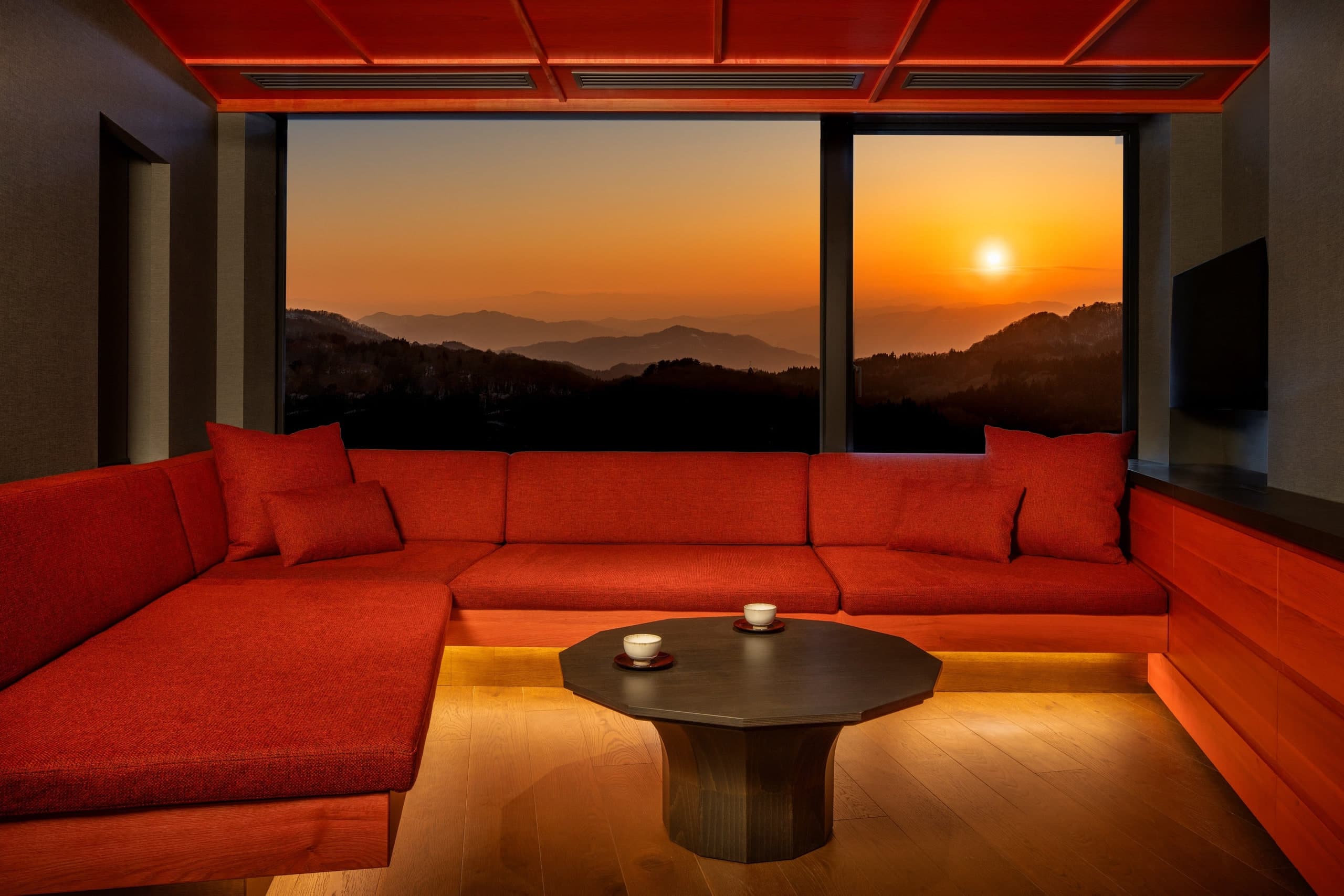
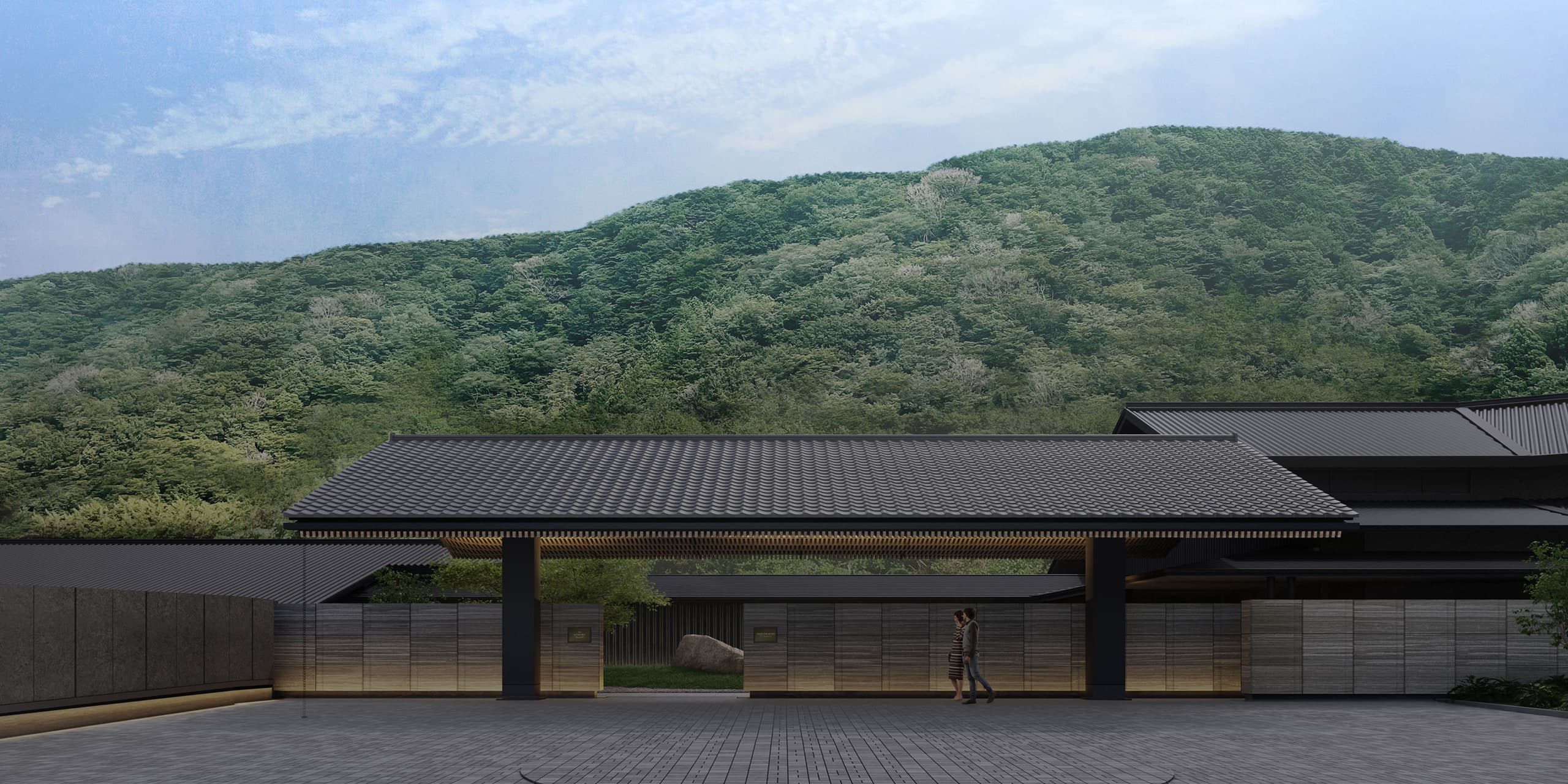
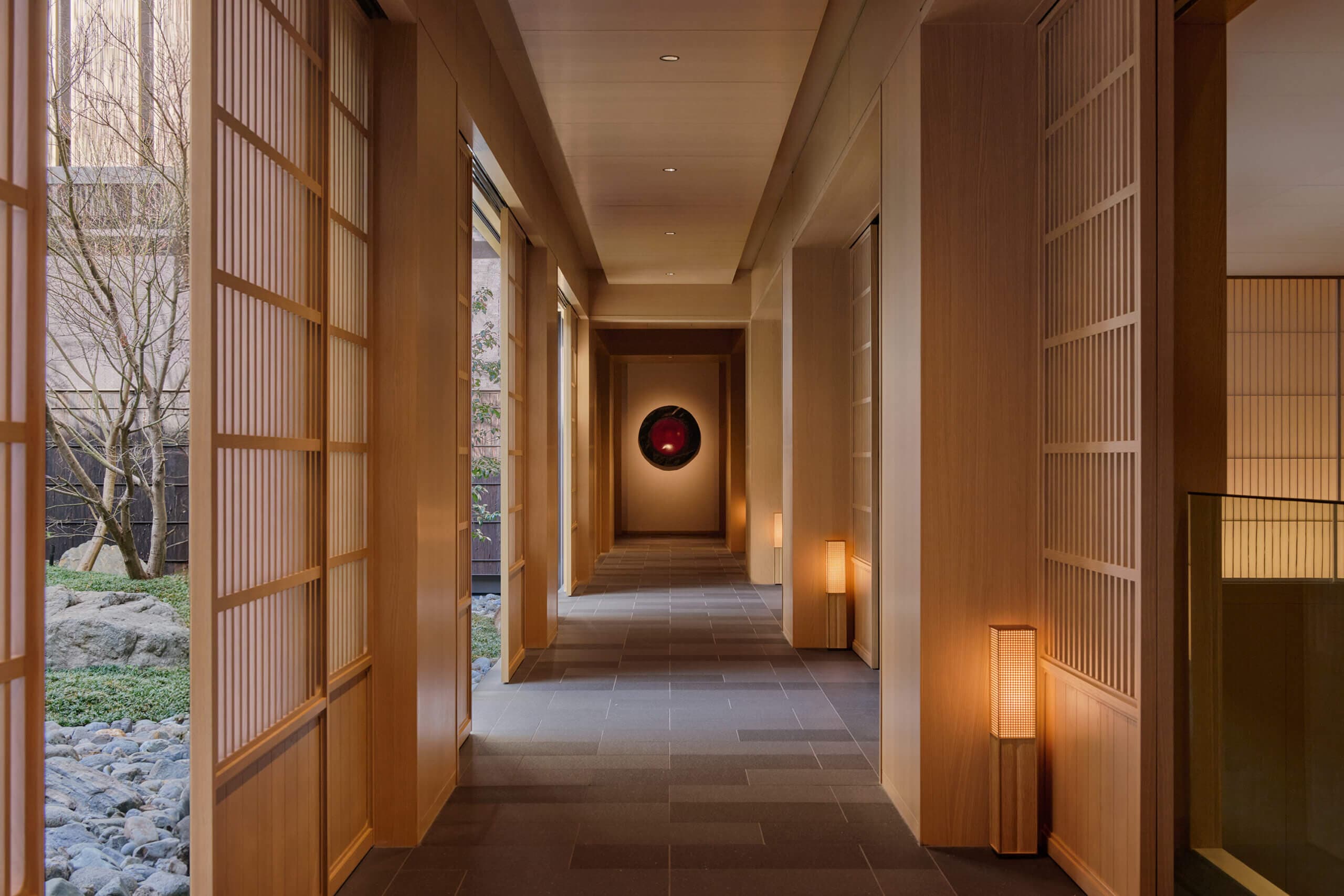
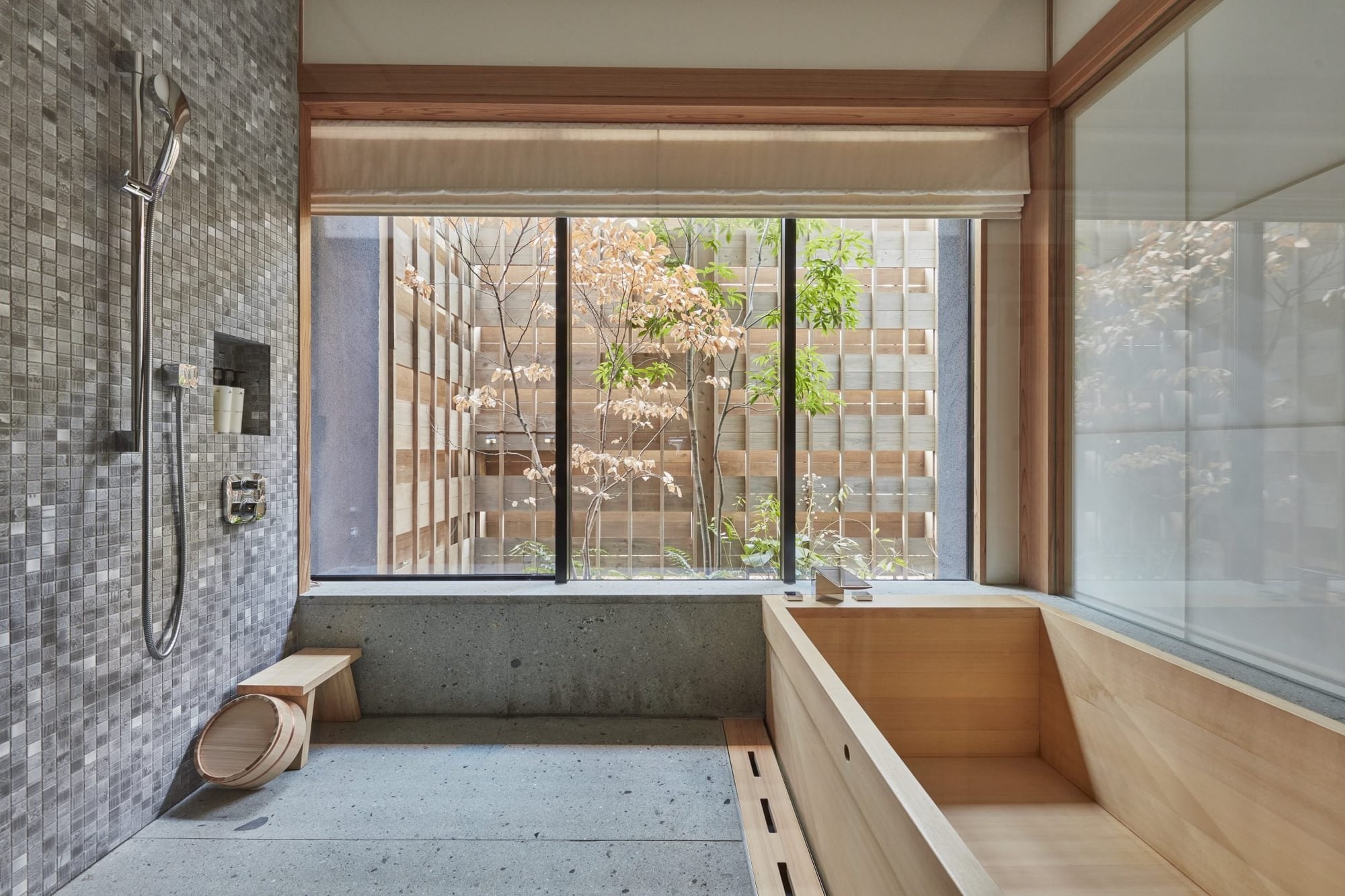
Kyoto architect Shiro Miura, trained in sukiya-zukuri, kept the estate’s grain: cedar, cypress, washi, granite, and a courtyard framed by tall kakine-inspired fences. Landscape work is by WA-SO. The guest pavilion wraps that courtyard in four room types. Ground-floor Niwa and upper Suzumi rooms run about 50 square metres (nine of each). Maisonette Niwa-suzumi and Sora-suzumi rooms reach about 70 square metres (two of each), with tatami upstairs, horigotatsu seating, and a daybed balcony on the loft.
Every room has a deep hinoki tub. Niwa opens to a private stone garden; Suzumi puts the bath beside a balcony breeze. Ask for twin beds joined as a king if you want one bed. Furniture sits low enough that the courtyard, not the television, becomes the room’s horizon. Check-in runs from 16:00; checkout by noon. Shared parking for Azumi and yubune holds 18 cars free of charge.
Across the street, yubune is the sento annex Miura also designed: seasonal baths, jet bath, cold plunge, and sauna roughly 7:00 to 22:00, with a yuagari lounge and library open later. Azumi guests use it without an extra fee. Locals use it too, which is the point of the annex; you are sharing island infrastructure, not a hotel spa wing. The bathhouse also sells 14 compact rooms for cyclists and lighter budgets; treat that as a different product, not a downgrade of the main house.
How to Use the Island
Dinner is the second reason to stay. Head chef Kenya Akita, who joined in 2022 after leading Nœud.TOKYO to its Michelin star and Green Star chapter in Tokyo, cooks a seasonal Setouchi course with French technique and a 50-kilometre sourcing radius when the farms allow. Antique Horiuchi tableware still appears on the table. Third-party menus have listed the evening course near JPY 19,965 and breakfast near JPY 4,235 when meals are not bundled; confirm inclusions, wine pairings, and closed nights (recent dining listings have shown Tuesday and Wednesday closures) when you book.
Daylight belongs outside. Walk Kosanji Temple (founded 1936) and the Hill of Hope, the Carrara marble garden opened October 2000. Pair it with the Ikuo Hirayama Museum if you want the island’s painter in the same afternoon. Rent a bike for the coastal stretch toward Sunset Beach and the Tatara Bridge, or treat Setoda as a midpoint overnight on a longer Shimanami ride. Near the port, Overview Coffee’s Setoda roastery inside SOIL Setoda is the practical caffeine stop; hours shift, so check before you plan around it.
Naoshima and the art islands sit in the same Inland Sea imagination, but they make a poor same-day add-on from Setoda. Build a separate ferry day via Uno or Takamatsu rather than forcing both into one night.
Practical Notes
- Address: 269 Setoda, Setoda-cho, Onomichi, Hiroshima 722-2411. Book via azumi.co/setoda; tel +81 845-23-7911.
- Access: From Hiroshima Airport, about 60 minutes by car, or taxi to Mihara Port (about 25 min) plus fast ferry (about 25 min). From Onomichi, fast ferry to Setoda Port roughly 35 to 40 minutes; hotel is a short walk from the pier. Confirm current Setouchi Cruising times; last boats matter if you are day-tripping.
- Rates: Opening press put breakfast-inclusive stays from about JPY 65,000; recent trade and OTA quotes often run higher by season and meal plan. Confirm tax, service, and city tax at booking.
- Nights: Two nights minimum if you want a full soak-and-cycle rhythm; one night works as a Shimanami hinge if ferry and dinner are locked first.
- Dress and pace: Room wear and haori are provided for dinner; pack a soft bag rather than a hard case for the ferry-and-shotengai approach. Leave one morning empty for a second yubune soak before checkout.
- Pair with The New Generation of Luxury Ryokans for how Azumi sits beside Amanemu and Kyoto inns, and You Need a Week in Kyoto if this stop follows a temple week rather than replacing it.