Anniversary press loves cake metaphors. Skip those.
Asia Society turns seventy in 2026, and the useful object of the year is already on the wall at 725 Park Avenue: Buddha and Shiva, Lotus and Dragon: Celebrating 70 Years of Asia Society and the Rockefeller Legacy, on view 18 March 2026 through 3 January 2027. Seventy works from the permanent collection. Bronzes, ceramics, metalwork. The Mr. and Mrs. John D. Rockefeller 3rd Collection, assembled for public understanding rather than private display, back in force at its home museum.
For diaspora readers who treat New York as a second or third city, this is patronage infrastructure you can walk into on a Wednesday afternoon. Not a gala invitation. Not a policy panel you will miss. A museum visit with a deadline: mid-winter 2027, then the hang changes.
"Those of us who had a hand in establishing Asia Society shared a basic intent: to contribute to a broader and deeper understanding between the peoples of the United States and Asia."
John D. Rockefeller 3rd, New York, 1967
The founding sentence still describes the building. The anniversary exhibition is how you test whether the sentence still feels true when you stand in front of a Chola bronze.
Why Park Avenue Still Matters
John D. Rockefeller 3rd founded Asia Society in New York on 28 June 1956, after decades of travel in Asia and a conviction that Americans understood the region poorly. Culture, education, and policy were the tools. Art was never decoration on the side. It was the bridge he trusted most.
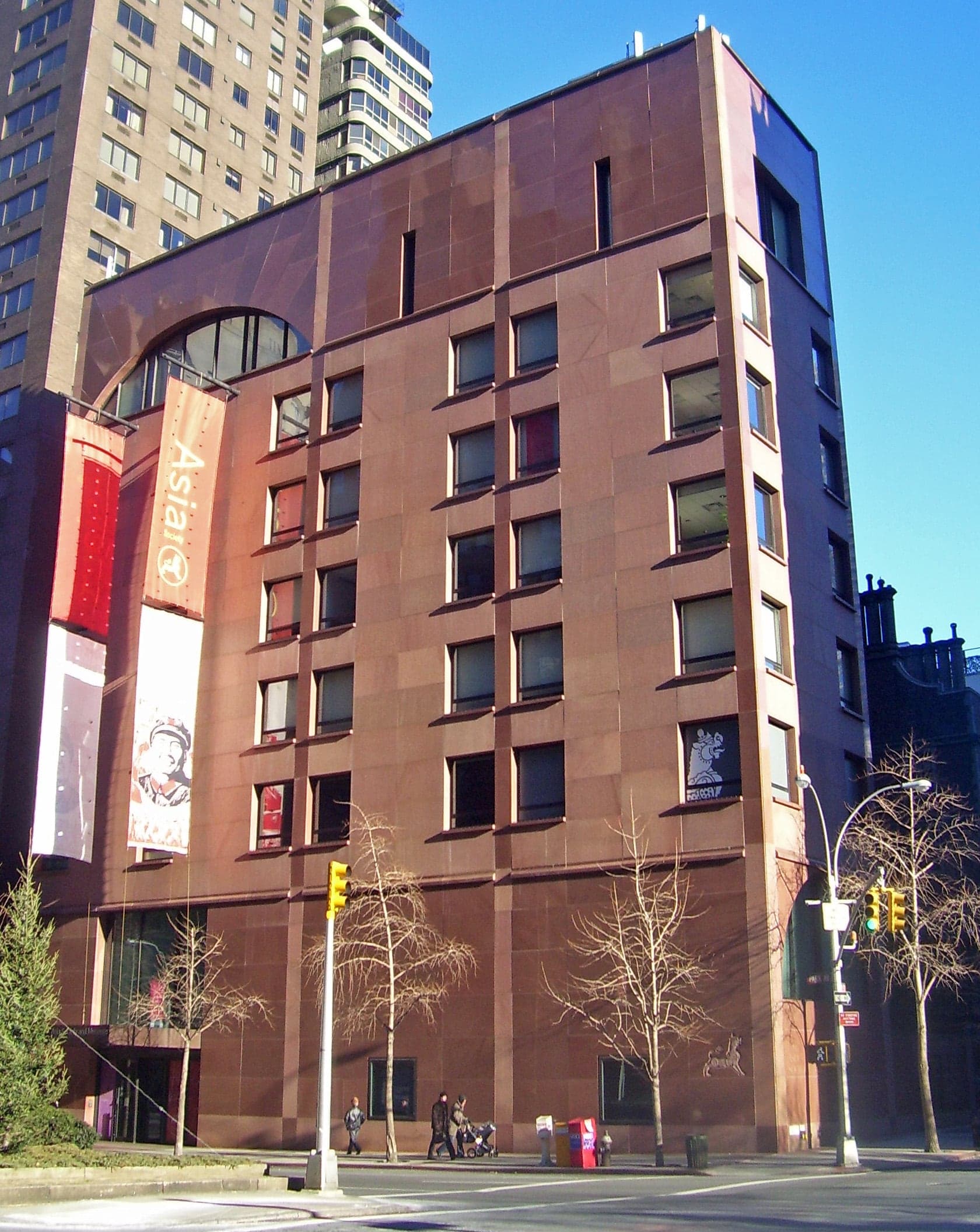
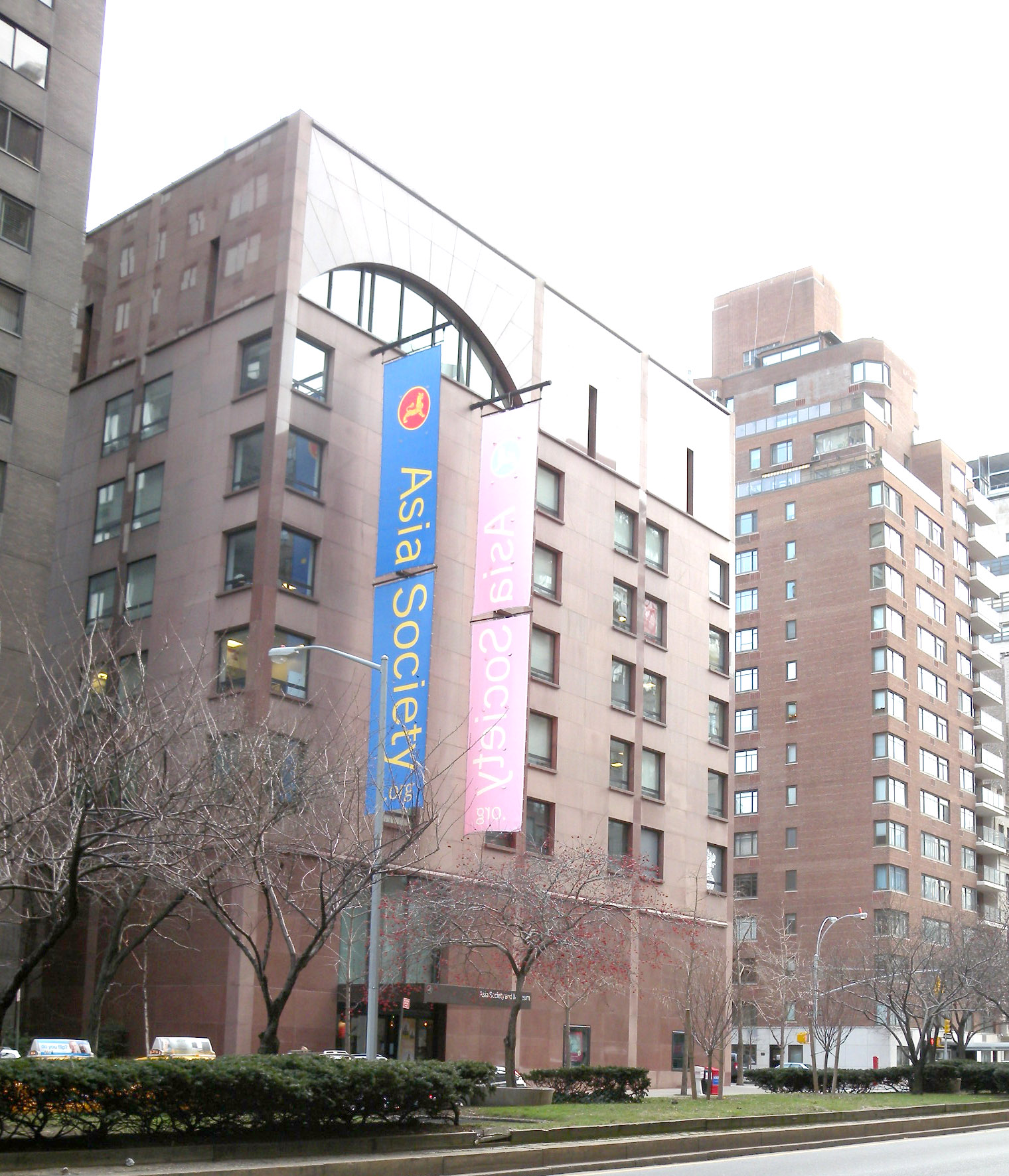
The headquarters you visit now opened in April 1981, designed by Edward Larrabee Barnes: eight stories of red Oklahoma granite at Park Avenue and East 70th Street, set back on the side street to respect the townhouses. Blanchette Hooker Rockefeller broke ground in June 1979. A later glass garden court by Voorsanger Architects softens the interior without undoing the avenue facade. Paul Goldberger, writing in The New York Times at the dedication, called the design civilized. That word still fits when you arrive from the 6 train at 68th Street–Hunter College and walk two blocks north.
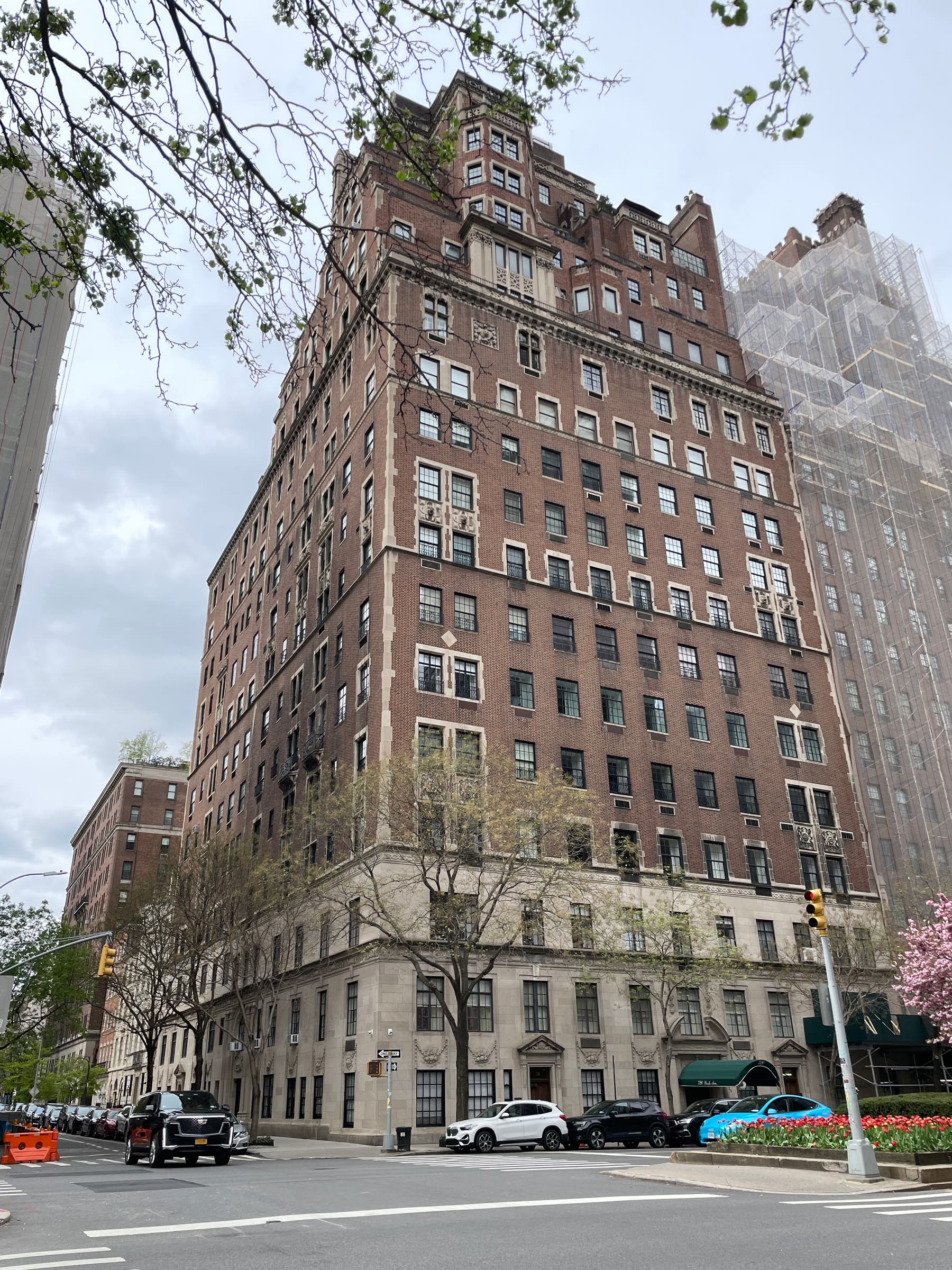
Park Avenue carries weight. It places Asian art and Asian affairs in the same civic register as the rest of the Upper East Side museum mile. For families who grew up translating between continents, that placement is practical. You can do Asia Society before lunch, the Met after, and a Midtown Korean counter at night without inventing a special itinerary category.
The Collection as Infrastructure
The Rockefellers built the holdings largely between 1963 and 1978, with Sherman E. Lee, then director of the Cleveland Museum of Art, as adviser. They favored three-dimensional works that, in the Society's own language, "stirred and lifted" them: sculpture, ceramics, metalwork across South, Southeast, and East Asia. Nearly three hundred objects entered Asia Society with the 1979 bequest after JDR 3rd's death. Small by encyclopedic-museum standards. High on quality by design.
Named anchors still do the teaching. A Chola-period Shiva as Lord of the Dance (Shiva Nataraja), about 970, copper alloy (1979.20). A Gupta-period sandstone Buddha from the Sarnath area, about 475 (1979.5). Korean Joseon porcelain, Chinese ceramics, Japanese works: the point was never a complete survey. It was masterpieces that could carry cross-cultural conversation in a single room.
Blanchette was not a footnote. She studied at Columbia's East Asian Institute in the mid-1950s, served on the Gallery (later Museum) Advisory Committee from 1959 to 1991, and twice led the Museum of Modern Art as president. The 70th-anniversary hang includes a Visitors Center focus on her gifts and a companion display, A Legacy Continued, with recent acquisitions from daughters Hope Aldrich and Sandra Ferry Rockefeller. Patronage here reads as a family practice that kept placing objects in public trust.
Read How the Sigg Collection Built M+ for a later, contemporary parallel: private archive becomes civic argument. The Rockefeller model is earlier and more classical. The structure rhymes. Gift first. Building second. Public access as the point of the money.
Provenance discipline matters too. In 2021, Asia Society returned a separate twelfth-century Chola Nataraja (1979.029) to India after research showed improper removal. Keep the accession numbers straight when you read headlines. The ~970 bronze that remains a collection highlight is a different object.
What the Anniversary Hang Actually Offers
Buddha and Shiva, Lotus and Dragon presents seventy of the finest works from the permanent collection. The title is thematic, not cute: Buddhist and Hindu sculpture, ceramics and metalwork shaped by faith and trade across more than two millennia. Adriana Proser, chief curator at the Walters Art Museum and former John H. Foster Senior Curator at Asia Society Museum, shaped the project; Xiaohan Du, John H. Foster Assistant Curator of Pre-Modern Asian Art, carries the in-house voice.
"Anniversaries provide the opportunity for reflection and retrospection, and an opportunity to share how much our history informs our present work."
Xiaohan Du, John H. Foster Assistant Curator of Pre-Modern Asian Art, Asia Society Museum
Concurrent rooms matter. Busy, Busy Towns puts contemporary moving-image work on urban Asia (China, Indonesia, Taiwan among the frames) beside the classical hang, so the visit does not freeze in the 1970s. Asia Week New York in March 2026 used the opening as a calendar spike; the show's real value is the long run into January 2027. You do not need fair-week tickets. You need a free Friday or a quiet weekday.
Practical notes, verified against the Society's plan-your-visit page: museum open Wednesday through Sunday, 11:00 a.m. to 5:00 p.m.; general admission about $15 adults, $10 students and seniors; free for ages 16 and under; free admission on Fridays. Confirm holiday closures and current pricing before you go. AsiaStore and Leo Café share the building when open. For collectors already planning Hong Kong's March fair week, see Why Art Basel Hong Kong Owns March; Park Avenue is the New York counterpart when you want depth without booths.
Network, Leadership, and What Diaspora Patrons Can Learn
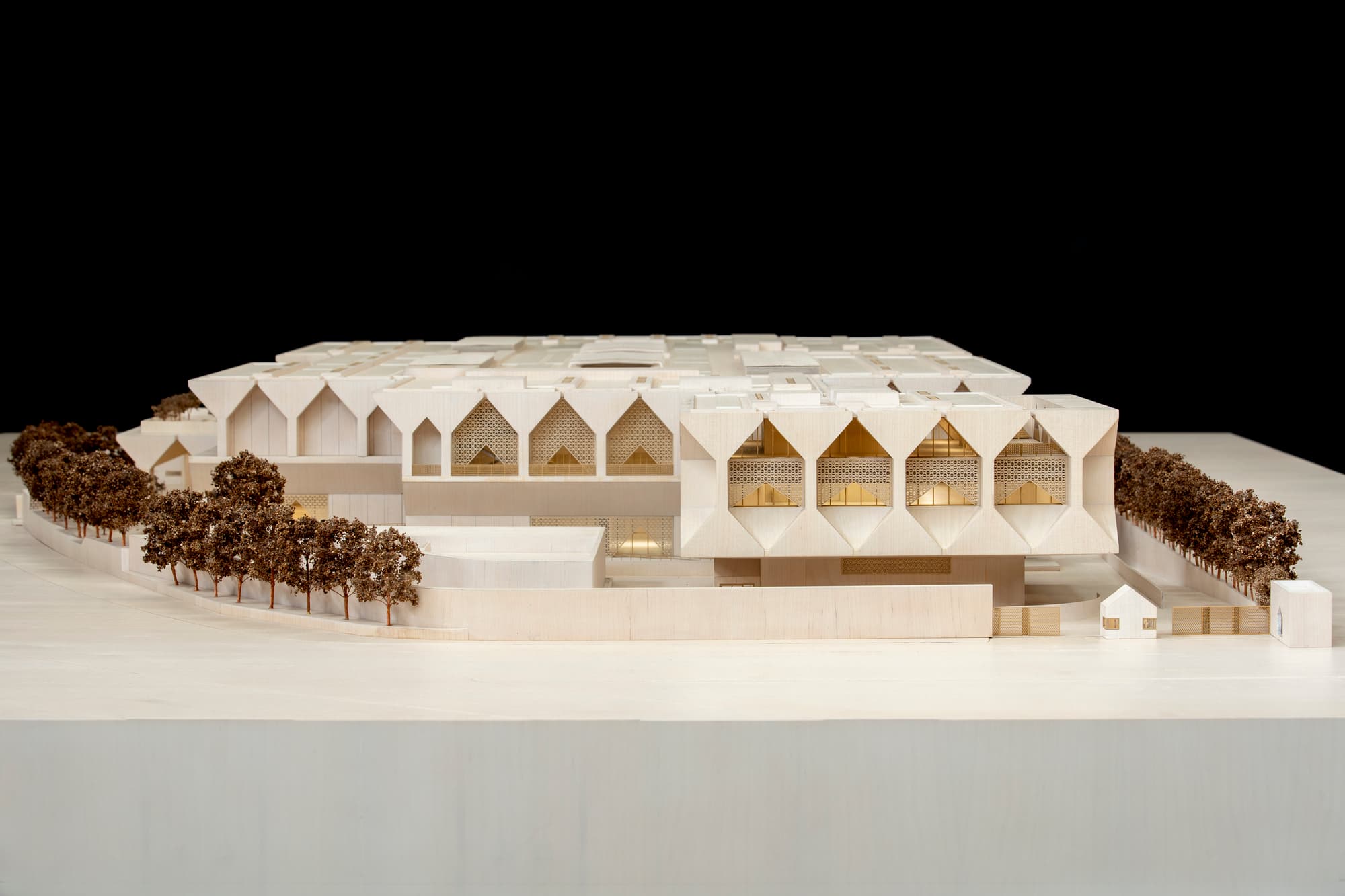
Asia Society is no longer only Manhattan. Hong Kong's center, founded 1990 as the first outside the United States, has occupied the Former Explosives Magazine campus in Admiralty since 2012, adapted by Tod Williams Billie Tsien Architects. Houston holds a major cultural building. Offices and programs stretch across Delhi, Los Angeles, Paris, Seoul, Tokyo, Washington, and more. The Park Avenue museum remains the collection's home address. When you say "Asia Society" in a New York dinner conversation, you still mean 725.
Leadership has been in motion, which is useful context rather than gossip. Kyung-wha Kang, former foreign minister of South Korea, served as president and CEO from April 2024 until October 2025, when she became Seoul's ambassador to the United States. Kevin Rudd, who previously led the Society (2021–2023) and built the Asia Society Policy Institute's Center for China Analysis, returns as president and CEO on 31 March 2026, per the Board's 12 January 2026 announcement. Co-chairs John L. Thornton and Chan Heng Chee frame the continuity. Policy and art share one roof. The anniversary galleries keep the art side legible while the executive floor turns over.
What should diaspora patrons take from seventy years on Park Avenue?
Place objects where the public can reach them. The Rockefeller bequest still teaches better than any dinner speech about "giving back."
Build for decades, not seasons. Sherman Lee's advice and a fifteen-year collecting sprint produced a museum spine that still holds.
Accept that addresses signal seriousness. An Upper East Side granite block tells American institutions that Asian art belongs in the permanent museum mile. Hong Kong's heritage campus tells Asia the same thing in reverse.
Visit before the anniversary hang comes down. Buddha and Shiva, Lotus and Dragon ends 3 January 2027. Put it on the calendar the way you put Art Basel Hong Kong or a Palace Museum morning: a fixed cultural appointment, not a maybe.
For the wider map of who funds Asian culture now, read Who Really Pays for the Culture and The Collectors Shaping Contemporary Asian Art. Then go to Park and 70th. Stand with the bronzes. Let the birthday copy stay in the press release.
This is the New York chapter of The Ambassadors: the diaspora desk that closes the map from Hong Kong boards to Park Avenue.
Continue Reading
See How the Sigg Collection Built M+, Who Really Pays for the Culture, and Why Art Basel Hong Kong Owns March.