Scholars are in Gartner Auditorium at the Cleveland Museum of Art today for The Rise of the “Ten Kings of Hell” on the Silk Road, a free, ticketed symposium that continues Saturday morning. Down the corridor, Ten Kings of Hell: The Afterlife in Medieval Korea is still hanging through 3 January 2027 in the Kelvin and Eleanor Smith Foundation Exhibition Hall. Curator Sooa Im McCormick has reunited a late-fourteenth-century set of ten Goryeo hanging scrolls, the former Packard set, for the first time since the 1960s. Medieval Korea painted judgment as desks, clerks, and verdicts. Walk the hang while the Packard set still reads as one room.
The Fourth King Runs the Docket
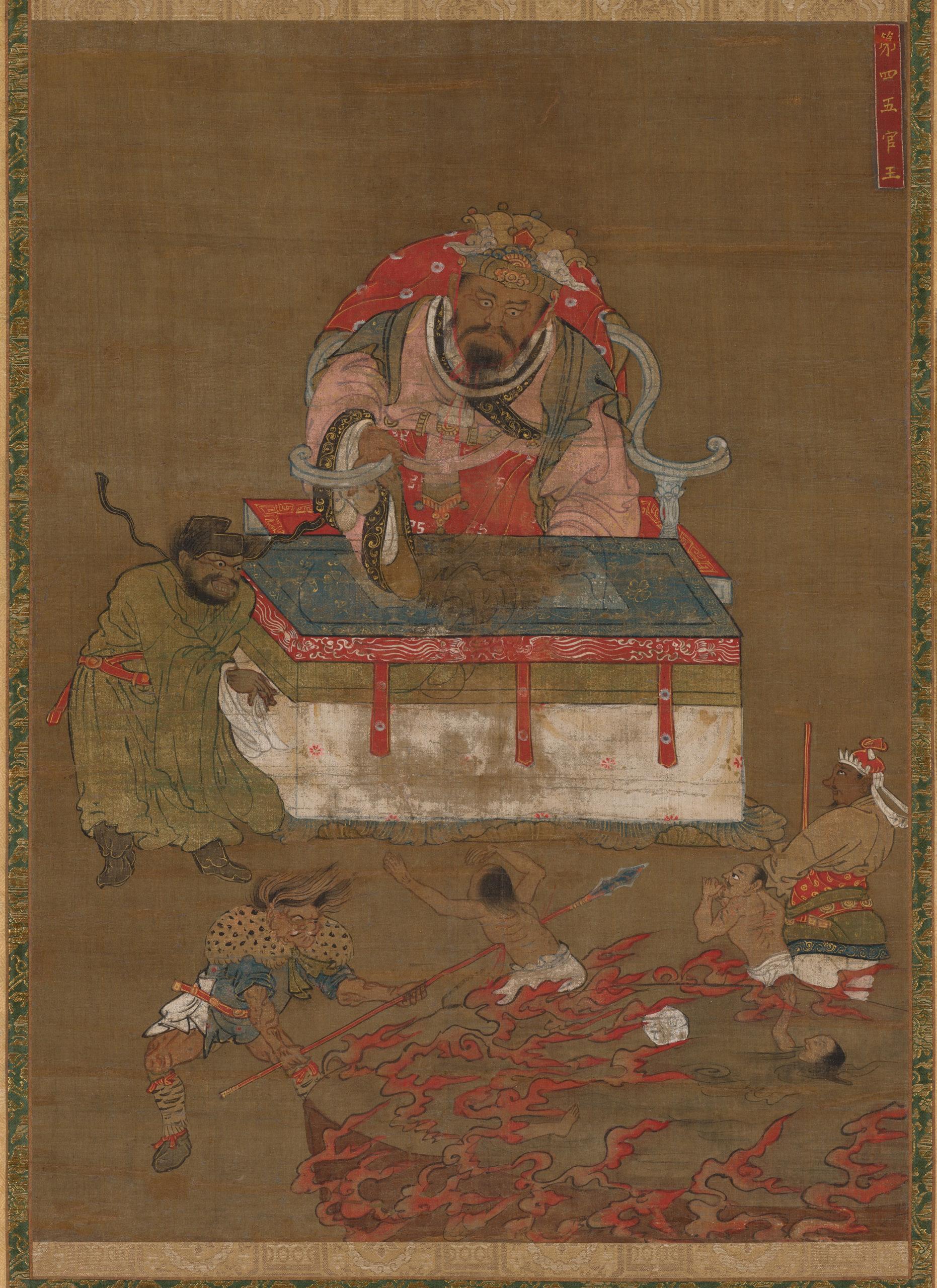
The museum’s own Fourth King of Hell, acquired in 2019 and part of that reunited set, is the clearest single courtroom on the wall. The king sits at a draped table with a secretary at his side, bulging eyes fixed on the work of the court. Below, sinners boil in a cauldron while a hell warden drives burning spears. The painted image measures about 63 by 45 centimetres on silk, with gold catching the table border and the king’s cap. Ready-made Buddhist paintings from Ningbo workshops in China are among the likely models. Goryeo painters kept the desk and made the hierarchy Korean.
Stand with the upper register first. McCormick has noted that the king’s scale dwarfs the torment below, so judgment reads louder than gore. The afterlife here is an office that decides what happens next. Once you see the desk, the other kings start to look like chambers in the same office, each timed to a day families already knew how to keep in mourning.
How the Kings Face the Savior
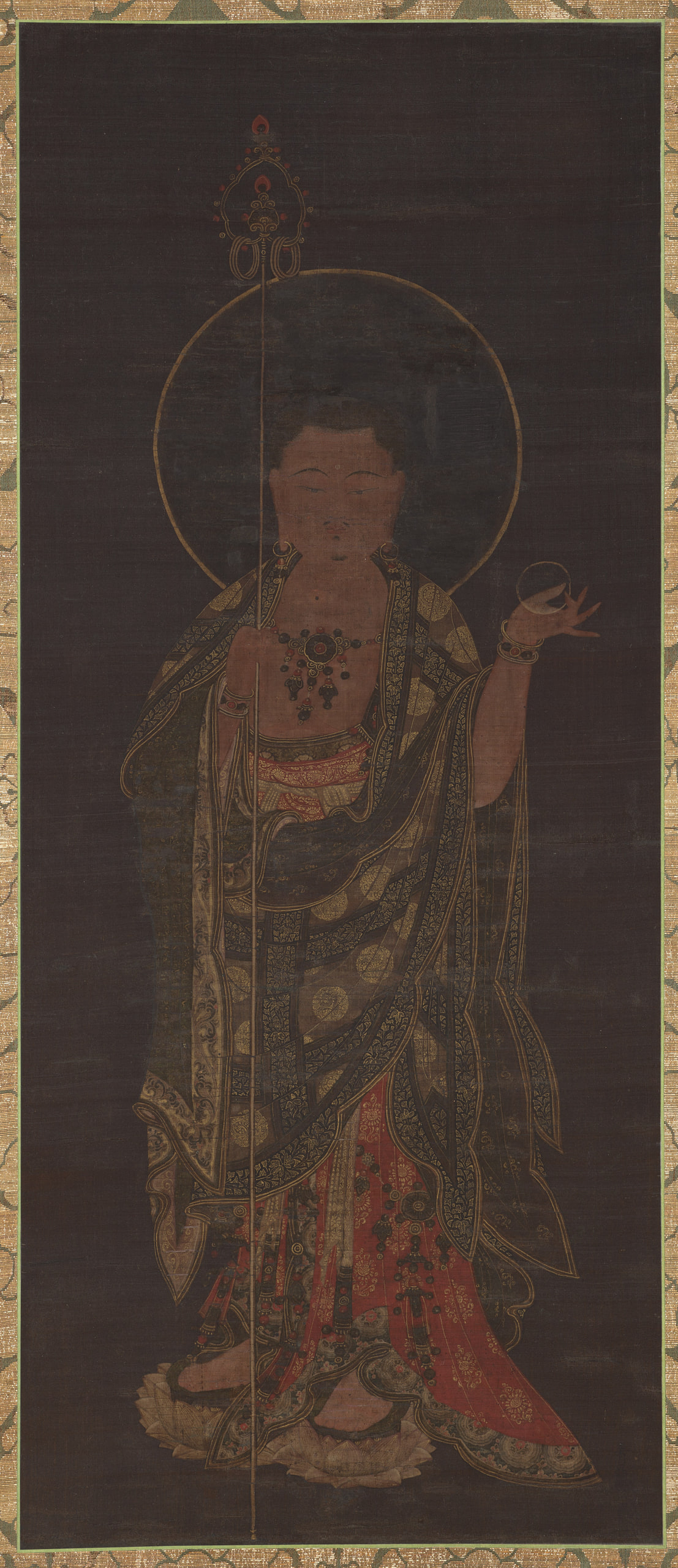
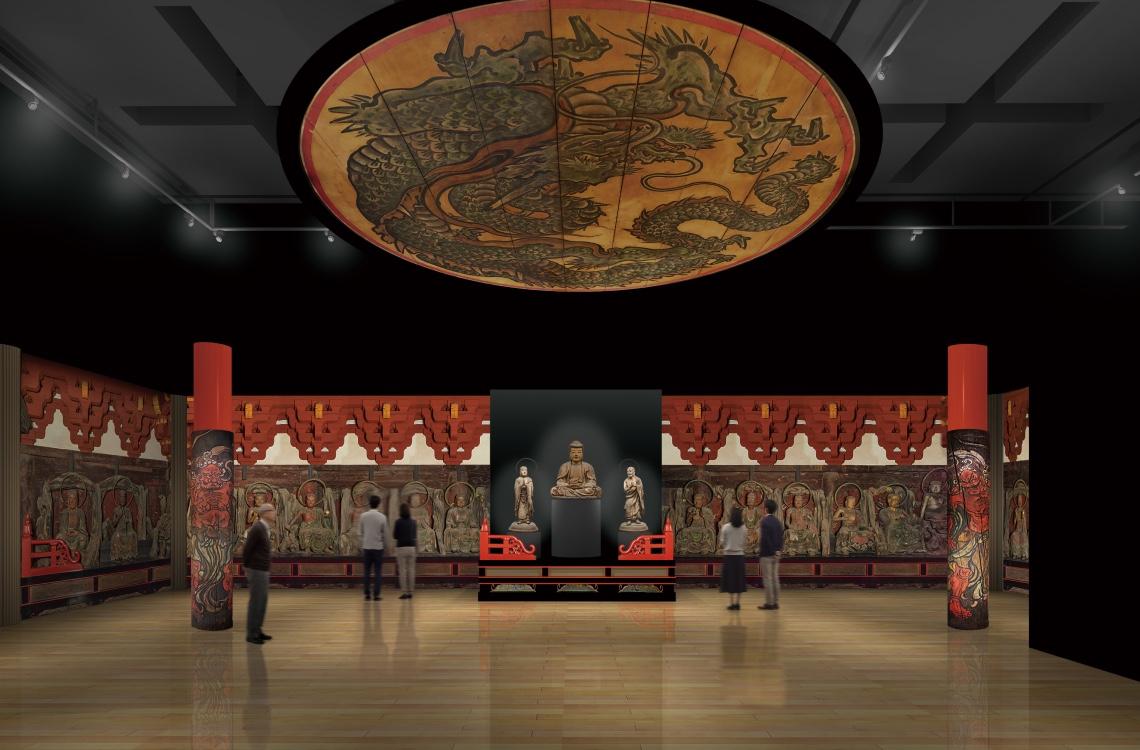
Walk the full Packard hang and watch the necks. Most of the ten kings turn only slightly toward their right shoulders. The Fourth and Ninth look straight out. McCormick’s installation puts Standing Ksitigarbha at the center of a curved wall, with kings one through five to the right and six through ten to the left, so the First and Tenth orient toward the bodhisattva. The wall is a seating chart for a ritual rehearsal of postmortem judgment. Photograph one scroll and you miss the choreography that makes the set a room.
That is the detail worth catching before December. The Third King, lost for more than fifty years and found again at the Museum of Modern Art, Gunma, completes the sequence for this run. On 1 December the galleries close for a light-sensitive rotation; the Gunma scroll gives way to Gala Porras-Kim’s The Third King of Hell Afterimage (2025), and a Southern Song Chinese set from the Nara National Museum takes a turn after reopening on the 2nd. See the Packard arrangement while it still stands whole.
“That’s why I put the Kṣitigarbha center and then on either side five Kings of Hell.”
Sooa Im McCormick, on the Packard hang (News-Herald, 2026)
Standing Ksitigarbha Is What Families Asked For the Dead
The CMA’s Standing Ksitigarbha, dated 1300 to 1350 and acquired in 2025, is one of only about ten known Goryeo examples of its type. He stands on lotus pedestals with a monk’s staff and a wish-granting jewel, the shaven head of a cleric paired with jewelry that marks a deity who walks into hell to pull people out. Infrared photography found a four-character note at the lower right, “for the use of Lord Blue Dragon,” which suggests the scroll once served a private elite prayer hall. In Goryeo belief, surviving relatives made offerings across a forty-nine-day mourning cycle so this figure, Lord of the Ten Kings, could intervene for the dead. The Song envoy Xu Jing recorded a royal-affiliated monastery hall in 1123 that already housed Ksitigarbha with the ten kings. The painting is the petition the living could still file.
Around it, the show’s first rooms fill with what households actually used: funerary stone, gilt accessories, incense, and sutras copied in gold and silver for merit. Friday’s symposium panel includes Eunkyung Park on the soul’s “4 × 7” passage; the galleries turn that calendar into a walk from tomb goods through the kings toward Pure Land. For another museum morning booked for the works themselves, Clearing After Rain Lands in Bloomsbury is the London parallel.
Special-exhibition tickets are $17 for adults, $15 for seniors, and $8 for students and ages six to seventeen, with members and children five and under free; a combo with the Wyeth watercolor show runs $25 for adults. Hours are Tuesday, Thursday, Saturday, and Sunday 10:00 to 17:00, Wednesday and Friday until 21:00, closed Monday. Docent tours of the hang have run Friday through Sunday at 13:30 into mid-December. Book the symposium and the hang on clevelandart.org. Park in the museum garage off Jeptha Drive if you are driving, then give the Fourth King, the gazes, and Ksitigarbha one slow circuit before you leave University Circle.