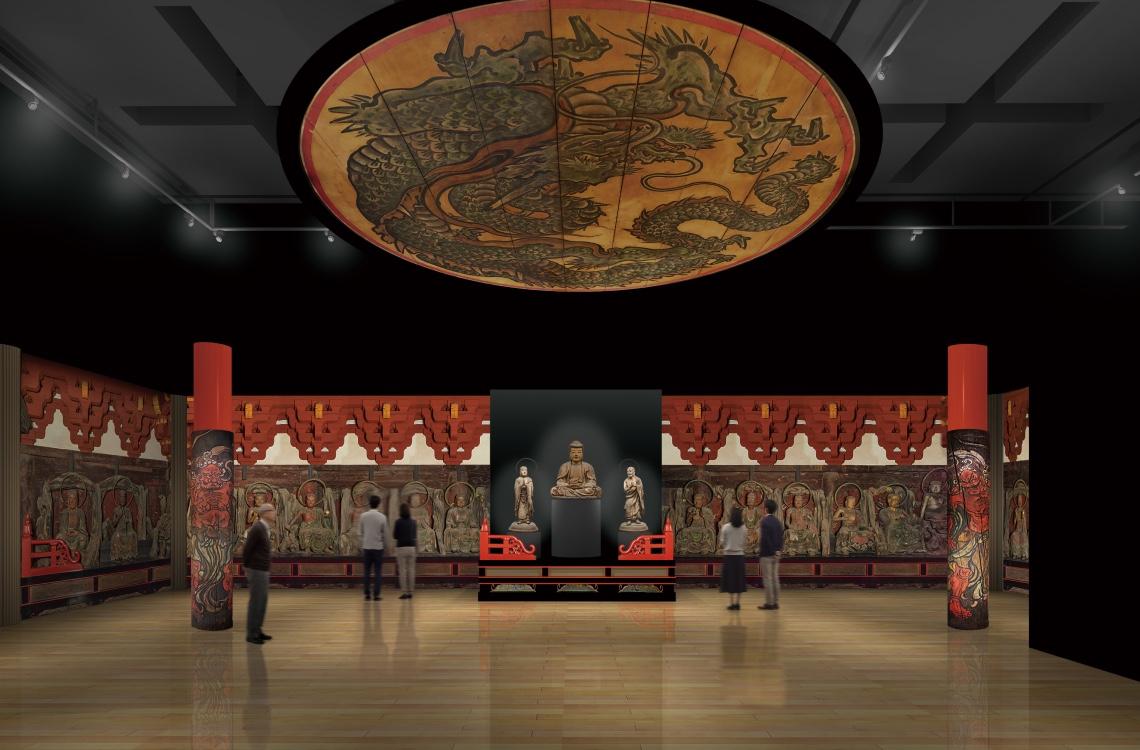
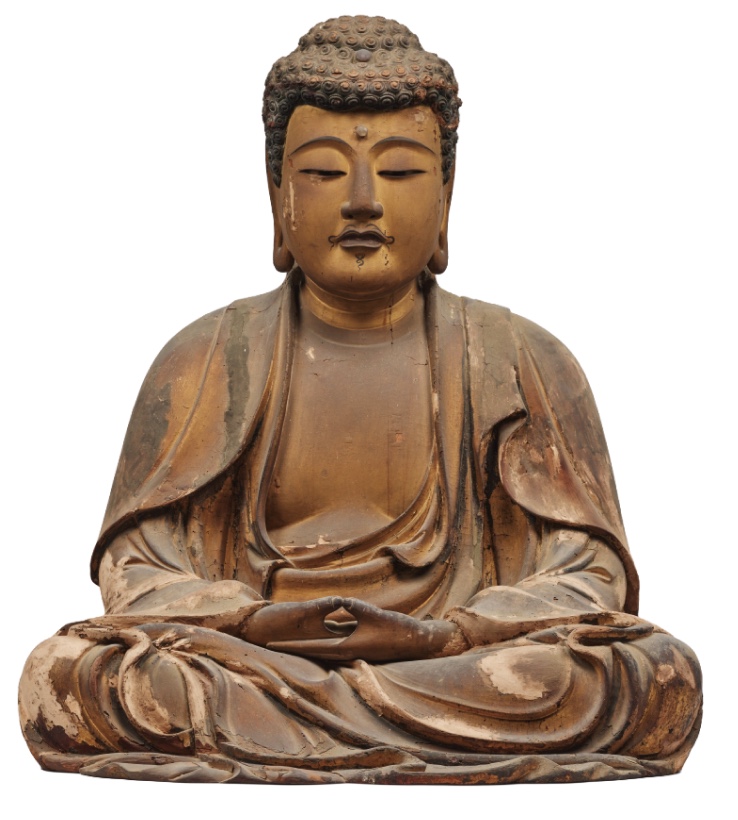
In the last rooms of Heiseikan, the museum rebuilds the upper storey of Daitokuji’s Sanmon, the Kyoto gate that is usually kept closed. A seated Shakyamuni carved by Inkei in 1404 sits where the temple keeps it above the threshold. Beside that space, a standing statue of Sen no Rikyū holds a staff. Both are on public view for the first time.
They close Daitokuji: A Zen Temple Beyond Compare, the special exhibition marking 700 years since Shūhō Myōchō founded the Rinzai temple in Murasakino in 1326. Tokyo National Museum is showing temple and sub-temple treasures through 6 December 2026, the first Tokyo gathering of this scale in forty-one years, with fourteen National Treasures and sixty-nine Important Cultural Properties across the run. Emperors, warlords, and tea masters all left marks on this monastery; the exhibition is denser than a single afternoon can hold. The second half began on 10 November. The practical question now is which works still speak for Daitokuji itself, and which dates still change what you will see.
Three works that belong to the temple
Emperor Go-Daigo’s Imperial Directive, a National Treasure written in 1333 and held by Daitokuji, is on view through the end of the exhibition. In that document the emperor named the house a “Zen temple beyond compare,” the phrase the show borrows for its English title. If you have one hour, start here. A portrait of the founder with Go-Daigo’s inscription is also up in this half of the run, but the directive is the clearer claim.
The tea bowl named Kizaemon Ido is another National Treasure, this one from Kohō-an, the Daitokuji sub-temple linked to Kobori Enshū. The Joseon-dynasty Ido bowl is scheduled for the full run, with no mid-show swap. It is the only Ido-style tea bowl among Japan’s National Treasures, and Kohō-an rarely shows it at home. Tea culture sits inside the temple’s history here: one of the ways its rooms were financed and remembered.
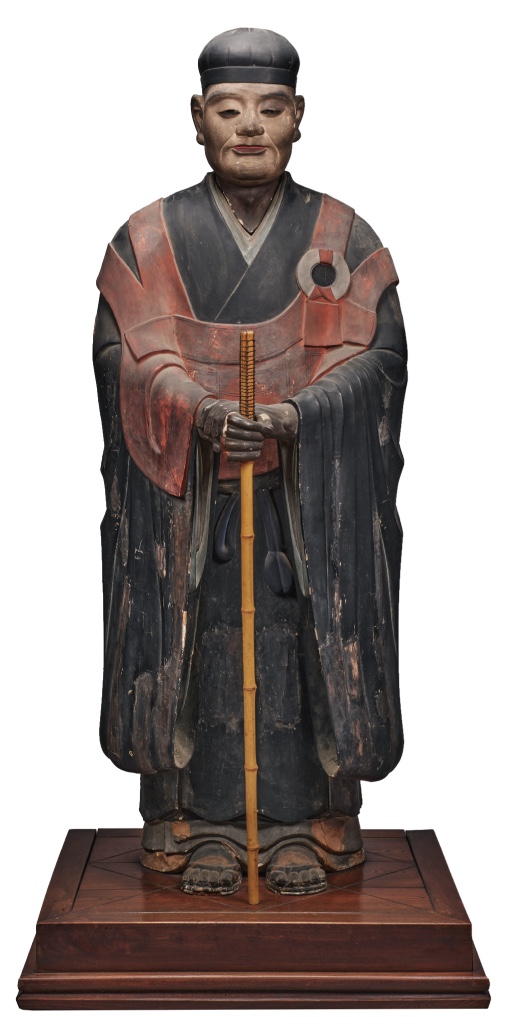
Then stay with the Sanmon group. Inkei’s Shakyamuni, with attendant figures of Kāśyapa and Ānanda, and the Rikyū statue remain for the entire exhibition. Rikyū completed the gate’s upper storey, later called Kinmōkaku, in 1589. The wooden figure on view now has a head dated 1840 and a body by Tanaka Jōkei from 1869. Stories about Hideyoshi and Rikyū attach to an earlier Sanmon statue; this is the later one the temple keeps in the gate. The dragon ceiling and vermilion pillars around the group are exhibition reconstructions. The statues come from Daitokuji.
What still changes before 6 December
The first half of the show ended on 8 November. This second half runs through 6 December, with shorter weekly swaps inside it. Mid-November sits in the window that began on the 17th and runs through the 23rd. The museum is closed on 24 November. A new weekly block opens on the 25th and runs through the 30th; the last block covers 1 to 6 December. Before you go, download the English list of works from the exhibition site and match catalogue numbers to those dates. Works without a date code stay for the full run.
Two tea bowls still decide a second visit. The National Treasure Yōhen Tenmoku from Ryōkō-in, extended once through 15 November, is already off view. The Important Cultural Property oil-spot tenmoku, or Yuteki Tenmoku, from the same sub-temple enters on 25 November and stays through closing day. That is the remaining tenmoku appointment. In the same half of the show, Muqi’s Dragon and Tiger and Kanō Eitoku’s portrait of Oda Nobunaga from the Daitokuji collection are also on the floor; leave them for after the directive, the bowl, and the Sanmon statues.
Adult admission is ¥2,300, with student prices on the ticket page. No reservation is required, though the counter can queue on busy weekends. Same-day special tickets also cover the regular collection galleries, except on 30 November, when only the Daitokuji exhibition opens. Hours are 9:30 a.m. to 5:00 p.m., later to 8:00 p.m. on Fridays, Saturdays, and 1, 2, and 22 November, with last entry thirty minutes before close. Mondays are closed except 2, 23, and 30 November. Heiseikan’s second floor is generally a no-photography zone, so read the gallery signs before you raise a phone.
Ueno Park is a ten-minute walk from JR Ueno’s Park exit. The temple’s rooms stay in Kyoto. Through 6 December, the directive, the bowl, and the Sanmon statues are the clearest way to meet them in Tokyo. For a wider city frame, keep The Banquet Guide to Tokyo open.