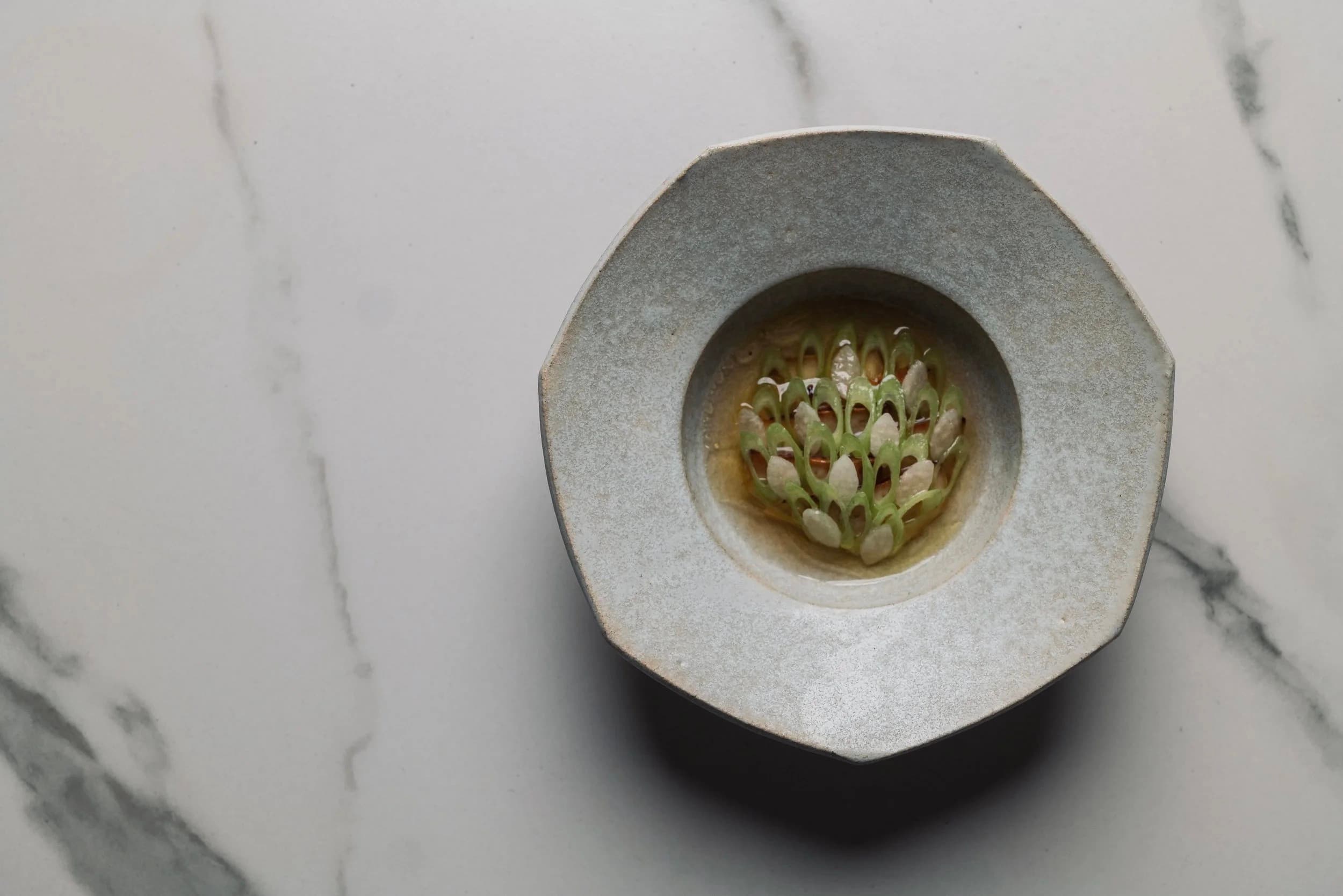
The useful fine-dining question for late summer is narrower than “what’s Asian and new.” Which rooms name a cuisine, publish a tasting price, and already take deposits?
Chef Jungsik Yim answered with a date. On 2 July he reopened 151 West 30th Street in New York as MŪJE, an eight-course tasting menu at $150, after closing Sea by Jungsik in May. The Korean name means untitled, and the brief is deliberately borderless. Treat it as the news peg rather than the whole map. The sharper pattern around it is regional: Filipino counters collecting stars, a Cambodian room on Vancouver’s Alberni Street, Taiwanese American tasting menus holding two Michelin stars, and the first Michelin-starred Vietnamese restaurant in the United States still taking Orlando reservations.
Read The New Banquet: United States and The New Banquet: Canada for the wider guide frames. This is the booking season inside those maps.
“Our goal is to translate my experiences as a Vietnamese American who has trained in classical cooking.”
Tung Phan, chef of Camille, to the MICHELIN Guide
How We Chose the Ledger
We kept five standards and refused hype as a sixth.
Named cuisine or a clear regional brief. Filipino, Cambodian, Taiwanese American, Vietnamese French, and modern Korean count. “Pan-Asian vibes” without authorship does not.
Creative control you can attribute. Chef-owners, chef-partners, or a named culinary director with a published menu beat anonymous group concepts.
Open means service has begun. Soft openings with public hours count, fall announcements do not. Texas’s planned Ichika kaiseki in Plano is a date to watch, not a table to claim.
A published tasting price and booking channel. Tock, Resy, OpenTable, or the restaurant’s own prepaid system. If you cannot name the deposit window, you are still reading a press release.
Recognition as corroboration, not coronation. Michelin stars and serious local critics help you triage. They do not replace the first four tests. Rare Vietnamese American Fine Dining at Kingfisher remains useful precisely because San Diego’s room earned its case before any star chase.
Opening Ledger
Confirm prices, pairings, and dietary rules on the booking page before you travel. Tiered rooms move their numbers by the month, so the figures below are recent food-only baselines rather than fixed rates.
| Restaurant | City | Chef / owners | Cuisine | Status | Reservations |
|---|---|---|---|---|---|
| MŪJE | New York | Jungsik Yim; exec chef Daeik Kim | Contemporary Asian (borderless) | Open since 2 July 2026 | Tock; $150 for eight courses; Thu to Mon |
| Oyatte | New York | Hasung Lee | Contemporary seasonal; Korean-trained | Open since May 2026 | Direct through the site; $210; Tue to Sat |
| Restaurant Naides | San Francisco | Patrick Gabon, Celine Wuu | Filipino tasting counter | Open since Dec 2025; one Michelin star (2026 California) | Tock; $205; often sold out |
| Kato | Los Angeles | Jonathan Yao; Ryan Bailey | Taiwanese American | Open; promoted to two Michelin stars in 2026 | Official site; dining room $325, bar $185 |
| Camille | Orlando | Tung Phan | Vietnamese French | Open; first Michelin-starred Vietnamese restaurant in the U.S. | Tock; booth and counter tiers, recently posted near $195 and $255 |
| Touk | Vancouver | Chanthy Yen | Contemporary Cambodian | Open since 19 Dec 2025 | OpenTable; à la carte with tasting-style builds |
Two Canadian companions sit just off the main ledger: Maison An Omakase in Montreal, where An Doan and Emily Nguyen Do opened a Vietnamese-Japanese counter in May at about C$179, and iDen & Quanjude in Vancouver, where culinary director Matt Chen launched a C$498 tasting menu on 7 August inside an established Peking-duck house. Confirm both before you plan a trip around them.
Regional Specificity Over Pan-Asian Costume
The season’s strongest rooms argue from a place name, a family kitchen, or a training path you can follow.
Naides, at 708 Bush Street, puts Filipino technique on a counter of ten to twelve seats: one seating a night, Gabon in the kitchen, Wuu on the floor, and a menu named for Gabon’s mother. Michelin’s California ceremony in San Diego on 24 June gave it a first star roughly six months after opening. Chicago’s Kasama, from Tim Flores and Genie Kwon, remains the two-star Filipino benchmark at $325. Together they end the soft excuse that Filipino fine dining was “emerging.”
Camille, at 4962 New Broad Street in Baldwin Park, put Vietnamese tasting-menu cooking on Michelin’s books when it took a star in 2024 and has held it since: French technique, Southern Vietnamese balance, an eight-seat counter and four booths in a room that still feels like a home you dress for. Orlando is where the first American Vietnamese star landed, and the geography is part of the argument.
Kato, at 777 South Alameda Street in the Row DTLA, keeps refining a Taiwanese American tasting menu that now carries two Michelin stars and this year’s James Beard award for beverage program. Yao’s brief is an LA upbringing threaded through Taiwanese memory, which is a narrower and more useful promise than “Asian tasting.”
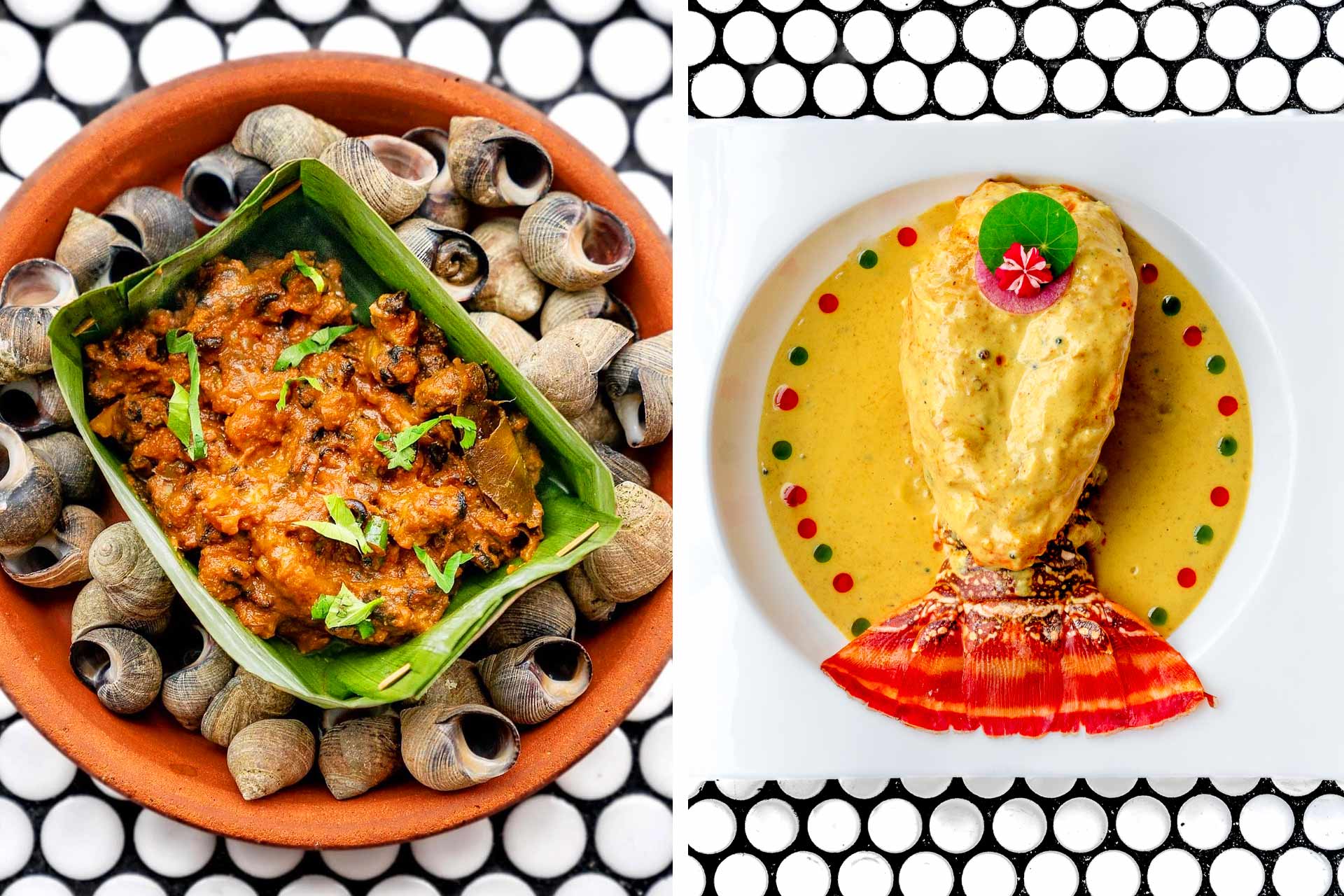
Touk does the same work north of the border. Yen, who won the eleventh season of Top Chef Canada after a stint as Justin Trudeau’s private chef, opened contemporary Cambodian cooking on Alberni with British Columbia seafood and Kampot pepper rather than a borrowed Thai or Vietnamese costume. Vancouver's Cantonese Fine Dining Renaissance maps the city’s Chinese rooms. Touk is the Cambodian chapter that renaissance needed.
MŪJE is the deliberate exception that proves the sorting rule. Yim can afford a borderless kitchen because his Tribeca flagship, Jungsik, already holds three Michelin stars. Most new rooms cannot borrow that license, and they need a named cuisine first.
Rooms, Service, and Who Owns the Brief
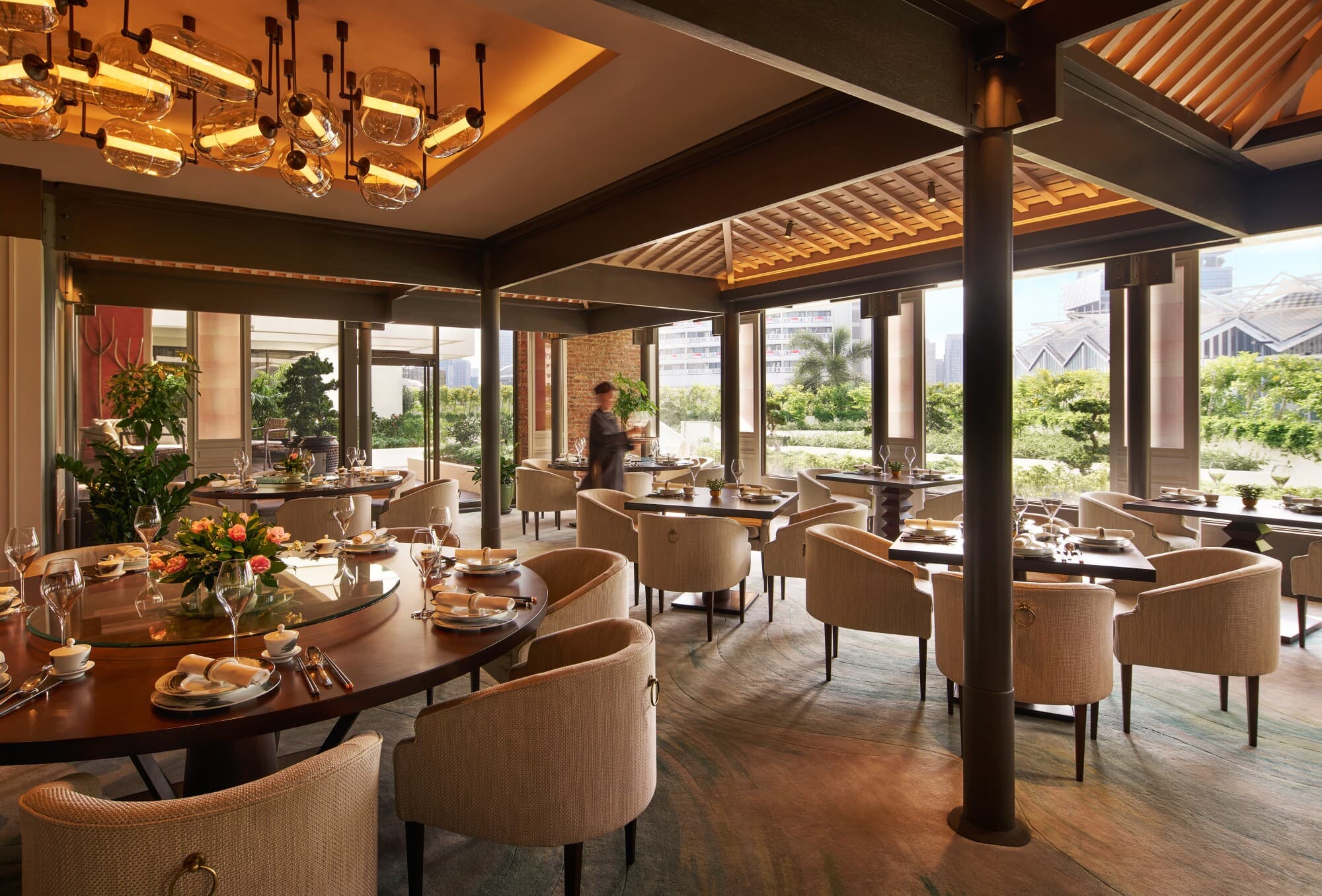
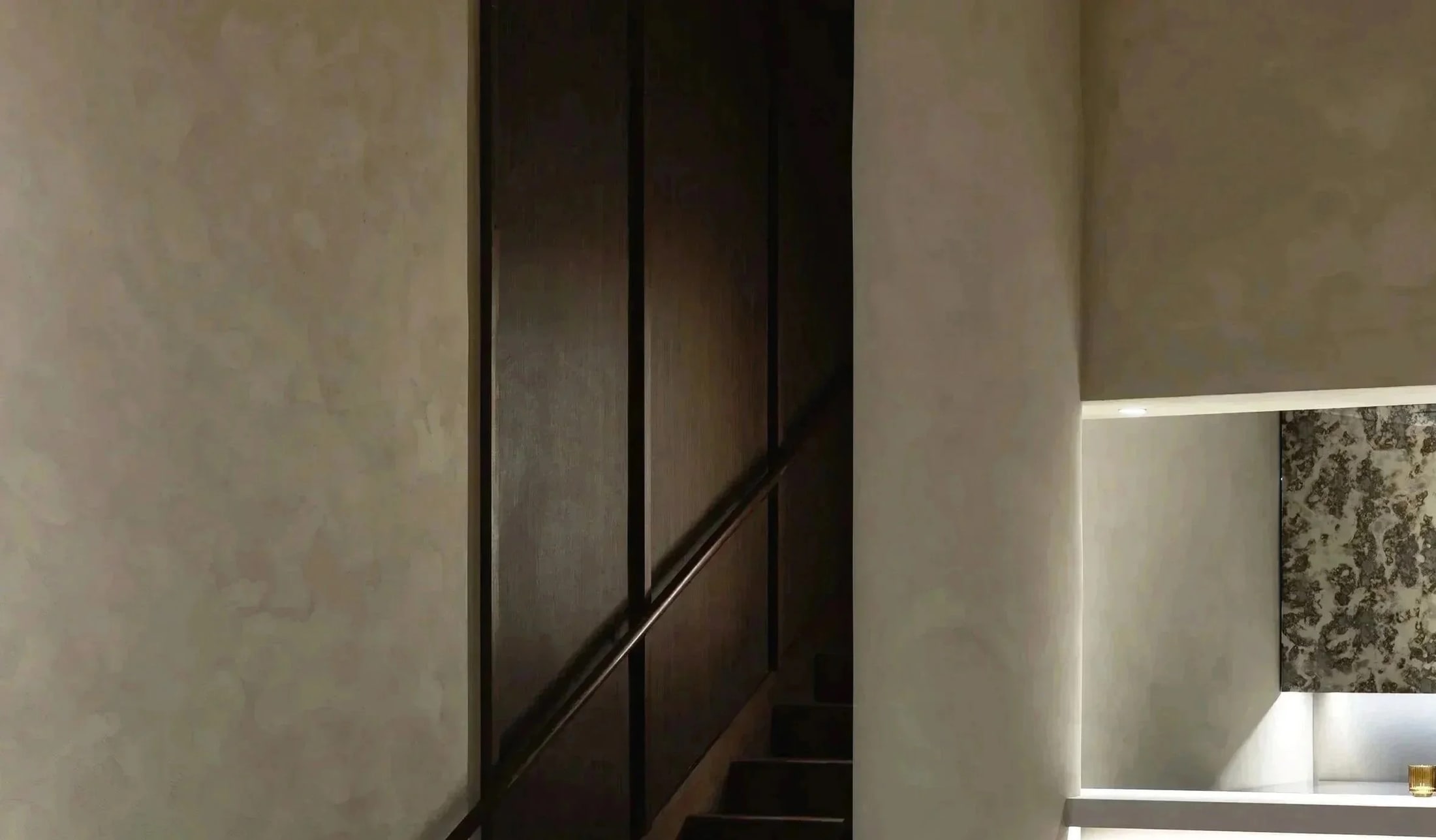
Dining-room design this season prefers intimacy over atrium theatre: counters that seat a dozen, townhouse floors, banquettes under soft wood rather than chandelier volume.
Oyatte occupies the former Kajitsu townhouse at 125 East 39th Street. Guests start downstairs in a lounge faced with barn wood from Crown Daisy Farm in Staatsburg, then move upstairs for the rest of a meal Lee has described as closer to a home invitation than a stadium tasting. Produce from that single farm forces the menu to change weekly, which in turn keeps the room small enough for the farm to matter.
Atomix, still the Midtown Korean reference at 104 East 30th Street, shows why ownership structure belongs in a booking ledger at all. Junghyun Park and Ellia Park run kitchen and floor as partners, the counter sits at $385 and the bar tasting at $285, and the monthly Tock drop remains the hardest Korean fine-dining chase in New York. Creative control, in practice, means who can change the menu without asking a brand committee.
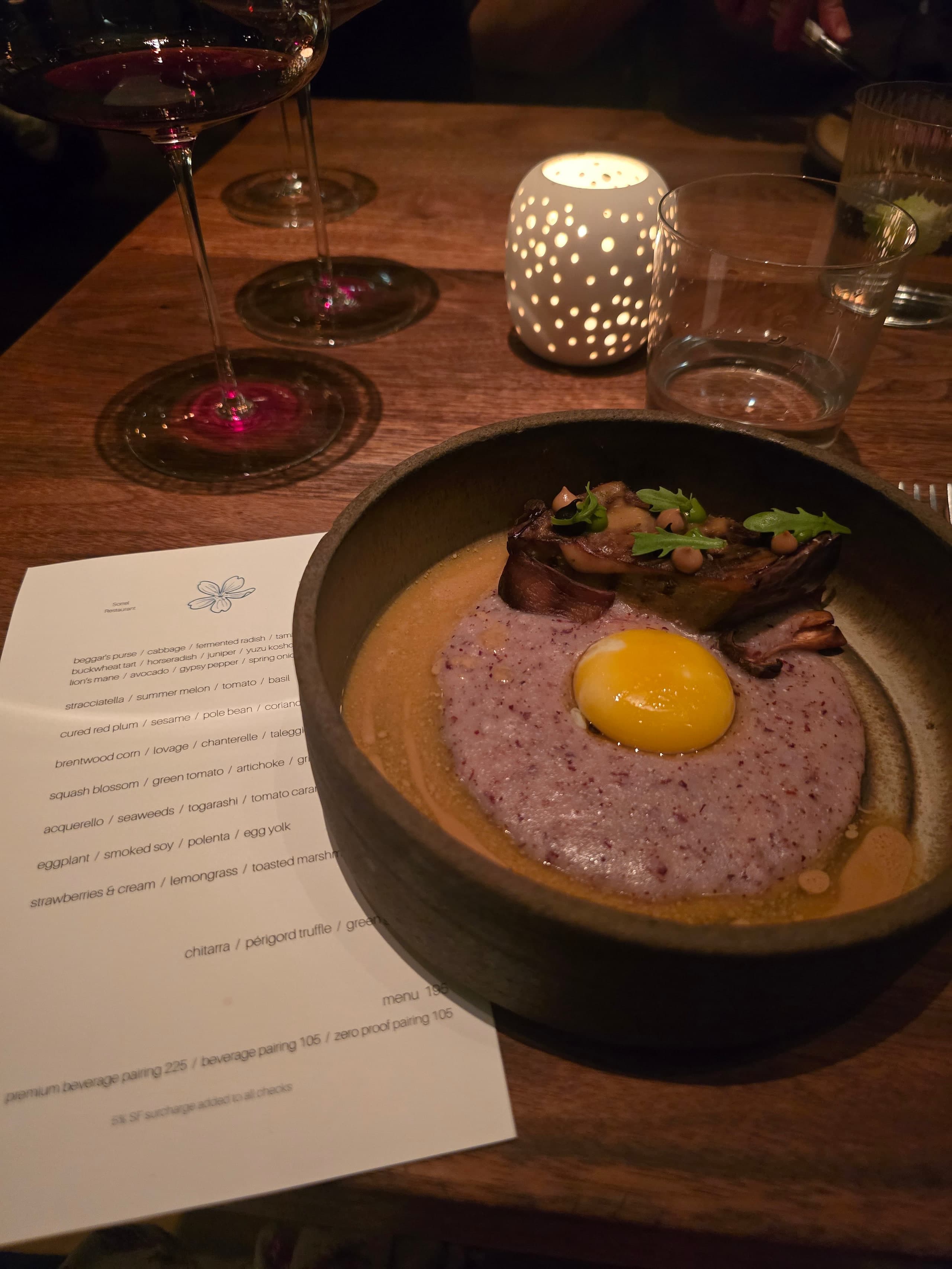
Naides applies the same ownership test at smaller scale: Gabon and Wuu as kitchen and hospitality partners, white-glove clearing, and a nonalcoholic pairing program that critics have taken as seriously as the wine. When partners own both the plates and the pacing, a room stops performing “Asian hospitality” and starts running a house.
Pricing Bands, and What They Buy
Rough food-only bands for planning, before tax, pairings, and service fees.
Under $200. MŪJE at $150 is the clearest new Manhattan entry here. Camille’s booth tier has recently posted near $195, though it moves month to month. Maison An’s Montreal dinner at about C$179 belongs in this band for Canadian readers.
$200 to $300. Oyatte at $210, Naides at $205, and Camille’s counter tier at about $255 buy chef-owned counters with strict dietary policies and scarce seats. Budget the deposit and the cancellation window as part of the real price. Camille charges $50 a head to reschedule and allows no changes at all inside 72 hours.
$300 to $400. Kato’s dining room and Kasama both sit at $325, as does Corridor 109 in Melrose Hill, where Brian Baik runs an eleven-seat seafood counter that joined the 2026 California guide without a star. Atomix’s counter at $385 tops the band. Pairings usually add $145 to $195 on any of them.
Above $400. The Chen tasting at iDen & Quanjude, at C$498, is group-backed Chinese fine dining with a newly installed three-star pedigree in the kitchen. Read it as a different ownership model from the chef-partner counters above, and price it accordingly.
Format matters as much as the number. An eight-course dinner at MŪJE is a different night from Naides’ single-seating jewel box or Oyatte’s lounge-to-dining-room procession. Buy the pacing you actually want.
Canada Beside the U.S. Map
Ignoring Canadian rooms flattens the diaspora story into a coastal American awards circuit.
Vancouver now holds a contemporary Cambodian flagship in Touk and a Peking-duck house willing to price a C$498 tasting under Chen. Montreal added Maison An’s Vietnamese-Japanese omakase and, separately, the Edomae rigor of Sushi Nishinokaze, where chef-owner Vincent Gee took a star in the Quebec update. Keep that last one in its own column: Edomae technique on Canadian seafood is a craft lineage, not a family story. The rooms that are telling a family story, Touk and Maison An among them, deserve the same reservation discipline you would give Naides or Oyatte.
Dates and Drops to Watch
Book what is open. Watch what is announced.
Now. MŪJE on Tock, which releases about a month ahead at 10 a.m. Oyatte through its site. Naides on Tock, with the practical expectation of a notify list. Kato and Camille on their published channels. Touk on OpenTable for Vancouver weeks.
Hard drops. Atomix’s monthly Tock release. Kasama’s dinner calendar, which has recently run on a rolling window measured in weeks. Corridor 109 on Resy.
Confirm before you claim. Chen’s tasting at iDen & Quanjude. Maison An’s eight seats. Any fall announcement that has not posted public hours.
Do not mark open yet. Planned rooms such as Plano’s Ichika remain dates on a press calendar until service begins.
The season fills from the named tables outward. Start with the cuisine you can pronounce, the chef you can attribute, and the deposit you can actually place tonight. Pan-Asian promises can wait until someone owns them.