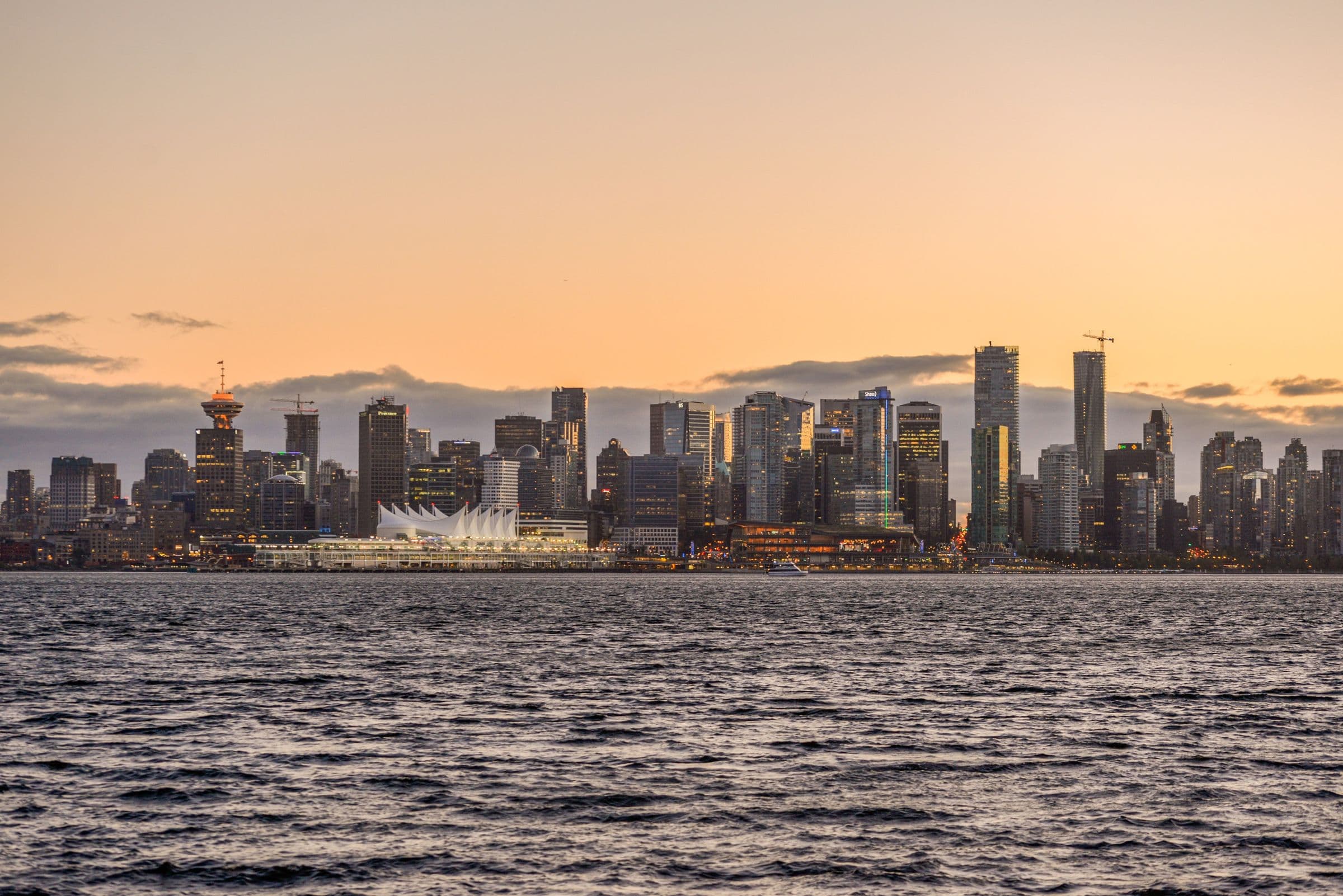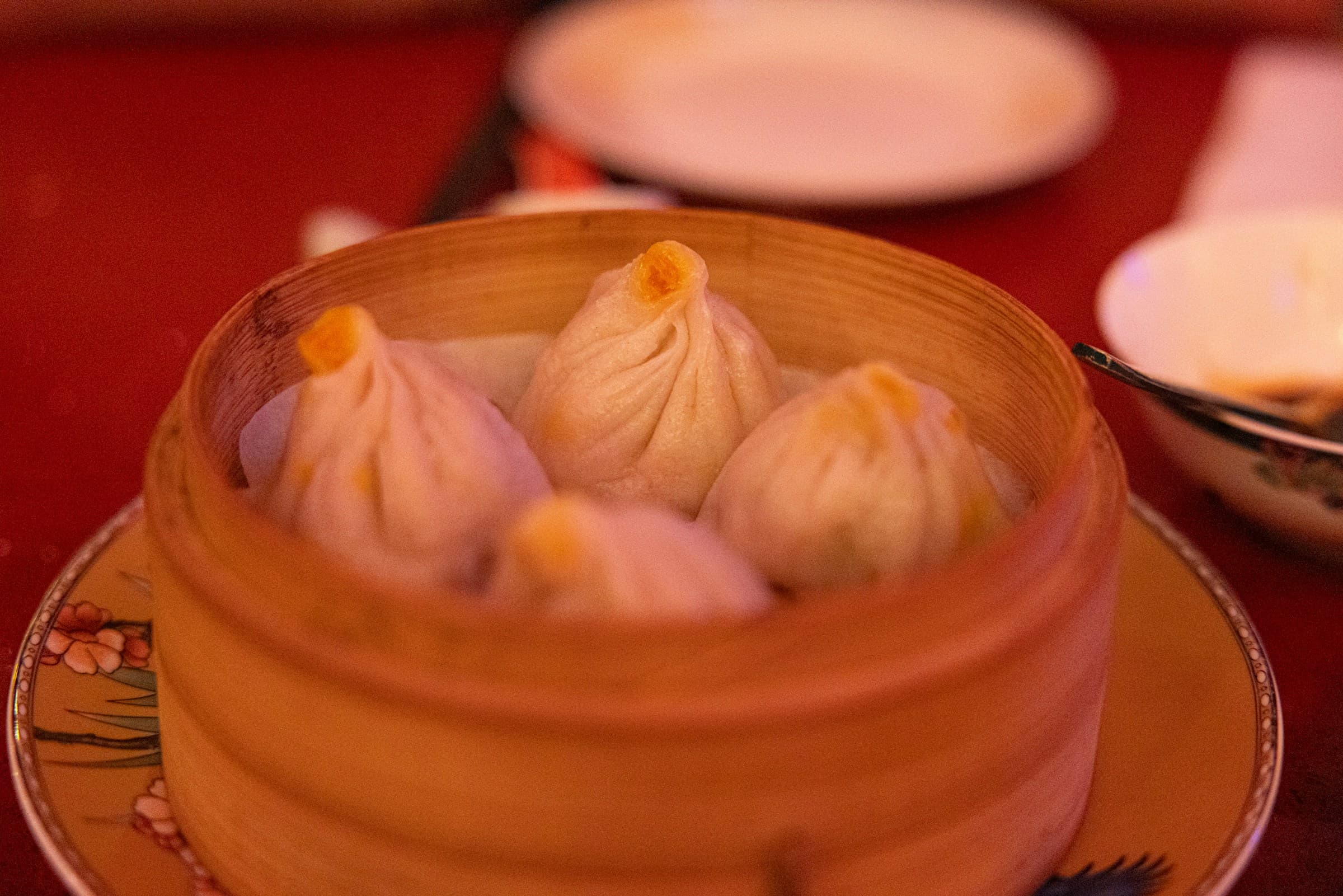
Vancouver has always possessed one of the finest Cantonese dining scenes outside Asia.
A legacy of immigration, agricultural abundance, and a city that takes its seafood seriously has produced generations of restaurants where dim sum is a Sunday ritual and live tanks are as essential as the kitchen pass. What has changed is the destination tier: a new cohort of chefs and operators is elevating Cantonese cuisine with the rigor once reserved for French tasting menus.
For those of us who grew up between banquet halls in Richmond and hotel dining rooms in Hong Kong, the shift feels personal. Vancouver was never lacking in Cantonese food. It was lacking in recognition. That gap is closing.
"The best Cantonese cooking has always been about restraint. These chefs are proving that restraint can also be radical."
For diners who understand that Cantonese cuisine is among the world's most sophisticated traditions, Vancouver is becoming essential.
A Diaspora City, A Cantonese Capital
Metro Vancouver's Chinese population exceeds half a million, with the majority tracing roots to Guangdong and Hong Kong. That demographic weight alone does not explain the quality of the cooking. British Columbia's cold Pacific waters supply spot prawns, Dungeness crab, and salmon that Cantonese technique knows exactly how to handle. The city's produce markets run year round. The result is a diaspora dining culture that never had to compromise on ingredients.
Chinatown on East Pender Street retains its historic dim sum houses and barbecue windows. Richmond, south of the Fraser River, concentrates the density: block after block of restaurants where Cantonese is the default language of the menu and the dining room. Downtown and Coal Harbour have joined the map more recently, with destination openings that dress Cantonese technique in international fine dining clothes.
The distinction matters. Vancouver's Chinese dining scene includes exceptional Taiwanese brasseries, Thai kitchens, and Sichuan specialists. Bao Bei and Maenam are landmarks, but they are not Cantonese. Conflating them misses what makes this renaissance specific: a cuisine built on wok breath, live seafood, and the patient logic of the banquet table.
Mott 32: Modern Cantonese on a Global Stage
Mott 32 opened at 1161 West Georgia Street in Coal Harbour, bringing the Hong Kong brand's modern Cantonese cooking to the Pacific coast. The restaurant ranked No. 5 on the Chinese Restaurant Awards Elite 30 Canada 2025 list, recognized alongside signature dishes including Apple Wood Roasted Peking Duck, Barbecue Iberico Pork with Yellow Mountain Honey, and Hot and Sour Shanghainese Soup Dumplings.
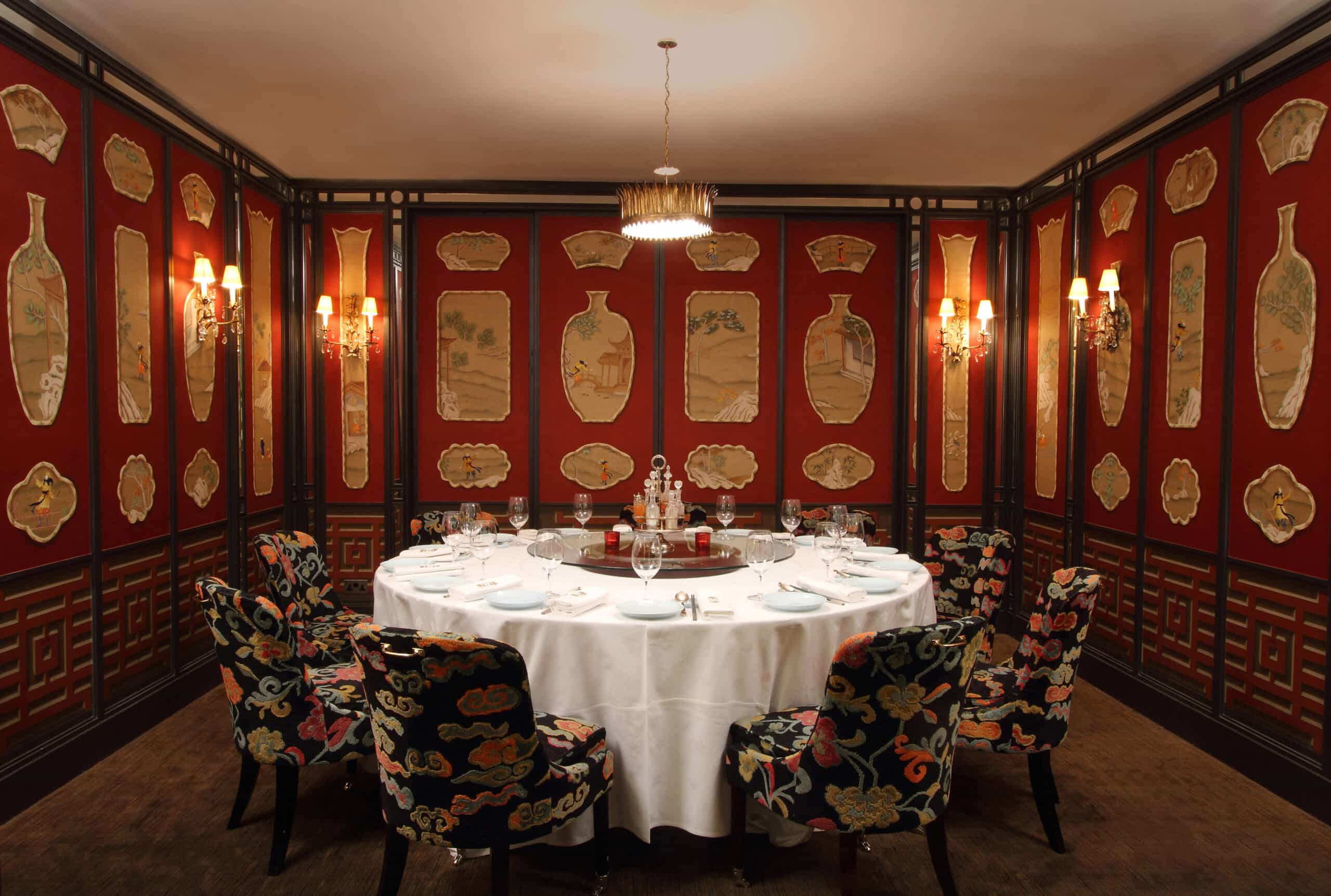
The Vancouver outpost occupies the base of the Arthur Erickson-designed tower, with interiors that reference the Hong Kong flagship while adapting to a West Coast clientele. This is not Chinatown casual dining. It is a destination restaurant that treats Cantonese technique with the ceremony of European gastronomy: pressed linens, a deep wine list, and a dining room where business entertainment and family celebration share the same polished surface.
Reservations are essential, particularly for the Peking duck, which requires advance notice when ordering. Lunch service runs 11:30 a.m. to 2:30 p.m.; dinner from 5:00 p.m. nightly, with extended hours on weekends. Expect to spend roughly CAD $120 to 180 per person before wine, depending on menu choices and sharing style.
The Elite 30 ranking placed Mott 32 one slot below Landmark Hotpot House and one above Sea Harbour Restaurant, a useful snapshot of how the awards panel reads Vancouver in 2025: tradition and innovation occupying adjacent positions on the same list, neither canceling the other out.
Sun Sui Wah and the Heritage Continuum
Sun Sui Wah Seafood Restaurant remains a household name after more than three decades in Vancouver. Originally founded in Hong Kong's Sha Tin district, the restaurant opened on Main Street in 1988 and moved to its current two-storey Bing Thom-designed building in 1995. A second location operates in Richmond at 4920 No. 3 Road.
Sun Sui Wah built its reputation on handcrafted dim sum, premium live seafood, and roasted squab prepared from a recipe carried across the Pacific. The squab remains the pilgrimage dish: crisp skin, juicy flesh, the kind of specialty that sends Hong Kong visitors across the border for lunch. Dim sum service follows classic hours; arrive before 11 a.m. on weekends for the fullest cart selection.
The contrast between Mott 32's global modernism and Sun Sui Wah's heritage craft defines Vancouver's Cantonese renaissance: not a replacement of tradition but an expansion of what the category can hold. One addresses the investor dinner. The other hosts the multi-generational birthday. Both are Cantonese. Both belong in the same conversation.
Richmond and the Suburban Depth
Richmond contains one of North America's densest concentrations of Chinese restaurants. Sea Harbour Seafood Restaurant on Westminster Highway and Chef Tony Seafood Restaurant on No. 3 Road serve the kind of banquet-style Cantonese cooking that requires a table of eight and a patient host who understands menu navigation: when to order the lobster, when to pause for soup, when to let the room breathe between courses.
Sea Harbour ranked No. 6 on the Elite 30 Canada 2025 list, a reminder that Richmond's best addresses compete at the national level without downtown postcodes. Chef Tony draws families who have eaten here for years, ordering salt and pepper crab and steamed garoupa with the confidence of regulars.
For the visitor, Richmond is a day trip worth planning around. Take the Canada Line to Aberdeen or Lansdowne station and allow three hours minimum. For the resident, Richmond is the proof that Vancouver's Cantonese renaissance is not confined to Coal Harbour openings or magazine covers. It lives in the suburb where the cuisine never needed reintroduction.
What the Renaissance Looks Like on the Plate
Modern Cantonese fine dining in Vancouver shares several traits. Live seafood tanks remain non-negotiable at the traditional end. At the destination tier, dry-aging, charcoal roasting, and European-plated dim sum appear alongside classics. Wine programs have expanded beyond the default Bordeaux-and-Castillo Ygay pairings of an earlier generation; sommeliers now match Albariño with steamed halibut and aged Riesling with Peking duck.
Service, too, has sharpened. The best rooms read a table's mix of English, Cantonese, and Mandarin without friction. Dietary requests that once embarrassed a banquet host are handled quietly. The diaspora diner notices: this is food that travels between cultures without apologizing for either.
Practical Notes
Book ahead for Mott 32, especially weekends. Specify Peking duck when reserving.
Richmond is best reached by Canada Line or car. Allow time for the breadth of options; two restaurants in one afternoon is ambitious.
Dim sum hours differ from dinner service. Arrive before 11 a.m. on weekends for the fullest selection at traditional houses.
Do not conflate cuisines. Vancouver's Chinese dining scene includes exceptional Taiwanese brasseries (Bao Bei), Thai (Maenam), and Sichuan spots. Cantonese fine dining is its own category, and the city finally has addresses worthy of the distinction.
Budget bands (approximate, 2026): Richmond banquet houses CAD $45 to 80 per person; Sun Sui Wah dim sum CAD $35 to 55; Mott 32 dinner CAD $120 to 180 before beverage.
Who Is Eating Now
The renaissance has an audience as distinctive as its kitchens.
Second- and third-generation Chinese-Canadians who grew up on Richmond dim sum now book Mott 32 for anniversaries without feeling they have betrayed the neighborhood. Hong Kong families fly in for Sun Sui Wah squab the way they once flew for a specific cha chaan teng. Tech executives entertain at Coal Harbour while their parents still prefer the Richmond rooms where English is optional and the tea pours itself.
That generational overlap is Vancouver's advantage. A city where Cantonese is spoken at home, taught in weekend schools, and celebrated in public dining rooms does not need to explain why live seafood matters or why the banquet table seats eight. It only needed destination addresses that matched the sophistication already present in private kitchens.
The diaspora diner notices when a restaurant gets it right: when the squab tastes like memory, when the service reads the table's mix of languages without hesitation, when the wine list includes something beyond the old defaults. Mott 32, Sun Sui Wah, Sea Harbour, and Chef Tony each answer a different version of that expectation. Together they make the case that Vancouver is not an outpost of Cantonese cooking. It is a capital.
The renaissance also changes what "Chinese food" means to a city that once treated it as cheap comfort. Destination Cantonese dining signals that the cuisine deserves the same reservation anxiety, the same wine budget, and the same dress code as any other fine dining category. That signal matters to young chefs deciding whether to stay in Vancouver or leave for Hong Kong and Singapore. Several are staying. Several are returning. The dining room, at last, looks like a career worth building.
Vancouver's Cantonese renaissance is not a trend. It is a city remembering that its oldest culinary language also happens to be among its most refined. The diaspora built the foundation. The new destination tier is simply speaking back in a voice the world now understands.
Continue Reading
Read Lunch at Lung King Heen, The Banquet Guide to Hong Kong, and The Hotel Bar as Embassy.