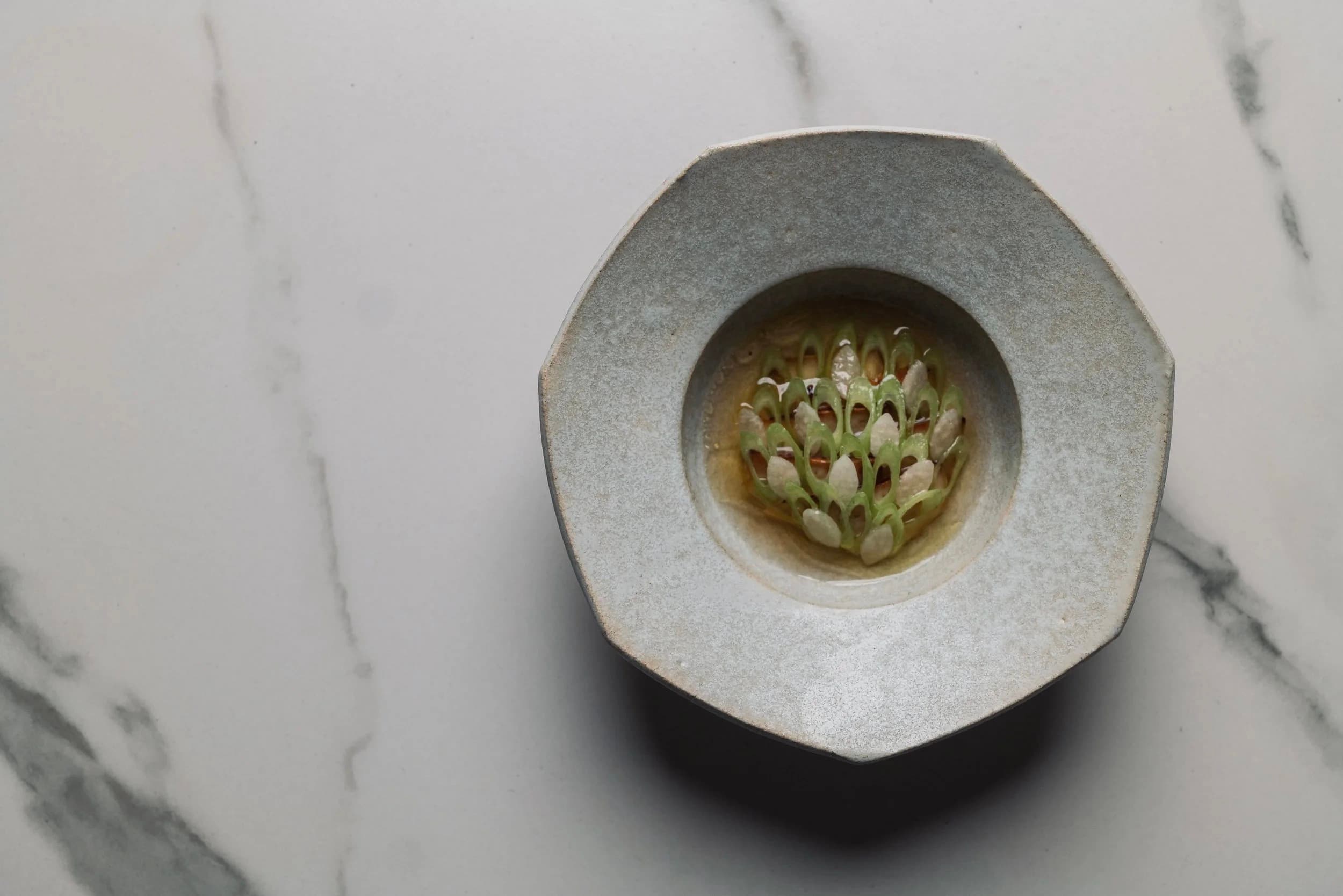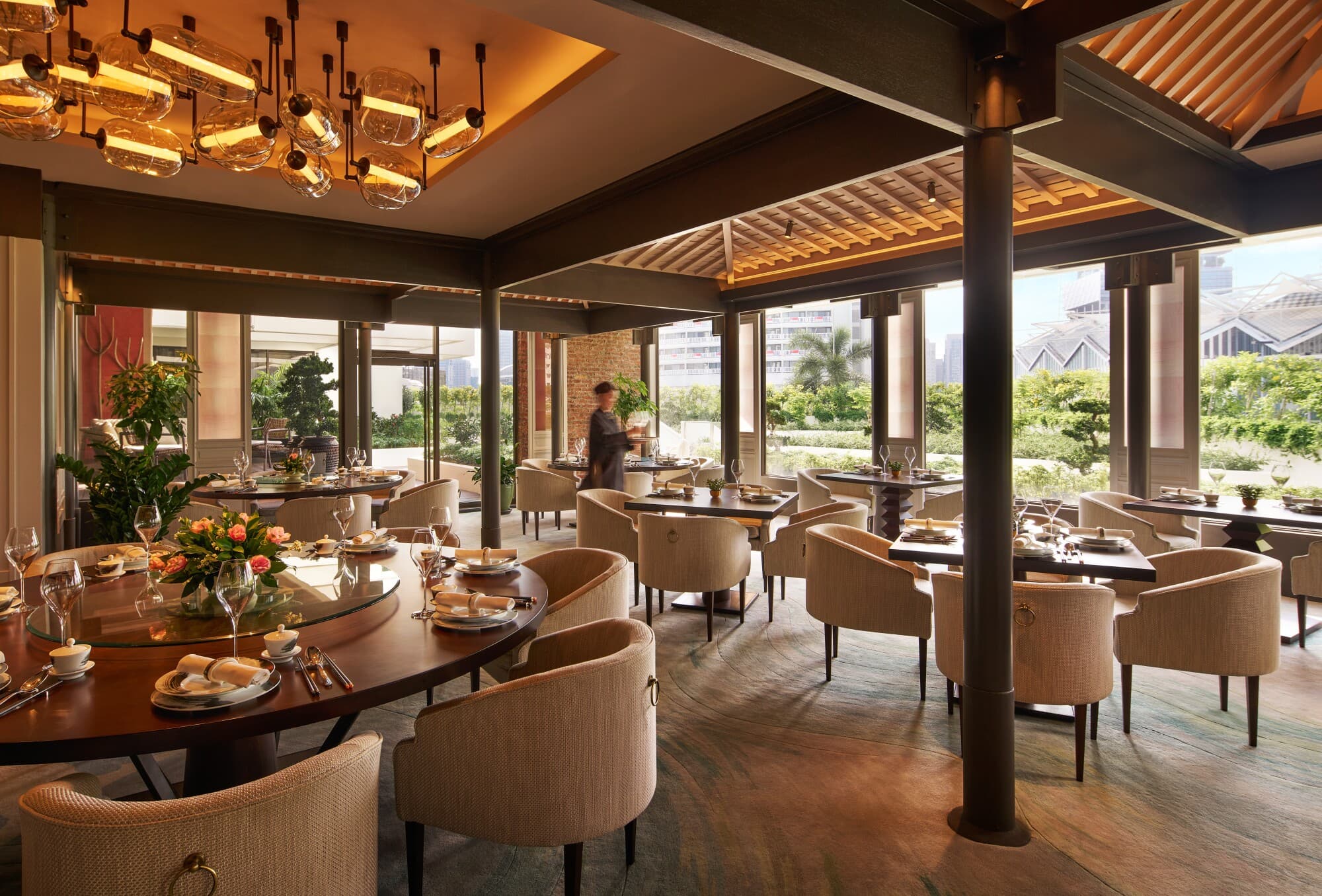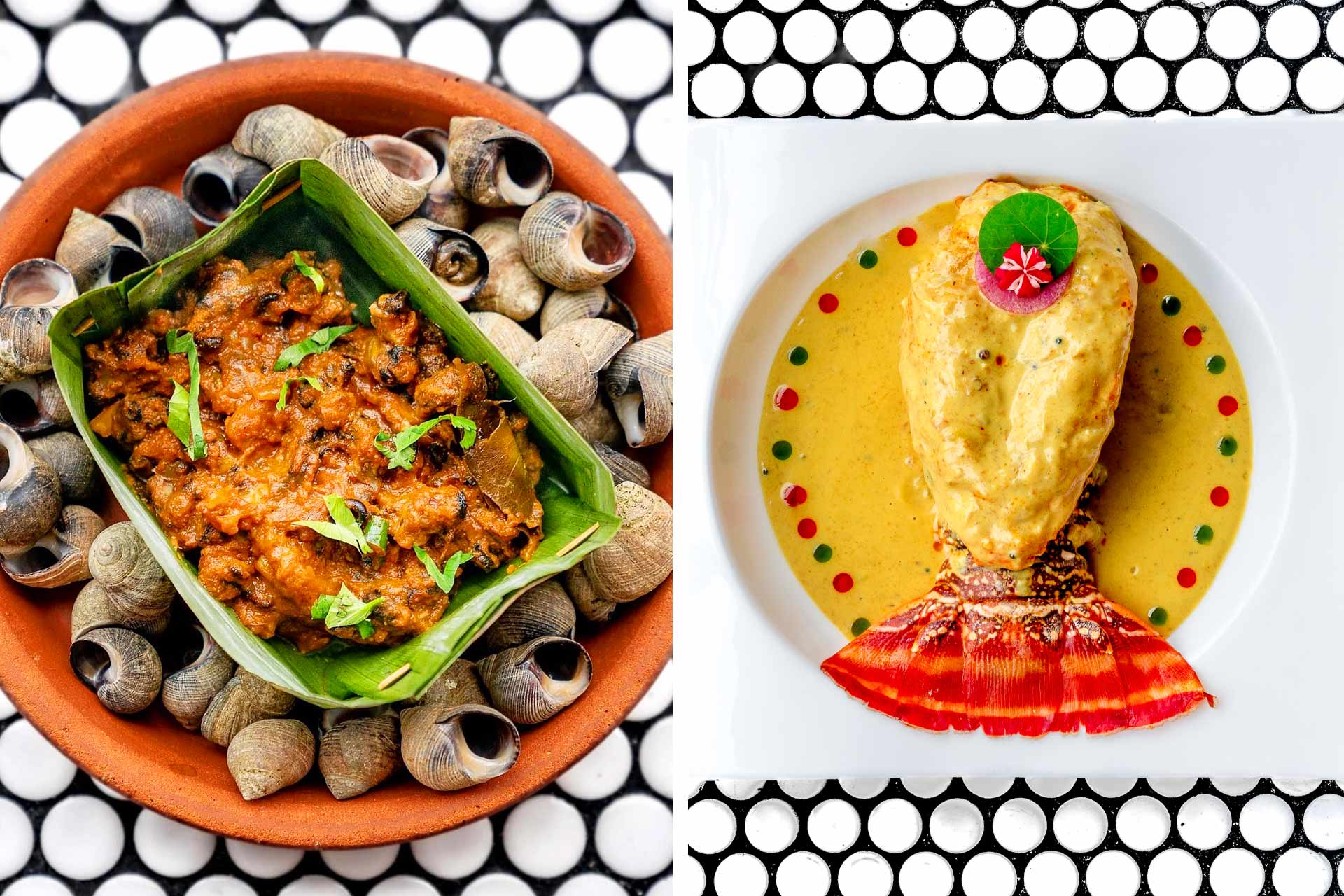
Two plates at Semma on Greenwich Avenue: snail shells around banana-leaf masala beside lobster in yellow curry. Image courtesy of the MICHELIN Guide / Semma.
The hardest Indian tables in New York and London no longer look like a compromise. Semma, at 60 Greenwich Avenue, fills on gunpowder dosa and Dindigul goat biryani, Tamil heat that Midtown used to sand down for comfort. Mayfair has been running a denser version of the same argument for a decade: club rooms, coastal rooms, Punjabi hospitality, all with Michelin stars and deposit windows that behave like Atomix.
That is the diaspora rise of Indian fine dining. The kitchen names a region. The reservation takes a card. Spice belongs on the table without a wine-pairing apology. For readers who already shuttle between Chennai, New Jersey, London, and Houston, the odd part is how long American and European luxury dining took to catch up.
“Don’t give me a diluted version; give me the real stuff.”
Roni Mazumdar, co-founder of Unapologetic Foods, to Robb Report
Delhi and Mumbai still hold their own map; start with The New Banquet: India when the trip is on the subcontinent. What follows is the outward circuit: New York, Washington, Chicago, Houston, and the Mayfair walk that taught the market first.
Semma and the New York Refusal
Vijay Kumar, chef-partner at Semma and raised in Tamil Nadu, cooks farm and family food with Unapologetic Foods founders Roni Mazumdar and Chintan Pandya. Semma means fantastic in Tamil slang, and the room takes the word literally: snails with tamarind heat, lamb that recalls Madurai more than a hotel banquet, dosas that stay crisp under gunpowder. Michelin starred the restaurant in 2022 and has kept it. The New York Times put Semma first on its 2025 city list; Kumar took the 2025 James Beard Award for Best Chef: New York State. The awards are useful. The waitlist is the point.
Unapologetic Foods built the appetite before the star. Dhamaka, their Essex Market room for rustic regional cooking, holds a Michelin Bib Gourmand and proved that clay-pot mutton and offal could sell without tasting-menu ceremony. Adda sharpened the same brief. Semma is where that refusal meets Greenwich Avenue dress codes and Resy anxiety. Mazumdar’s line about diluted versions shows up on the floor: guests who want mild butter chicken get pointed elsewhere.
Indian Accent, at 123 West 56th Street, remains the progressive export brand many diaspora hosts already know from Delhi and Mumbai. It carries a Michelin Plate rather than a star. Book it for Manish Mehrotra’s nostalgia-and-technique grammar; book Semma when the night wants Tamil specificity. The Mumbai room study still holds: Dinner at Indian Accent, Mumbai.
The wider pattern matches what we track in Book Named Asian Tables Before the Season Fills. A named cuisine books cleaner than a pan-Asian costume. Tamil, Malabar, and Punjab are doing for Indian dining what Filipino and Taiwanese American counters are doing elsewhere on the map.
The American Star Quartet
Four Indian restaurants currently hold one Michelin star in the United States. They do not cook the same dinner, which is why the map finally feels adult.
Rania, at 427 Eleventh Street NW in Penn Quarter, took its star in 2023 and has held it. The room grew out of the Punjab Grill lineage; executive chef Pete Boboris now leads after Chetan Shetty’s opening years. Michelin writes up plates such as chana masala panisse and hay-aged pork vindaloo with Kolhapuri dal. The chef’s tasting usually sits around $175, with midweek promotions that have brought the seven-course closer to $125; confirm on OpenTable before you fly. When the table mixes aunties and consulting partners, Rania is still Washington’s clearest Indian answer.
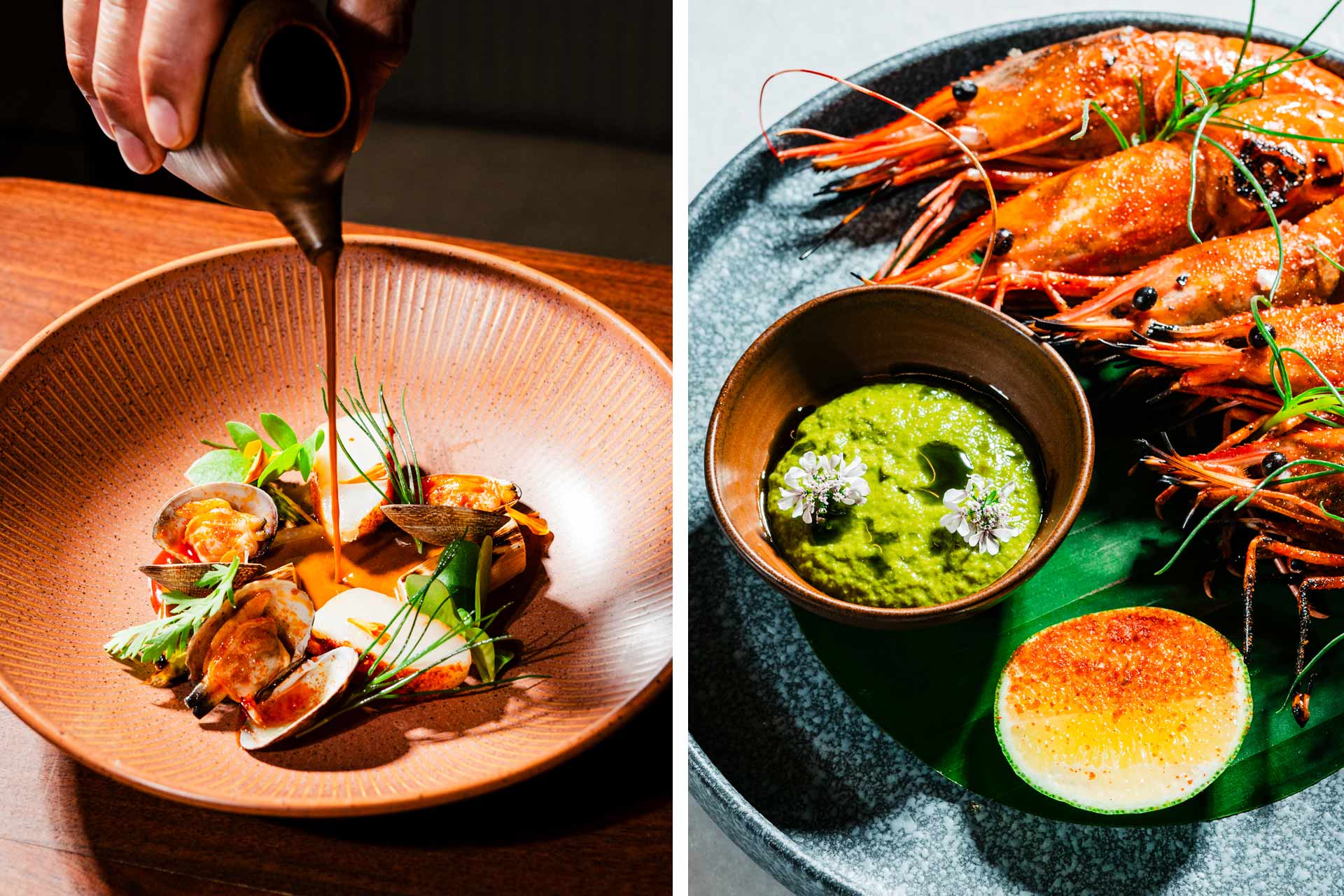
Indienne, at 217 West Huron Street in River North, is chef-owner Sujan Sarkar’s progressive tasting house in a nineteenth-century printing warehouse. Sarkar, Kolkata-born and London-trained in Michelin kitchens, runs vegetarian, vegan, pescatarian, and non-vegetarian arcs with French plating and Indian names in parentheticals. Recent listings put non-vegetarian tastings near $155 and vegetarian or vegan near $135 before pairings. The useful detail for hosts: plant-based guests are not a side negotiation. They get their own menu.
Musaafer, upstairs in Houston’s Galleria at 5115 Westheimer, became Texas’s first Michelin-starred Indian restaurant in 2024 under corporate executive chef Mayank Istwal, and kept the star in 2025. The room is theatrical on purpose: arches, scale, menus that travel regions rather than settle on one state. A second Musaafer opened in Tribeca’s Hope Building in August 2025. Book Houston for the original palace energy; use Duane Street when you are already downtown and want the traveler chapter of the same brand.
The New Banquet: United States still leans Korean and Japanese. This quartet is the Indian chapter that guide was missing.
Mayfair Already Had the Walk
Gymkhana, at 42 Albemarle Street, remains the London room American hosts should treat as the reference. Jyotin, Karam, and Sunaina Sethi of JKS Restaurants opened it in 2013 as a club dining room drawn from India’s gymkhana social clubs. Michelin gave one star in 2014 and two in 2024. Jade timber upstairs, Kashmiri red downstairs, northern-leaning tandoor work and sharing plates, British produce under Indian spice. Karam Sethi has noted that a large share of Gymkhana’s London guests already arrive from the United States. That helps explain why the brand’s first U.S. room opened at ARIA in Las Vegas on 3 December 2025, and why Ambassadors Clubhouse has been aiming at New York. Keep Albemarle as the taste test; treat Vegas as hospitality with a real kitchen behind the spectacle.
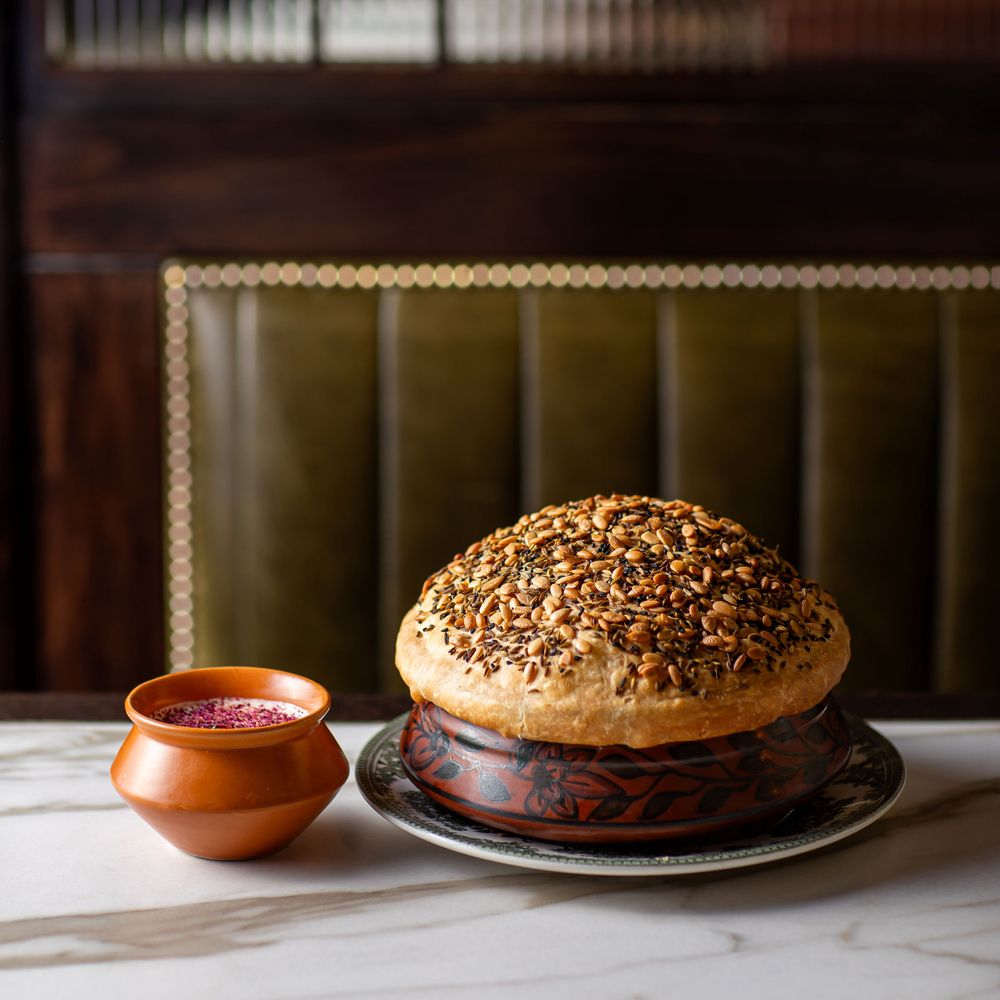
The rest of Mayfair fills in the regional brief within a ten-minute walk. Quilon, inside Taj 51 Buckingham Gate under Sriram Aylur, has held a Michelin star for nineteen consecutive years on southwest coastal and Malabar cooking. Benares, above Berkeley Square under Sameer Taneja, retained its star for 2026 and still works as the salon for modern Indian with British ingredients. Jamavar on Mount Street, under Surender Mohan, marks a decade in Mayfair in 2026 with its star intact. In February 2026, JKS’s Ambassadors Clubhouse on Heddon Street became the UK’s first Michelin-starred Punjabi restaurant under Shantilal Bhushan.
You can change the brief with each reservation without leaving the neighborhood. The New Banquet: United Kingdom already names Benares; the fuller Mayfair list is how a diaspora week actually gets planned.
Put the Deposit Down
Match the night to the kitchen, then book early.
Semma for Tamil heat and a star that still feels like a neighborhood room. Rania for a capital tasting with ceremony, ideally midweek if a published promotion is running. Indienne when vegetarian guests need equal footing. Musaafer Houston when the table wants scale; Tribeca when geography wins. Gymkhana first in London, then Quilon or Benares depending on whether you want coast or salon.
Call ahead about allergies. Several of these kitchens will not rebuild a menu around vegan, allium-free, or broad spice exclusions, and that honesty is part of why the cooking tastes finished. Soft menus that pretended otherwise were the old compromise.
Masque, Indian Accent Delhi, and the hotel institutions still belong on an India itinerary. The diaspora rise does not replace them. It means a Friday in New York or a Tuesday in Mayfair can finally hold the same standard without a long-haul flight.
Put the deposit on the named room, then dress for heat.