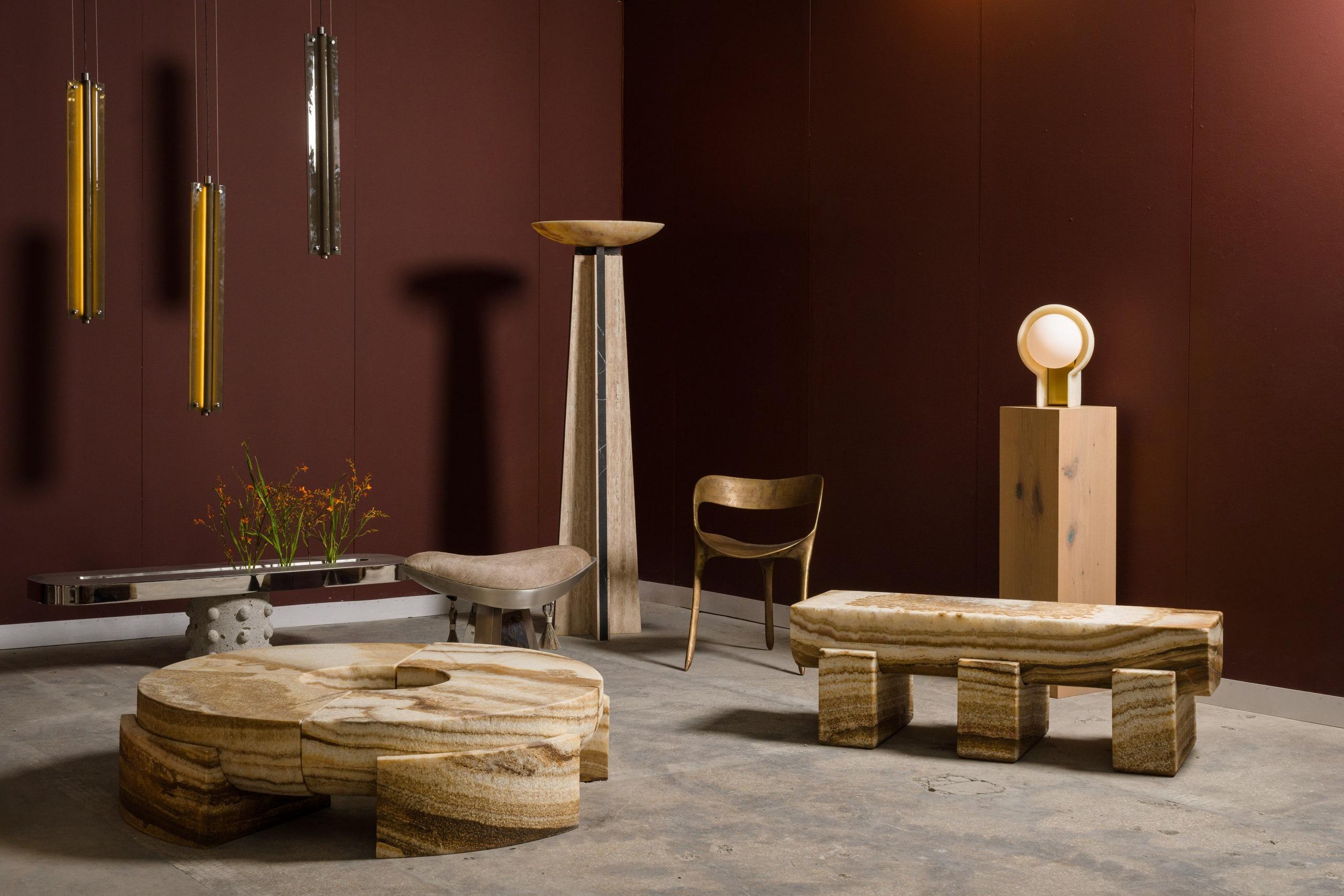
The third New York edition of COLLECTIBLE closed on Sunday inside the old AMC Orpheum 7 on East 86th Street, a cinema shell tall enough that a chair can look like sculpture before you decide whether you would sit in it. More than a hundred galleries and studios filled the stripped projection booths and screening rooms with twenty-first-century work only. Down the avenue, Salon Art + Design was running the same week at the Park Avenue Armory, mixing vintage, modern, and contemporary under a broader blue-chip roof. COLLECTIBLE, founded in Brussels by Liv Vaisberg and Clélie Debehault, keeps the brief tighter. That is why the fair is useful after the doors close. It forces a Residence buyer to notice that furniture sold as art covers several kinds of purchase, and that those kinds do different work once they leave the booth.
A commissioned piece, a limited edition, a functional sculpture, and a well-made conventional table can share a living room. They do not share an invoice logic, an insurance schedule, or a resale conversation. The booths that mattered this year were the ones that made that difference visible.
"Designers should be going baroque in order to not go broke."
Coryander Friend, founder of the Montana gallery Placed, said that to Wallpaper* while her booth, titled A Future for History, showed Faye Hadfield's toothy ceramics and a chainmail lampshade by Wretched Flowers. The joke lands because the labour underneath those objects disappears the moment a buyer treats them as anonymous décor. Why Design Miami Basel Matters maps collectible design across art-week calendars. COLLECTIBLE New York is the shorter lesson: learn the category before you fall for the photograph.
When the object still has to be made
COLLECTIBLE's Bespoke section exists for studios that work in dialogue with a client. You are not lifting a finished stock unit. You are agreeing a brief, materials, and a delivery date for something that will be built for your plan, often over months.
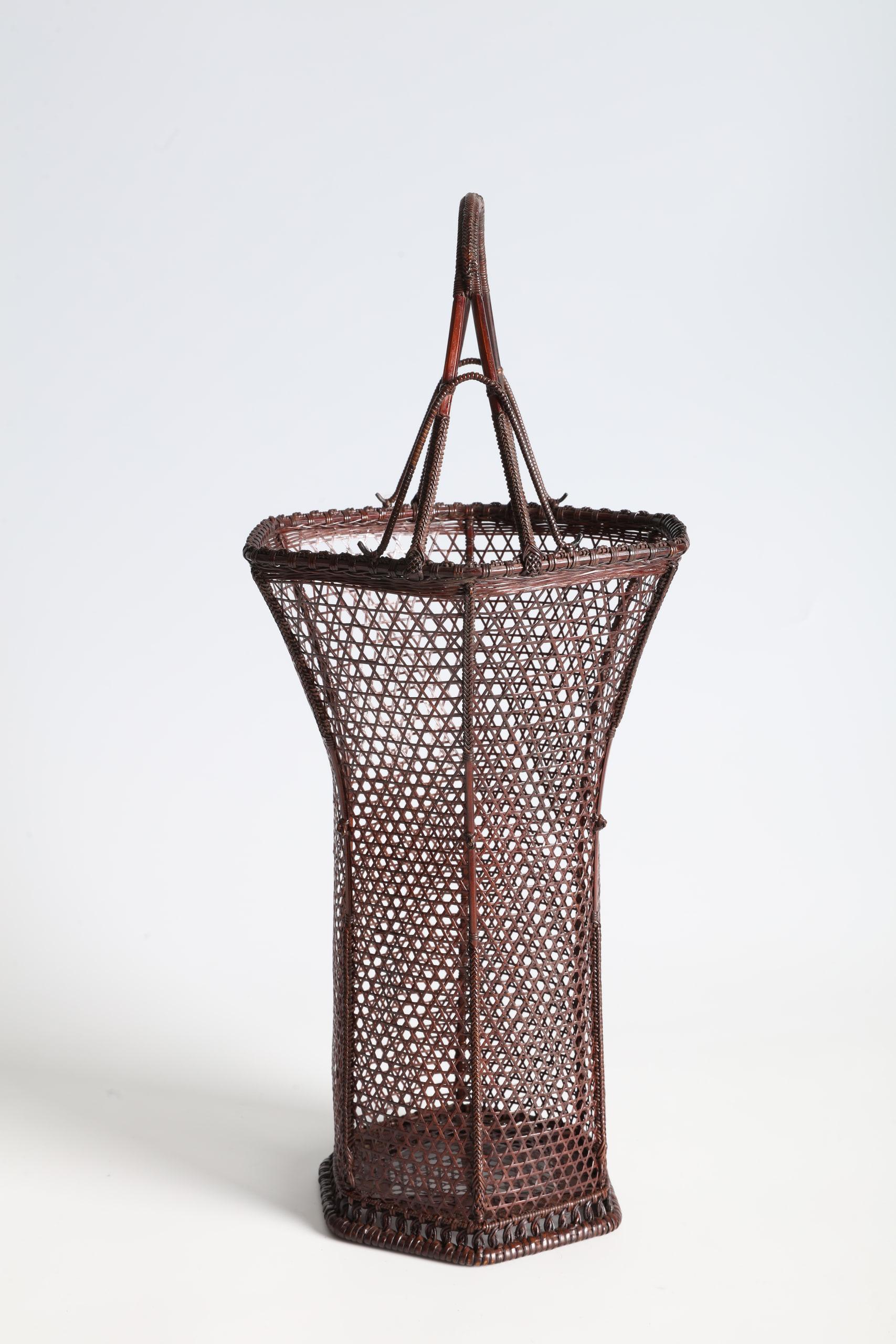
Artisanal Abode, the Pune studio founded by Upasana Jain, sat in that section with furniture that treats metal weaving as structure rather than ornament. Stainless steel, brass, and copper are hand-woven until a rigid material reads almost soft. That is commission talk waiting to happen: scale, finish, how the weave sits against rooms you already live in. Nearby, New York's iitem studio showed a lacquer screen with jewel-like finials, a deco-leaning piece Wallpaper* flagged as new. Screens of that ambition usually send a buyer into conversations about height and hinge rather than taking the floor sample as final.
If the maker can still change the object for your room, ask for drawings, samples, and design ownership in writing before money moves. The value of a commission is that no other household owns the same answer. The cost is patience.
When scarcity has a number
An edition is a cleaner contract. The design already exists. A fixed number will be made. Your piece is one of that number, ideally marked and certificated.
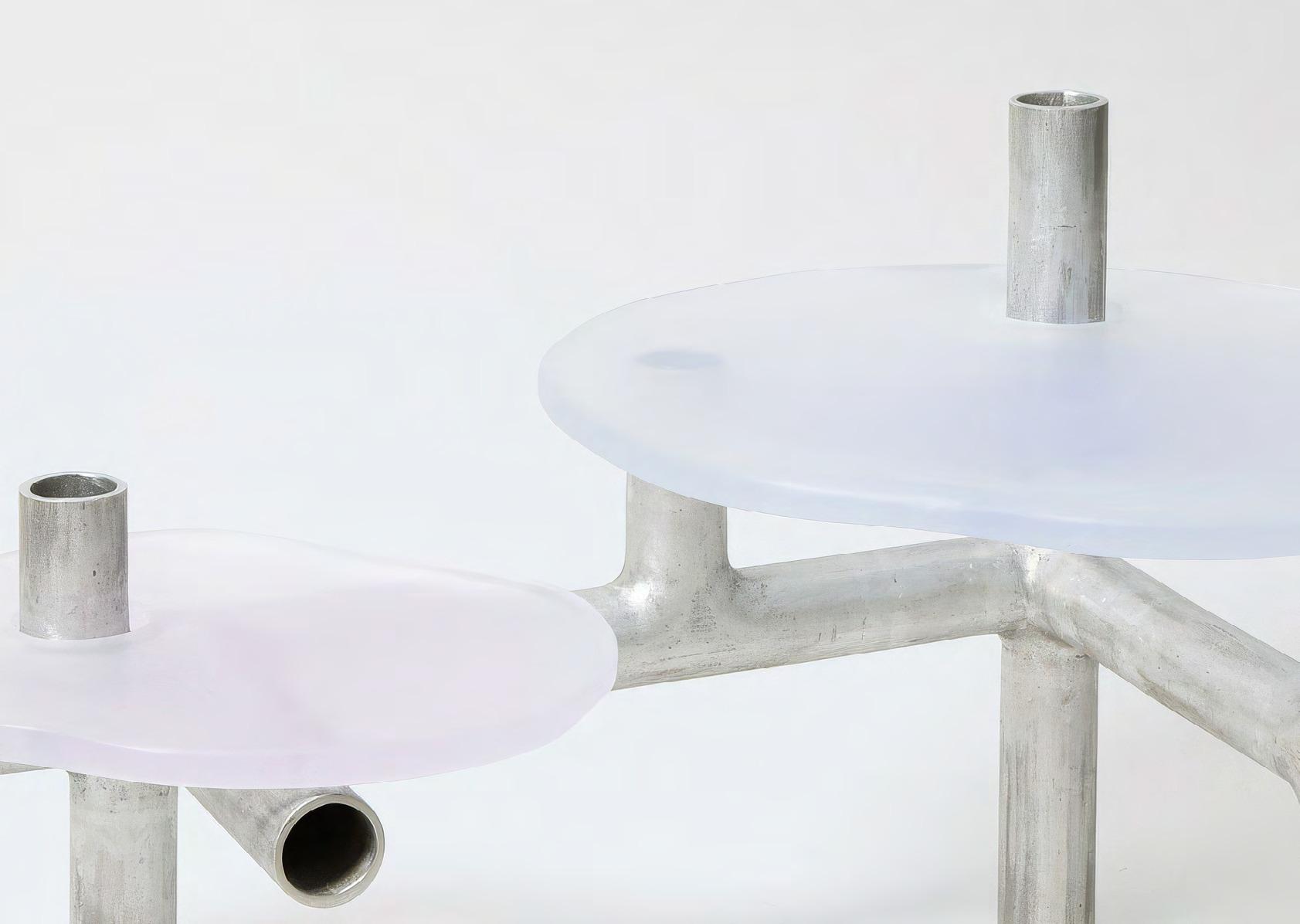
Bunce Studio, the Brooklyn workshop of Christiaan Bunce, showed tables and benches precise enough to use every day without ceremony. The Gimse Table is the clearest example of how the paperwork should read: mirror-polished aluminum and glass, expanding urethane left visible as part of the design, published as an edition of eight. That number is the purchase. You are buying counted scarcity with documentation, neither a secret one-off nor an open production line.
Editions disappoint when the seller is vague about total run size, artist's proofs, and whether the number appears on the object. Keep the certificate with the invoice. The fair floor is full of work that looks unique. Only some of it is sold that way.
When the chair wants to be art
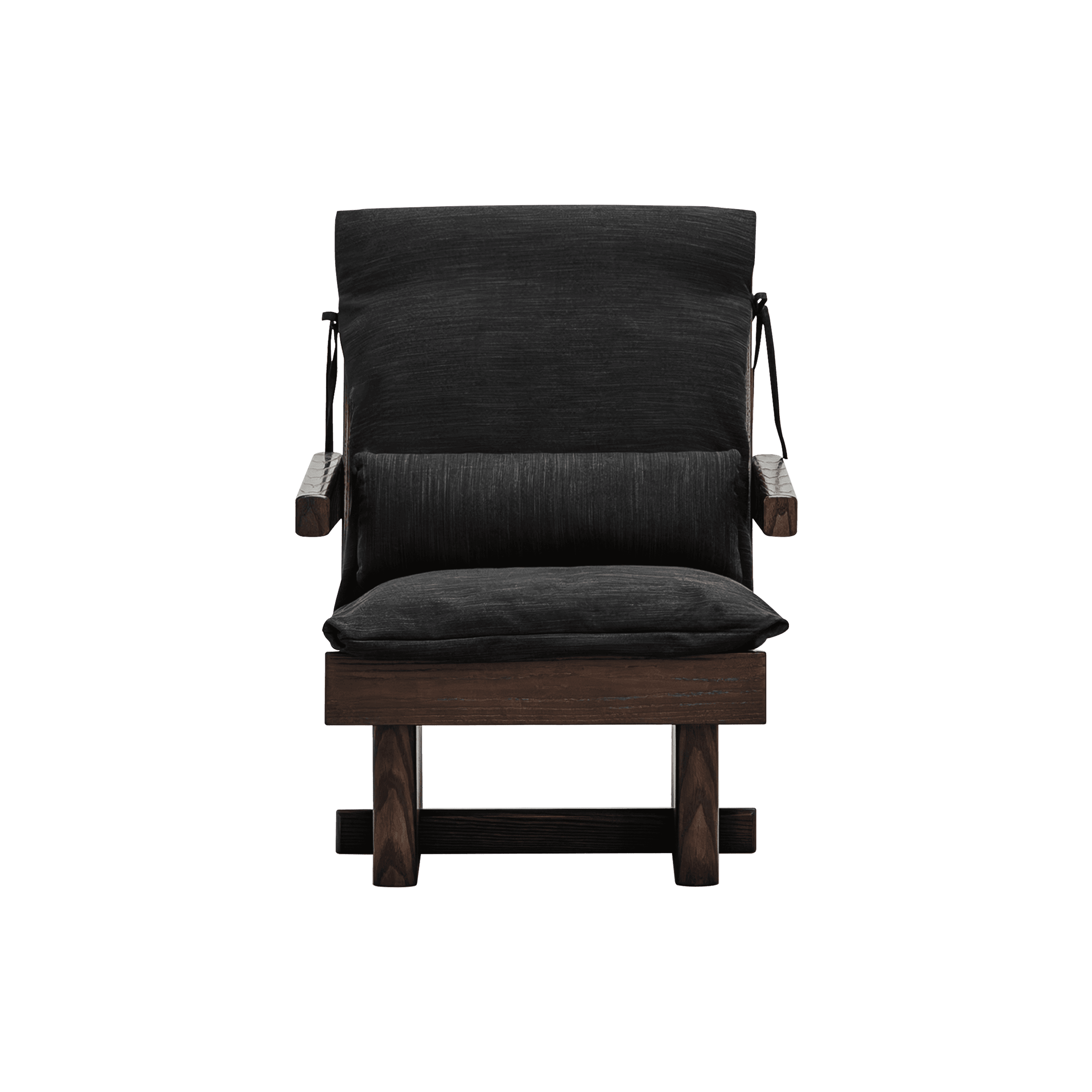
The hardest objects at COLLECTIBLE are the ones that perform as furniture and insist on being read as art. K'ab Juun, the New York gallery for contemporary Mexican design at 38 Little West 12th Street, presented Materia around stone, onyx, wood, and light. Several works were developed with the gallery, including new Bandido Studio lighting finishes and Raúl de la Cerda's Materia + Ónice pieces. You can live with them. You also buy them for authorship, the way Ilana Goldberg, the gallery's co-founder, talks about collectible design carrying the hand of the maker.
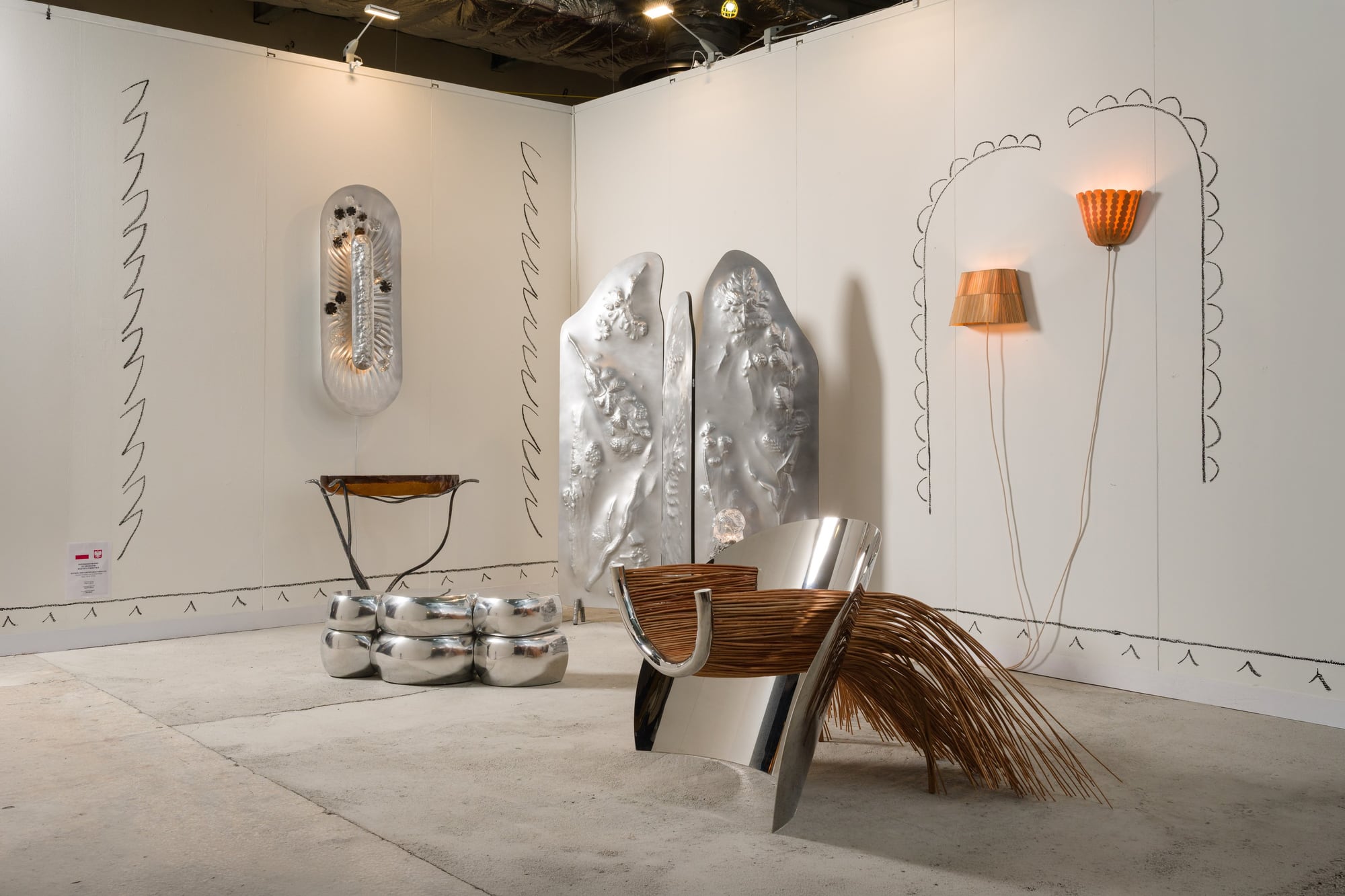
The same tension showed up elsewhere without needing a roster. Faye Hadfield's ceramics at Placed look like vessels and characters at once. Tennant New York's Oceania Mania fixtures treat lighting as decoration first. Brooklyn studio Overt Cove's room divider, shown through Philadelphia cooperative Dudd Haus, braids cherry, steel, and coiled telephone cord into something you can use to split a room and still want to photograph. Each piece can enter a household. The judgment is whether you are paying for daily use, for presence, or for both, and whether the maker has told you how hard the object can be lived with.
When a table is still a table
Not every serious piece at the fair is trying to be a unique. Costantini Design, the New York house that has made custom furniture and lighting since 2002, designs locally and produces to order in Buenos Aires across bronze, wood, stone, and glass. The purchase can feel closer to a careful sofa order than to a gallery acquisition, even when the form is sculptural. Special Projects pushed further into systems with USM × Yabu Pushelberg × Ensemble, a modular collaboration that kept industrial precision in the same building as the one-offs.
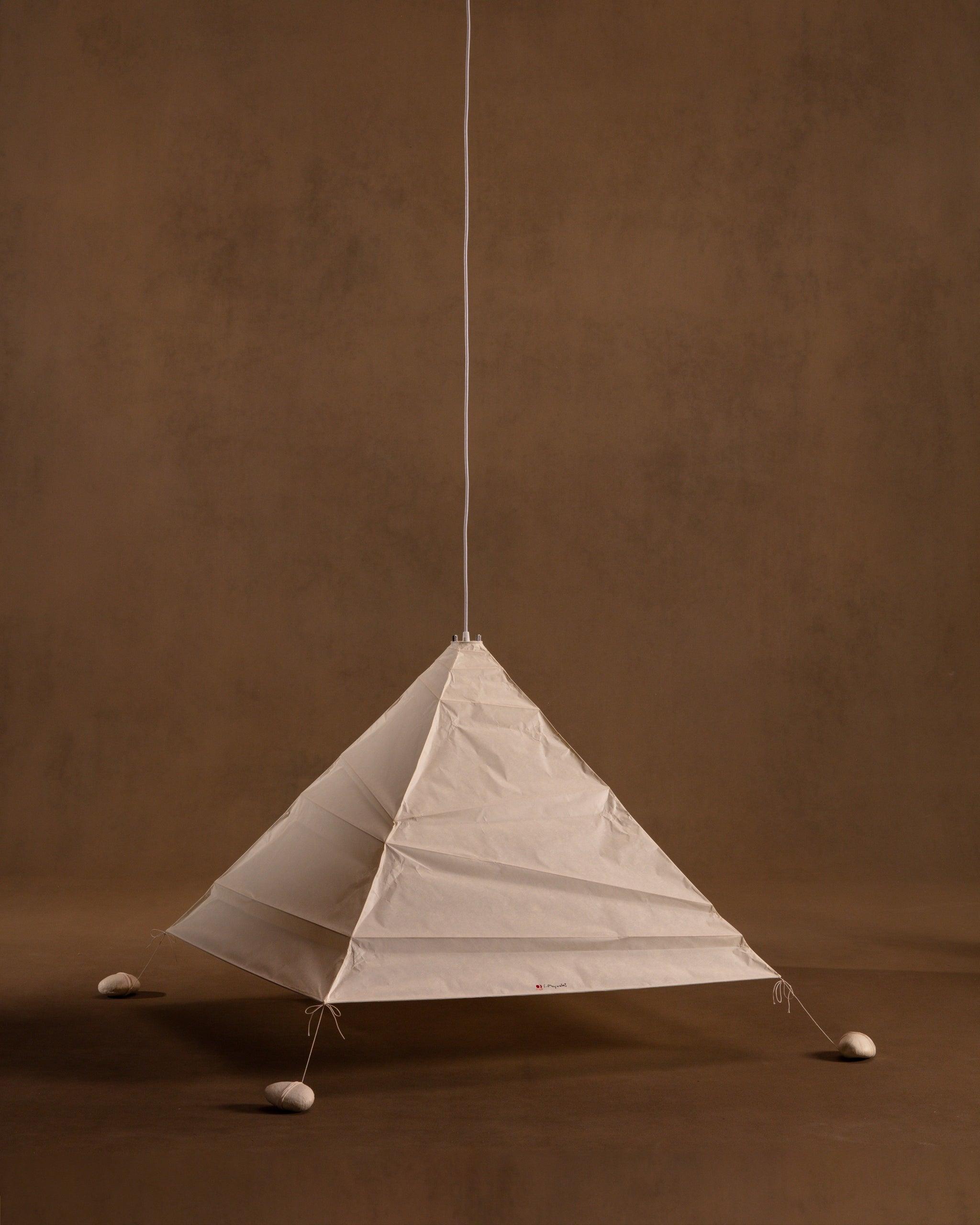
Hang the Kite Above the Table is Banquet's reminder that a named industrial lamp can sit beside collectible work without apology. The fair made the same point. Conventional furniture at this level still needs a maker, a finish schedule, and a delivery date. Leave the edition mythology to the booths that actually sell counted runs. Pay for the craft you are getting.
After the cinema empties
The Upper East Side cinema was a temporary shell on its way to becoming a grocery. COLLECTIBLE has now had three Manhattan editions, and the durable takeaway is quieter than any single sale. Name the category before you name the object. Ask who made it, how many exist, what is signed or numbered, when it arrives, and what happens if it is damaged in transit. Furniture sold as art only works at home when you know which kind of purchase left the fair with you.