
The banquet table has always been where a culture states its values in public: who sits where, what is served first, how long the room is held. Across Asia and the diaspora, that ceremony is now expressed through tasting menus, counter omakase, hotel dining rooms, and chef-driven restaurants where technique, design, and service carry the same weight as any European grand salon.
The old luxury hierarchy gave French technique and Japanese precision the status of universal benchmarks. Chinese banquet craft, Korean fermentation, Indian regional cooking, and the cuisines of Southeast Asia were more often presented as heritage, comfort, or casual food. That hierarchy is changing in dining rooms built by chefs who understand inheritance as working material.
In Seoul, jang can carry a three-star tasting menu. Hanoi and Ho Chi Minh City now sustain distinct contemporary Vietnamese conversations. Mumbai’s hotel institutions share attention with independent kitchens, while chefs in New York, Vancouver, London, and Paris treat diaspora memory with the ambition once reserved for European grand restaurants.
“Tradition is something that can be made anew.”
Kim Byoung-jin, former executive chef of Gaon, speaking to The Korea Herald
Where the Hierarchy Changed
The shift arrived unevenly. Michelin entered mainland China through Shanghai and South Korea through Seoul in 2016, then launched in Vietnam in 2023. India still has no domestic Michelin guide, leaving hotel dining rooms, independent critics, and Asia’s 50 Best to supply different forms of recognition. Hong Kong and Macau operate on their own selection, with a longer history of Cantonese rooms treated as international luxury institutions.
Outside Asia, the change is as much about authorship as acclaim. Diaspora chefs have greater freedom to cook from one region, family, or memory rather than making a menu explain an entire nation. The strongest rooms use the full machinery of luxury hospitality, including serious sourcing, ceramics, wine, lighting, and service, without allowing those systems to bleach the cuisine of specificity.
The eight countries below show the movement under different pressures. Star counts and prices belong to the dated guide editions and official menus cited in each chapter; confirm both before booking.
The Eight Countries
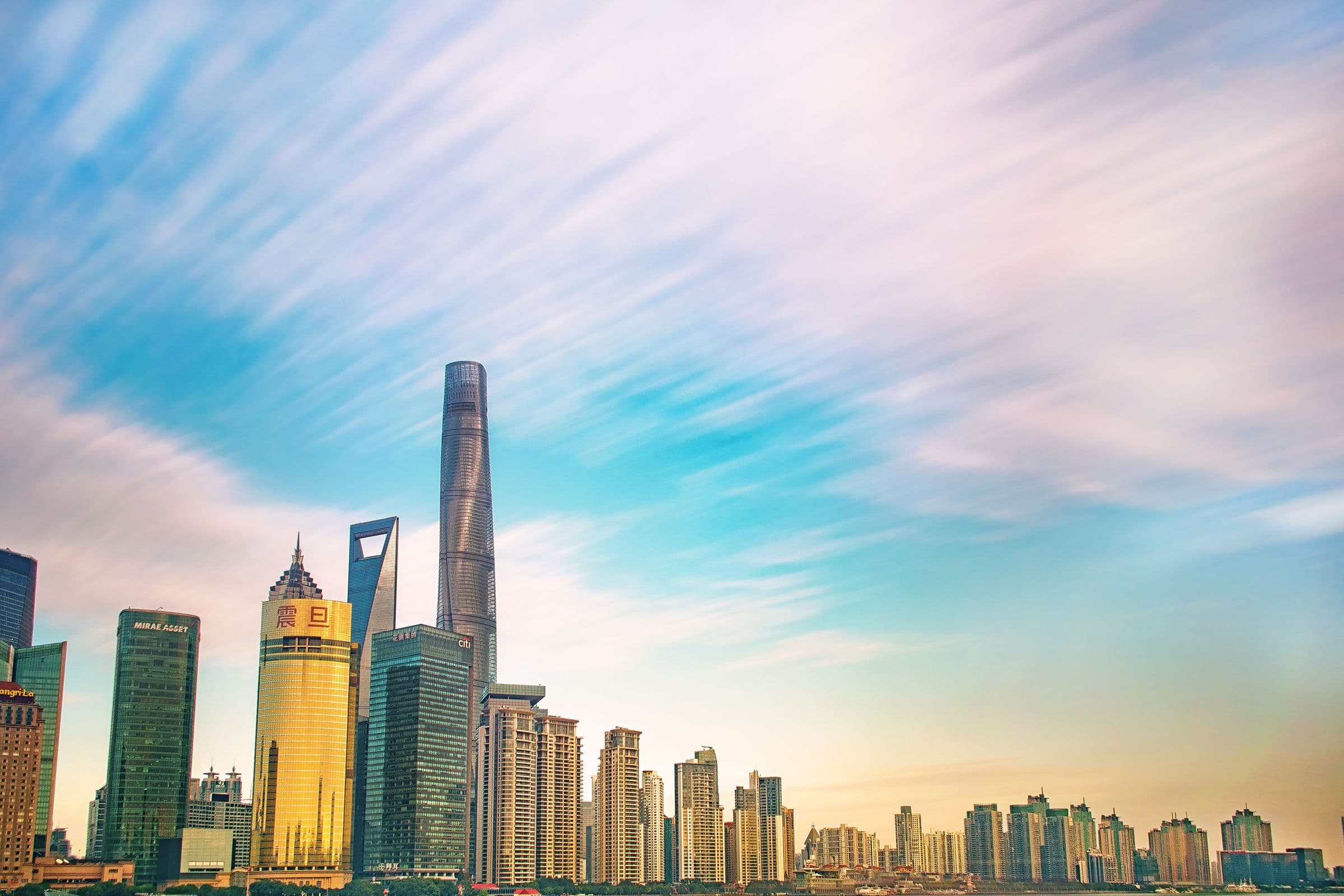
China — Mainland Michelin editions since Shanghai 2016; Shanghainese technique, Beijing banquet logic, and regional tasting menus in Guangzhou and Chengdu.
South Korea — Seoul's guide since 2016; fermentation, banchan architecture, and a three-star room at Mingles.
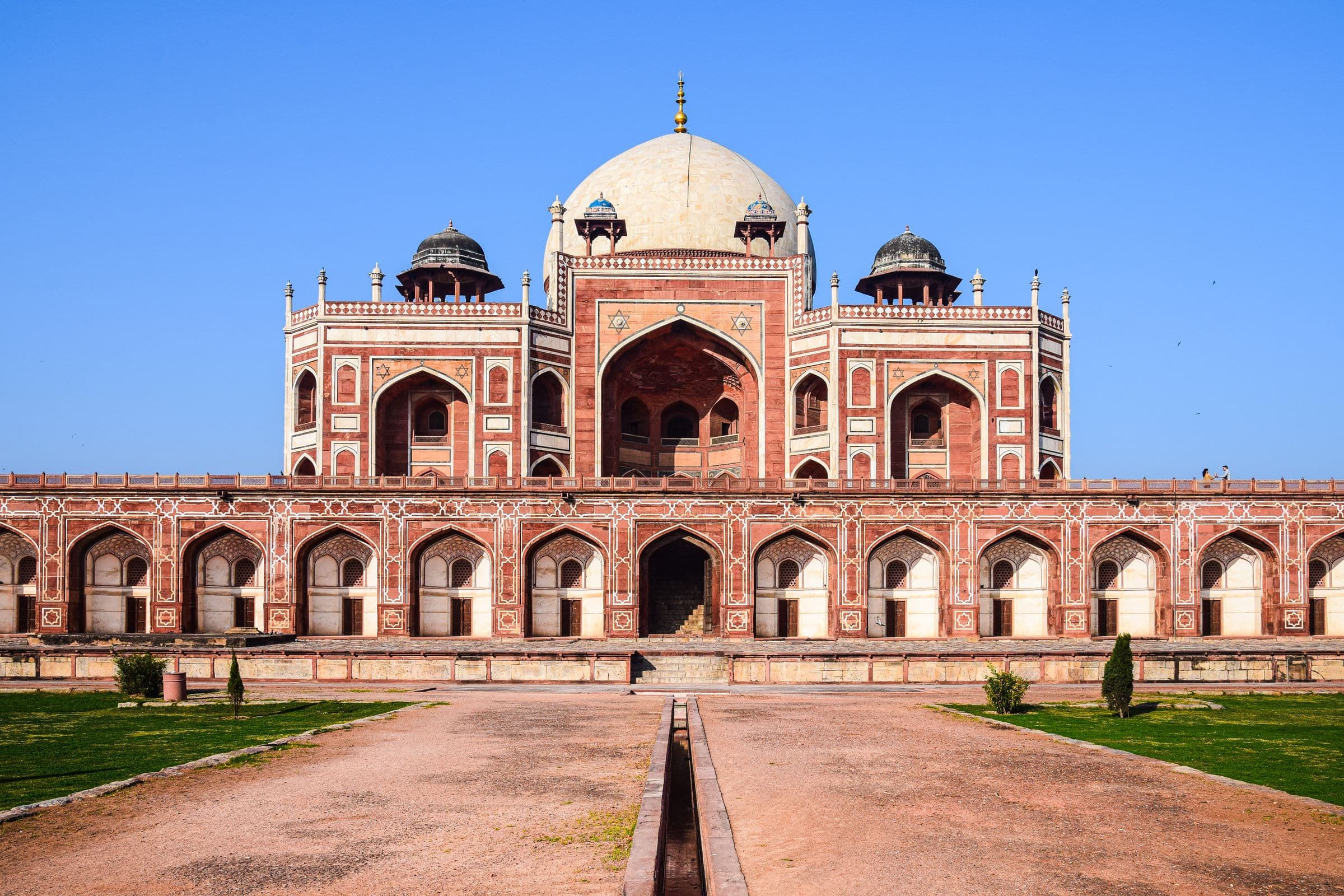
India — No domestic Michelin guide; Delhi and Mumbai lead through progressive Indian, hotel rooms, and Asia's 50 Best.
Vietnam — Michelin Vietnam since 2023; Hanoi and Ho Chi Minh City reframing heritage ingredients through tasting menus.
United States — New York, San Francisco, Los Angeles, and Chicago as diaspora fine-dining capitals.
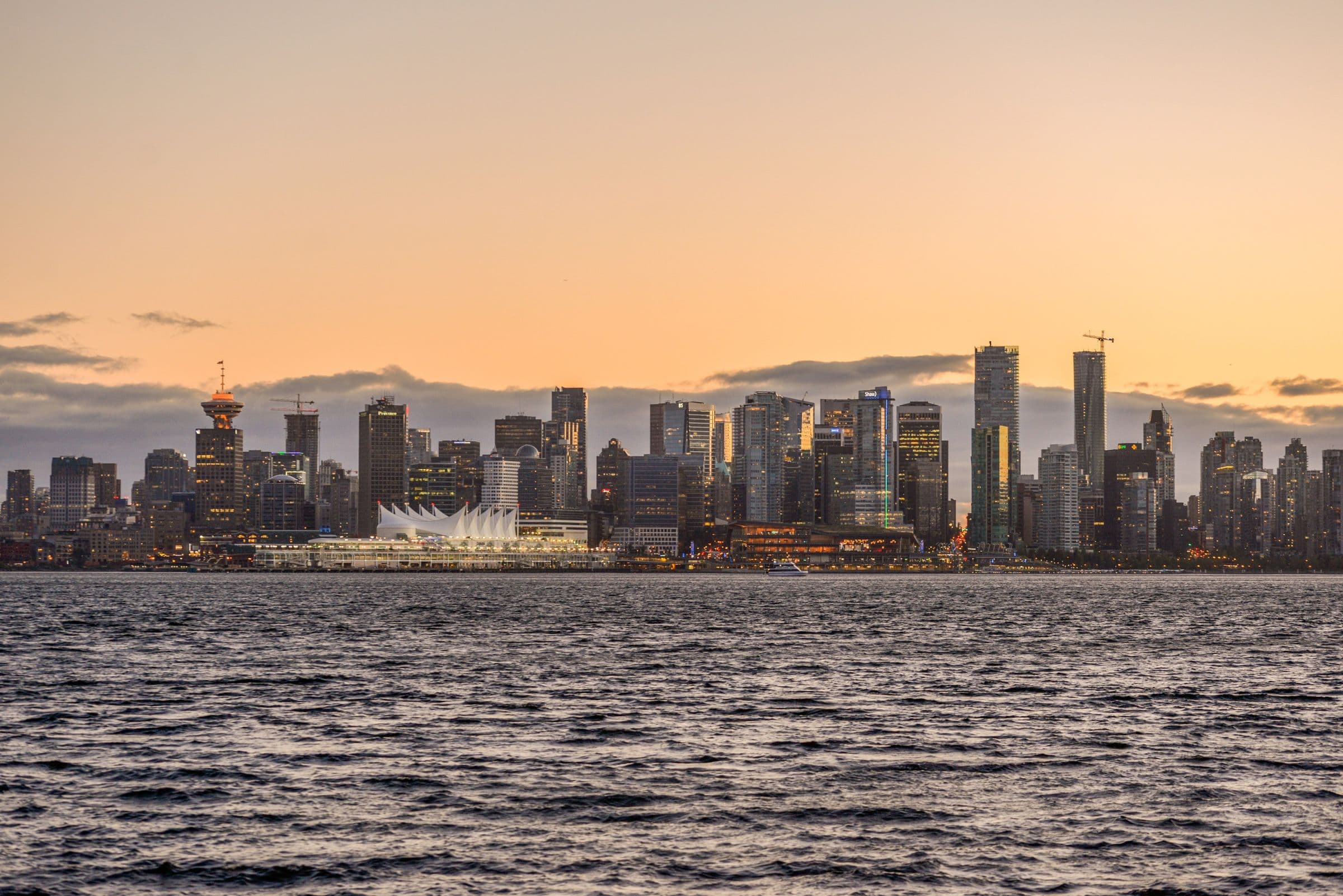
Canada — Toronto and Vancouver Michelin cities; omakase counters, kaiseki rooms, and modern Cantonese destination dining.
United Kingdom — London's Michelin map; modern Chinese, Korean, Japanese, and Indian rooms reshaping the capital's tasting culture.
France — Paris as restaurant birthplace; Japanese counters, Chinese banquet rooms, and Korean tasting menus beside the classical canon.
Related Reading
For diaspora Cantonese in North America, see Vancouver's Cantonese Fine Dining Renaissance. For omakase outside Japan, The Quiet Rise of Omakase Outside Japan. For the travel spine that connects many of these cities, The Asian Grand Tour.