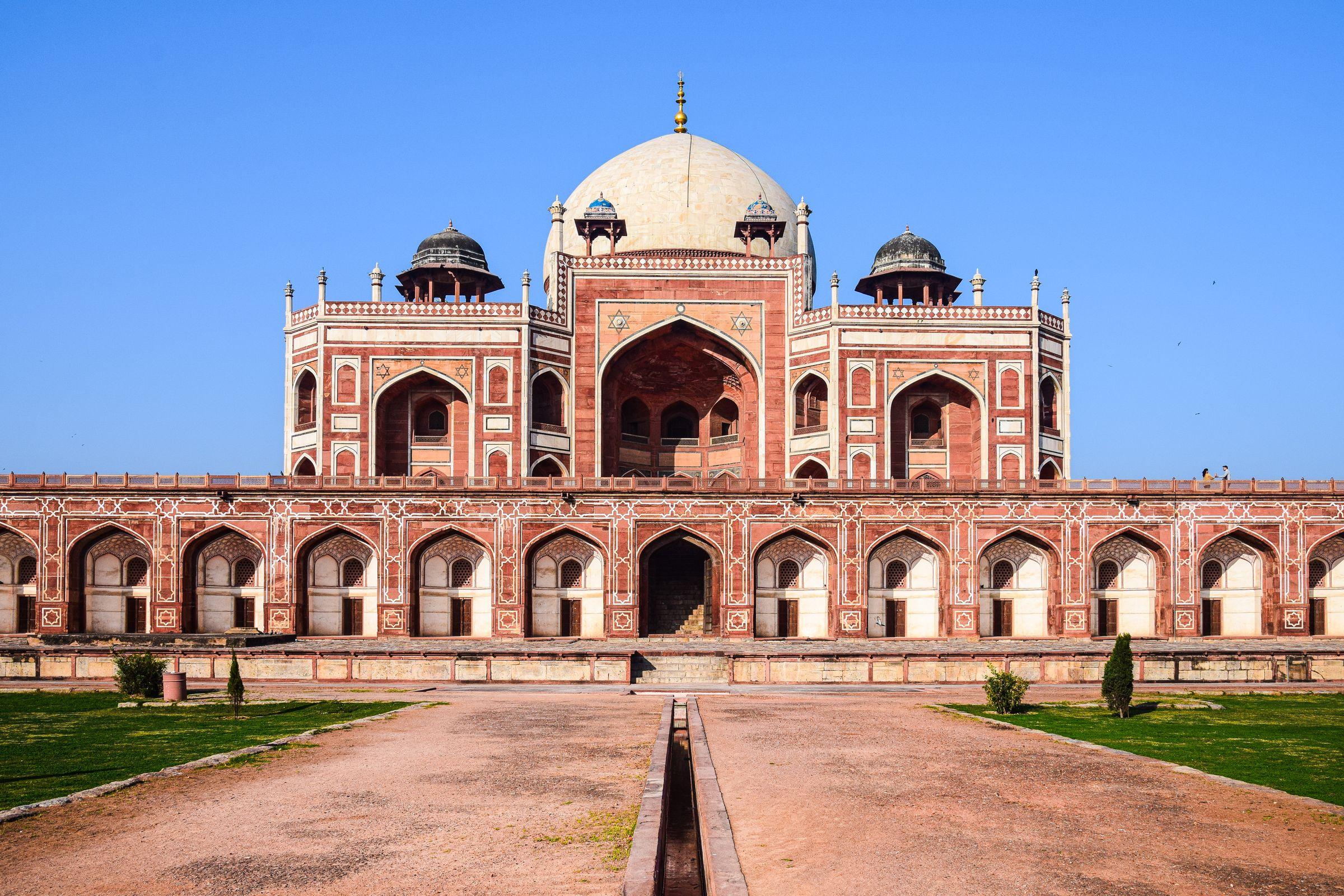

Bukhara has been at the ITC Maurya in New Delhi since 1978, and it still does not give you a knife. Dal bukhara, tandoor, naan, a room that looks rustic on purpose and has seated more visiting presidents than most tasting counters will ever see. It became the template for Indian hotel restaurants everywhere else. The meal is a la carte. The point is the institution.
Manish Mehrotra opened Indian Accent at The Lodhi in 2009 and did the other thing: Indian ingredients and regional technique in a coursed menu, with a wine list that expects the table to sit still. Asia's 50 Best has ranked it. The group later opened in New York. The Mumbai room is in Dinner at Indian Accent, Mumbai. There is still no Michelin guide for India, so this is the recognition the city actually uses, along with the hotel book and the critics who bother to go.
Mumbai's independent rooms arrived after that. Masque opened in 2016 in a converted mill, Prateek Sadhu cooking with Aditi Dugar, a seasonal menu built from what they could forage and farm across the country. Asia's 50 Best noticed. The Bombay Canteen, opened in 2015 by Thomas Zacharias and Floyd Cardoz, went the other direction: regional home cooking, serious sourcing, a room with some noise in it. The kitchen has changed hands since. It is still the table people in the city send you to when a tasting menu would be the wrong kind of evening.
The hotels did not disappear. Ziya, at The Oberoi Mumbai, is Vineet Bhatia's modern Indian room, coursed menus and a la carte, the sort of table a business dinner can survive. In Bangalore, Karavalli has been at the Taj Gateway since 1990, cooking the coast and the south, Kerala and the Konkan among them, and it has ranked on Asia's 50 Best for that specificity. You book it through Taj. Book Bukhara for the hands. Book Accent for the courses.