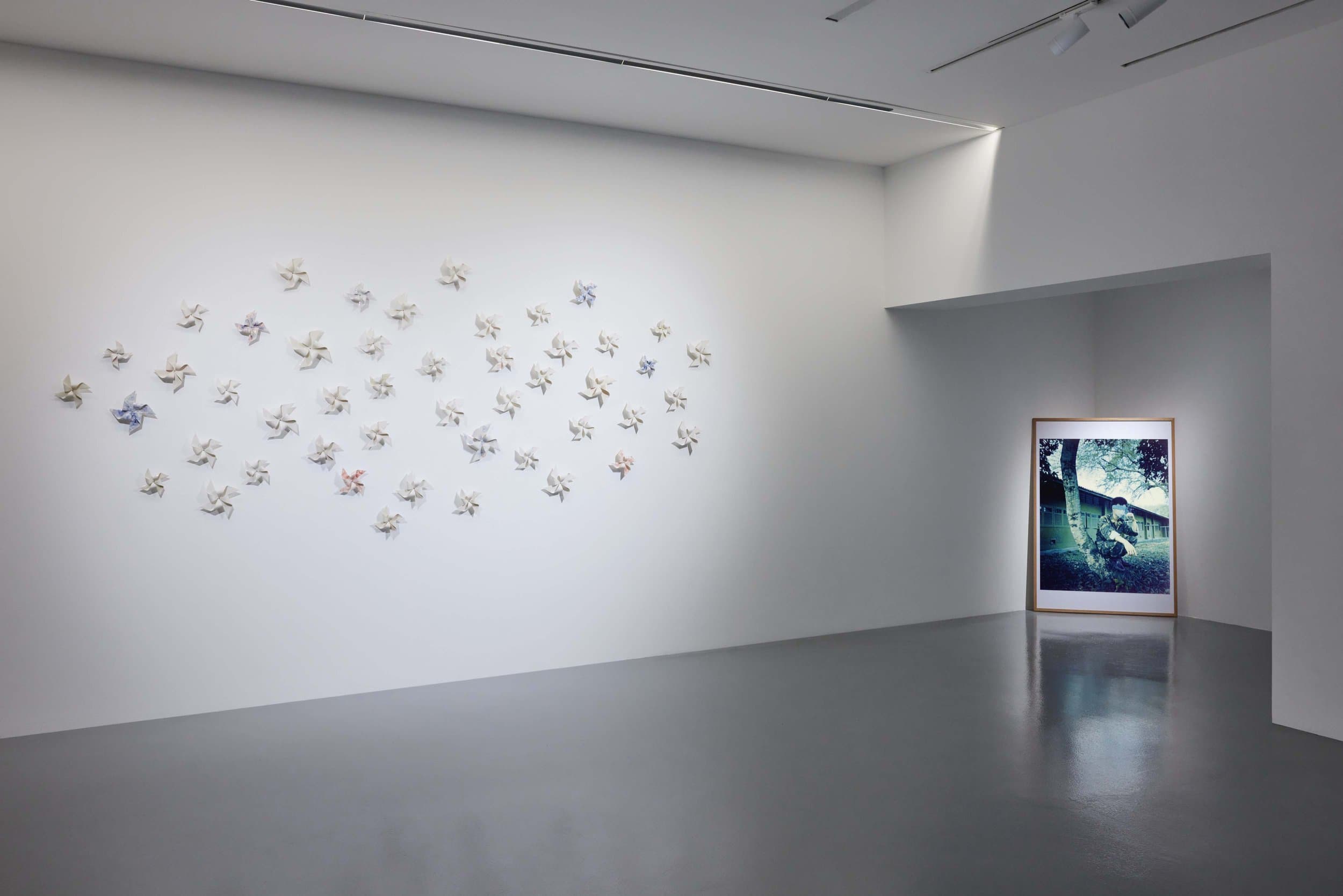
The Lie of the Land at FOST Gallery, 1 Lock Road, Gillman Barracks, Singapore: Shane Ng’s A Breeze in Passing (2026), porcelain pinwheels that catch a draft, swarm the main wall; a framed photograph leans in the alcove beyond. Image courtesy of FOST Gallery.
Start with a question. “How much is it?” will do.
Singapore Gallery Month opens today, 15 August, and runs through 13 September 2026. Presented by the Art Galleries Association Singapore (AGAS), its seventh edition puts more than 30 galleries and over 100 programmes onto one five-week calendar: exhibitions, talks, tours, workshops and performances. The useful part is less the total than the permission it gives. Walk into a commercial room, look slowly and speak to the person behind the desk.
“What is always complicated is the initial stage: getting someone interested and helping them move from discovery to engagement.”
Audrey Yeo, AGAS president and founder of Yeo Workshop, speaking to The Business Times, July 2026
That diagnosis is why August matters. Singapore already has the January spectacle. ART SG fills Marina Bay Sands; Singapore Art Week supplies institutional traffic and opening-night velocity. Gallery Month offers something slower. A month gives you time to dislike a work, reconsider it, ask for a checklist, measure a wall and come back. Collecting becomes a practice rather than a badge collected at the convention centre.
Learn the Rooms at Gillman Barracks
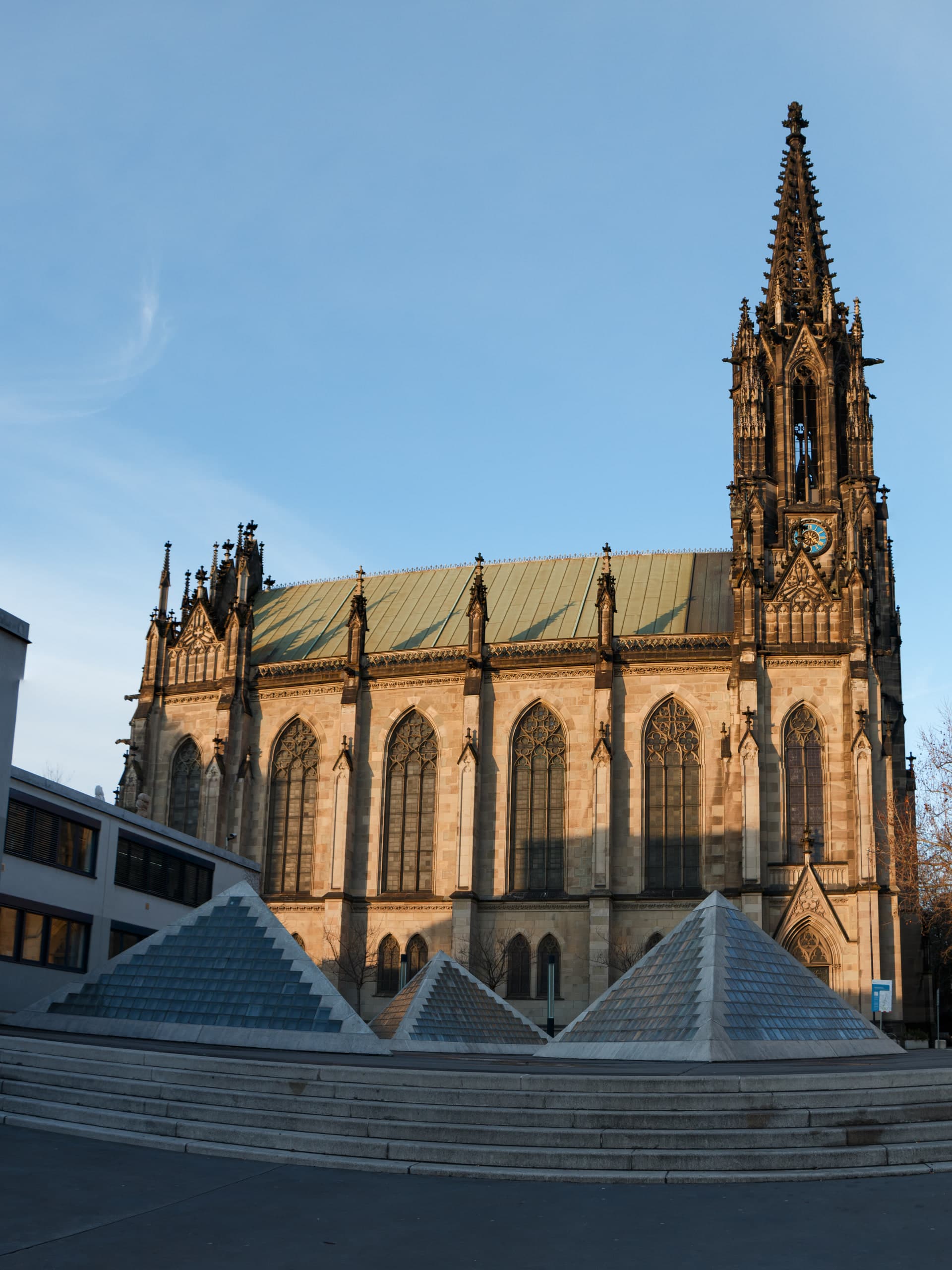
The opening move is Gillman Gatherings today at the former military barracks off Alexandra Road. Several exhibitions begin together, which makes the precinct unusually useful as a comparison exercise.
At FOST Gallery, The Lie of the Land runs through 12 September. Six Singaporean artists share one premise: how the country pictures its own conditions. Enter on Shane Ng’s A Breeze in Passing (2026): porcelain pinwheels inspired by portable fans and childhood provision-shop toys, staged so a visitor’s draft can set them spinning. An alcove holds a single framed photograph. Stay long enough to decide which medium keeps your attention before you ask for a price.
At Mizuma Gallery, Bali-born artist Budi Agung Kuswara opens Tracing Shadow, combining cyanotype, hand painting and algorithmically generated imagery. He calls the method “Solar Synthetic Reality.” Colonial archives and synthetic descendants pass back through sunlight, then through the artist’s hand. The opening runs 15 August, 3–7pm, with an artist walkthrough from 3–4pm; the exhibition continues to 20 September.
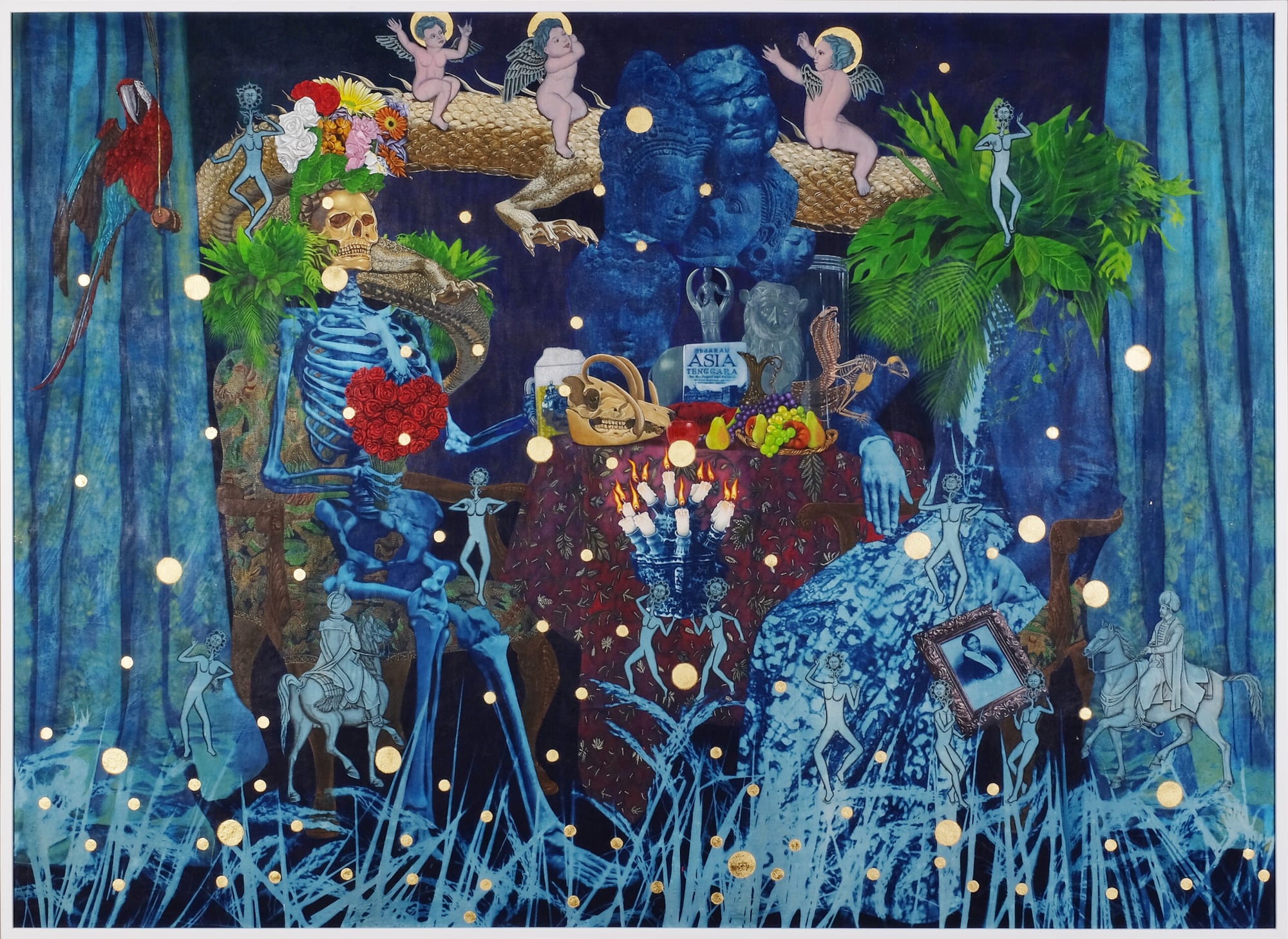
Nearby, Bangkok filmmaker and visual artist Taiki Sakpisit turns ShanghART Singapore into a moving-image labyrinth for 13 Nightmares, through 4 October. Across the barracks, Yeo Workshop opens Scenes from Another Life, curated by Chelsea Pettitt of the Bagri Foundation, through 11 October. Four rooms are plenty. Any more and you stop seeing.
Use the National Gallery Singapore on another morning as institutional calibration. Its Southeast Asian collection explains histories a commercial checklist can only imply. Then return to Gillman and ask the practical questions: Is the work unique or editioned? What is the provenance? Does the quoted price include framing? Who handles installation and shipping? A serious gallery will welcome specificity.
Put the Price Beside the Idea
Gallery Month’s smartest programming moves the conversation away from the opening-night huddle. Art After Hours, co-presented by AGAS and UOB on 29 August, extends talks, tours and performances around Tanjong Pagar Distripark, with later hours at the Singapore Art Museum. On 5 September, Creators & Connoisseurs at Gajah Gallery puts artists and collectors into short, rapid conversations. Call it art-world speed dating if you like. At least nobody can hide behind a thirty-minute speech.
The new Collectors’ Home Tours take the argument into private rooms. Seeing art above a sofa, beside family photographs or at the end of a corridor answers questions that a white cube avoids: scale, glare, dust, children, partners with opinions. The month’s S$1,000 Patron’s Pass includes S$500 in credits redeemable at participating galleries, a one-to-one art-advisory session, selected ticketed programmes and access to those home tours, subject to capacity. Buy it for access and education, not because a credit has made a work “cheaper.”
At the same Distripark cluster, Whitestone Gallery’s Counterweight: The Systems of Two opens today. Singapore artist duo Stefen Chow and Huiyi Lin, known as Chow and Lin, bring ceramics into Decentralized Value Systems: a white LED lamp ringed with capsule forms. Their practice turns economics into something you can stand beside. It is a useful test for any first cheque. Would you live with this object on a Tuesday, or only photograph it at an opening?
That is the month’s real sales pitch. Galleries sustain artists by selling work, and buyers deserve candour about that exchange. Ask the price. Ask what comparable work has sold for. Ask how the gallery supports the artist between fairs. Then go home without buying if the answer feels rehearsed.
Make a Second Visit
Treat the calendar as three appointments rather than 100 obligations.
First: spend half a day at Gillman Barracks while the opening programme is active. Look broadly and photograph labels only where permitted.
Second: keep 29 August for Tanjong Pagar Distripark if Art After Hours suits your diary. Cluster rooms; Singapore humidity and cross-city taxis punish heroic gallery maps.
Third: revisit one gallery on a quiet weekday. Ask for the price list before you arrive, bring measurements of the wall you are considering, and request condition, edition and delivery details in writing. If the work still occupies your mind after the social programme has moved on, you have learned something useful about your eye.
For the longer regional collecting calendar, read The Collectors Shaping Contemporary Asian Art, Why Frieze Seoul Owns September and Why Design Miami Basel Matters. Those weeks compress the market. Singapore Gallery Month stretches it back out.
The next move is pleasantly ordinary: return to the room, continue the conversation and decide whether you want to live with what you saw.