For a long stretch, “collectible watch” meant a Swiss maison with a waiting list and a logo your dinner companion could read across the table. That grammar is loosening. Serious buyers still chase Geneva and the Vallée de Joux. They are also reading allocation emails from Singapore, Hong Kong, Tokyo, and Kuala Lumpur, and judging the piece by finishing, proportion, and how many will ever exist.
The secondary market already votes with money. EveryWatch, the pricing platform that tracks dealer and auction transactions, put independent brands at $633.8 million in secondary sales in the first half of 2026, up 89 percent year on year, enough to outpace the LVMH watch portfolio on that ledger. Most of that heat still sits with Swiss names such as F.P. Journe. The habit underneath it travels: collectors are paying for scarcity and craft they can explain, not for a conglomerate’s marketing calendar. Asia is where a growing share of that craft is being designed, finished, and rationed.
“Whether it gets nominated or not, I hope this entry shows that world-class watchmaking can emerge from anywhere, even a spare room in Singapore.”
Tristan Ho, founder of LOTH, to The Peak Singapore, National Day 2026 coverage of the brand’s GPHG Challenge shortlist
That spare-room line is the point. The next watch worth studying may never have been conceived on the Rhône.
Five Signatures, Five Scarcities
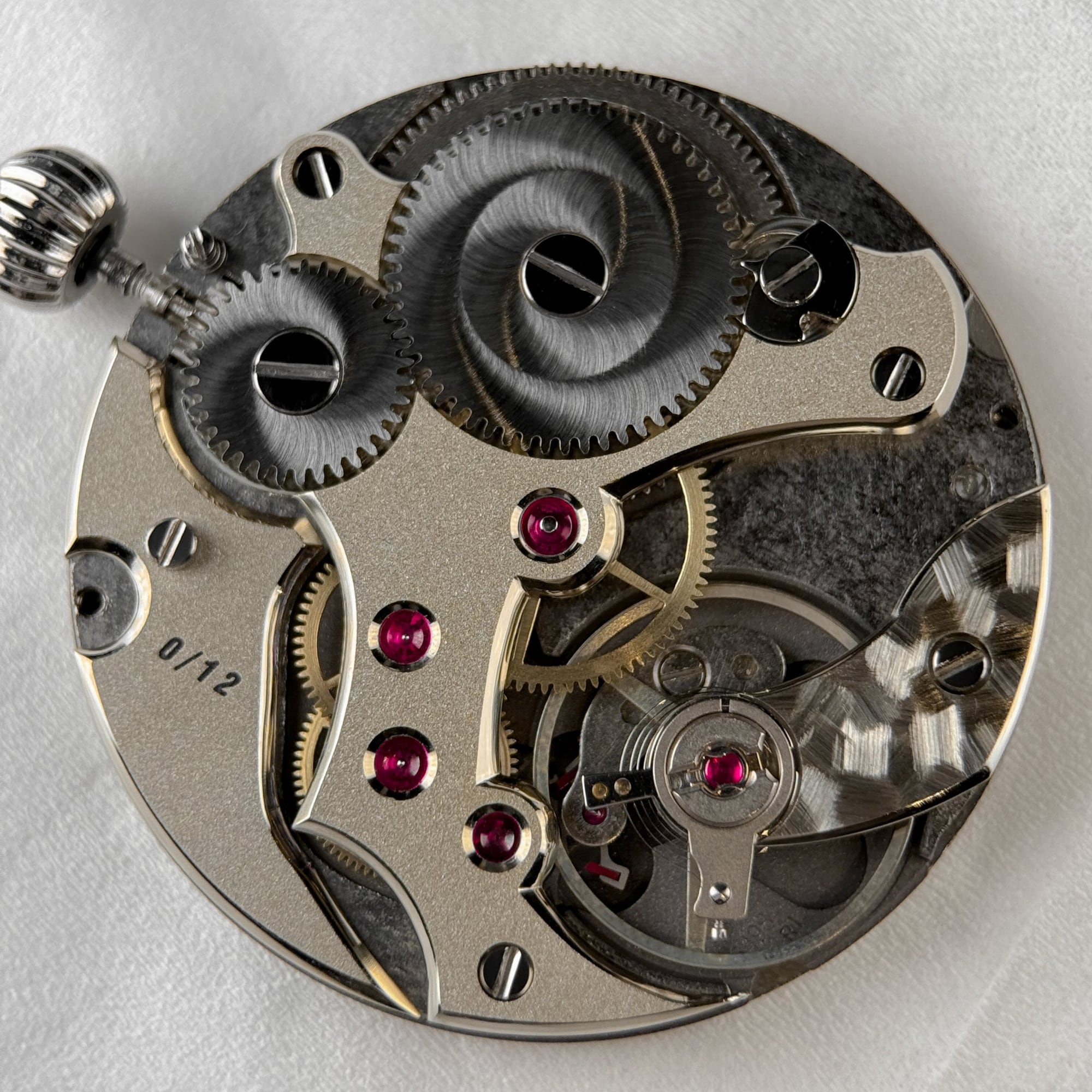
Start in Singapore with LOTH, the atelier of Tristan Ho, a self-taught maker whose first commercial watch reworks an ETA/Unitas 6498 with custom German-silver bridges finished by hand. Watch 1 ran twelve pieces at SGD 6,498 before tax, about one a month, and sold out between late April and early September. The dial and bridges refuse electroplating so the metal can be refinished decades later; the bevels are wide enough to read under a loupe. For 2026, The Peak reported Watch 1 among the GPHG Challenge shortlist, a useful international stamp for a house founded in 2024.
Across town, ZLTD Watches, the Singapore-registered project of collector Z.L. Toh and Canadian watchmaker Raf Dzwonek, builds the complication they want to see. Series 2 carries their in-house RD01, with a balance tipped at 20 degrees, steel bridges CNC’d in Calgary and finished by hand. Twenty pieces are planned for 2026 at USD 7,500; Haute Time reported the run spoken for after Spring Sprang Sprung. Inclined balances usually live in six-figure catalogues. Here the signature is the engineering risk at a price collectors can actually pay.
Hong Kong’s collectible lane runs through Atelier Wen, the Franco-Chinese house registered on Connaught Road, Central, and founded in 2017 by Robin Tallendier and Wilfried Buiron. Inflection is the statement piece: case and bracelet in 99.9 percent pure tantalum, grand feu enamel dials from Kong Lingjun’s Beijing workshop, a heavily customized Girard-Perregaux 03300. First-year output is capped near 100 watches; the full-tantalum bracelet version lists at USD 29,800. Buyers are paying for the metal and the enamel work, and for a sports-watch silhouette that argues Chinese craft can sit at that price without apology.
Tokyo still sets the quietest bar. Naoya Hida & Co. plans roughly 140 watches across more than ten models for 2026, allocated by application rather than open cart. Dial engraving by Keisuke Kano can take days; The Armoury’s Floating Feathers collaboration, limited to ten, sat at USD 33,000. For the wider Japan map, read Independent Japanese Watchmakers to Know. Hida is the evidence that Asian scarcity can look classical and still feel rarer than a steel sports reference.
Then there is MING, designed in Kuala Lumpur by photographer-turned-watch designer Ming Thein and built with specialists such as Manufacture Schwarz-Etienne in La Chaux-de-Fonds. Limited annual runs, optical dials, and a design-first brief made the brand a collector habit years before the newest Singapore ateliers arrived. The 17.06 Copper was a GPHG Challenge finalist in 2019. MING shows how an Asian design house can stay small on purpose while using Swiss partners for the bits that need a manufacture floor.
What Lasts When the Hype Moves On
Scarcity alone is a bad reason to buy. Microbrands invent “limited” every week. Lasting value in this lane tends to share a few boring virtues: finishing you can photograph under magnification, a production number the maker will still defend in five years, service paths that exist outside Instagram, and a design language that does not chase last season’s auction meme.
Ask the unglamorous questions. Who cut the bevels? What is the base calibre, and who modified it? How many pieces, over what period, and who keeps the ledger? Does the brand answer mail after the deposit clears? Phillips Hong Kong already treats independents as a regular catalogue chapter; a Yosuke Sekiguchi sitting beside Dufour and Journe at the spring 2026 sale is a taste signal, not a guarantee your micro-run will trade up. Maison icons still matter (The Wrist and the Serpenti maps that grammar). This other lane rewards patience and taste the way The New Asian Luxury Buyer Doesn’t Need You to Recognize the Brand rewards private conviction over logo flash.
Switzerland is not leaving the room. It still supplies movements, finishing schools, and the auction vocabulary most collectors speak. What has changed is the assumption that authority only travels one direction. When the next watch you want is finished in a Singapore workshop, enamelled in Beijing, engraved in Tokyo, or designed in Kuala Lumpur, the collectible story has already moved. The Swiss stamp remains useful. It is no longer the only stamp that counts.