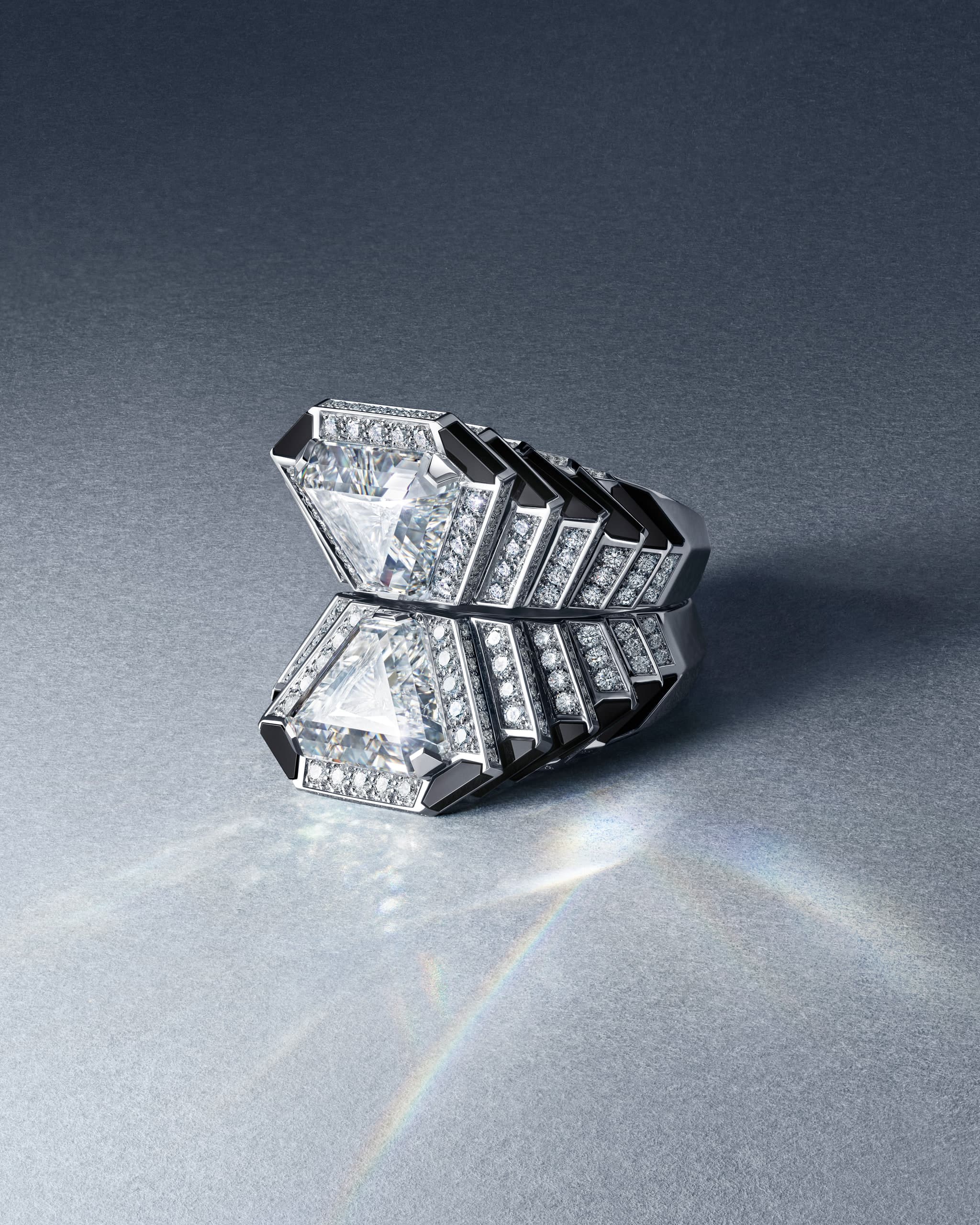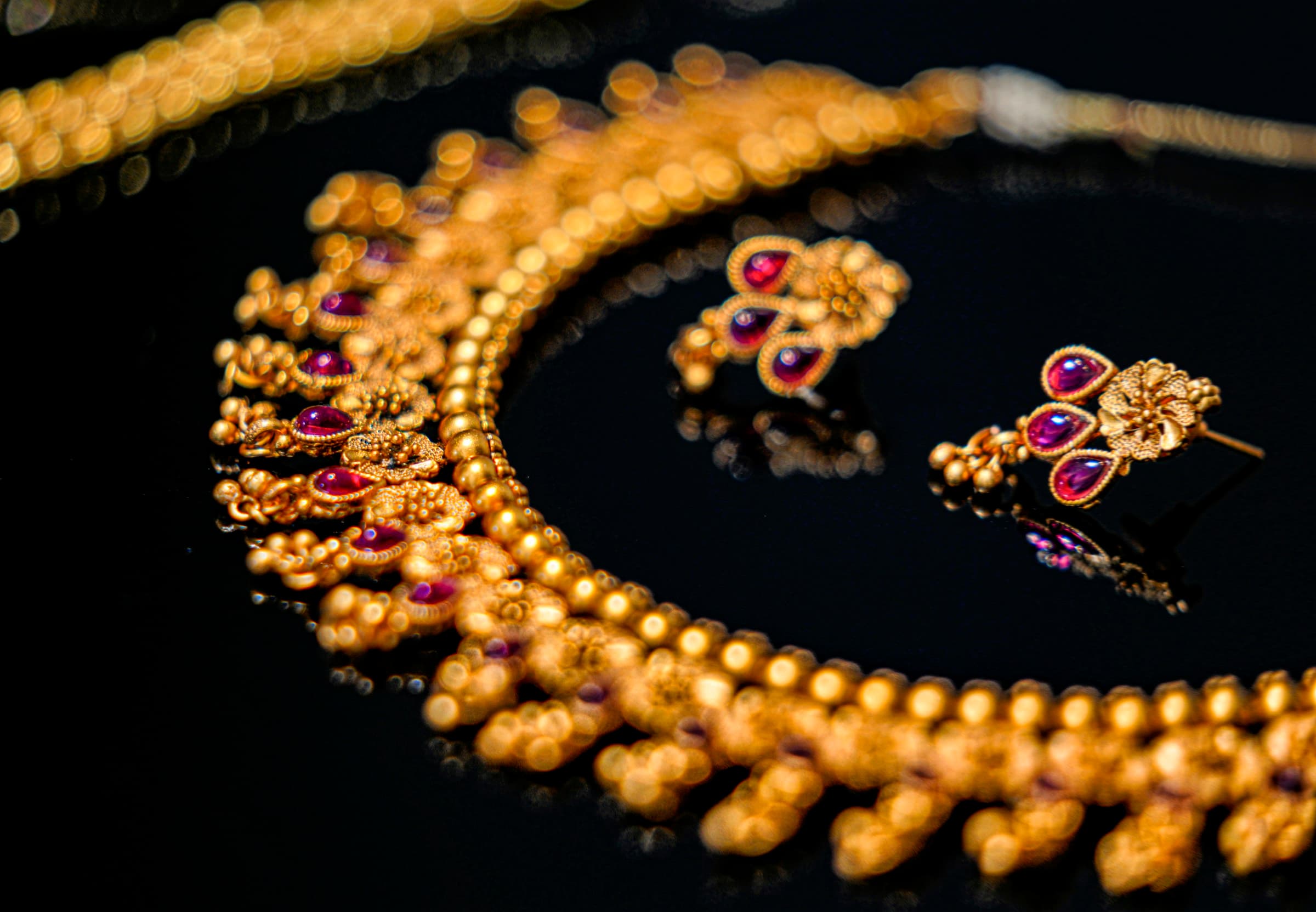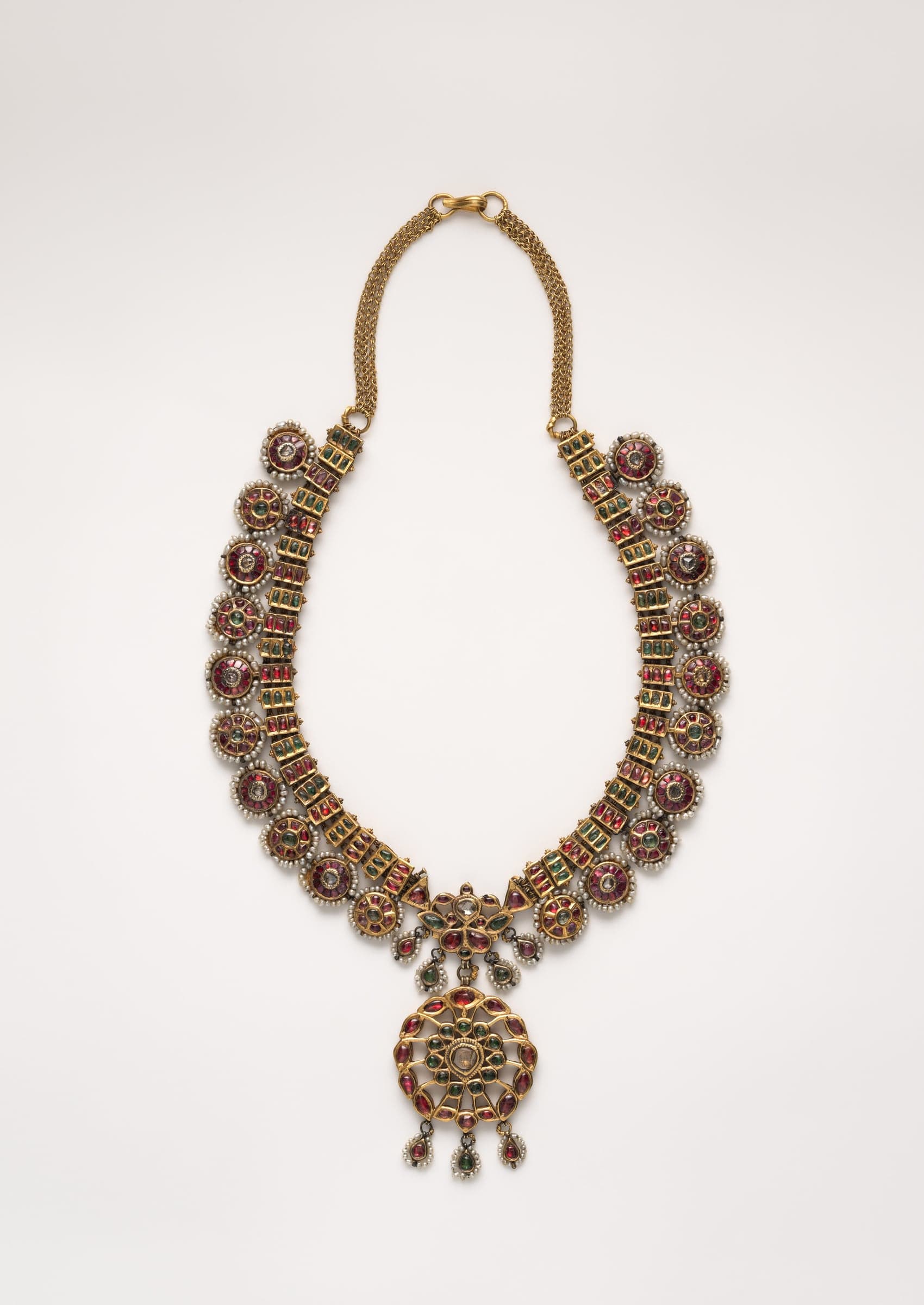
European fine jewelry spent a long nineteenth-century chapter worshipping the white diamond.
India never did.
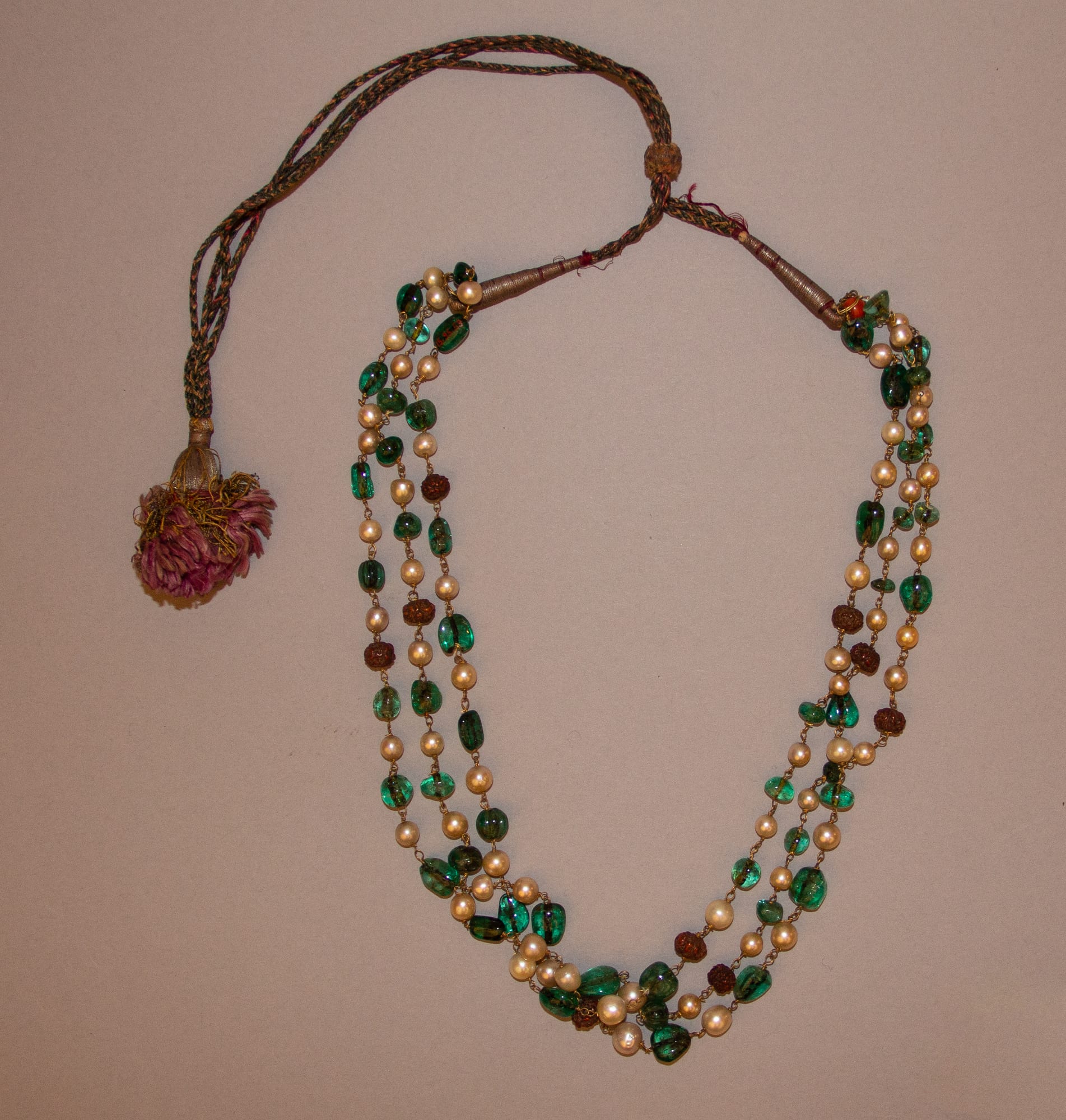
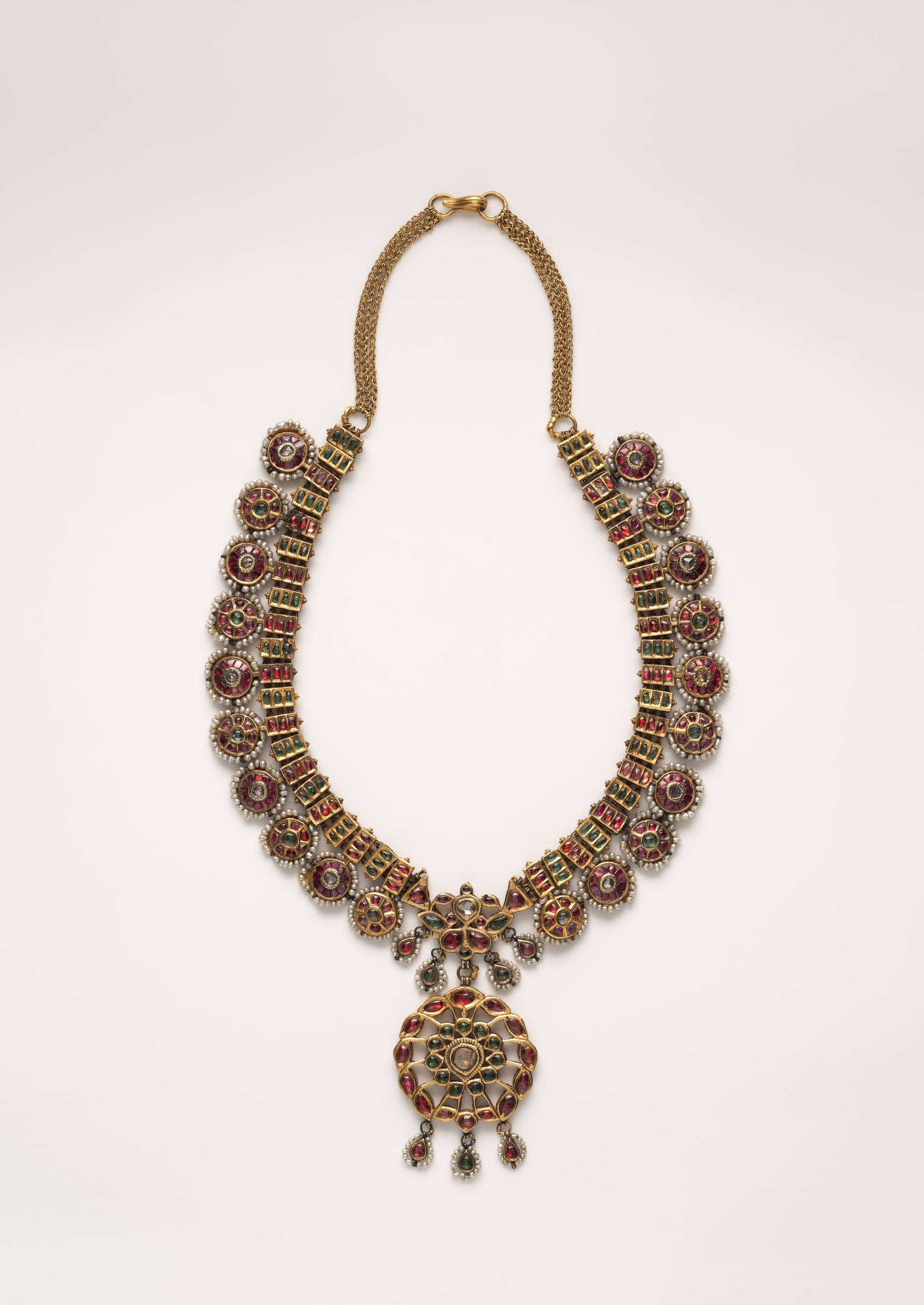
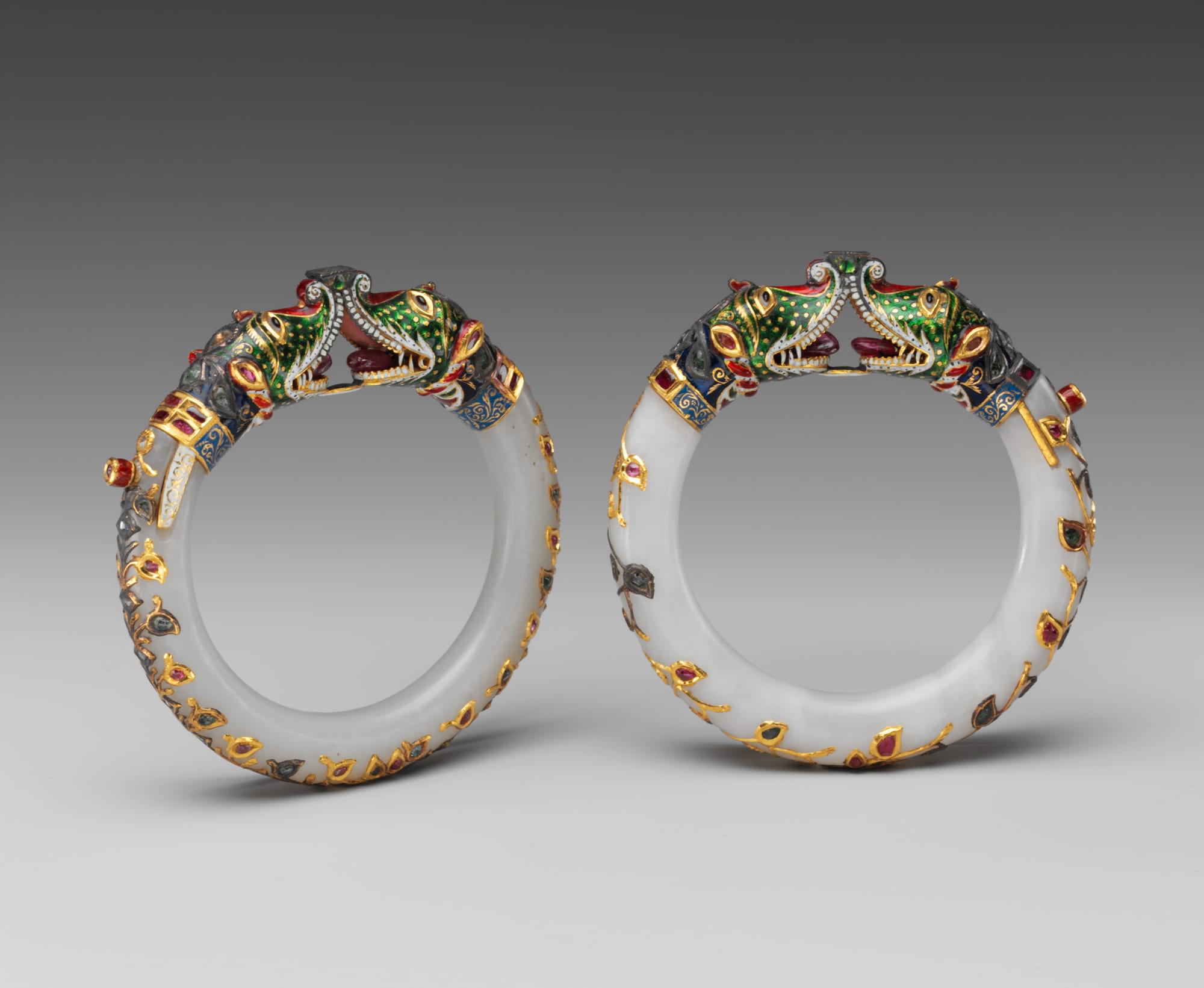
Mughal and princely treasuries treated color as grammar: carved emeralds, rubies and spinels, enamel backs, pearls in dense rows, diamonds as punctuation rather than the whole sentence. When Jacques Cartier reached India for the 1911 Delhi Durbar, he was not inventing a new Paris fashion so much as opening a pipeline. Princely clients, carved stones, and court display habits would reshape Place Vendôme’s idea of what a jewel could look like for the next two decades.
For Jaipur buying education, read The Gem Palace and the Education of Stones. Here we stay with the Place Vendôme half of the story: how Indian courts taught Paris color, and how diaspora buyers should read an “Indian” Cartier chapter without confusing it for a workshop on MI Road.
"Some of the jewels Cartier made for the Maharajas in the 1920s, at the heart of Art Deco, rank among the most exquisite of all time."
Francesca Cartier Brickell, on Jacques Cartier’s Indian client circuit after the 1911 Durbar
What Indian courts already knew
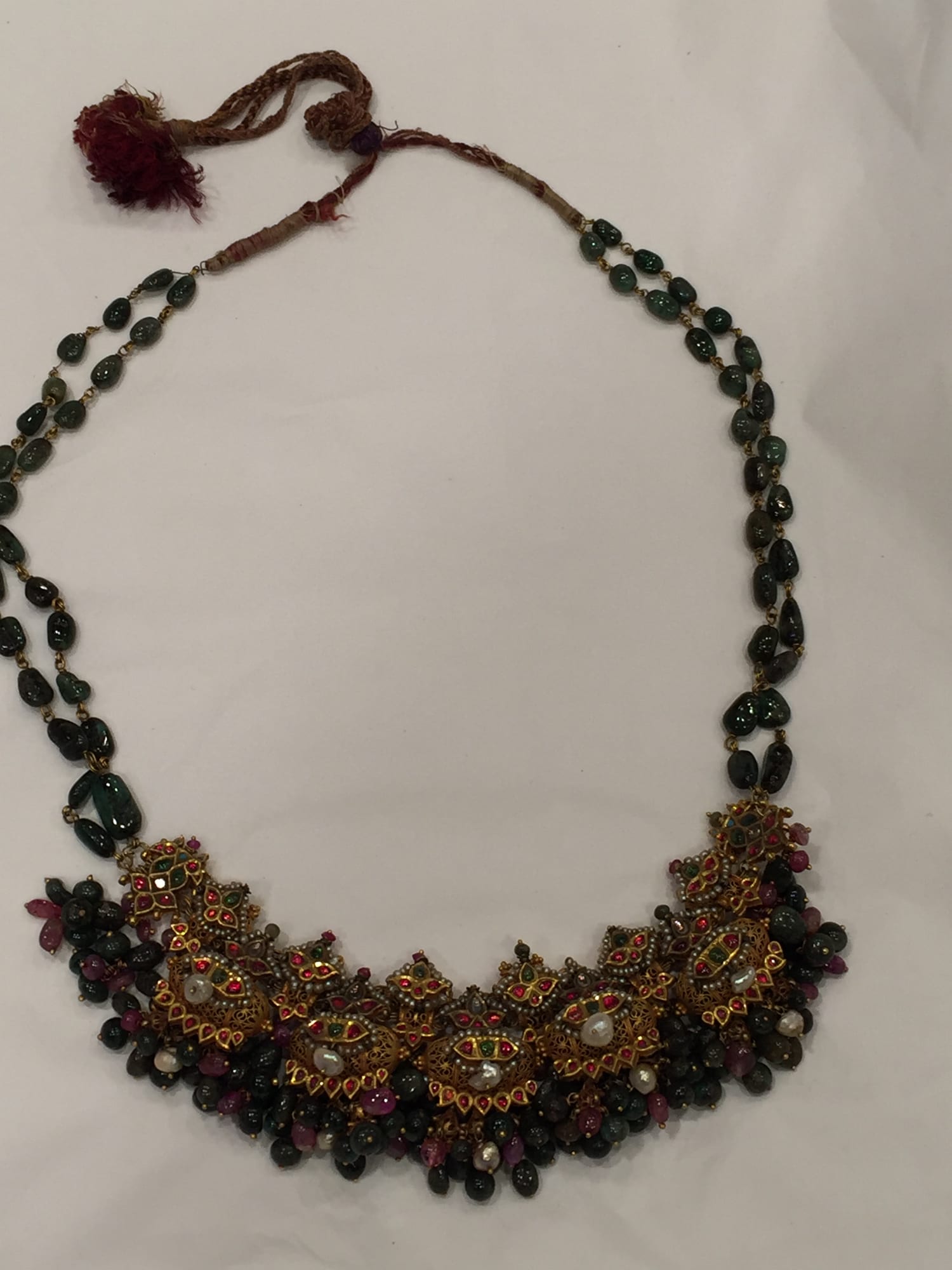
Before Cartier’s Hindou jewels, Indian jewelry already assumed that stones could be carved, that enamel could face the skin, and that a necklace might read as architecture. Golconda’s reputation as a diamond source (the trade and finishing hub near modern Hyderabad, fed by Krishna River alluvial fields) gave Europe some of its most storied stones; by the eighteenth and nineteenth centuries those mines were largely exhausted, which is why “Golconda” on a modern certificate is a claim that needs paperwork, not a mood.
The visual literacy for diaspora buyers begins here. A Punjab or Rajasthan necklace with mixed colored stones is not “costume” relative to a solitaire. It is a different theory of adornment: saturation, layering, and ceremonial visibility. European white-diamond monoculture was the provincial habit. Indian courts were the cosmopolitan ones.
Jacques Cartier, 1911, and the client circuit
The Delhi Durbar of December 1911 gathered India’s princely rulers for the coronation durbar of George V as Emperor of India. Jacques Cartier, then running Cartier’s London operations, attended as a jeweler with appointments to make. Palace visits followed. Through the 1920s, Cartier Paris and London remounted treasury stones, accepted enormous special orders, and absorbed Mughal carving into Art Deco settings.
The house’s carved emerald, ruby, and sapphire compositions of the late 1920s and 1930s, later nicknamed Tutti Frutti by the market (Cartier’s own period language leaned toward pierres de couleur and, in Jacques’s usage, “Hindou jewels”), are the clearest design residue. European clients such as Daisy Fellowes commissioned spectacular examples. The stones themselves were often older Indian carvings reset in platinum. Paris supplied the hinge and the fashion timing. India supplied the color intelligence.
Softening is required. Not every Cartier colored-stone jewel of the period is an Indian commission. Not every “Indian style” piece in a contemporary boutique carries carved Mughal material. Certificates and catalogues matter. So does knowing whether you are looking at a 1928 special order or a twenty-first-century homage.
Object study: the Patiala Necklace
The signature commission remains the Patiala Necklace. Maharaja Bhupinder Singh of Patiala placed a vast Cartier Paris order in 1925; the ceremonial diamond necklace was completed in 1928. Period accounts describe roughly 2,930 diamonds, with the De Beers yellow diamond of about 234.6 carats as the centrepiece, plus Burmese rubies in the original scheme. It was Indian treasury ambition mounted as Art Deco platinum architecture.
After Independence, the piece left public view. The platinum framework resurfaced in London in 1998, stripped of its greatest stones. Cartier acquired the incomplete jewel and, between 1999 and 2002, restored the structure with replica stones standing in for what was lost. The version shown at the Victoria and Albert Museum’s Cartier exhibition (12 April–16 November 2025) was that hybrid: original architecture, replaced fire. Useful for visitors who saw it; useful now as a reminder that even legendary objects arrive with absences.
Do not treat the Patiala story as a shopping brief. Treat it as proof of scale. European courts had diamonds. Few could match that concentration of Indian court display remade in Paris.
How to read “Indian” on a certificate today
Practical notes for diaspora buyers who move between Place Vendôme, London vaults, and Jaipur appointments:
Ask which India. A Cartier Tutti Frutti bracelet with period carved stones is a Paris object with Indian material history. A kundan-meenakari commission on MI Road is an Indian workshop object with living craft. Both can be serious. They answer different questions.
Ask what is period. “In the Indian taste” on a modern high-jewelry release is design language. A 1928 special-order line in an auction catalogue is provenance language. Pay for the one you mean.
Ask where the color literacy lives. If you want to understand stones before you buy European interpretations of them, spend time in Jaipur with houses that still cut and set for wear across generations. Start with The Gem Palace and the Education of Stones. If you want contemporary diaspora makers who treat the body as a site for decision rather than costume, read Contemporary Jewelry from the Asian Diaspora.
Ask what you will wear. Princely display and daily carry are different briefs. A Patiala-scale necklace was public power. Most of us need pieces that survive airport light and family dinners. Color still travels better than people think, once the setting is honest.
The pair with the courts
Europe absorbed Asia in rooms: porcelain, lacquer, chinoiserie pavilions. Europe absorbed India in jewels: carved stones, polychrome density, maharaja commissions that forced Paris to widen its palette. Read Europe's Courts Were Already Half Asian for the architectural half. For Jaipur nights that still teach splendor without apology, Three Nights at Rambagh Palace sits in the same city as the buying education.
Paris learned, slowly and commercially, what Indian courts had practiced as ordinary magnificence. The buyer’s advantage now is simple: you can hold both chapters at once, as long as you keep the labels honest.
See The Gem Palace and the Education of Stones, Europe's Courts Were Already Half Asian, and Contemporary Jewelry from the Asian Diaspora.
Continue Reading
Continue with The Gem Palace and the Education of Stones, Europe's Courts Were Already Half Asian, and The Banquet Guide to Mumbai.