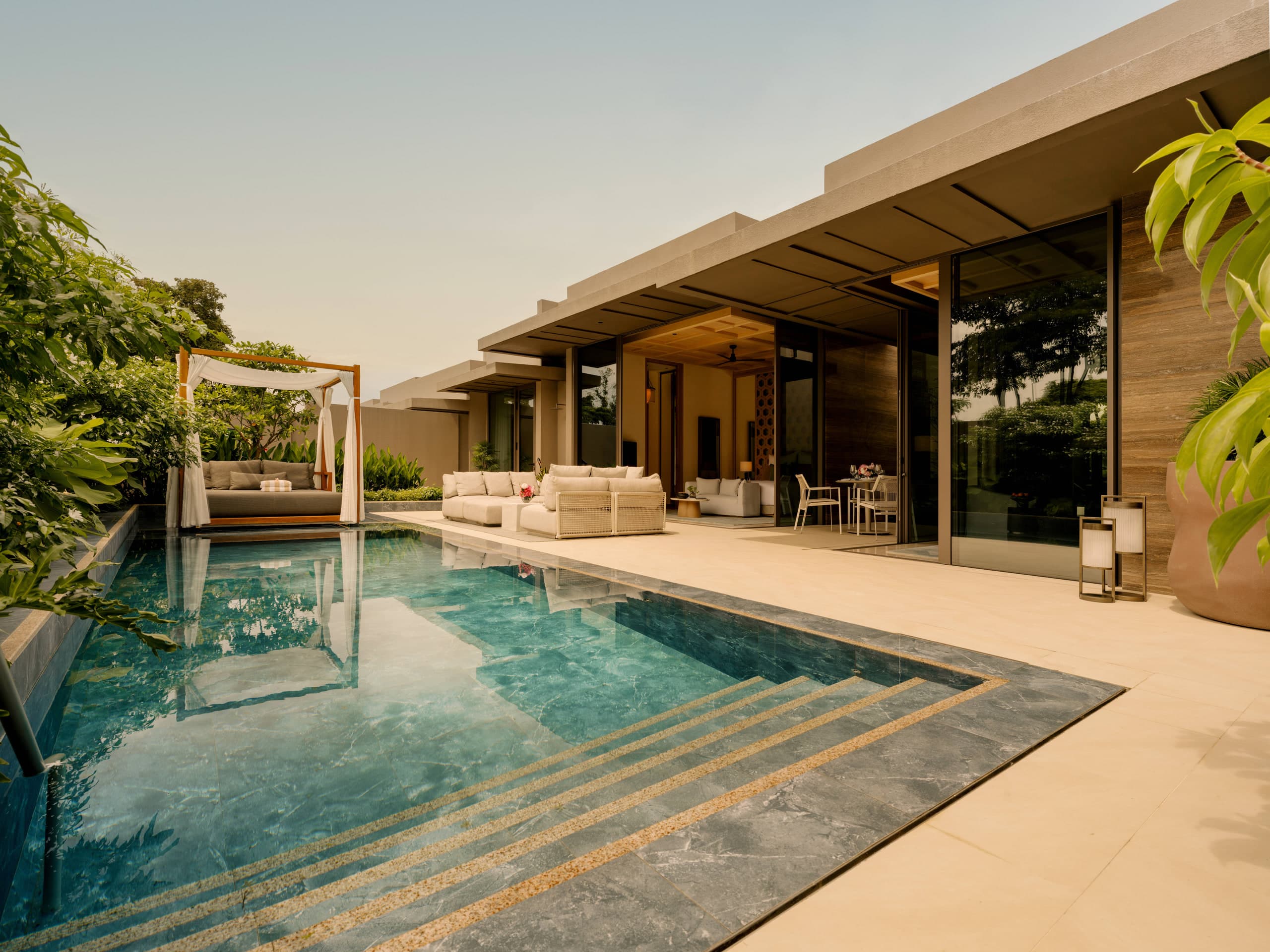

On 4 August 2026, the MICHELIN Guide Singapore will announce its tenth star list at Raffles Sentosa Singapore, the One-MICHELIN-Key all-villa resort that opened on 1 March 2025. The invitation is private. The argument is public.
A decade after the inaugural 21 July 2016 ceremony at Resorts World Sentosa, Michelin has become the scoreboard Singaporeans and diaspora hosts argue over in the same breath: which counter is worth a month of booking discipline, which hawker line is still worth the heat, and which “must” is really a tourist queue. The stars that night will move a few names. The deeper story is already on the table. On 28 July, Michelin released the 2026 Bib Gourmand list: ninety-seven addresses, up from eighty-nine in 2025, with seventeen stalls and rooms that have held the Bib through every Singapore edition since the guide arrived.
“The steady growth of Singapore’s Bib Gourmand selection reflects our inspectors’ continued discovery of the city’s wealth of good food, from longstanding favourites to new establishments. Those that have retained the distinction across all 10 editions stand as a testament to their consistency, dedication and enduring appeal.”
Gwendal Poullennec, International Director of the MICHELIN Guide, on the 2026 Bib Gourmand release
Read The New Banquet: Singapore for the booking map against the 2025 star list. This piece is the decade frame: what Michelin measured here, what it still cannot, and how to use the week of 4 August without treating the guide as a shopping list.
What 2016 Actually Changed
Singapore was Michelin’s first Southeast Asian guide and, in that first selection, a global test case. Out of roughly two hundred listed eateries spanning more than thirty-five cuisine categories, twenty-nine took stars. Joël Robuchon stood alone at three. Two hawker stalls, Hill Street Tai Hwa Pork Noodle at 466 Crawford Lane and Hong Kong Soya Sauce Chicken Rice & Noodle in Chinatown Complex, became the first street-food addresses in the Guide’s history to receive a star. Candlenut, under Malcolm Lee, made Peranakan a Michelin category. Australian cooking entered the star map for the first time in the Guide’s system.
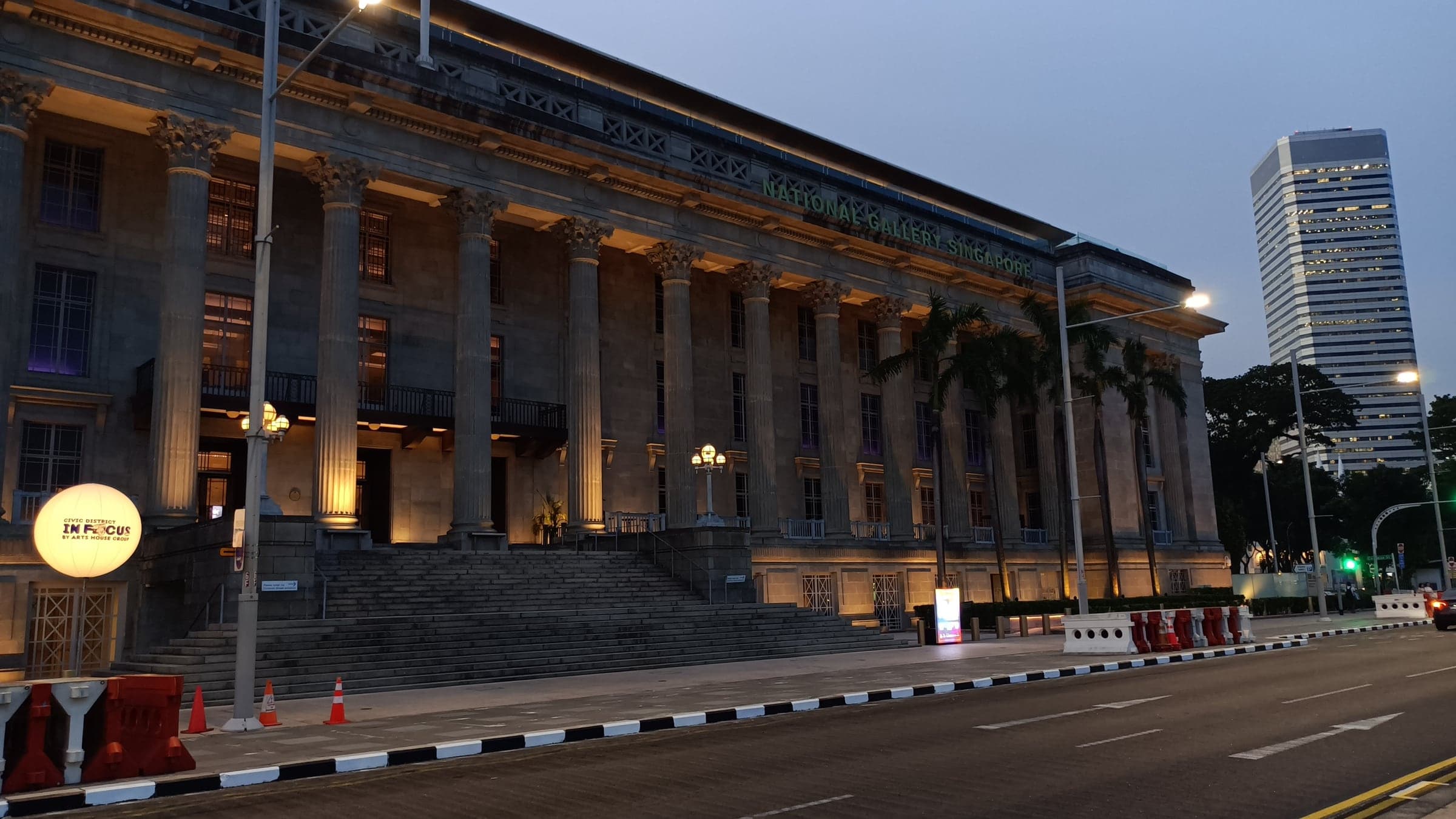
That dual register still defines the city. French rooms and bak chor mee shared one press night, which is why diaspora itineraries here refuse to choose between National Gallery tasting menus and Maxwell trays. Michelin did not invent Singapore’s hierarchy. It published a version of it that travellers could screenshot.
The decade also edited itself. Tai Hwa has kept its star through the editions that matter for planning against 2025. Hawker Chan lost its star in 2021 and remains useful as a Bib story rather than a star pilgrimage. On 16 December 2020, UNESCO inscribed Singapore’s hawker culture on the Representative List of the Intangible Cultural Heritage of Humanity: community dining rooms first, guide stickers second. Keep that order when you queue.
What the Bib Decade Kept
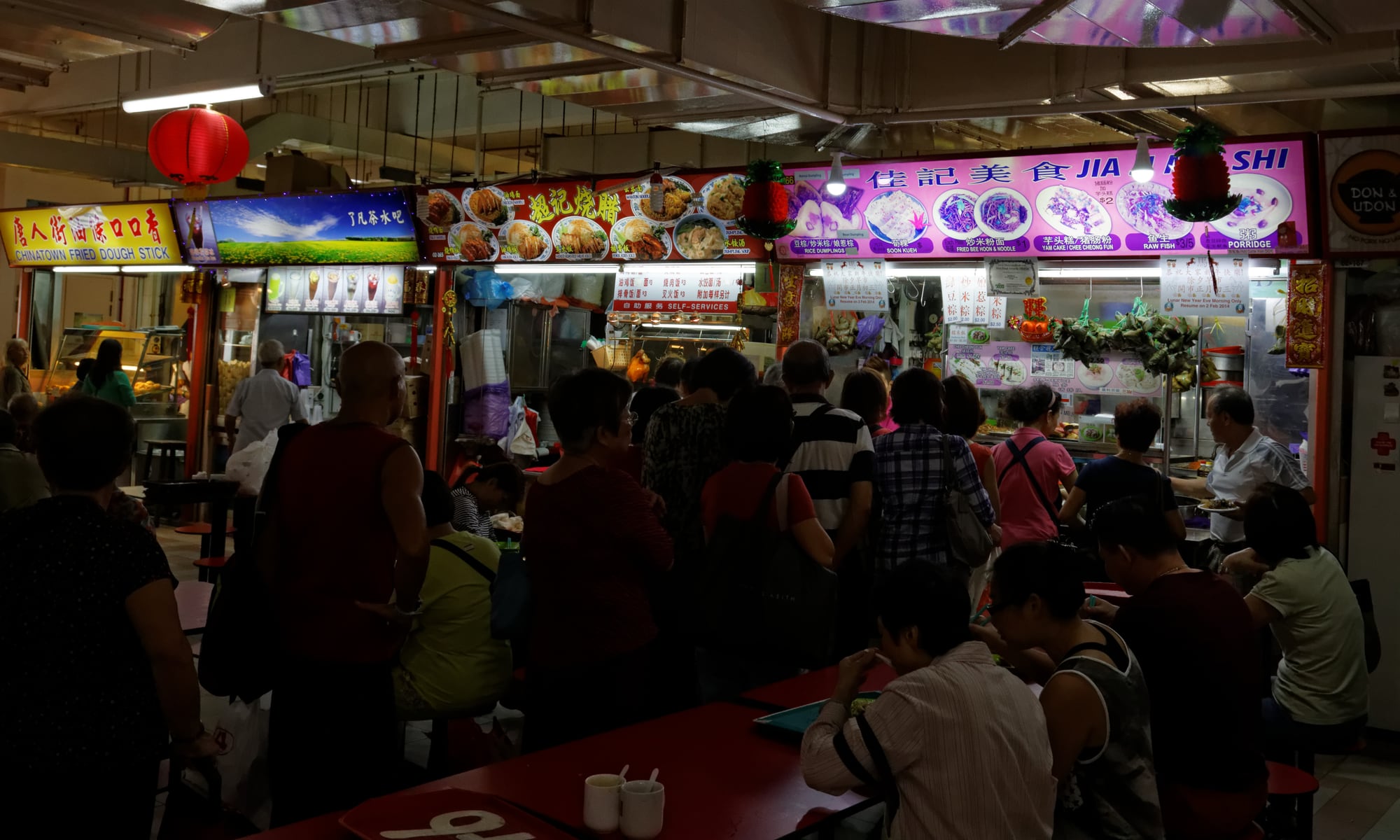
If the star ceremony is the headline, the Bib is the civic document. The 2026 list adds ten newcomers that read like a street syllabus rather than a hotel directory: fish-head bee hoon, oyster omelette, mee siam, laksa, thosai, herbal chicken soup, bak chor mee, Hunan cooking, yong tau fu, braised duck kway chap. Two addresses dropped. Seventeen held the Bib across all ten Singapore editions, including Tian Tian Hainanese Chicken Rice at Maxwell, Song Fa Bak Kut Teh on New Bridge Road, Bismillah Biryani in Little India, A Noodle Story, and Yhingthai Palace.
That continuity is the useful anniversary fact. Stars rearrange prestige. Bibs mark the rooms and stalls that keep feeding the city at prices a working lunch can still absorb. For hosts flying in from London, Vancouver, or Jakarta, the ten-edition Bib list is a more honest week-builder than chasing every new one-star rumour before 4 August.
The newcomers also widen the map beyond the usual Chinatown and Maxwell postcard. Tampines thosai, Bedok fish-head bee hoon, Aljunied laksa, and a Hunan kitchen that imports mountain ingredients are reminders that Michelin’s Singapore inspectors still leave the CBD. Soften any single stall as “the” anniversary must; use the list as a permission slip to ride the MRT one stop farther than your hotel already knows.
What the Stars Still Organise
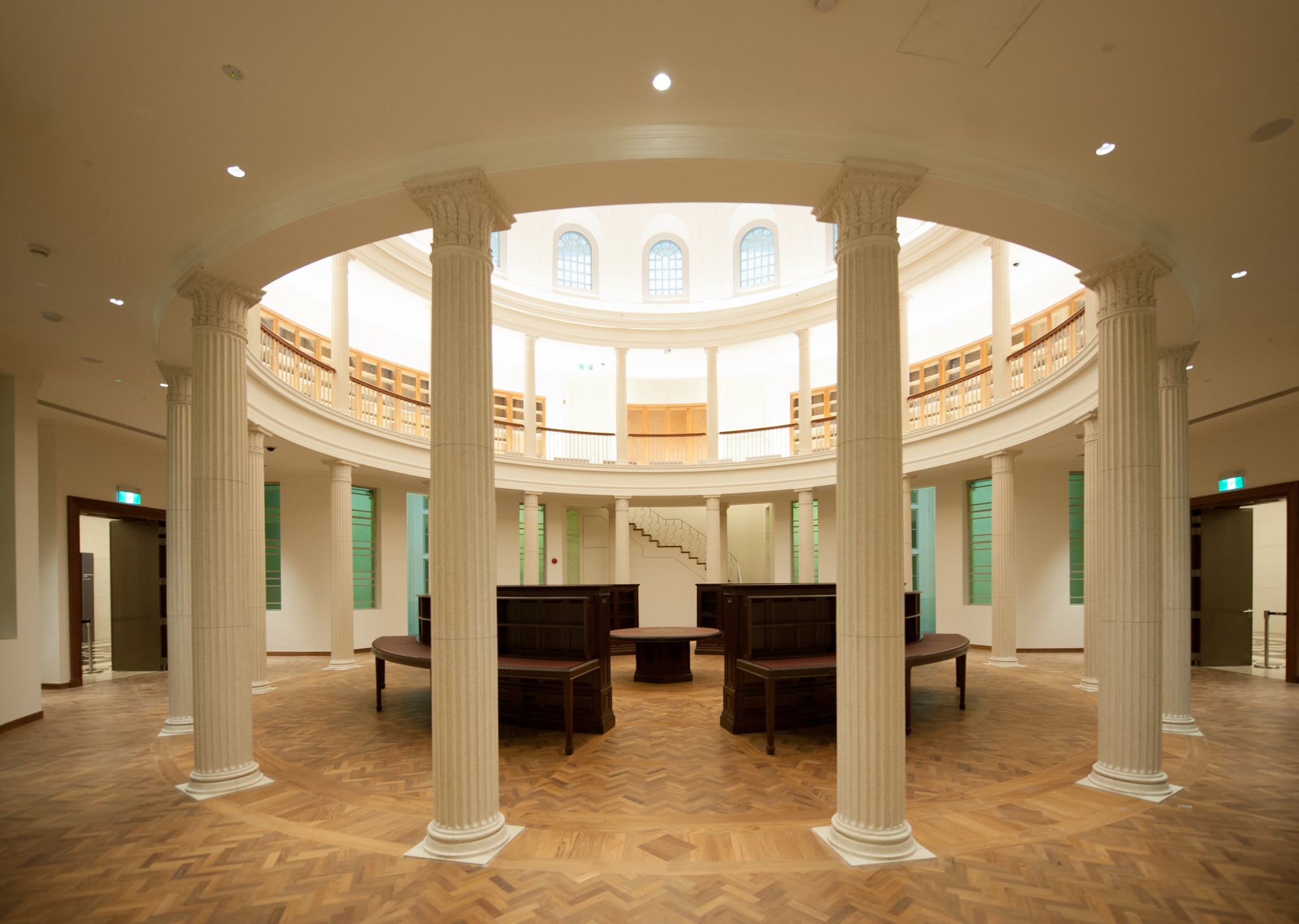
Until the 4 August reveal, plan against the MICHELIN Guide Singapore 2025, announced 24 July 2025 at Marina Bay Sands: three restaurants at three stars (Les Amis, Odette, Zén), seven at two, thirty-two at one, plus the older Bib and Selected tiers across 288 establishments and more than forty cuisines.
Les Amis at 1 Scotts Road, Shaw Centre, opened 15 March 1994 as Singapore’s first independent fine-dining restaurant; Sébastien Lepinoy has led the kitchen since 2013, with three stars since 2019. Odette, Julien Royer’s modern French room inside the National Gallery at 1 St Andrew’s Road, opened in 2015 and reached three stars in 2019. Zén, Björn Frantzén’s Bukit Pasoh house, joined the three-star tier in 2021. Candlenut has held its Peranakan star from the inaugural edition through 2025 at 17A Dempsey Road.
The guide organises time as much as taste. Three-star lunch seatings fill months ahead. Hawker peaks are lunch and early dinner. A serious Singapore week still needs both calendars, which is why The Banquet Guide to Singapore treats MRT geography and reservation lead times as one problem.
Do not invent 2026 promotions before Michelin publishes them. The ceremony will do that work. Your job is to decide which register you are hosting for: ceremony, recovery, or both.
Why the Night Moved to Raffles Sentosa
Holding the tenth edition at Raffles Sentosa is hospitality messaging as much as logistics. The property is Singapore’s first all-villa resort: sixty-two private pool villas by Yabu Pushelberg, about fifteen minutes from the CBD, with One MICHELIN Key already on the hotel side of the Guide. The brand’s Beach Road mother house opened in 1887; the Sentosa sibling opened in 2025. Moving the star night from Marina Bay Sands to a forested hillside villa resort says the city’s luxury map now includes island retreat maths, not only skyline ballrooms.
Michelin is also marking one hundred years of the star system first awarded in 1926. The Singapore page pairs that global anniversary with local decade language and a cocktail reception drawing chefs from Singapore, Seoul, and Thailand, three Asian destinations whose recent editions sit in the same conversation about how French inspection criteria meet regional cooking. Soften any guest-chef billing against the live event page; the durable point is regional, not the seating chart.
How to Use the Week of 4 August
If you are in town for the reveal: Treat 4 August as a reading night, not a booking night. Stars update online after the ceremony. Rebuild any unfinished reservation list on 5 August, not while the livestream is still congratulating.
If you are building a diaspora week around the anniversary noise: Lock Odette or Les Amis first if the three-star register is non-negotiable. Put Tai Hwa or a ten-edition Bib lunch on a different day so the week has a civic dining room, not only a tasting counter. Keep Candlenut when Peranakan memory is the host brief. Use Grab between Dempsey, Crawford Lane, and the Civic District rather than heroic walking in August humidity.
If you are watching from abroad: The decade lesson travels. Singapore taught Michelin that street food and haute cuisine can share one city guide without collapsing into each other. That is the exportable idea for Toronto, London, and Los Angeles hosts who still get asked whether Asian fine dining is “real” Michelin territory. It has been, here, for ten editions.
We'll be blunt. A star is a useful filter. It is a poor substitute for knowing whether your guests want French ceremony, Peranakan depth, or a tray under a fan. If your table still argues about whether hawker food “counts,” point them at Tai Hwa’s ten-year star and Tian Tian’s ten-year Bib, then ask what else they need proven.
The Verdict
A decade of Michelin Singapore measures consistency under inspection: who kept a Bib for ten editions, who kept a hawker star when the cameras left, who held three stars while tourist demand rose. It does not measure the auntie’s stall without a sticker, the Malay feast that never sought a tasting format, or the private home table that still teaches diaspora cooks more than any guide.
On 4 August, watch the stars at Raffles Sentosa, then refresh guide.michelin.com before you rebuild the week. Book the banquet you actually want to host. The scoreboard is public. The table remains yours.