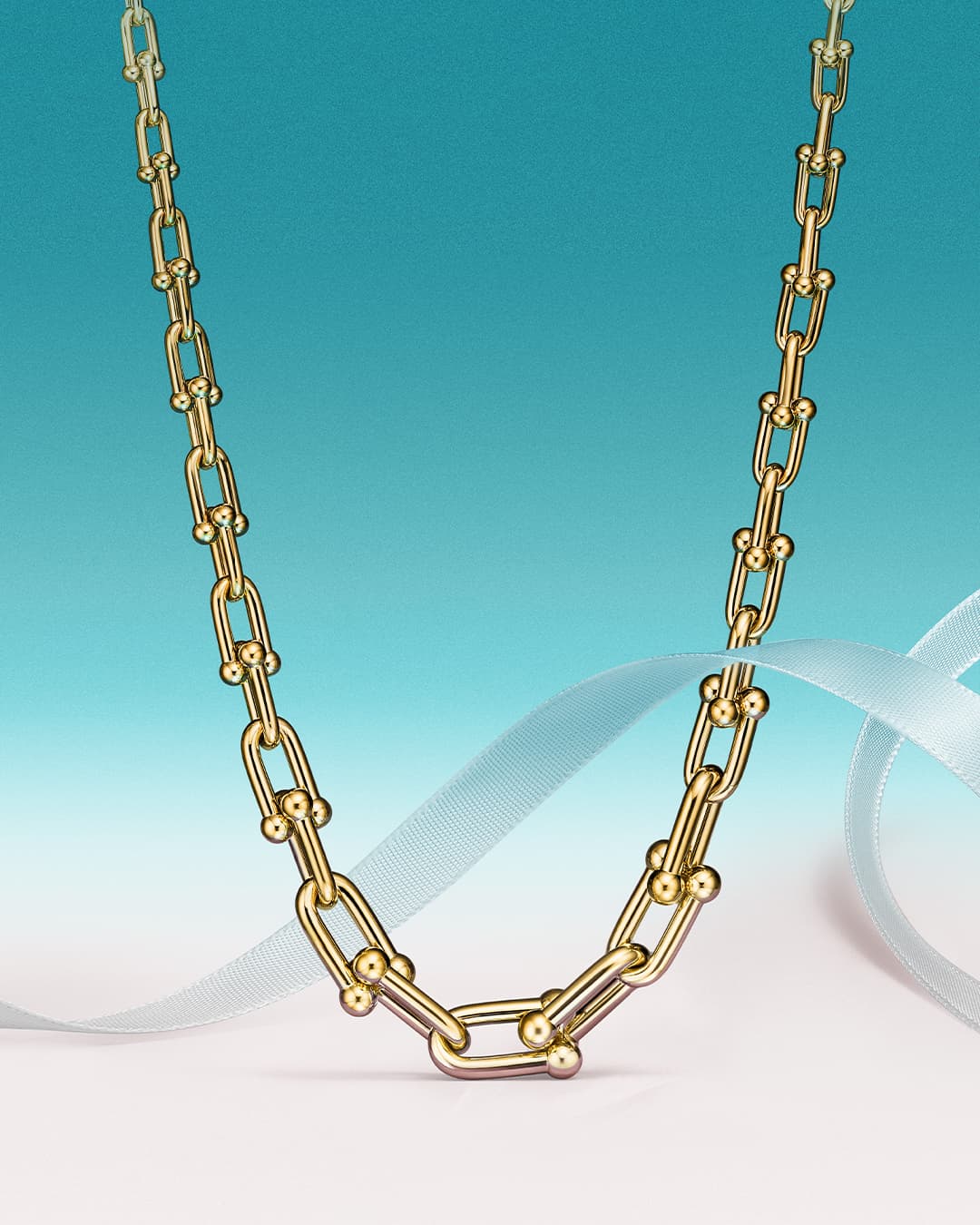
The necklace LVMH bothered to name is a chain of yellow-gold links that looks a little industrial on purpose. Tiffany calls it HardWear. You can spot it from across a room, which is part of the point. On 12 October the group said jewelry had a very good quarter inside Watches & Jewelry, and HardWear was one of the lines doing the work. Fashion & Leather Goods, still almost half of LVMH, fell 5 percent organically in those same three months. Watches & Jewelry rose 6 percent, to 2.5 billion euros. China took the edge off the soft-luxury floors. The jewelry case kept moving.
I keep hearing three reasons for that split: the metal lasts, it still makes sense as a gift, and the design is readable. Ask a reseller or a personal shopper why a bracelet clears when a bag stalls, and you will get some version of those answers. Take them as floor talk. The earnings release never measured any of it.
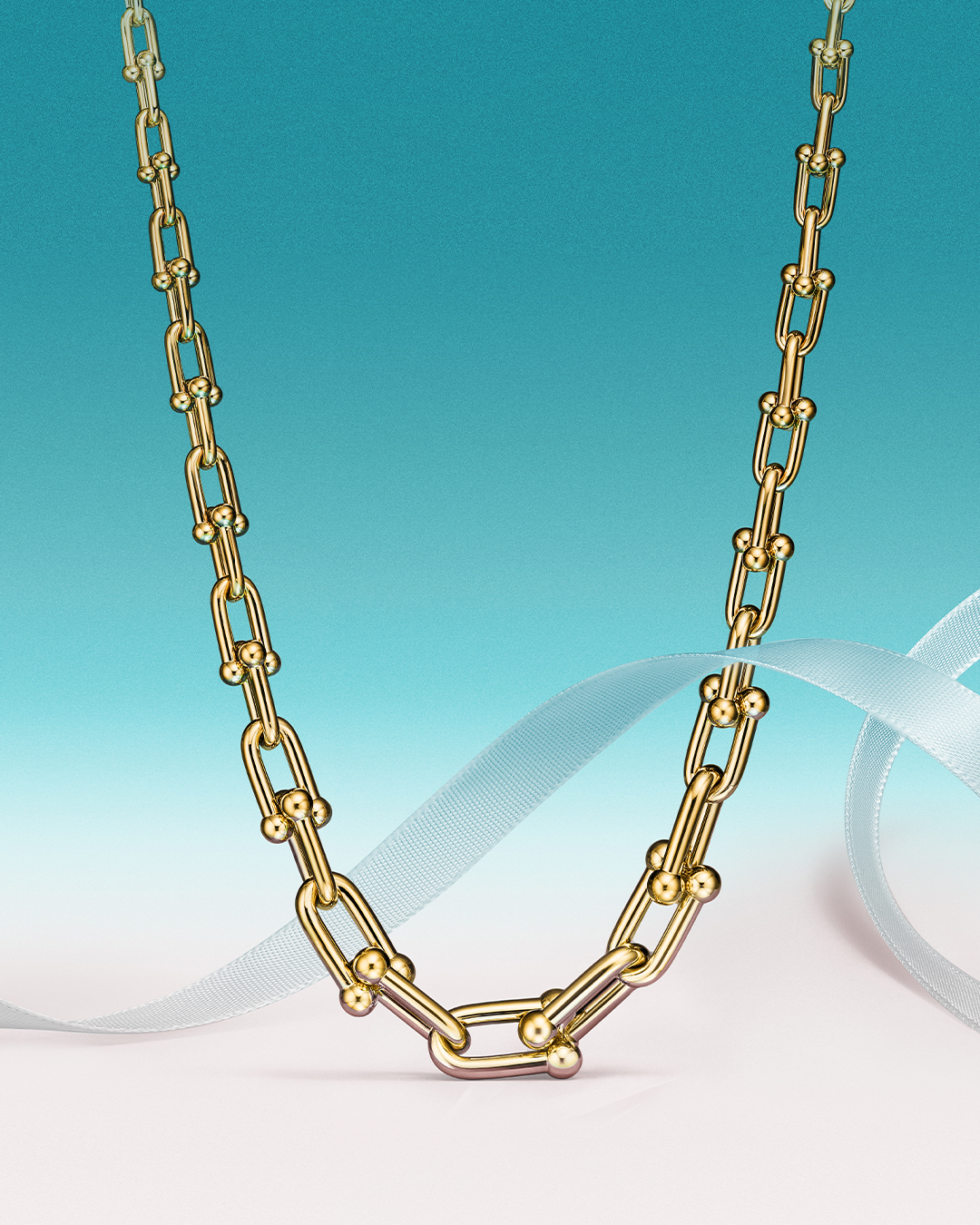
On the call, Cécile Cabanis, LVMH's finance chief, kept returning to the same kind of object. HardWear and Knot were outperforming. Renovated Tiffany rooms, about 40 percent of the network now, were outrunning the older ones. At Bulgari the story was Serpenti again, the snake you do not need a lookbook to recognize; the house even put a monumental version of it on New York's High Line in September. When a maison is under pressure, it leans on the piece a stranger can already name. You can call that branding. You can also call it the only jewelry that still feels safe to buy when the wardrobe can wait.
The secondary market is where you check whether anyone else agrees. Collector Square in Paris lists HardWear and Knot with authentication and a retail price on the ticket. Andrew Brown, who founded the New York resale platform myGemma, told CNBC in March that Cartier, Van Cleef & Arpels, Tiffany, and Bulgari make up around 90 percent of the jewelry he sells. Clients bring pieces back years later, he said, and the prices often hold better than designer handbags, which show wear faster. His 2026 index put Tiffany at the top of luxury brand searches for the first half of the year. People are hunting a name they can already picture. That is useful if you are standing at a counter. It is not proof of LVMH's six percent.
"Unlike fashion accessories that are tied to seasonal cycles, iconic jewelry collections have a much longer product life cycle."
Mario Ortelli, Ortelli & Co., to CNBC, March 2026
Ortelli, who advises luxury houses on strategy, was talking about longevity the way a reseller talks about an exit: fewer seasons, more life in the object, and, in his view, often better resale than a handbag. The gift half of the habit is older than any earnings call. Jaana Jätyri at the forecasting firm Trendstop still hears jewelry arrive as a milestone or a long-term piece when fashion starts to feel trend-tied. The self-purchase version is newer, and louder. BoF and McKinsey's State of Fashion 2026 found 42 percent of women buying more jewelry for themselves than a couple of years earlier; Claudia d'Arpizio at Bain has watched younger clients clear a Cartier bracelet after the handbag floor priced them out. We'll be blunt. That is how the category feels when you talk to people who sell it.
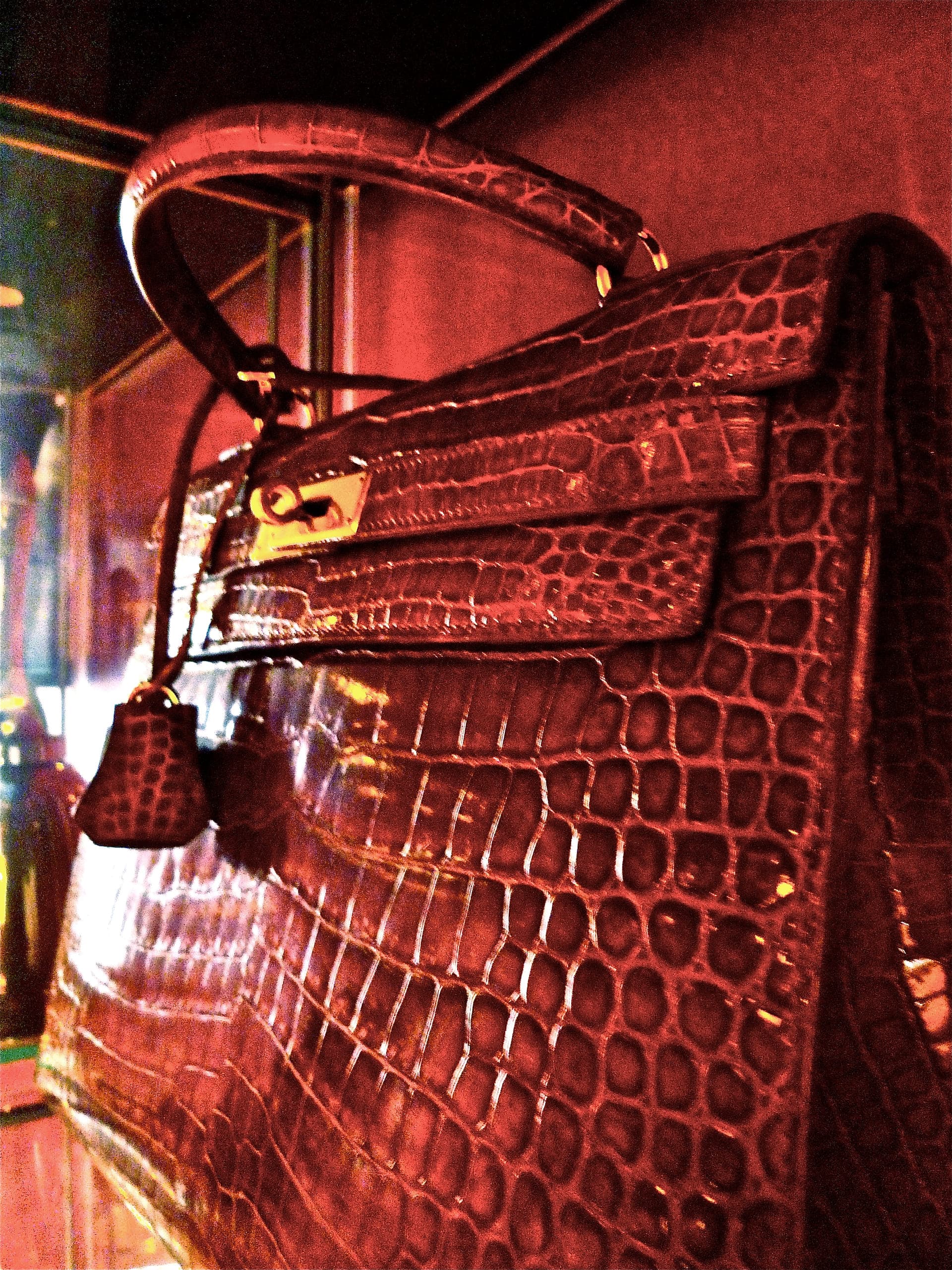
If you already treat gold as both ornament and family ledger, none of this will sound exotic. A Diwali box, a wedding exchange, a first ring bought with a salary instead of a proposal: Vogue India has been writing that last habit in the open. Richemont and Kering have been posting strong jewelry quarters too, which only means the category has company. The leather version of a selective receipt is in Hermès Still Sells Every Bag It Makes. What a famous name looks like when the room goes quiet is in The Green Submariner Did Not Sell.
For the next boutique visit, I would start with the piece you can already picture: a HardWear link, a Serpenti coil, whatever motif your house keeps repeating because strangers recognize it. Ask what actually left the case in August and September. The quarter says jewelry held while fashion softened. Why your particular bracelet moved is a conversation with the person behind the counter.