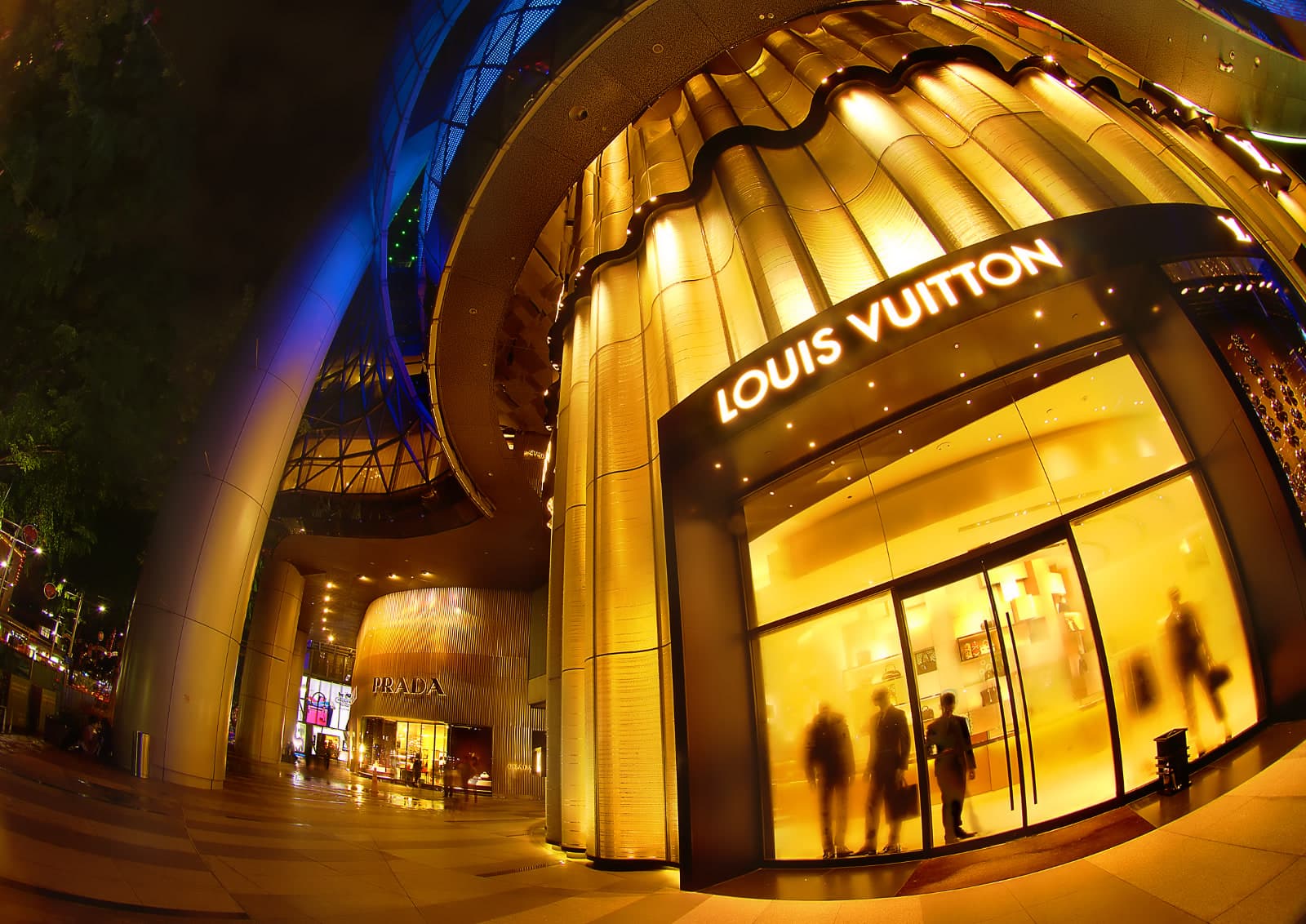
On 31 August, Louis Vuitton posted a notice at its Guiyang store and shut the doors. It was the brand's only address in Guizhou, four years after Lavant Center opened as the province's first proper luxury mall. Gucci and Cartier had already left. Bulgari followed. Rolex and Burberry moved across town to MixC. If you lived in Guiyang and bought Louis Vuitton on a Saturday, the Saturday now starts with a flight, or a WeChat message to someone in another city.
The earnings stories keep counting percentages. Under your feet the map is getting simpler. Fewer small boutiques. More weight on the rooms that can carry a full assortment and a private lounge. That is the part of the slowdown that changes your weekend.
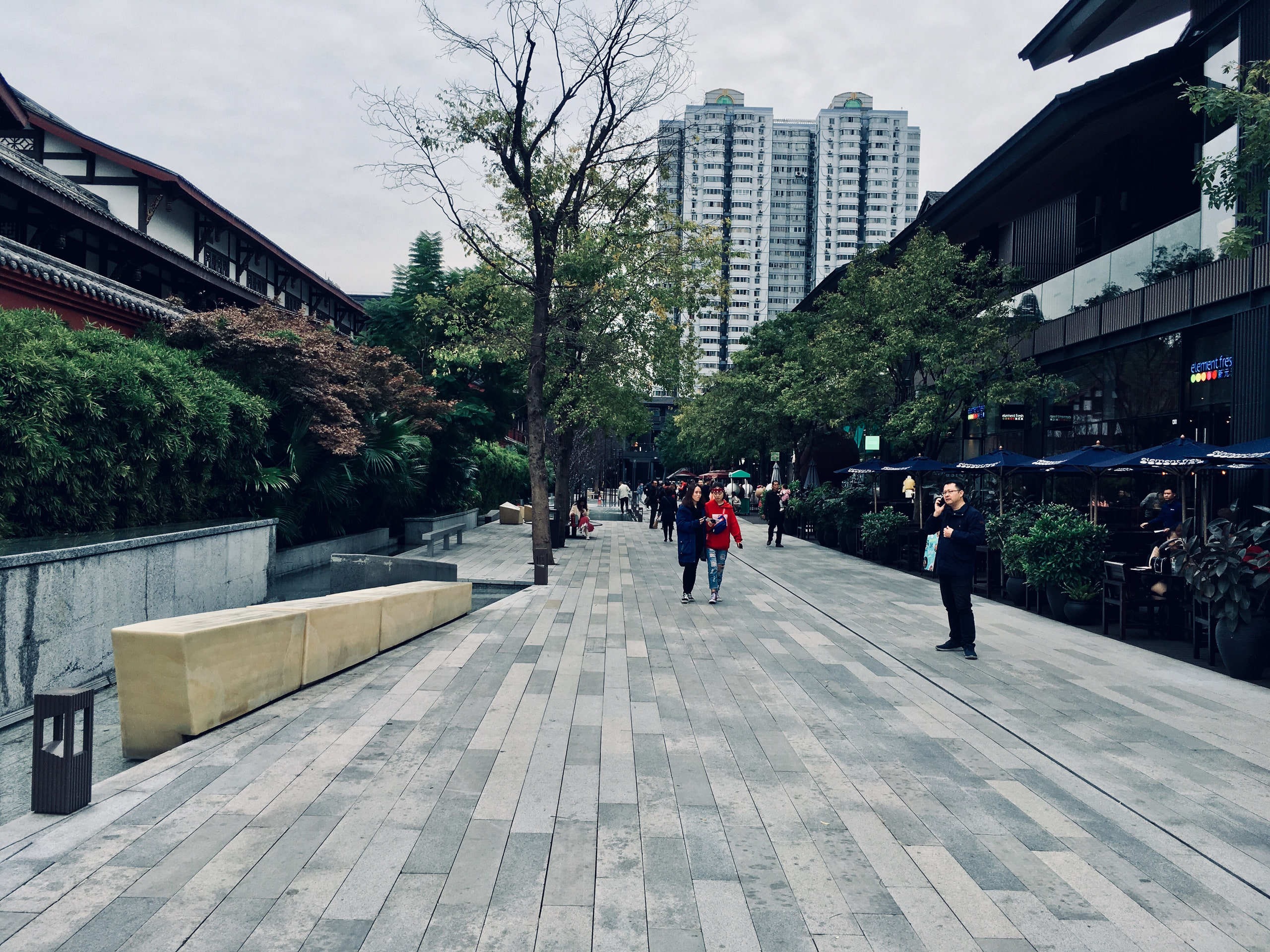
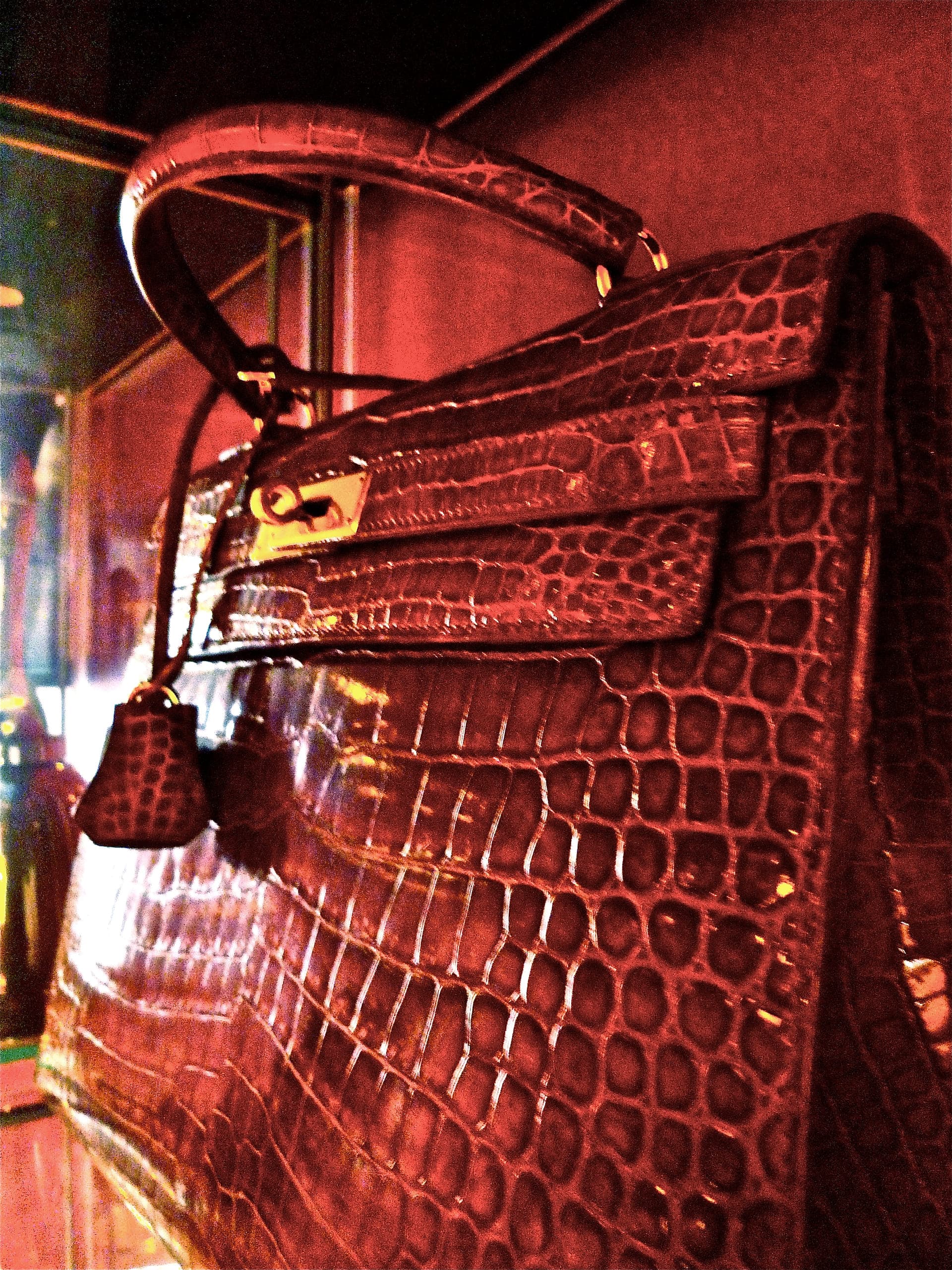
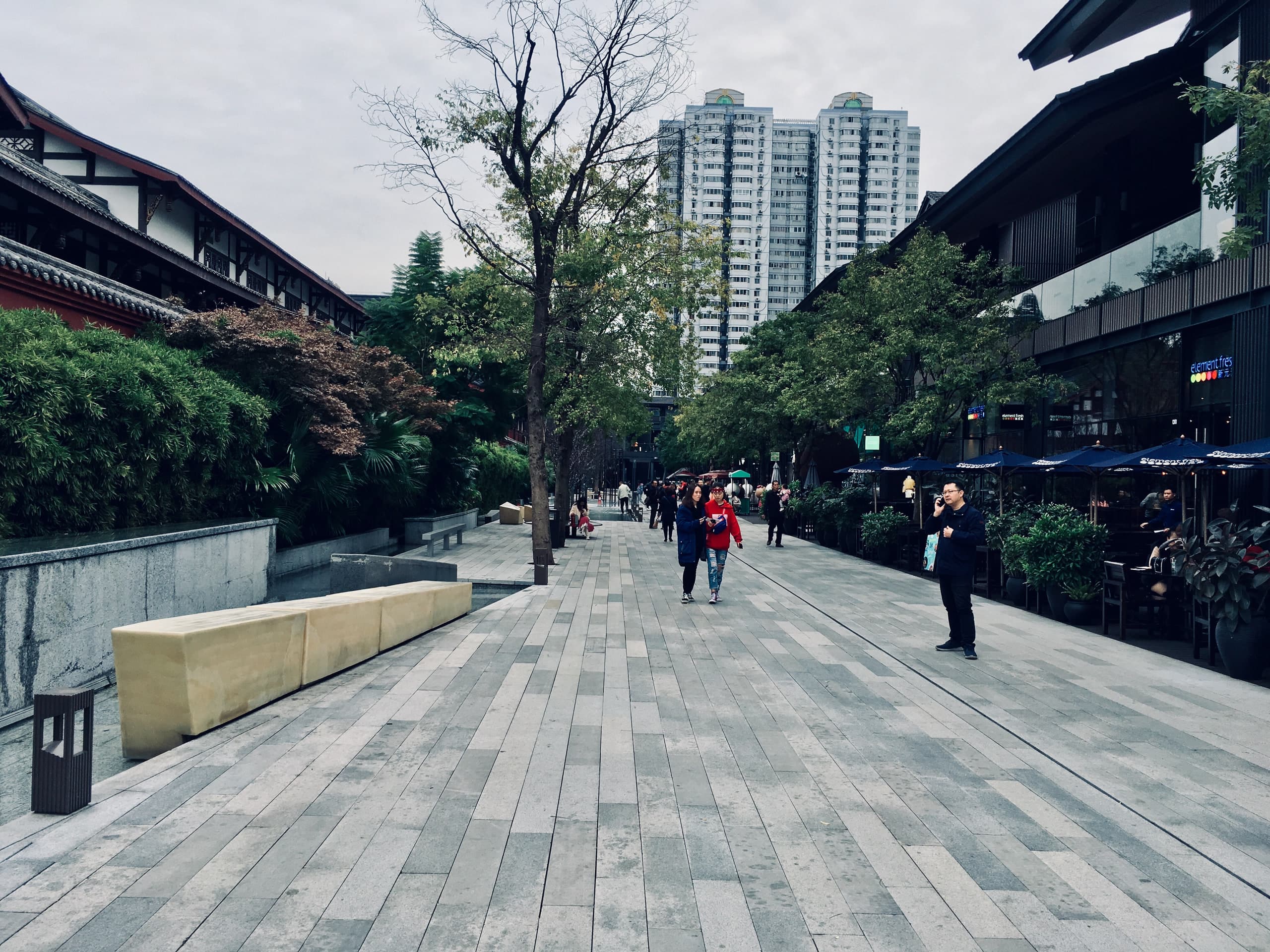
Walk into the Hermès that reopened at Chengdu Taikoo Li on 23 September and you can feel what the extra square metres are supposed to buy you. The house has been on that lane since 2014. Paris studio RDAI renovated it so all sixteen métiers sit in two floors: silk and leather downstairs with fragrance and the men's side; women's ready-to-wear, home, jewellery, and watches upstairs. Axel Dumas, Hermès's executive chairman, has been saying the quiet version of this for months. When he started, the network had 313 shops. It now has 294. The ones that remain are larger, he told analysts, so the house can show every métier. Jewellery and home, in particular, need the room. We'll be blunt: that is a better visit if you can get there, and a longer errand if you cannot.
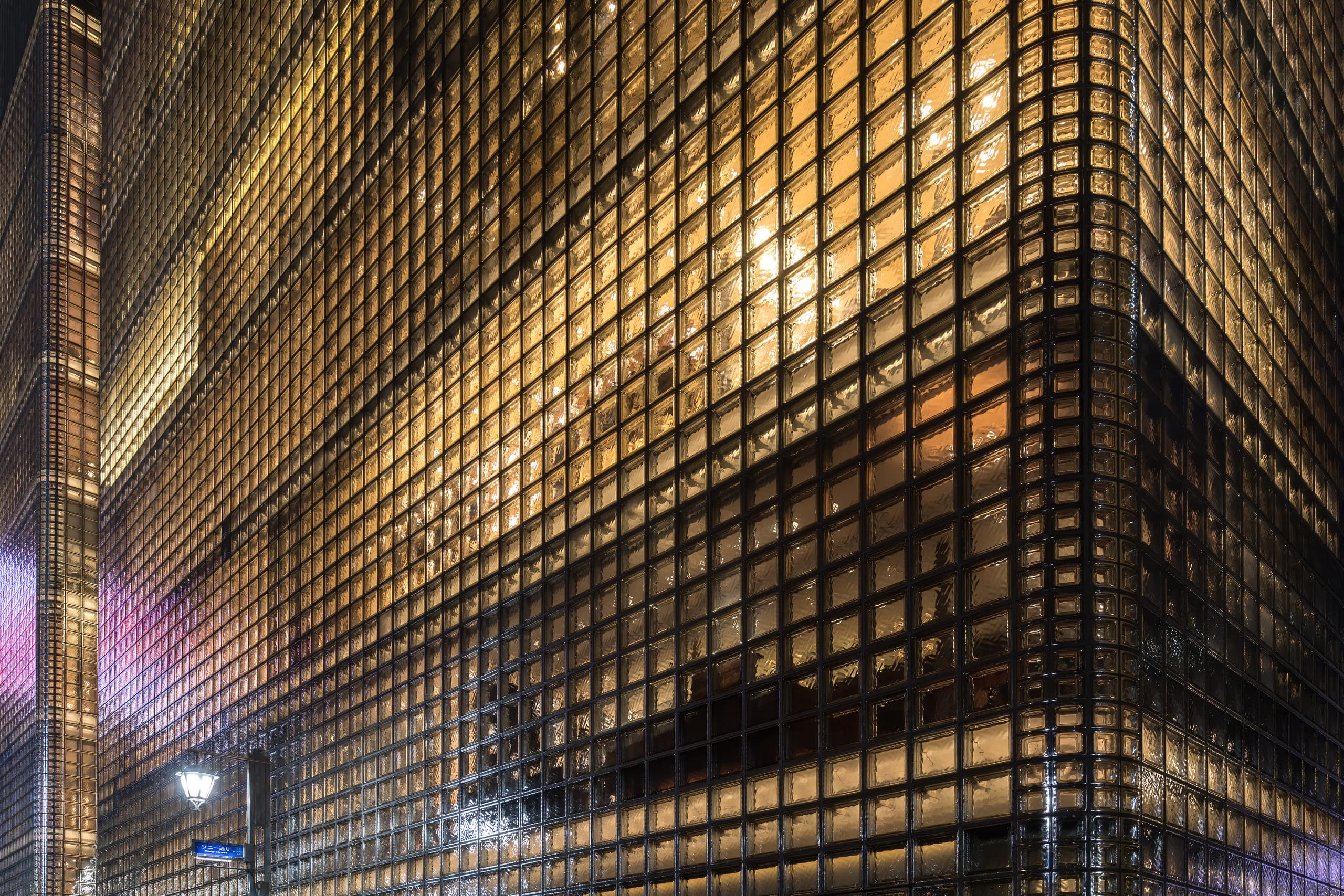
Louis Vuitton did the same bet with more floors at Beijing Sanlitun. Jun Aoki wrapped the Maison in curved glass; inside, the full universe runs across four levels, with four private lounges for VIC clients and, upstairs, Beijing's first Café Louis Vuitton. House of Dior opened on the same stretch with its own restaurant. Sanlitun is turning into a short list of appointments you book before you leave the hotel. The old habit of ducking into whichever mall was closest is the habit the network is retiring.
Gucci's version is messier, which is useful before you trust every "flagship" label. Armelle Poulou, Kering's finance chief, has said the brand was over-distributed in China and wants fewer, better stores with higher engagement. Luca de Meo, the group chief executive, was blunter in April: China had been treated as a place for easy growth, with poorly located rooms and an outdated experience. In March, Gucci still closed its Shanghai iapm flagship, the third Shanghai exit in two years. Consolidation does not mean every big room is safe. It means the brand is choosing which big rooms get the stock and the trained floor.
So what changes for you, if you are the person who used to buy locally?
The thin provincial boutique often carried the commercial hits and asked Chengdu or Shanghai for the rest. The renovated Hermès and the Sanlitun maisons are built to show the wider case in one visit: home, jewellery, the café booking, the lounge. If your city lost the store, you are not choosing between two nearby counters anymore. You are choosing a travel day, or you are shopping through the advisor on WeChat who can send Mini Program links and hold a private viewing in the city that still has the room. That trade can feel fine. It can also feel like a Saturday that used to be an elevator ride.
Service is following the square metres upstairs. Chinese clients still want the physical store for inspiration, and a private appointment with someone who knows the case still matters as much as the same-day receipt. Poulou said conversion in China improved even while traffic stayed soft, which is the polite way of saying fewer people came, and the ones who came were handled harder. The relationship is moving into lounges, and into WeCom chats that travel with the brand when a sales associate changes malls. Book before you fly. Ask which floor has the thing you came for. The associate who answers is now part of the store.
Secondary malls in Shanghai and Beijing have lost anchors. Kunming and Guiyang have watched whole luxury lineups unwind. Some of those houses reappear in MixC projects in cities such as Changchun and Fuzhou, which is a different errand again: not your old mall, not Sanlitun, but the one developer the brands still trust. Hermès and Cartier Lose Their Steadiest Client in China covered the quiet August floors. This is the address-book version of the same season. The client who still wants the house may have to change cities to see it properly.
I would stop treating the neighborhood boutique as the default. Call the flagship you can actually reach, ask what is in the case this week, and keep the WeChat advisor even if you prefer to buy in person. If Guiyang is home, Chengdu or Beijing is the appointment. If Shanghai is home, check which mall still has your house before you leave the office. The brand already chose where the assortment lives. Meet it there.